Hours at an average pace
Showing 36 books
About 212 hours for 34 of 36 books with measured lengths. Estimates use 250 words a minute, adjusted for each book's difficulty. At 2 hours a day, about 107 days for those books.
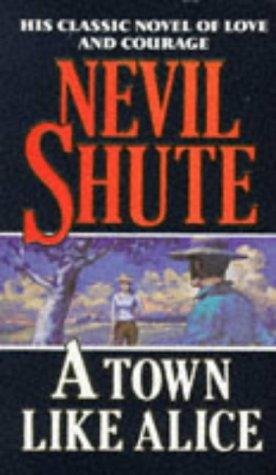
One of the most popular novels of the 1950s. A classic of wartime literature and Australian fiction. Still widely read.
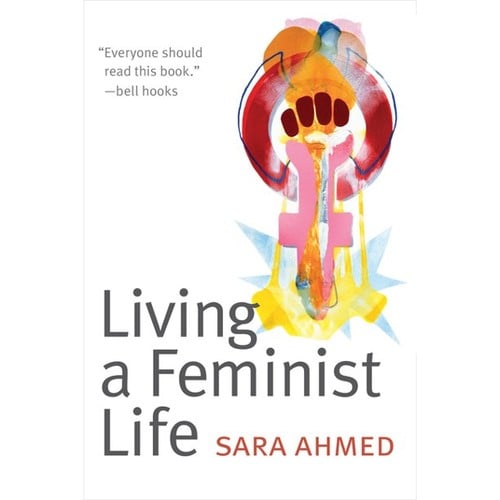
Living a Feminist Life has become standard reading in gender studies, feminist theory, and cultural studies courses at universities worldwide since its 2017 publication. No syllabus data was returned by our tool, but Ahmed's work is extensively assigned in women's studies programs across the UK, US, Canada, and Australia. It does not appear on traditional literary canons but holds high canonical status within feminist academic circles.
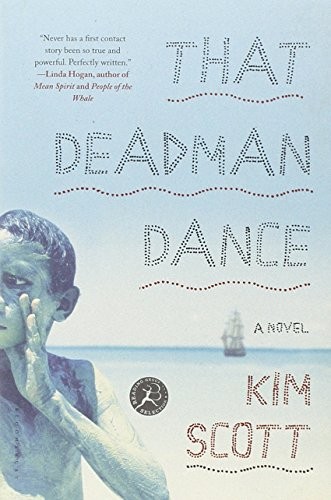
Two-time Miles Franklin Award winner. Major Australian literary work.
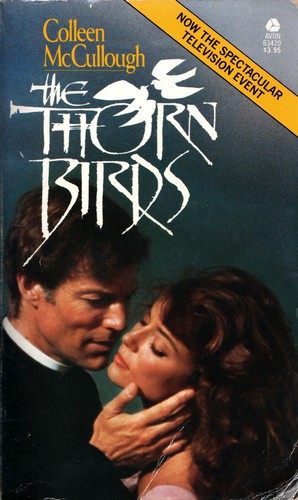
Over thirty million copies sold. The 1983 miniseries made it a global cultural event. A defining popular novel of the 1970s.
British Fantasy Award winner. Widely acclaimed debut, still establishing its canonical position.
No. 6 on this list. The Book Thief
Markus Zusak · 2005
Easy6.4 hours
Taught in schools: Common Core text exemplars (Appendix B) (US)
Over 500 weeks on NYT list. Widely taught in schools. A modern YA classic.
Breakthrough contemporary romance that reinvigorated the enemies-to-lovers office trope.
International bestseller. One of the best science books of 2016.
Commercial fiction positioning. Moriarty is a phenomenon, not a canonical figure. Unlikely to be taught.
Major recent Australian crime novel. Too new for canonical assessment.
No. 11 on this list. Big Little Lies · Liane Moriarty · 2014
Big Little Lies does not appear on tracked university syllabi and has no significant presence in academic curricula. Its cultural footprint comes primarily from commercial success and the HBO adaptation rather than from classroom adoption. It sits in the space of widely-read popular fiction that occasionally appears in genre studies but lacks the canonical weight of literary staples.
Moderate8.5 hours
Start this bookNo. 12 on this list. Horse · Geraldine Brooks · 2022
A 2022 novel, too recent to hold a place on syllabi, though its subject suits courses on American historical fiction and race. It sits near Beach Read's range but with more literary standing.
Easy6.3 hours
Start this bookNo. 13 on this list. Bodies of Magic · Freya Marske · 2026
The book is a 2026 release with no syllabus presence yet. It belongs to commercial fantasy and dark academia, with starred reviews from Library Journal and BookPage and USA Today bestseller status.
Easy7.5 hours
Start this bookNo. 14 on this list. He Who Drowned the World · Shelley Parker-Chan · 2023
A recent genre novel by a rising author with no syllabus presence recorded, though it is part of a widely discussed historical fantasy duology.
Moderate8.6 hours
Start this bookNo. 15 on this list. Swordcrossed · Freya Marske · 2024
The 2024 release is too recent for syllabi and sits in commercial romantic fantasy. It reads as a popular bestseller, comparable to Beach Read in canonical standing.
Easy5.5 hours
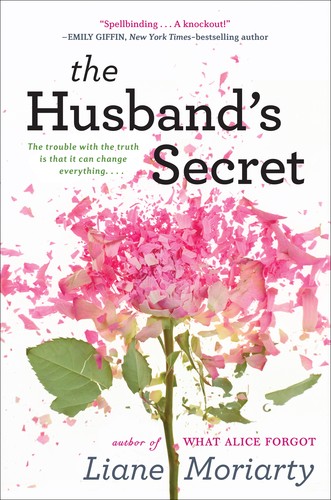
Start this bookNo. 16 on this list. The Husband's Secret · Liane Moriarty · 2013
A bestselling commercial novel with book club popularity, but not a fixture of university syllabi. It sits among popular fiction like Gone Girl.
Easy5.9 hours
Start this bookNo. 17 on this list. A Marvellous Light · Freya Marske · 2021
Robin Blyth inherits a baronetcy and a mess in 1908 England. Hours into a new job as a civil service liaison, he learns that magic is real, that a secret society of magicians has run Britain's affairs in parallel for centuries, and that someone has cursed him. His guide is Edwin Courcey, a prickly, bookish magician from a cold, unloving family, who wants nothing to do with Robin's trouble and gets dragged into it anyway. A binding tying the two men together forces them into close quarters. It also pushes them toward each other, and toward a country-house investigation of stolen artefacts, old crimes and a conspiracy that reaches into Robin's own family. Marske sets the magic in physical, slightly absurd detail: spells that cost bodily effort, a hedge maze that bites, a library that takes liberties. The tone is witty and warm, with banter and slow-burn tension carrying the romance, while the mystery supplies steady plot momentum. Edwin's guarded, self-mocking narration of his own family wounds gives the story real feeling beneath the comedy. Expect a fast, clear, charming read with open sensuality and a satisfying romantic arc, and a series hook that leads into the next book.
Moderate6.6 hours
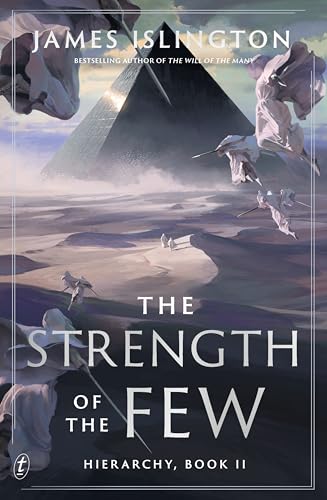
Start this bookNo. 18 on this list. The Strength of the Few · James Islington · 2025
A 2025 genre release with bestseller-list presence and a large online readership, but no academic or canonical footprint. The Hierarchy series circulates in fan-driven best-of-fantasy conversations, not curricula.
Moderate16 hours
Start this bookNo. 19 on this list. Prince's Gambit · C.S. Pacat · 2015
A popular genre novel, not taught on university syllabi. It is read mostly within fantasy romance fandom.
Moderate6.8 hours
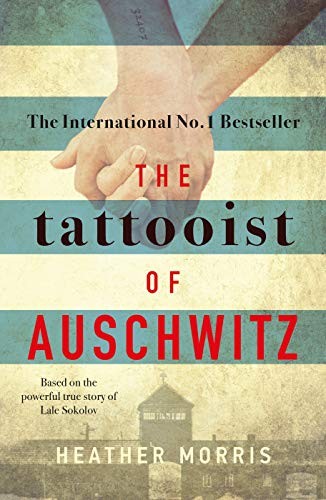
Start this bookNo. 20 on this list. The Tattooist of Auschwitz · Heather Morris · 2018
Not taught in literature courses—positioned as accessible Holocaust narrative rather than literary achievement. Historians have questioned its accuracy. Unlikely to enter any canon.
Easy4.1 hours
Start this book



No. 21 on this list. Dark Rise · C.S. Pacat · 2021
A 2021 young adult fantasy with no syllabus presence recorded. It is a recent genre title, in the territory of popular fiction rather than curricula.
Easy7 hours
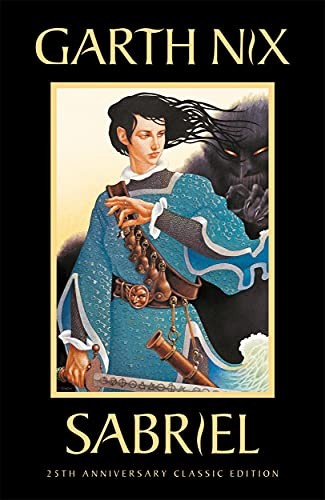
Start this bookNo. 22 on this list. Sabriel · Garth Nix · 1995
Sabriel grows up on the wrong side of a Wall — the Ancelstierre boarding school where she studies sits in a world of electricity and early-twentieth-century normality, while beyond the Wall lies the Old Kingdom, where magic still works and the Dead do not always stay dead. Her father, the Abhorsen, crosses into Death to send the Dead back; she has never understood exactly what that means until a messenger comes from the wrong side, bearing his bells and sword, and she realizes he is trapped somewhere past the Ninth Gate. She crosses the Wall alone, inheriting a role she only half understands, carrying seven bells whose names — Ranna, Mosrael, Kibeth, Dyrim, Belgaer, Saraneth, Astarael — each command a different power over the Dead. Mogget, a small white cat bound by a collar of Free Magic, becomes her reluctant guide. Garth Nix builds his magic system with the precision of an engineer: each bell has a specific function, each misuse carries specific consequences, and Sabriel's education in her father's craft happens under immediate pressure. The Old Kingdom is not a backdrop — it is a country in collapse, the Dead rising everywhere, something large and ancient working toward a purpose. The novel does not spare Sabriel the weight of what she has taken on. By the end, the cost is real.
Easy5.1 hours
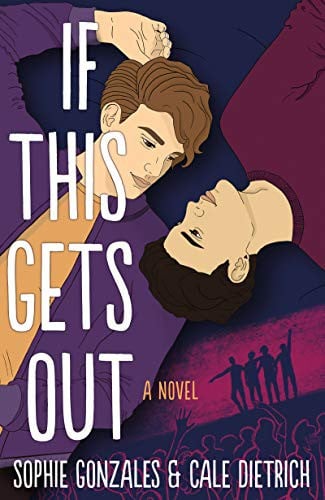
Start this bookNo. 23 on this list. If This Gets Out · Sophie Gonzales · 2021
Ranked by literary regard among eligible works in the current catalogue. This position reflects the available catalogue evidence.
Easy5.6 hours
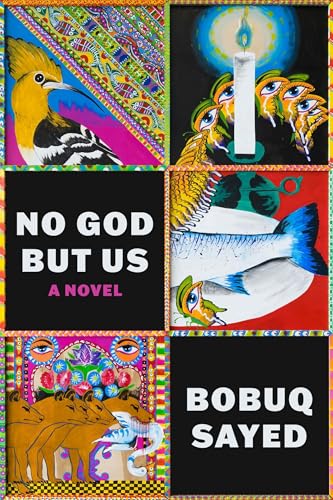
Start this bookNo. 24 on this list. No God But Us · Bobuq Sayed · 2026
A 2026 debut cannot yet appear on syllabi, and no teaching presence is recorded. It belongs to contemporary queer and diaspora fiction still finding its audience.
Moderate4.7 hours
Start this bookNo. 25 on this list. Kings Rising · C.S. Pacat · 2016
A popular fantasy romance with a large fan following, not taught as literature.
Easy5.9 hours
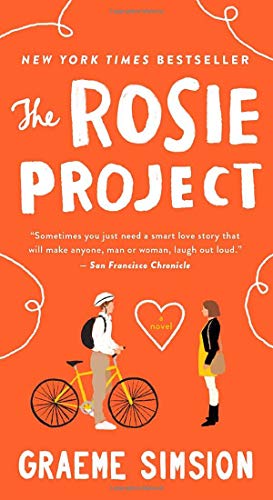
Start this bookNo. 26 on this list. The Rosie Project · Graeme Simsion · 2013
Global bestseller. Widely read and adapted. Significant cultural footprint.
Very Easy3.3 hours
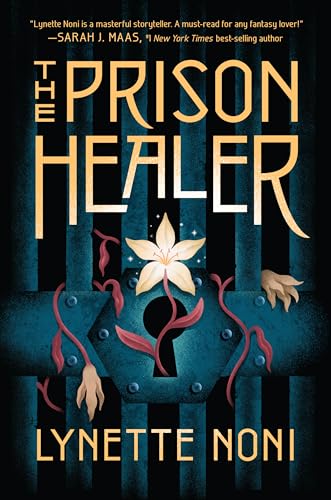
Start this bookNo. 27 on this list. The Prison Healer · Lynette Noni · 2022
No syllabus appearances, recognitions, or Wikipedia signals were found in the data pull, consistent with a book that circulates through YA reader communities rather than academic curricula. Closer to Fifty Shades of Grey's cultural-phenomenon-only footprint than to anything taught or studied.
Easy5.8 hours
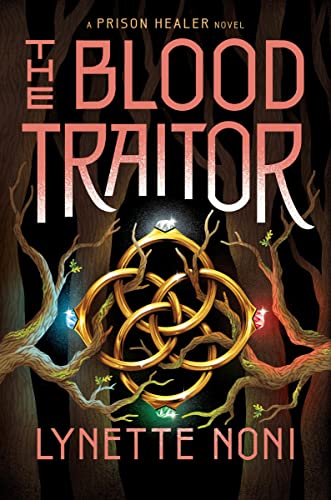
Start this bookNo. 28 on this list. The Blood Traitor · Lynette Noni · 2023
The data pull returned no syllabus appearances and no Wikipedia presence for this work. It sits with genre series read for pleasure within YA fantasy fan communities rather than assigned in classrooms — below even Fifty Shades of Grey's cultural-phenomenon-only footprint (25).
Easy6.7 hours
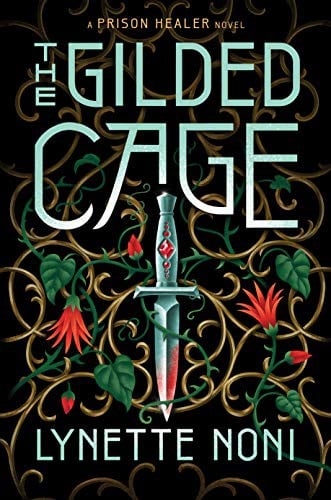
Start this bookNo. 29 on this list. The Gilded Cage · Lynette Noni · 2021
No Open Syllabus appearances and no meaningful Wikipedia footprint turned up in data signals. It circulates within an active YA fantasy fandom rather than academic or 'best of' canon-building lists.
Easy7.1 hours
Start this bookNo. 30 on this list. 99 Percent Mine · Sally Thorne · 2019
Darcy Barrett has a heart condition, a twin brother named Jamie, and a lifelong obsession with Tom Valeska, her brother's best friend and the boy who has been off-limits since they were teenagers. When their grandmother dies and leaves them a cottage that needs renovation, Tom—now a contractor—takes the job, and Darcy moves in for the duration of the build. The proximity forces a reckoning with everything they have spent a decade not saying. Thorne writes Darcy as a deliberate contrast to her Hating Game heroine: where Lucy was organized and optimistic, Darcy is chaotic, self-destructive, and convinced she is going to die young because of her heart. The renovation becomes a metaphor she would hate: tearing down walls, exposing foundations, rebuilding something that was always structurally sound but cosmetically neglected. Tom is patient, competent, and so decent that Darcy cannot believe he wants her. The novel moves slower than The Hating Game and depends on the reader finding Darcy's self-sabotage compelling rather than frustrating.
Very Easy3.6 hours
Start this book

About this list
These 36 books are the highest-scoring eligible easy books from Australia currently in the catalogue. By literary regard, it opens with A Town Like Alice, Living a Feminist Life and That Deadman Dance. About 212 hours of reading in all, for the 34 with measured lengths. Difficulty runs from 27 to 38 out of 100 for the middle half of the list; the summit is Big Little Lies at 44.
This list is ranked by literary regard, with a consistent order for equal scores. Membership follows authors and co-authors, not translators or editors. Catalogue coverage and the historical canon both limit what this list can represent.
When we matched the Canons dataset to our catalogue in October 2026, our canonical-status scores rose with the number of school curricula, publisher series and lists in it that cite a work: the median score was 72 for books one such source cites, 84 at two, 88 at three, 92 at four and 93 at five or more. Prizes are left out of that count. Outside the state curricula, the dataset’s sources choose mostly from what has been translated into English or French, so it is a weaker check on other literatures. Source: Canons (Andrew Piper), CC BY 4.0
Questions people actually ask
- What are the best easy books from Australia?
- By literary regard, which weighs canonical status, critical standing and influence, A Town Like Alice, Living a Feminist Life, That Deadman Dance, The Thorn Birds and She Who Became the Sun lead. ReadingRate ranks 36 such books, each with a difficulty score and a reading-time estimate.
- Where should I start with easy books from Australia?
- Start from difficulty, not from rank. The most approachable books on this list that still carry top literary regard are 99 Percent Mine by Sally Thorne (about 3.6 hours), The Rosie Project by Graeme Simsion and The Hating Game by Sally Thorne.
- How hard are easy books from Australia to read?
- Most of this list sits between 27 and 38 on ReadingRate's 100-point difficulty scale, where 40 to 55 is moderate. The summit is Big Little Lies at 44. Every entry carries its own score, so a reader can pick a great book at a difficulty they will finish.
- How is this list ranked?
- On literary-regard data: how canonically established a work is, its critical standing, and its influence on later writing. It is not a readers’ poll, which is why recent bestsellers rarely appear. Membership follows authors and co-authors, not translators or editors. A list that is not a genre list keeps to literature (fiction, poetry, drama and philosophy), with philosophy taking no more than one slot in five while there is literature left to rank; every list holds at most three works by one author.