Hours at an average pace
Showing 34 books
About 166 hours for 29 of 34 books with measured lengths. Estimates use 250 words a minute, adjusted for each book's difficulty. At 2 hours a day, about 83 days for those books.
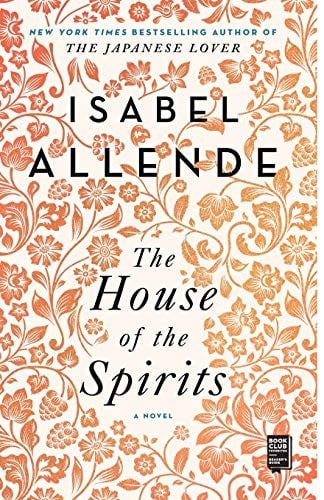
No. 1 on this list. The House of the Spirits
Isabel Allende · 1982
Challenging19 hours
Taught in schools: Literatura, Diseño Curricular – Provincia de Buenos Aires (Argentina), UNAM Escuela Nacional Preparatoria – programas de Literatura (Mexico)
The House of the Spirits appears on a substantial number of university syllabi in Latin American literature, world literature, and postcolonial studies courses across the US and Europe. It features on several '100 best novels' lists and is considered essential reading in its genre. While not as universally assigned as canonical Anglo-American works, it holds a firm place in the world literature curriculum, particularly in Spanish-language departments and courses on magical realism.
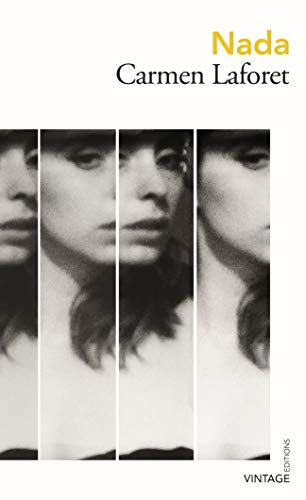
A required text across Spanish secondary and university education and the standard novel of the immediate postwar period.
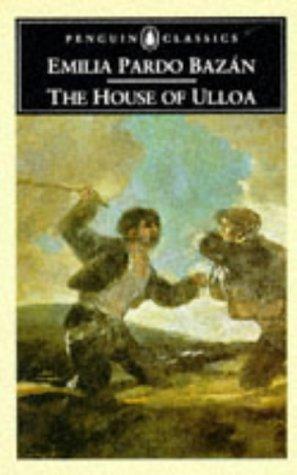
A required text in Spanish literature curricula and the standard example of Spanish naturalism.
Central to Galician and Spanish literary curricula, and a foundational text for the study of nineteenth-century women poets in Spanish.
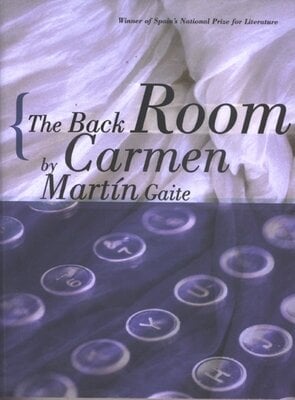
No. 5 on this list. The Back Room
Carmen Martín Gaite · 1978
Difficult7.2 hours
Taught in schools: EBAU Lengua Castellana y Literatura II (Andalucía) (Spain)
Widely taught in Spanish literature, women's-writing and transition-era courses as a defining text of post-Franco fiction.
Winner of Spain's 1957 Premio Nadal, it is a staple of Spanish postwar literature courses and the 'novela social' and women's writing canon. It is less central to world-literature syllabi.
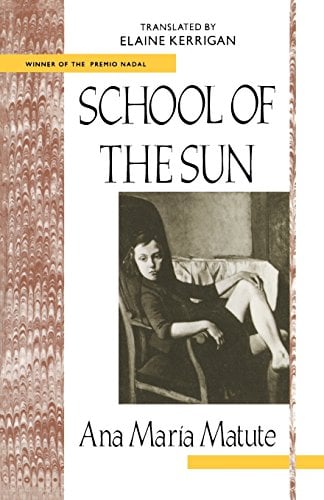
Widely taught in Spanish literature courses as the key novel of childhood under the Civil War and Matute's most studied book.
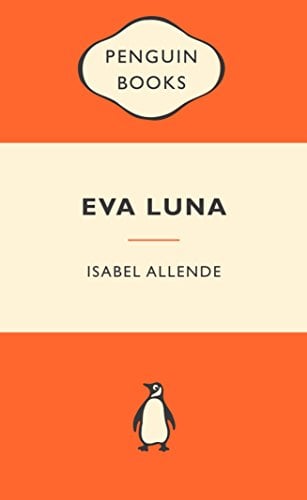
Eva Luna opens her story the way her mother opened hers: with an act of reinvention. Born in the back room of a house full of mummies and Latin books, daughter of an Indian who never looked at the sky and a red-haired woman abandoned at a river mission, Eva discovers early that words are currency. She carries this knowledge through a succession of households—each one stranger than the last—as a child servant, a factory worker, a fugitive, and eventually a writer of telenovelas. Running parallel is the story of Rolf Carlé, an Austrian exile who grows up in a German mountain colony and becomes a documentary filmmaker drawn toward the political violence simmering beneath his adopted country's surface. Allende structures the novel like the Arabian Nights she keeps invoking: episodes nest inside episodes, each character telling their own story inside Eva's. The prose is sensory and accumulative—jungles steam, mummies smell of dried flowers, a dead woman's hair is braided with gold—and Allende moves between comedy and violence with the ease of a practiced oral storyteller. By the time Eva sits down to write the script that gives Rolf a way into the guerrilla story he has been chasing, the novel's two currents have merged into a single argument: that to survive in a continent given to disappearances and strongmen, you must first become the author of your own life.
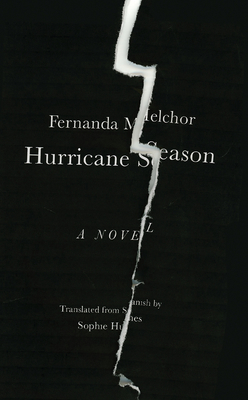
Hurricane Season has rapidly entered university syllabi in Latin American literature, comparative literature, and world literature courses since its 2017 Spanish publication and 2020 English translation. It appears on contemporary fiction reading lists at major universities and has been adopted as a key text in discussions of 21st-century Mexican literature. However, its canonical status is still consolidating — it lacks the decades of pedagogical embeddedness that would place it alongside established canonical works. Its trajectory suggests growing institutional presence.
The author won the Premio Cervantes, Spanish literature's highest honor, which lifts her place in Hispanic curricula. This collection itself is a later, less-taught work with limited English-language presence.
No. 11 on this list. Elena Knows · Claudia Piñeiro · 2022
Taught in schools: Leaving Certificate English – NCCA / State Examinations Commission (Ireland)
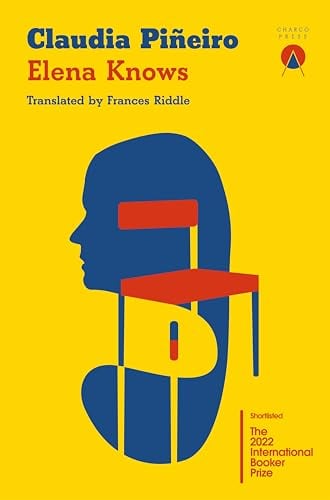
Taking place in a single, this is the story of Elena's trek across Buenos Aires to learn the truth about her daughter's death. In the course of the day, she is forced to redefine everything she thought she knew about her daughter, herself, and a fleeting encounter, twenty years before.
Moderate2.9 hours
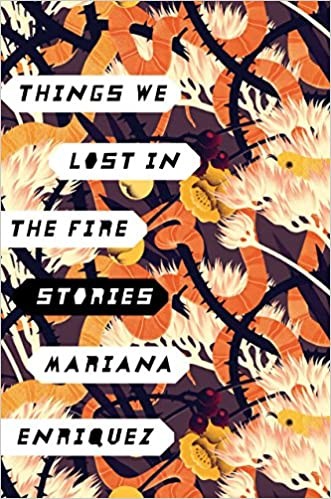
Start this bookNo. 12 on this list. Things We Lost in the Fire · Mariana Enriquez · 2016
International Booker shortlist. Widely reviewed and translated. Establishing canonical status in world literature and horror.
Easy3.6 hours
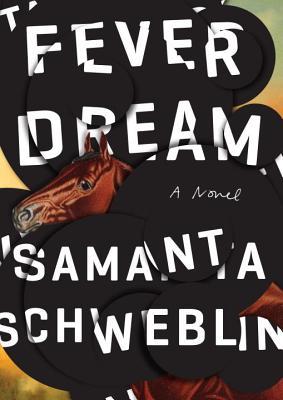
Start this bookNo. 13 on this list. Fever Dream · Samanta Schweblin · 2017
Amanda wakes in a rural Argentine clinic, her daughter Nina beside her, neither able to remember what happened. David, a strange local boy, helps her reconstruct events through a fractured dialogue. Schweblin's uncanny novella builds inexorable dread as it probes environmental disaster, motherhood, and the terror of contamination.
Challenging
Start this bookNo. 14 on this list. Of Beasts and Fowls · Pilar Adón · 2023
It won Spain's Premio Nacional de Narrativa in 2023 and the Premio Francisco Umbral for Book of the Year, and scholars already treat it as a lyrical novel. It is recent, so its place on syllabi is still forming.
Challenging4.3 hours
Start this bookNo. 15 on this list. The Patients of Doctor García · Almudena Grandes · 2017
The book won Spain's Premio Nacional de Narrativa in 2018 and belongs to a widely read cycle. It is taught in Spanish contemporary literature courses but is too recent to count as core canon.
Moderate14 hours
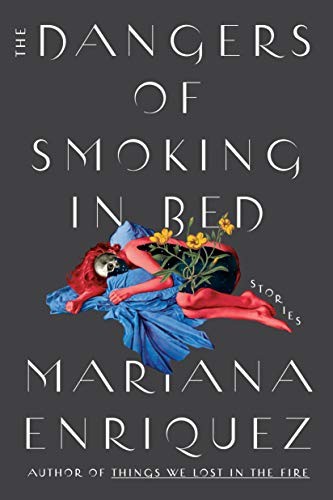
Start this bookNo. 16 on this list. The Dangers of Smoking in Bed · Mariana Enriquez · 2009
International Booker shortlist for this collection. Established Enriquez as a major voice. Growing canonical recognition in world literature.
Easy3.2 hours
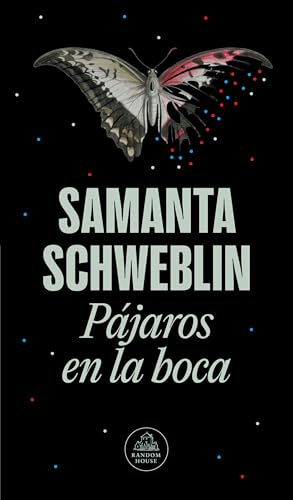
Start this bookNo. 17 on this list. Mouthful of Birds · Samanta Schweblin · 2009
No syllabus data is available and no Wikipedia article has been identified for this specific collection. Schweblin is a significant presence in contemporary Latin American literature, but Mouthful of Birds (2009 in Spanish, 2019 in English translation) has not yet entered university curricula widely. Her novel Fever Dream has stronger institutional recognition than this collection.
Challenging4.9 hours
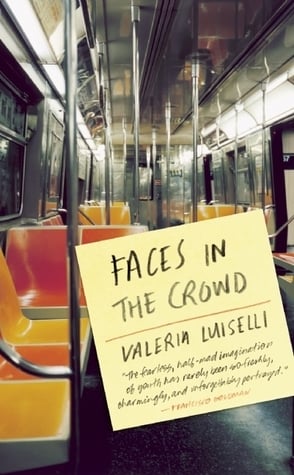
Start this bookNo. 18 on this list. Faces in the Crowd · Valeria Luiselli · 2011
A woman in Mexico City sits at her kitchen table writing a novel. Her children interrupt constantly — the boy asks where mosquitoes come from, the baby upends things — and her husband reads the pages she leaves out and disapproves of what he finds. What she is writing is the story of Gilberto Owen, an obscure Mexican poet who lived in New York during the Harlem Renaissance, drank himself to death in Philadelphia, and left behind a small archive that may or may not be authentic. The two voices — hers, his — weave through each other without warning, until it becomes impossible to say which narrator is inventing the other. Luiselli structures the book as a series of brief fragments separated by white space, each one a small sealed room: a child's question, a forged document, a postcard from a dead man. The sentences are spare and precise, the domestic detail exact, but the novel is doing something quietly radical with identity and time. Translation, in this book, is not a service rendered to literature — it is an act of possession, a way of becoming someone else by giving them words. The novel ends with the narrator 'rubbing herself out.' Whether she disappears into Owen or simply steps away from the page is left entirely open.
Difficult5.1 hours
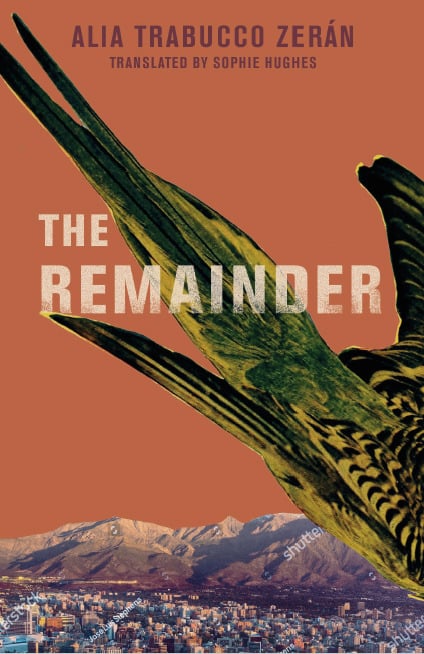
Start this bookNo. 19 on this list. The Remainder · Alia Trabucco Zerán · 2019
A Chilean family reckons with the legacy of Pinochet through three siblings. Trabucco Zerán's Booker-shortlisted debut explores how political violence shapes intimate life.
Challenging4.5 hours
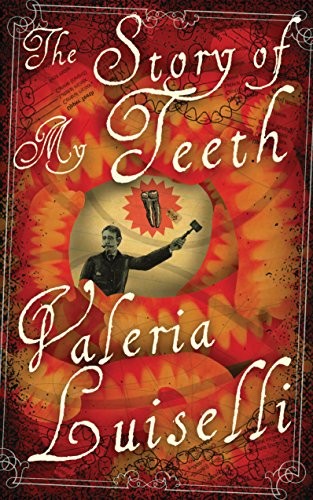
Start this bookNo. 20 on this list. The Story of My Teeth · Valeria Luiselli · 2013
Published in 2015 to strong reviews but the data signals show zero recognitions recorded, no measurable syllabus presence, and no Wikipedia page or scholar citations in the current dataset. Luiselli's profile has risen sharply since (Lost Children Archive, American Book Award), but this novel's standalone canonical status remains emergent rather than established.
Challenging3.2 hours
Start this book
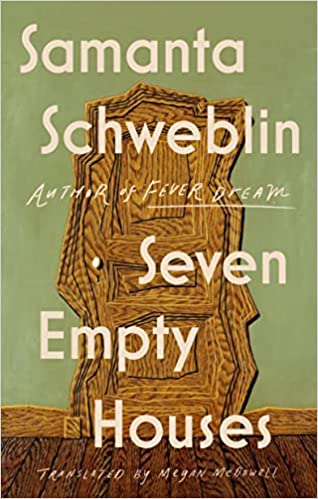
No. 21 on this list. Seven Empty Houses · Samanta Schweblin · 2024
Seven Empty Houses has no syllabus presence and limited Wikipedia coverage. Published in English translation in 2022, it is too recent to have entered university curricula. Schweblin is increasingly taught in Latin American and world literature courses through her earlier works (Fever Dream, Mouthful of Birds), but this specific collection has not yet achieved the recognition needed for canonical status.
Challenging2.5 hours
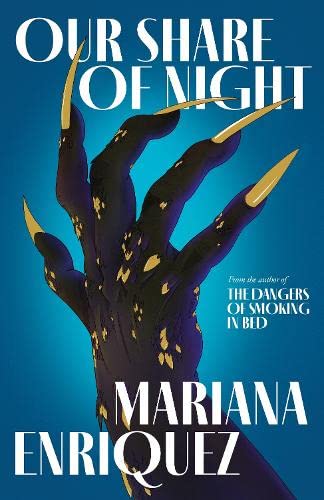
Start this bookNo. 22 on this list. Our Share of Night · Mariana Enriquez · 2019
No measurable syllabus presence in Open Syllabus data, no Wikipedia page located in the data signals, and no scholar papers in the dataset. The novel was published in Spanish in 2019 and in English translation in 2022 — too recent for robust canonical establishment. Enriquez is a respected figure in Latin American horror and literary fiction, but this specific novel has not yet entered university syllabi or the scholarly apparatus at scale.
Challenging20 hours
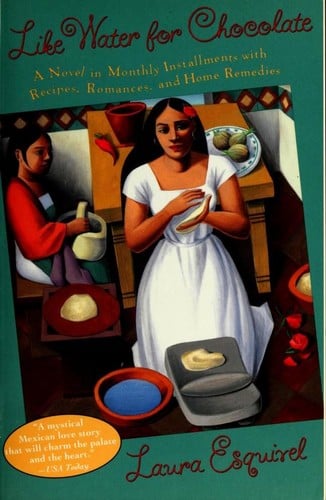
Start this bookNo. 23 on this list. Like Water for Chocolate · Laura Esquivel · 1989
Taught in schools: Literatura, Diseño Curricular – Provincia de Buenos Aires (Argentina)
Most widely read Mexican novel of its era. Acclaimed film. Global bestseller.
Very Easy2.6 hours
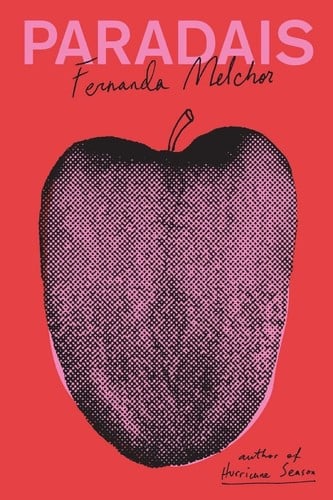
Start this bookNo. 24 on this list. Paradais · Fernanda Melchor · 2021
Paradais (2021/2022) is too recent to have established syllabus presence — no appearances found in Open Syllabus data. Published by Fitcarraldo Editions, a prestige UK independent known for International Booker-adjacent work. Likely to appear in world literature and contemporary Latin American fiction courses as the author's reputation grows.
Moderate2.6 hours
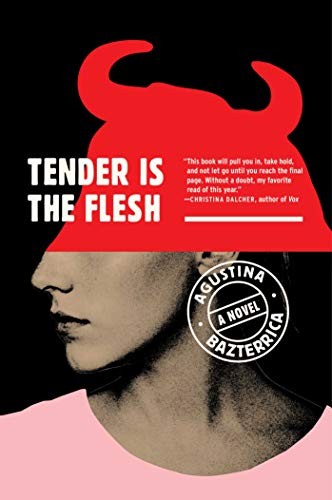
Start this bookNo. 25 on this list. Tender Is the Flesh · Agustina Bazterrica · 2017
No syllabus data available in the database, reflecting the book's recency (2017) and its primary reception in Spanish-language literary circuits. The novel has attracted growing attention in world literature courses, but hasn't yet reached the curricular penetration of established canonical works.
Moderate3.4 hours
Start this bookNo. 26 on this list. The Forms of Wanting · Inés Martín Rodrigo · 2022
Winner of the 2022 Premio Nadal, one of Spain's oldest literary prizes, which brings press attention and bookshop presence. As a recent novel it has not yet entered curricula in any broad way.
Easy5.4 hours
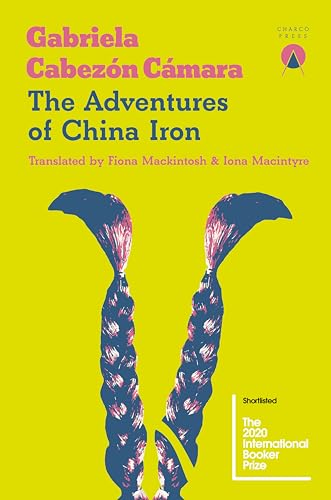
Start this bookNo. 27 on this list. The Adventures of China Iron · Gabriela Cabezón Cámara · 2020
The novel appears on only one university syllabus in the Open Syllabus database and has no Wikipedia article, placing it at the early edge of international academic visibility. Published in 2017 in Argentina and 2019 in English by Charco Press (an Edinburgh indie), it is beginning to circulate in Latin American literature and world literature courses but has not yet achieved fixture status.
Challenging4.1 hours
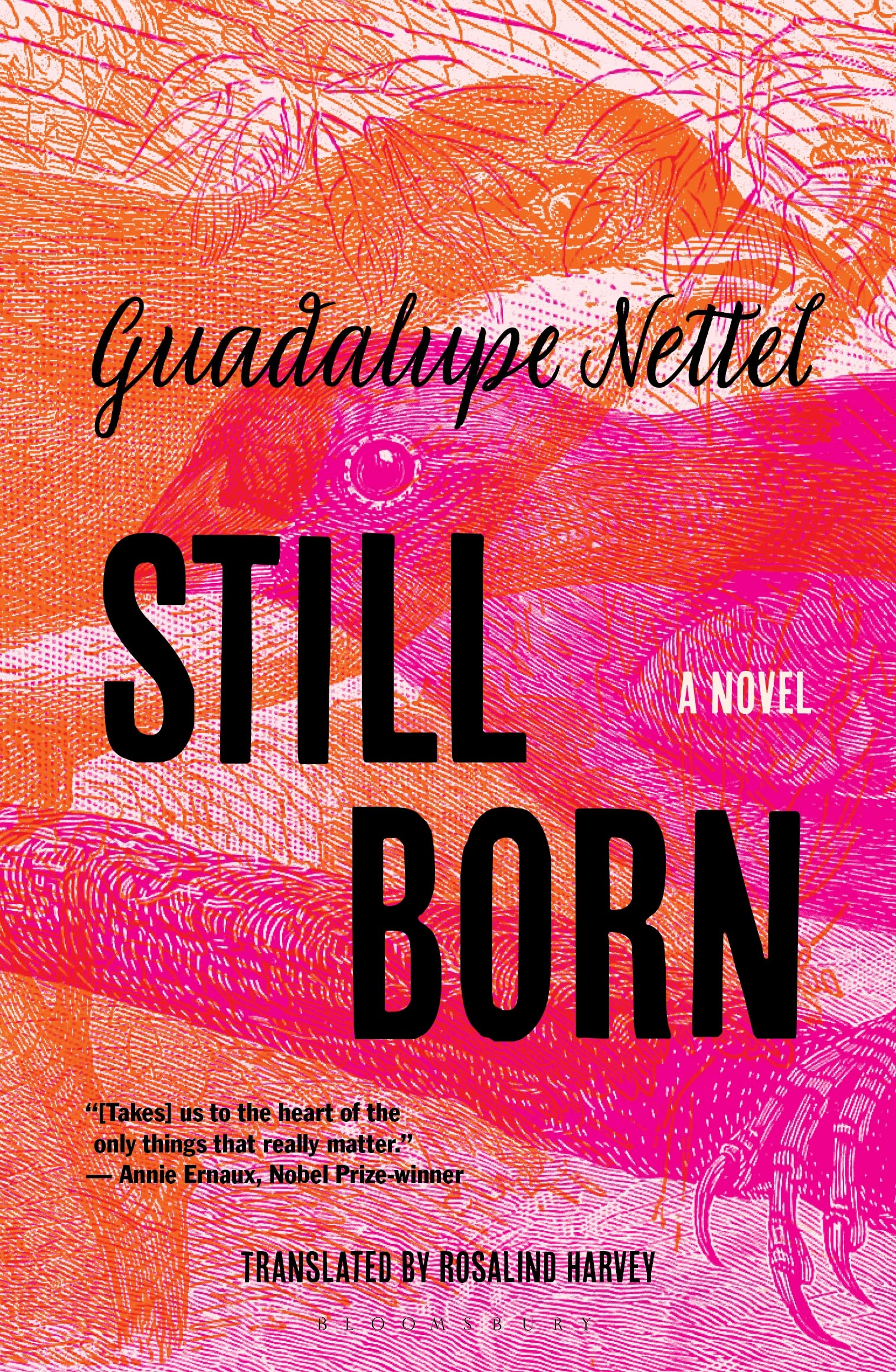
Start this bookNo. 28 on this list. Still Born · Guadalupe Nettel · 2023
Still Born is a recent novel by the Mexican writer Guadalupe Nettel, read mainly as an International Booker title rather than taught as a standard text. Its place is among contemporary Latin American fiction in translation.
Moderate4.8 hours
Start this bookNo. 29 on this list. Victoria · Paloma Sánchez-Garnica · 2024
Published in November 2024, the novel is too recent for syllabi, though the Premio Planeta 2024 win brings it wide attention in Spanish-language publishing. A Booket pocket edition follows the prize. It sits among popular, prize-backed commercial fiction.
Easy
Start this bookNo. 30 on this list. The Maid's Daughters · Sonsoles Ónega · 2023
A 2023 Premio Planeta winner, still too recent for syllabi, and a television adaptation brought it wider attention. It reads as a major commercial literary event rather than a taught text.
Easy
Start this book
About this list
These 34 books are the highest-scoring eligible books by women in Spanish currently in the catalogue. About 166 hours of reading in all, for the 29 with measured lengths. Difficulty runs from 41 to 61 out of 100 for the middle half of the list; the summit is Faces in the Crowd at 74.
This list is ranked by literary regard, with a consistent order for equal scores. Membership follows authors and co-authors, not translators or editors. Catalogue coverage and the historical canon both limit what this list can represent.
When we matched the Canons dataset to our catalogue in October 2026, our canonical-status scores rose with the number of school curricula, publisher series and lists in it that cite a work: the median score was 72 for books one such source cites, 84 at two, 88 at three, 92 at four and 93 at five or more. Prizes are left out of that count. Outside the state curricula, the dataset’s sources choose mostly from what has been translated into English or French, so it is a weaker check on other literatures. Source: Canons (Andrew Piper), CC BY 4.0
Questions people actually ask
- What are the best books by women in Spanish?
- By literary regard, which weighs canonical status, critical standing and influence: The House of the Spirits by Isabel Allende, Nada by Carmen Laforet, The House of Ulloa by Emilia Pardo Bazán, Beside the River Sar by Rosalía de Castro and The Back Room by Carmen Martín Gaite. ReadingRate ranks 34 such books, each with a difficulty score and a reading-time estimate.
- Which books by women in Spanish should I read first?
- Start from difficulty, not from rank. The most approachable books on this list that still carry top literary regard are Behind the Curtains by Carmen Martín Gaite (about 5.7 hours), Nada by Carmen Laforet and Beside the River Sar by Rosalía de Castro.
- What are the shortest of the best books by women in Spanish?
- Among the top 25, the shortest are Beside the River Sar by Rosalía de Castro (about 1.1 hours), Seven Empty Houses by Samanta Schweblin (about 2.5 hours) and The Story of My Teeth by Valeria Luiselli (about 3.2 hours), at an average pace of 250 words a minute adjusted for each book's difficulty.
- Which of the best books by women in Spanish are the established classics?
- By canonical status, how firmly a book sits in curricula, anthologies and the canon: The House of the Spirits by Isabel Allende, Nada by Carmen Laforet, The House of Ulloa by Emilia Pardo Bazán, Beside the River Sar by Rosalía de Castro and The Back Room by Carmen Martín Gaite.
- How long would it take to read the top ten?
- About 69 hours, at an average pace of 250 words a minute adjusted for each book's difficulty: 35 days at two hours a day. Set your own pace on the page and the list's reading times change to it.
- How hard are books by women in Spanish to read?
- Most of this list sits between 41 and 61 on ReadingRate's 100-point difficulty scale, where 40 to 55 is moderate. The summit is Faces in the Crowd at 74. Every entry carries its own score, so a reader can pick a great book at a difficulty they will finish.
- How is this list ranked?
- On literary-regard data: how canonically established a work is, its critical standing, and its influence on later writing. It is not a readers’ poll, which is why recent bestsellers rarely appear. Membership follows authors and co-authors, not translators or editors. Lists by country, author, period, theme or difficulty keep to literature: fiction, poetry and drama, with no philosophy, criticism or theory. A list of a kind of book, such as philosophy, memoir or criticism, keeps every book of that kind. Every list holds at most three works by one author.