Hours at an average pace
Showing 49 books
About 472 hours for 49 of 49 books with measured lengths. Estimates use 250 words a minute, adjusted for each book's difficulty. At 2 hours a day, about 237 days for those books.
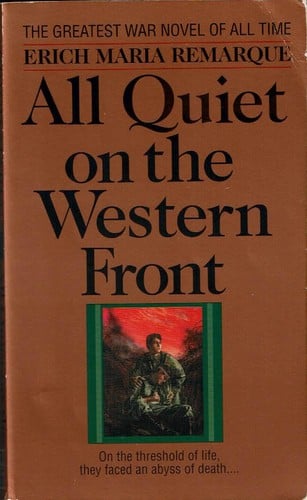
No. 1 on this list. All Quiet on the Western Front
Erich Maria Remarque · 1987
Easy4.3 hours
Taught in schools: AQA GCSE and A-level English Literature (UK)
One of the essential WWI novels, taught in literature and history courses worldwide.
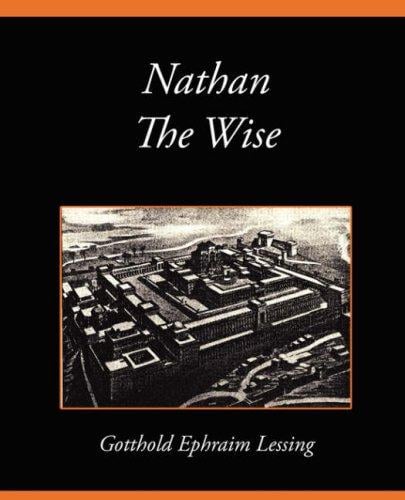
The central text of German Enlightenment drama, a staple of German school and university curricula and a core text in world literature courses on religious tolerance. Its status is secured by its permanent place in German theatre repertoire.
A foundation of the German classical canon, staple of German schools and theaters, and the Swiss national myth in dramatic form. It is taught widely in German-language curricula and translated into dozens of languages.
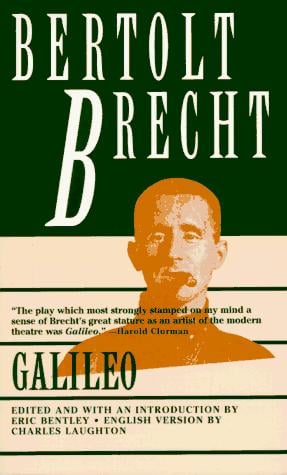
Life of Galileo is a cornerstone of the Brechtian canon and a fixture on university syllabi worldwide — taught in drama programs, literature departments, and philosophy of science courses alike. Brecht's five-scene structure and the figure of Galileo recanting before the Inquisition appear in virtually every survey of modern drama, placing this work well above mid-tier literary status.
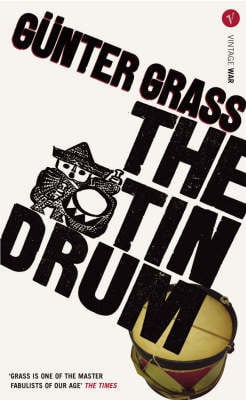
No. 5 on this list. The Tin Drum
Günter Grass · 1959
Difficult27 hours
Included in: Bokklubben World Library
The Tin Drum appears on approximately 200 university syllabi according to Open Syllabus Project data (57th percentile), placing it firmly in world literature and 20th-century European fiction curricula. Wikipedia coverage spans 35 languages with dedicated Reception and Adaptations sections, indicating sustained international engagement. The novel is widely regarded as the defining work of postwar German literature, though its syllabus presence falls short of canonical American fixtures like The Great Gatsby.
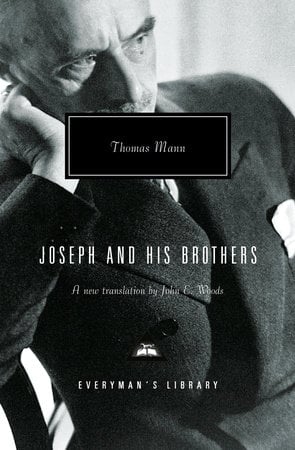
Joseph and His Brothers appears regularly on European and world literature curricula, particularly in German literature courses and modernism seminars. It features on multiple 'greatest novels' lists including Le Monde's 100 Books of the Century. The tetralogy is less frequently taught than Mann's shorter works (Death in Venice, The Magic Mountain) owing to its length, but its canonical standing within the Mann oeuvre and 20th-century literature broadly is secure. The database shows no syllabus or Wikipedia data, but scholarly consensus places this among the defining works of European modernism.
A central work of German classical drama, staple of German school and university curricula and a regular on European stages. It is less ubiquitous in English-language courses than Hamlet or Gatsby.
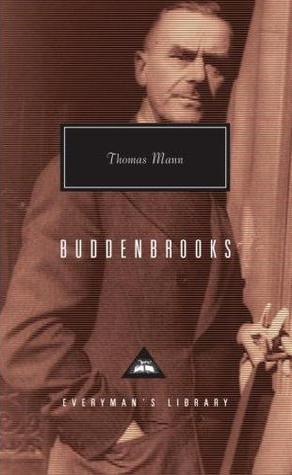
No. 8 on this list. Buddenbrooks
Thomas Mann · 1901
Challenging19 hours
Included in: Bokklubben World Library
Appears on 62 university syllabi (44.8th percentile, Open Syllabus Project) and has a Wikipedia article in 42 languages, signaling solid canonical standing in world literature and German literature courses. It is less ubiquitous in English-language general curricula than Gatsby or Beloved, but a fixture in comparative literature and European fiction programs.
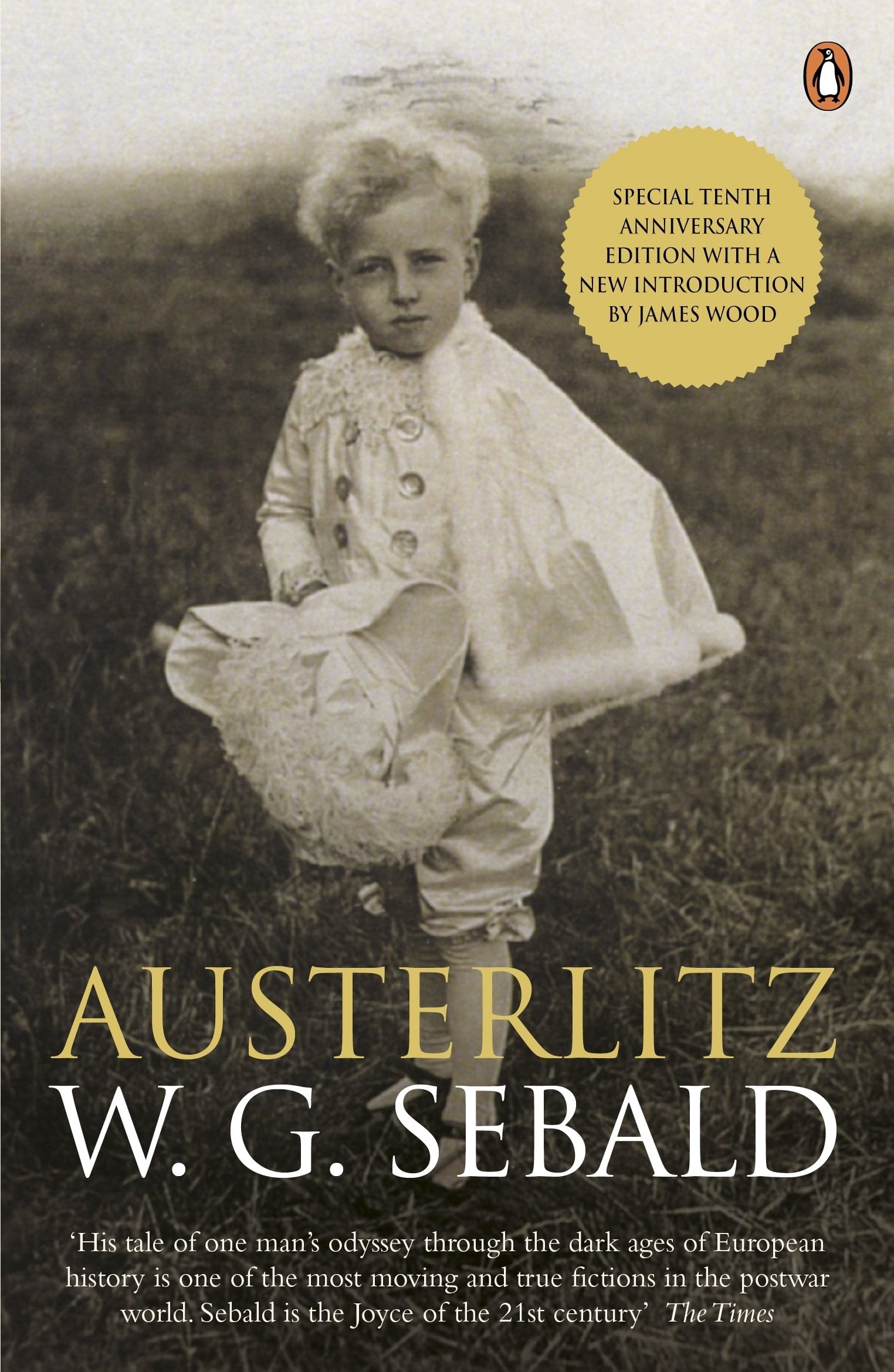
Austerlitz appears on 197 university syllabi at the 57th percentile, placing it solidly in the serious literary canon—standard in contemporary European fiction and Holocaust literature courses at major universities. Wikipedia covers the book in 23 languages, indicating meaningful global critical reach. It is routinely assigned alongside Primo Levi, Paul Celan, and Imre Kertész in courses on memory and atrocity literature.
A staple of German literature curricula and the standard repertoire of German theatre, and the basis for Verdi's opera. Outside Germany it is taught less than Schiller's Wilhelm Tell or The Robbers.
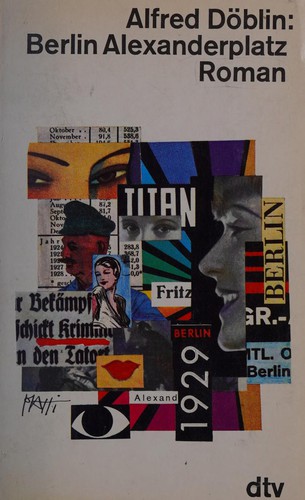
No. 11 on this list. Berlin Alexanderplatz · Alfred Döblin · 1929
Included in: Bokklubben World Library
Widely seen as the great German modernist city novel, taught in German and world literature courses and often paired with Ulysses and Manhattan Transfer. Its standing is high but narrower than the very top of the canon.
Challenging12 hours
Start this bookNo. 12 on this list. Parzival · Wolfram von Eschenbach
Parzival is the central Middle High German romance, a staple of medieval German literature courses and Arthurian studies worldwide. Its presence in anthologies and comparative medieval literature courses keeps it firmly established, though outside medieval studies it is read less widely than Dante or Chaucer.
Challenging17 hours
Start this bookNo. 13 on this list. Danton's Death · Georg Büchner · 1835
Danton's Death is a staple of German literature curricula and a standard text in world drama courses. It is less universally assigned than Büchner's Woyzeck or Lenz in English-language courses, but it remains core reading.
Challenging1.9 hours
Start this bookNo. 14 on this list. Michael Kohlhaas · Heinrich von Kleist · 1810
The novella is a fixture of German literature courses and a standard text for the study of law and literature. It is taught widely in German-speaking schools and in world-literature surveys, though less than the great Russian novels.
Challenging2.2 hours
Start this bookNo. 15 on this list. The Marquise of O— · Heinrich von Kleist · 1808
The Marquise of O— is a standard text in German literature courses and a frequent choice in the study of the Novelle form. It has been adapted as Eric Rohmer's 1976 film and remains a staple of Romantic-era syllabi.
Challenging1.2 hours
Start this bookNo. 16 on this list. Lenz · Georg Büchner · 1839
Lenz is a standard text in German literature courses and in studies of literary modernism, madness and realism. It sits beside Woyzeck and Danton's Death in the Büchner canon, though it is shorter and less performed than the plays.
Challenging45 min
Start this bookNo. 17 on this list. Dog Years · Günter Grass · 1963
Dog Years is the third volume of the Danzig Trilogy and less widely taught than The Tin Drum, which dominates university syllabi. The Wikipedia article is notably short (967 characters), reflecting thinner digital documentation than its companion novels. It remains central to German postwar literature courses and appears on reading lists for Nobel Prize study, but lacks the standalone canonical presence of Grass's earlier work.
Difficult28 hours
Start this bookNo. 18 on this list. Simplicius Simplicissimus · Hans Jakob Christoffel von Grimmelshausen · 1668
The foundational German novel of the Baroque and a fixture of German literature courses and of studies of the Thirty Years' War and the picaresque. Less universal in English-language curricula, though it is the German tradition's key early novel.
Moderate14 hours
Start this bookNo. 19 on this list. The Jew's Beech · Annette von Droste-Hülshoff · 1842
It is a staple of German literature teaching, one of the most read German novellas, and a mainstay of school curricula and Biedermeier and realism courses in German-speaking countries. Outside German studies it is taught less often.
Challenging2.3 hours
Start this bookNo. 20 on this list. Anniversaries · Uwe Johnson · 1970
Jahrestage is regarded as one of the major German-language novels of the postwar era and appears in German literature courses and scholarship. It is less taught in English-speaking curricula.
Challenging64 hours
Start this book
No. 21 on this list. The German Lesson · Siegfried Lenz · 1968
A standard postwar German novel, widely taught in German schools and universities as the central work on guilt, duty and the Nazi era. Translated into many languages and widely read abroad, it is less universal in English curricula.
Moderate11 hours
Start this bookNo. 22 on this list. The Rider on the White Horse · Theodor Storm · 1888
It is a standard of German school and university literature courses and the central work of Poetic Realism. It is far less read in English-language curricula than Dostoevsky or Fitzgerald.
Moderate2.5 hours
Start this bookNo. 23 on this list. Egmont · Johann Wolfgang von Goethe · 1788
Egmont is a staple of German literature syllabi and school curricula, and Beethoven's incidental music keeps it in concert programs. It ranks below Faust and Werther among Goethe's works in global teaching.
Moderate1.7 hours
Start this bookNo. 24 on this list. Cassandra · Christa Wolf · 1983
Cassandra is required reading in German literature curricula across European universities and is a standard text in courses on feminist rewritings of classical myth. The data signals return no syllabus figures, but Wolf's status as the defining literary voice of the GDR and her international recognition ensure the book appears on World Literature, Women's Writing, and Postwar European Fiction syllabi consistently. It is not a fixture of Anglophone undergraduate curricula in the way Beloved or The Great Gatsby is, placing it below 80 on canonical status.
Difficult5.7 hours
Start this bookNo. 25 on this list. The Prince of Homburg · Heinrich von Kleist · 1821
One of the core plays of German-language drama, staged widely and read in German literature courses. It sits below the very top of the world canon.
Challenging1.6 hours
Start this bookNo. 26 on this list. Man of Straw · Heinrich Mann · 1918
Der Untertan is a core text of German literature, taught in German studies courses as the classic satire of the Wilhelmine empire. English-speaking curricula know it less widely than Mann's brother Thomas's novels.
Moderate8.1 hours
Start this bookNo. 27 on this list. Landgericht · Ursula Krechel · 2025
It won the German Book Prize and is established as a central German novel of the 2010s about the Nazi era and its aftermath. It is taught in German studies and increasingly in memory-literature courses.
Moderate11 hours
Start this bookNo. 28 on this list. The Seventh Cross · Anna Seghers · 1942
It is a central text of German exile literature and anti-fascist writing, widely taught in German-language curricula and read in translation as an early depiction of the camps. It lacks the universal reach of the standard Western canon.
Moderate6.9 hours
Start this bookNo. 29 on this list. Kruso · Lutz Seiler · 2023
A German Book Prize winner of 2014 and a central novel about the last GDR autumn, taught in contemporary German literature. It is recent and still entering the canon, helped by its author's Büchner Prize.
Challenging8.9 hours
Start this bookNo. 30 on this list. Visitation · Jenny Erpenbeck · 2008
Taught in schools: Bavarian Lehrplan Deutsch (Germany), North Rhine-Westphalia Abitur Deutsch (Germany)
Increasingly recognized as one of the important German novels of the twenty-first century and a key work in Erpenbeck's oeuvre.
Moderate2.3 hours
Start this book
No. 31 on this list. Jacob the Liar
Jurek Becker · 1969
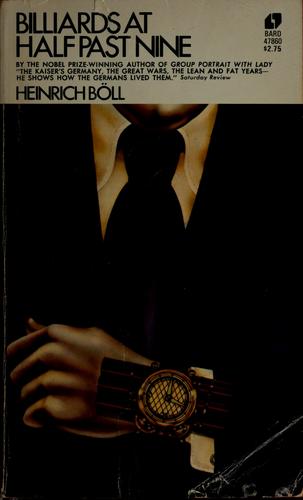
No. 32 on this list. Billiards at Half-Past Nine
Heinrich Böll · 1959
No. 33 on this list. Anton Reiser
Karl Philipp Moritz · 1785
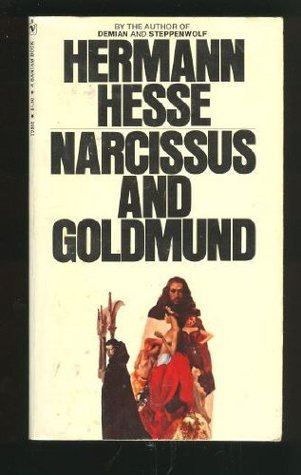
No. 34 on this list. Narcissus and Goldmund
Hermann Hesse · 1930
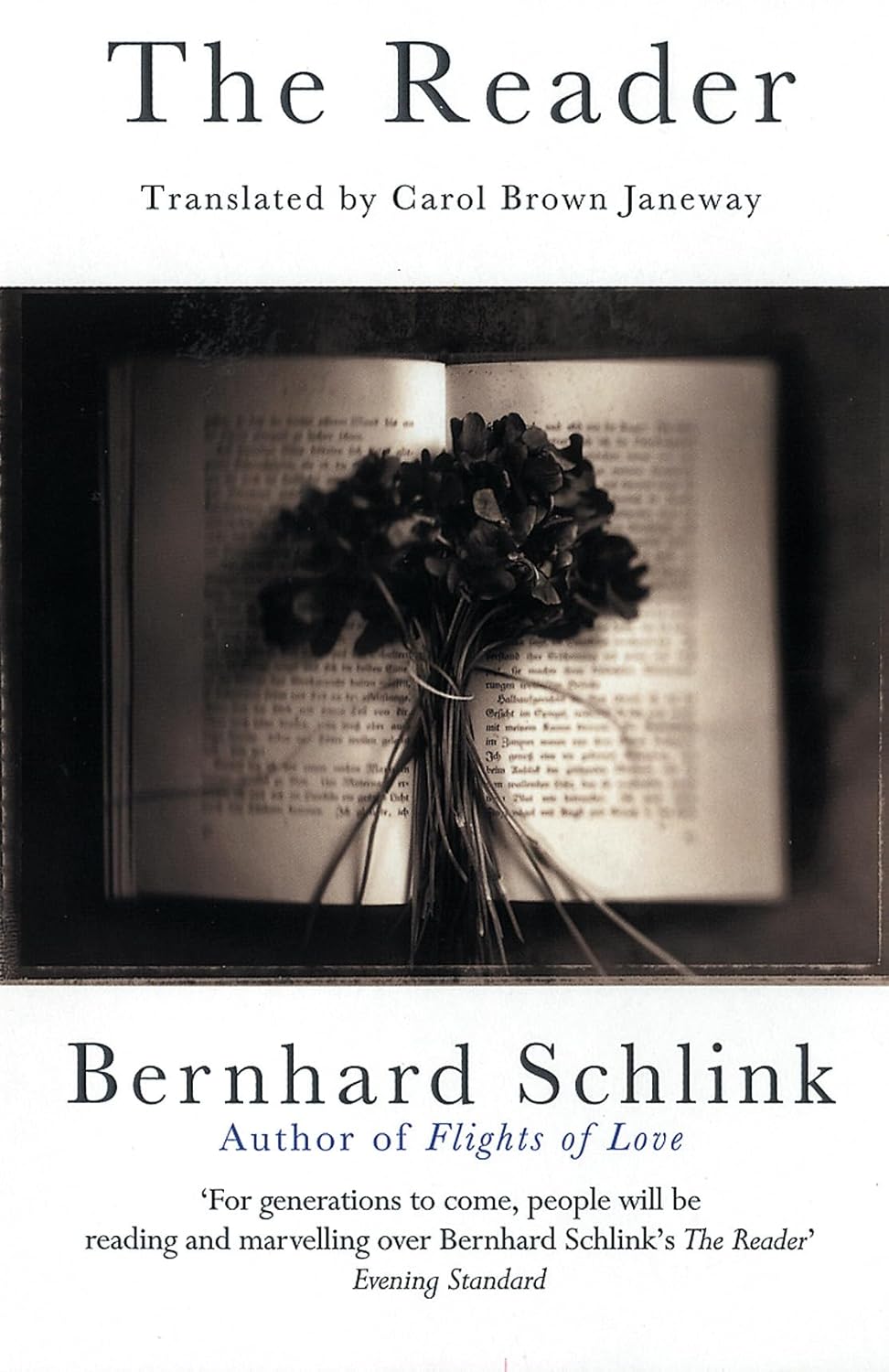
No. 35 on this list. The Reader
Bernhard Schlink · 1995
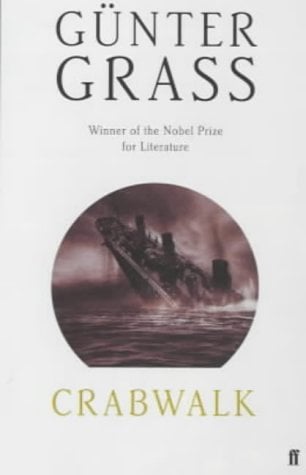
No. 36 on this list. Crabwalk
Günter Grass · 2002
No. 37 on this list. Perfume: The Story of a Murderer
Patrick Süskind · 1985
No. 38 on this list. Lotte in Weimar
Thomas Mann · 1939
No. 39 on this list. The Oppermanns
Lion Feuchtwanger · 1933
No. 40 on this list. The End of Days
Jenny Erpenbeck · 2012
No. 41 on this list. Die Lücken
Shida Bazyar · 2026
No. 42 on this list. The Hunger Angel
Herta Müller · 2009
No. 43 on this list. Group Portrait with Lady
Heinrich Böll · 1971
No. 44 on this list. Kairos
Jenny Erpenbeck · 2024
No. 45 on this list. The Fox and Dr. Shimamura
Christine Wunnicke · 2026
No. 46 on this list. Golden Beach
Katerina Poladjan · 2026
No. 47 on this list. The Director
Daniel Kehlmann · 2023
No. 48 on this list. Nights Are Quiet in Tehran
Shida Bazyar · 2016
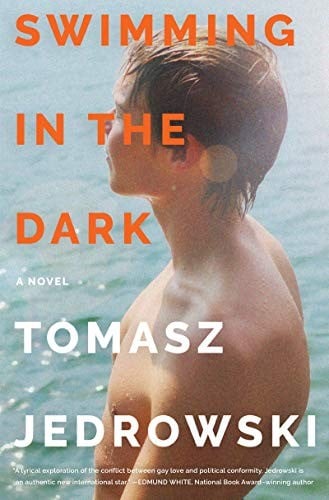
No. 49 on this list. Swimming in the Dark
Tomasz Jedrowski · 2020

About this list
These 49 books are the highest-scoring eligible historical novels from Germany currently in the catalogue. About 472 hours of reading in all. Difficulty runs from 49 to 62 out of 100 for the middle half of the list; the summit is Dog Years at 76.
This list is ranked by literary regard, with a consistent order for equal scores. Membership follows authors and co-authors, not translators or editors. Catalogue coverage and the historical canon both limit what this list can represent, and genre labels are the catalogue’s own, gathered into broader kinds.
When we matched the Canons dataset to our catalogue in October 2026, our canonical-status scores rose with the number of school curricula, publisher series and lists in it that cite a work: the median score was 72 for books one such source cites, 84 at two, 88 at three, 92 at four and 93 at five or more. Prizes are left out of that count. Outside the state curricula, the dataset’s sources choose mostly from what has been translated into English or French, so it is a weaker check on other literatures. Source: Canons (Andrew Piper), CC BY 4.0
Questions people actually ask
- What are the best historical novels from Germany?
- By literary regard, which weighs canonical status, critical standing and influence: All Quiet on the Western Front by Erich Maria Remarque, Nathan der Weise by Gotthold Ephraim Lessing, William Tell by Friedrich Schiller, Life of Galileo by Bertolt Brecht and The Tin Drum by Günter Grass. ReadingRate ranks 49 such books, each with a difficulty score and a reading-time estimate.
- Which historical novels from Germany should I read first?
- Start from difficulty, not from rank. The most approachable books on this list that still carry top literary regard are All Quiet on the Western Front by Erich Maria Remarque (about 4.3 hours), William Tell by Friedrich Schiller and Maria Stuart by Friedrich Schiller.
- What are the shortest of the best historical novels from Germany?
- Among the top 25, the shortest are Lenz by Georg Büchner (about 45 min), The Marquise of O— by Heinrich von Kleist (about 1.2 hours) and The Prince of Homburg by Heinrich von Kleist (about 1.6 hours), at an average pace of 250 words a minute adjusted for each book's difficulty.
- Which of the best historical novels from Germany are the established classics?
- By canonical status, how firmly a book sits in curricula, anthologies and the canon: All Quiet on the Western Front by Erich Maria Remarque, Nathan der Weise by Gotthold Ephraim Lessing, William Tell by Friedrich Schiller, Life of Galileo by Bertolt Brecht and Maria Stuart by Friedrich Schiller.
- Can I read any of these historical novels from Germany for free?
- 1 of the 49 opens in ReadingRate's reader with a free account, from public-domain editions: Buddenbrooks.
- How long would it take to read the top ten?
- About 151 hours, at an average pace of 250 words a minute adjusted for each book's difficulty: 76 days at two hours a day. Set your own pace on the page and the list's reading times change to it.
- How hard are historical novels from Germany to read?
- Most of this list sits between 49 and 62 on ReadingRate's 100-point difficulty scale, where 40 to 55 is moderate. The summit is Dog Years at 76. Every entry carries its own score, so a reader can pick a great book at a difficulty they will finish.
- How is this list ranked?
- On literary-regard data: how canonically established a work is, its critical standing, and its influence on later writing. It is not a readers’ poll, which is why recent bestsellers rarely appear. Membership follows authors and co-authors, not translators or editors. Lists by country, author, period, theme or difficulty keep to literature: fiction, poetry and drama, with no philosophy, criticism or theory. A list of a kind of book, such as philosophy, memoir or criticism, keeps every book of that kind. Every list holds at most three works by one author.