Hours at an average pace
Showing 31 books
About 342 hours for 31 of 31 books with measured lengths. Estimates use 250 words a minute, adjusted for each book's difficulty. At 2 hours a day, about 172 days for those books.
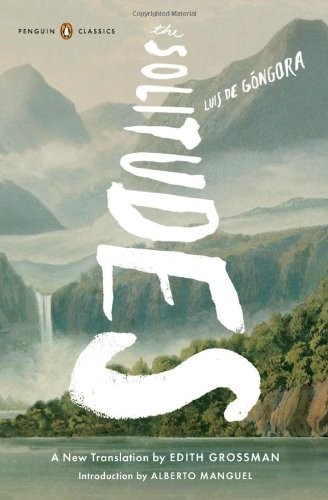
The central text of the Spanish Baroque and a required reference point in any account of European poetry's difficulty.
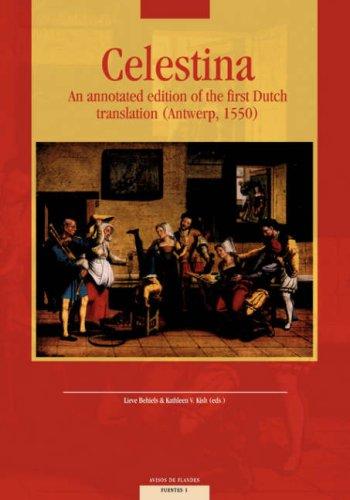
Ranked immediately after Don Quixote in the Spanish canon, required reading in Spanish education and standard in medieval and Renaissance literature courses worldwide.
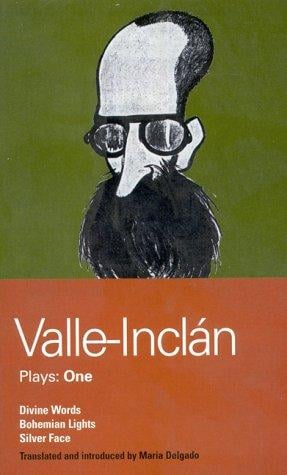
Required reading in Spanish secondary education and the defining text of the esperpento in every account of modern Spanish theatre.
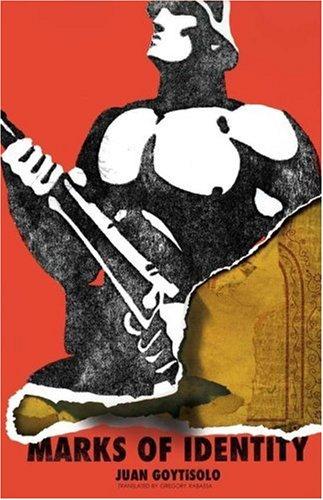
Marks of Identity is the opening volume of Goytisolo's Mendiola Trilogy, widely recognized as the most important work of experimental Spanish fiction produced under Francoism. It holds a secure position in world literature syllabi as a landmark text of anti-Francoist dissent written in a formal language learned from Faulkner, Sartre, and the nouveau roman.
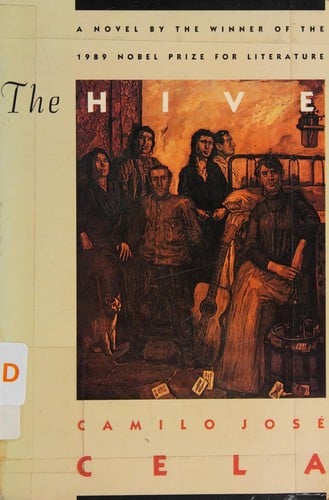
No. 5 on this list. The Hive
Camilo José Cela · 1951
Difficult11 hours
Taught in schools: Literatura, Diseño Curricular – Provincia de Buenos Aires (Argentina)
The Hive is a cornerstone of 20th-century Spanish literature, taught in Spanish and comparative literature programs across Spain and Latin America. Its reach outside Spanish-language academia is narrower than global canonical works — it lacks the massive syllabus presence of authors like García Márquez — but within its tradition it is considered essential reading. The Wikipedia article has an adaptations section, indicating some cultural footprint beyond the page.
Ranked in Spain as the greatest nineteenth-century Spanish novel and the country's answer to Madame Bovary, standard on Hispanic-studies syllabi worldwide.
Standard in Spanish literature and modern-European-novel syllabi as the founding text of Hispanic metafiction.
No. 8 on this list. Reality and Desire
Luis Cernuda · 1936
Challenging3.2 hours
Taught in schools: EBAU Lengua Castellana y Literatura II (Andalucía) (Spain)
Standard in Spanish literature curricula as one of the two or three central bodies of Generation of '27 poetry.
A standard text in Hispanic-studies and Latin American literature courses as the origin point of the dictator novel.
Universally taught in Spanish literature courses as the novel that ended social realism and opened Spanish modernism.
No. 11 on this list. Saint Manuel Bueno, Martyr · Miguel de Unamuno · 1931
One of the most assigned texts in Spanish secondary education and a standard novella in world-literature and religion-in-literature courses.
Challenging2.7 hours
Start this bookNo. 12 on this list. Five Hours with Mario · Miguel Delibes · 1966
One of the most assigned novels in Spanish secondary schools and a standard text on postwar Spanish literature courses.
Challenging9.1 hours
Start this bookNo. 13 on this list. Concerning the Angels · Rafael Alberti · 1929
A standard text in Spanish literature curricula and the key document of Spanish poetic surrealism alongside Lorca's New York book.
Difficult1 hours
Start this bookNo. 14 on this list. The Truth about the Savolta Case · Eduardo Mendoza · 1975
Standard in Spanish university curricula as the novel that marks the transition from Francoist to democratic Spanish fiction.
Difficult13 hours
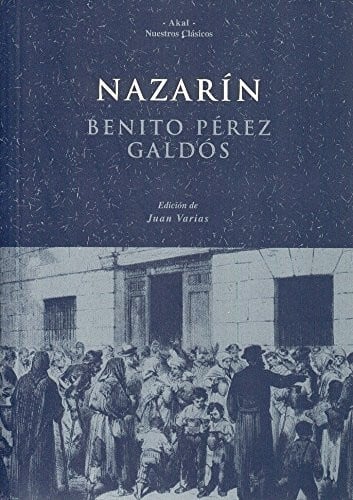
Start this bookNo. 15 on this list. Nazarín · Benito Pérez Galdós · 1895
Taught in Spanish literature courses as the key novel of Galdós's spiritualist phase and widely known through Buñuel's film.
Challenging6.4 hours
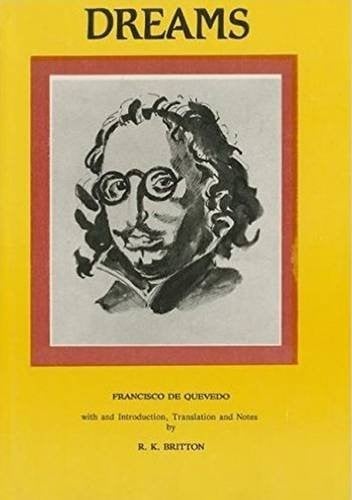
Start this bookNo. 16 on this list. Dreams and Discourses · Francisco de Quevedo · 1627
Standard reading in Spanish Baroque and satire courses, though far less widely assigned outside Hispanic studies than El Buscón.
Challenging5.9 hours
Start this bookNo. 17 on this list. Return to Región · Juan Benet · 1967
A standard reference in Spanish university curricula as the novel that reopened Spanish modernism, though rarely assigned to undergraduates.
Very Difficult16 hours
Start this bookNo. 18 on this list. The Back Room · Carmen Martín Gaite · 1978
Taught in schools: EBAU Lengua Castellana y Literatura II (Andalucía) (Spain)
Widely taught in Spanish literature, women's-writing and transition-era courses as a defining text of post-Franco fiction.
Difficult7.2 hours
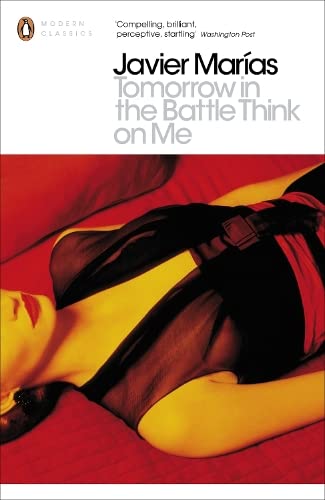
Start this bookNo. 19 on this list. Tomorrow in the Battle Think on Me · Javier Marías · 1994
Widely taught in contemporary Spanish and European fiction courses and central to Marías's international reputation.
Difficult15 hours
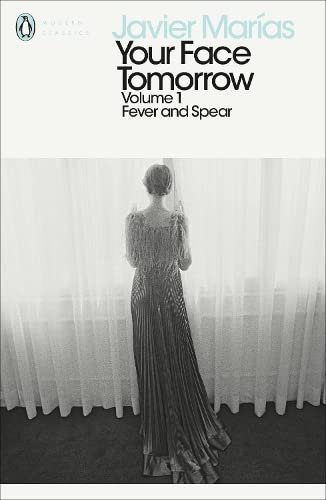
Start this bookNo. 20 on this list. Your Face Tomorrow: Fever and Spear · Javier Marías · 2002
A major work of contemporary Spanish literature, taught in Hispanic studies and contemporary fiction courses, though still emerging in wider curricula.
Difficult16 hours
Start this book
No. 21 on this list. Sepharad · Antonio Muñoz Molina · 2001
Widely taught in contemporary Spanish literature and Holocaust-memory courses, and Muñoz Molina's most studied book.
Difficult16 hours
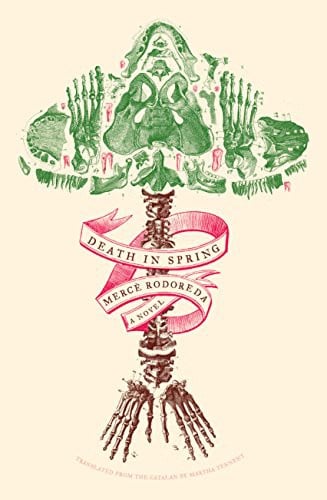
Start this bookNo. 22 on this list. Death in Spring · Mercè Rodoreda · 1986
A central text of modern Catalan literature and increasingly taught in courses on allegory and dystopia.
Difficult6.9 hours
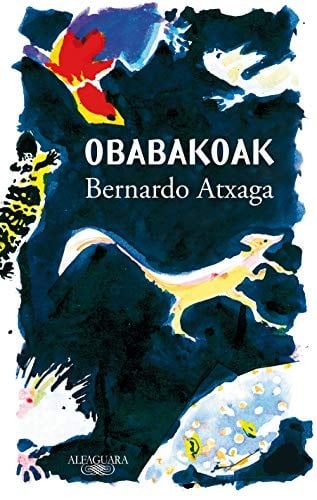
Start this bookNo. 23 on this list. Obabakoak · Bernardo Atxaga · 1988
The standard reference text of modern Basque literature and widely taught in courses on minority-language and world literature.
Challenging11 hours
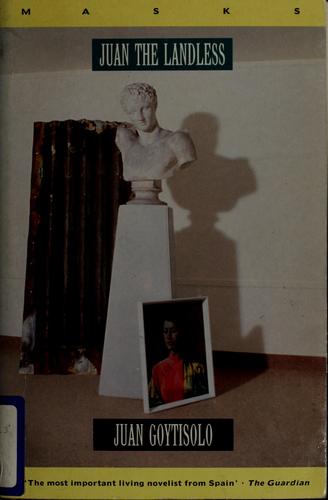
Start this bookNo. 24 on this list. Juan the Landless · Juan Goytisolo · 1975
Standard in graduate Hispanic-studies and postcolonial courses, though its difficulty keeps it off general syllabi.
Very Difficult13 hours
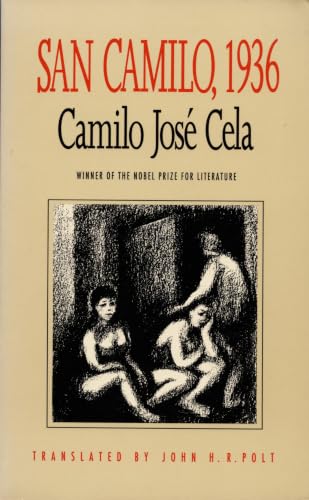
Start this bookNo. 25 on this list. San Camilo, 1936 · Camilo José Cela · 1969
San Camilo, 1936 appears on Spanish literature syllabi and is recognized as a major work within Cela's oeuvre, but it lacks the international canonical standing of La Colmena or La familia de Pascual Duarte. It is studied primarily in Hispanic literature programs and rarely appears in general world literature curricula.
Difficult18 hours
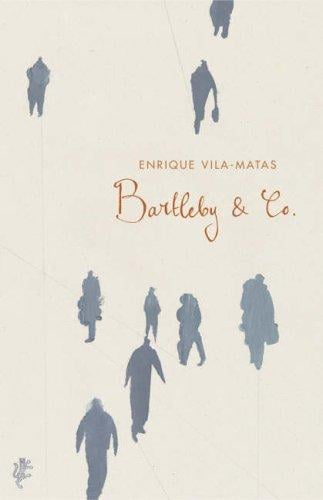
Start this bookNo. 26 on this list. Bartleby & Co. · Enrique Vila-Matas · 2000
Widely taught in contemporary Spanish and comparative-literature courses on metafiction, though its status is still being settled.
Difficult5.2 hours
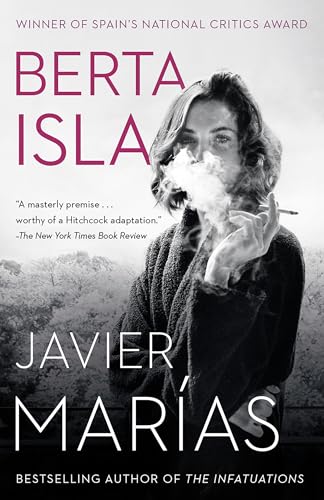
Start this bookNo. 27 on this list. Berta Isla · Javier Marías · 2018
Published in 2017, Berta Isla has not yet entered university curricula in significant numbers — no syllabus appearances were found. Marías's broader body of work appears in world literature and comparative literature courses, but this particular novel remains too recent for widespread canonical adoption.
Difficult23 hours
Start this bookNo. 28 on this list. Never Any End to Paris · Enrique Vila-Matas · 2003
Taught in courses on autofiction and contemporary Spanish narrative, with a growing but not yet settled curricular presence.
Challenging5.6 hours
Start this bookNo. 29 on this list. A Manuscript of Ashes · Antonio Muñoz Molina · 1986
Taught in contemporary Spanish literature courses as the founding novel of Mágina and a key text of the historical-memory novel.
Difficult12 hours
Start this bookNo. 30 on this list. His Only Son · Leopoldo Alas "Clarín" · 1891
Taught in Spanish literature courses as Clarín's second novel and a key text of late naturalism, though far behind La Regenta in reach.
Challenging8.9 hours
Start this book
About this list
These 31 books are the highest-scoring eligible challenging books from Spain currently in the catalogue. About 342 hours of reading in all. Difficulty runs from 70 to 76 out of 100 for the middle half of the list; the summit is Juan the Landless at 88.
This list is ranked by literary regard, with a consistent order for equal scores. Membership follows authors and co-authors, not translators or editors. Catalogue coverage and the historical canon both limit what this list can represent.
When we matched the Canons dataset to our catalogue in October 2026, our canonical-status scores rose with the number of school curricula, publisher series and lists in it that cite a work: the median score was 72 for books one such source cites, 84 at two, 88 at three, 92 at four and 93 at five or more. Prizes are left out of that count. Outside the state curricula, the dataset’s sources choose mostly from what has been translated into English or French, so it is a weaker check on other literatures. Source: Canons (Andrew Piper), CC BY 4.0
Questions people actually ask
- What are the best challenging books from Spain?
- By literary regard, which weighs canonical status, critical standing and influence: The Solitudes by Luis de Góngora, Celestina by Fernando de Rojas, Bohemian Lights by Ramón del Valle-Inclán, Marks of Identity by Juan Goytisolo and The Hive by Camilo José Cela. ReadingRate ranks 31 such books, each with a difficulty score and a reading-time estimate.
- Which challenging books from Spain should I read first?
- Start from difficulty, not from rank. The most approachable books on this list that still carry top literary regard are Nazarín by Benito Pérez Galdós (about 6.4 hours), Five Hours with Mario by Miguel Delibes and Saint Manuel Bueno, Martyr by Miguel de Unamuno.
- What are the shortest of the best challenging books from Spain?
- Among the top 25, the shortest are The Solitudes by Luis de Góngora (about 1.2 hours), Concerning the Angels by Rafael Alberti (about 1 hours) and Bohemian Lights by Ramón del Valle-Inclán (about 2.8 hours), at an average pace of 250 words a minute adjusted for each book's difficulty.
- Which of the best challenging books from Spain are the established classics?
- By canonical status, how firmly a book sits in curricula, anthologies and the canon: Celestina by Fernando de Rojas, La Regenta by Leopoldo Alas "Clarín", The Solitudes by Luis de Góngora, Bohemian Lights by Ramón del Valle-Inclán and Marks of Identity by Juan Goytisolo.
- How long would it take to read the top ten?
- About 113 hours, at an average pace of 250 words a minute adjusted for each book's difficulty: 57 days at two hours a day. Set your own pace on the page and the list's reading times change to it.
- How hard are challenging books from Spain to read?
- Most of this list sits between 70 and 76 on ReadingRate's 100-point difficulty scale, where 40 to 55 is moderate. The summit is Juan the Landless at 88. Every entry carries its own score, so a reader can pick a great book at a difficulty they will finish.
- How is this list ranked?
- On literary-regard data: how canonically established a work is, its critical standing, and its influence on later writing. It is not a readers’ poll, which is why recent bestsellers rarely appear. Membership follows authors and co-authors, not translators or editors. Lists by country, author, period, theme or difficulty keep to literature (fiction, poetry, drama and philosophy), their novels, poems and plays first and their philosophy after them; a list of a kind of book, such as memoir or criticism, keeps every book of that kind. Every list holds at most three works by one author.