Hours at an average pace
Showing 48 books
About 241 hours for 45 of 48 books with measured lengths. Estimates use 250 words a minute, adjusted for each book's difficulty. At 2 hours a day, about 121 days for those books.
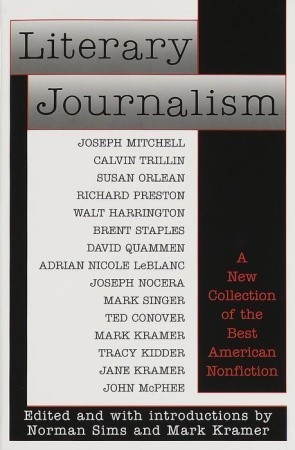
The foundational text defining and naming literary journalism as a movement.
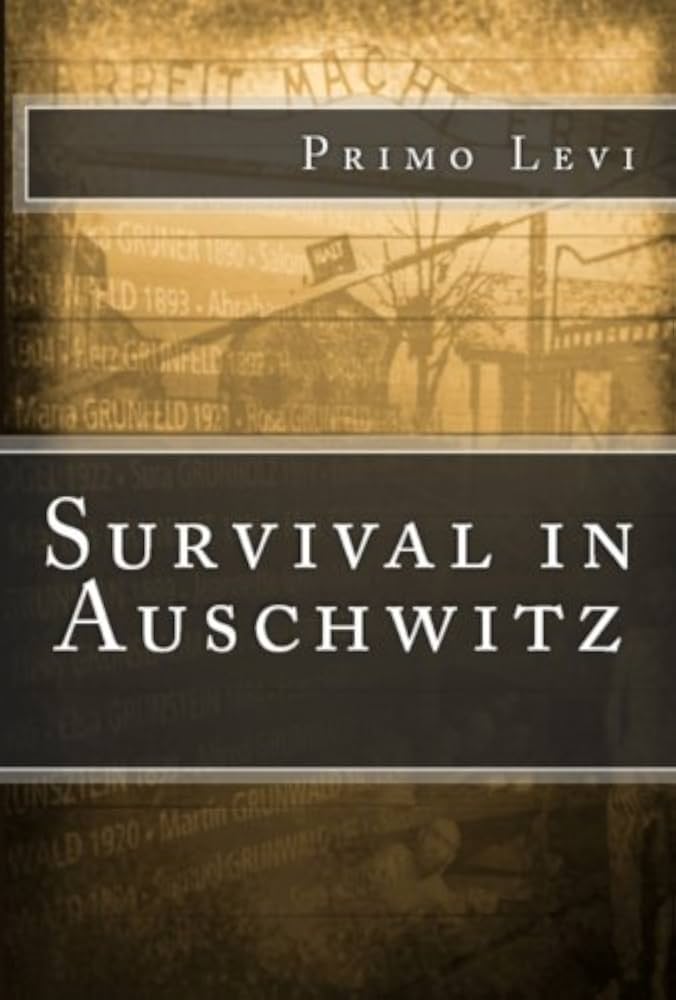
No. 2 on this list. Survival in Auschwitz
Primo Levi · 1947
Moderate4.2 hours
Taught in schools: Lithuanian literature curriculum (lietuvių kalba ir literatūra)
Taught in universities worldwide across Holocaust studies, history, and literature departments, 'Survival in Auschwitz' is among the handful of Holocaust memoirs considered essential reading for any engagement with 20th-century history. It appears on numerous syllabi in European and American universities, and the Wikipedia article on 'If This Is a Man' exists in over 40 languages, reflecting its global reach. It stands alongside Elie Wiesel's 'Night' as the defining texts of Holocaust testimony.
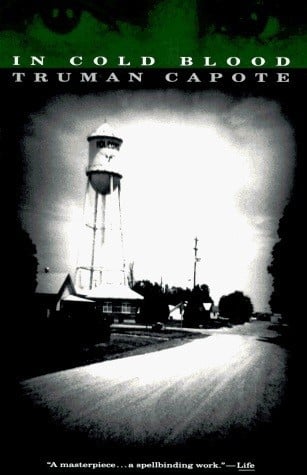
Required reading in virtually every American journalism school and most creative nonfiction courses. Appears on Modern Library and Time's All-Time 100 Novels lists. The book that established 'literary journalism' and 'the nonfiction novel' as serious forms. No significant discussion of 20th-century American nonfiction omits it.
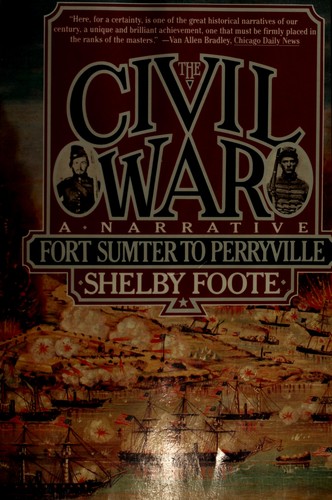
Widely regarded as the definitive narrative history of the American Civil War. A staple on university reading lists for Civil War history and creative nonfiction courses. Ken Burns's landmark PBS documentary brought Foote and this work to national prominence, cementing its place in the American literary canon as essential reading for understanding the conflict.
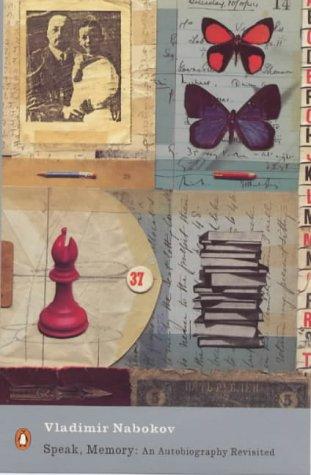
Speak, Memory appears regularly on graduate syllabi in comparative literature and autobiography studies, and is cited consistently among the finest works of autobiographical prose in English. No database-captured syllabus data is available, but the book's presence in literary education and on 'essential memoir' lists spanning multiple decades places it firmly within the canon.
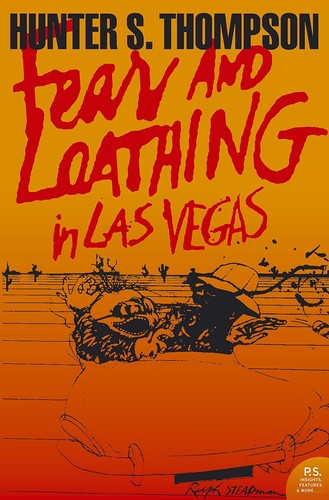
No. 6 on this list. Fear and Loathing in Las Vegas: A Savage Journey to the Heart of the American Dream
Hunter S. Thompson · 1998
Very Easy2.6 hours
Taught in journalism and postmodern American literature courses as the defining Gonzo text.
Standard academic text in literary journalism and journalism history courses.
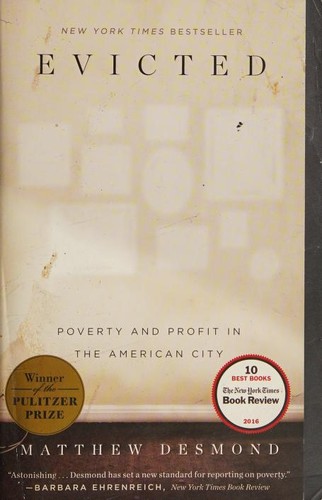
Evicted has become a staple of sociology, urban studies and public policy courses, and many American universities have chosen it as a common first-year read. It is now a standard text on poverty and housing in the United States.
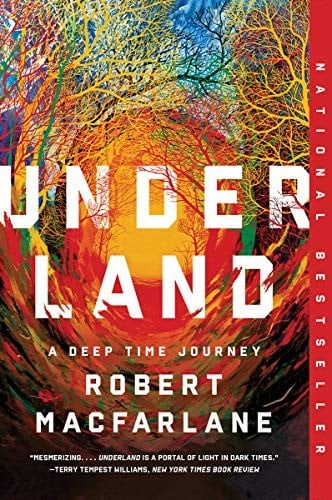
Underland is one of the most widely read works of recent British nature writing and is increasingly set on courses on environmental writing and the Anthropocene. It is too recent to be canonical, but it is a reference point for its genre.
May be taught in creative nonfiction and journalism courses. Grann's reputation ensures attention. Strong candidate for the narrative nonfiction canon.
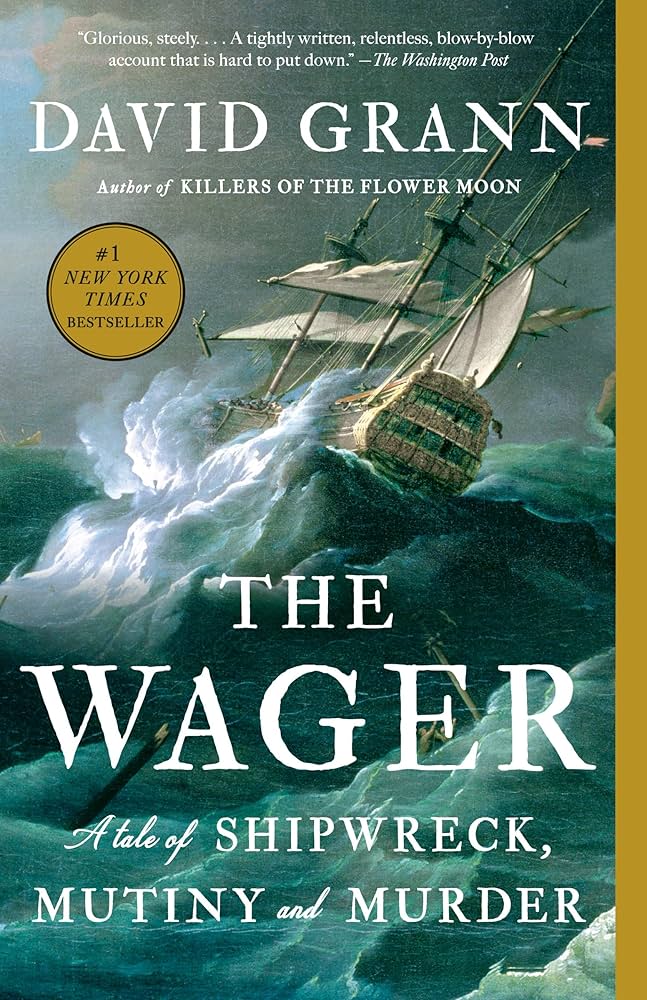
No. 11 on this list. Into the Wild · Jon Krakauer · 2015
Into the Wild is widely assigned in American high school and college classes on nonfiction, ethics and the environment, and is a staple of adventure literature. Sean Penn's 2007 film kept it in wide circulation.
Easy3 hours
Start this bookNo. 12 on this list. The Art of Fact · Kevin Kerrane · 1997
Widely assigned in journalism and nonfiction writing programs as a practitioner's handbook.
Easy5.4 hours
Start this bookNo. 13 on this list. The Big Short · Michael Lewis · 2010
Definitive account of the 2008 crisis. Academy Award-winning film adaptation. Widely assigned.
Easy5 hours
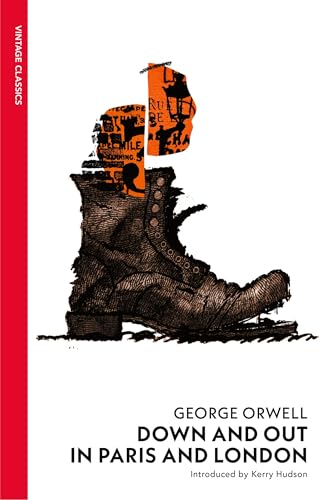
Start this bookNo. 14 on this list. Down and Out in Paris and London · George Orwell · 1933
Orwell's first book. A minor classic of immersive social reportage.
Easy2.5 hours
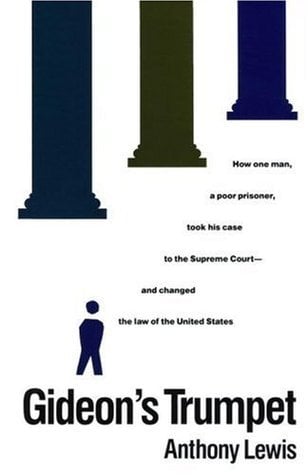
Start this bookNo. 15 on this list. Gideon's Trumpet · Anthony Lewis · 1964
Classic of legal journalism. Widely assigned in law schools.
Very Easy2.9 hours
Start this bookNo. 16 on this list. The New New Journalism · Robert Boynton · 2005
Widely assigned in journalism schools and narrative nonfiction MFA programs, particularly at NYU, Columbia, and Medill. No syllabus count data is available, but it functions as a standard reference text in literary journalism courses rather than a canonical literary work in the traditional sense.
Easy10 hours
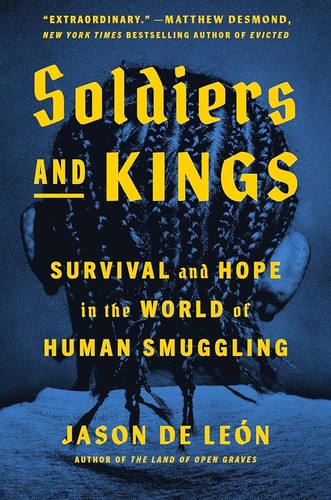
Start this bookNo. 17 on this list. Soldiers and Kings: Survival and Hope in the World of Human Smuggling · Jason De León · 2024
The 2024 National Book Award for Nonfiction gives it immediate prominence, but a book this recent has little time to enter syllabi. Its place is emerging, in anthropology and migration studies.
Easy6.3 hours
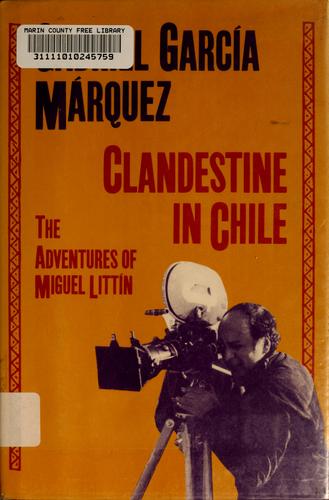
Start this bookNo. 18 on this list. Clandestine in Chile: The Adventures of Miguel Littín · Gabriel García Márquez · 1986
It is a minor work in García Márquez's output, seldom taught beside One Hundred Years of Solitude. It appears occasionally in Latin American reportage and testimonio courses.
Easy1.6 hours
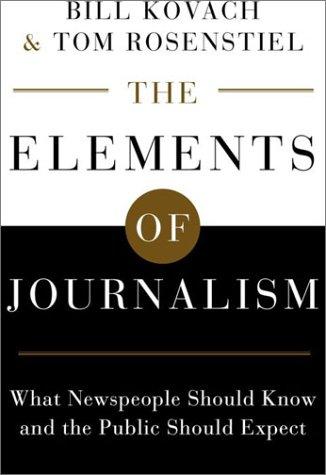
Start this bookNo. 19 on this list. The Elements of Journalism · Bill Kovach · 2001
The Elements of Journalism is a standard text in American journalism programs and has been adopted widely since its 2001 publication, with updated editions extending its reach. No syllabus data appears in the database, but the book is widely acknowledged as foundational reading in journalism education. It does not appear on the Open Syllabus Project in the database, though its use in professional training programs is well established.
Easy6.3 hours
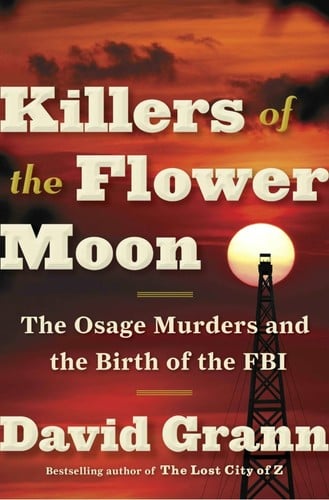
Start this bookNo. 20 on this list. Killers of the Flower Moon · David Grann · 2017
In the 1920s, members of the Osage Nation in Oklahoma began dying under mysterious circumstances—shot, poisoned, blown up in their homes. The Osage had become the wealthiest people per capita in the world after oil was discovered beneath their land, and white settlers, fortune hunters, and con men descended on their community. Grann reconstructs the murders in three layers: first, the victims' perspective, as Mollie Burkhart watches her family members die one by one; second, the investigation by the newly formed FBI under J. Edgar Hoover, led by former Texas Ranger Tom White, which uncovered a conspiracy of murder so vast that the bureau initially could not believe its own findings; and third, Grann's own research decades later, which reveals that the conspiracy was even larger than the FBI discovered—that hundreds of Osage may have been murdered, and that the killing was not an aberration but an expression of the systematic plunder of Indigenous people that defined American expansion. The book peels back layers of crime like an archaeological dig, each layer revealing a deeper horror.
Very Easy4.1 hours
Start this book
No. 21 on this list. Winners Take All: The Elite Charade of Changing the World · Anand Giridharadas · 2018
A widely read and discussed 2018 bestseller, it appears in conversations about philanthropy and inequality, but it is too recent to hold a place in standard syllabi. Its status is that of a prominent contemporary work of political nonfiction.
Easy4.3 hours
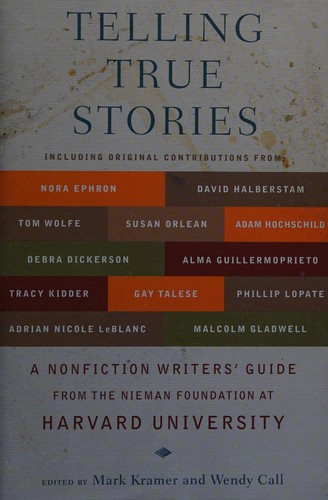
Start this bookNo. 22 on this list. Telling True Stories · Mark Kramer · 2007
Telling True Stories is a standard assigned text in journalism schools and narrative nonfiction MFA programs across the United States, rooted in the Nieman Foundation's narrative journalism conferences at Harvard. No Wikipedia article exists in the database, and syllabus data returns zero—likely due to database gaps rather than absence from curricula. Within journalism education specifically, it holds steady mid-tier canonical status.
Easy6 hours
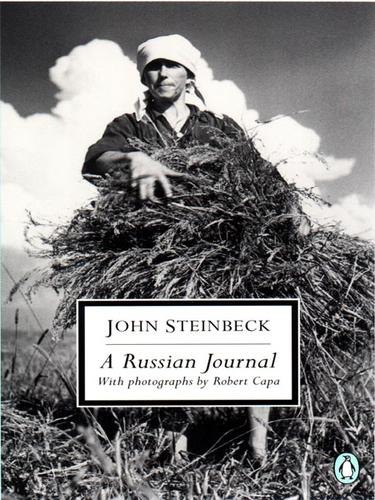
Start this bookNo. 23 on this list. A Russian Journal · John Steinbeck · 1948
It is a minor work in Steinbeck's output, seldom taught beside The Grapes of Wrath or Of Mice and Men. It appears mainly in Cold War and travel-writing contexts.
Very Easy2.5 hours
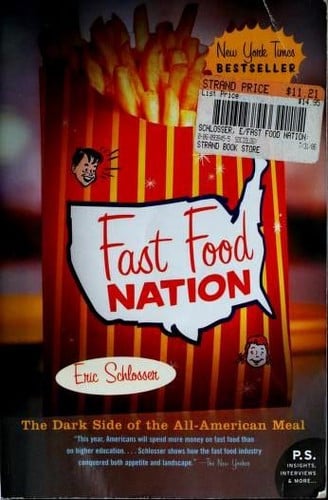
Start this bookNo. 24 on this list. Fast Food Nation · Eric Schlosser · 2001
Schlosser's investigation of the American fast-food industry begins with the men who built it—Carl Karcher, the McDonalds brothers, Ray Kroc, Dave Thomas—and then follows the supply chain backward from the counter to the slaughterhouse. He visits the flavor factories of New Jersey, where chemists engineer the taste of a strawberry milkshake from volatile chemicals. He interviews teenagers working the fryers for minimum wage in Colorado Springs, where the fast-food industry is the largest employer of young people in the country. He walks through meatpacking plants in Greeley, Colorado, where undocumented workers process cattle at speeds that guarantee injuries and contamination. He traces how the industry's demand for uniform, cheap beef transformed ranching, farming, and the American landscape itself. The book is muckraking journalism in the tradition of Upton Sinclair's The Jungle, and like Sinclair's novel, it changed how a generation thought about what they were eating. Congress held hearings. McDonald's modified its practices. Millions of readers reconsidered the drive-through.
Very Easy4.7 hours
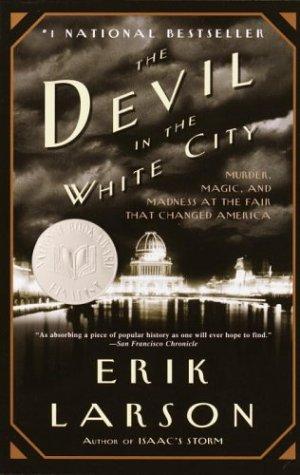
Start this bookNo. 25 on this list. The Devil in the White City · Erik Larson · 2003
Larson braids together two true stories set during the 1893 World's Columbian Exposition in Chicago: the architect Daniel Burnham's heroic effort to build the fairgrounds (a white neoclassical city on the swampy shores of Lake Michigan, completed against impossible deadlines) and the serial killer H. H. Holmes's construction of a 'Murder Castle'—a hotel near the fairgrounds with soundproofed rooms, hidden chutes to the basement, and a kiln for incinerating bodies. Burnham's story is about creation: how he assembled the greatest collection of architects in American history, introduced the Ferris wheel, and built a temporary city that drew 27 million visitors. Holmes's story is about destruction: how he lured young women to his hotel with charm and promises, then killed them with methods so efficient they anticipated the industrial logic of the twentieth century. Larson alternates between the two narratives, and the effect is unsettling—beauty and horror occupy the same city, the same moment, and the same American ambition. The book made narrative nonfiction a major publishing category and spent years on the bestseller list.
Very Easy5.7 hours
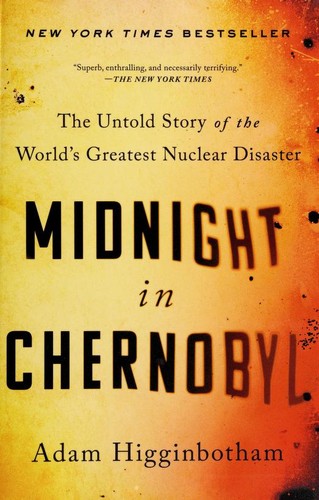
Start this bookNo. 26 on this list. Midnight in Chernobyl · Adam Higginbotham · 2019
Andrew Carnegie Medal winner. Widely regarded as the definitive Chernobyl account.
Very Easy6.6 hours
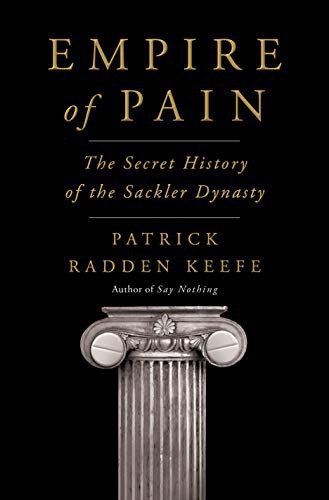
Start this bookNo. 27 on this list. Empire of Pain · Patrick Radden Keefe · 2021
Keefe's investigation of the Sackler family—the dynasty behind Purdue Pharma and OxyContin—is both a family saga and an anatomy of the opioid crisis. He traces three generations of Sacklers from Arthur's pioneering of pharmaceutical marketing through his brothers' acquisition of Purdue Pharma to the company's aggressive promotion of OxyContin, which they marketed as less addictive than other opioids while internal documents showed they knew otherwise. The book is devastating in its documentation of corporate malfeasance: the Sacklers made billions while hundreds of thousands of Americans died. Keefe structures the book as a dynasty narrative, showing how the family's philanthropic reputation (museums, universities, galleries) was built on profits from addicted and dead Americans. The contrast between the Sacklers' cultural prestige and their pharmaceutical carnage gives the book its moral force.
Very Easy6.8 hours
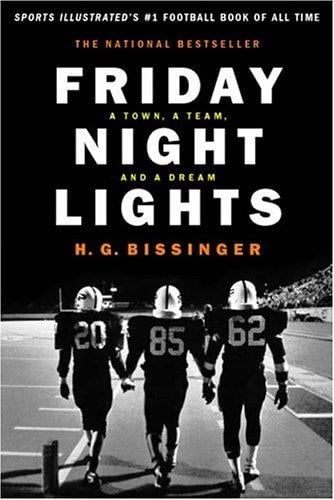
Start this bookNo. 28 on this list. Friday Night Lights · H.G. Bissinger · 1990
Bissinger spent a year in Odessa, Texas, following the Permian Panthers high school football team through their 1988 season, and produced a book that transcends sports writing to become one of the sharpest portraits of American small-town life ever written. The Panthers are the center of Odessa's identity, and Bissinger shows how the town's obsession with teenage football both energizes and corrupts: stadiums that seat 20,000, athletic budgets that dwarf academic ones, Black players celebrated on the field and ignored off it, seventeen-year-olds treated as gods who will spend the rest of their lives trying to live up to a single season. Bissinger writes without sentimentality about the coaches, players, and fans, revealing how football functions as religion, entertainment, racial tension, and economic desperation in a dying oil town. The book inspired a film and television series but remains more complex and troubling than either adaptation.
Very Easy4.6 hours
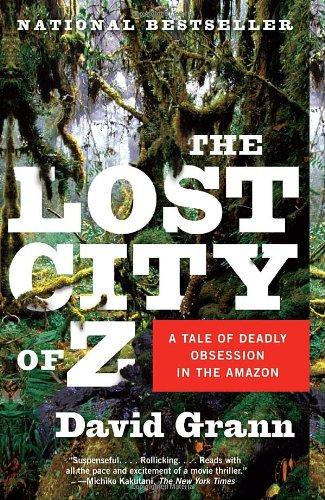
Start this bookNo. 29 on this list. The Lost City of Z · David Grann · 2009
Grann tells the story of Percy Fawcett, the British explorer who vanished in the Amazon in 1925 while searching for a lost civilization he called 'Z.' Fawcett was the last of the great Victorian explorers—a man who survived malaria, piranha-infested rivers, hostile tribes, and starvation on expedition after expedition into the Brazilian jungle, mapping territory that had never been charted. His disappearance sparked the greatest manhunt in exploration history: over the following decades, more than a hundred people died or vanished trying to find him. Grann interweaves Fawcett's story with his own journey into the Amazon to solve the mystery, and in the process he discovers something extraordinary: recent archaeological evidence suggests that Fawcett may not have been delusional. The Amazon, long assumed to have been too hostile for complex civilizations, was home to large, sophisticated societies that built roads, bridges, and urban settlements—societies that were destroyed by European diseases before explorers ever encountered them. The book transforms a tale of imperial obsession into a story about how civilizations vanish and how Western assumptions about 'primitive' landscapes have blinded us to their histories.
Very Easy4 hours
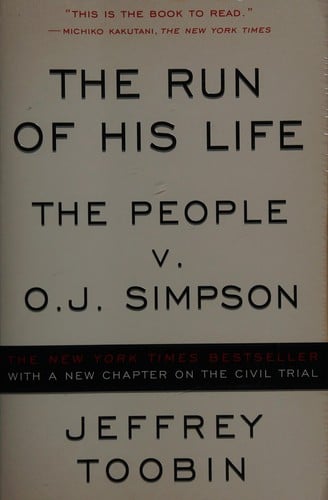
Start this bookNo. 30 on this list. The Run of His Life · Jeffrey Toobin · 1996
Definitive account of the Simpson trial. Basis for the FX series.
Very Easy4.9 hours
Start this book

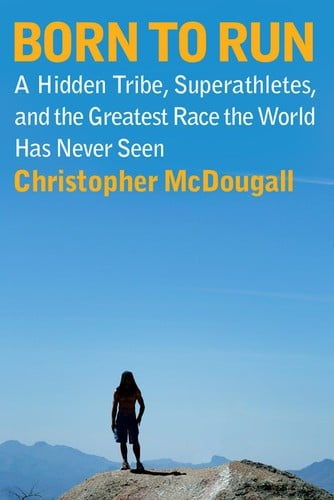
No. 31 on this list. Born to Run
Christopher McDougall · 2009
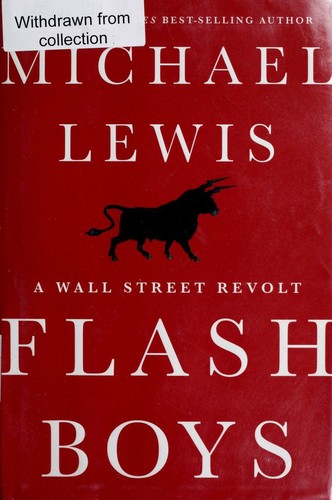
No. 32 on this list. Flash Boys
Michael Lewis · 2014
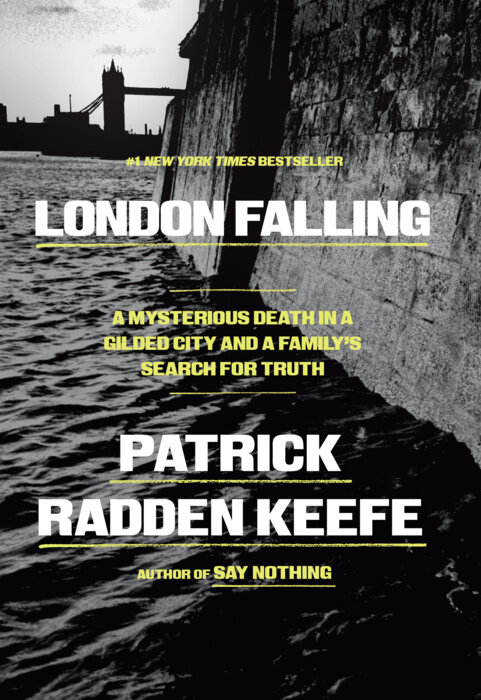
No. 33 on this list. London Falling: A Mysterious Death in a Gilded City and a Family's Search for Truth
Patrick Radden Keefe · 2026
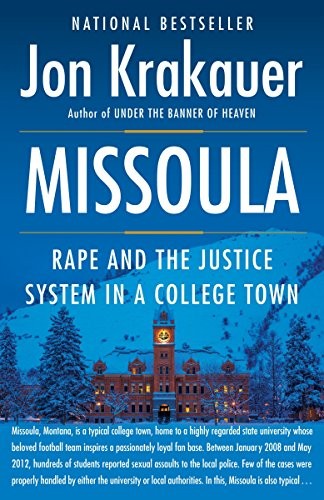
No. 34 on this list. Missoula
Jon Krakauer · 2015
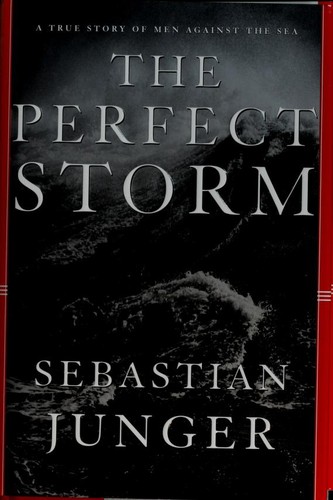
No. 35 on this list. The Perfect Storm
Sebastian Junger · 1997
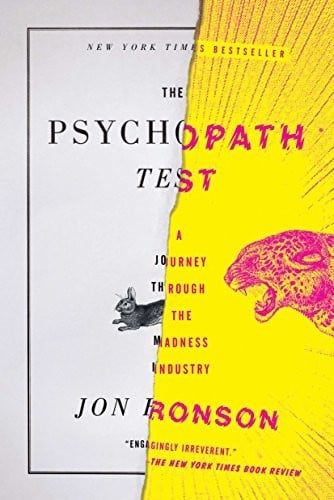
No. 36 on this list. The Psychopath Test
Jon Ronson · 2011
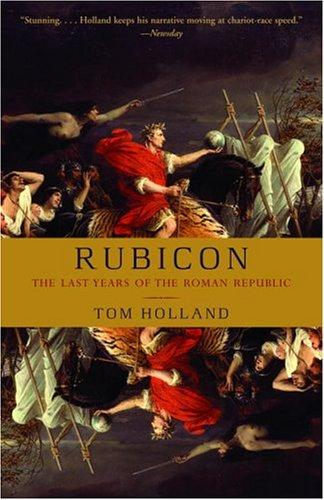
No. 37 on this list. Rubicon
Tom Holland · 2003
No. 38 on this list. Heller Weg: Geschichte eines Konzentrationslagers im Donbass 2017-2019 (Ukrainian Voices) (German Edition)
Stanislav Aseyev · 2021
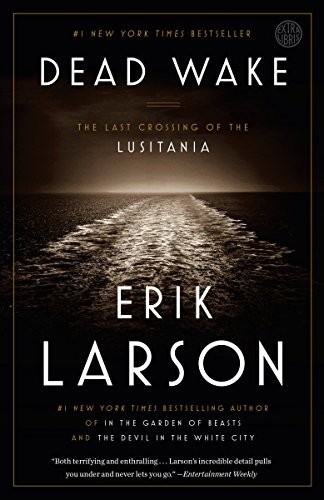
No. 39 on this list. Dead Wake
Erik Larson · 2015
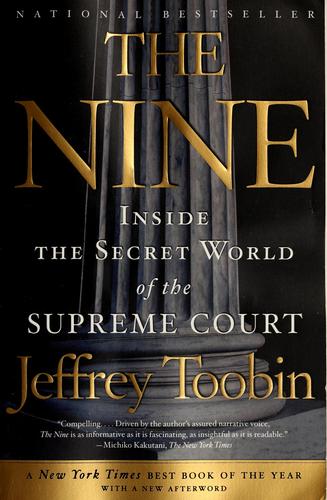
No. 40 on this list. The Nine
Jeffrey Toobin · 2007
No. 41 on this list. Midnight in the Garden of Good and Evil
John Berendt · 1994
No. 42 on this list. Alive
Piers Paul Read · 1974
No. 43 on this list. The Uninhabitable Earth
David Wallace-Wells · 2019
No. 44 on this list. Courtroom 302
Steve Bogira · 2005
No. 45 on this list. America the Vulnerable: Inside the New Threat Matrix of Digital Espionage, Crime, and Warfare
Joel Brenner · 2011
No. 46 on this list. Kaput
Wolfgang Munchau · 2024
No. 47 on this list. Over There War Scenes on the Western Front
No. 48 on this list. The Rest is History: The Official Book from the Makers of the Hit Podcast
Tom Holland · 2023


About this list
These 48 books are the highest-scoring eligible books of journalism and reportage by men currently in the catalogue. About 241 hours of reading in all, for the 45 with measured lengths. Difficulty runs from 22 to 31 out of 100 for the middle half of the list; the summit is Speak, Memory at 67.
This list is ranked by literary regard, with a consistent order for equal scores. Membership follows authors and co-authors, not translators or editors. A book is here when ReadingRate files it under Journalism & Reportage as one of its primary reading domains. Catalogue coverage and the historical canon both limit what this list can represent.
When we matched the Canons dataset to our catalogue in October 2026, our canonical-status scores rose with the number of school curricula, publisher series and lists in it that cite a work: the median score was 72 for books one such source cites, 84 at two, 88 at three, 92 at four and 93 at five or more. Prizes are left out of that count. Outside the state curricula, the dataset’s sources choose mostly from what has been translated into English or French, so it is a weaker check on other literatures. Source: Canons (Andrew Piper), CC BY 4.0
Questions people actually ask
- What are the best books of journalism and reportage by men?
- By literary regard, which weighs canonical status, critical standing and influence: The New Journalism by E. W. Johnson, Survival in Auschwitz by Primo Levi, In Cold Blood by Truman Capote, The Civil War: A Narrative, Volume 1 by Shelby Foote and Speak, Memory by Vladimir Nabokov. ReadingRate ranks 48 such books, each with a difficulty score and a reading-time estimate.
- Which books of journalism and reportage by men should I read first?
- Start from difficulty, not from rank. The most approachable books on this list that still carry top literary regard are Fear and Loathing in Las Vegas: A Savage Journey to the Heart of the American Dream by Hunter S. Thompson (about 2.6 hours), Evicted by Matthew Desmond and Literary Journalism by Norman Sims.
- What are the shortest of the best books of journalism and reportage by men?
- Among the top 25, the shortest are Clandestine in Chile: The Adventures of Miguel Littín by Gabriel García Márquez (about 1.6 hours), Down and Out in Paris and London by George Orwell (about 2.5 hours) and A Russian Journal by John Steinbeck (about 2.5 hours), at an average pace of 250 words a minute adjusted for each book's difficulty.
- Which of the best books of journalism and reportage by men are the established classics?
- By canonical status, how firmly a book sits in curricula, anthologies and the canon: The New Journalism by E. W. Johnson, Survival in Auschwitz by Primo Levi, In Cold Blood by Truman Capote, The Civil War: A Narrative, Volume 1 by Shelby Foote and Speak, Memory by Vladimir Nabokov.
- How long would it take to read the top ten?
- About 80 hours, at an average pace of 250 words a minute adjusted for each book's difficulty: 40 days at two hours a day. Set your own pace on the page and the list's reading times change to it.
- How hard are books of journalism and reportage by men to read?
- Most of this list sits between 22 and 31 on ReadingRate's 100-point difficulty scale, where 40 to 55 is moderate. The summit is Speak, Memory at 67. Every entry carries its own score, so a reader can pick a great book at a difficulty they will finish.
- How is this list ranked?
- On literary-regard data: how canonically established a work is, its critical standing, and its influence on later writing. It is not a readers’ poll, which is why recent bestsellers rarely appear. Membership follows authors and co-authors, not translators or editors. Lists by country, author, period, theme or difficulty keep to literature (fiction, poetry, drama and philosophy), their novels, poems and plays first and their philosophy after them; a list of a kind of book, such as memoir or criticism, keeps every book of that kind. Every list holds at most three works by one author. A book is here when ReadingRate files it under Journalism & Reportage as one of its primary reading domains.