Hours at an average pace
Showing 36 books
About 265 hours for 35 of 36 books with measured lengths. Estimates use 250 words a minute, adjusted for each book's difficulty. At 2 hours a day, about 133 days for those books.
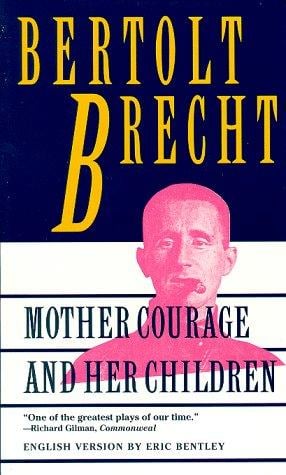
No. 1 on this list. Mother Courage and Her Children
Bertolt Brecht · 1941
Challenging13 hours
Taught in schools: UNAM Escuela Nacional Preparatoria – programas de Literatura (Mexico)
Included in: Great Books of the Western World
Mother Courage is a required text on virtually every drama and theatre studies syllabus worldwide. It appears on the AP Literature list, the IB Theatre curriculum, and is included in every major anthology of 20th-century drama from Norton to Penguin. The play is routinely placed alongside Waiting for Godot and Death of a Salesman as one of the three foundational postwar plays in the Western canon.
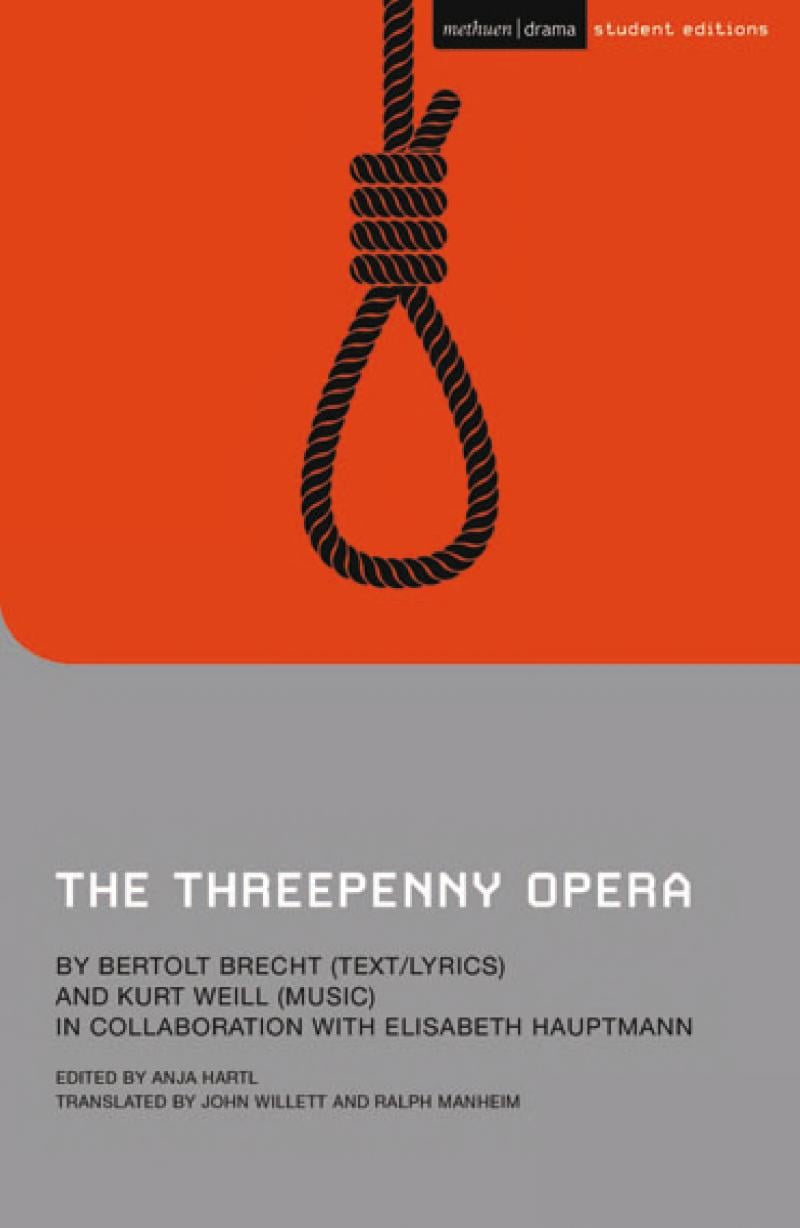
Die Dreigroschenoper premiered in Berlin on August 28, 1928, and became one of the most performed plays of the 20th century, with productions on every inhabited continent. It is core curriculum in theatre studies, German literature, European modernism, and political theory courses worldwide. No syllabus data appears in the database, but the play's canonical standing is among the highest in 20th-century drama.
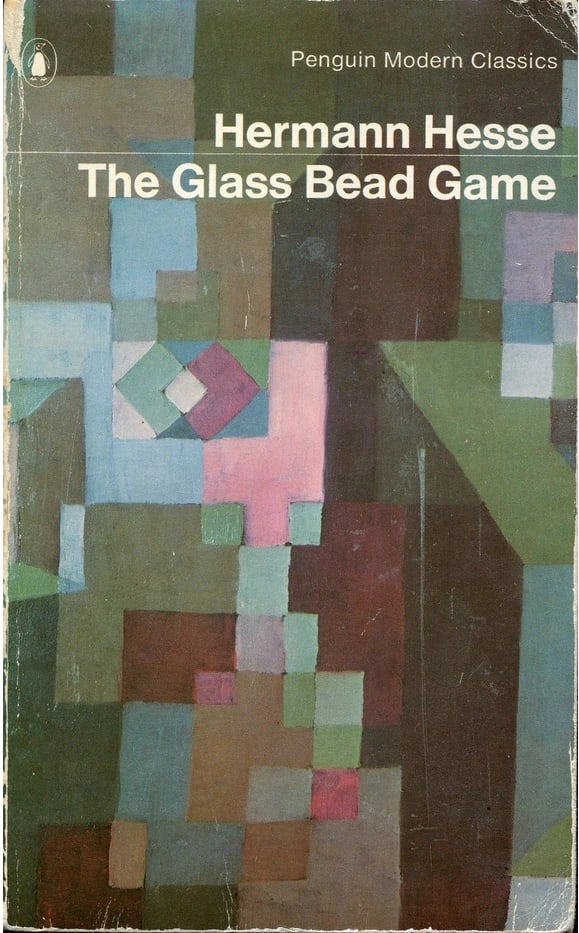
The Glass Bead Game is widely recognized as Hesse's masterwork and a towering achievement of 20th-century German literature. It secures a place in the Western canon as a major modernist novel of ideas, regularly taught in universities and translated into dozens of languages. The novel's influence extends beyond literature into philosophy and cultural criticism, providing an enduring vocabulary ('the Glass Bead Game,' 'Castalia') for discussing intellectual culture.
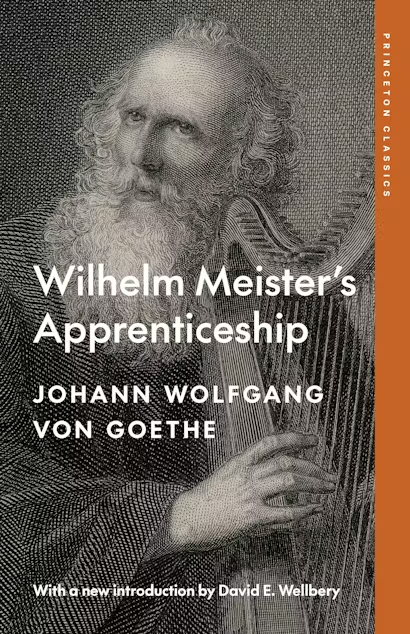
No. 4 on this list. Wilhelm Meister's Apprenticeship
Johann Wolfgang von Goethe · 1796
Challenging19 hours
Wilhelm Meister's Apprenticeship is taught in comparative literature and world literature courses globally, and is considered essential reading for understanding the development of European prose fiction. Its position as the founding text of the Bildungsroman places it on syllabi wherever German literature or the novel as a form is studied seriously. No database signals were available, but its literary-historical importance is universally acknowledged.
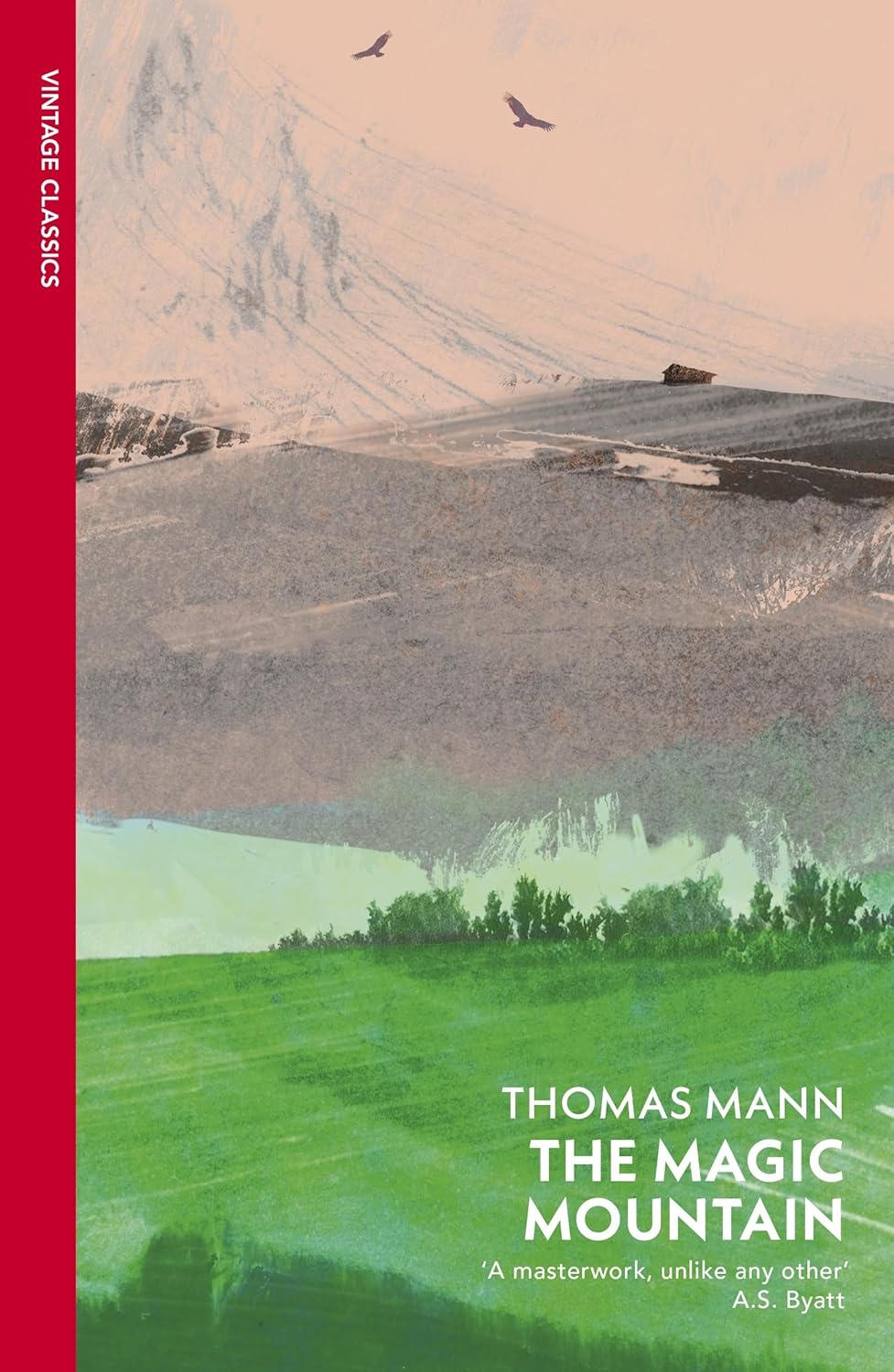
No. 5 on this list. The Magic Mountain
Thomas Mann · 1924
Challenging30 hours
Included in: Bokklubben World Library
Appears on 228 university syllabi (58.9th percentile, Open Syllabus Project) and Wikipedia articles exist in 41 languages. Listed on Le Monde's 100 Books of the Century and Open Syllabus Top 500 Literature. The Nobel Prize author and the novel's treatment of pre-war European culture have kept it in world literature curricula for a century.
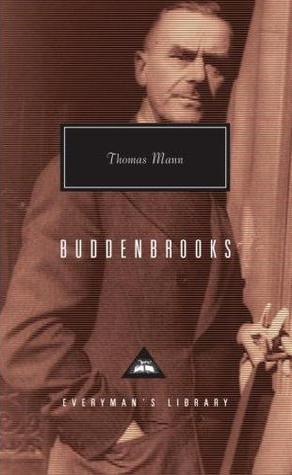
No. 6 on this list. Buddenbrooks
Thomas Mann · 1901
Challenging19 hours
Included in: Bokklubben World Library
Appears on 62 university syllabi (44.8th percentile, Open Syllabus Project) and has a Wikipedia article in 42 languages, signaling solid canonical standing in world literature and German literature courses. It is less ubiquitous in English-language general curricula than Gatsby or Beloved, but a fixture in comparative literature and European fiction programs.
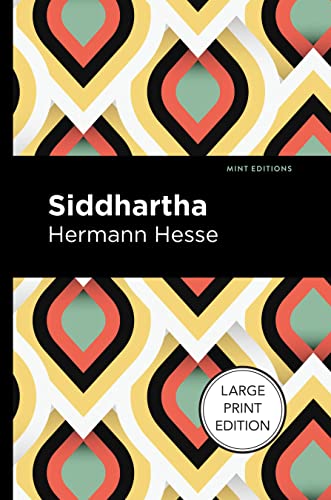
A young Indian seeks enlightenment, journeying from wealth through asceticism to a final understanding by a river. Hesse's beloved fable of spiritual seeking remains one of the most influential novels of the 20th century, offering wisdom that transcends its Eastern setting.
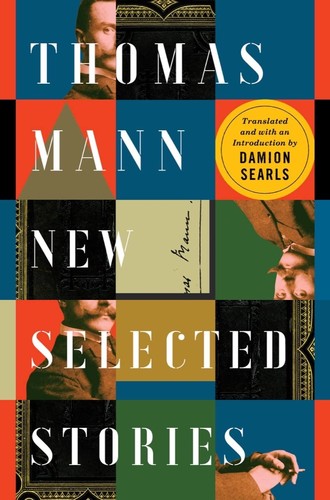
Mann is a staple of world literature courses, and Death in Venice is among the most taught novellas of the twentieth century. Searls's introduction itself calls him canonical. This particular collection is a new selection of that established material.
Listed in Le Monde's 100 Books of the Century and one of Brecht's most performed plays, with Wikipedia articles in 17 languages. Heiner Müller's 1995 Berliner Ensemble production stayed in the repertoire for more than two decades.
Cat and Mouse occupies significant position within German postwar literature and Grass's own oeuvre, frequently taught in universities and anthologized in collections of important twentieth-century fiction. It lacks the cultural penetration of The Tin Drum but commands substantial literary recognition and scholarly attention.
No. 11 on this list. Effi Briest · Theodor Fontane · 1895
Effi Briest is required reading in German literature courses worldwide and appears on major lists of the greatest novels, including Le Monde's 100 Books of the Century. Its reach outside the German-speaking world is narrower than Madame Bovary or Anna Karenina due to language barriers, but within German studies it holds the same foundational status. Wikipedia articles exist in 40+ languages, reflecting genuine global recognition.
Challenging9.9 hours
Start this bookNo. 12 on this list. The Lost Honour of Katharina Blum · Heinrich Böll · 1974
Die verlorene Ehre der Katharina Blum is on Le Monde's 100 Books of the Century, with Wikipedia articles in 27 languages. It is a standard school and university text in Germany and in German courses abroad.
Challenging3.3 hours
Start this bookNo. 13 on this list. Demian · Hermann Hesse · 1919
Emil Sinclair, a young man in pre-WWI Germany, is drawn into the orbit of Max Demian, an enigmatic boy who introduces him to a world beyond conventional morality. As Sinclair journeys toward self-realization, he encounters mentors, visions, and the Jungian depths of his own psyche. Hesse's influential Bildungsroman of spiritual awakening.
Moderate3.2 hours
Read nowNo. 14 on this list. The Weavers · Gerhart Hauptmann · 1892
The Weavers appears regularly in courses on European drama, German literature, and the history of naturalism. It is the standard example of naturalist social drama and frequently anthologized in world theater collections. Its canonical presence is strong within drama studies but narrower than Shakespeare or Ibsen in general literature curricula.
Challenging1.8 hours
Start this bookNo. 15 on this list. Auto-da-Fé · Elias Canetti · 1935
Peter Kien is a sinologist who lives alone in Vienna with his twenty-five thousand books. He marries his housekeeper, who turns out to be a brutal schemer interested only in his apartment. Expelled from his own library, Kien descends into the underworld of the city, encountering a chess-playing dwarf, a brutal janitor, and his own psychiatrist brother. Canetti's novel is a comedy of obsession that becomes a tragedy of isolation. The books that Kien loves offer no wisdom, only a refuge from human contact. The fire that ends the novel is both literal and metaphorical—the destruction of a mind that could not survive outside its shelves.
Challenging13 hours
Start this bookNo. 16 on this list. The Land of Green Plums · Herta Müller · 1998
Wikipedia lists the novel in 8 languages with a dedicated Reception section, indicating some critical presence. No syllabus appearances found in the Open Syllabus database, suggesting it appears in specialized world literature courses rather than general curricula. It is the defining work of a Nobel laureate but has not reached the broad institutional presence of Beloved or One Hundred Years of Solitude.
Challenging5 hours
Start this bookNo. 17 on this list. Visitation · Jenny Erpenbeck · 2008
Taught in schools: Bavarian Lehrplan Deutsch (Germany), North Rhine-Westphalia Abitur Deutsch (Germany)
Increasingly recognized as one of the important German novels of the twenty-first century and a key work in Erpenbeck's oeuvre.
Moderate2.3 hours
Start this bookNo. 18 on this list. Wilhelm Meister's Journeyman Years · Johann Wolfgang von Goethe · 1821
Less widely read than the Apprenticeship or Faust, but increasingly valued by scholars as Goethe's most forward-looking work.
Challenging15 hours
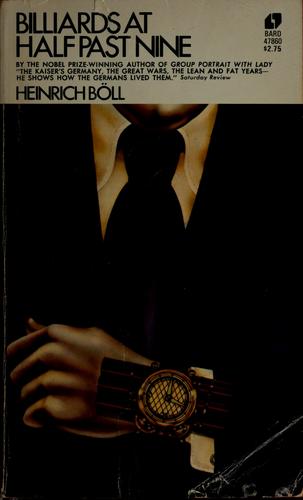
Start this bookNo. 19 on this list. Billiards at Half-Past Nine · Heinrich Böll · 1959
On a single day in 1958, three generations of the Fähmel family converge in a German city, each carrying memories of two world wars. Through their interlocking recollections—of Nazism, resistance, and guilt—Böll constructs a devastating portrait of German history and the impossibility of escaping the past. An architectural metaphor structures this meditation on building and destruction.
Challenging5.5 hours
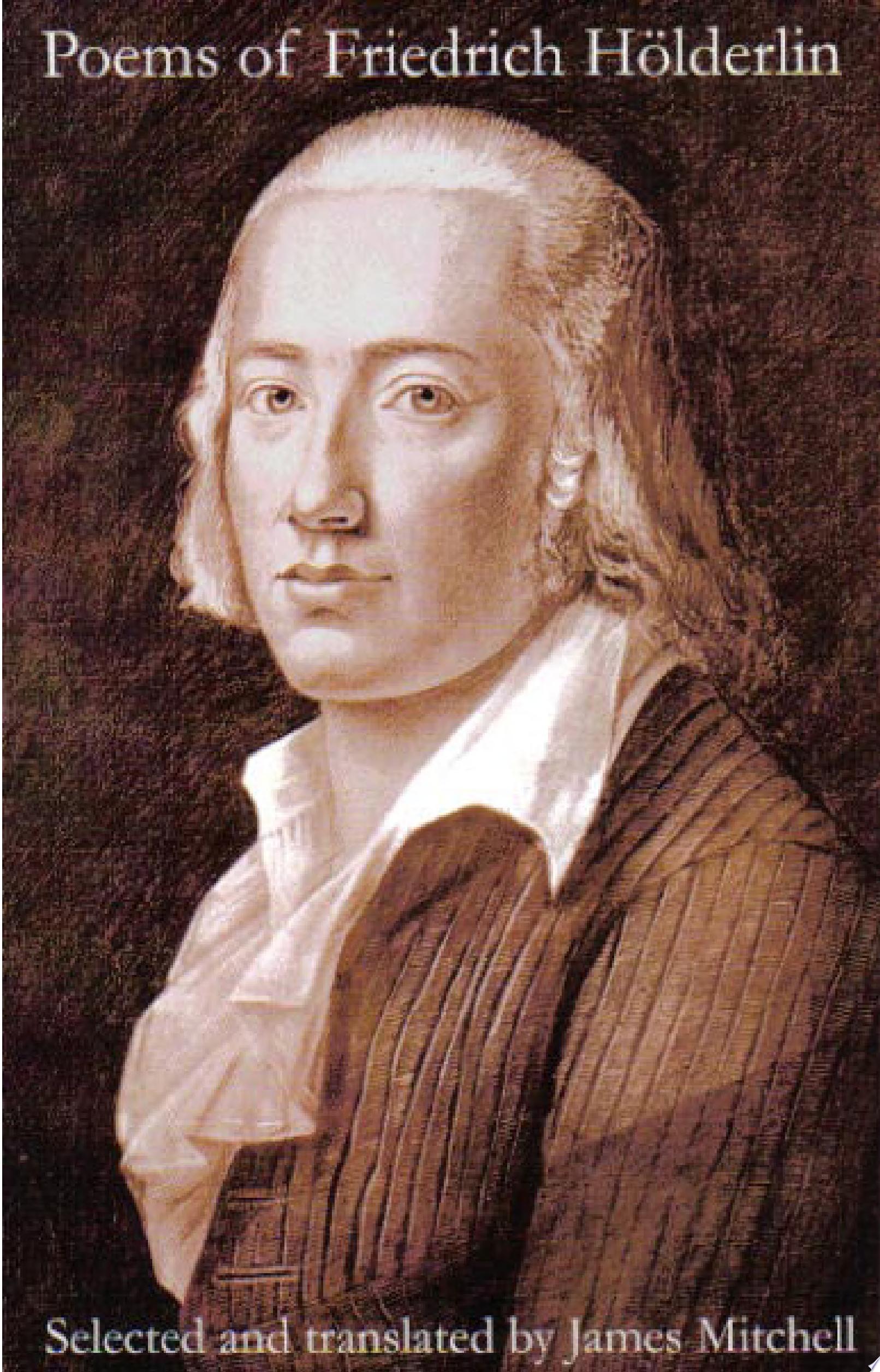
Start this bookNo. 20 on this list. Poems of Friedrich Hölderlin · Friedrich Hölderlin
Hölderlin is a core figure in German literature and widely studied in the Western canon of poetry. This particular small-press selection is a minor edition, so the score reflects the poet's place more than the volume's own presence.
Moderate
Start this book
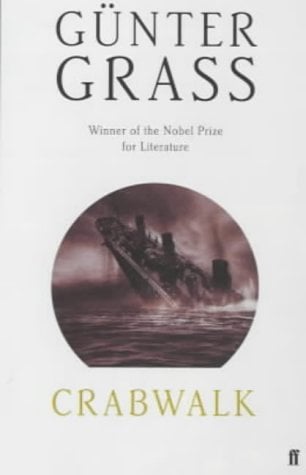
No. 21 on this list. Crabwalk · Günter Grass · 2002
Crabwalk (Im Krebsgang, 2002) is a late Grass novella taught in German studies courses on memory and the Second World War, though far less widely than The Tin Drum. It is a standard text in discussions of how German literature treats German wartime suffering.
Challenging4.6 hours
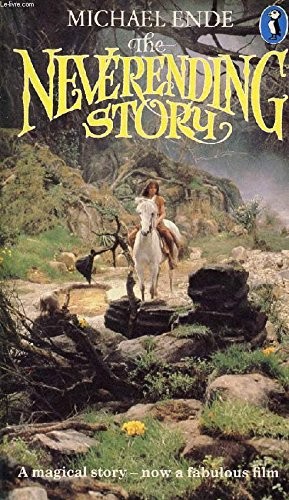
Start this bookNo. 22 on this list. The Neverending Story · Michael Ende · 1979
The Neverending Story is a fixture of childhood reading across the German-speaking world and widely translated — available in over 40 languages — giving it genuine global reach. No syllabus data was found in the database, but the book appears regularly in European school curricula and on 'greatest fantasy novels' lists, though it occupies a different cultural niche than texts taught in university literature programs.
Challenging9.6 hours
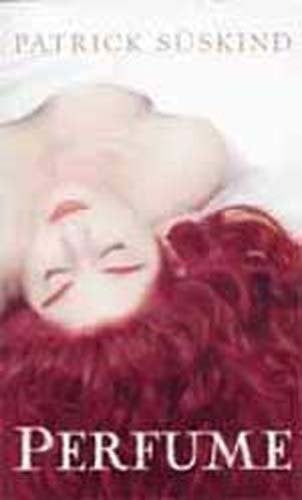
Start this bookNo. 23 on this list. Perfume: The Story of a Murderer · Patrick Süskind · 1985
A widely taught modern European novel and a bestseller, it appears often on contemporary literature syllabi, though less than the major canon.
Moderate4.7 hours
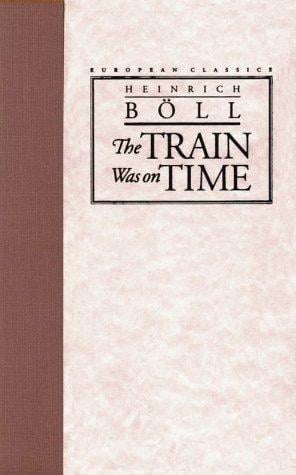
Start this bookNo. 24 on this list. The Train Was on Time · Heinrich Böll · 1949
A soldier on a train knows he will die by morning, his hours counting down. Böll's early novella captures the terror and resignation of young soldiers in Hitler's war.
Challenging2.1 hours
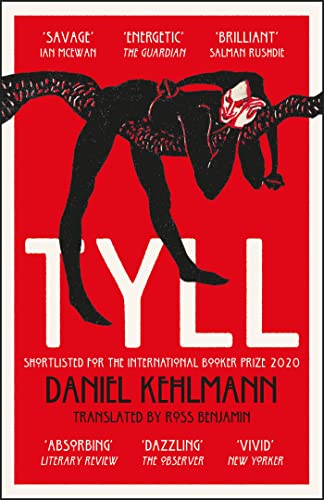
Start this bookNo. 25 on this list. Tyll · Daniel Kehlmann · 2020
Tyll Ulenspiegel, a legendary trickster, wanders through the devastation of the Thirty Years War. Kehlmann's Booker-shortlisted novel reimagines European history through the eyes of a folk hero.
Challenging7.7 hours
Start this bookNo. 26 on this list. Die Lücken · Shida Bazyar · 2026
The book was published in 2026 and has not yet entered syllabi. Its German Book Prize and Wilhelm Raabe Literature Prize give it strong standing in contemporary German literature.
Moderate9.3 hours
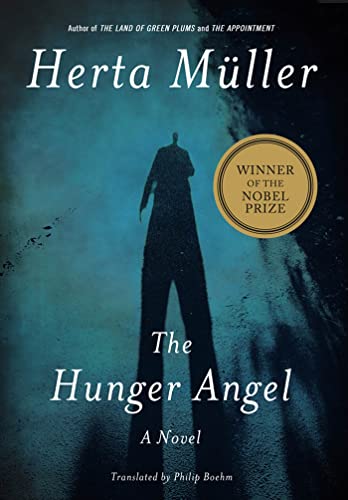
Start this bookNo. 27 on this list. The Hunger Angel · Herta Müller · 2009
A Romanian German is deported to a Soviet labor camp, where hunger becomes the defining reality of existence. Müller's Nobel Prize-winning novel, based on the experiences of her mother and poet Oskar Pastior, is a devastating poem of survival.
Challenging5.9 hours
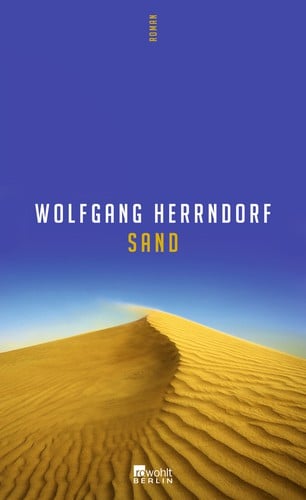
Start this bookNo. 28 on this list. Sand · Wolfgang Herrndorf · 2011
The Leipzig Book Fair Prize gives Sand standing in contemporary German literature, and it is read as a modern genre-bending classic. Syllabus and canonical presence remain modest compared with Herrndorf's Tschick.
Moderate8.6 hours
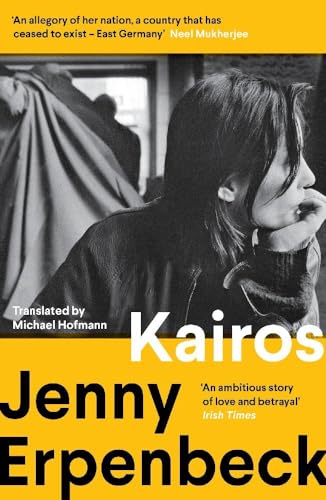
Start this bookNo. 29 on this list. Kairos · Jenny Erpenbeck · 2024
Published in German in 2021 and translated into English in 2023, Kairos is too recent for syllabi presence. Its Wikipedia article exists in 27 languages, reflecting the International Booker win's global attention rather than established canonical standing.
Challenging7.5 hours
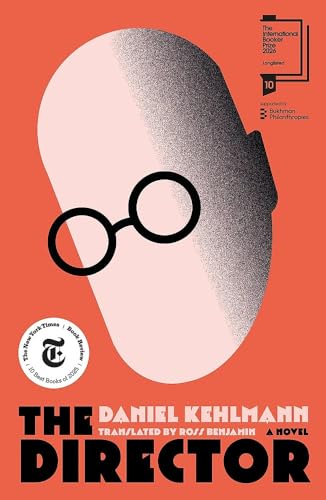
Start this bookNo. 30 on this list. The Director · Daniel Kehlmann · 2023
Published in German as Lichtspiel in 2023 and in Ross Benjamin's English translation in 2025, the novel is too recent to have settled onto reading lists. It is among the most discussed recent German novels in translation.
Challenging10 hours
Start this book

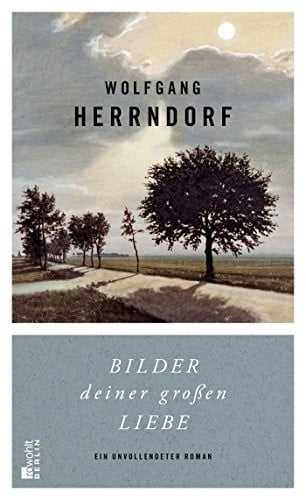
No. 31 on this list. Bilder deiner großen Liebe
Wolfgang Herrndorf · 2014
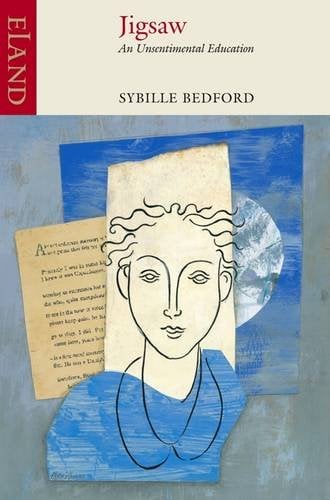
No. 32 on this list. Jigsaw
Sybille Bedford · 1989
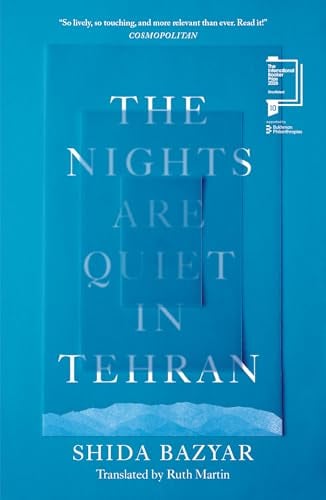
No. 33 on this list. Nights Are Quiet in Tehran
Shida Bazyar · 2016
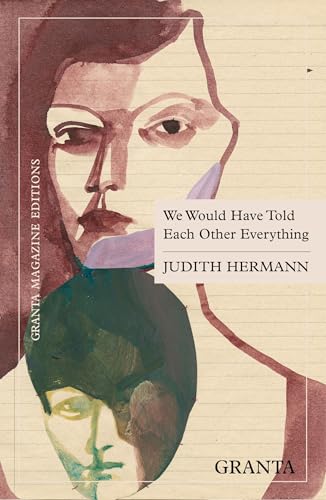
No. 34 on this list. We Would Have Told Each Other Everything
Judith Hermann · 2021
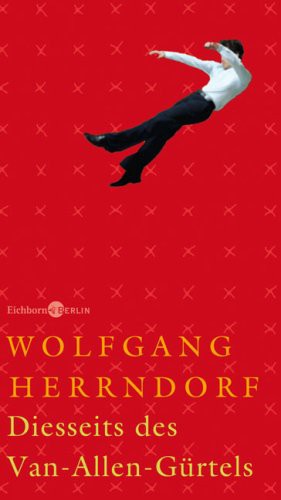
No. 35 on this list. Diesseits des Van-Allen-Gürtels
Wolfgang Herrndorf · 2007
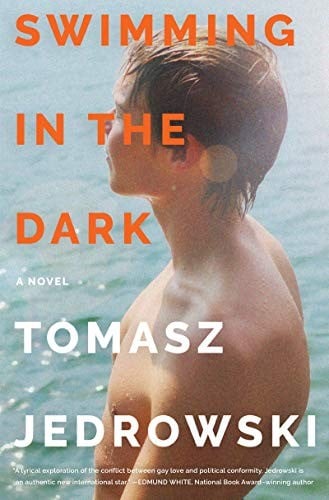
No. 36 on this list. Swimming in the Dark
Tomasz Jedrowski · 2020
About this list
These 36 books are the highest-scoring eligible moderately difficult books from Germany currently in the catalogue. About 265 hours of reading in all, for the 35 with measured lengths. Difficulty runs from 49 to 58 out of 100 for the middle half of the list; the summit is The Glass Bead Game at 65.
This list is ranked by literary regard, with a consistent order for equal scores. Membership follows authors and co-authors, not translators or editors. Catalogue coverage and the historical canon both limit what this list can represent.
When we matched the Canons dataset to our catalogue in October 2026, our canonical-status scores rose with the number of school curricula, publisher series and lists in it that cite a work: the median score was 72 for books one such source cites, 84 at two, 88 at three, 92 at four and 93 at five or more. Prizes are left out of that count. Outside the state curricula, the dataset’s sources choose mostly from what has been translated into English or French, so it is a weaker check on other literatures. Source: Canons (Andrew Piper), CC BY 4.0
Questions people actually ask
- What are the best moderately difficult books from Germany?
- By literary regard, which weighs canonical status, critical standing and influence: Mother Courage and Her Children by Bertolt Brecht, The Threepenny Opera by Bertolt Brecht, The Glass Bead Game by Hermann Hesse, Wilhelm Meister's Apprenticeship by Johann Wolfgang von Goethe and The Magic Mountain by Thomas Mann. ReadingRate ranks 36 such books, each with a difficulty score and a reading-time estimate.
- Which moderately difficult books from Germany should I read first?
- Start from difficulty, not from rank. The most approachable books on this list that still carry top literary regard are Siddhartha by Hermann Hesse (about 2.7 hours), The Resistible Rise of Arturo Ui by Bertolt Brecht and New Selected Stories by Thomas Mann.
- What are the shortest of the best moderately difficult books from Germany?
- Among the top 25, the shortest are The Resistible Rise of Arturo Ui by Bertolt Brecht (about 1 hours), The Weavers by Gerhart Hauptmann (about 1.8 hours) and The Threepenny Opera by Bertolt Brecht (about 2.1 hours), at an average pace of 250 words a minute adjusted for each book's difficulty.
- Which of the best moderately difficult books from Germany are the established classics?
- By canonical status, how firmly a book sits in curricula, anthologies and the canon: Mother Courage and Her Children by Bertolt Brecht, The Threepenny Opera by Bertolt Brecht, The Glass Bead Game by Hermann Hesse, Wilhelm Meister's Apprenticeship by Johann Wolfgang von Goethe and The Magic Mountain by Thomas Mann.
- Can I read any of these moderately difficult books from Germany for free?
- 5 of the 36 open in ReadingRate's reader with a free account, from public-domain editions: Wilhelm Meister's Apprenticeship, The Magic Mountain, Buddenbrooks, Siddhartha and Demian.
- How long would it take to read the top ten?
- About 112 hours, at an average pace of 250 words a minute adjusted for each book's difficulty: 57 days at two hours a day. Set your own pace on the page and the list's reading times change to it.
- How hard are moderately difficult books from Germany to read?
- Most of this list sits between 49 and 58 on ReadingRate's 100-point difficulty scale, where 40 to 55 is moderate. The summit is The Glass Bead Game at 65. Every entry carries its own score, so a reader can pick a great book at a difficulty they will finish.
- How is this list ranked?
- On literary-regard data: how canonically established a work is, its critical standing, and its influence on later writing. It is not a readers’ poll, which is why recent bestsellers rarely appear. Membership follows authors and co-authors, not translators or editors. Lists by country, author, period, theme or difficulty keep to literature: fiction, poetry and drama, with no philosophy, criticism or theory. A list of a kind of book, such as philosophy, memoir or criticism, keeps every book of that kind. Every list holds at most three works by one author.