Hours at an average pace
Showing 39 books
About 269 hours for 39 of 39 books with measured lengths. Estimates use 250 words a minute, adjusted for each book's difficulty. At 2 hours a day, about 135 days for those books.
No. 1 on this list. Mother Courage and Her Children
Bertolt Brecht · 1941
Challenging13 hours
Taught in schools: UNAM Escuela Nacional Preparatoria – programas de Literatura (Mexico)
Included in: Great Books of the Western World
Mother Courage is a required text on virtually every drama and theatre studies syllabus worldwide. It appears on the AP Literature list, the IB Theatre curriculum, and is included in every major anthology of 20th-century drama from Norton to Penguin. The play is routinely placed alongside Waiting for Godot and Death of a Salesman as one of the three foundational postwar plays in the Western canon.
Three Essays on the Theory of Sexuality is a foundational text in psychology, psychoanalysis, sexuality studies, and cultural theory curricula worldwide. Listed among Le Monde's 100 Books of the Century (1999), the Open Syllabus Top 500 in Literature, and available on Wikipedia in 20 languages. Taught in psychology, philosophy, literature, gender studies, and history of science courses, it is considered inescapable for anyone studying psychoanalysis or the history of sexuality.
No. 3 on this list. The Metamorphosis
Franz Kafka · 1915
Moderate1.4 hours
Taught in schools: Common Core text exemplars (Appendix B) (US), Lithuanian literature curriculum (lietuvių kalba ir literatūra)
Included in: Great Books of the Western World
The Metamorphosis appears in Wikipedia across 70 languages and has been in continuous print for over a century via Penguin Modern Classics and dozens of other prestige publishers. It is taught in comparative literature, modernism, and world literature courses at universities globally. The Open Syllabus data (0 appearances) likely reflects the novella being assigned within collected editions rather than as a standalone text.
Civilization and Its Discontents is assigned in philosophy, psychology, political theory, literary criticism, and cultural studies courses across the world's universities. It is among the most widely taught non-fiction texts in higher education, a standard inclusion on humanities syllabi from introductory courses to graduate seminars. No significant survey of 20th-century intellectual history omits it.
Die Dreigroschenoper premiered in Berlin on August 28, 1928, and became one of the most performed plays of the 20th century, with productions on every inhabited continent. It is core curriculum in theatre studies, German literature, European modernism, and political theory courses worldwide. No syllabus data appears in the database, but the play's canonical standing is among the highest in 20th-century drama.
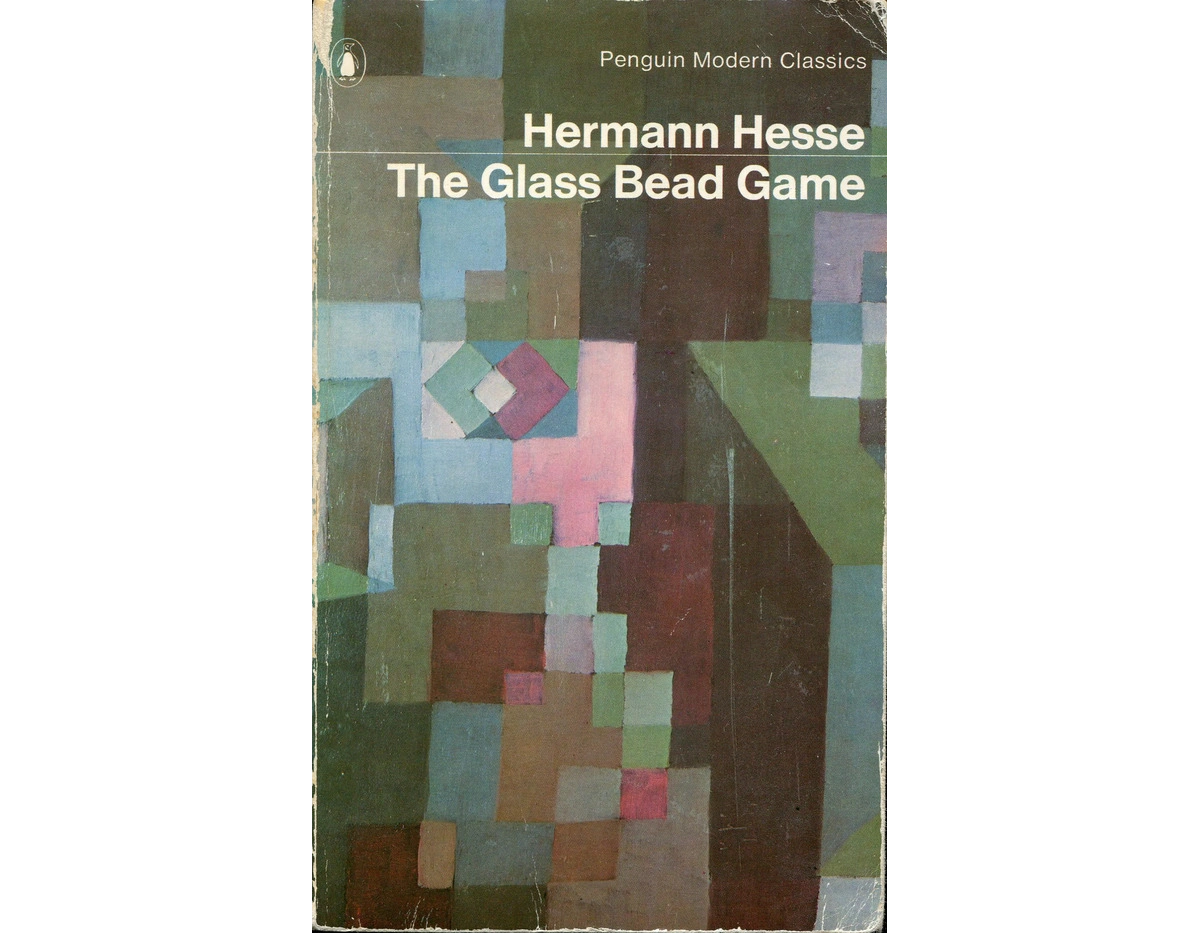
The Glass Bead Game is widely recognized as Hesse's masterwork and a towering achievement of 20th-century German literature. It secures a place in the Western canon as a major modernist novel of ideas, regularly taught in universities and translated into dozens of languages. The novel's influence extends beyond literature into philosophy and cultural criticism, providing an enduring vocabulary ('the Glass Bead Game,' 'Castalia') for discussing intellectual culture.
No. 7 on this list. Wilhelm Meister's Apprenticeship
Johann Wolfgang von Goethe · 1796
Challenging19 hours
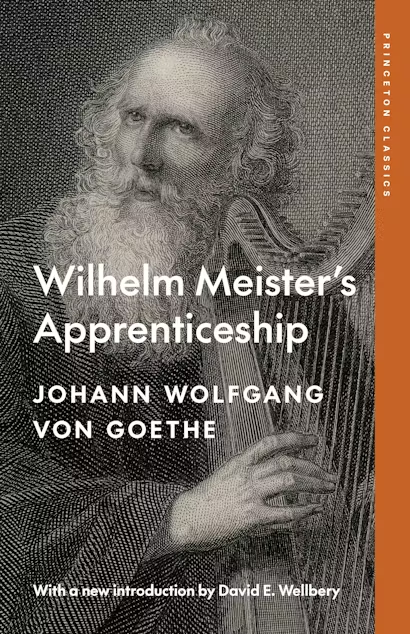
Wilhelm Meister's Apprenticeship is taught in comparative literature and world literature courses globally, and is considered essential reading for understanding the development of European prose fiction. Its position as the founding text of the Bildungsroman places it on syllabi wherever German literature or the novel as a form is studied seriously. No database signals were available, but its literary-historical importance is universally acknowledged.
The Logic of Scientific Discovery is required reading in virtually every philosophy of science course at the university level and appears widely on syllabi in history and philosophy of science programs globally. It is not a literary canonical text but holds the equivalent position within its discipline — a foundational text that practitioners of science and philosophy are expected to know.
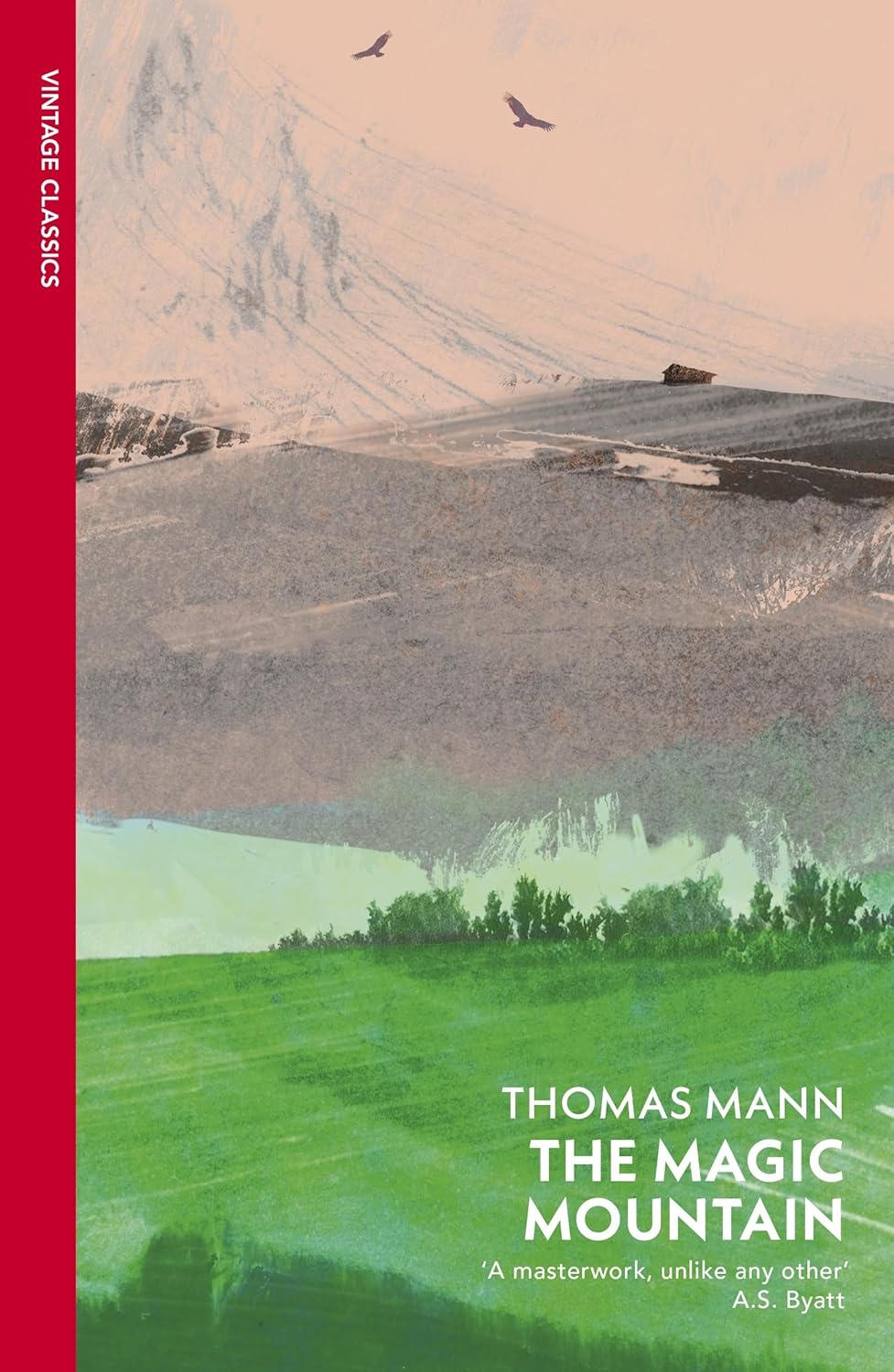
No. 9 on this list. The Magic Mountain
Thomas Mann · 1924
Challenging30 hours
Included in: Bokklubben World Library
Appears on 228 university syllabi (58.9th percentile, Open Syllabus Project) and Wikipedia articles exist in 41 languages. Listed on Le Monde's 100 Books of the Century and Open Syllabus Top 500 Literature. The Nobel Prize author and the novel's treatment of pre-war European culture have kept it in world literature curricula for a century.
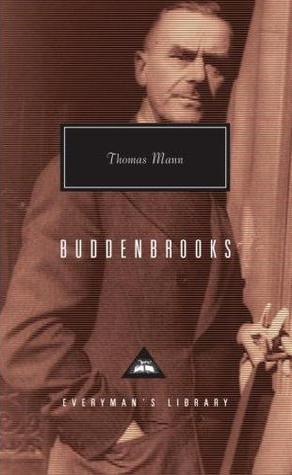
No. 10 on this list. Buddenbrooks
Thomas Mann · 1901
Challenging17 hours
Included in: Bokklubben World Library
Appears on 62 university syllabi (44.8th percentile, Open Syllabus Project) and has a Wikipedia article in 42 languages, signaling solid canonical standing in world literature and German literature courses. It is less ubiquitous in English-language general curricula than Gatsby or Beloved, but a fixture in comparative literature and European fiction programs.
No. 11 on this list. Laocoon: An Essay on the Limits of Painting and Poetry · Gotthold Ephraim Lessing · 1766
A landmark in Western aesthetics. Taught in philosophy, art history, comparative literature, and media studies.
Challenging4.5 hours
Start this bookNo. 12 on this list. Siddhartha · Hermann Hesse · 1922
A young Indian seeks enlightenment, journeying from wealth through asceticism to a final understanding by a river. Hesse's beloved fable of spiritual seeking remains one of the most influential novels of the 20th century, offering wisdom that transcends its Eastern setting.
Moderate2.7 hours
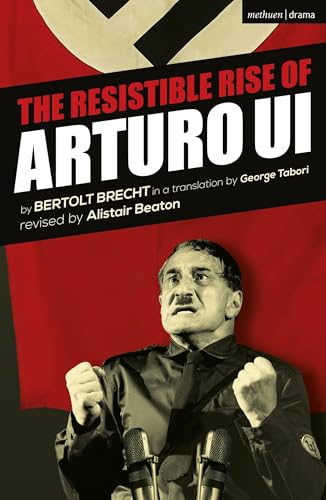
Read nowNo. 13 on this list. The Resistible Rise of Arturo Ui · Bertolt Brecht · 1941
Listed in Le Monde's 100 Books of the Century and one of Brecht's most performed plays, with Wikipedia articles in 17 languages. Heiner Müller's 1995 Berliner Ensemble production stayed in the repertoire for more than two decades.
Moderate1 hours
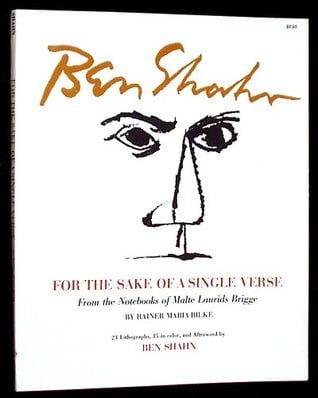
Start this bookNo. 14 on this list. The Notebooks of Malte Laurids Brigge · Rainer Maria Rilke · 1910
Die Aufzeichnungen des Malte Laurids Brigge is on Le Monde's 100 Books of the Century, with Wikipedia articles in 14 languages. It is taught as a founding text of modernist prose in German and comparative literature courses.
Challenging6 hours
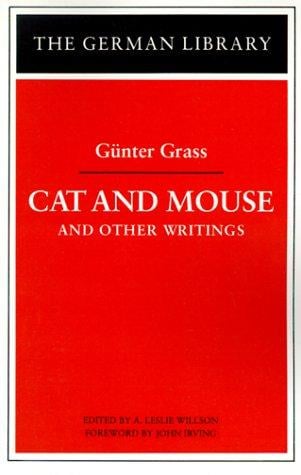
Start this bookNo. 15 on this list. Cat and Mouse · Günter Grass · 1961
Cat and Mouse occupies significant position within German postwar literature and Grass's own oeuvre, frequently taught in universities and anthologized in collections of important twentieth-century fiction. It lacks the cultural penetration of The Tin Drum but commands substantial literary recognition and scholarly attention.
Moderate3.1 hours
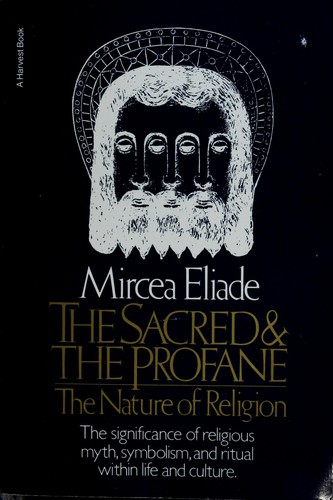
Start this bookNo. 16 on this list. The Sacred and the Profane · Mircea Eliade · 1957
Mircea Eliade begins with a stone. Not every stone is sacred — only one that strikes homo religiosus as a revelation of something that transcends it. The stone is worshipped because it is sacred, not because it is a stone. From this deceptively simple distinction, The Sacred and the Profane constructs a full account of how religious man inhabits a different universe from his secular neighbor — a universe organized around sacred centers, inhabited by cyclical time that returns to origins, suffused with a nature that is never merely natural. Eliade moves through four dimensions of existence — space, time, nature, and human life — showing in each case how the religious experience transforms it structurally. A house is not just shelter but a cosmic axis, its hearth a link between earth, sky, and underworld. The New Year is not a calendar convention but an annihilation of used-up time and a return to the moment of creation. Water does not merely wash — it dissolves and regenerates. The examples accumulate from Babylonian ritual, Vedic cosmology, Australian Aboriginal Dreamtime, Polynesian creation myths, Greek hierogamy, and dozens of other traditions, all organized around the same underlying structures. The book's argument cuts quietly against secular modernity. Desacralized man, Eliade suggests, has not escaped religion — he has merely forgotten it, and pays for the forgetting with an existence unmoored from any cosmic center. Reading Eliade requires patience with theoretical vocabulary (hierophany, axis mundi, imago mundi) but rewards it with a framework that reorganizes how religious experience across all cultures coheres.
Moderate3.2 hours
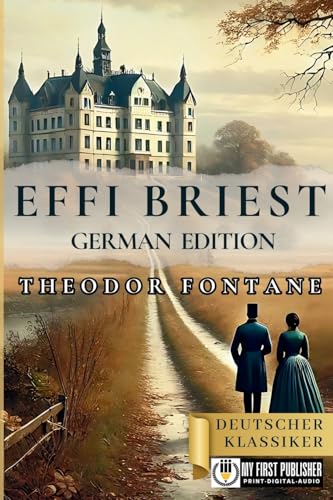
Start this bookNo. 17 on this list. Effi Briest · Theodor Fontane · 1895
Effi Briest is required reading in German literature courses worldwide and appears on major lists of the greatest novels, including Le Monde's 100 Books of the Century. Its reach outside the German-speaking world is narrower than Madame Bovary or Anna Karenina due to language barriers, but within German studies it holds the same foundational status. Wikipedia articles exist in 40+ languages, reflecting genuine global recognition.
Challenging9.9 hours
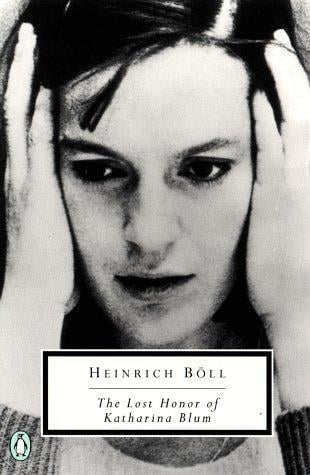
Start this bookNo. 18 on this list. The Lost Honour of Katharina Blum · Heinrich Böll · 1974
Die verlorene Ehre der Katharina Blum is on Le Monde's 100 Books of the Century, with Wikipedia articles in 27 languages. It is a standard school and university text in Germany and in German courses abroad.
Challenging3.3 hours
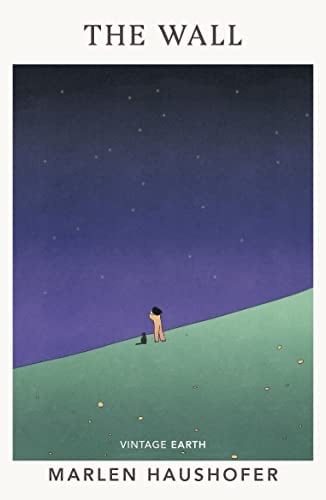
Start this bookNo. 19 on this list. The Wall · Marlen Haushofer · 1963
Recognized as a masterpiece of Austrian literature and feminist writing, taught in German literature courses and increasingly included in world literature curricula as an essential post-war text.
Challenging6.6 hours
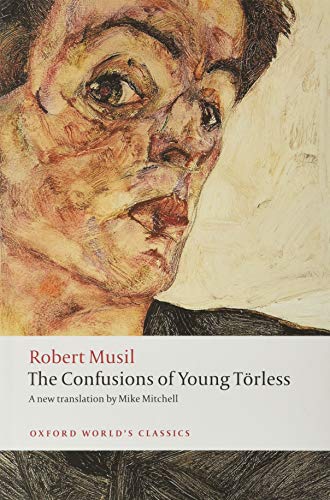
Start this bookNo. 20 on this list. Young Törless · Robert Musil · 1906
Young Törless is a fixture of European Modernism syllabi and is regularly taught in courses on the Bildungsroman, Austrian literature, and the literature of adolescence. It lacks the universal English-language curriculum presence of Kafka or Mann but maintains steady academic assignment in comparative literature programs worldwide. Wikipedia articles exist in approximately 25 languages, indicating solid international scholarly recognition if not mass cultural presence.
Challenging6.1 hours
Start this book
No. 21 on this list. Demian · Hermann Hesse · 1919
Emil Sinclair, a young man in pre-WWI Germany, is drawn into the orbit of Max Demian, an enigmatic boy who introduces him to a world beyond conventional morality. As Sinclair journeys toward self-realization, he encounters mentors, visions, and the Jungian depths of his own psyche. Hesse's influential Bildungsroman of spiritual awakening.
Moderate3.2 hours
Read nowNo. 22 on this list. The Communist Manifesto · Karl Marx · 1848
One of the most assigned texts in political science, history, economics, and philosophy courses worldwide. Wikipedia articles exist in over 100 languages. The text appears on countless syllabi from high school through graduate study, and it is one of the most widely translated secular texts in history.
Moderate45 min
Read nowNo. 23 on this list. The Weavers · Gerhart Hauptmann · 1892
The Weavers appears regularly in courses on European drama, German literature, and the history of naturalism. It is the standard example of naturalist social drama and frequently anthologized in world theater collections. Its canonical presence is strong within drama studies but narrower than Shakespeare or Ibsen in general literature curricula.
Challenging1.8 hours
Start this bookNo. 24 on this list. The Land of Green Plums · Herta Müller · 1998
Wikipedia lists the novel in 8 languages with a dedicated Reception section, indicating some critical presence. No syllabus appearances found in the Open Syllabus database, suggesting it appears in specialized world literature courses rather than general curricula. It is the defining work of a Nobel laureate but has not reached the broad institutional presence of Beloved or One Hundred Years of Solitude.
Challenging5 hours
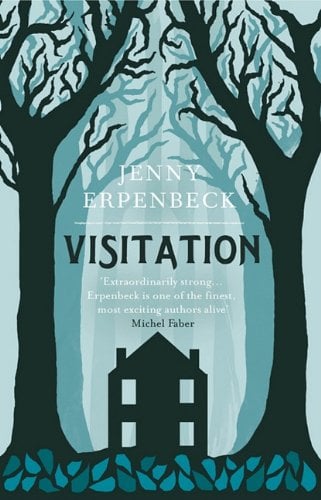
Start this bookNo. 25 on this list. Visitation · Jenny Erpenbeck · 2008
Taught in schools: Bavarian Lehrplan Deutsch (Germany), North Rhine-Westphalia Abitur Deutsch (Germany)
Increasingly recognized as one of the important German novels of the twenty-first century and a key work in Erpenbeck's oeuvre.
Moderate2.3 hours
Start this bookNo. 26 on this list. Wilhelm Meister's Journeyman Years · Johann Wolfgang von Goethe · 1821
Less widely read than the Apprenticeship or Faust, but increasingly valued by scholars as Goethe's most forward-looking work.
Challenging15 hours
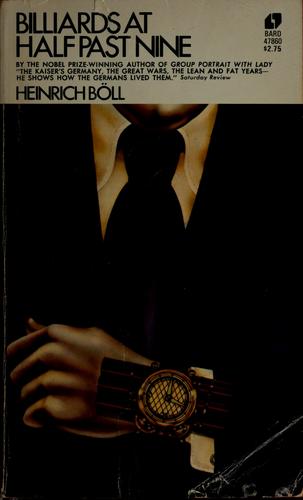
Start this bookNo. 27 on this list. Billiards at Half-Past Nine · Heinrich Böll · 1959
On a single day in 1958, three generations of the Fähmel family converge in a German city, each carrying memories of two world wars. Through their interlocking recollections—of Nazism, resistance, and guilt—Böll constructs a devastating portrait of German history and the impossibility of escaping the past. An architectural metaphor structures this meditation on building and destruction.
Challenging5.5 hours
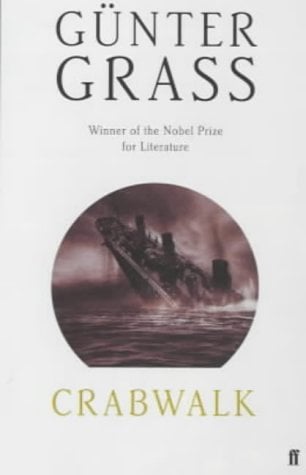
Start this bookNo. 28 on this list. Crabwalk · Günter Grass · 2002
Paul Pokriefke was born on a lifeboat in the Baltic Sea on January 30, 1945, the same night a Soviet torpedo sent the Wilhelm Gustloff to the bottom with nearly ten thousand refugees aboard. Decades later, a certain old man — Grass himself, stepping inside the fiction — orders Paul to write down what happened. Paul is a reluctant journalist, his mother Tulla an obsessive survivor who measures her entire existence against that one night, and his teenage son Konrad a quiet boy who builds a neo-Nazi website celebrating the ship's German victims. Crabwalk moves the way its title promises: sideways, circling backward through the 1930s murder of Nazi functionary Wilhelm Gustloff, through the Baltic catastrophe, through Cold War East Germany, arriving finally at a contemporary online forum where history's resentments reignite. Grass braids real historical figures — Gustloff, his assassin David Frankfurter, the Soviet submarine commander Marinesko — with the Pokriefke family across three generations, each generation trapped by the same date on the calendar. The ship's swimming pool, struck by the second torpedo, converts a symbol of Nazi leisure ideology into a chamber of shrapnel. January 30 accumulates meaning until it cannot be looked at directly. The crab's sideways motion is the novel's argument: Germany cannot move past what it refuses to face head-on. The ending offers no forgiveness, no catharsis. 'It doesn't end. Never will it end.'
Challenging4.6 hours
Start this bookNo. 29 on this list. Confusion of Feelings · Stefan Zweig · 1927
Included in Le Monde's 100 Books of the Century, a list built on French readers' votes, where Zweig has a large following. It has Wikipedia articles in 11 languages but is seldom taught in English-language courses.
Moderate1.8 hours
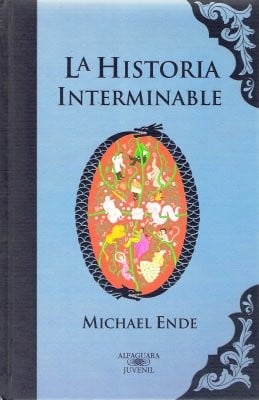
Start this bookNo. 30 on this list. The Neverending Story · Michael Ende · 1979
The Neverending Story is a fixture of childhood reading across the German-speaking world and widely translated — available in over 40 languages — giving it genuine global reach. No syllabus data was found in the database, but the book appears regularly in European school curricula and on 'greatest fantasy novels' lists, though it occupies a different cultural niche than texts taught in university literature programs.
Challenging9.6 hours
Start this book
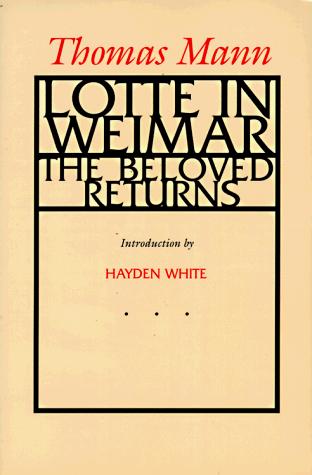
No. 31 on this list. Lotte in Weimar
Thomas Mann · 1939
No. 32 on this list. Three Women
Robert Musil · 1924
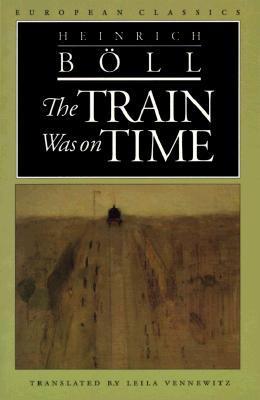
No. 33 on this list. The Train Was on Time
Heinrich Böll · 1949
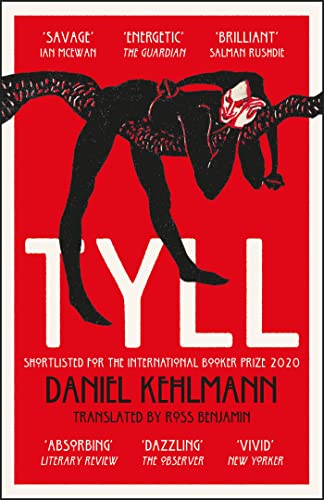
No. 34 on this list. Tyll
Daniel Kehlmann · 2020
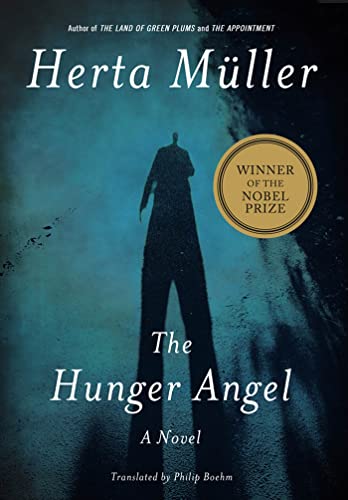
No. 35 on this list. The Hunger Angel
Herta Müller · 2009
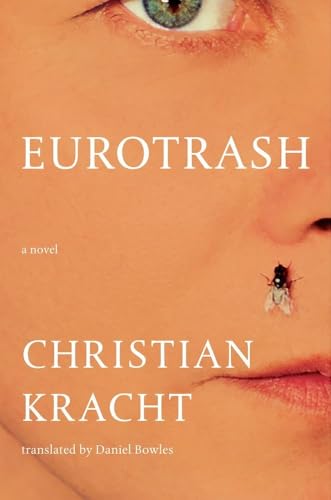
No. 36 on this list. Eurotrash
Christian Kracht · 2025
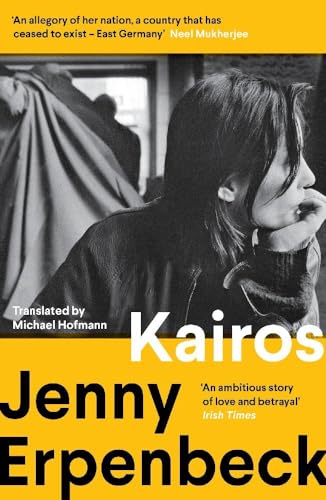
No. 37 on this list. Kairos
Jenny Erpenbeck · 2024
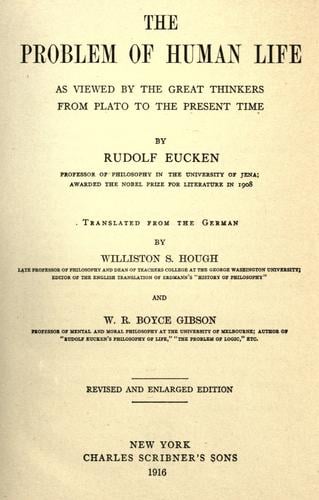
No. 38 on this list. The Problem of Human Life
Rudolf Christoph Eucken · 1895
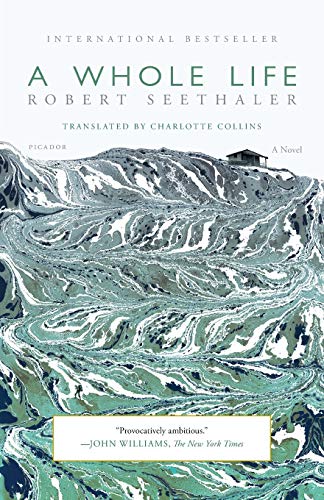
No. 39 on this list. A Whole Life
Robert Seethaler · 2016
About this list
These 39 books are the highest-scoring eligible moderately difficult books in German currently in the catalogue. By literary regard, it opens with Mother Courage and Her Children, Three Essays on the Theory of Sexuality and The Metamorphosis. About 269 hours of reading in all. Difficulty runs from 54 to 61 out of 100 for the middle half of the list; the summit is Three Essays on the Theory of Sexuality at 65.
This list is ranked by literary regard, with a consistent order for equal scores. Membership follows authors and co-authors, not translators or editors. Catalogue coverage and the historical canon both limit what this list can represent.
When we matched the Canons dataset to our catalogue in October 2026, our canonical-status scores rose with the number of school curricula, publisher series and lists in it that cite a work: the median score was 72 for books one such source cites, 84 at two, 88 at three, 92 at four and 93 at five or more. Prizes are left out of that count. Outside the state curricula, the dataset’s sources choose mostly from what has been translated into English or French, so it is a weaker check on other literatures. Source: Canons (Andrew Piper), CC BY 4.0
Questions people actually ask
- What are the best moderately difficult books in German?
- By literary regard, which weighs canonical status, critical standing and influence, Mother Courage and Her Children, Three Essays on the Theory of Sexuality, The Metamorphosis, Civilization and Its Discontents and The Threepenny Opera lead. ReadingRate ranks 39 such books, each with a difficulty score and a reading-time estimate.
- Where should I start with moderately difficult books in German?
- Start from difficulty, not from rank. The most approachable books on this list that still carry top literary regard are Siddhartha by Hermann Hesse (about 2.7 hours), The Metamorphosis by Franz Kafka and The Resistible Rise of Arturo Ui by Bertolt Brecht.
- How hard are moderately difficult books in German to read?
- Most of this list sits between 54 and 61 on ReadingRate's 100-point difficulty scale, where 40 to 55 is moderate. The summit is Three Essays on the Theory of Sexuality at 65. Every entry carries its own score, so a reader can pick a great book at a difficulty they will finish.
- How is this list ranked?
- On literary-regard data: how canonically established a work is, its critical standing, and its influence on later writing. It is not a readers’ poll, which is why recent bestsellers rarely appear. Membership follows authors and co-authors, not translators or editors. A list that is not a genre list keeps to literature (fiction, poetry, drama and philosophy), with philosophy taking no more than one slot in five while there is literature left to rank; every list holds at most three works by one author.