
Hours at an average pace
Showing 100 books
About 463 hours for 96 of 100 books with measured lengths. Estimates use 250 words a minute, adjusted for each book's difficulty. At 2 hours a day, about 232 days for those books.
The book that gave 'Freudian slip' to the language; among the most widely read works of psychological theory.
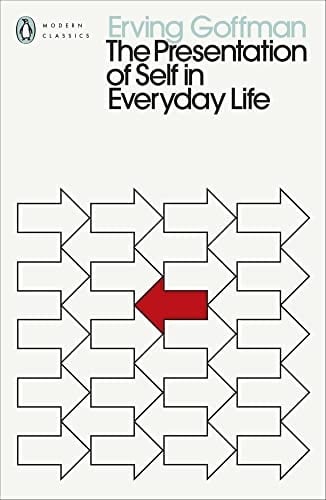
Appears on thousands of sociology, communication studies, and social psychology syllabi worldwide and is the foundational text for dramaturgical theory in social science. No comparable introduction to microsociology is as widely assigned across disciplines — sociology, anthropology, communication, performance studies, and cultural theory all treat it as required reading.
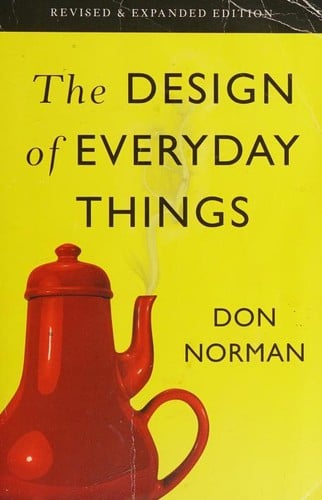
A foundational text in design education, required reading in virtually every industrial design, HCI, and UX program worldwide. The book has remained continuously in print since 1988 and appears on thousands of university syllabi across engineering, psychology, and design departments.
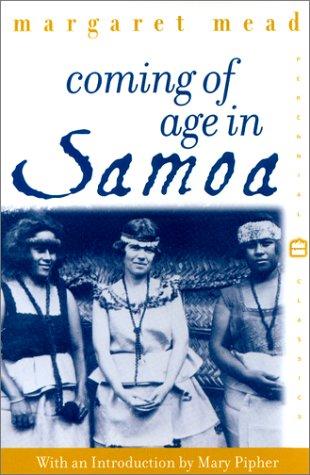
No. 4 on this list. Coming of Age in Samoa: A Psychological Study of Primitive Youth for Western Civilisation
Margaret Mead · 2001
Easy4.5 hours
Widely assigned in anthropology and gender-studies courses, and a standard case in debates over method. Its place is secured as much by the Freeman controversy as by the text.
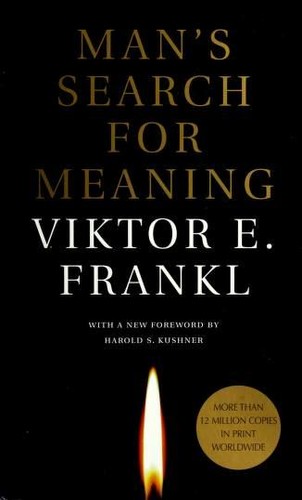
Widely assigned in psychology, philosophy, Holocaust studies and general reading courses, and long a standard recommended text, though not a literary canon fixture like Notes from Underground.
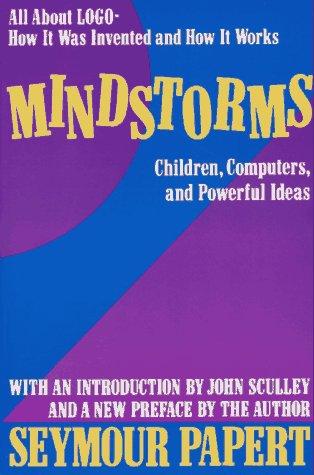
Mindstorms is a standard text in education, the learning sciences and computer-science education, and is still assigned in courses on educational technology. It is the book most associated with the Logo movement.
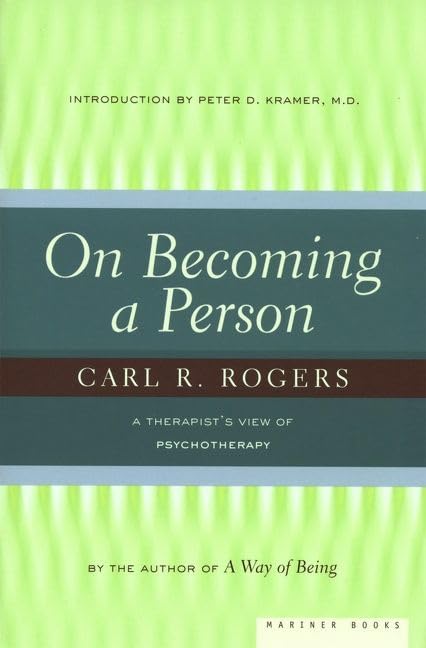
No. 7 on this list. On Becoming a Person: A Therapist's View of Psychotherapy
Carl R. Rogers · 1995
Easy6.4 hours
A standard text in counseling, psychology and education courses, and a founding document of humanistic psychology. It reaches fewer literature syllabi than classic fiction does.
The book is a standard text in design, human-computer interaction and human factors courses, and companies assign it as required reading. It is less universal in general literature curricula, so it lands in the established band.
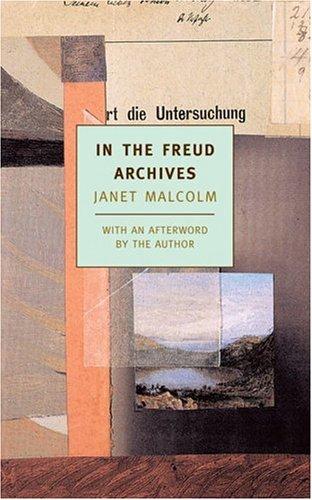
Highly regarded among readers of literary journalism. Less widely known than The Journalist and the Murderer but considered by some critics to be Malcolm's finest book.
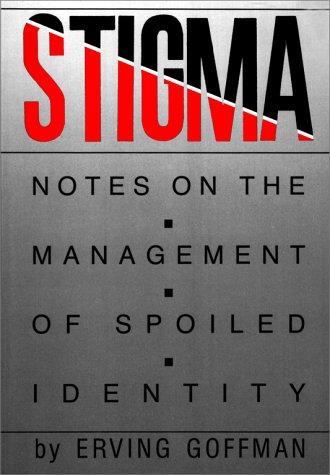
One of the most cited works in sociology. Foundational in disability and identity studies.
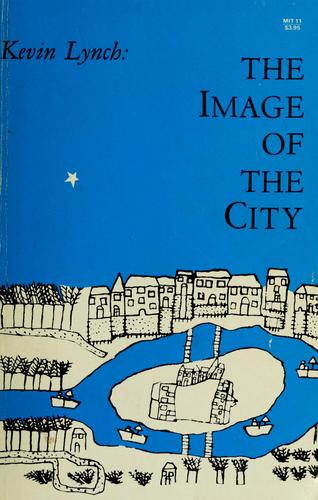
No. 11 on this list. The Image of the City · Kevin Lynch · 1960
Foundational text of urban design. One of the most cited in the field.
Easy2.2 hours
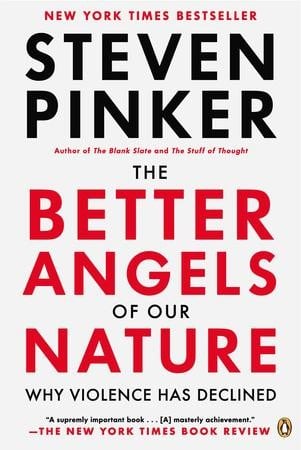
Start this bookNo. 12 on this list. The Better Angels of Our Nature · Steven Pinker · 2011
The Better Angels of Our Nature is assigned in courses on the history of violence, international relations and evolutionary psychology, and is a fixture of popular-science reading lists. It is a standard reference in debates about human progress.
Easy16 hours
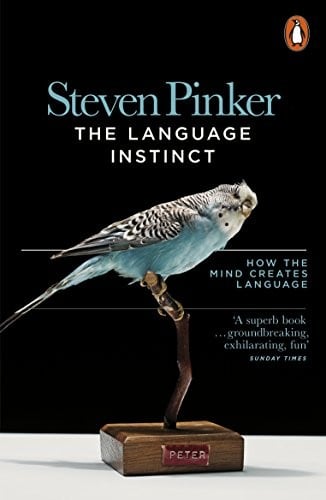
Start this bookNo. 13 on this list. The Language Instinct · Steven Pinker · 1994
The most influential popular linguistics book since Chomsky. Widely assigned in universities.
Moderate9.3 hours
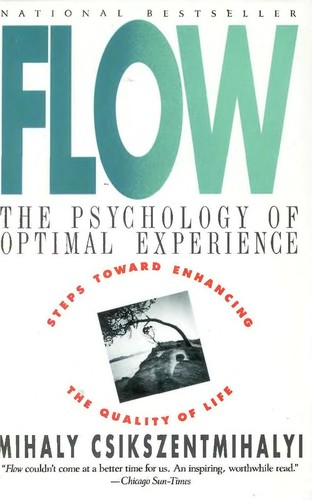
Start this bookNo. 14 on this list. Flow · Mihaly Csikszentmihalyi · 1990
Flow (1990) is a standard text in positive psychology and is widely assigned in psychology, education and management courses. It is a nonfiction classic of its field rather than a literary one.
Easy4.6 hours
Start this bookNo. 15 on this list. Propaganda · Edward Bernays · 1928
Propaganda is a standard primary text in courses on public relations, media studies and the history of mass persuasion. It is widely reprinted and often cited in discussions of advertising, democracy and manipulation.
Easy1.8 hours
Start this bookNo. 16 on this list. The Child · Maria Montessori · 1936
Montessori draws on decades of observing children in her schools across Europe and India to argue that the child possesses an innate developmental intelligence that adults systematically obstruct. She describes what she calls 'sensitive periods'—windows during which a child is intensely drawn to particular activities (ordering objects, learning language, refining movement)—and shows how conventional child-rearing interrupts these periods with arbitrary schedules, punishments, and adult-imposed tasks. The child who lines up shoes obsessively is not being disobedient; she is satisfying a deep developmental need for order. The toddler who insists on pouring his own milk is not being defiant; he is building the motor coordination and independence his nervous system demands. Montessori's observations are precise and her prose carries the authority of a physician who has watched thousands of children develop under conditions of freedom. She argues that the adult's role is not to teach but to prepare an environment in which the child's natural development can unfold without obstruction—a deceptively simple idea that overturns centuries of assumptions about authority, obedience, and what children are for.
Very Easy12 hours
Start this bookNo. 17 on this list. The Feeling of What Happens · Antonio Damasio · 1999
The Feeling of What Happens (1999) is a standard reference in courses on consciousness, emotion and philosophy of mind. It is a key work of popular neuroscience rather than a literary classic.
Easy7.2 hours
Start this bookNo. 18 on this list. The Righteous Mind · Jonathan Haidt · 2012
The Righteous Mind (2012) is widely assigned in psychology, political science and ethics courses as the accessible statement of Moral Foundations Theory. It is a staple of popular social science, not of literature.
Easy5.8 hours
Start this bookNo. 19 on this list. Nudge · Richard H. Thaler · 2008
Nudge (2008), written with Cass Sunstein, is standard reading in courses on behavioural economics, public policy and law. It is one of the best-known popular economics books of its decade but sits outside literary reading lists.
Easy5 hours
Start this bookNo. 20 on this list. How the Mind Works · Steven Pinker · 1997
One of the defining works of evolutionary psychology and popular cognitive science.
Easy12 hours
Start this book
No. 21 on this list. How Children Fail · John Holt · 1964
How Children Fail is a classic of 1960s education writing, still assigned in teacher-training and education courses alongside books by Paul Goodman and Jonathan Kozol. It is a standard of its field rather than of general literature.
Very Easy2.9 hours
Start this bookNo. 22 on this list. Delusions of Gender: How Our Minds, Society, and Neurosexism Create Difference · Cordelia Fine · 2010
It is a well-known popular science work on gender, assigned in some psychology and gender studies courses, but it is not a staple of the literary canon.
Easy5.4 hours
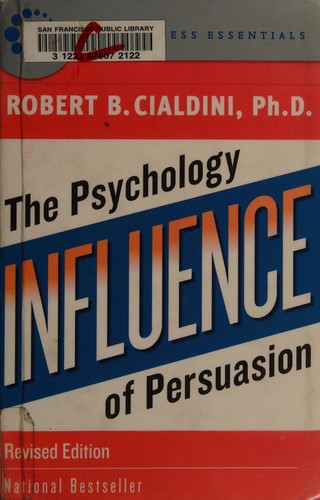
Start this bookNo. 23 on this list. Influence · Robert B. Cialdini · 1984
The definitive popular book on persuasion psychology. Required reading in many programs.
Very Easy4.9 hours
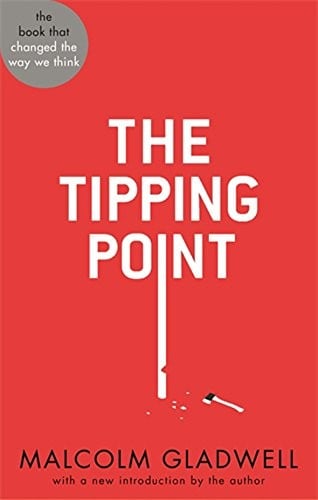
Start this bookNo. 24 on this list. The Tipping Point · Malcolm Gladwell · 2000
The Tipping Point (2000) is among the best-known works of popular nonfiction of its era and is still assigned in business, marketing and communications courses. Its place is on popular-nonfiction and business reading lists rather than literary syllabi.
Very Easy3.6 hours
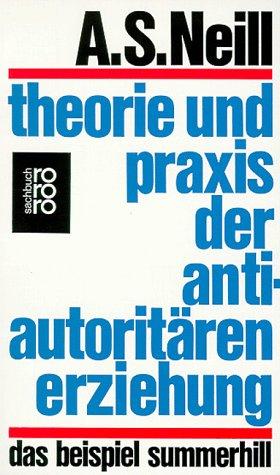
Start this bookNo. 25 on this list. Summerhill · A.S. Neill · 1960
Summerhill is a classic of progressive education, still read in teacher-training and philosophy-of-education courses. It belongs to the canon of writing on schooling rather than of literature.
Very Easy2.3 hours
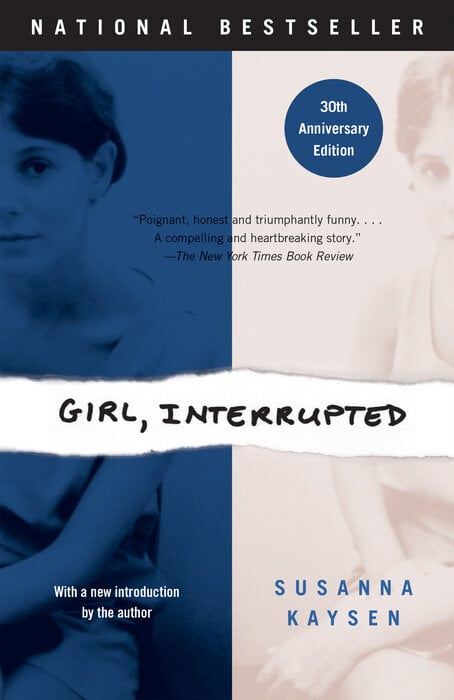
Start this bookNo. 26 on this list. Girl, Interrupted · Susanna Kaysen · 1993
Ranked by literary regard among eligible works in the current catalogue. This position reflects the available catalogue evidence.
Moderate3 hours
Start this bookNo. 27 on this list. Sources of Power: How People Make Decisions (MIT Press) · Gary Klein · 2017
The book is a respected text in decision research and applied psychology, adopted in fields such as law enforcement training. A 20th-anniversary reissue shows it lasting, but it is not a staple of literary or general curricula.
Easy5.5 hours
Start this bookNo. 28 on this list. Make It Stick: The Science of Successful Learning · Henry L. Roediger · 2014
Ranked by literary regard among eligible works in the current catalogue. This position reflects the available catalogue evidence.
Moderate5.9 hours
Start this bookNo. 29 on this list. Outliers: The Story of Success · Malcolm Gladwell · 2008
Outliers has no meaningful presence in the literary canon and only a modest academic footprint — it turns up more often on intro psychology, education, or business-school reading lists as a discussion prompt than as a syllabus fixture. Its real reach is commercial: a #1 New York Times bestseller that has sold in the millions and stayed in print continuously since 2008.
Easy3.6 hours
Start this bookNo. 30 on this list. How to Change Your Mind · Michael Pollan · 2018
Pollan, who had never taken a psychedelic drug, spent several years reporting on the renaissance of psychedelic research and then underwent his own guided experiences with LSD, psilocybin, and 5-MeO-DMT. The book is simultaneously a history of psychedelics (from Hofmann's discovery of LSD through the counterculture to the current research revival), a science book (explaining how psychedelics work in the brain, particularly their effect on the default mode network), a philosophical meditation on consciousness, and a personal narrative of Pollan's own trips. He writes about ego dissolution, mystical experiences, and the therapeutic potential of psychedelics for depression, addiction, and end-of-life anxiety with the journalistic rigor and careful skepticism that his readers expect. The book helped shift public opinion on psychedelic research and contributed to a wave of legalization and decriminalization efforts.
Easy7.3 hours
Start this book
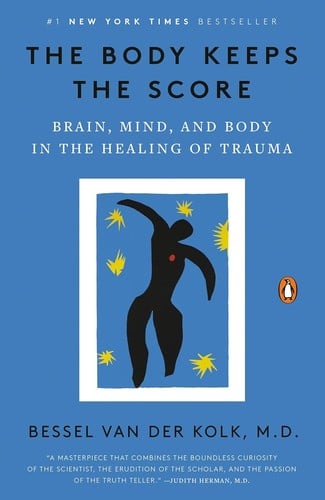
No. 31 on this list. The Body Keeps the Score
Bessel van der Kolk · 2014
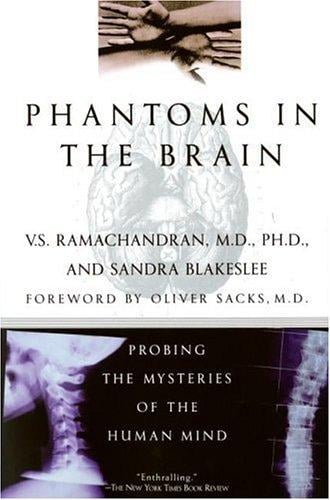
No. 32 on this list. Phantoms in the Brain
V. S. Ramachandran · 1998
No. 33 on this list. Women Who Run With the Wolves
Clarissa Pinkola Estés · 1995
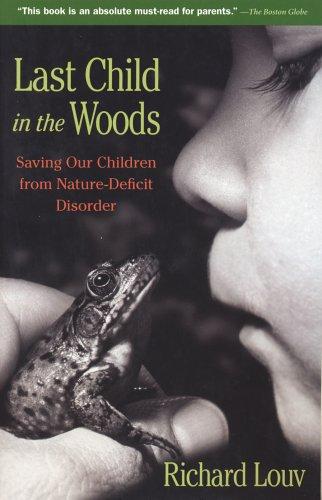
No. 34 on this list. Last Child in the Woods: Saving Our Children from Nature-Deficit Disorder
Richard Louv · 2006
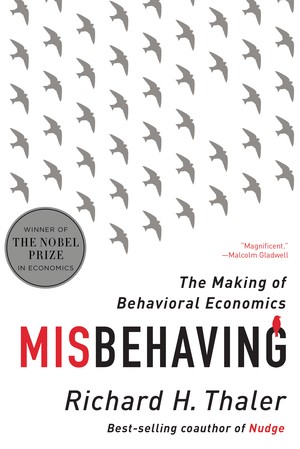
No. 35 on this list. Misbehaving
Richard H. Thaler · 2015
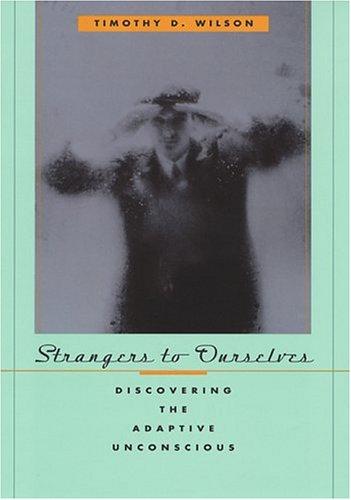
No. 36 on this list. Strangers to Ourselves: Discovering the Adaptive Unconscious
Timothy D. Wilson · 2004
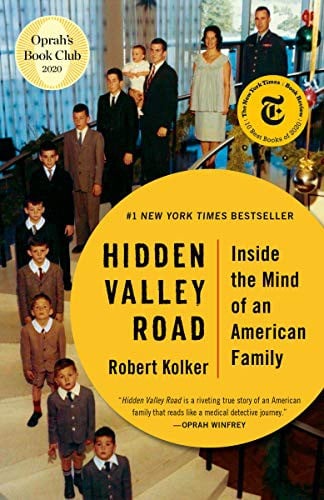
No. 37 on this list. Hidden Valley Road
Robert Kolker · 2020
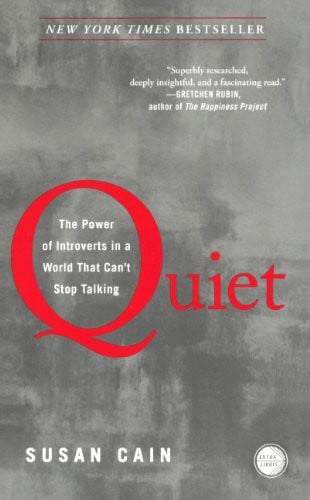
No. 38 on this list. Quiet: The Power of Introverts in a World That Can't Stop Talking
Susan Cain · 2012
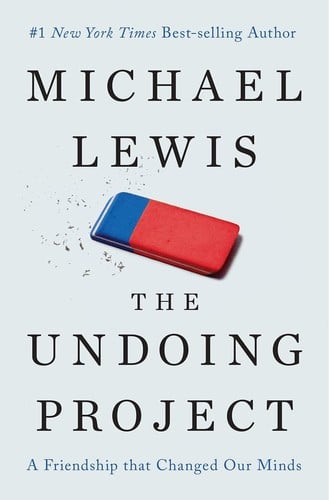
No. 39 on this list. The Undoing Project
Michael Lewis · 2016
No. 40 on this list. Incognito: The Secret Lives of the Brain
David Eagleman · 2011

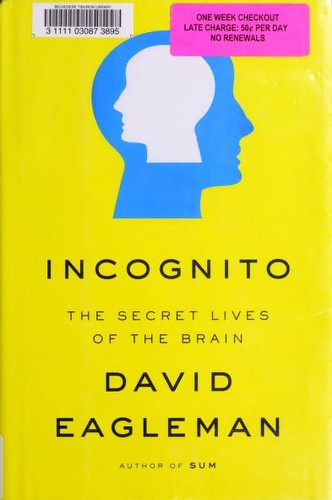
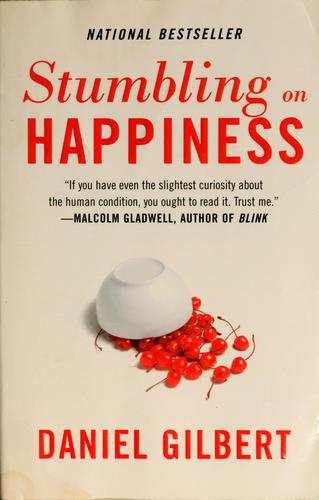
No. 41 on this list. Stumbling on Happiness
Daniel Gilbert · 2006
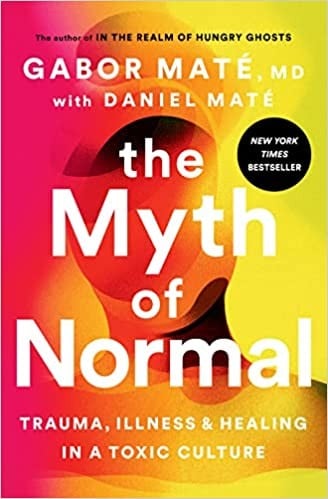
No. 42 on this list. The Myth of Normal: Trauma, Illness, and Healing in a Toxic Culture
Gabor Maté · 2022
No. 43 on this list. On Grief: Love, Loss, Memory (Atlantic Editions)
Jennifer Senior · 2023
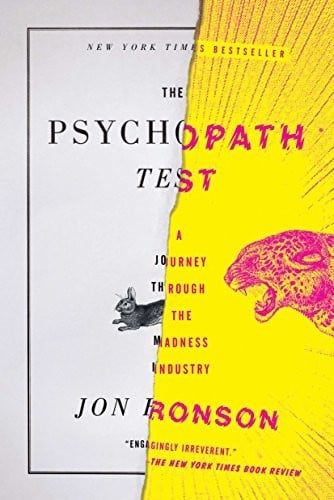
No. 44 on this list. The Psychopath Test
Jon Ronson · 2011
No. 45 on this list. How to Win Friends & Influence People
Dale Carnegie · 1936
No. 46 on this list. Atlas of the Heart: Mapping Meaningful Connection and the Language of Human Experience
No. 47 on this list. Scattered Minds: The Origins and Healing of Attention Deficit Disorder
Gabor Maté · 2019
No. 48 on this list. The Paradox of Choice: Why More Is Less
Barry Schwartz · 2005
No. 49 on this list. Stolen Focus: Why You Can't Pay Attention—and How to Think Deeply Again
Johann Hari · 2022
No. 50 on this list. Parenting from the Inside Out: How a Deeper Self-Understanding Can Help You Raise Children Who Thrive
Daniel J. Siegel · 2004


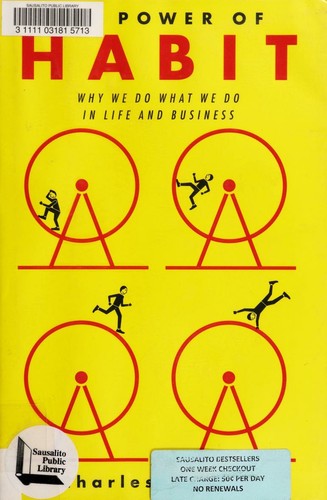
No. 51 on this list. The Power of Habit
Charles Duhigg · 2012
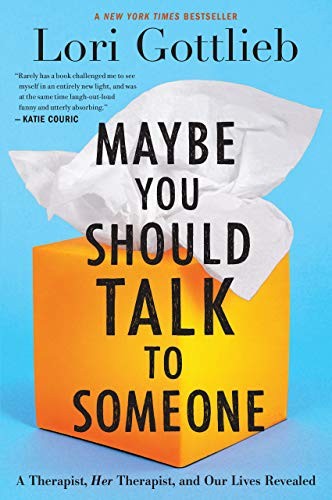
No. 52 on this list. Maybe You Should Talk to Someone
Lori Gottlieb · 2019
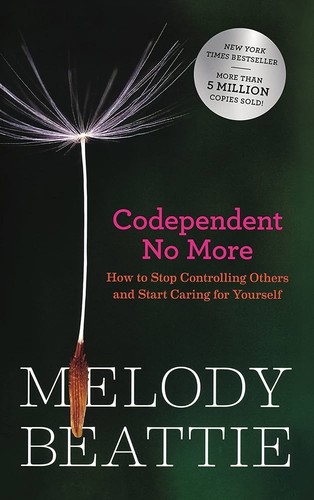
No. 53 on this list. Codependent No More: How to Stop Controlling Others and Start Caring for Yourself
Melody Beattie · 1986
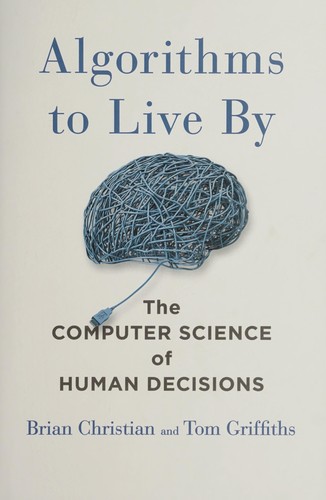
No. 54 on this list. Algorithms to Live By
Brian Christian · 2016
No. 55 on this list. Don't Shoot the Dog!: The New Art of Teaching and Training
Karen Pryor · 2002
No. 56 on this list. We've Had a Hundred Years of Psychotherapy & the World's Getting Worse
James Hillman · 1993
No. 57 on this list. Predictably Irrational
Dan Ariely · 2008
No. 58 on this list. The Schools Our Children Deserve
Alfie Kohn · 1999
No. 59 on this list. The Whole-Brain Child: Revolutionary Strategies to Nurture Your Child's Developing Mind
Daniel J. Siegel · 2011
No. 60 on this list. Digital Minimalism: Choosing a Focused Life in a Noisy World
Cal Newport · 2019

No. 61 on this list. No Bad Parts
Richard C. Schwartz · 2021
No. 62 on this list. Sex at Dawn: The Prehistoric Origins of Modern Sexuality
Christopher Ryan · 2010
No. 63 on this list. Willpower: Rediscovering the Greatest Human Strength
Roy F. Baumeister · 2011
No. 64 on this list. The Drunkard's Walk
Leonard Mlodinow · 2008
No. 65 on this list. Happy City
Charles Montgomery · 2013
No. 66 on this list. More Than Two: A Practical Guide to Ethical Polyamory
Franklin Veaux · 2014
No. 67 on this list. Attached: The New Science of Finding - and Keeping - Love
No. 68 on this list. Why We Sleep
Matthew Walker · 2017
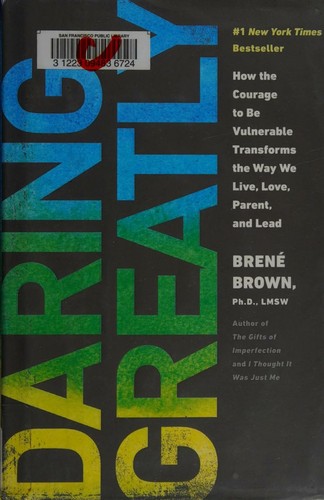
No. 69 on this list. Daring Greatly: How the Courage to Be Vulnerable Transforms the Way We Live, Love, Parent, and Lead
Brené Brown · 2012
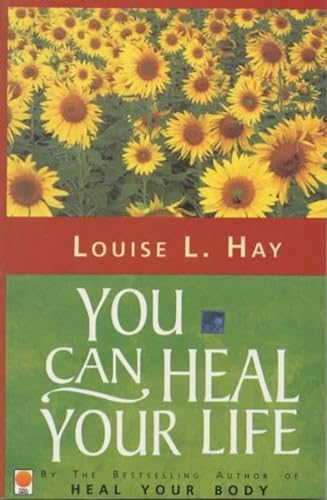
No. 70 on this list. You Can Heal Your Life
Louise L. Hay · 1984

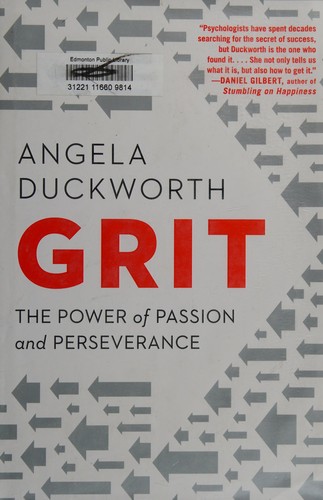
No. 71 on this list. Grit
Angela Duckworth · 2016
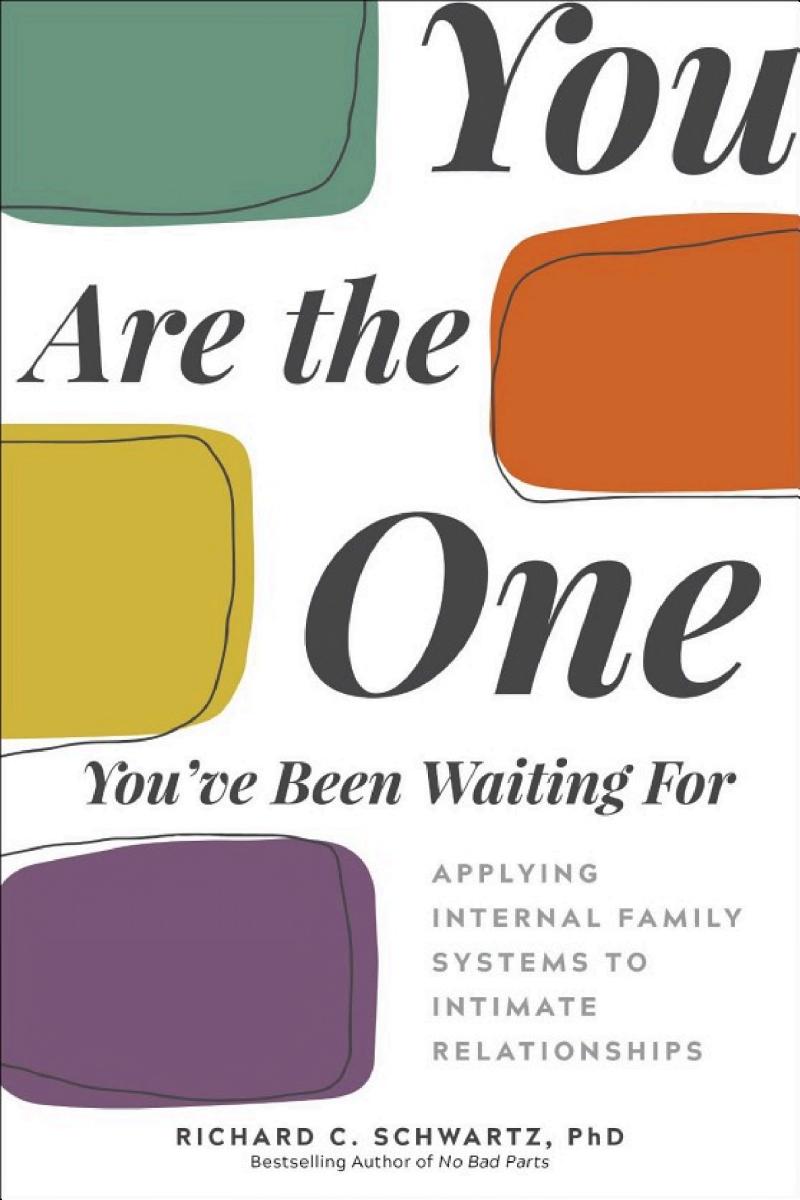
No. 72 on this list. You Are the One You've Been Waiting For: Applying Internal Family Systems to Intimate Relationships
Richard C. Schwartz · 2008
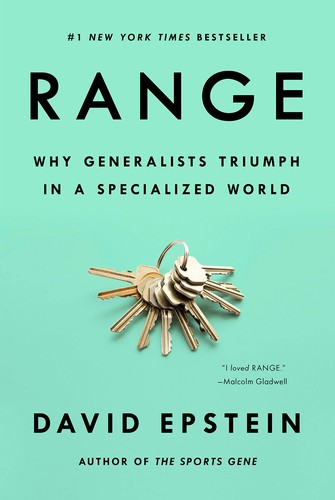
No. 73 on this list. Range
David Epstein · 2019
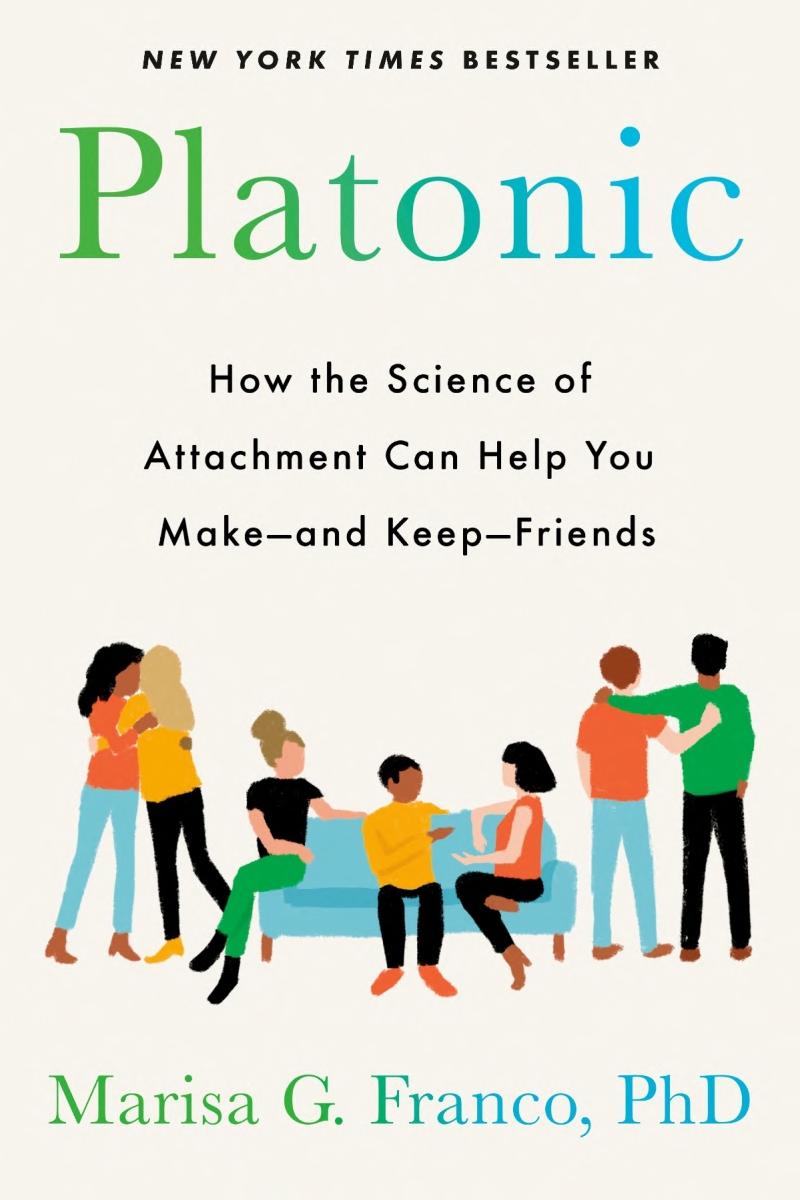
No. 74 on this list. Platonic: How the Science of Attachment Can Help You Make and Keep Friends as an Adult
Marisa G. Franco · 2022
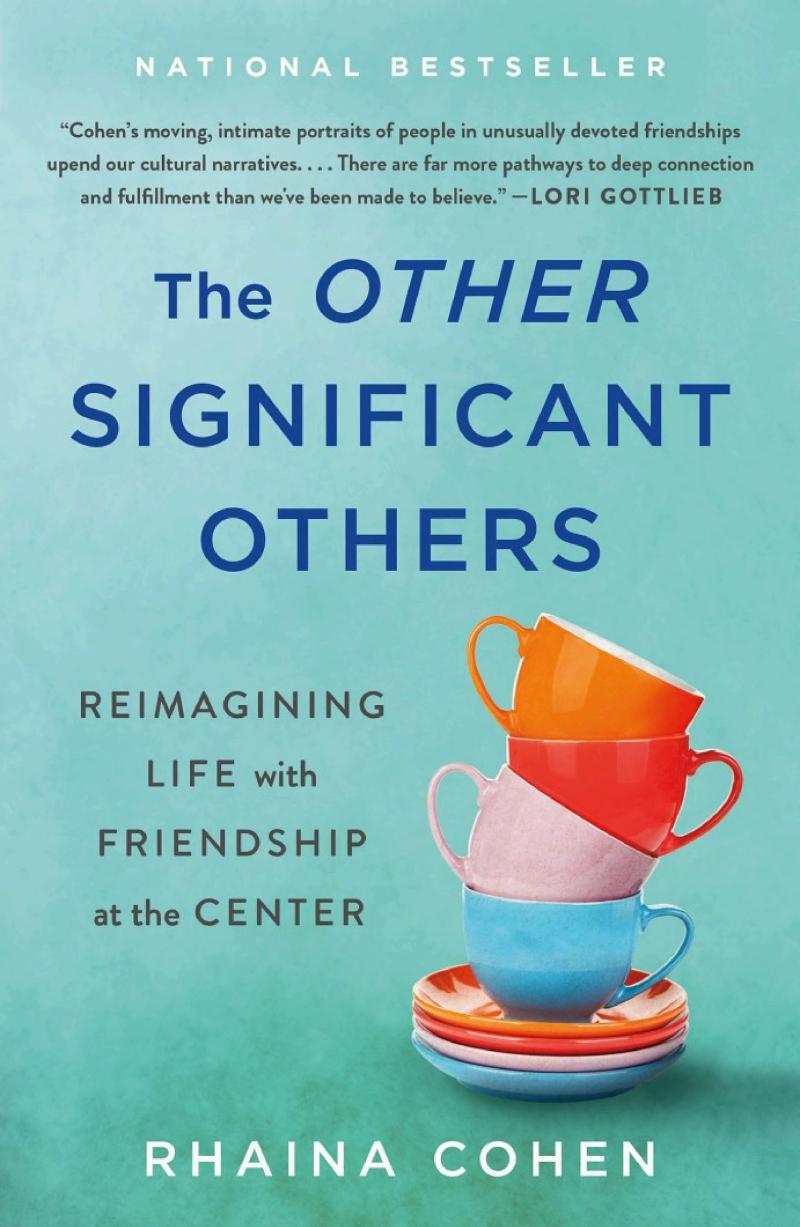
No. 75 on this list. The Other Significant Others: Reimagining Life with Friendship at the Center
Rhaina Cohen · 2024
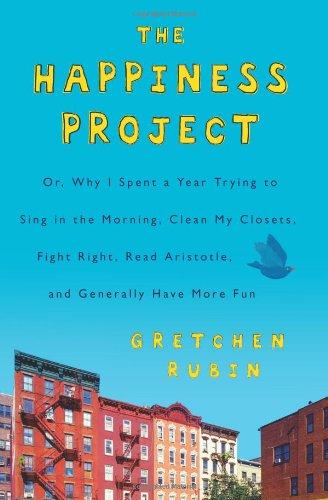
No. 76 on this list. The Happiness Project: Or Why I Spent a Year Trying to Sing in the Morning, Clean My Closets, Fight Right, Read Aristotle, and Generally Have More Fun
Gretchen Rubin · 2009
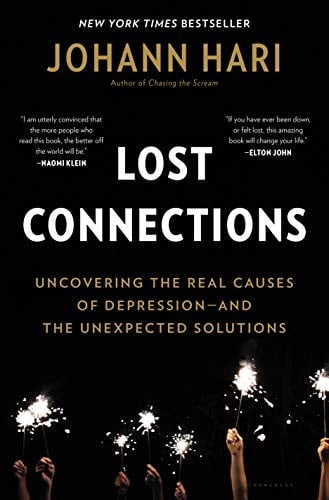
No. 77 on this list. Lost Connections: Why You're Depressed and How to Find Hope
Johann Hari · 2018
No. 78 on this list. How to Take Smart Notes
Sönke Ahrens · 2017
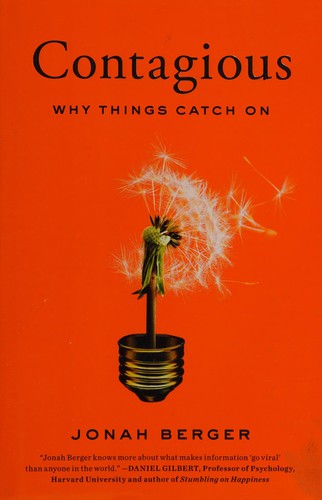
No. 79 on this list. Contagious: Why Things Catch On
Jonah Berger · 2013
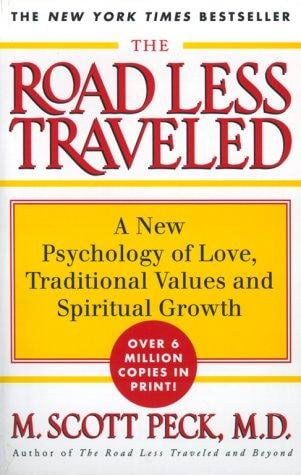
No. 80 on this list. The Road Less Traveled: A New Psychology of Love, Traditional Values and Spiritual Growth
M. Scott Peck · 1978

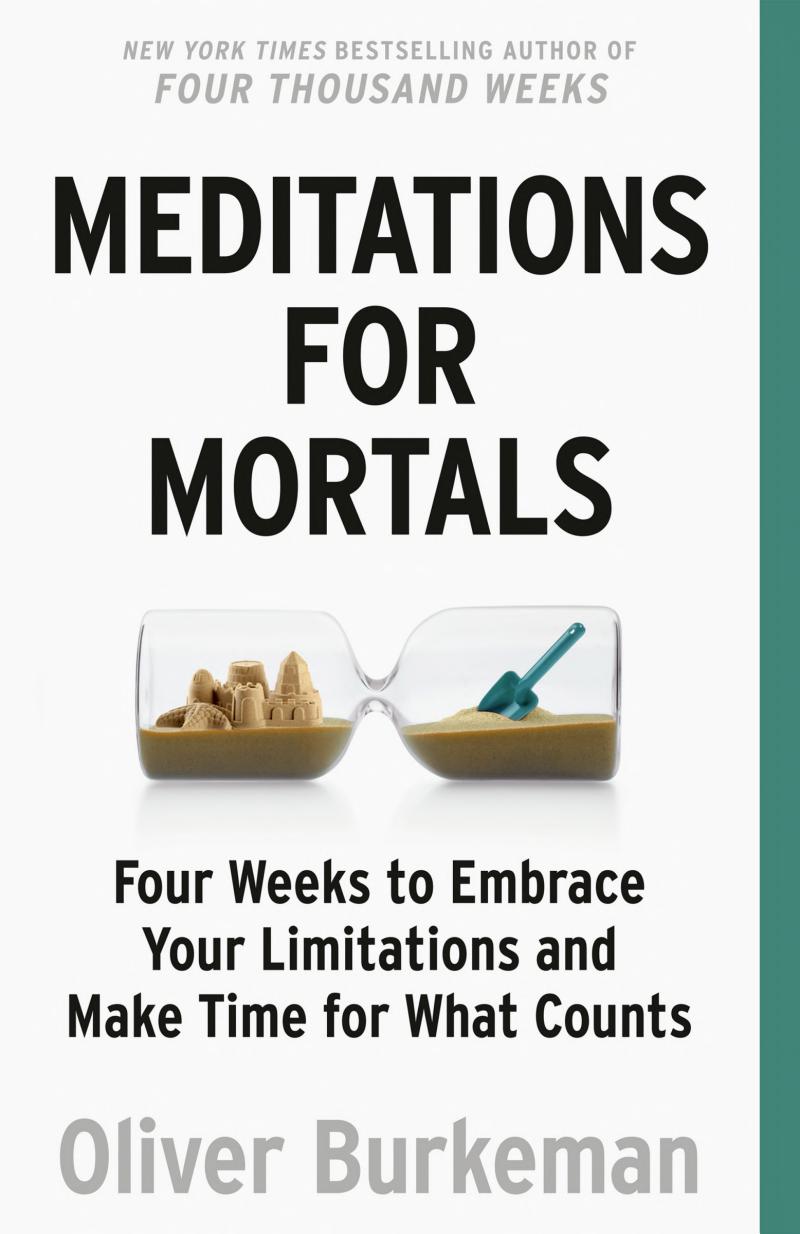
No. 81 on this list. Meditations for Mortals: Four Weeks to Embrace Your Limitations and Finally Make Time for What Counts
Oliver Burkeman · 2025
No. 82 on this list. Deep Work
Cal Newport · 2016
No. 83 on this list. What My Bones Know
Stephanie Foo · 2022
No. 84 on this list. Mastery
Robert Greene · 2012
No. 85 on this list. Thinking in Bets
Annie Duke · 2018
No. 86 on this list. Bi: The Hidden Culture, History, and Science of Bisexuality
Julia Shaw · 2022
No. 87 on this list. Radical Acceptance
Tara Brach · 2003
No. 88 on this list. Polysecure: Attachment, Trauma and Consensual Nonmonogamy
Jessica Fern · 2020
No. 89 on this list. The Power of Place
Winifred Gallagher · 1993
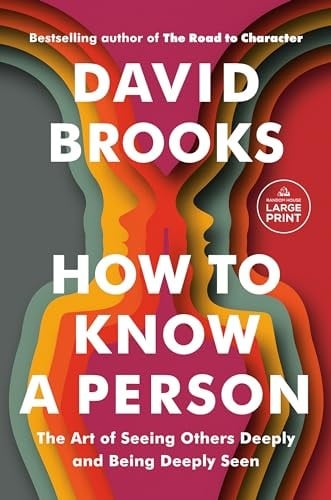
No. 90 on this list. How to Know a Person: The Art of Seeing Others Deeply and Being Deeply Seen
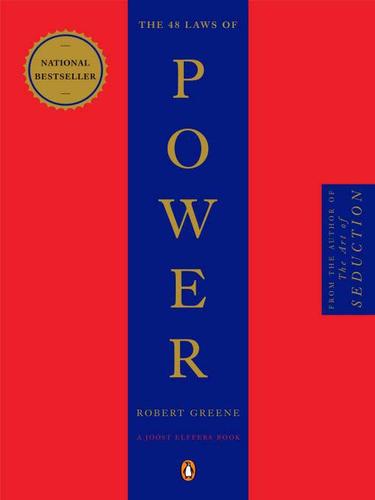
No. 91 on this list. The 48 Laws of Power
Robert Greene · 1998
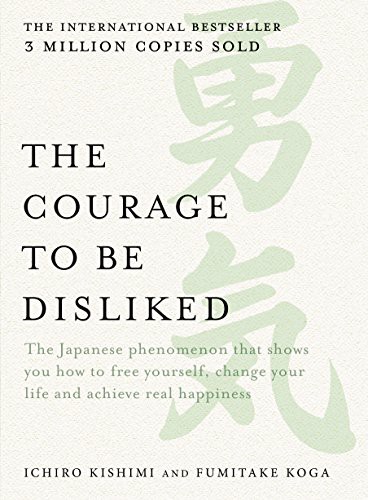
No. 92 on this list. The Courage To Be Disliked
Fumitake Koga · 2021
No. 93 on this list. Beyond the Goal: Eliyahu Goldratt Speaks on the Theory of Constraints
Eliyahu M. Goldratt · 2005
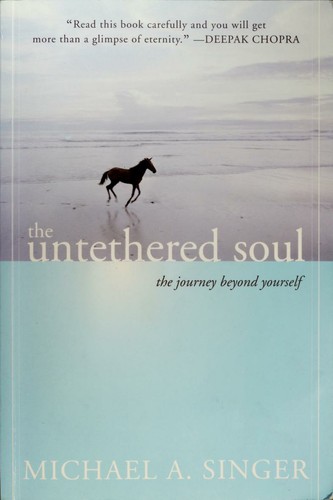
No. 94 on this list. The Untethered Soul: The Journey Beyond Yourself
Michael A. Singer · 2007
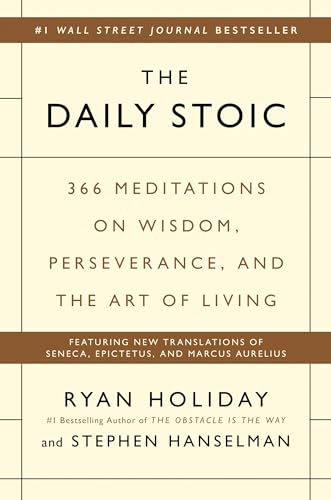
No. 95 on this list. The Daily Stoic: 366 Meditations on Wisdom, Perseverance, and the Art of Living
Ryan Holiday · 2016
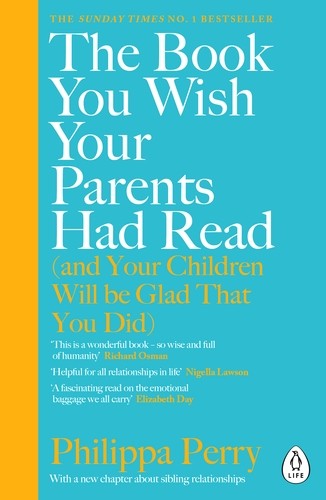
No. 96 on this list. The Book You Wish Your Parents Had Read [and Your Children Will Be Glad That You Did]
Philippa Perry · 2020
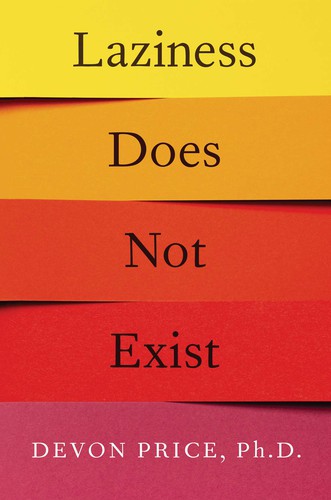
No. 97 on this list. Laziness Does Not Exist
Devon Price · 2021
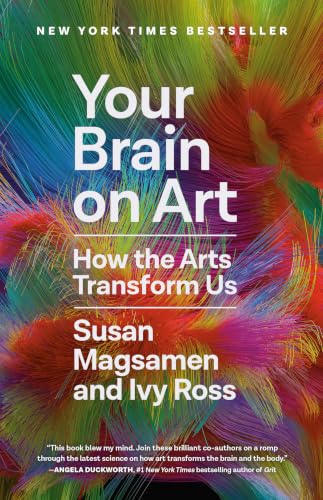
No. 98 on this list. Your Brain on Art: How the Arts Transform Us
Susan Magsamen · 2024
No. 99 on this list. Laws of Human Nature Theexp
Robert Greene · 2018
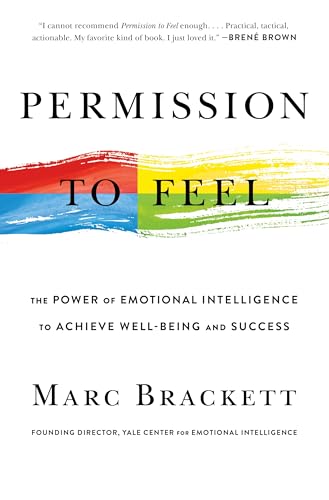
No. 100 on this list. Permission to Feel: The Power of Emotional Intelligence to Achieve Well-Being and Success
Marc Brackett · 2019

About this list
These 100 books are the highest-scoring eligible easy books of psychology currently in the catalogue. About 463 hours of reading in all, for the 96 with measured lengths. Difficulty runs from 22 to 37 out of 100 for the middle half of the list; the summit is In the Freud Archives at 45.
This list is ranked by literary regard, with a consistent order for equal scores. Membership follows authors and co-authors, not translators or editors. A book is here when ReadingRate files it under Psychology as one of its primary reading domains. Catalogue coverage and the historical canon both limit what this list can represent.
When we matched the Canons dataset to our catalogue in October 2026, our canonical-status scores rose with the number of school curricula, publisher series and lists in it that cite a work: the median score was 72 for books one such source cites, 84 at two, 88 at three, 92 at four and 93 at five or more. Prizes are left out of that count. Outside the state curricula, the dataset’s sources choose mostly from what has been translated into English or French, so it is a weaker check on other literatures. Source: Canons (Andrew Piper), CC BY 4.0
Questions people actually ask
- What are the best easy books of psychology?
- By literary regard, which weighs canonical status, critical standing and influence: The Psychopathology of Everyday Life by Sigmund Freud, The Presentation of Self in Everyday Life by Erving Goffman, The Design of Everyday Things by Don Norman, Coming of Age in Samoa: A Psychological Study of Primitive Youth for Western Civilisation by Margaret Mead and Man's Search for Meaning by Viktor E. Frankl. ReadingRate ranks 100 such books, each with a difficulty score and a reading-time estimate.
- Which easy books of psychology should I read first?
- Start from difficulty, not from rank. The most approachable books on this list that still carry top literary regard are The Design of Everyday Things by Donald A. Norman (about 5.3 hours), Man's Search for Meaning by Viktor E. Frankl and Mindstorms by Seymour Papert.
- What are the shortest of the best easy books of psychology?
- Among the top 25, the shortest are Propaganda by Edward Bernays (about 1.8 hours), The Image of the City by Kevin Lynch (about 2.2 hours) and Man's Search for Meaning by Viktor E. Frankl (about 2.4 hours), at an average pace of 250 words a minute adjusted for each book's difficulty.
- Which of the best easy books of psychology are the established classics?
- By canonical status, how firmly a book sits in curricula, anthologies and the canon: The Psychopathology of Everyday Life by Sigmund Freud, The Presentation of Self in Everyday Life by Erving Goffman, The Design of Everyday Things by Don Norman, Coming of Age in Samoa: A Psychological Study of Primitive Youth for Western Civilisation by Margaret Mead and Man's Search for Meaning by Viktor E. Frankl.
- How long would it take to read the top ten?
- About 46 hours, at an average pace of 250 words a minute adjusted for each book's difficulty: 23 days at two hours a day. Set your own pace on the page and the list's reading times change to it.
- How hard are easy books of psychology to read?
- Most of this list sits between 22 and 37 on ReadingRate's 100-point difficulty scale, where 40 to 55 is moderate. The summit is In the Freud Archives at 45. Every entry carries its own score, so a reader can pick a great book at a difficulty they will finish.
- How is this list ranked?
- On literary-regard data: how canonically established a work is, its critical standing, and its influence on later writing. It is not a readers’ poll, which is why recent bestsellers rarely appear. Membership follows authors and co-authors, not translators or editors. Lists by country, author, period, theme or difficulty keep to literature (fiction, poetry, drama and philosophy), their novels, poems and plays first and their philosophy after them; a list of a kind of book, such as memoir or criticism, keeps every book of that kind. Every list holds at most three works by one author. A book is here when ReadingRate files it under Psychology as one of its primary reading domains.