Hours at an average pace
Showing 36 books
About 88 hours for 36 of 36 books with measured lengths. Estimates use 250 words a minute, adjusted for each book's difficulty. At 2 hours a day, about 45 days for those books.
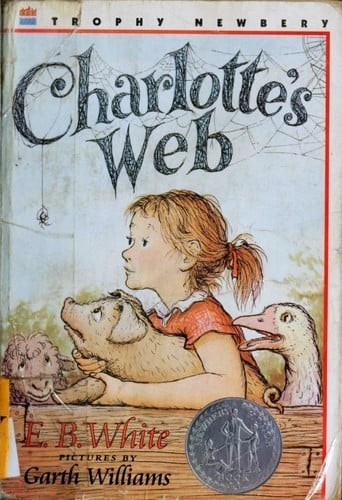
One of the most widely assigned books in American elementary and middle school curricula, read by tens of millions of children since 1952. Appears on virtually every list of essential American children's literature. Wikipedia articles exist in 30+ languages, reflecting global reach across generations.
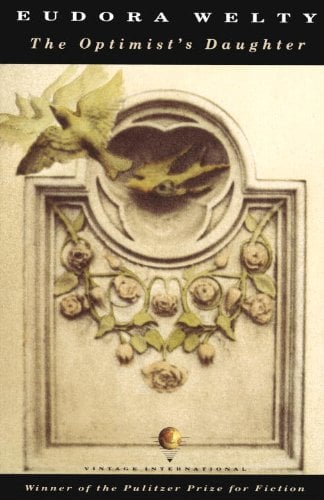
The Optimist's Daughter won the Pulitzer Prize for Fiction in 1973 and is widely recognized as a major work of American letters, though it remains less universally anthologized than Welty's other stories. Its place in the canon is secure but somewhat specialized, firmly established in serious literary study.
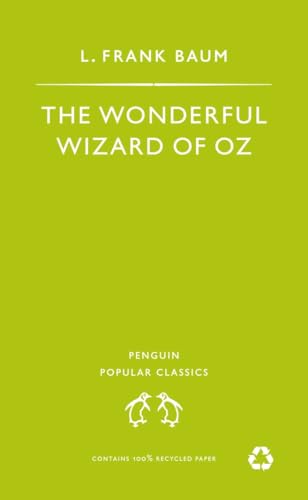
No. 3 on this list. The Wonderful Wizard of Oz
L. Frank Baum · 1900
Very Easy1.9 hours
Taught in schools: Common Core text exemplars (Appendix B) (US)
The book is a foundation of American children's literature and fantasy, widely read in schools and shelved in libraries everywhere. Its place in classroom curricula is less central than that of Gatsby or Mockingbird, though it is a staple of children's literature courses.
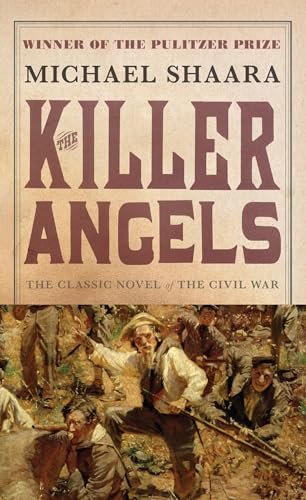
No. 4 on this list. The Killer Angels
Michael Shaara · 1975
Moderate7.6 hours
Taught in schools: Common Core text exemplars (Appendix B) (US)
Appears on 1,193 university syllabi (77th percentile in Open Syllabus) and is widely assigned in high schools and military academies. It is the standard novel of Gettysburg.
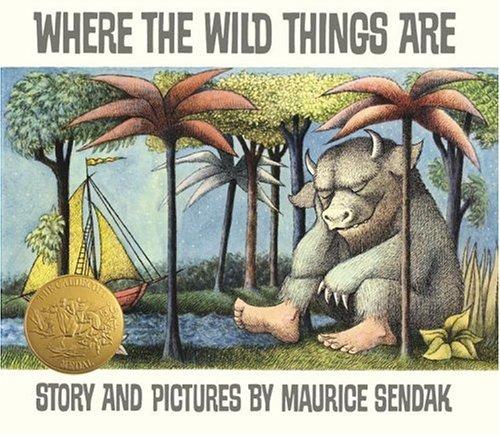
Max puts on his wolf suit and makes mischief of one kind and another until his mother calls him "WILD THING" and sends him to bed without his supper. His room grows into a forest, an ocean tumbles by, and Max sails to the place where the wild things are—huge, yellow-eyed, horn-headed monsters who roar their terrible roars and gnash their terrible teeth. Max tames them with a magic trick of staring into their eyes without blinking, and they make him king of all wild things. The wild rumpus follows: a wordless bacchanal across three double-page spreads of pure, joyous destruction. Then Max smells good things to eat and wants to be where someone loves him best of all. He sails home and finds his supper waiting, still hot. Sendak compressed into 338 words and ten sentences the entire emotional arc of childhood anger: the rage, the fantasy of power, the satiation of wildness, and the return to love. The illustrations expand as Max's fantasy grows—from small vignettes to borderless full pages—and contract as he returns, a visual rhythm that mirrors the emotional one. The book was controversial upon publication for its refusal to punish Max's anger and has since become the most influential picture book of the 20th century.
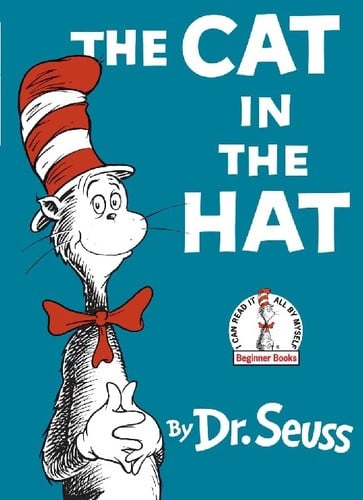
Taught in early literacy classrooms everywhere and a staple of children's reading, though rarely studied in literature courses. Its place in children's literature is secure, and Dr. Seuss is universal in schools.
No. 7 on this list. The Secret Garden
Frances Hodgson Burnett · 1911
Easy4.6 hours
Taught in schools: Common Core text exemplars (Appendix B) (US)
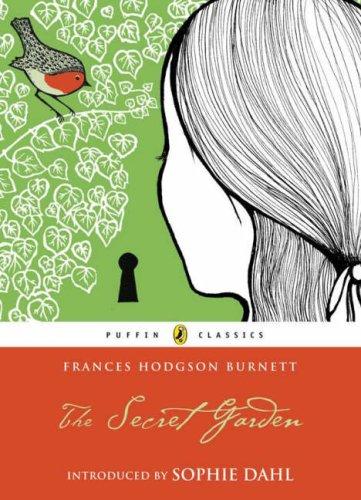
The Secret Garden has stayed in print since 1911 and remains a staple of children's classics lists and school reading across the English-speaking world. The Common Core State Standards (2010) name it among their text exemplars for upper-elementary grades, and it is regularly set in children's literature courses.
The Newbery Medal winner is a staple of middle-school classrooms across the United States and is widely assigned. It is a fixture in children's literature but rarely appears in college canon discussions.
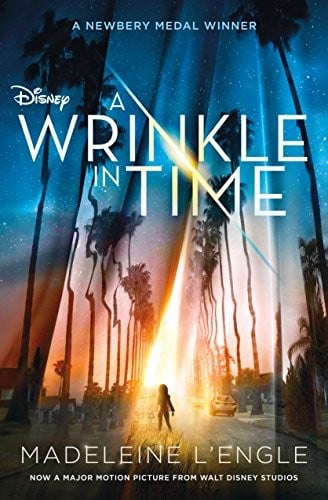
No. 9 on this list. A Wrinkle in Time
Madeleine L'Engle · 1962
Challenging12 hours
Taught in schools: Common Core text exemplars (Appendix B) (US), CSEC English B – Caribbean Examinations Council
A standard text in American elementary and middle school curricula for decades, consistently appearing on required reading lists and library recommendation lists nationwide. Won the Newbery Medal in 1963, the most prestigious prize in American children's literature. Its place in the canon of children's science fantasy is secure, though it sits below the level of high school or university syllabi staples.
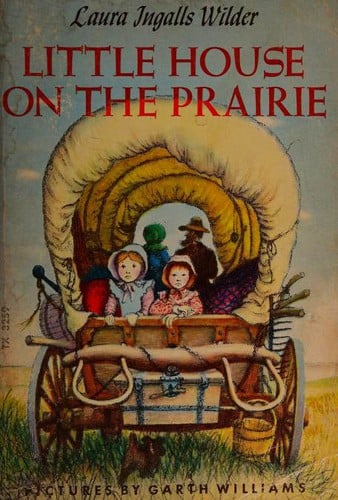
A staple of American children's literature and classroom reading lists across generations, part of the Little House series. It is less often taught at the university level, and its portrayal of Native people is now widely discussed.
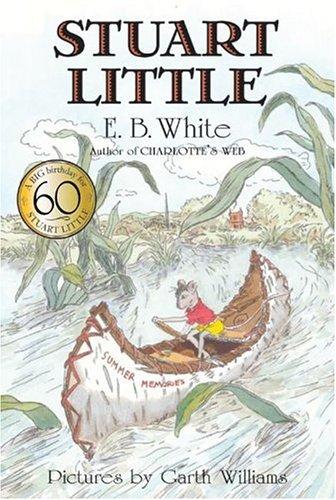
No. 11 on this list. Stuart Little · E.B. White · 1945
It is a long-standing fixture of American children's literature, read in classrooms and read aloud at home, though less often on university syllabi than the great novels. It sits well above commercial fiction and below the core adult canon.
Easy1.9 hours
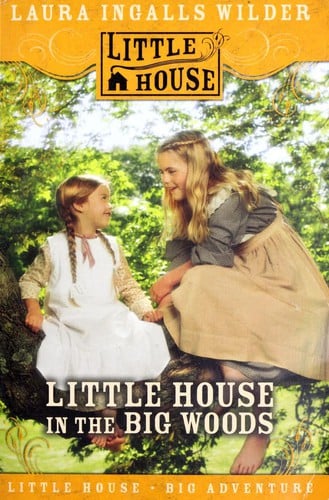
Start this bookNo. 12 on this list. Little House in the Big Woods · Laura Ingalls Wilder
Taught in schools: Common Core text exemplars (Appendix B) (US)
It is a staple of American children's literature, read in classrooms and homes for generations, and the first of a series that is widely taught at elementary level. It is rarely a subject of university literature courses, though, so it sits below the great novels.
Very Easy2.6 hours
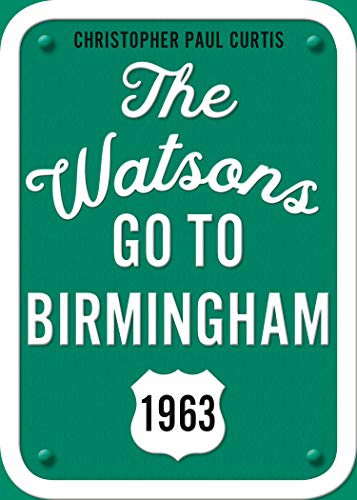
Start this bookNo. 13 on this list. The Watsons Go to Birmingham - 1963 · Christopher Paul Curtis · 1995
It is a widely assigned middle-school novel about the civil rights era, taught across American classrooms. It is less central to university literature courses.
Easy3.2 hours
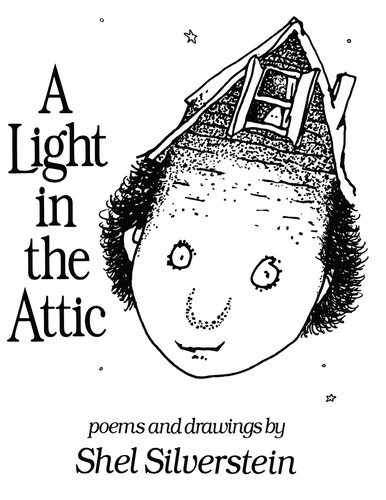
Start this bookNo. 14 on this list. A Light in the Attic · Shel Silverstein · 2002
A staple of children's poetry in schools and libraries for decades, though rarely studied as literature in university syllabi.
Very Easy2.1 hours
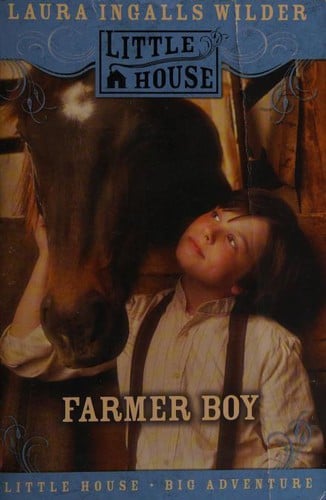
Start this bookNo. 15 on this list. Farmer Boy · Laura Ingalls Wilder
Taught in schools: CSEC English B – Caribbean Examinations Council
Part of the Little House series, widely read in schools and libraries, though less often taught as literature than the Great Gatsby sort of canon.
Very Easy4.4 hours
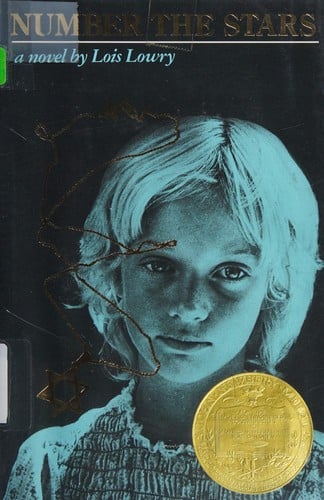
Start this bookNo. 16 on this list. Number the Stars · Lois Lowry · 1989
Number the Stars is a fixture in American middle school curricula, one of the most commonly assigned WWII novels for readers aged 10-14. Its Newbery Medal status (1990) ensures steady adoption across school districts, and it appears on virtually every recommended reading list for Holocaust education at the middle-grade level.
Moderate1.7 hours
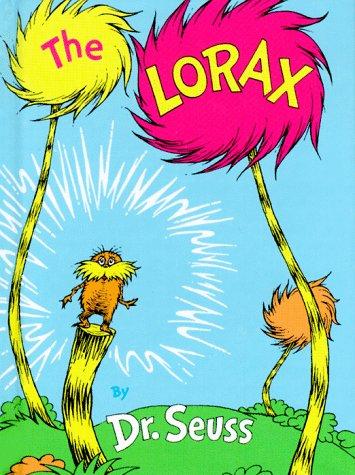
Start this bookNo. 17 on this list. The Lorax · Dr. Seuss · 1971
The Lorax is a staple of elementary classrooms and environmental education, and Seuss's work is a fixture of the children's canon. It is rarely taught in university literature courses.
Easy59 min
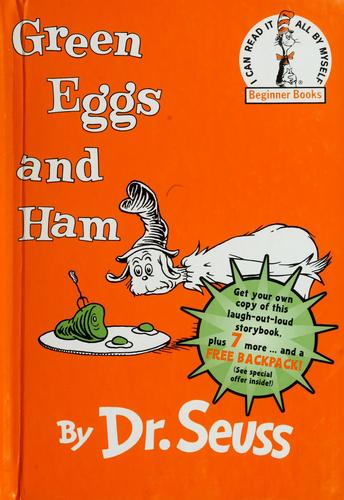
Start this bookNo. 18 on this list. Green Eggs and Ham · Dr. Seuss · 1960
Taught in schools: Common Core text exemplars (Appendix B) (US)
Green Eggs and Ham is a fixture of early-reading and kindergarten classrooms and a staple of children's literature collections, but it is not taught as literature in university curricula.
Very Easy44 min
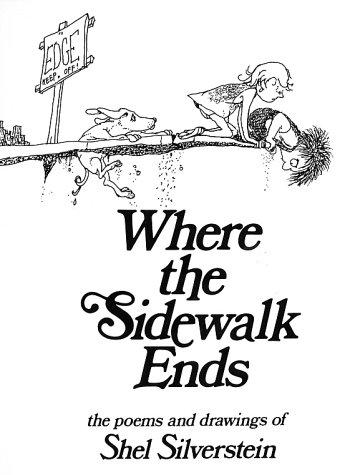
Start this bookNo. 19 on this list. Where the Sidewalk Ends · Shel Silverstein · 2002
Where the Sidewalk Ends (1974) is a fixture of American childhood, read aloud in elementary classrooms and stocked in nearly every school library. It is a children's classic but rarely studied on university literature courses.
Very Easy2.2 hours
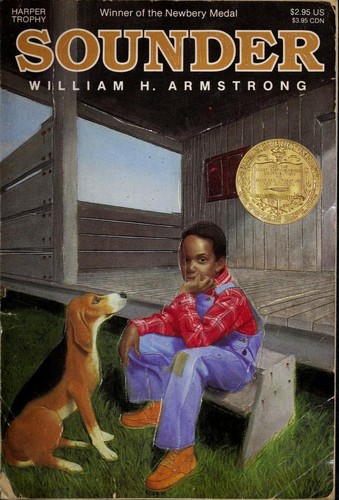
Start this bookNo. 20 on this list. Sounder · William H. Armstrong · 1995
Taught in schools: CSEC English B – Caribbean Examinations Council
It won the Newbery Medal and the Lewis Carroll Shelf Award in 1970 and was adapted into a 1972 film. That makes it a staple of children's and middle-school reading rather than a university canon text, a position between The Road and Gone Girl.
Easy1.7 hours
Start this book
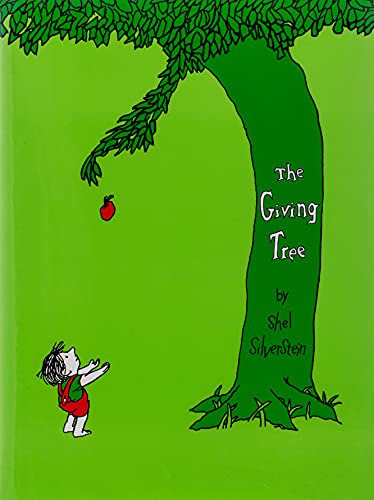
No. 21 on this list. The Giving Tree · Shel Silverstein · 1964
The Giving Tree is one of the most widely sold American picture books, with tens of millions of copies in print since 1964 and translations into dozens of languages. It appears in elementary classrooms and childhood homes across the country, but it is not a fixture of university literature syllabi — its canonicity sits in popular culture rather than academic curricula.
Very Easy4 min
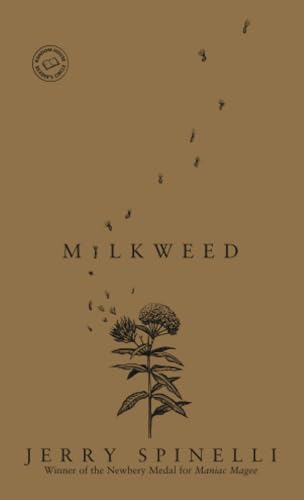
Start this bookNo. 22 on this list. Milkweed · Jerry Spinelli · 2003
Spinelli's book is a staple of middle-school Holocaust-literature units, but it is not a fixture of university syllabi. It stands well above commercial romance and well below the school canon of Gatsby.
Easy2.9 hours
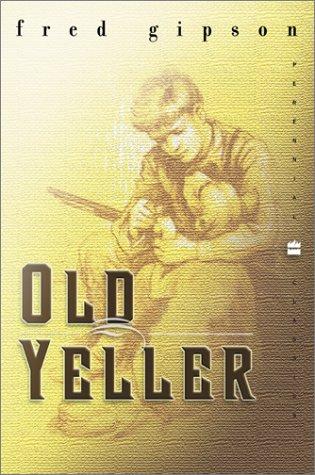
Start this bookNo. 23 on this list. Old Yeller · Fred Gipson · 2001
A staple of school reading lists and middle-grade classrooms, but little taught in literary studies. This 2001 edition has no recorded syllabus data.
Very Easy1.6 hours
Start this bookNo. 24 on this list. Brown Bear, Brown Bear, What Do You See? · Bill Martin Jr. · 1996
Teachers and libraries use the book as a staple of early-childhood reading, but it does not appear in literary curricula. Its standing is that of a children's classic, not a canonical text.
Very Easy17 min
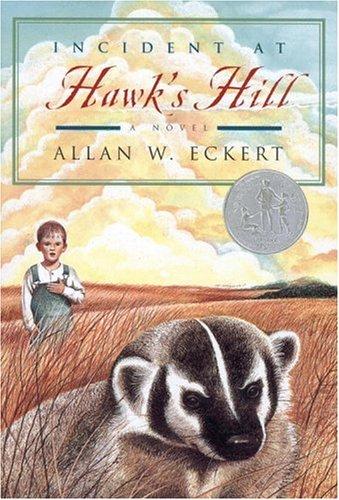
Start this bookNo. 25 on this list. Incident at Hawk's Hill · Allan W. Eckert · 1995
A Newbery Honor children's novel often read in schools, though not a staple of literary curricula.
Very Easy2.6 hours
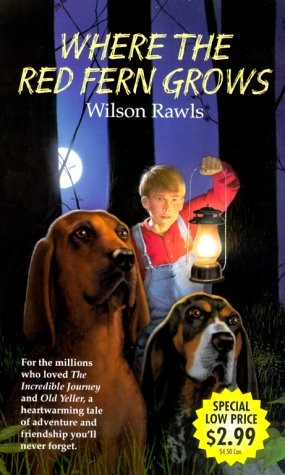
Start this bookNo. 26 on this list. Where the Red Fern Grows · Wilson Rawls · 1961
Where the Red Fern Grows (1961) has been a staple of American middle-school reading for decades and remains in print as a classic of children's fiction. It is rarely studied at university level outside children's literature courses.
Very Easy3.4 hours
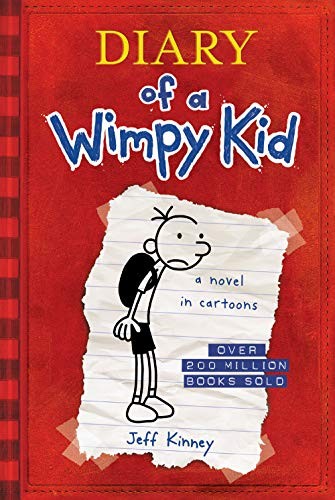
Start this bookNo. 27 on this list. Diary of a Wimpy Kid · Jeff Kinney · 2007
It is a hugely popular children's series starter, often in school libraries and classrooms, but it is rarely taught as literature in the canon sense.
Very Easy2.8 hours
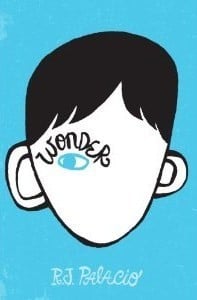
Start this bookNo. 28 on this list. Wonder · R.J. Palacio · 2012
August Pullman was born with severe craniofacial differences that have required twenty-seven surgeries by age ten. When he enters fifth grade at Beecher Prep—his first time in a mainstream school—the novel follows his struggle to be seen as a person rather than a face. Palacio tells the story from multiple perspectives: Auggie himself, his sister Via, her boyfriend Justin, Auggie's friends, and a former friend who betrayed him. Each voice reveals a different facet of how one child's difference reshapes every relationship around him. The genius of the structure is that it refuses to let Auggie carry the entire emotional burden. Via's resentment at being the invisible sibling of a medical marvel, Jack Will's shame at his own cowardice, even the bully Julian's perspective—each voice complicates the simple narrative of the brave disabled child facing down cruelty. Palacio writes with transparent simplicity that never condescends: the vocabulary stays within a ten-year-old's range while the emotional intelligence operates at an adult level. The precepts that Mr. Browne assigns each month—"When given the choice between being right or being kind, choose kind"—became a cultural phenomenon, spawning a choose-kind movement in schools nationwide. The book sold eight million copies and proved that a novel about empathy could become a blockbuster.
Very Easy3.1 hours
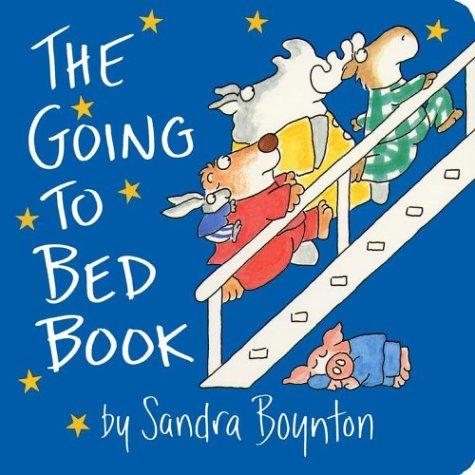
Start this bookNo. 29 on this list. The Going To Bed Book · Sandra Boynton · 1982
It is a long-standing bedtime picture-book staple for toddlers, widely read in homes and libraries. It is not taught as literature in university curricula.
Very Easy11 min
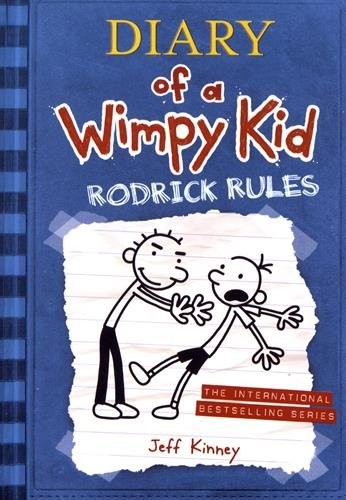
Start this bookNo. 30 on this list. Rodrick Rules · Jeff Kinney · 2007
As part of a bestselling children's series it is widely read in schools and libraries but is not studied as literature. It sits near the commercial end, around Beach Read.
Very Easy53 min
Start this book



About this list
These 36 books are the highest-scoring eligible children's books from the United States currently in the catalogue. About 88 hours of reading in all. Difficulty runs from 17 to 28 out of 100 for the middle half of the list; the summit is A Wrinkle in Time at 61.
This list is ranked by literary regard, with a consistent order for equal scores. Membership follows authors and co-authors, not translators or editors. Catalogue coverage and the historical canon both limit what this list can represent, and genre labels are the catalogue’s own, gathered into broader kinds.
When we matched the Canons dataset to our catalogue in October 2026, our canonical-status scores rose with the number of school curricula, publisher series and lists in it that cite a work: the median score was 72 for books one such source cites, 84 at two, 88 at three, 92 at four and 93 at five or more. Prizes are left out of that count. Outside the state curricula, the dataset’s sources choose mostly from what has been translated into English or French, so it is a weaker check on other literatures. Source: Canons (Andrew Piper), CC BY 4.0
Questions people actually ask
- What are the best children's books from the United States?
- By literary regard, which weighs canonical status, critical standing and influence: Charlotte's Web by E.B. White, The Optimist's Daughter by Eudora Welty, The Wonderful Wizard of Oz by L. Frank Baum, The Killer Angels by Michael Shaara and Where the Wild Things Are by Maurice Sendak. ReadingRate ranks 36 such books, each with a difficulty score and a reading-time estimate.
- Which children's books from the United States should I read first?
- Start from difficulty, not from rank. The most approachable books on this list that still carry top literary regard are The Cat in the Hat by Dr. Seuss (about 42 min), Where the Wild Things Are by Maurice Sendak and The Wonderful Wizard of Oz by L. Frank Baum.
- What are the shortest of the best children's books from the United States?
- Among the top 25, the shortest are Where the Wild Things Are by Maurice Sendak (about 1 min), The Giving Tree by Shel Silverstein (about 4 min) and Brown Bear, Brown Bear, What Do You See? by Bill Martin Jr. (about 17 min), at an average pace of 250 words a minute adjusted for each book's difficulty.
- Which of the best children's books from the United States are the established classics?
- By canonical status, how firmly a book sits in curricula, anthologies and the canon: Charlotte's Web by E.B. White, The Secret Garden by Frances Hodgson Burnett, The Killer Angels by Michael Shaara, The Optimist's Daughter by Eudora Welty and The Wonderful Wizard of Oz by L. Frank Baum.
- How long would it take to read the top ten?
- About 39 hours, at an average pace of 250 words a minute adjusted for each book's difficulty: 20 days at two hours a day. Set your own pace on the page and the list's reading times change to it.
- How hard are children's books from the United States to read?
- Most of this list sits between 17 and 28 on ReadingRate's 100-point difficulty scale, where 40 to 55 is moderate. The summit is A Wrinkle in Time at 61. Every entry carries its own score, so a reader can pick a great book at a difficulty they will finish.
- How is this list ranked?
- On literary-regard data: how canonically established a work is, its critical standing, and its influence on later writing. It is not a readers’ poll, which is why recent bestsellers rarely appear. Membership follows authors and co-authors, not translators or editors. Lists by country, author, period, theme or difficulty keep to literature (fiction, poetry, drama and philosophy), their novels, poems and plays first and their philosophy after them; a list of a kind of book, such as memoir or criticism, keeps every book of that kind. Every list holds at most three works by one author.