Pynchon’s Gravity’s Rainbow — a reading guide
17 min read
On Gravity's Rainbow by Thomas Pynchon (1973)
I read Thomas Pynchon’s Gravity’s Rainbow, which ReadingRate scores 84 out of 100 for difficulty, as a novel of agency without an agent: technology grows through the people who serve it, and nobody sits at the top. It opens up once you stop looking for whoever is behind the rocket.
The book in numbers
- Words
- 333,522
- Difficulty
- 84 out of 100
- Literary regard
- 89.5 out of 100
- Days to read
- 13
- Rating
- 5 / 5
- Data as of
- 29 October 2026
From ReadingRate.
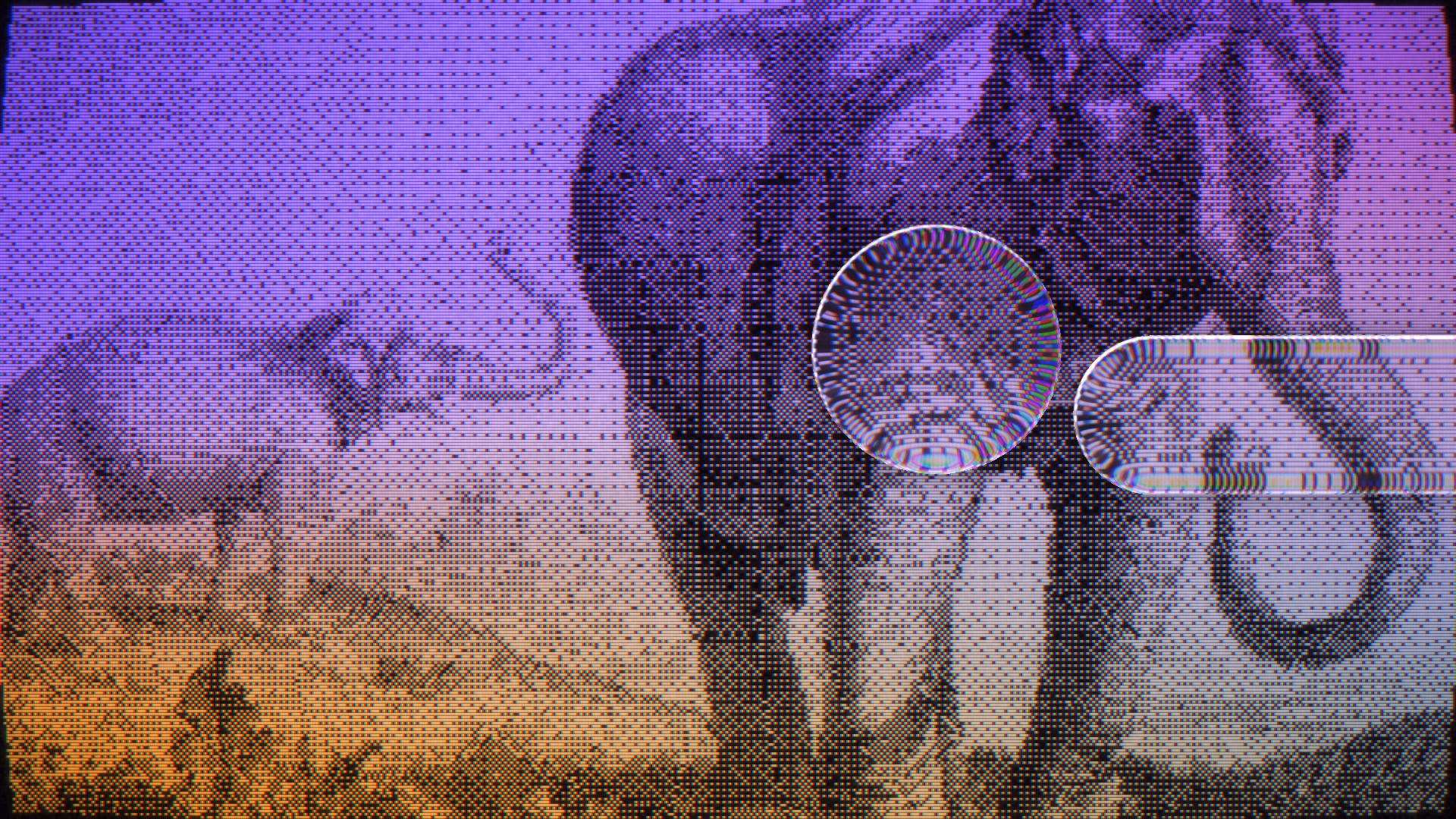
Gravity’s Rainbow will leave you with some important questions to ask, like, can lesbian elephants enjoy each other standing up or do they need to lay down? I‘m guessing this is the first time you ever considered this question before, which is not just about LGBTQelephant sexuality, but it’s also the first time I ever saw in a book examples of titfucking, a hanged man ejaculating, deepthroating, orgies and gangbangs, a man is drugged and his balls are chopped off, and lots of other things that I need to beep out to keep the algorithmic gods appeased. Let’s not also forget about the woman who shits in the mouth of an army vet and he dies of e-coli poisoning.
This is a 900-page book about a rocket and a man trying to figure out why his erections are directly connected to where the Nazi rockets will explode. And so here's another episode of me spending too much time on a very bad reading and misunderstanding of a book.
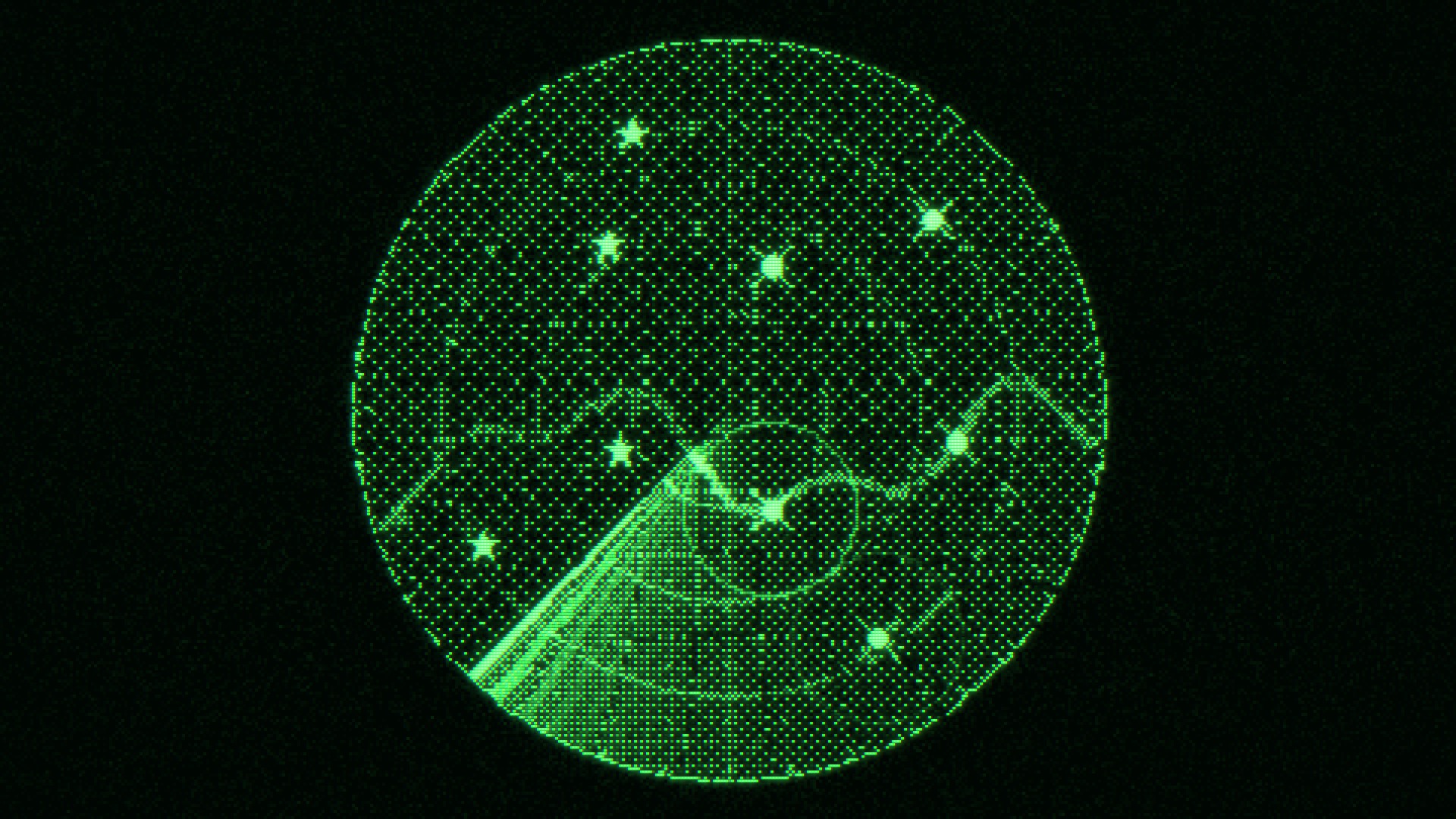
Hell of a premise for a book, and I started it trying to figure out the conspiracy behind this boner radar, what evil Nazi experiment made this happen…and by the end of it I stopped believing anyone is in charge of anything. So in this video I’ll tell you what Gravity’s Rainbow is about, how to get through it, who the people in it are, and whether you should bother.
This book is less about uncovering conspiracies than it is about uncovering your desire for uncovering conspiracies. It challenges what you expect in your relationship with a book and a story, destroys the idea of the hero’s quest, and offers you a very psychedelic experience instead. That doesn’t mean it’s unintelligible, but if what I said so far is confusing, stick with the program.
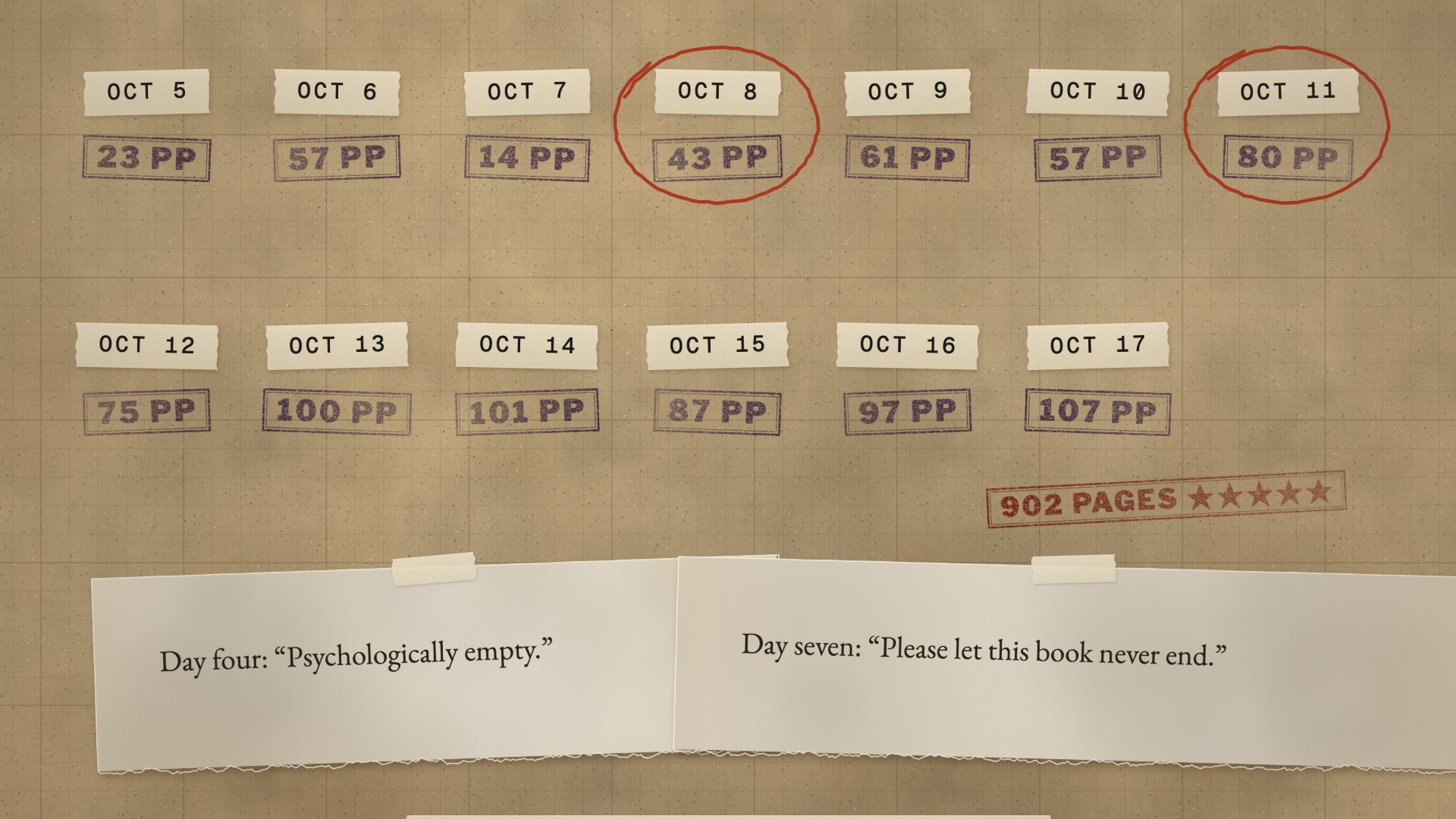
Now this book is very difficult to get into, and it’s not like anything I’ve ever read before and I’ll probably read nothing like it ever again. It was a challenge to get into the feel of it. On day four of reading Gravity's Rainbow I wrote in my ReadingRate journal that it was psychologically empty. Three days later I wrote: please let this book never end.
What is Gravity’s Rainbow about?
And so hopefully I framed the intro of this video to be enticing enough to keep the retention rates high so that the algorithmic god can be happy, though this book will have you questioning: is there an algorithmic god? Is there some technological force from above that looks upon your content and deems you worthy of promotion and subscribers and ad revenue? Whinging content creators complain about the algorithm changing and punishing them, hiding them from their viewers, the way the religious speak about punishment and rewards from their gods. When the forces of complex systems are inscrutable to us we attempt to make sense of them by imagining them as single agents in human form with human qualities; if I dance this way maybe the rain god will be happy with my dance and give me rain. If I offer this meat to Zeus maybe he’ll give me a good future. All in the belief that complex systems are governed by single humanlike agents.

Now it sounds ridiculous when we laugh at religions for having these beliefs, without acknowledging how we kept that framework in our understanding of other complex systems, as can be seen in many discussions about governments and organizations. Pfft your theological hierarchy is silly but my governmental one is so real! You’ve just swapped one deity for another.
And so, Gravity’s Rainbow explicitly and systematically dismantles your idea that complex systems have single agents, single masterminds, puppet masters, or bad guys tenting their fingers at their desks. Before our current age of algorithms we would often speak of a Capital T “They” or “Them.” [old grandpa voice] “You know what They’re going to do when They getcha, dontcha boi? You gotta watch out, for The Man”, where the abstract and super complex system of national governance is squeezed into a pronoun. We often think about this now in terms of world leaders as well. Naziism was Hitler. And do you see what Trump’s doing now?! Even with big tech, we speak of OpenAI as if Sam Altman is the overlord, or Elon Musk as the figurehead of his companies, while Bo Burnham sings anthems to Jeffrey Bezos.
There’s this reduction of the utter complexity of huge systems to one focal point, one well marketed and recognized face and voice, with a sense of a hierarchy where all information and decisions flow to and through them. Gravity’s Rainbow is going to show you that this isn’t how things work at all. It isn’t it, at all.
There are no hierarchies
Hierarchy is the wrong geometry to think in. We often think in terms of pyramids: tiny point up top, everything results below it. That is too few dimensions. Too flat. We’ve internalized this narrative structure of god figures, kings, rulers, heroes, and now CEOs to believe in a single point of importance. Gravity’s Rainbow is here to shit on that idea.
And this starts by asking you to see World War 2 in a different light. Just try out this thought experiment: instead of thinking of it as the Ideology of Germany vs the Ideology of Britain, of good guys vs bad guys, Pynchon suggests that the war was just a pawn in the greater scheme of technological progress. The switch here is to see that technology is its own agent, and it wants resources to grow. In this case we’re talking about rocket technology. It’s not that the Nazis built rockets, but that the Rockets used scientists and resources and everyone else to actualize themselves. Technological growth is decentralized. Tech is a circle whose circumference is everywhere and center is nowhere. There’s no Single Point of Failure, no star at the top of your Christmas tree. When technology wants to grow, there’s no pacing the frontier, no matter what you hear from someone with curly hair and glasses. Technology will push forward with or without your consent, in the giant throbbing phallus of erecting the next big thing.
Here’s Pynchon:
It means this War was never political at all, the politics was all theatre, all just to keep the people distracted
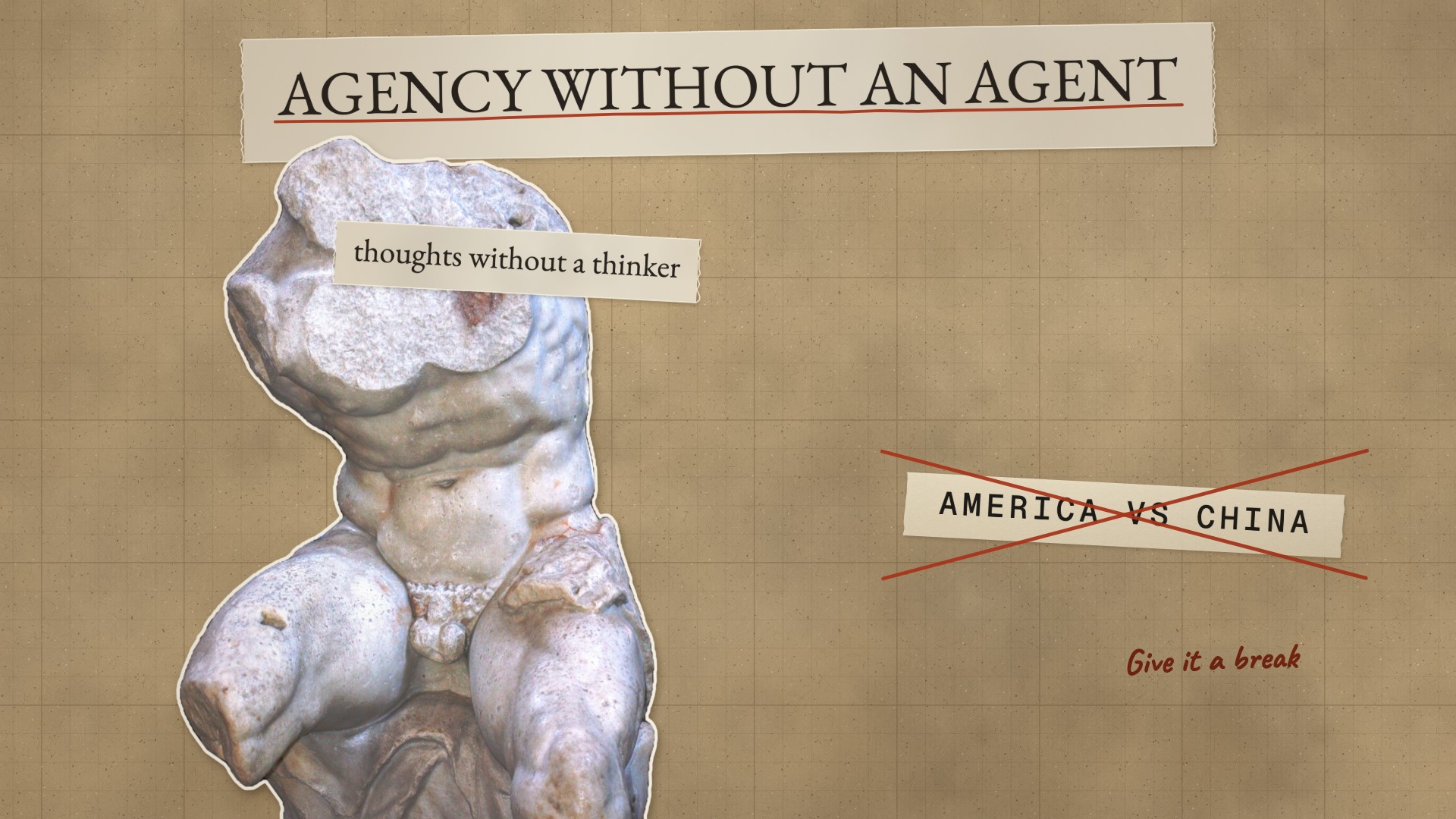
So don’t anthropomorphize this. Technologies, plastic, electronics, aircraft, and now AI all will exist with or without your consent. The key concept to understand here and underline is Agency without an Agent. If you’ve dabbled with Buddhism, or any form of Mysticism and the occult, you’ll be familiar with this idea, of thoughts without a thinker. You are not thinking your thoughts; they are thinking you. You have no more control over what you will think in the next few minutes than you have over the growth of AI. It’s America vs China now! The very notion of Humanity, of Democracy, of Freedom are at stake. Give it a break, friend. That song and dance is so trite.
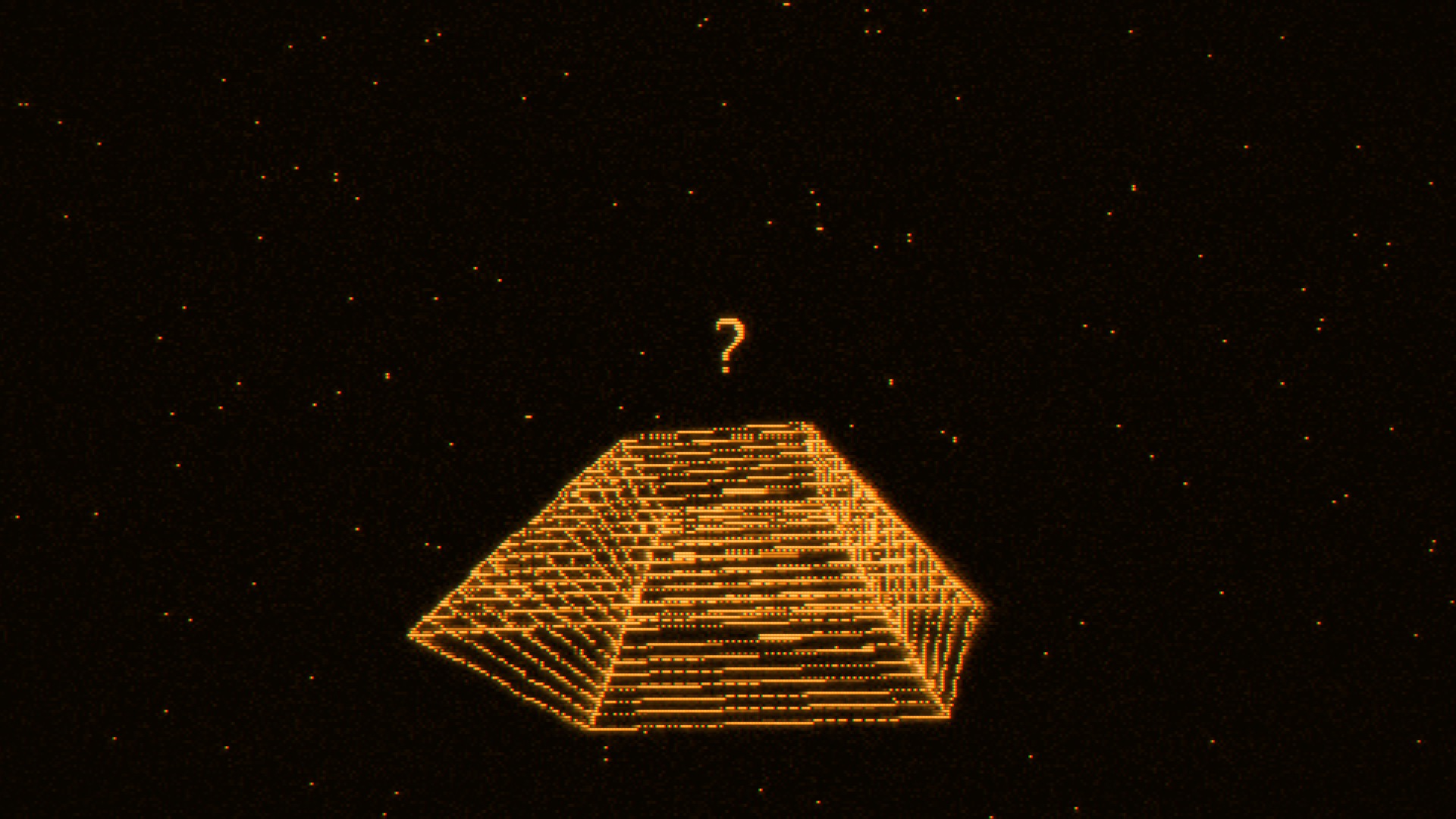
Likewise, we tend to think of conspiracies and organizations as having one person at the top, some mega bad guy, only because we’ve so internalized hierarchical thinking that it’s hard for us to imagine a system in which there is no one at top. There is no top. Complex systems can’t be understood as two dimensions on an X and Y axis. There is no pyramid here. The shape of complex systems is an entirely different geometry. Think in different shapes.
And that is a fundamentally disorienting approach to understanding the world. There’s very little content or messaging that has you thinking in these terms. I got into it when I first moved to Lisbon and made a super fucking weird video about it as a result. Don’t watch it, it’s embarrassing. But once you get into this kind of thinking it’s a hell of a drug and ultra disorienting. It’s something you can grok through meditation or psychedelics, but it’s hard to explain to people who haven’t dabbled in either.
It’s asking to think in higher dimensions, but not higher in a pyramid sense. Not superior dimensions. It’s adding dimensions, making it not just a XY axis but an XYZ and then some. It’s not about making the top point further removed.
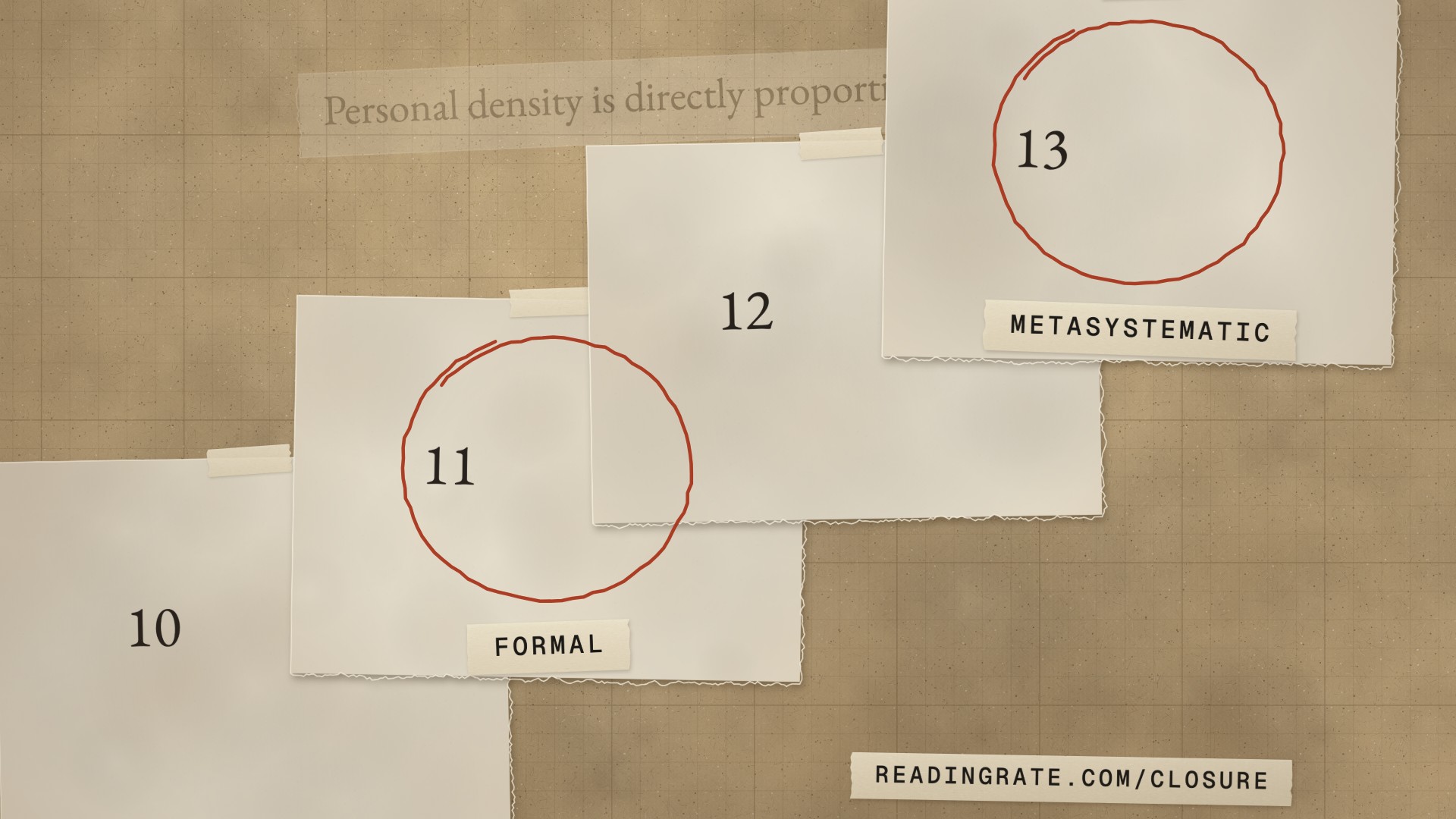
Now, if this is difficult for you to understand, and I’m sure it might be for some of you who are for some reason still here, then a useful entry point might be looking at Models of Hierarchical Complexity. I built a page to help describe the concept differently, with many visuals. The idea here is that Stage 11 is where a lot of people end their development. Reading Gravity’s Rainbow with Stage 11 thinking is going to leave you very confused. Stage 13 is where Gravity’s Rainbow is trying to take you.
Who are the characters?
Ok, instead of just talking about the weird metaphysics and abstractions of Gravity’s Rainbow, here are some concrete examples. Pointsman is obsessed with Pavlovian training. Post hoc ergo propter hoc: after this, then this. Bell do ding dong, dog do drool. It’s very linear thinking. Which is how we approach the start of this book: why are Slothrop’s sexual conquests tied to the Nazi Rockets? We spend a lot of time with Pointsman, we see how he’s pulling a lot of the strings. Is he secretly controlling Slothrop and having him followed through ridiculous staged scenarios? We don’t really get an answer, and eventually he’s forgotten, because his worldview of an unbreakable sequence of cause and effect is Stage 11 thinking, and not an accurate way of seeing the world. Pynchon lets it fizzle out in the end.
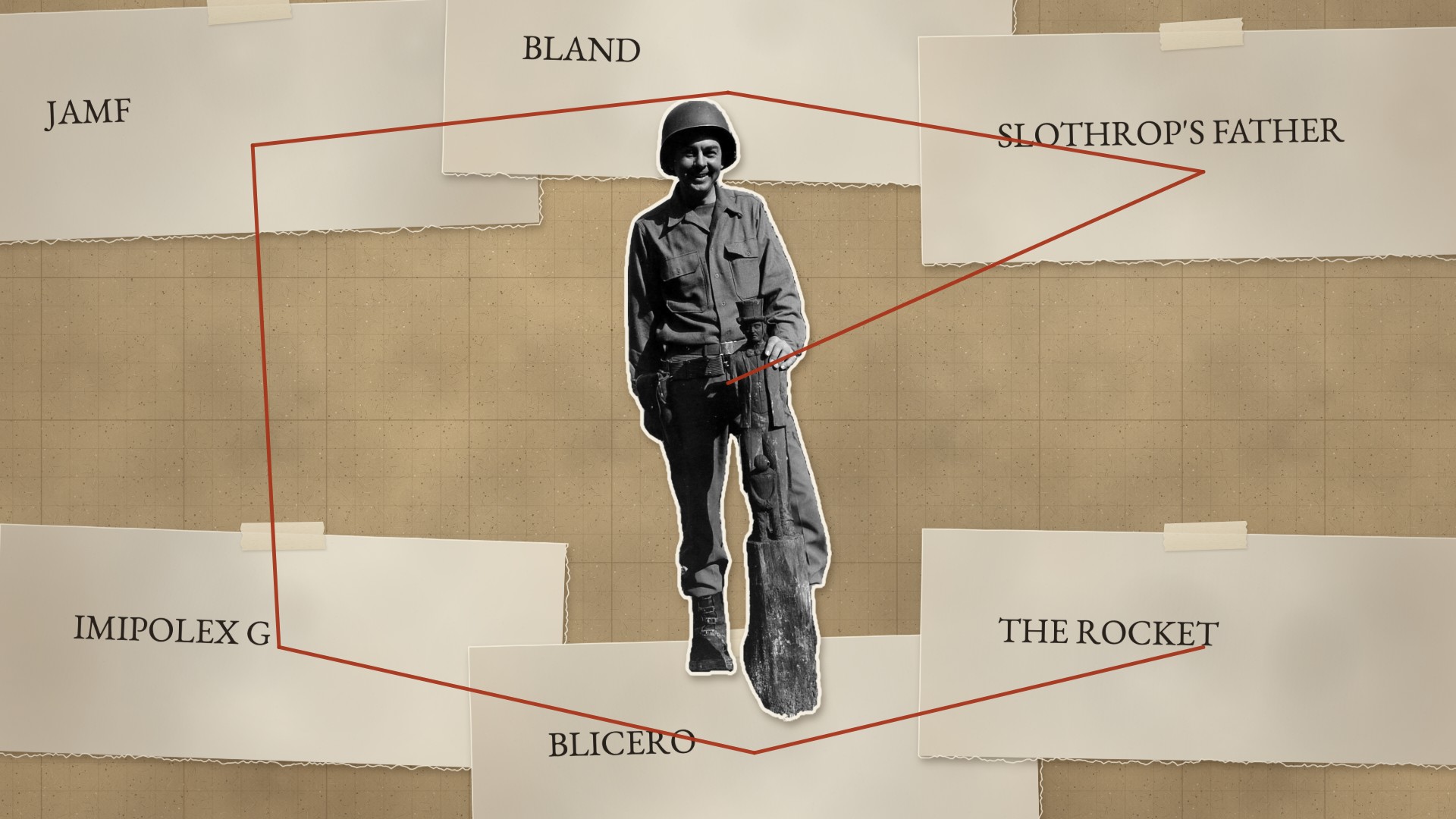
Next we have Slothrop who is trying to figure out the answer himself. We get different points that entice us into thinking that we’re closer to the target: we get Jamf’s connection to Bland, who is connected to Slothrop’s father, and Jamf made Imipolex G which is connected to Blicero who is connected to the rocket. We start drawing out the map and connecting different points of it with thumbtacks and red strings. After a while, though, we begin to lose the plot, and our understanding gets fuzzy, as does Slothrop, who is a kind of parody of a James Bond figure, going to a new location, putting on a new costume, adopting a new fake ID, having sex with a new woman, meeting new characters who help him along the way, overcoming a new bad guy. But who is James Bond in the end? You kinda forget after a bit. His context is dissipated. He lives in the eternal present of punching people in the face.
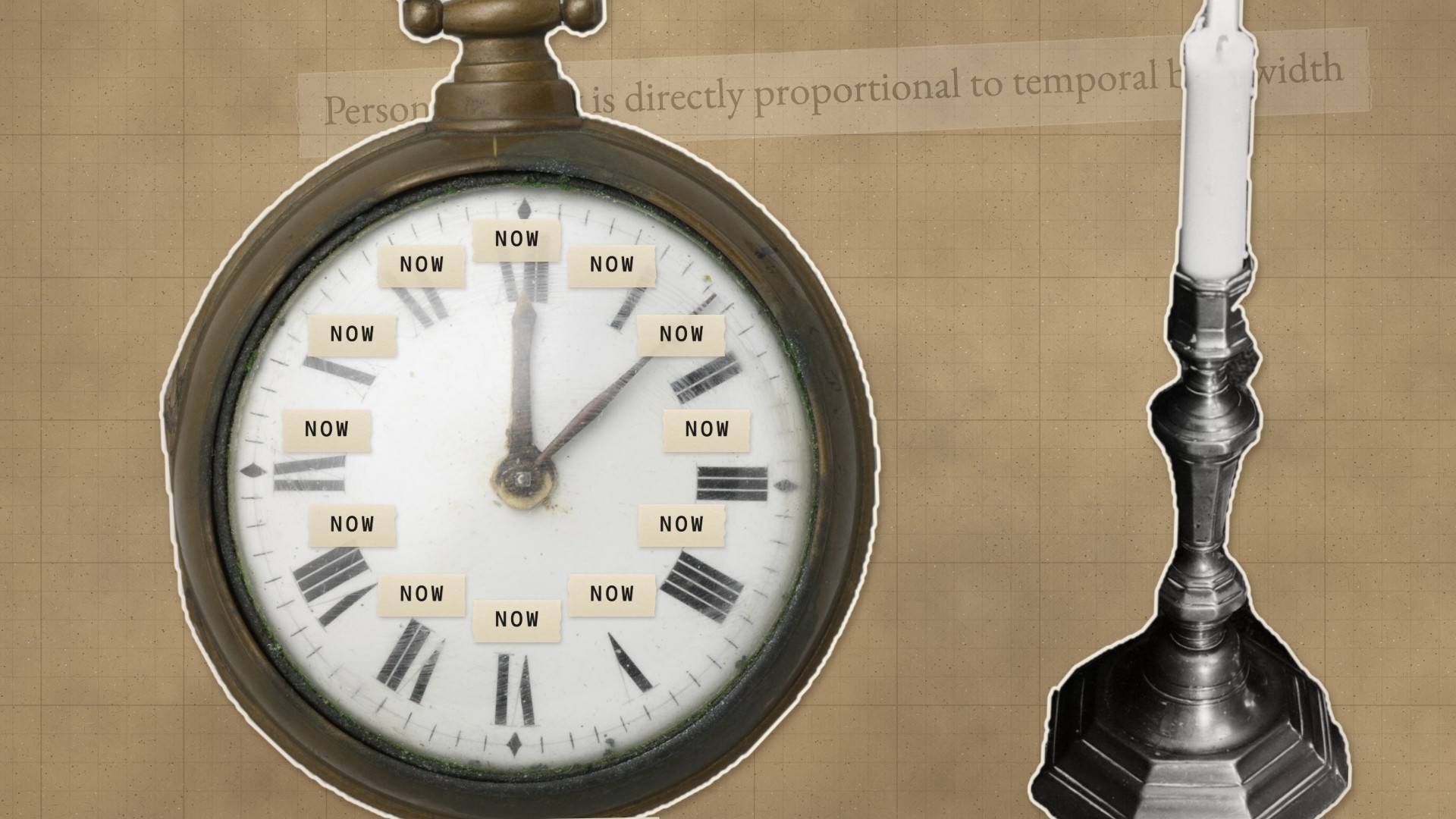
Mondaugen points out the unbonding of Bonds, when he says:
The more you dwell in the past and in the future, the thicker your bandwidth, the more solid your persona. But the narrower your sense of Now, the more tenuous you are. It may get to where you’re having trouble remembering what you were doing five minutes ago, or even - as Slothrop now - what you’re doing here
Postmodern therapy culture is so focused on personal identity and authenticity through trauma truffling: what are the traumas of your childhood, from your parents and siblings and teachers and exes, of society and the patriarchy, and better yet, what are your intergenerational traumas? The more traumas you tally, the more you can complain about your past experiences, the stronger your identity, the more likely you are to dye your hair and try to stand out. So original! Very personally dense.
On the other hand, modern mindfulness practices focus on your sense of presence, of you being here and now, right now. Forget your context and your past, as they’re just going to make you suffer. Whoever achieves perfect presence achieves Nirvana, the snuffing out of your identity.
And so with Slothrop, after his many James Bondian escapades, he kinda fizzles out as well. There’s no answer to his boner radar. There’s no closure to his story. There’s no final bad guy with a silly accent that he defeats. There is no closure to anyone’s story, because there is no single point to close upon.
Who is really in charge?
And this all points back to the first idea I mentioned: agency doesn’t have a lead agent. This story is bigger than Slothrop, bigger than Pointsman. Humans are the raw material for metaconcepts the way chemicals are for biological matter. Something emerges that’s beyond the comprehension of the individual. We cannot intuit it and we don’t have words for it any more than a cow can understand that its milk is sold at supermarkets. All of the cells in your body make up who you are, and your bone marrow has no awareness of what your body is doing as a whole. You can see mathematicians now weeping and panicking because the math that’s coming out is no longer understandable by them. There are hard limits to language, to narrative structures, and Gravity’s Rainbow in the true postmodern spirit smacks these limits across your face with a giant dripping dick.
I’m reminded of When We Cease to Understand the World, by Labatut, which is a great companion piece to Gravity’s Rainbow, even as an introduction to it. It’s a fairly easy read, as ReadingRate ranks it 66.64 out of 100 for difficulty, where Gravity’s Rainbow is 84, and it’s short as well. How short? Labatut’s book is 47,809 words, and Gravity’s Rainbow is 333,522, so you could read it almost seven times over in the space of one Pynchon. The language we get there is that scientists make discoveries which are then used for great harm. Gravity’s Rainbow would reframe that in a way, because we get the kind of Matt Damon in Oppenheimer vibe, of “thanks for your work now I’m gonna kill people with it” which still suggests an evil agent at the top. What Gravity’s Rainbow is suggesting is that technology is its own agent, science is its own agent, and it’s using us humans as resources and fuel to help it grow.
This idea isn’t unique to Pynchon. I just finished reading Illuminations by Walter Benjamin, and he has a famous essay there called “The Work of Art in the Age of Mechanical Reproduction.” It’s a phenomenal read, especially if you’re a bleeding heart and mediocre artist who thinks that AI art isn’t art. Benjamin would challenge that assumption. But the climax of his essay is when he says “If the natural utilization of productive forces is impeded by the property system, the increase in technical devices, in speed, and in the sources of energy will press for an unnatural utilization, and this is found in war”. Countries don’t go to war because of ideologies or freedoms, or because of religion. It’s science and tech that is wanting to grow, and is starving for resources and funding, more funding, more, will use war to get their money. Feed me Seymour.


Now, this is not a cool idea at all, because it’s basically saying “don’t blame billionaires: they’re just helpless puppets in the system the way you and I are,” but the artsy part of the internet that I frequent is still in their “eat the rich” and blame daddy angry teenaged rebellion phase of life, and they want to ascribe agency to the people at the top of their hierarchies and deprive agency of themselves, in the postmodern victim mentality, in their aesthetic of personal identity through complaining about the past, and through the soft bigotry of low expectations.
If we keep trying to pigeonhole multinational corporations and abstract systems into good guys and bad guys, kings and tyrants, angels and demons, we’re going to miss out on the larger overarching picture. Disney movies are dulling your understanding of systems.
How hard is Gravity’s Rainbow?
And this is a very difficult idea. You can’t convince people to give up their religions easily, nor can you get people to drop their postmodern identity systems easily as well. People will die for their identities and complaints. And if you’re one of them, you’re going to find this book difficult. If you’re expecting a clear resolution, you’re going to find this book unfulfilling.
Pynchon invites you early in the book to his world:
Come then. Leave your war awhile, paper or iron war, petrol or flesh, come in with your love, your fear of losing, your exhaustion with it. All day it’s been at you, coercing, jiving, claiming your belief in so much that isn’t true. Is that who you are, that vaguely criminal face on your ID card, its soul snatched by the government camera as the guillotine shutter fell. What do you think, it’s a children’s story? There aren’t any. The children are away dreaming, but the Empire has no place for dreams and it’s Adults Only in here tonight
My god what a banger. For all of its confusion, this is still such an amazingly written book. The National Book Award thought so too: it won in 1974. My copy is heavy with bookmarks of tons of exhilarating passages like this, which aren’t difficult to read, and just wide eyed wowza lines.
ReadingRate scores it 84 out of 100 and its highest difficulty rating is a tie, withholding and structure, both at 90. Which is the book in two words: it withholds the answer to who’s behind it all, and it’s built so that you can’t find a center either.
I definitely wouldn’t say it’s more difficult than Ulysses. And ReadingRate agrees with me. Ulysses scores 89, and its hardest dimension is the syntax, at 98, where Gravity’s Rainbow is at 78. Joyce makes you work at every sentence, and Pynchon’s sentences carry you along, even when you have no idea where they’re taking you. This was thrilling all the way through. Ulysses has a lot of pages that are hard work, but once you’re comfortable with metasystemic thinking and nonduality then this book is exactly what you’ve been waiting for. While Ulysses introduces a style for a chapter, and discards it by the end of the chapter, once you get into the rhythm of Gravity’s Rainbow you’re going to be able to move through the rest of it, even if it’s like going 300km an hour on the autobahn.
In both Ulysses and Gravity’s Rainbow you’ll get none of these flat moralizing characters telling you what trendy ideology to follow, no chickfic for the anxiously attached or deeply traumatized who want to blame everything on the patriarchy. This isn’t therapy lit for a frumpy dumpy bookclub trying to find their voice and authenticity.
Is Gravity’s Rainbow bro-lit?
I feel so challenged talking about this book because it writes about masculinity in a way that just isn’t ideologically safe lately. Masculine energy is toxic unless it mimics the calmness and safety of female energy. As a former high school teacher I remember that boys at school are considered to be misbehaving if they’re active and energetic instead of sitting docile in their chairs and quiet like the good girls. Testosterone itself is often associated with aggression and violence.

Much of the art scene in liberal leaning media, especially on the Instagram and Threads my algorithm god feeds me, supports a subtle misandry, a language that men are the root of evil, that masculinity is toxic, and that feminine energy is the healthy way to be. Calm, nurturing, namaste, chill, don’t strain or strive, rest your weary bones traveler, lay down your sword, lose yourself.
Gravity’s Rainbow talks about masculine energy in a different way. While an ideologically trendy reading would reduce Gravity’s Rocket as a praising of the giant metal phallus of rockets, masculine energy, and bloodlusting destructive power, I think if you could potentially see this instead as a praising of collaborative excellence.
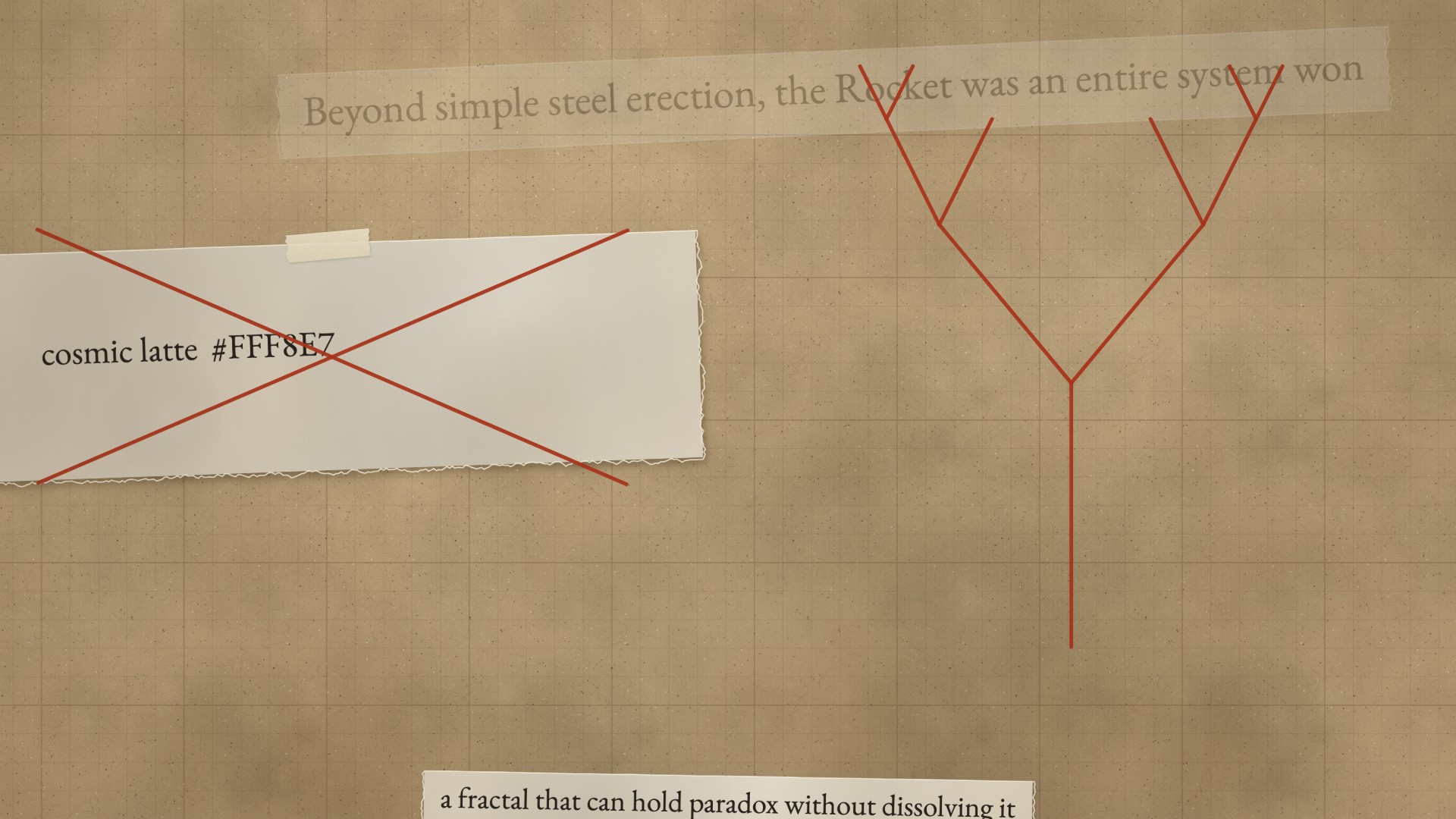
Beyond simple steel erection, the Rocket was an entire system won, away from the feminine darkness, held against the entropies of lovable but scatterbrained Mother Nature
Big technological advancement requires profound self-sacrifice and singlemindedness to occur. A rocketship isn’t going to build itself through holding space and working reasonable hours. Most of the examples of excellence and achievement in the sciences, arts, literature, religions, technology, and sports demanded a complete sacrifice of comfort and self, an utter devotion to the craft and lack of any balance. There are no statues erected for part-time employees.
Is Gravity’s Rainbow postmodern?
This pursuit of excellence, of manifest destiny, of onward and upwards for the greater good of humanity is captured in the metameme of Modernism, while allowed for the fervour of millennia of pent up energy to focus and erupt in the two world wars. Postmodernism emerged post WW2 as the world licking its wounds, mollycoddling analgesics and there-there head pats. For those of you into fitness, think of Modernism as Zone 5 training, Postmodernism as Zone 2. Modernism is heart pumping, sweat dripping, breath gasping all out effort, while Postmodernism is Shavasana and Child’s pose and yoga pants.
The rocket is such a perfect symbol for Modernist drive, the civilizational phallus. It’s linear rather than circular. Start here, expend all of your energy, and end there. It offers no space for recuperation and recovery. It has the language of viking war energy, the glory and the honor of death on the battlefield, which has now been translated and muted by the language of burning out at your company, after which you retire in some bohemian walkable European city like, I dunno, Lisbon, where you can sit around and read books for hours a day.
It even feels almost dangerous to talk about this online, because any support or understanding of the appeal of older masculine coded energy is adjacent to Andrew Tate, Terrorism, or Naziism, and so because this kind of energy has been used in some negative ways before that makes it henceforth something to avoid by association. Once bitten twice shy. It almost follows the Christian approach to the sacred vs the profane. Satan swelled with pride, tried to do something huge, caused harm, and now anything associated with Satan must be purged.
I feel a bit therapized by this book, really, in that I was raised with a misandrist message. I grew up in a very masculine and violent household, where my father and brother were their own battlefield and I was coddled by my mother. Love and safety were important to me, and avoiding that kind of hyper testosteronic violence was a must. I got into the arts and humanities. I married a pink haired feminist and spent almost two decades doing bwing bwing cutesy shit on the internet. Afterwards I got into a relationship with a devout misandrist as me attempting a form of penance and my god it was absolutely brutal.
Now I’m in a long term relationship with someone who hasn’t been ideologically captured by feminism, and I’m in a place where my masculine energy isn’t derided, where the feminine isn’t held as superior and the masculine as toxic, and I feel my strongest and healthiest and most confident. Or maybe this is me lying to myself, approaching my mid 40s, where every year my testosterone levels drop, and my younger partner is playing along, with there-there head patting “yes you are big man now yes you are!”
At the same time I want to say that as I lean into Metamodernism the answer here isn’t just to revert to Modernism and modernize harder, or to revert to antiquated gender tropes either. The point of this section of the video here is to speak about the vilification of traditional masculine traits. It’s possible for us to grow without desecration of the past. We don’t need to burn down Paris to fix it.
The metamodern move is transgression and transmission. We now live in a transatlantic world, with transient nomads, transporting translations. Gender is beginning to skew more transgendered. Women are taking on more male characteristics and men are taking on more female ones. Boundaries are blurring, and we’re oscillating between extremes.
And so my talk about the masculine energy of Gravity’s Rainbow isn’t a Declinist Swan Song of Make America Great Again as much as it’s an appreciation of what can be achieved when we fully exert ourselves, occasionally. The metamodern move isn’t to be a cosmic latte indistinguishable blend, but a fractal that can hold paradox without dissolving it.
So that’s it for this very long video. Hopefully now you have a different appreciation of Gravity’s Rainbow, of Hierarchical Complexity, of Agentless Agency, and Lesbian elephants. I just finished reading Walter Benjamin’s “Illuminations” which I loved, as I’m prepping for my reread of In Search of Lost Time, and Benjamin has a lot to say about Proust and involuntary memory here. I might do a video about that next, we’ll see. The best way for me to remember a book’s ideas is for me to talk about them, which is the inspiration for me making videos like this, and I think Benjamin has a lot of neat things to say for someone as interested in Modernist Lit as I am.
The video
Watch the Marginalia episode on YouTube
- 0:00 A rocket, a map and a conspiracy
- 2:18 I · What Is Gravity's Rainbow About?
- 5:11 There are no hierarchies
- 10:37 II · Gravity's Rainbow characters: Pointsman, Slothrop and Mondaugen
- 14:51 III · Who Is Really in Charge in Gravity's Rainbow?
- 19:06 IV · How Hard Is Gravity's Rainbow to Read?
- 22:19 V · Is Gravity's Rainbow Bro-Lit?
- 25:07 Is Gravity's Rainbow postmodern?
- 28:48 Gravity's Rainbow and metamodernism
- 30:12 Why read Gravity's Rainbow
Read the newsletter edition on Substack · Subscribe
Credits
- “Walter Benjamin, 1929”, by Charlotte Joël · Public domain · Source
- “Twee olifanten in een landschap (Two Elephants in a Landscape), RP-P-OB-15.057”, by Herman Saftleven, 1646; Rijksmuseum · CC0 · Source
- “Ordnance Survey One-Inch Sheet 160, London N.W., 1944 printing (built-up area)”, by Ordnance Survey · Public domain · Source
- “Landschap met olifant (Landscape with an elephant), etching and engraving, RP-P-OB-51.765”, by Bernard Picart, 1683-1733; Rijksmuseum · CC0 1.0 · Source
- “The Adoration of the Golden Calf”, by Nicolas Poussin, c. 1633-34; National Gallery, London · Public domain · Source
- “The Isthmian Canal Game, Puck, 23 April 1902”, by Udo Keppler, 1902; Library of Congress · Public domain · Source
- “Pyramid of Capitalist System”, by Nedeljkovich, Brashich and Kuharich, 1911; International Pub. Co., Cleveland (IWW poster); scan from University of Pittsburgh · Public domain · Source
- “V-2 rocket on the launch pad, White Sands, 1946 (NASA MSFC 9131496)”, by NASA Marshall Space Flight Center / U.S. Army · Public domain · Source
- “V2 missile on its Meillerwagen”, by Unknown photographer; U.S. Air Force (media.defense.gov) · Public domain · Source
- “Christmas Tree at Windsor Castle (oval cropped)”, by Joseph Lionel Williams, 1848 · Public domain · Source
- “Star (Flickr 4427285853)”, by Brenda Clarke, 2010 · CC BY 2.0 · Source
- “Parthenon from w. (albumen print)”, by Unknown photographer, c. 1850-1890; Library of Congress · Public domain · Source
- “Crown of the Virgin of the Immaculate Conception (Crown of the Andes), DP365520”, by Unknown goldsmiths, Popayán, c. 1660 and later; The Metropolitan Museum of Art · CC0 1.0 · Source
- “United States Capitol, west front”, by Architect of the Capitol, 1997 · Public domain · Source
- “Torso del Belvedere, Museo Pio Clementino”, by Fabio Poggi, 2009 (Panoramio) · CC BY 3.0 · Source
- “Berkshire Pig, Brett's Colonists' Guide, p. 182”, by Unknown engraver; Thomas W. Leys (ed.), Auckland, 1883 · Public domain · Source
- “Truffe du Périgord, récolte 2006”, by Commons user (self-photographed), 2006 · Public domain · Source
- “The Yorkshire Cow”, by Harrison Weir, 1851 · Public domain · Source
- “Bottle, milk (AM 1997.80.37-1), one imperial pint”, by New Zealand Co-operative Dairy Co Ltd (maker); photo Auckland War Memorial Museum · CC BY 4.0 · Source
- “Zakhorloge met wit geëmailleerde wijzerplaat, BK-NM-10004-B”, by Unknown maker, c. 1700-1800; Rijksmuseum · CC0 1.0 · Source
- “Stilleven van een kandelaar met een brandende kaars (Bestanddeelnr 252-0303)”, by Willem van de Poll, 1932; Nationaal Archief · CC0 1.0 · Source
- “Dionaea muscipula, Curtis's Botanical Magazine, plate 785”, by Curtis's Botanical Magazine (William Curtis, publisher), 1804; Biodiversity Heritage Library · Public domain · Source
- “Neuschwanstein Castle, photochrom print”, by Unknown photographer, photochrom print, c. 1890-1905; Library of Congress · Public domain · Source
- “U.S. soldier at Mayen, Germany, 12 March 1945 (111-SC-428005)”, by Pvt. Louis J. Dougall, U.S. Army Signal Corps · Public domain · Source
- “Col. John H. Michaelis in Class A uniform”, by Mike Musura, 502nd PIR, 101st Airborne, 1944 · Public domain · Source
- “Sword, European, before 1419 (DP374600)”, by The Metropolitan Museum of Art · CC0 1.0 · Source
- “Pedestal (LC-20 128 2b)”, by Augustin Pajou (attributed), French; The Metropolitan Museum of Art · CC0 1.0 · Source
- “Electrocardiography; T. Lewis, 1913 (L0006119)”, by Thomas Lewis, Clinical Electrocardiography, 1913; Wellcome Collection · CC BY 4.0 · Source
- “Haushaltsware Zündhölzer 5 Pf”, by Membeth, 2019 · CC0 1.0 · Source
- “1924 De Dion-Bouton speedometer (Flickr 4406946521)”, by Spanish Coches, 2010 · CC BY 2.0 · Source
- “Smartphone in Hand (Unsplash)”, by NeONBRAND, 2017 · CC0 1.0 · Source
- “Helen yoga2 (savasana)”, by Commons user Alintoft · Public domain · Source
- “INF3-294, Road safety: "Look out in the blackout, until your eyes get used to the darkness". A Ministry of Information poster by Pat Keely, 1939 to 1946 (The National Archives, INF 3/294)”, by Pat Keely, for the Ministry of Information · Public domain · Source
- “Peenemünde Test Stand VII, RAF aerial reconnaissance photograph, June 1943”, by Flight Sergeant E. P. H. Peek, No. 540 Squadron RAF · Public domain · Source
- “V-weapons in the Mittelwerk tunnels, 1945 (a V-2 propulsion section)”, by unknown US Army photographer (via USHMM) · Public domain · Source
- “I. P. Pavlov showing an experiment on a dog (Wellcome L0022522)”, by Wellcome Collection · CC BY 4.0 · Source
- “New Mexico. The Rain Dance. Zuni Pueblo. A Detroit Publishing Co. Photochrom print, about 1900 (LOC ds.10834)”, by Detroit Publishing Co · Public domain · Source
- “The Artemision Bronze (Zeus or Poseidon), about 460 BC, National Archaeological Museum, Athens. The full figure in the gallery”, by photograph by George E. Koronaios, 2018 · CC0 1.0 · Source
- “Adolf Hitler, studio portrait in a trench coat, about 1925. From "Miscellaneous Photographs, ca. 1919 to ca. 1934", NARA 162121459 (seized enemy records)”, by uncredited · Public domain · Source
- “Official Presidential Portrait of Donald J. Trump, January 2025”, by Daniel Torok · Public domain · Source
- “Sam Altman, November 2022”, by Village Global · CC BY 2.0 · Source
- “Elon Musk at the Tribeca Film Festival, April 2011”, by David Shankbone · CC BY 3.0 · Source
- “Bezos' Iconic Laugh, 2010”, by Steve Jurvetson · CC BY 2.0 · Source
- “The Trinity test, 16 July 1945, the colour photograph (restored)”, by Jack Aeby, Manhattan Project, Los Alamos · Public domain · Source
- “Lohjan ruotsinkielinen kansakoulu (Lohja Swedish elementary school), February 1953”, by Bror Brandt; Journalistic photo archive (JOKA), Finnish Heritage Agency · CC BY 4.0 · Source
- “Oseberg Ship, Viking Ship Museum, Oslo”, by Larry Lamsa · CC BY 2.0 · Source
- “Tram 28 at Largo de Santa Luzia, Lisbon, 6 June 2025 (the destination board reads "M. MONIZ 28")”, by Jakub Hałun · CC BY 4.0 · Source
- “Paradise Lost, Book I, the first plate: "Him the Almighty Power hurled headlong flaming from th' ethereal sky", 1866”, by Gustave Doré · Public domain · Source
- “"1. Paris, La Tour Eiffel", postcard, early 20th century”, by publisher "C.M." · Public domain · Source
- “Gravity’s Rainbow, Viking Press first edition dust jacket, 1973”, by Marc Getter (jacket design) · Public domain · Source
- “War Department Film Bulletin 219, V-2 Rocket Assembling and Launching, 1947”, by US War Department, US National Archives · Public domain · Source
- “V-2 Rocket, 1948 (111-ADC-9500)”, by US Army Signal Corps, US National Archives · Public domain · Source
- “Mechanics of the Brain, 1926”, by Vsevolod Pudovkin, Mezhrabpom-Rus · Public domain · Source
- “"Arrival of VIPs, Ciampino Airport, Rome; Munich. [No.] 296, Autobahn, Frankfurt and Heidelberg, Germany", produced 1 July 1946”, by US Army Signal Corps · Public domain · Source


