Cortázar’s Hopscotch — a novel that wants to play jazz
By Simon Stawski · · 8 min read
On Hopscotch by Julio Cortázar (1963)
Julio Cortázar’s Hopscotch is a novel built like jazz, with two ways to read it and a structure ReadingRate scores 85 out of 100 for difficulty. Its tragedy is Horacio, who wants to live like a jazz player among people who won’t play along.
The book in numbers
- Words
- 186,889
- Difficulty
- 70 out of 100
- Literary regard
- 88 out of 100
- Days to read
- 7
- Rating
- 4 / 5
- Data as of
- 24 October 2026
From ReadingRate.
Do you like jazz? I’m in my 40s now, and jazz is becoming increasingly more interesting to me. In my 20s I devoured every Pitchfork Best New Album but as of my late 30s I just didn’t find their recommendations interesting anymore, and my headphones have grown increasingly silent, where the soundtrack of my life is just the White Noise of European city life. All of my recent attempts to listen to music brought instant revulsion. The language is just so gross, so unhealthy, and the patterns so formulaic.
Yeah, I was in a music rut for years, until I stumbled upon Promises by Floating Points and listened to it on loop for a month. It’s gorgeous, nonverbal, unexpected, expressive, with neither chorus nor repetition, and it brought music back into what have been otherwise silent years for me.
I listened to the album while reading Cortázar’s “Hopscotch”.
Why does Hopscotch swing?
Cortázar’s Hopscotch is deeply influenced by jazz, and talks about jazz music a lot, and the whole book itself mimics what jazz would look like in a book.
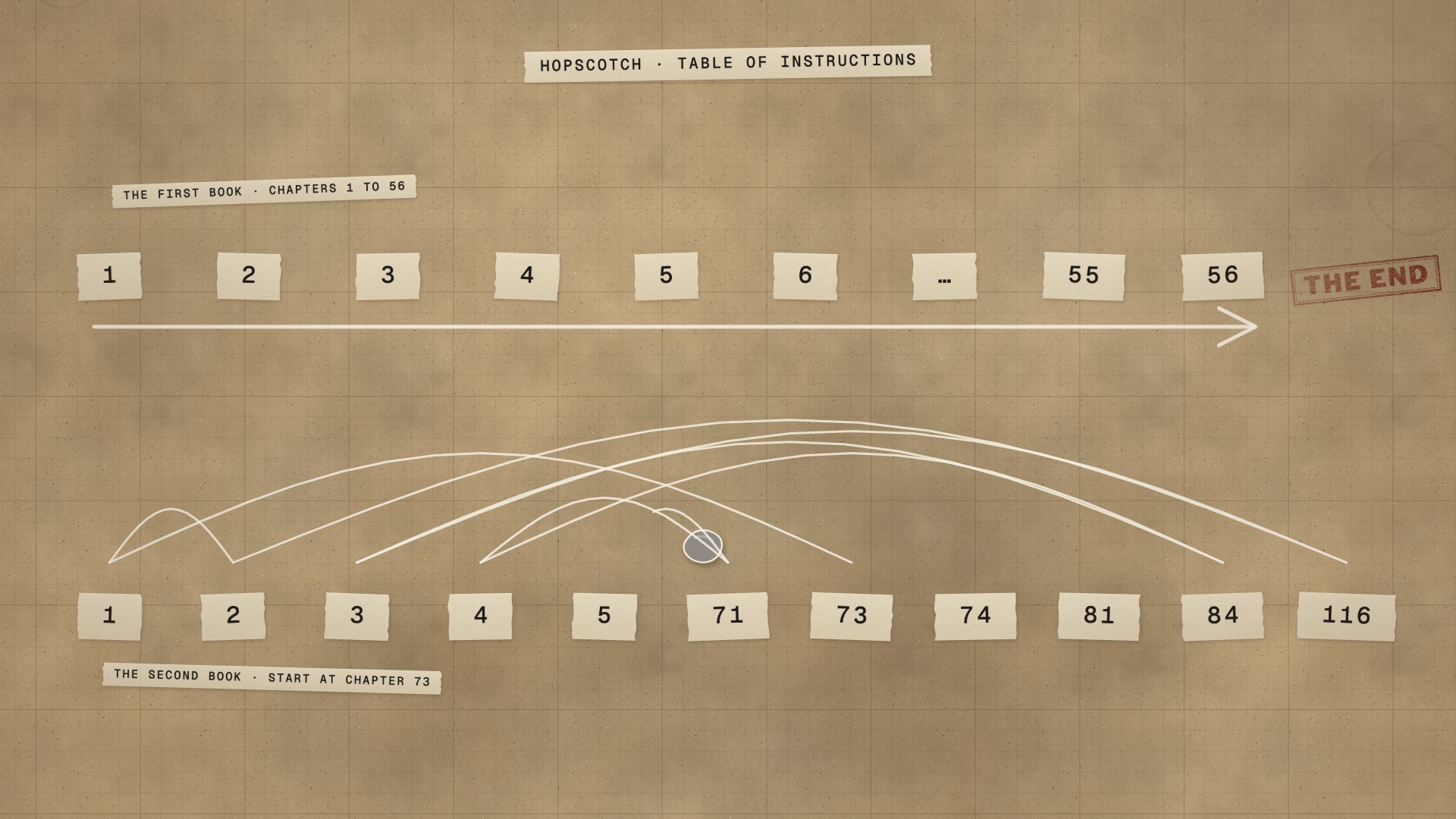
And just like jazz, it could be very disorienting at first. ReadingRate scores Hopscotch 70 out of 100 for difficulty, and its hardest dimension is the structure, at 85, because yes, the structure is super disorienting. There are two ways to read it. You could read it just the traditional way of going left to right, or you could go the hopscotch route and follow the chapters by jumping to whatever it tells you, kind of like those Choose Your Own Adventure books. The second one, when it hops all over the book, adds a lot more complexity to it.
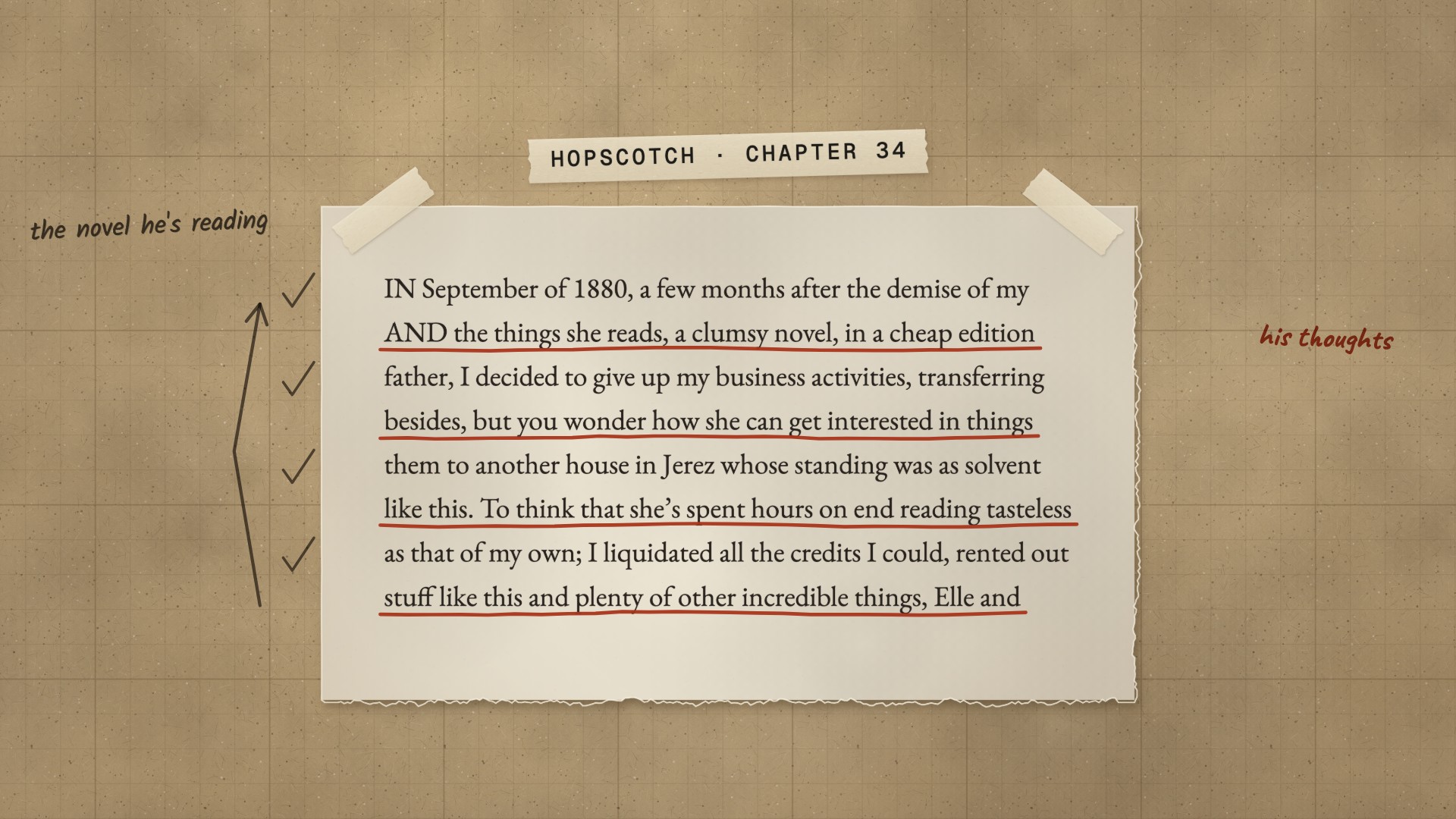
There are even some pages which are really amazingly done, in which the character is reading a line of a book, and then below it are his thoughts of the line of the book, and then the next line of the book that he’s reading. So you have to read every second line, and then you have to go back and read every second line again. It’s really neat and weird.
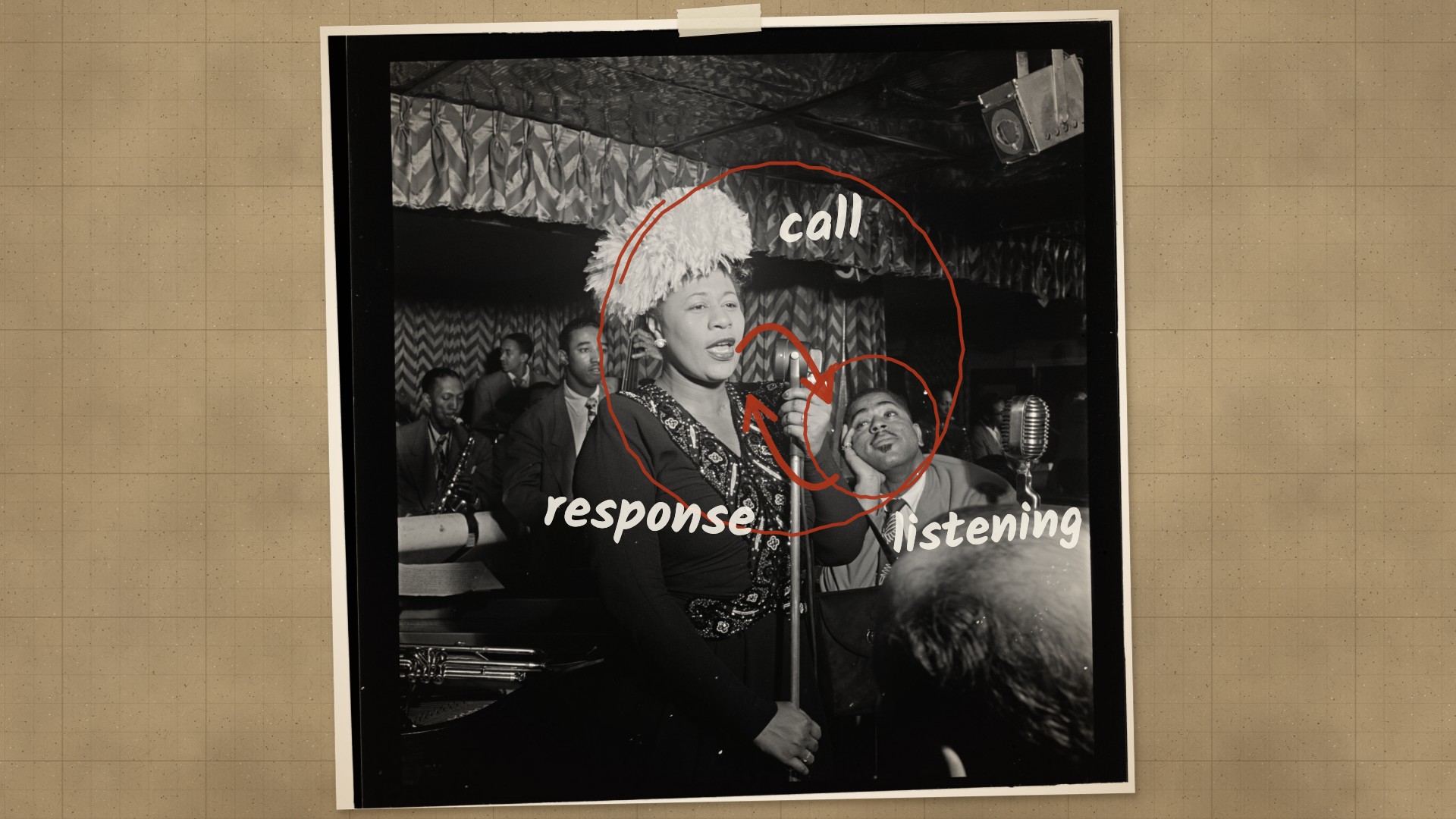
The tragedy of Horacio is that he wants to live a jazz aesthetic, and others around him just aren’t jiving.
What is jazz, played?
The idea of jazz as I understand it in my one week of deeply thinking about it (allow me to share my expertise) is that jazz is played rather than performed. There is an element of deep listening in Jazz. You hear what others are playing, and you improvise what you think will fit in that moment, as the musicians co-create an experience, a mood. It’s not sheet music that you wait your turn for and then follow the beats line by line.
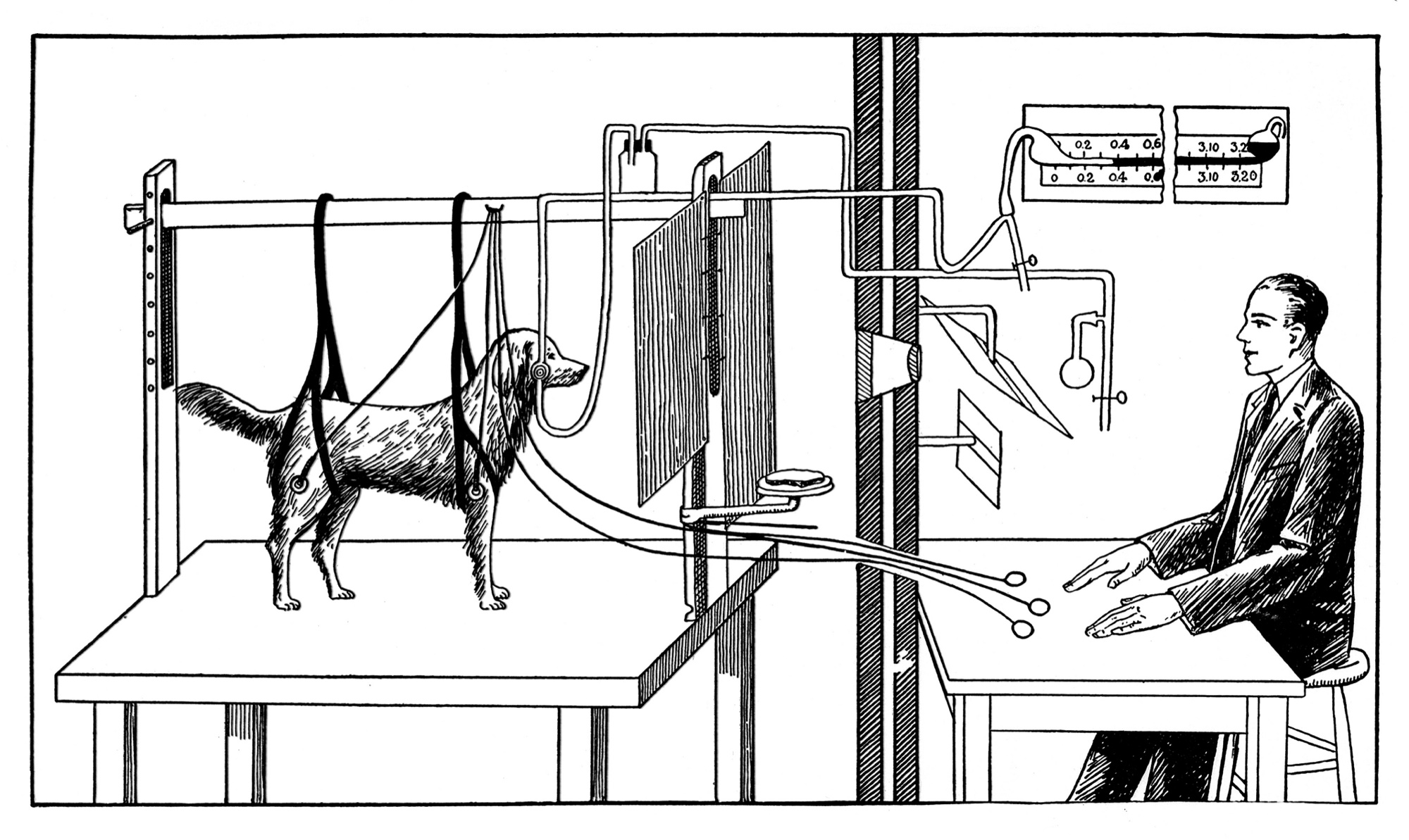
Jazz is less Pavlovian in absolute time, less direct line between cause and effect. It’s not “after this sound, make this specific sound, at this exact time.” It allows for a variety of responses, none of them predetermined and previously expressed, none following a Standard Operating Procedure or Ikea Manual.

Can two people improvise?
Jazz is not just about music though. Think about your relationships with your partners. How often are you unconsciously repeating the patterns you’ve learned from your traumas, from your childhood, from the media you’ve consumed? For most of your life you’re not consciously choosing to cocreate an experience with your partner as much as you’re repeating the memes and lessons you’ve absorbed.
My partner and I have a jazz theory of connection. Our best conversations with each other are when we can explore each other’s inner worlds, and ask questions of each other that we have never given answers to before. The responses are co-created, in the moment, and they’re nourished, as we both explore what this connective moment is like. And let me tell you, at the end of a jazz session of connection, there’s such a sense of fulfilment at what we accomplished. It’s so beautiful, and so deepening of our relationship.
That’s not fulfilling for others, who don’t look for that in their relationship, and are comfortable with the clear lines of “I will be the gendered and sexual expression from my content diet, and you be yours, and we’ll fight without really understanding why.” Some people don’t have the attention spans or the deep listening desire to create something new with their partners. They either fulfill their patterns or completely avoid them in a polar opposite, in a binary approach to living.
Why is Horacio so lonely?
So how does this apply to Hopscotch? Horacio, tragically, is hyperreflexive and very aware of patterns, memes, cliches, tropes, and he really wants to play at something different. He doesn’t want a typical relationship with La Maga, and sadly he doesn’t even know what kind of relationship he would want to have. He only knows what he doesn’t want, which is a very postmodern approach to life and one you can hear all over social media comment sections, where people are fluent in the language of what’s wrong with the world and mute in expressing how to live differently. Dystopias are a common fiction form because complaining is easy; protopias are uncommon because it’s difficult to figure out a system that would actually work.
Even Horacio’s bohemian anti normative club follows its own formula of performative intellectuals. There is an aesthetic for that group that’s clear. I loved this book from the get go because it tickled my love of the Midnight in Paris vibe, a group of intellectuals staying up all night, smoking and drinking and sharing ideas, something I’ve always wanted to be a part of and something sadly I don’t think I’ll ever have access to.
But even that group is performing its uniform nonconformity. It’s punk under a punk aesthetic. It’s its own cliche, and Horacio is very aware of it and trying desperately to do something different.
The bridge between two windows
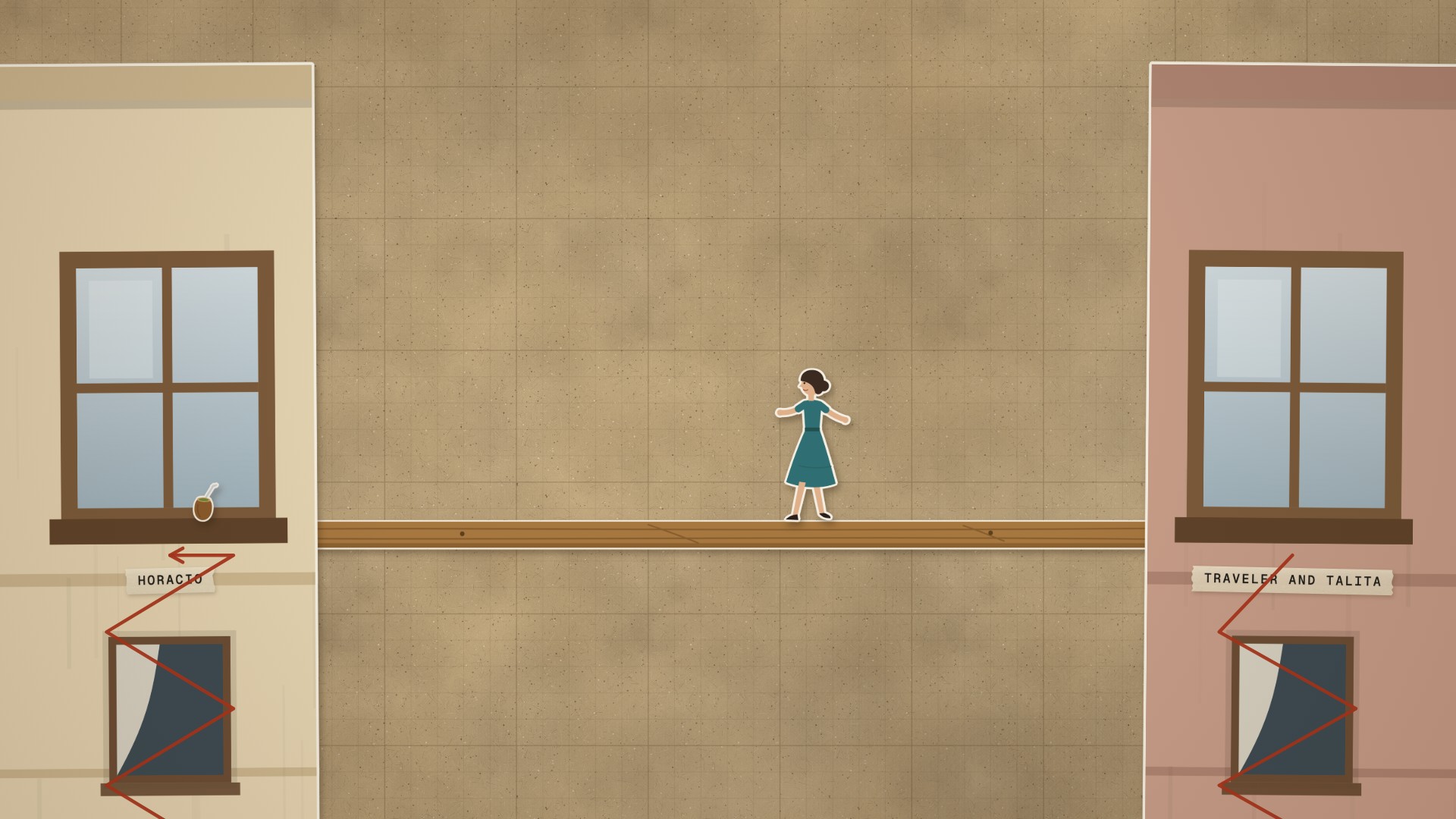
When he ruins his relationship with his connections in Paris, he goes back to Buenos Aires, and for a moment he has a bit of jazz in his life with Traveler and Talita. My favorite scene is of the bridge building between the two apartment windows. Yes, you could just walk down the stairs of one building and then up the stairs of another…ORRRRR you could try to build a bridge and go across it. Completely improvised, on the spot. It’s hilariously ridiculous, and that spontaneity is what makes it such a special moment.
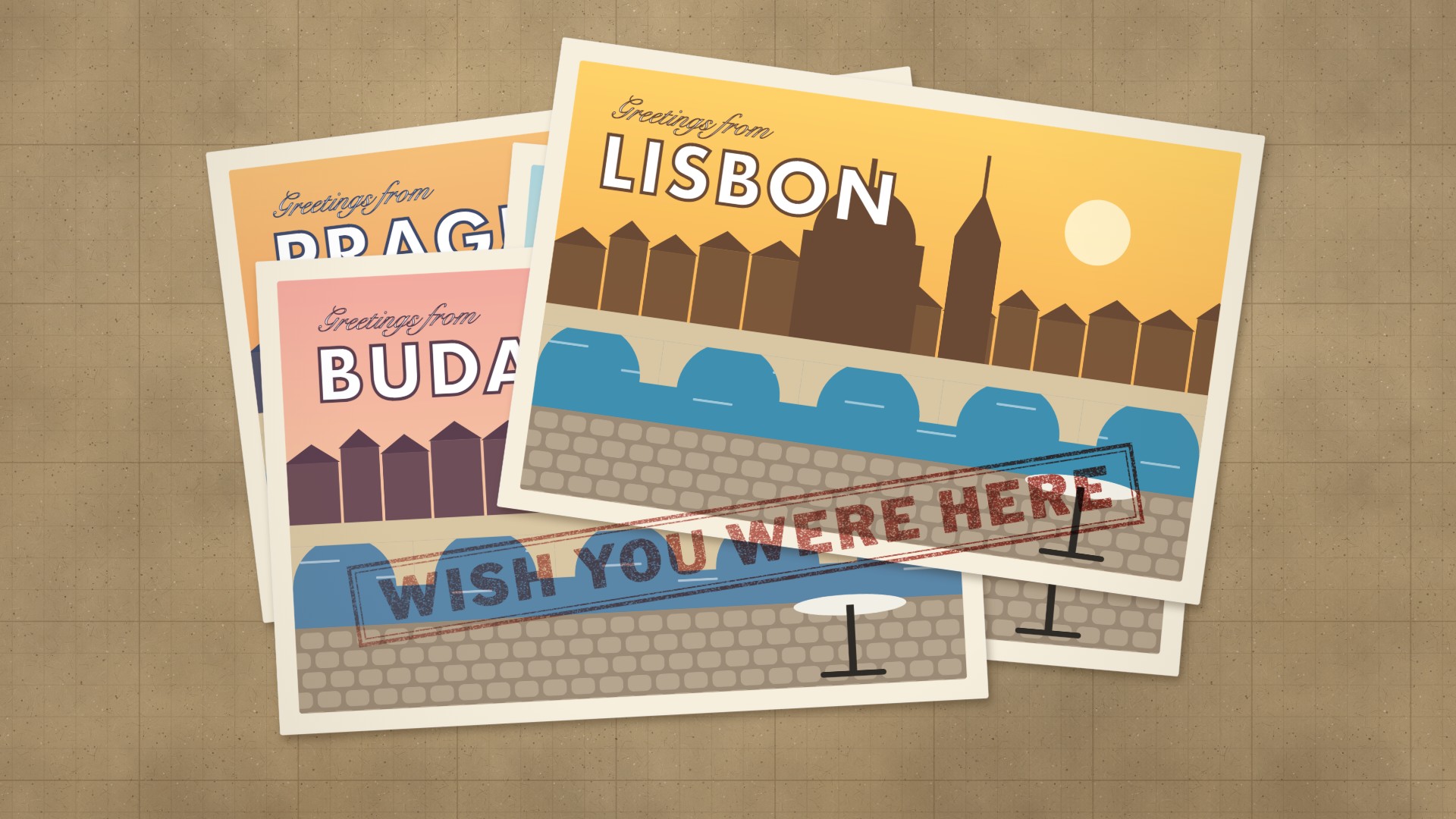
The older we get, the more we metabolize the patterns and rhythms of the world, the less we get to play and be random. We escape our routines at work for cliche routines in travel, to the point now that all travel destinations are starting to feel more similar than they feel different. Come to any European capital for the cobblestones, the old church, the bridge over the body of water, and the sitting at cafes and people watching.
Harold Bloom and the anxiety of influence
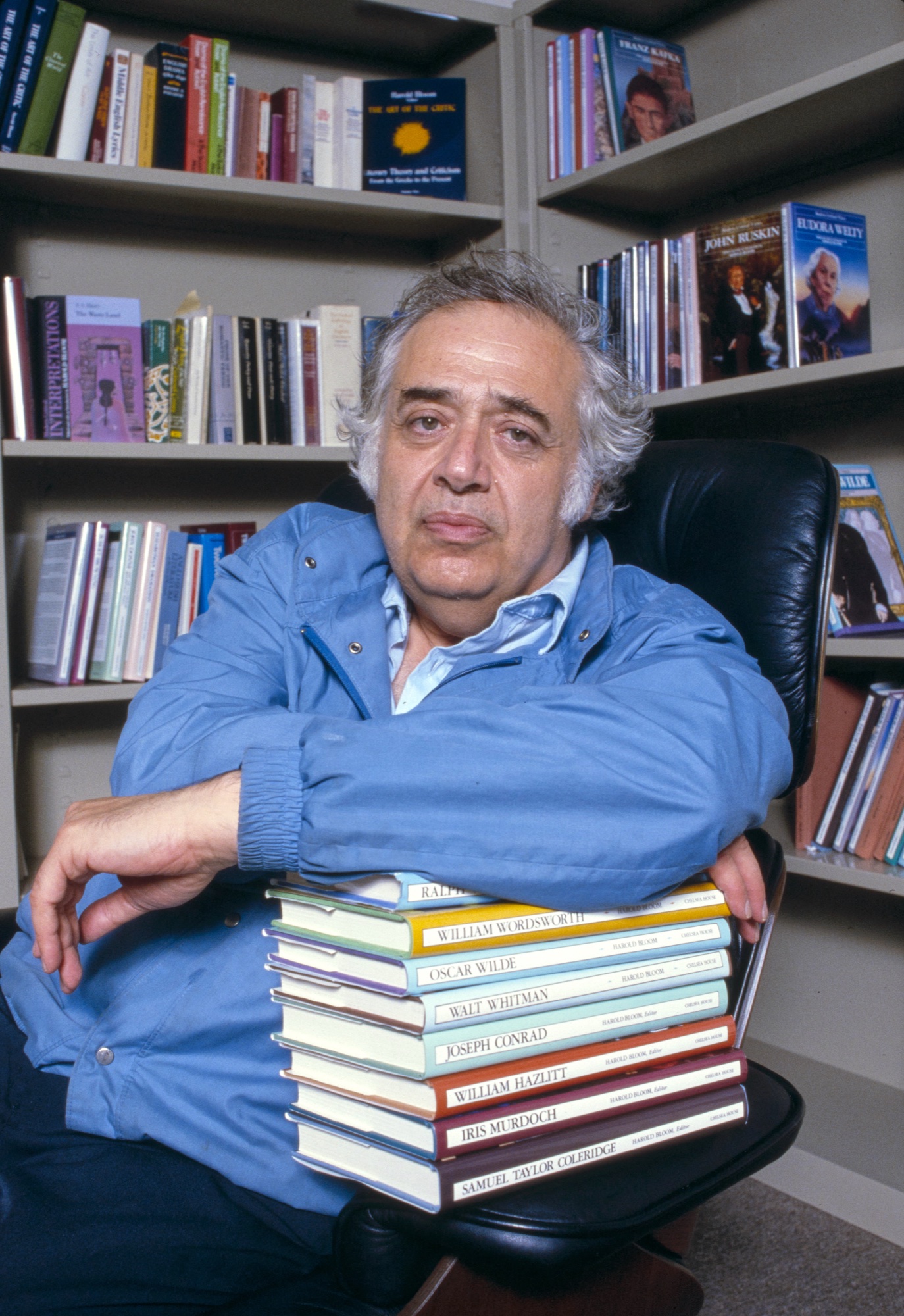
Horacio is experiencing what Harold Bloom would call an Anxiety of Influence. You’re aware that you are in the shadows of your masters and you have to defeat them, but you don’t know how. Hopscotch mentions Ulysses at least three times from my count, and you can see how deeply it influences the message here, because Ulysses took every literary convention, perfected it, mocked it, and then discarded it. Horacio here is both like Stephen Dedalus and Hamlet, willingly rejecting what’s expected of them, burning all of their bridges, and completely unsure of what to do next, and diving into insanity to figure out who they are. History is the nightmare from which they are trying to awake.

Why does ChatGPT talk like that?
The problem for Horacio, and the problem for many of us, is that even if we know how to do things the old way we don’t know how to do things in any other way. We don’t know how to do something different. Postmodernism has taught us that individuality and personhood is achieved by refusal, through rejection of one thing, through avoidance. Transgression is identity. We refuse to comply, and just say no out loud, without saying yes to much afterwards. LLMs have been trained on our social media writing, and so it’s no wonder that the most cliche thing LLMs write is “it’s not x it’s y.”
“Yes, and”
But Jazz isn’t about just being different. It’s not about someone playing soft notes on a piano and you farting into a trombone. Jazzz!! No, it’s about deeply listening to what someone is suggesting, and finding a new way to interface with them, a new way to create something different. It’s like what you learn in improv comedy class. The first rule is to never reject what someone is offering, not to say “no that’s wrong.” It’s to always say “yes and.” It’s to expand on what has been offered. Not to refute it and to state your opinion instead.
It comes from you being deeply aware of the patterns of relation, of speech, of music, of art, and through those conventions trying a new cocktail that serves whoever you’re creating the experience with.
The tragedy of contemporary postmodern sentiment is that people are too busy saying “no but” instead of “yes and.” There’s resistance and refusal and no sincere, awkward attempts to step forward, to accept what someone else is offering, and to contribute to it.
Horacio is tragic not because he’s hyper intellectual and too inside his own mind, though that is definitely part of it. He’s tragically…lonely. Most people don’t want to play jazz. Most people want their meat and potatoes. Their Sports programs. Their TV shows, their YouChoobs, their patterns. Jazz isn’t easy. It’s a lot of conscious work, and - really - most people are too fucking lazy to try.
Don’t be too proud to play the game
And the lesson to learn here is don’t be too proud to play the game. The rules are already set long before you came here. Don’t be so stubborn that you refuse to participate because you believe in your own genius and importance and contribution. You will be excluded and easily forgotten. Your narcissism in believing the importance of your game will not be missed by anyone, will not be thought of. And your brilliance will only be appreciated by yourself. If you want to play a new game with others or change the rules, you do so with their enthusiastic consent through deliberation and discussion and through attempting to persuade people to participate along with you. You do not simply change the rules of the game as you please and hope that everyone else will follow.
Is anything still new?
For those of you that are deep into postmodernism or maybe have read a bit of Beckett, you might say that even if you try to play jazz, even if you try to do something new, you can’t. Everything is a remix, and the sun shines having no alternative on the nothing new. And so the hope to be truly innovative is pointless. There is nothing truly innovative. The novel has been complete. Everything has been said in poetry, and we’re just repeating ourselves in different ways.
And to that I could say, sure, I don’t think that the jazz musicians are necessarily doing something entirely different. The notes that they’re playing through their instruments are the same variety of notes that are the only notes available to the instrument, but the idea is unnecessarily to be new only in and of itself, by yourself, but to try something different with people who want to play along with you.
And I hope you have people around you that are willing to play.
Four stars, and how I should have read it
That’s it for my talk about Hopscotch. I loved this book, and gave it four stars. I devoured it in just a few days. I could hardly put it down. I would’ve given it five stars except I read it from left to right. I should have done the hopscotch route, because when you try to read that third section afterwards, it really doesn’t fit the rest of the book. I should have just stopped after the first two. But I really did enjoy a lot of the ideas. For my next video I’ll talk about Gravity’s Rainbow, which I just finished, and which is not only one of the best books I read this year, but it’s in the top five books I read in my entire life. Now there’s a book that’s jazz to the max.
The video
Watch the Marginalia episode on YouTube
- 0:00 Do you like jazz?
- 1:14 I · Why Does Hopscotch Swing?
- 2:40 II · What Is Jazz, Played?
- 3:43 III · Can Two People Improvise?
- 5:32 IV · Why Is Horacio So Lonely?
- 7:41 The bridge between two windows
- 9:01 Harold Bloom and the anxiety of influence
- 10:38 Why does ChatGPT talk like that?
- 11:17 “Yes, and…”
- 12:53 Don’t be too proud to play the game
- 14:00 V · Is Anything Still New?
- 15:10 Four stars, and how I should have read it
Read the newsletter edition on Substack · Subscribe
Credits
- “Portrait of Ella Fitzgerald, Dizzy Gillespie, Ray Brown, Milt Jackson and Timmie Rosenkrantz, Downbeat, New York, ca. Sept. 1947”, by William P. Gottlieb · Public domain · Source
- “Pavlov experiments with dog (Wellcome M0014738)”, by Wellcome Collection · CC BY 4.0 · Source
- “Harold Bloom, literary critic, author, teacher at Yale”, by Bernard Gotfryd · Public domain · Source
- “52nd Street, New York, N.Y., ca. 1948”, by William P. Gottlieb · Public domain · Source
- “Downbeat, New York, N.Y., ca. 1948”, by William P. Gottlieb · Public domain · Source
- “Buenos Aires, Calle Corrientes y vista parcial (MG-017-0008)”, by Archivo General de la Nación Argentina · Public domain · Source

