Saunders’ Lincoln in the Bardo — stories as waves, art as mountains
By Simon Stawski · · 11 min read
On Lincoln in the Bardo by George Saunders (2017)
George Saunders’ Lincoln in the Bardo is a ritual of unclenching. The ghosts at Oak Hill stay stuck because each keeps retelling his own story to nobody listening; the living get free the moment they set their story down and lift someone else’s load for a minute.
The book in numbers
- Words
- 60,164
- Difficulty
- 59.2 out of 100
- Literary regard
- 67 out of 100
- Days to read
- 6
- Rating
- 5 / 5
- Data as of
- 25 October 2026
From ReadingRate.
First published on Substack on 9 September 2025.
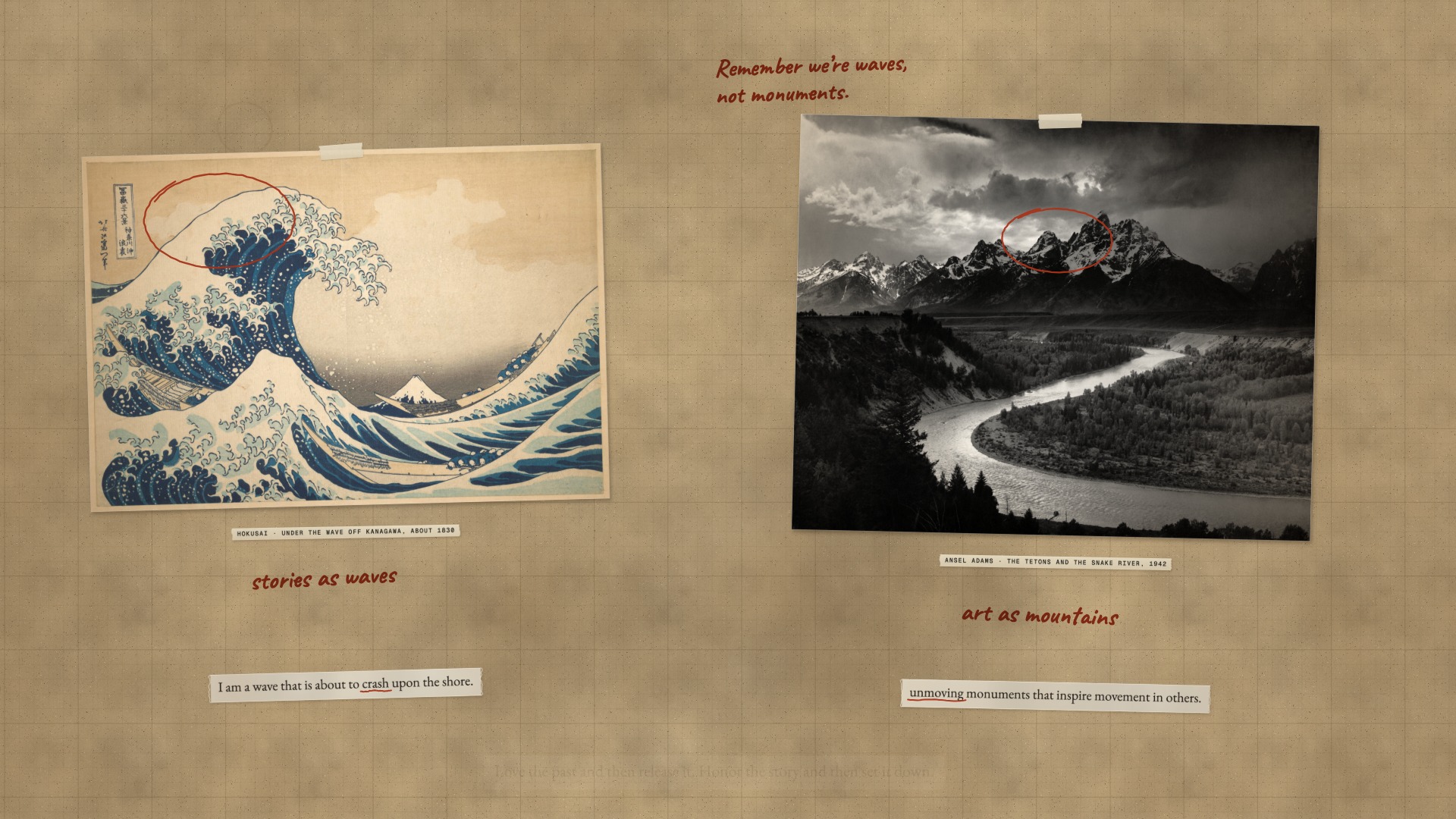
I am a wave that is about to crash upon the shore. This doesn't alarm or discomfort me, though I notice others squirm and clench when we discuss impermanence. The discussion of Death is a conversation we most often have on our own, and even then we don't offer many words.
I have read much about death and dying, and find it fascinating business. In my stint as an avid meditator and self-identified nonidentifying Buddhist, I practiced many meditations on death. Thich Nhat Hanh created a beautiful hug meditation I sometimes practice when I feel deeply appreciative of my partner or friend. The ask is for you to say each of these three lines, with a deep breath between each sentence to embody what each feels like:
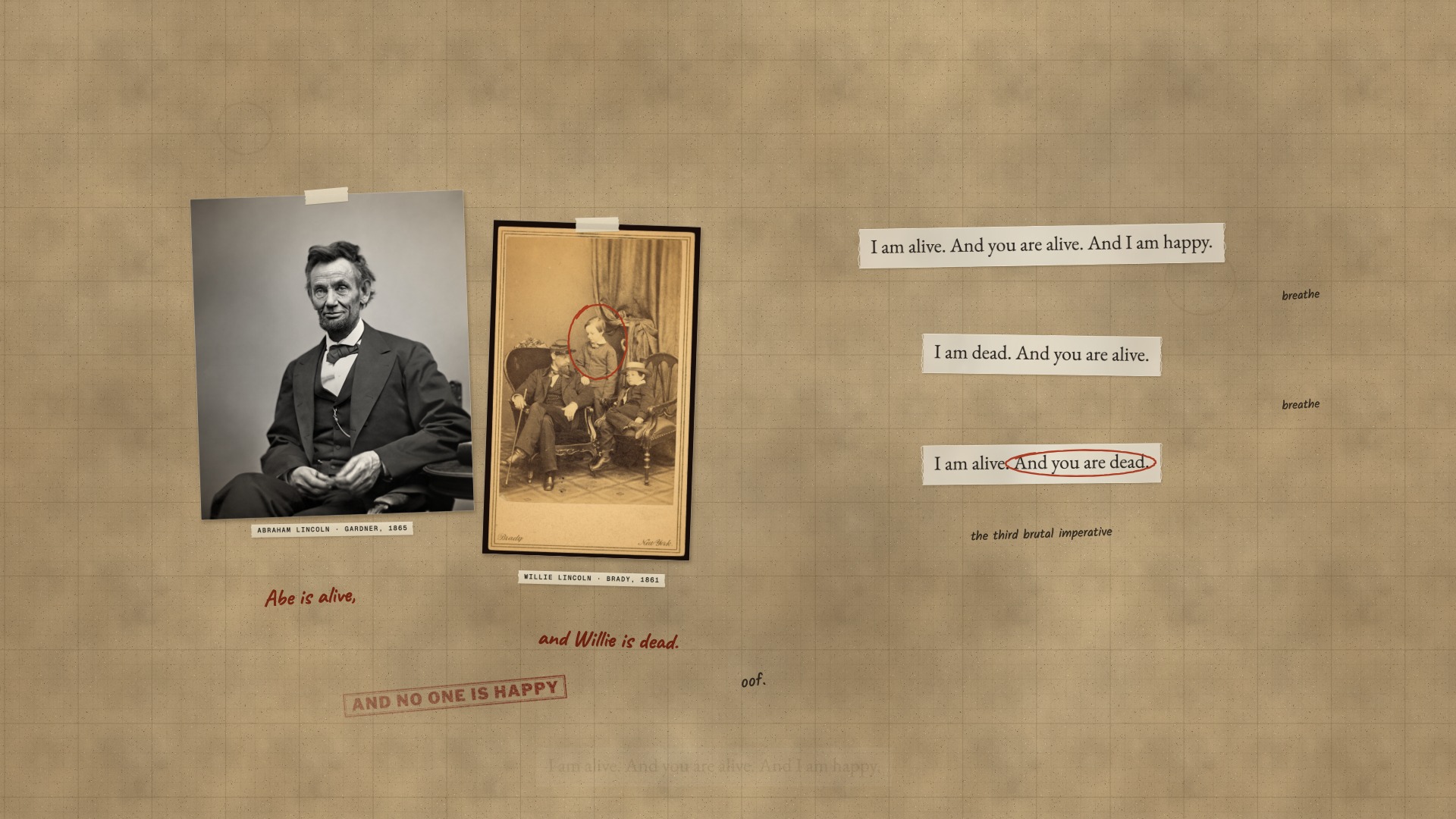
I am alive. And you are alive. And I am happy.
I am dead. And you are alive.
I am alive. And you are dead.
That third brutal imperative is activating, especially when feeling such joy at the connection readily at hand, in hand. Once we've felt the weight of line #3, the final ask wraps up the practice:
I am alive. And you are alive. And I am happy.
When we come back to the present moment, and connect with the two of us being alive here and now, with full awareness of the other possible configurations (as 2 or 3 will eventually become true), and with full awareness that this joyous connection is impermanent, then the hug feels very fulfilling. Try it out with loved ones! Sob deeply into their arms and blubber about how much you love them.
I speak with playful irreverence here, and I'm inspired by Saunders' Lincoln in the Bardo, which handles death and grieving with a similar metamodern sway. We feel the profound grief of Abe Lincoln, holding the body of his dead son, whispering into his ear, while the ghost of his son is jealous of the corpse and wanting, so wanting to be held by his father. Abe is alive, and Willie is dead. And no one is happy. Oof. And we hear the words Abe Lincoln whispers to the body of his dead son, with that clear and booming resonance of Abe Lincoln's diction, and understand his experience of Hanh's third imperative.
It's a grueling section and sets such a heavy tone. Flip the page, and then we get the perspective of the graveyard's night watchman, Jack Manders, who was put in a bit of a pickle. He's not supposed to open the gate for anyone…so what to do when the President shows up? The night watchman is hilariously awkward about it, noting Lincoln's long legs astride a tiny horse, imagining the horse gossiping with other horses later. He worries Abe might have tripped in the dark, pauses to listen for the moan of a wounded president—none detected—and dutifully logs it. I laughed through my tear-softened eyes, right after being wrecked by the father's sorrow. Release valve, perfectly placed.
Saunders knows to breathe the scene. We can't focus on the stories of the dead for too long. We need to snap out of it and have a laugh, at others, at ourselves, and at the mess of it all.
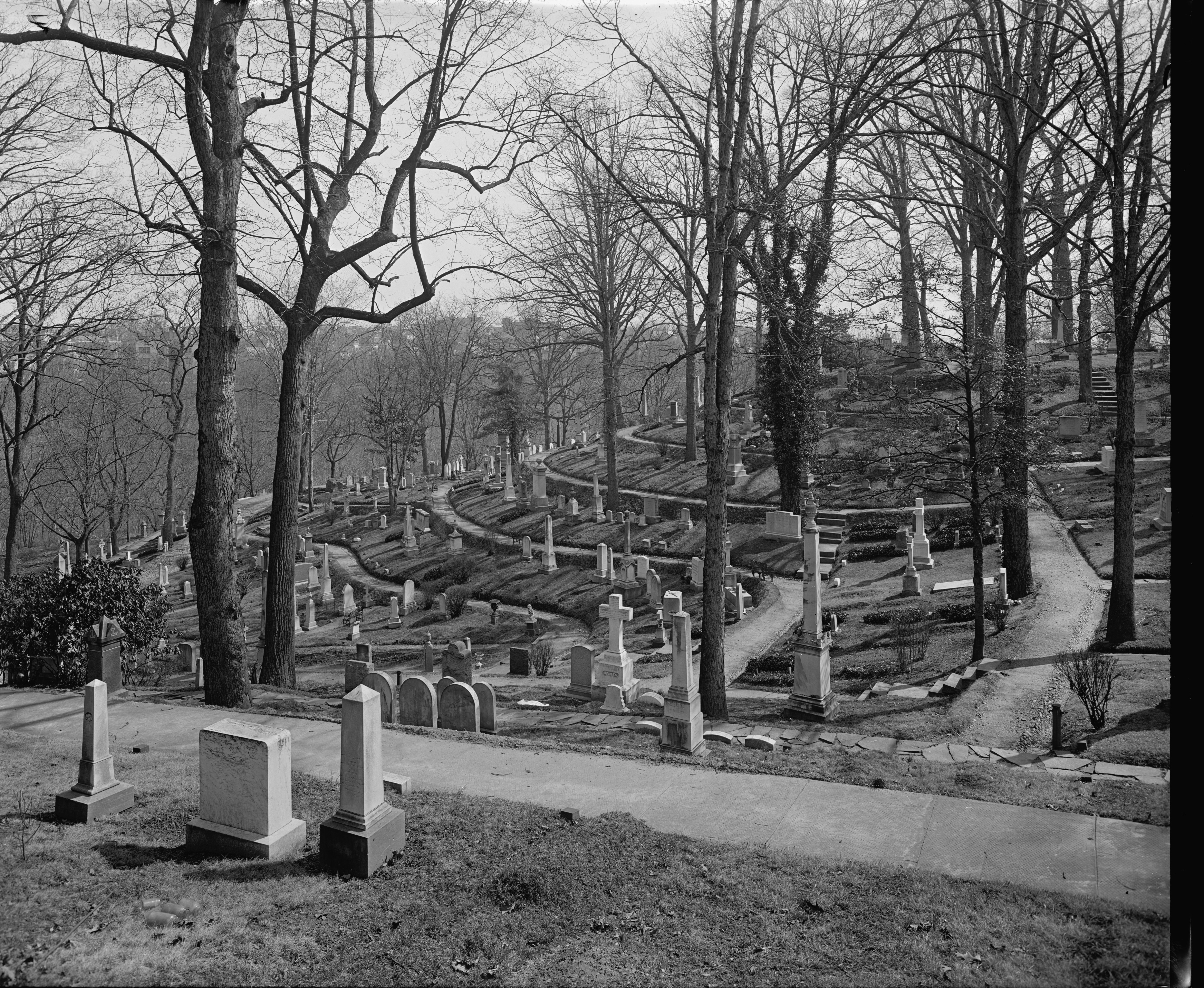

The ghouls in the graveyard are ridiculous to those of us here in the land of the living, and they don't seem to have a sense of humor of their own. They're obsessed with the past and what they have lost, and keep demanding a way to have an impact on the outside world. That fixation feels familiar. Stare too long into yesterday and you'll be stuck there forever, frozen as a pillar of salt, salty at remembering the good old days. We're urged in a way to not look back. The only workable posture is forward. The only way out is through.
The ghouls emerge when Abe leaves, and the hilarity of the watchman is contrasted by the tenderness of the Reverend. The bodies of the dead have not been touched so lovingly before. The Reverend reminds us that every body in the cemetery
had been mothers, fathers. Had been husbands of many years, men of import, had been young wives, diverted here during childbirth had been considerable, had been loved. Not lonely, not lost, not freakish, but wise, each in his or her own way. Our departures caused pain. Those who had loved us sat upon their beds, heads in hand; lowered their faces to tabletops, making animal noises. We had been loved, I say, and remembering us, even many years later, people would smile, briefly gladdened at the memory.
Each of these ghosts, arising to meet Willie, has been granted by the Reverend such a generous introduction to the soft reputations the dead inherit. Each soul has their own nobility to them. Each was once a mother's babe.
That sense of kindness and fondness is lost the minute they begin to speak to Willie, each ghost reciting their own story, none of them compelling, all of them small and petty. They ask Willie no questions about his experience, offer him no empathy at the harrowing ordeal he just endured with his father, show him no compassion at all, but simply repeat their own stories, and task him with sidequests.
As readers, we’re offered no breathing between the lines of the hug meditation. We feel sorrow, and then laughter, and then reverence, and then annoyance. We feel the full catastrophe of the living and the dead.
We get both polyphony of voices and emotions. Just as no one report about the color of the moon on the eve of Willie's death offers us the accurate detail of the color, but instead offers us the collective experience of everyone's noticing the moon and the weather, so too with the ghosts we don't need to remember any of the details of their experiences, as much as the overall understanding that they're all trapped in their own stories. They cannot relate with one another, cannot connect. All that keeps them in the Bardo is their own singular experience.
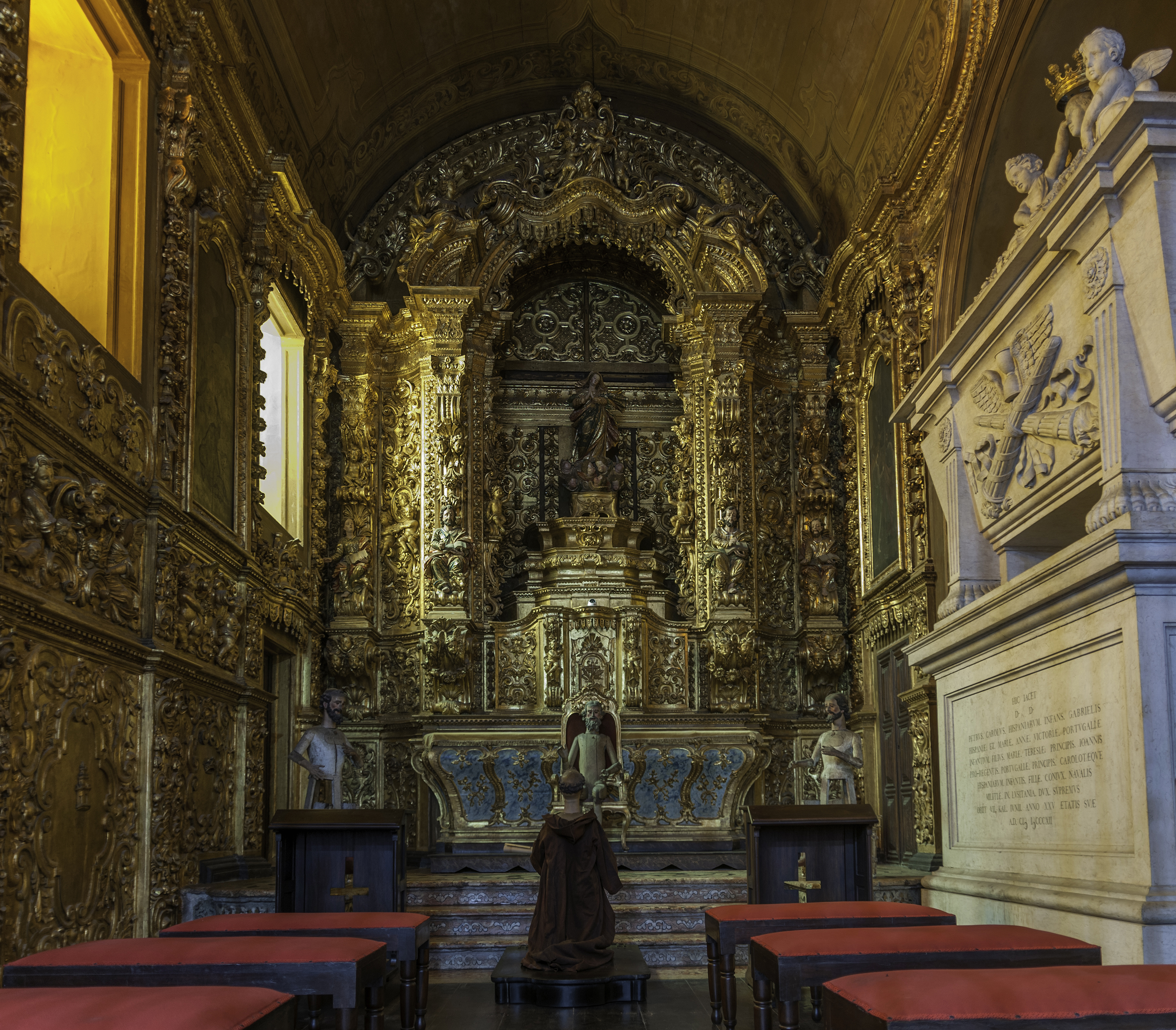

I grew up Roman Catholic. The flavor of Christianity I was offered made me relentlessly aware of my sinning nature, for which I must permanently apologize and beg forgiveness. I'm amazed when I see how joyous young Catholics are nowadays. Seems like they haven't been taught self-hatred.
While I loved Vollman and Bevins, I was most interested in the story of the Reverend, who at first I thought stayed in the Bardo willingly, as a Bodhisattva, to guide the souls of the dead to Nirvana. And yet, when the angels appear to wake the ghosts from their illusions and to deliver them peace, the Reverend resists as well. Soon afterwards, we learn his special flavor of torment: not lust or money or reputation, but the anxious scruple—am I fit for heaven? So his illusion is custom built, with judgment, flames, and exclusion. He thinks the others will matterbloomfire to the diamond palace as he did. No, he is not in the Bardo to help others, and he is just as clenched as all of the rest.
His redemption arc is so profound and touching, for me, as a former sinner damned to perdition. When he saves Willie, he does so willingly knowing that he will go straight to hell. He’s not like the other ghosts who realize that they’re dead, and so their stories no longer have a hold on them. For the Reverend, he doesn’t see that he’s trapped in a story as well; Heaven and Hell are ontological truths. He sacrifices himself, in a Christlike manner, to save Willie the soul of another. Not for all of humanity, mind you, the way Christ does. His sacrifice pays dividends thousands of years later. For the Reverend, his sacrifice is for the soul of just one. That’s touching.
Once he disappears into the matterbloomfire, we don't hear any more of his perspective or watch him go anywhere because—of course—there's nowhere to go. There is no diamond palace with puke buckets, obviously. There's nothing, just the same indescribable oblivion we get a taste of under general anesthetic. An unclenching. The mercy of dropping the story.
All of which is the running joke on authors: to make stories we must clench ourselves. Most writing isn't grace; it's a jaw working through steel wool. Faulkner rewrote The Sound and the Fury a few times and was never satisfied with it. We all retell and retell, often to people who aren't listening because they're mid-retell themselves. Conversation these days is basically:
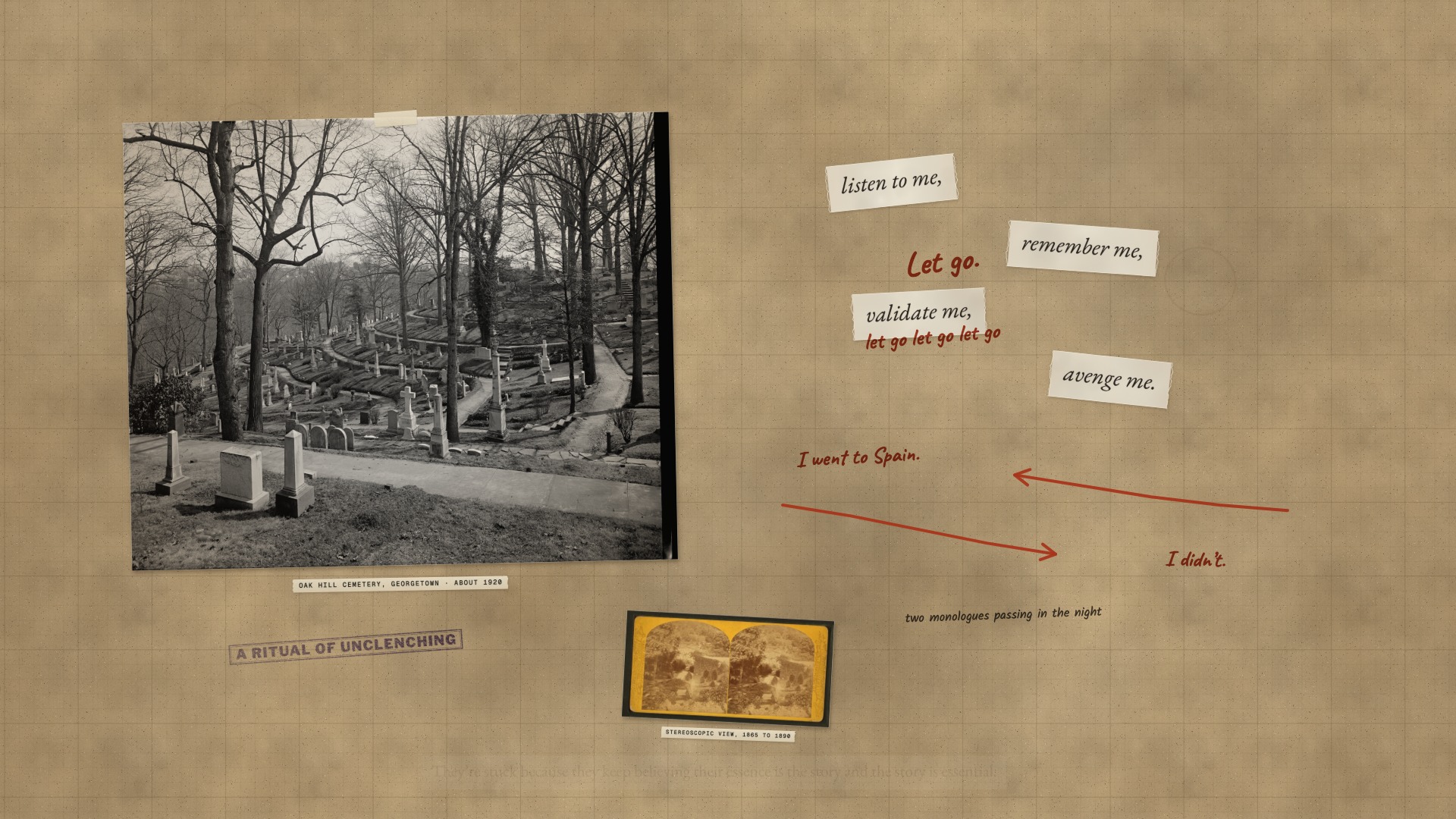
Person A: I went to Spain. Person B: I didn't.
Two monologues passing in the night.
It's hard to listen to the bardo chorus and not roll your eyes a little. It's also impossible not to feel for them. They're stuck because they keep believing their essence is the story and the story is essential. They're not important. Not compared to the fact they're not here anymore. Strip the specifics and they blur into one another. Let go. Let go let go let go.
When Bevins and Vollman finally do let go, Saunders gifts us those rapid-fire reels—many versions of them, the lives they had and might have had. It's a montage and a eulogy. It lets me say goodbye to characters I grew to care about—quickly, cleanly, beautifully.
And yet I don't want to let go of the book. It's finished. It's dead. I'm supposed to move on. The Infinite Jest truther part of me wants to reread into oblivion, to be the prompter whispering lines when the ghosts forget theirs. Anthony Hopkins reads a script 300 times to wear it like skin—do we need to retell our stories that much to feel them fully? Or is compulsive repetition just a symptom we're already a little dead?
I love the detail that each guest sees a different color of the moon. That's the whole epistemology, right there. We have no single truth for us to unify under; the polyphony is the point. Your story doesn't cancel mine. The meta-story—whatever sits behind our perspectives—thickens because both exist. Look at the forest; don't snag yourself on twigs. The past is never dead. It's not even past.
The story is enriched through hearing the experiences of many, through co-creation. When we deprioritize any singular perspective, when we don't focus on one objective truth, and when we open ourselves to a co-created intersubjective experience, we are enriched and connected. When all of the ghosts enter Abe's body, and they connect with something other than their own stories, they are freed for a moment from their pains, and feel a deeper appreciation for each other. They are no longer disfigured by their burdens. They become beautiful when they become interfaced. The self-image melts; they're softer, kinder, less distorted by grievance. Connection eclipses narration. Which escorts us to this passage I adore:
His mind was freshly inclined towards sorrow; toward the fact that the world was full of sorrow; that everyone labored under some burden of sorrow; that all were suffering; that whatever way one took in the world, one must try to remember that all were suffering (none content; all wronged, neglected, overlooked, misunderstood), and therefore one must do what one could to lighten the load of those with whom one came into contact; that his current state of sorrow was not uniquely his, not at all, but, rather, its like had been felt, would yet be felt, by scores of others, in all times, in every time, and must not be prolonged or exaggerated, because, in this state, he could be of no help to anyone and, given that his position in the world situated him to be either of great help or great harm, it would not do to stay low, if he could help it.
Pain is mandatory; suffering is optional. Everyone's getting fucked over by life. There are no survivors. No one's special. Sitting in the mud narrating our miseries doesn't help anyone. What helps is lifting someone else's load for a minute. Step out of the story, touch what's alive in the person in front of you, and—just like those two ghosts who relax simply by being seen—you loosen the knot. When you give up your story to help another, as the Reverend does, then you enter the kingdom of heaven.
In the attention economy, we're all starving for attention the way our ancestors starved for calories. Outstretched hands everywhere: listen to me, remember me, validate me, avenge me. No wonder people are addicted to ChatGPT; it listens without reflexively turning the spotlight back on itself. Most of us rarely get that from other humans, because everyone's scrambling for the same scarce beam of light.
So the logic calcifies: attention equals power. Presidents win not by best policies but by gathering the most eyes. No publicity is bad publicity. Be seen or be nothing. No wonder postmodern grievance thrives on social platforms; the complaint engine maps perfectly to the feed. But relentless focus on what's wrong—billionaires, systems, labels, the thousand micro-identities we wear—begins to sound like the ghouls in the bardo: endlessly rehearsing injury. That's not the work. The work is service. Log off and go do something that reduces someone else's burden.
Saunders's novel, to me, is a ritual of unclenching. Love the past and then release it. Honor the story and then set it down. Let grief move—through you, not into you. Remember we're waves, not monuments. And when you can, step out of your narrative long enough to meet another person in theirs. That's how we stop haunting the place and start helping the people.
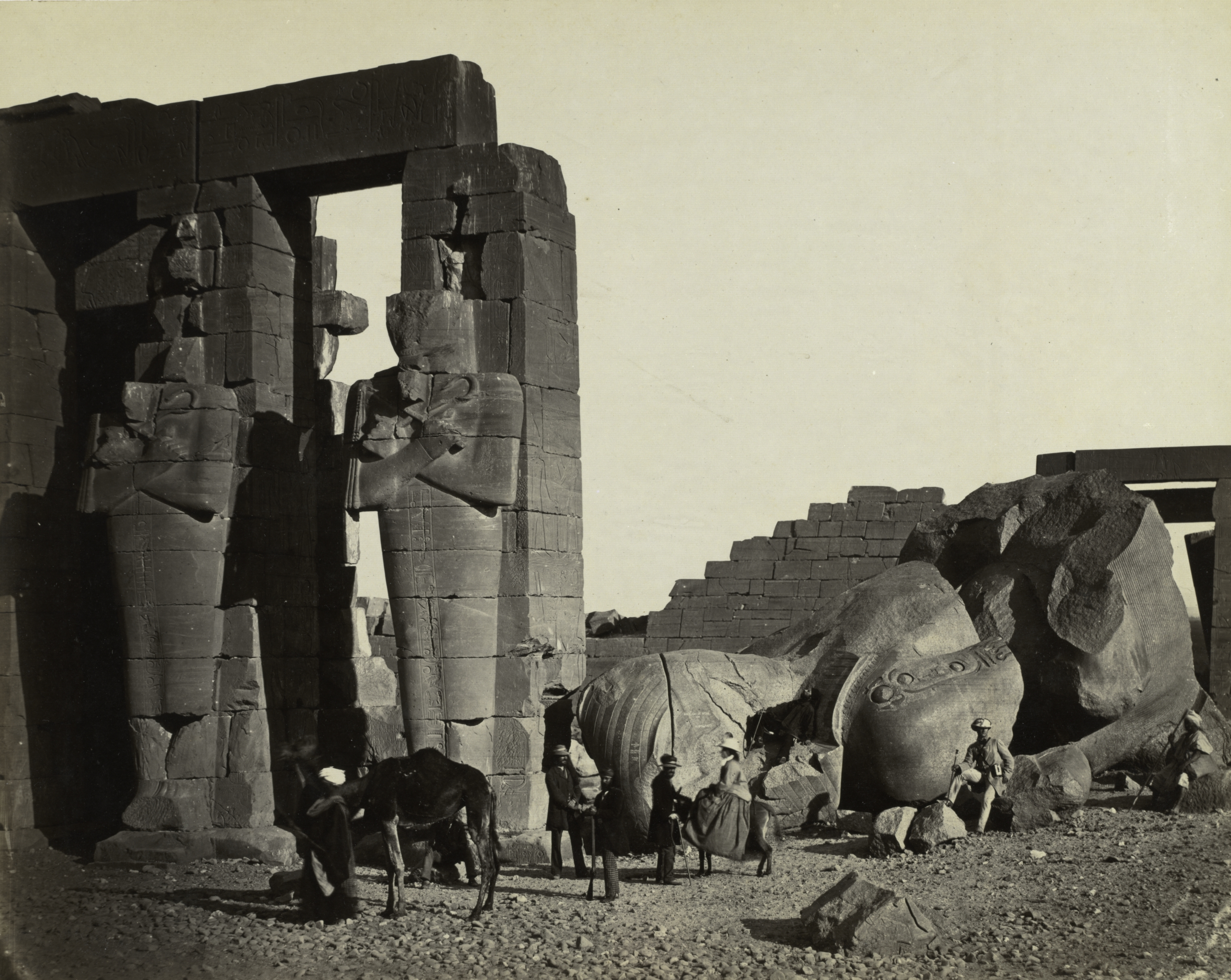

A friend recently told me about his weekly ritual with his wife: they try something new each week to inject novelty into their marriage. I found myself describing the opposite impulse—how my partner and I have been perfecting our routine, pursuing ever-greater precision in our daily rhythms. Same wake time, meals, exercise, dates, sleep. The more detailed our choreography becomes, the more satisfying it feels.
This conversation lingered because it illuminated something fundamental about artistic creation. Art represents humanity's attempt to construct perfectly replicating systems—static yet perpetual. Shakespeare's words remain essentially unchanged across centuries, despite shifting spellings and page numbers. Marble sculptures endure until entropy claims them. Painters dream of permanent gallery walls.
Consider Kant's legendary routine: the perpetual bachelor who never left Königsberg, whose daily walks were so precise that neighbors set their clocks by him. My own writing ritual follows similar principles—same room, same candles, same playlist, same coffee mug, same hour. The ritual of creation becomes its own artistic medium. We manufacture not just messages but the manufacturing process itself, seeking perpetuity through disciplined repetition.
Life imitates art in this hunger for perpetual systems. We pursue our version of the philosopher's stone—not gold transmutation, but perfectly efficient engines that run without friction, complex yet unchanging, achieving a kind of immortality.
The ghosts in Saunders' Bardo share this dream, yet they demonstrate its ultimate futility. Even the ghosts deteriorate under the weight of their own persistence. One ghost’s limbs dissolve; the tiny worms forming Willie’s carapace were once full-bodied spirits who refused release, clinging to their systems until they withered into fragments that barely remember the details of their suffering, but hold on to the fact of it.
Artists face this same paradox when constructing their creative engines. They establish rituals—the lit candle, the curated playlist, the designated workspace—designed to reliably summon inspiration. They sit, pour out ideas, process them, repeat. Yet these systems of creating systems are themselves mortal. Bodies require rest, minds need fresh inputs from books and nature and human contact. The artist's tragic hope remains that their created systems will outlast their creating systems, even as both inevitably decay.
I’m reminded of Shehan Karunatilaka's The Seven Moons of Maali Almeida, where the protagonist's ghost risks eternity to influence the living world. When Maali finally succeeds in exposing truth to the living, the revelation lands with devastating silence. No justice follows. The world continues unchanged. How much simpler it would have been for him to accept that he is a wave that has crashed upon the shore.
Our desire to affect others masks a deeper craving for perpetuity. We want to become mountains—unmoving monuments that inspire movement in others. We want to be like the mountains that inspire those that gaze upon us, monumental works of importance that, in our unmoving, move others. Change as I say, not as I do. I will stay back, finger pointing at you, directing the way I want the world to look and be.
And with that, I can’t rework this review anymore. I can just offer appreciation for you making it this far. Thank you! Since I finished this book, I’ve read Stephen Marche’s On Writing and Failure and Elif Batuman’s The Idiot. I’m currently reading Solenoid by Mircea Cărtărescu, and all three books are connected, and so that will be the focus of my next review. See you then!
Read the newsletter edition on Substack · Subscribe
Credits
- “Oak Hill Cemetery, Washington, D.C.”, by National Photo Company Collection, between 1918 and 1928, Library of Congress · Public domain · Source
- “Nave of the Igreja de São Francisco, Rio de Janeiro”, by Wilfredor, 2015 · CC0 1.0 · Source
- “Fallen Statue at the Ramesseum, Thebes”, by Francis Frith, 1857, The Cleveland Museum of Art · CC0 1.0 · Source
- “Abraham Lincoln, O-116”, by Alexander Gardner, 5 February 1865 · Public domain · Source
- “Willie and Tad Lincoln, sons of President Abraham Lincoln, with their cousin Lockwood Todd”, by Brady’s National Photographic Portrait Galleries, 1861, Library of Congress · Public domain · Source
- “Oak Hill Cemetery, Georgetown, stereoscopic view”, by Robert N. Dennis collection of stereoscopic views, New York Public Library, between 1865 and 1890 · Public domain · Source
- “Under the Wave off Kanagawa (Kanagawa oki nami ura), or The Great Wave, from the series Thirty-six Views of Mount Fuji”, by Katsushika Hokusai, about 1830 to 1832, The Metropolitan Museum of Art · CC0 1.0 · Source
- “The Tetons and the Snake River, Grand Teton National Park, Wyoming”, by Ansel Adams, 1942, National Archives · Public domain · Source

_-_Brady_LCCN2008680398.jpg)


