Hemingway’s The Old Man and the Sea — the meaning, and a horrible reading of it
2 min read
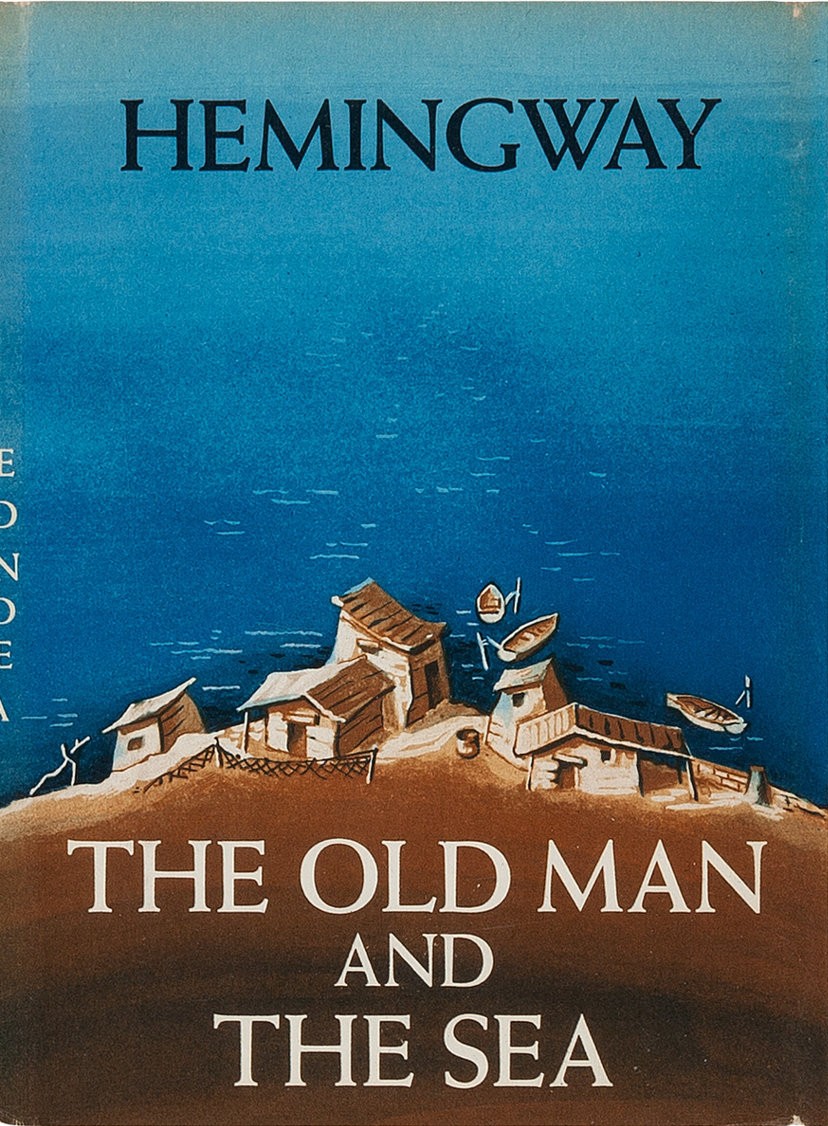
On The Old Man and the Sea by Ernest Hemingway (1952)
What is The Old Man and the Sea about? I read Ernest Hemingway’s novel, which ReadingRate scores 42 out of 100 for difficulty, as a story about the “if I were king of the world” approach: Santiago takes on a task he is ill-equipped for, turns down the boy’s help, and destroys himself and the economic engine he is in.
The book in numbers
- Words
- 26,694
- Difficulty
- 42 out of 100
- Literary regard
- 88 out of 100
- Days to read
- 2
- Rating
- 5 / 5
- Data as of
- 23 November 2026
From ReadingRate.
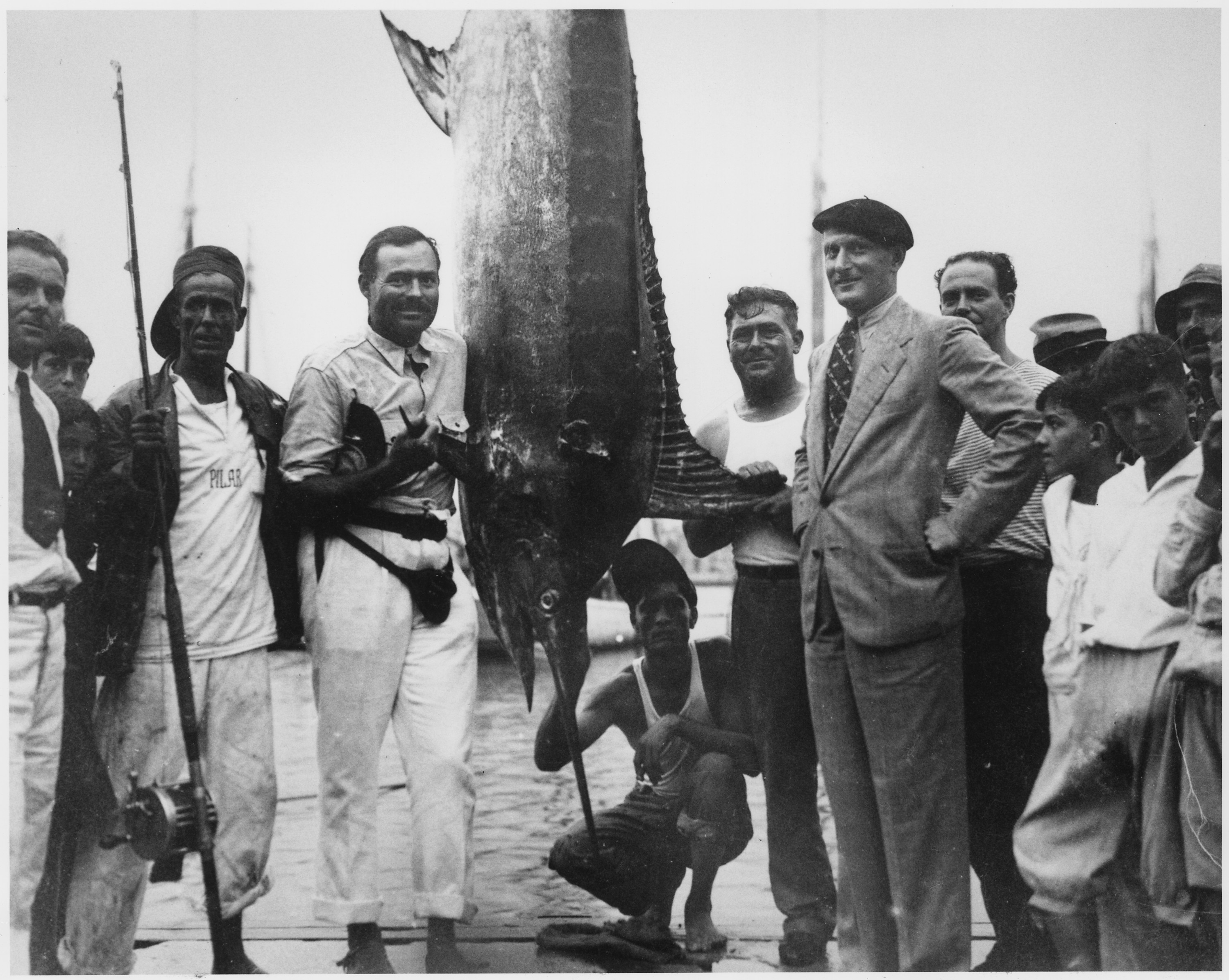
The Old Man and the Sea by Ernest Hemingway gives us one of the saddest, most touching depictions of what it feels like for a man to age. We were a lot more capable in our youth, but the older we get, the less we can do. And so this Old Man, Santiago, who hasn’t been able to catch a fish for 84 days, and who feels his luck has run out, goes all out to try to catch one more big fish. He goes further than he normally does, risks his life, and destroys himself and his boat to catch the fish, and comes back worse off than before.

Now that’s one way to read the book and now I’m going to give you a lot worse of a reading of it, and you’re probably not going to like it. Here goes: a major message in The Old Man and the Sea is not just to empathize with Santiago because he's poor and old, and giving it his best, as we root for the underdog, but also to recognize that a lot of people are not capable to take on the major tasks that they believe that they can. We like to believe in the power of the human spirit, and that’s our own arrogance.
Many people have an “if I were king of the world” approach to complexity, when some people say what a president should do, or what a CEO should do, or what Elon Musk should do, or what a country should do, they do so with a lot more optimism than actual capability. They do so without a full understanding of the system they believe they can fix, but just a small sliver of it. In The Old Man and the Sea, Santiago takes on a very big task that he's very ill-equipped for and just impossible to achieve on his own. It’s poorly planned. He didn’t take on any of the help that was offered by the boy, and focused more on his own arrogance and in proving his worth. And as a result, it both destroys him and the economic engine that he's in, as he’s not going to be able to fish anymore. If we listen to any of the kids in those Jubilee videos talking about how to change the system, they’d destroy the company, the economy, and the country.
You’re not smart enough to change the world by yourself. You’re not strong enough to take on major challenges on your own. Learn how to work with others, and stop imagining how things would change if you were king of the world.
Horrible reading of the book, isn’t it? Let me know what you think.
Now this isn’t to say that I support a contemporary feminist and misandrist reading of the text. Not like if this was the Old Woman and the Sea we’d have a much better message as a woman would handle it better through her performance of her traditional gendered value, which is just another version of “if I were queen of the world here’s how I’d fix everything!” That’s naive. I think Olga Tokarczuk’s “Drive Your Plow Over the Bones of the Dead” is a great response to The Old Man and the Sea, and almost a perfect companion piece, as it’s about an aging woman who’s losing her ability to meaningfully contribute to the world, who sees herself growing invisible, and tries to take on the system and just becomes incredibly harmful and fucks up her life and the lives of others as a result.
The video
Read the newsletter edition on Substack · Subscribe
Credits
- “The Old Man and the Sea (1952) dust jacket, first edition”, by Jacket design signed “A.”; imaged by Heritage Auctions · Public domain · Source
- “Ernest Hemingway and Others with Marlin, July 1934 (NAID 192675)”, by Unknown photographer; Ernest Hemingway Collection, John F. Kennedy Library · Public domain · Source
- “Sailing Chart No. 1002: Straits of Florida and Approaches, edition 11, 1948”, by US Coast and Geodetic Survey · Public domain · Source
- “Flour sack, “Belgian Relief Flour from Federal Milling Co. Lockport N.Y.””, by Federal Milling Co., Lockport, N.Y.; MAS Antwerp · CC0 · Source
