Hours at an average pace
Showing 34 books
About 139 hours for 34 of 34 books with measured lengths. Estimates use 250 words a minute, adjusted for each book's difficulty. At 2 hours a day, about 70 days for those books.
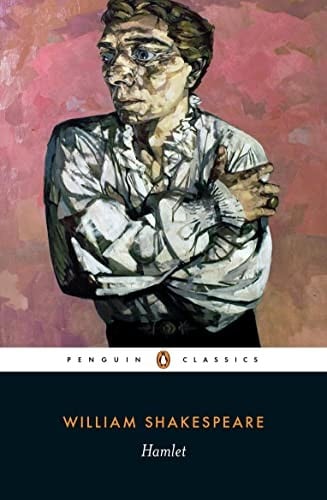
No. 1 on this list. Hamlet
William Shakespeare · 1601
Challenging3.1 hours
Taught in schools: Uzbek adabiyot curriculum (Uzbekistan)
Included in: Bokklubben World Library, Great Books of the Western World, UNESCO Collection of Representative Works
Shakespeare invented the modern soliloquy here: a mind watching itself think, stalling, doubting, performing. Every fictional character who hesitates before acting is Hamlet's descendant.
No. 2 on this list. King Lear
William Shakespeare · 1606
Difficult12 hours
Taught in schools: AQA GCSE and A-level English Literature (UK), WJEC/Eduqas GCSE and A-level English Literature (UK)
Included in: Bokklubben World Library, Great Books of the Western World, UNESCO Collection of Representative Works
King Lear appears on 2,254 university syllabi per Open Syllabus — placing it in the 84th percentile of all works — and has Wikipedia articles in 71 languages. It appears in virtually every anthology of English literature and every Shakespeare course worldwide. Most critics rank it alongside Hamlet as Shakespeare's greatest achievement; Harold Bloom called it the summit of the Western literary canon.
No. 3 on this list. Macbeth
William Shakespeare · 1606
Challenging1.4 hours
Taught in schools: WBCHSE English and Alternative English syllabuses (India)
Included in: Great Books of the Western World
Shakespeare compressed an entire arc of political ambition, guilt, and psychological disintegration into his shortest tragedy, giving English its most visceral portrait of how a single murderous act can unravel a mind. Lady Macbeth's sleepwalking and Macbeth's "tomorrow and tomorrow" soliloquy remain the benchmarks for dramatizing a conscience that cannot escape itself.
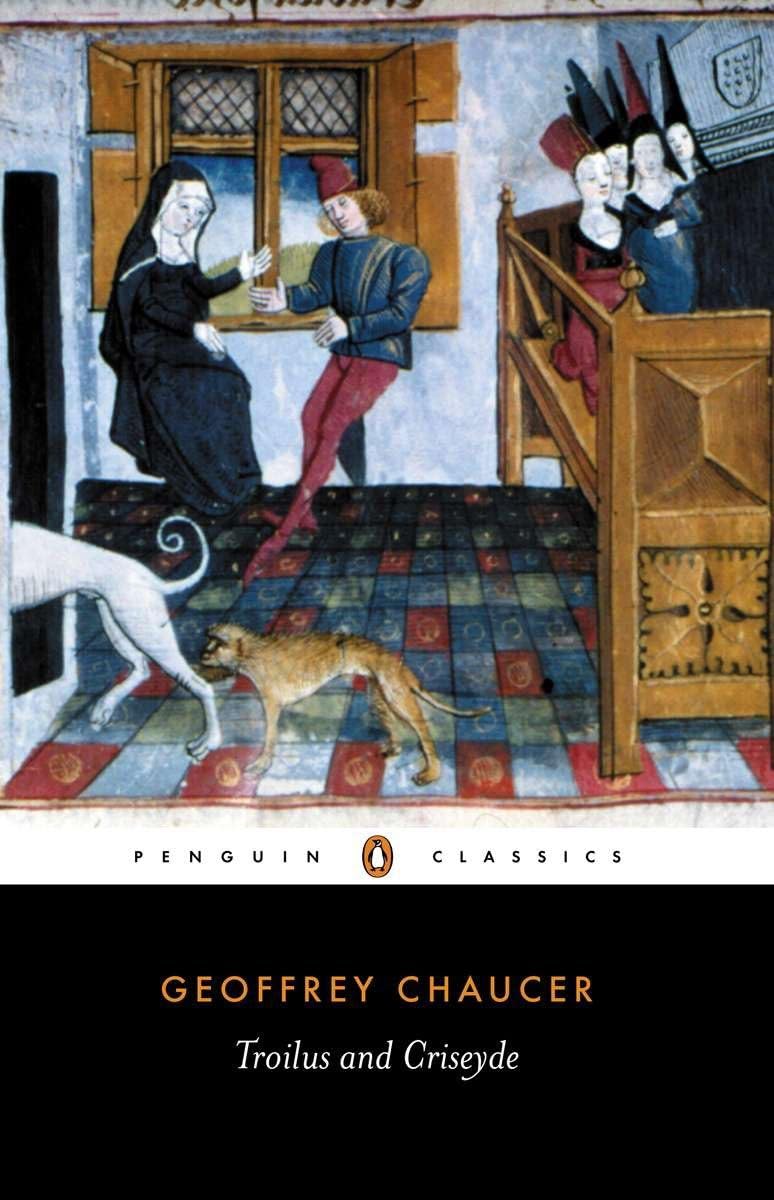
No. 4 on this list. Troilus and Criseyde
Geoffrey Chaucer · 1385
Difficult9.3 hours
Included in: Great Books of the Western World
Required reading in virtually every medieval English literature curriculum, taught across English, Comparative Literature, and Medieval Studies programs at universities worldwide. Though Open Syllabus data is unavailable here, Chaucer courses built around this text are standard at every major university with an English department. It holds a place among the most-studied long poems in the English language.
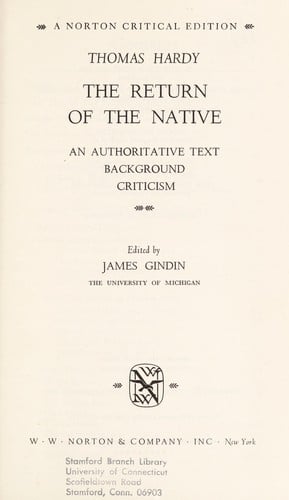
The Return of the Native stands as one of Hardy's major tragic novels and a cornerstone of Victorian fiction. Egdon Heath's status as literary landscape rivals any in English literature, and the novel appears consistently in academic curricula and critical studies of the Victorian novel.
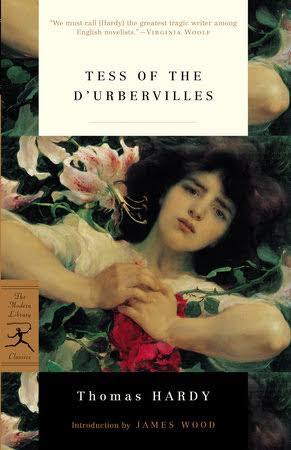
No. 6 on this list. Tess of the d'Urbervilles
Thomas Hardy · 1891
Challenging11 hours
Taught in schools: AQA GCSE and A-level English Literature (UK), Pearson Edexcel GCSE and A-level English Literature (UK)
Hardy built the most damning indictment of Victorian sexual morality around a woman whose "purity" the subtitle insists upon while every institution in the novel — church, law, family, class — conspires to destroy her for losing it. Tess Durbeyfield's fate demonstrated that the realist novel could prosecute an entire society's hypocrisy.
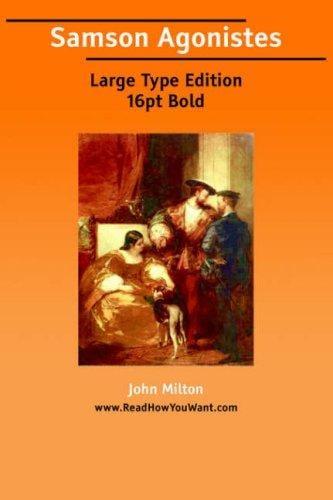
No. 7 on this list. Samson Agonistes
John Milton · 1671
Challenging1.1 hours
Included in: Great Books of the Western World
Samson Agonistes is required reading in virtually every English Renaissance and early modern literature course at the university level, paired with Paradise Lost and Paradise Regained as the triad of Milton's major late works. It appears on countless syllabi and is included in every major anthology of English literature. While less universally taught than Paradise Lost, it holds a firm place in the upper tier of the seventeenth-century canon.
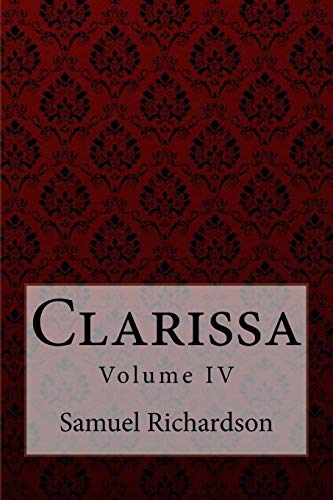
Clarissa is a founding text of the English novel, appearing on virtually every 18th-century literature syllabus and in English doctoral programs worldwide. It features on the Modern Library and TIME All-TIME 100 lists and is treated as essential reading alongside Tom Jones and Robinson Crusoe. While database signals show no recorded syllabus appearances, this reflects data gaps rather than the book's actual canonical position — it is among the most studied British novels of any century.
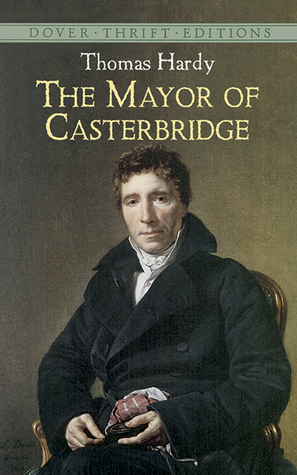
No. 9 on this list. The Mayor of Casterbridge
Thomas Hardy · 1886
Challenging11 hours
Taught in schools: Leaving Certificate English – NCCA / State Examinations Commission (Ireland), WJEC/Eduqas GCSE and A-level English Literature (UK)
The Mayor of Casterbridge stands as one of Hardy's major tragic novels, regularly taught in universities and included in canonical lists. While not quite achieving Tess of the d'Urbervilles' or Jude the Obscure's cultural prominence, it's recognized as essential Hardy and a definitive expression of Victorian tragic naturalism. The novel appears in Norton, Penguin, Oxford World's Classics editions and scholarly studies treat it as central to understanding nineteenth-century fiction's evolution toward modernism.
A fixture of English Renaissance drama syllabi and 'great books' surveys, taught as the essential counterpart to Shakespeare's tragedies in any survey of Elizabethan theater. No syllabus or Wikipedia data was available in this pass, but four centuries of continuous curricular presence place it well above genre or contemporary fiction.
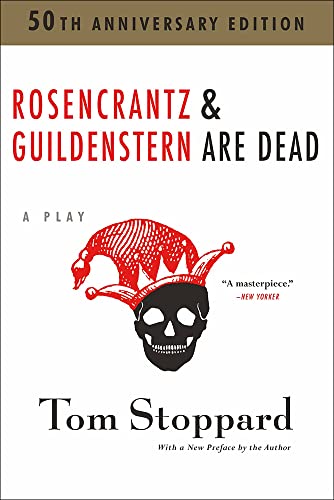
No. 11 on this list. Rosencrantz and Guildenstern Are Dead · Tom Stoppard · 1966
Rosencrantz and Guildenstern Are Dead is a fixture of university theater and English literature curricula, appearing consistently on drama syllabi across English-speaking universities. It is widely taught alongside Waiting for Godot as a key postmodern, absurdist text. Its Wikipedia article exists in dozens of languages and includes dedicated reception and adaptations sections, and a 1990 film adaptation by Stoppard himself extended its cultural reach.
Difficult3 hours
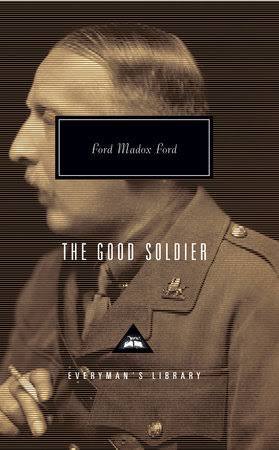
Start this bookNo. 12 on this list. The Good Soldier · Ford Madox Ford · 1915
Appears on 473 university syllabi (67th percentile in Open Syllabus), placing it firmly in the modernist teaching canon alongside Conrad and early Lawrence. Listed on the Modern Library 100 Best Novels. A standard text in courses on British modernism and narrative technique, though less universally assigned than Woolf or Joyce.
Challenging7 hours
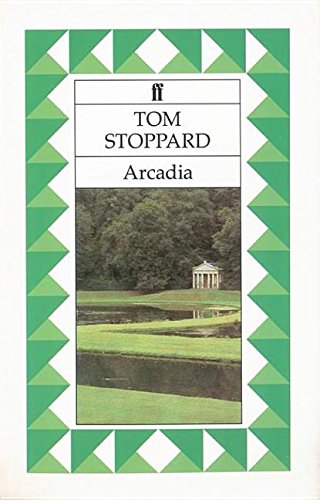
Read nowNo. 13 on this list. Arcadia · Tom Stoppard · 1993
Arcadia is widely regarded as one of the finest English-language plays of the twentieth century and appears on drama syllabi at most anglophone universities. The play lacks the database signals (no syllabus count, no Wikipedia data retrieved), but from general knowledge it is a fixture of British drama courses and has been continuously staged in London and New York since its 1993 premiere. It ranks below Hamlet or Waiting for Godot in canonical weight but above most contemporary drama.
Difficult5.7 hours
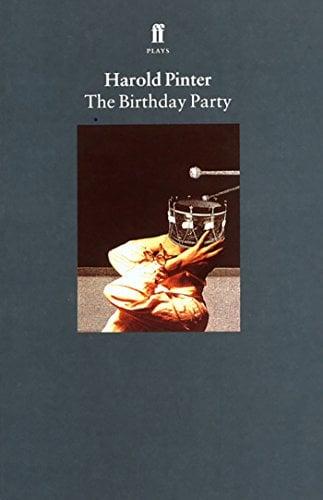
Start this bookNo. 14 on this list. The Birthday Party · Harold Pinter · 1957
Stanley Webber, a disheveled lodger in his thirties, lives in Meg and Petey Boles's decaying seaside boarding house, where he evades questions about his past as a concert pianist. His stagnant existence shatters when two strangers arrive: Goldberg, a voluble Jewish gangster who speaks in cliches and reminiscences, and McCann, his taciturn Irish accomplice. They announce they've come to attend Stanley's birthday party, though Stanley insists it isn't his birthday. That evening, Meg throws the party with forced gaiety. During a game of blind man's bluff, Stanley—blindfolded—attacks Meg and attempts to strangle her, then assaults Lola, a neighbor. Goldberg and McCann subject him to a nightmarish interrogation of contradictory accusations without coherent charges. By morning, Stanley sits catatonic, dressed in a funeral suit and striped trousers, his glasses broken. The men lead him away to an unnamed destination for unspecified 'treatment,' leaving Meg to prattle obliviously about what a 'lovely' party it was. The play never reveals who the men represent, what Stanley did, or what will happen to him.
Challenging1.5 hours
Start this bookNo. 15 on this list. Blasted · Sarah Kane · 1995
Now recognized as one of the most important British plays of the late twentieth century. A landmark of in-yer-face theater and a standard text in contemporary drama courses.
Moderate46 min
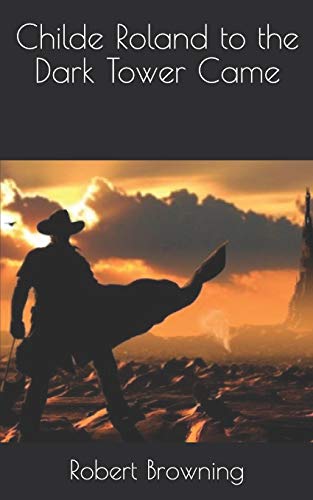
Start this bookNo. 16 on this list. Childe Roland to the Dark Tower Came · Robert Browning · 1855
A fixture of Victorian poetry surveys and Browning units in university curricula, regularly anthologized in collections like the Norton Anthology of English Literature. No syllabus or Wikipedia data was returned by the database for this work, so this score rests on its well-documented standing as one of Browning's most consistently taught single poems, short of universal fixtures like Hamlet or Gatsby.
Challenging11 min
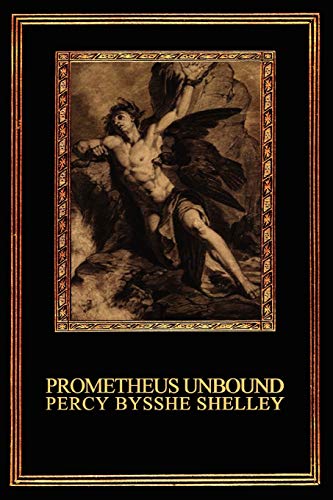
Start this bookNo. 17 on this list. Prometheus Unbound · Percy Bysshe Shelley · 1820
Taught widely in Romanticism survey and graduate courses as Shelley's most ambitious work, though its length and difficulty keep it less anthologized in full than his shorter lyrics like 'Ozymandias' or 'Ode to the West Wind.'
Challenging2.1 hours
Start this bookNo. 18 on this list. 4.48 Psychosis · Sarah Kane · 2000
Recognized as one of the most important plays of the late twentieth century and Kane's masterpiece. Widely performed, translated, and studied internationally.
Challenging22 min
Start this bookNo. 19 on this list. A Number · Caryl Churchill · 2002
One of Churchill's most frequently performed plays and a standard text in contemporary drama courses. Widely recognized as a landmark of twenty-first-century theater.
Difficult58 min
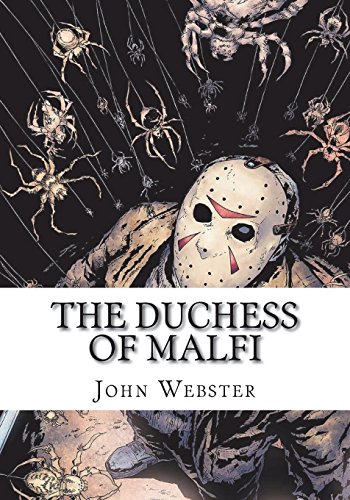
Start this bookNo. 20 on this list. The Duchess of Malfi · John Webster · 1614
Taught in schools: WJEC/Eduqas GCSE and A-level English Literature (UK)
Standard text in Renaissance and Jacobean drama survey courses and a fixture of English-literature anthologies, second in the period's tragic canon only to Shakespeare. Regularly revived by companies like the RSC and National Theatre, and adapted for BBC television and opera.
Challenging1.9 hours
Start this book
No. 21 on this list. Volpone · Ben Jonson · 1606
Volpone is a fixture of Renaissance drama anthologies and early modern survey courses, though no syllabus or Wikipedia data was returned for this work in our dataset. It remains one of the two or three Jonson plays routinely taught alongside The Alchemist, sitting below Beloved's Nobel-author canonicity (85) and above genre-studies-only works.
Moderate1.8 hours
Start this bookNo. 22 on this list. The Alchemist · Ben Jonson · 1610
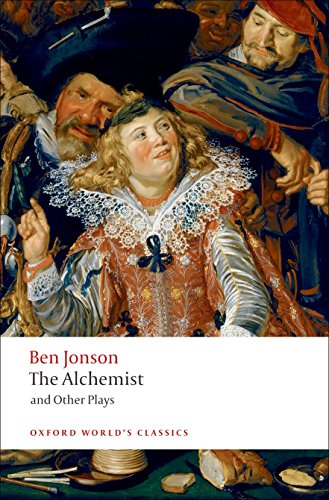
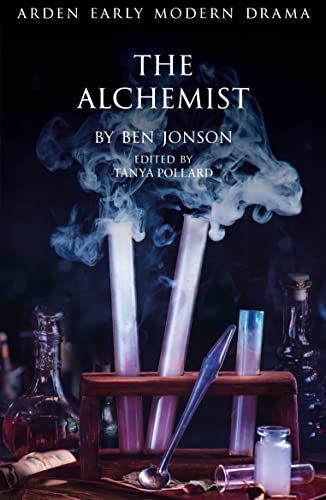
The Alchemist is a fixture of Renaissance and Jacobean drama syllabi and is routinely read alongside Volpone as Jonson's other major achievement, though it never reached Shakespeare-level ubiquity in general education. No syllabus or Wikipedia data was returned for this record, so this score rests on its established place in university early-modern drama curricula.
Challenging1.9 hours
Start this bookNo. 23 on this list. The Jew of Malta · Christopher Marlowe · 1590
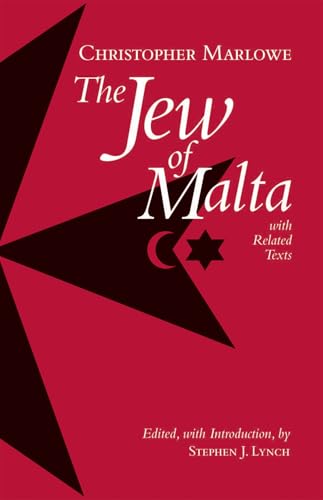
No syllabus or Wikipedia-language data was returned in our database for this work, but The Jew of Malta is a fixture of Renaissance drama survey courses and is taught constantly alongside The Merchant of Venice in comparative units on Elizabethan representations of Jewish characters. It is canonical within early modern drama and Shakespeare-adjacent studies rather than a cross-disciplinary fixture like Hamlet or Gatsby.
Moderate1.8 hours
Start this bookNo. 24 on this list. The Beggar's Opera · John Gay · 1728
A fixture of 18th-century English literature and theatre-history survey courses and standard anthology piece (Norton Anthology of English Literature), though less universally assigned than Shakespeare or the Victorian novel canon. No syllabus or Wikipedia signal data was available for this work, so this score rests on established literary-historical consensus.
Moderate1.4 hours
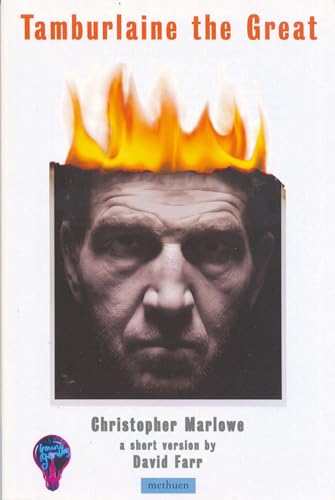
Start this bookNo. 25 on this list. Tamburlaine the Great · Christopher Marlowe · 1587
No syllabus or Wikipedia-language data was returned for this work in our database, but Tamburlaine is a staple of Renaissance drama survey courses and anthologies of early modern theatre alongside Doctor Faustus. It is canonical within its period and field rather than a broad, cross-disciplinary fixture like Gatsby or Hamlet.
Moderate3.5 hours
Start this bookNo. 26 on this list. Comus · John Milton · 1634
Included in: Great Books of the Western World
Comus appears regularly in university surveys of seventeenth-century English literature and dedicated Milton courses, but it is a secondary fixture compared to Paradise Lost — no syllabus or Wikipedia-language data was available in ReadingRate's database to benchmark further.
Moderate33 min
Start this bookNo. 27 on this list. Escaped Alone · Caryl Churchill · 2016
Quickly recognized as a major late work by one of the most important living dramatists. Regularly revived and widely taught in contemporary drama courses.
Moderate25 min
Start this bookNo. 28 on this list. Love and Information · Caryl Churchill · 2012
Already established as one of Churchill's major works and widely studied in drama programs. Its innovative structure has made it a frequent subject of academic analysis.
Challenging53 min
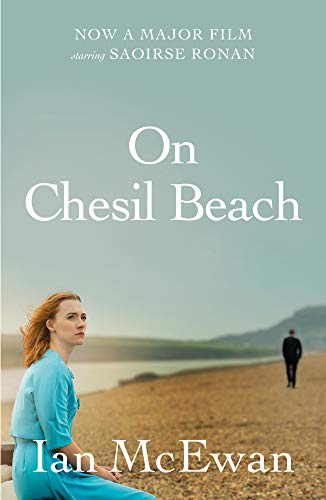
Start this bookNo. 29 on this list. On Chesil Beach · Ian McEwan · 2007
On Chesil Beach has established itself as one of McEwan's most celebrated works and a significant contribution to the contemporary British novella form. It was shortlisted for the Booker Prize and is widely taught in universities. Its reputation continues to grow as a masterful study of English emotional repression.
Moderate3.1 hours
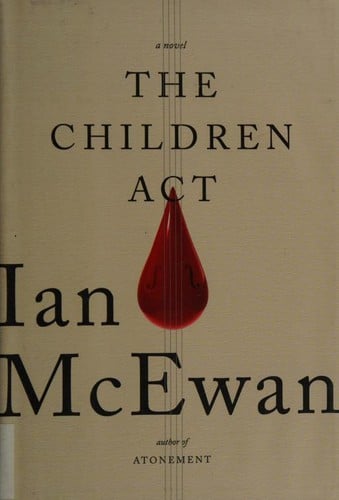
Start this bookNo. 30 on this list. The Children Act · Ian McEwan · 2014
The Children Act (2014) has not achieved the canonical status of McEwan's earlier novels — Atonement and Enduring Love appear far more frequently on university syllabi. No syllabus data or Wikipedia presence was found in the database for this specific work. It is taught selectively in law and literature courses due to its legal subject matter, but has not entered the standard British fiction curriculum.
Moderate3.5 hours
Start this book
About this list
These 34 books are the highest-scoring eligible plays from Britain currently in the catalogue. By literary regard, it opens with Hamlet, King Lear and Macbeth. About 139 hours of reading in all. Difficulty runs from 52 to 62 out of 100 for the middle half of the list; the summit is Troilus and Criseyde at 79.
This list is ranked by literary regard, with a consistent order for equal scores. Membership follows authors and co-authors, not translators or editors. Catalogue coverage and the historical canon both limit what this list can represent, and genre labels are the catalogue’s own, gathered into broader kinds.
When we matched the Canons dataset to our catalogue in October 2026, our canonical-status scores rose with the number of school curricula, publisher series and lists in it that cite a work: the median score was 72 for books one such source cites, 84 at two, 88 at three, 92 at four and 93 at five or more. Prizes are left out of that count. Outside the state curricula, the dataset’s sources choose mostly from what has been translated into English or French, so it is a weaker check on other literatures. Source: Canons (Andrew Piper), CC BY 4.0
Questions people actually ask
- What are the best plays from Britain?
- By literary regard, which weighs canonical status, critical standing and influence, Hamlet, King Lear, Macbeth, Troilus and Criseyde and The Return of the Native lead. ReadingRate ranks 34 such books, each with a difficulty score and a reading-time estimate.
- Where should I start with plays from Britain?
- Start from difficulty, not from rank. The most approachable books on this list that still carry top literary regard are Doctor Faustus by Christopher Marlowe (about 1.5 hours), The Mayor of Casterbridge by Thomas Hardy and Tess of the d'Urbervilles by Thomas Hardy.
- How hard are plays from Britain to read?
- Most of this list sits between 52 and 62 on ReadingRate's 100-point difficulty scale, where 40 to 55 is moderate. The summit is Troilus and Criseyde at 79. Every entry carries its own score, so a reader can pick a great book at a difficulty they will finish.
- How is this list ranked?
- On literary-regard data: how canonically established a work is, its critical standing, and its influence on later writing. It is not a readers’ poll, which is why recent bestsellers rarely appear. Membership follows authors and co-authors, not translators or editors. A list that is not a genre list keeps to literature (fiction, poetry, drama and philosophy), with philosophy taking no more than one slot in five while there is literature left to rank; every list holds at most three works by one author.