Hours at an average pace
Showing 38 books
About 522 hours for 38 of 38 books with measured lengths. Estimates use 250 words a minute, adjusted for each book's difficulty. At 2 hours a day, about 261 days for those books.
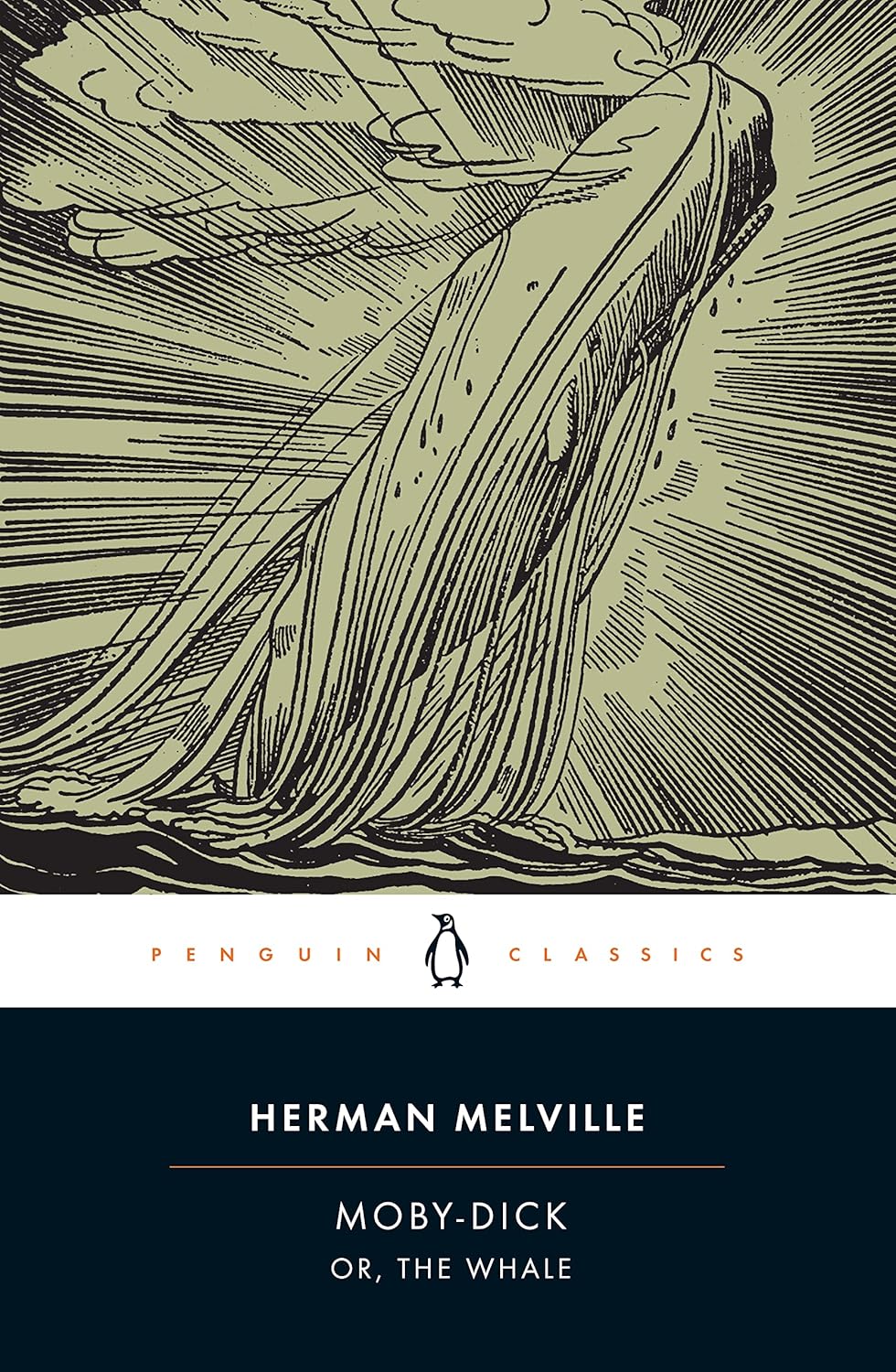
No. 1 on this list. Moby-Dick
Herman Melville · 1851
Difficult26 hours
Included in: Bokklubben World Library, Great Books of the Western World
Melville poured cetology, Shakespearean soliloquy, sermon, sea shanty, and metaphysical dread into one whaling voyage, creating a book that operates simultaneously as adventure novel, encyclopedia, and prose poem about obsession. Nothing in American literature before or since has this range of register in a single work.
No. 2 on this list. Crime and Punishment
Fyodor Dostoevsky · 1866
Difficult24 hours
Taught in schools: Common Core text exemplars (Appendix B) (US), Lektury obowiązkowe – Polish national reading list (Poland), Lithuanian literature curriculum (lietuvių kalba ir literatūra)
Included in: Bokklubben World Library
Crime and Punishment is required reading in virtually every world literature curriculum and Russian literature course. It appears on 711 university syllabi (Open Syllabus) and is available in 82 Wikipedia languages, placing it among the most globally recognized novels ever written. It consistently appears on canonical 'greatest novels' lists, including TIME's All-TIME 100 Novels.
Appears on 986 university syllabi according to the Open Syllabus Project, placing it in the top tier of world literature taught in higher education. Wikipedia articles exist in 63 languages with dedicated Reception and Adaptations sections, confirming its status as a global canonical text. Listed on the Open Syllabus Top 500 Literature and 1001 Books You Must Read Before You Die.
No. 4 on this list. Heart of Darkness
Joseph Conrad · 1899
Challenging4 hours
Taught in schools: Pacific Senior Secondary Certificate – English, Pearson Edexcel GCSE and A-level English Literature (UK)
Included in: Great Books of the Western World
Appears on 5,515 university syllabi according to Open Syllabus (93.5th percentile), placing it above The Great Gatsby in teaching frequency. Listed on the Modern Library 100 Best Novels (1998) and consistently featured on 'essential reading' lists. Wikipedia articles exist in 49 languages, reflecting global canonical reach.
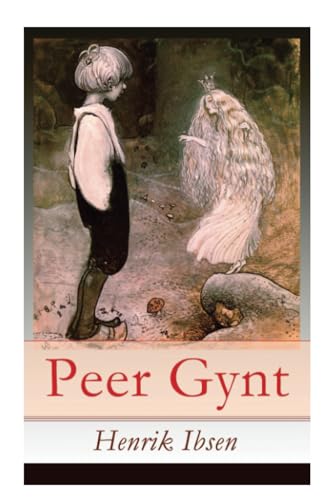
Peer Gynt is a cornerstone of the Scandinavian theatrical canon and is regularly staged worldwide, from the National Theatre to major European opera houses. Edvard Grieg's 1876 incidental music gave the work cultural reach extending far beyond theatre audiences. It appears on world drama syllabi internationally and is central to any survey of 19th-century European literature.
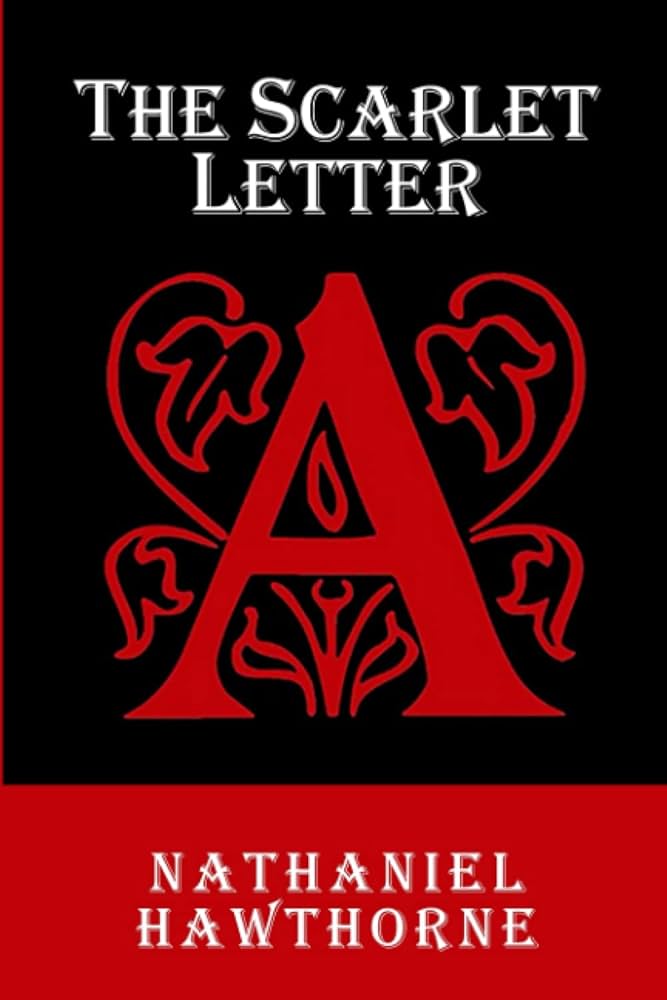
No. 6 on this list. The Scarlet Letter
Nathaniel Hawthorne · 1850
Difficult9.4 hours
Taught in schools: Common Core text exemplars (Appendix B) (US), CSEC English B – Caribbean Examinations Council
Appears on 1,893 university syllabi (Open Syllabus, 81.9th percentile), a fixture of American literature courses and AP high school curricula across the United States. Wikipedia articles exist in 38 languages, and the work has continuous presence in American literary education since its 1850 publication.
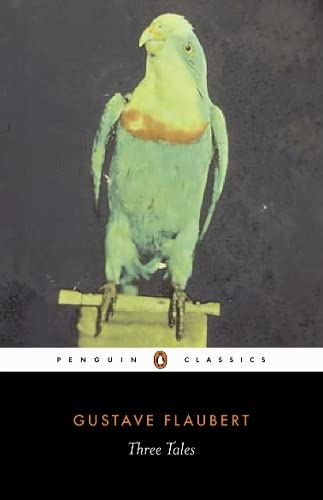
"A Simple Heart" is one of the most anthologized short stories in world literature and appears across university syllabi in French literature and world literature courses. The collection as a whole is standard reading in 19th-century realism curricula globally. No scraped syllabus data was returned, but the collection's presence in major anthologies and its continuous critical attention over 140 years place it firmly in the high-canonical range.
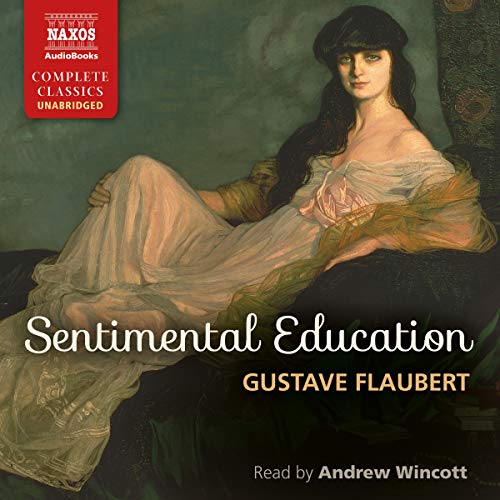
No. 8 on this list. Sentimental Education
Gustave Flaubert · 1869
Challenging18 hours
Included in: Bokklubben World Library
Wikipedia article available in 27 languages with dedicated reception and adaptations sections, indicating sustained global readership. Taught in French literature and comparative literature courses at universities worldwide, though less universally assigned than Madame Bovary.
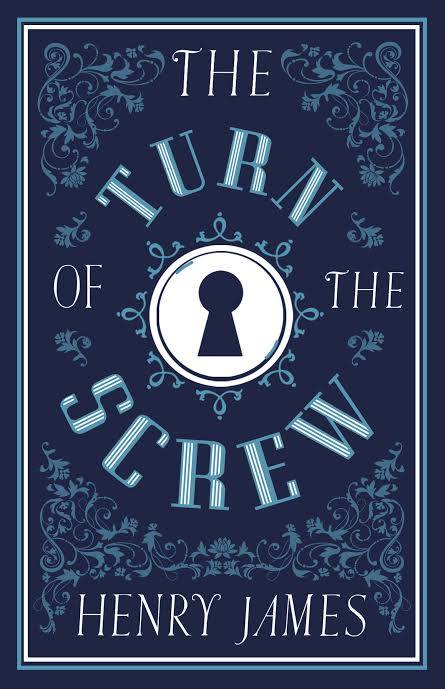
No. 9 on this list. The Turn of the Screw
Henry James · 1898
Difficult5.5 hours
Taught in schools: CSEC English B – Caribbean Examinations Council
Essential Gothic literature and James studies text; widely taught in ghost story, Victorian, and modernist courses; definitive example of narrative ambiguity and unreliable narration.
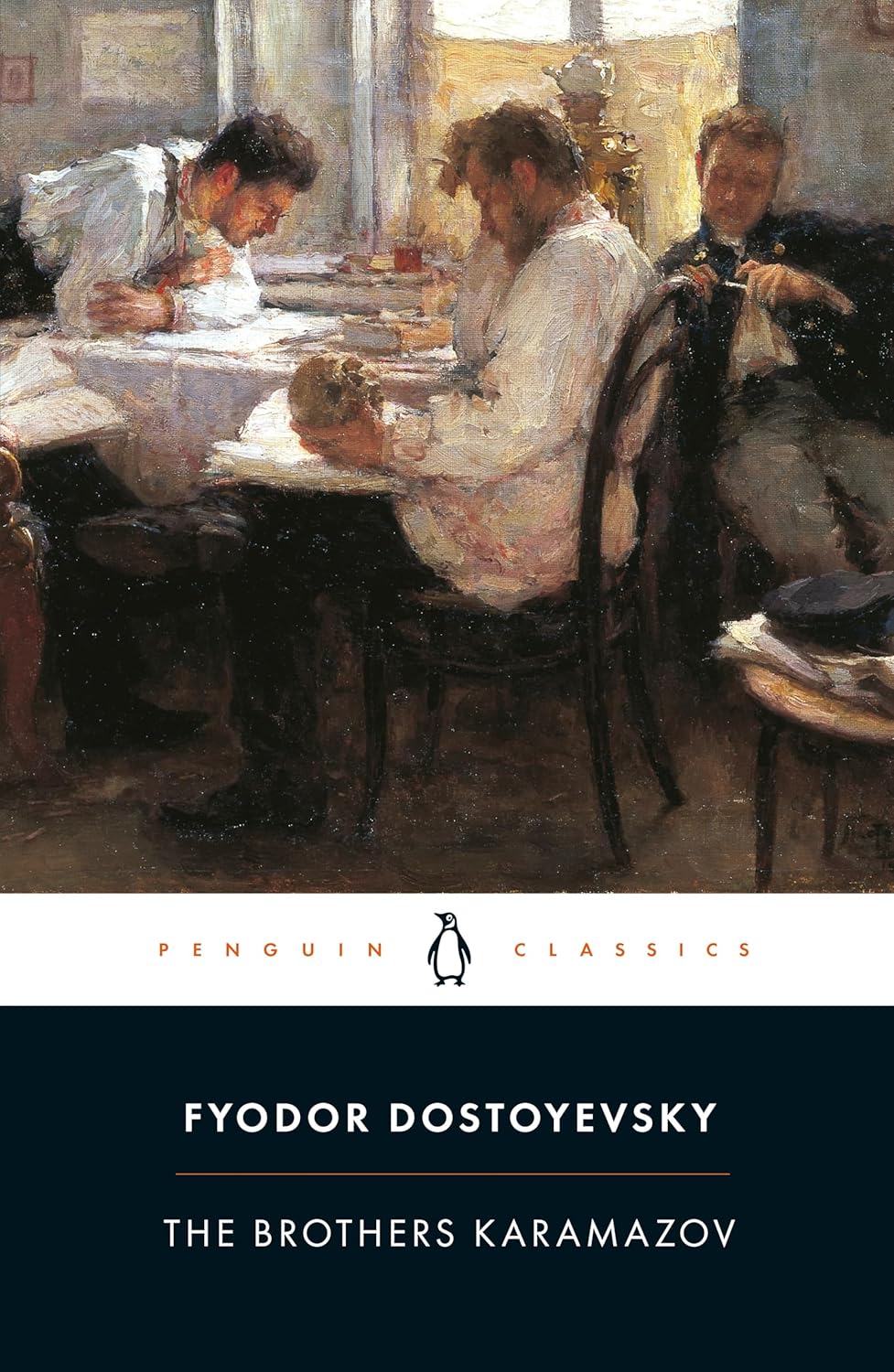
No. 10 on this list. The Brothers Karamazov
Fyodor Dostoevsky · 1880
Challenging35 hours
Included in: Bokklubben World Library, Great Books of the Western World
Dostoevsky staged the question of whether God's existence can be reconciled with the suffering of children as a family drama among four brothers, each embodying a different answer. The Grand Inquisitor chapter alone would secure its place; the rest of the novel makes it the most intellectually ambitious work of fiction ever completed.
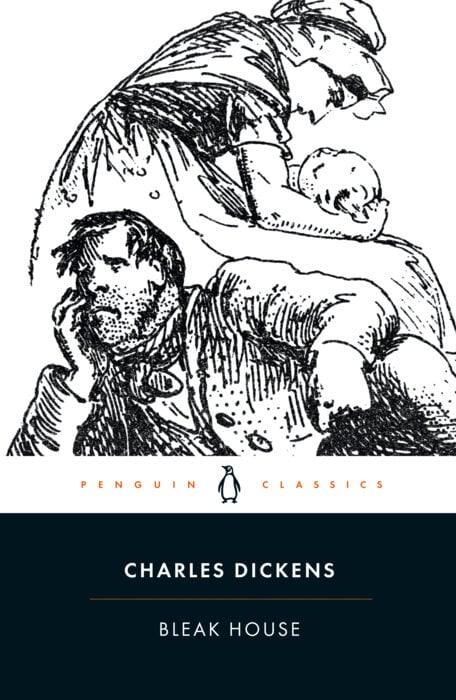
No. 11 on this list. Bleak House · Charles Dickens · 1853
Central Victorian novel in English literature curricula; essential Dickens alongside Great Expectations; studied as peak of his social criticism and narrative ambition.
Challenging34 hours
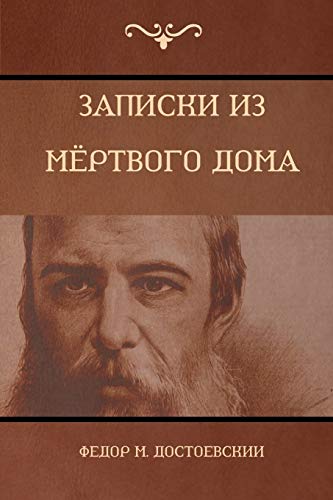
Read nowNo. 12 on this list. The House of the Dead · Fyodor Dostoevsky · 1862
Fyodor Dostoevsky spent four years in a Siberian prison camp after the tsar commuted his death sentence at the last moment. He came out a different writer. The House of the Dead channels that experience through Alexander Petrovich Goryanchikov, a nobleman convicted of murdering his wife, who records the daily life of the katorga — the forced labor camp — with the precision of a naturalist and the unease of someone who cannot stop looking. The other prisoners steal, scheme, perform folk plays, and occasionally show flashes of unexpected grace. Goryanchikov watches all of it without rendering verdicts. The book does not explain what prison does to men; it shows men inside prison, and lets the accumulated detail do the work. Dostoevsky writes with a clinical restraint unusual for him — no murder plots, no philosophical speeches, no epileptic crises. What remains is a documentary of degradation that refuses to moralize, which is exactly what makes the moral weight so heavy. Readers expecting Dostoevsky's trademark feverish psychology will find something quieter here: a sustained act of witness.
Challenging13 hours
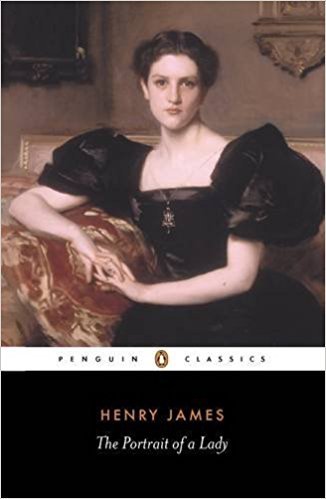
Read nowNo. 13 on this list. The Portrait of a Lady · Henry James · 1881
Appears on 26 university syllabi per Open Syllabus (35th percentile), placing it as a canonical text in American and Victorian literature courses rather than a universally assigned one. With Wikipedia coverage in 22 languages and an adaptations section, the novel holds a recognized place in global literary culture. It anchors most serious treatments of the nineteenth-century psychological novel.
Difficult25 hours
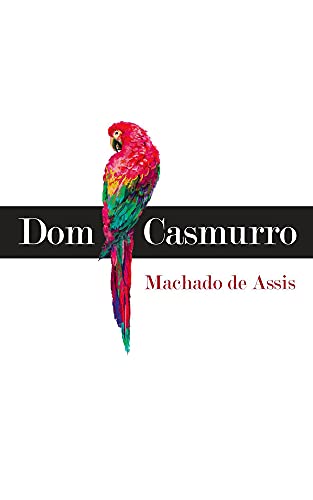
Read nowNo. 14 on this list. Dom Casmurro · Machado de Assis · 1899
Taught in schools: FUVEST leituras obrigatórias (USP vestibular) (Brazil)
Bentinho grows up next door to Capitu in 1850s Rio de Janeiro, separated from her only by a wall and his mother's vow to make him a priest. He becomes Dom Casmurro — the stubborn recluse — and narrates his life from old age: the childhood infatuation, the years at seminary, the marriage, the friendship with Escobar, and the suspicion that eventually destroys everything. Capitu's eyes — described early on as 'the eyes of the undertow,' oblique and restless — fix themselves in the reader's mind and never quite let go. Machado de Assis structures the entire novel around what the narrator refuses to see clearly: Bento's account of his wife's betrayal reads equally as the self-portrait of a man who destroyed his marriage through jealousy. The 148 short chapters move fast, packed with digressions about opera, Roman history, and Shakespeare — the narrator is endlessly distracting himself from what he cannot face. Whether Capitu was guilty is the wrong question; the right one is why Bento needs her to be. Published in 1899, this is one of the first and still one of the finest unreliable narrator novels in any language, and the question it refuses to answer has occupied Brazilian readers for over a century.
Difficult9.5 hours
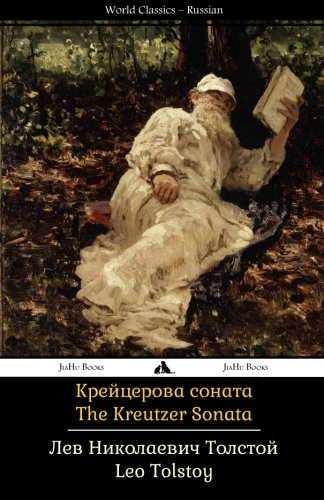
Start this bookNo. 15 on this list. The Kreutzer Sonata · Leo Tolstoy · 1889
The Kreutzer Sonata holds a firm place in university curricula for Russian literature, world literature, and gender studies courses. While less taught than Anna Karenina or War and Peace, it appears consistently as required reading in Tolstoy surveys and 19th-century European fiction courses. Its inclusion in countless 'essential Tolstoy' and world literature reading lists reflects its canonical standing.
Difficult7.5 hours
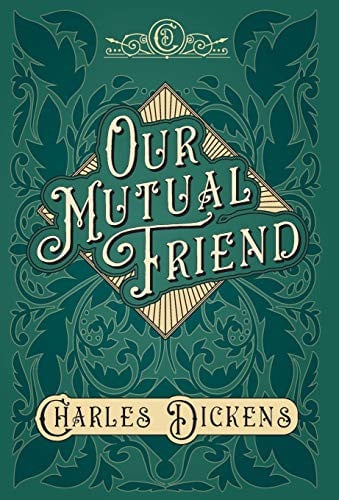
Read nowNo. 16 on this list. Our Mutual Friend · Charles Dickens · 1865
Our Mutual Friend is a fixture of Victorian literature courses at universities worldwide, typically assigned alongside Great Expectations and Bleak House in advanced English studies. Wikipedia articles for the novel exist in dozens of languages, reflecting its global canonical standing. It consistently appears on critics' lists of Dickens's greatest works and in syllabi covering 19th-century social fiction.
Difficult35 hours
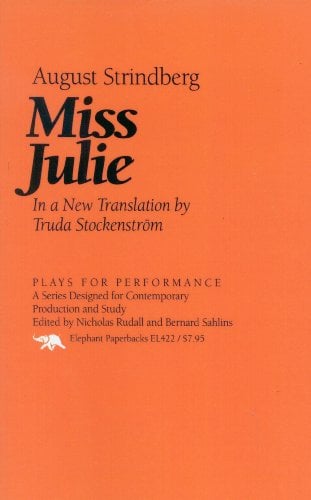
Read nowNo. 17 on this list. Miss Julie · August Strindberg · 1888
Miss Julie is required reading in virtually every drama curriculum globally and taught widely in comparative literature and theatre history courses. It is one of a handful of nineteenth-century plays — alongside works by Ibsen and Chekhov — that appear on nearly every list of essential modern drama. No syllabus data was available in the database, but its presence in world theatre canons is unambiguous.
Challenging2 hours
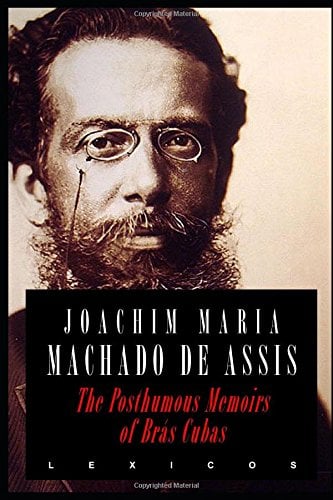
Start this bookNo. 18 on this list. The Posthumous Memoirs of Brás Cubas · Machado de Assis · 1881
Widely taught in Latin American literature courses at universities across the Americas and Europe, Memórias Póstumas is the foundational text of Brazilian literary realism and a required landmark in any serious survey of world fiction. Although its Wikipedia presence is strong across dozens of languages, it remains less universally assigned than García Márquez or Borges in Anglophone syllabi, placing it below the 85-percentile canonical tier while well above the midpoint.
Difficult8.5 hours
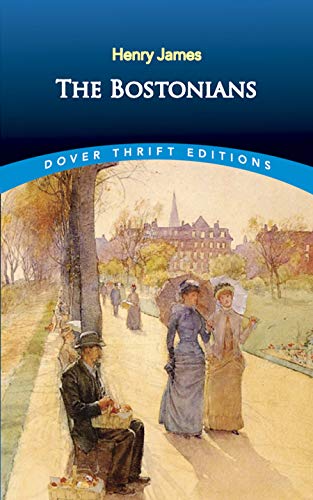
Start this bookNo. 19 on this list. The Bostonians · Henry James · 1886
No syllabus or Wikipedia data was returned by automated signals, but 'The Bostonians' appears in virtually every American literature survey course at the university level and is consistently included on canonical lists of 19th-century American fiction. It is studied widely in courses on gender, American realism, and late Victorian culture, placing it solidly in the upper tier of taught texts — below James's most famous works like 'The Portrait of a Lady' but well above minor or specialist titles.
Challenging17 hours
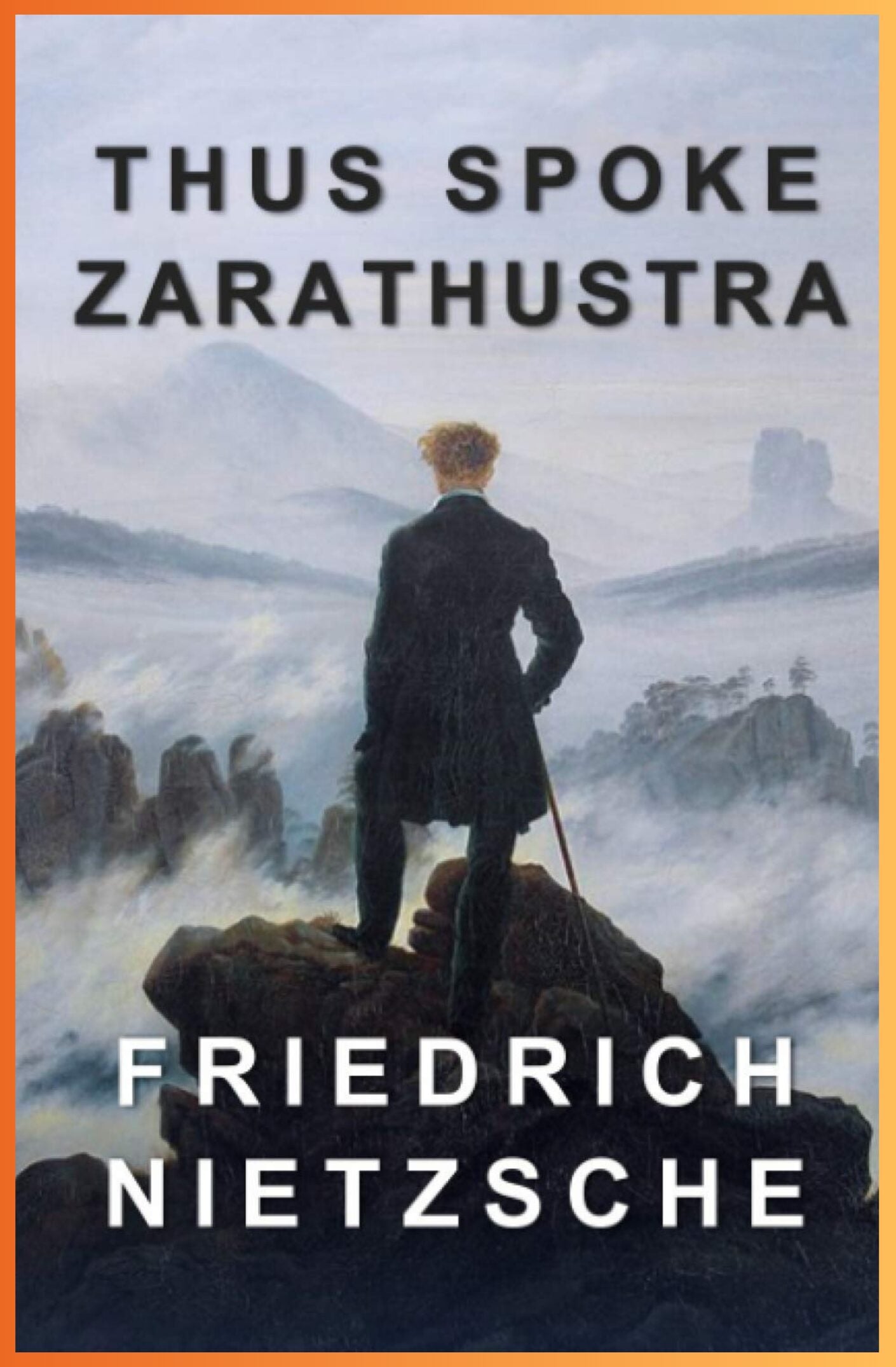
Start this bookNo. 20 on this list. Thus Spoke Zarathustra · Friedrich Nietzsche · 1885
Major philosophical and literary text; influenced twentieth-century thought.
Challenging12 hours
Start this book
No. 21 on this list. The Moonstone · Wilkie Collins · 1868
Taught in schools: AQA GCSE and A-level English Literature (UK), Pearson Edexcel GCSE and A-level English Literature (UK)
T.S. Eliot called it 'the first, the longest, and the best of modern English detective novels,' and it has anchored Victorian literature courses at universities worldwide for over a century. The Moonstone appears routinely on syllabi covering sensation fiction, the origins of detective fiction, and 19th-century narrative experiment. Its Wikipedia article spans more than 50 language editions, reflecting its standing as a genuine cornerstone of English literary history.
Challenging18 hours
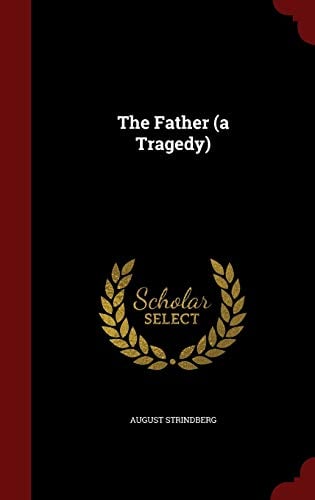
Read nowNo. 22 on this list. The Father · August Strindberg · 1887
No syllabus or Wikipedia data was returned by automated signals, but 'The Father' is widely anthologized in world drama collections and taught in comparative literature and theatre history courses alongside Ibsen. It is one of Strindberg's two most canonical plays, a fixture of naturalist drama curricula internationally.
Challenging4.1 hours
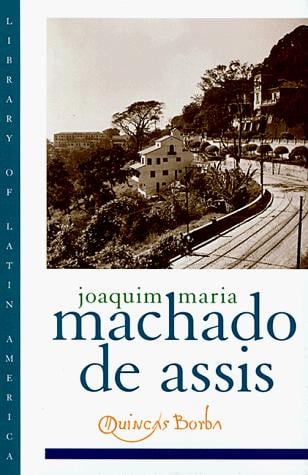
Start this bookNo. 23 on this list. Quincas Borba · Machado de Assis · 1891
Included in: Biblioteca Ayacucho, UNESCO Collection of Representative Works
Quincas Borba is part of Machado de Assis's mature trilogy alongside Dom Casmurro and The Posthumous Memoirs of Brás Cubas, and is taught widely in Latin American literature courses at the university level. Published in the prestigious Oxford Library of Latin America series with a scholarly introduction. Less visible in English-language syllabi than Dom Casmurro but firmly canonical in world literature contexts.
Challenging9.3 hours
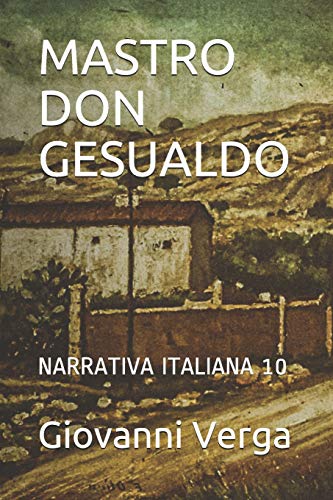
Start this bookNo. 24 on this list. Mastro-don Gesualdo · Giovanni Verga · 1889
Included in: UNESCO Collection of Representative Works
Mastro-don Gesualdo is a cornerstone of the Italian literary canon, required reading in Italian literature and European realism curricula worldwide. No syllabus data was available from the database, but the novel's place in comparative literature courses alongside Zola and Flaubert is firmly established in academic tradition.
Difficult12 hours
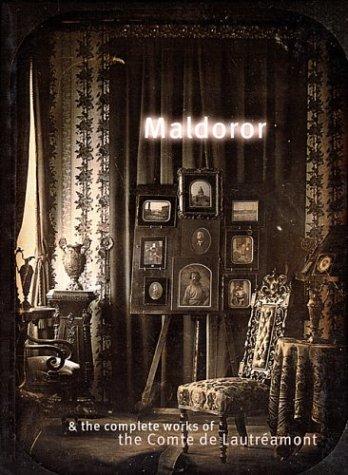
Start this bookNo. 25 on this list. Maldoror and the Complete Works · Comte de Lautréamont · 1869
The Chants is a standard text in French literature and surrealist studies and appears in many university syllabi on modernism, though less widely than the central canon of English reading lists.
Difficult12 hours
Start this bookNo. 26 on this list. Ninety-Three · Victor Hugo · 1874
Ninety-Three is taught in French literature courses focused on the nineteenth century and in history courses on the French Revolution, but it occupies a secondary position behind Les Misérables and Notre-Dame de Paris in the Hugo canon. It is recognized as a major novel of the period but is not the fixture on broad world literature syllabi that Hugo's earlier masterworks are.
Difficult13 hours
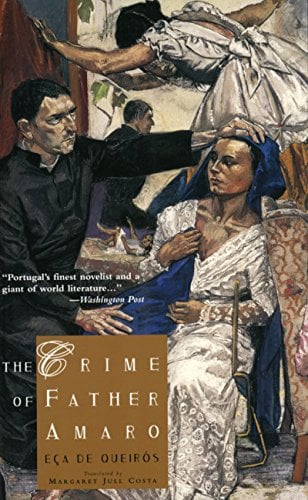
Read nowNo. 27 on this list. The Crime of Father Amaro · José Maria de Eça de Queirós · 1875
A foundational text of Portuguese Realism, widely taught in Iberian and world literature courses across Europe and Latin America. Its Wikipedia article exists in multiple languages, reflecting sustained international recognition, though it sits outside the Anglo-American syllabus mainstream that drives the highest canonical scores.
Difficult17 hours
Start this bookNo. 28 on this list. Lady Macbeth of Mtsensk · Nikolai Leskov · 1865
Taught in schools: Russian FGOS literature standard
"Lady Macbeth of Mtsensk" is taught regularly in Russian and Slavic literature courses at universities worldwide and appears on most curated lists of essential Russian fiction. No syllabus data was found in the database, but the work's prominence in Slavic studies is well established. The Shostakovich opera adaptation has kept the novella in continuous cultural circulation since its 1934 premiere.
Challenging16 hours
Start this bookNo. 29 on this list. The Toilers of the Sea · Victor Hugo · 1866
Less widely taught than Hugo's Les Misérables or The Hunchback of Notre-Dame, The Toilers of the Sea occupies a secondary position in the Hugo canon. It appears on comparative literature syllabi and French literature surveys but rarely as a standalone assigned text in English-language universities. Its reputation rests more on specialists and Hugo enthusiasts than on broad curricular presence.
Difficult16 hours
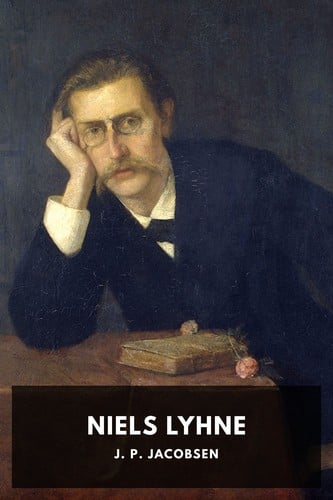
Read nowNo. 30 on this list. Niels Lyhne · Jens Peter Jacobsen · 1880
Niels Lyhne is canonical within Scandinavian and European world literature courses, where it is recognized as the defining novel of the Danish modern breakthrough of the 1870s-80s. It lacks the broad curriculum presence of Ibsen or Strindberg in English-speaking universities, but holds a secure place in any serious survey of 19th-century European fiction and is widely anthologized in Scandinavian literary studies. No syllabus data was found in the database, which likely reflects its niche status outside Scandinavia rather than genuine neglect in specialist courses.
Challenging7.1 hours
Start this book
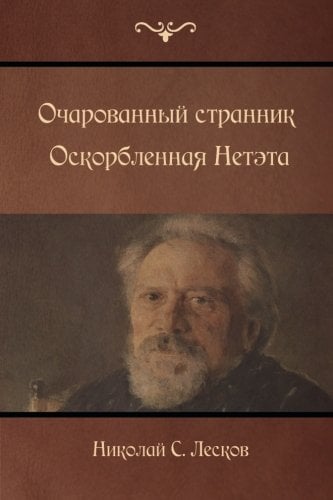
No. 31 on this list. The Enchanted Wanderer
Nikolai Leskov · 1873
Taught in schools: Russian FGOS literature standard
No. 32 on this list. The Confidence-Man
Herman Melville · 1857
No. 33 on this list. Smoke
Ivan Turgenev · 1867
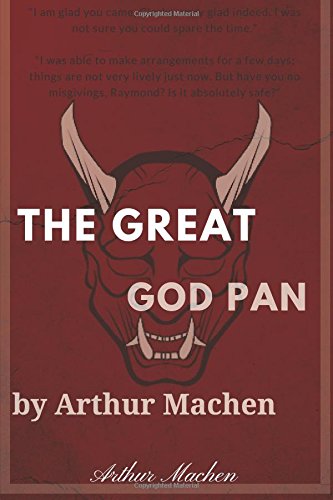
No. 34 on this list. The Great God Pan
Arthur Machen · 1894
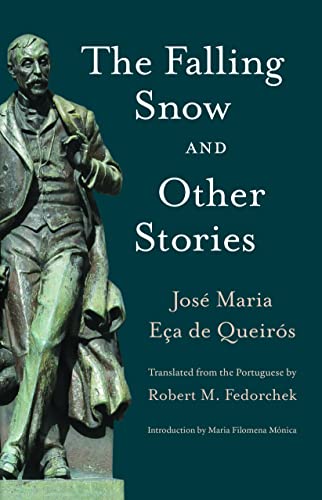
No. 35 on this list. The Maias
José Maria de Eça de Queirós · 1888
Included in: UNESCO Collection of Representative Works
No. 36 on this list. Pierre
Herman Melville · 1852
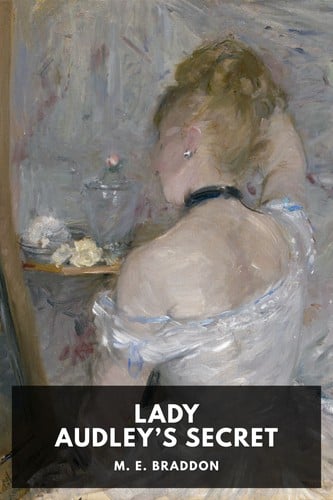
No. 37 on this list. Lady Audley's Secret
Mary Elizabeth Braddon · 1862
Taught in schools: Pearson Edexcel GCSE and A-level English Literature (UK)
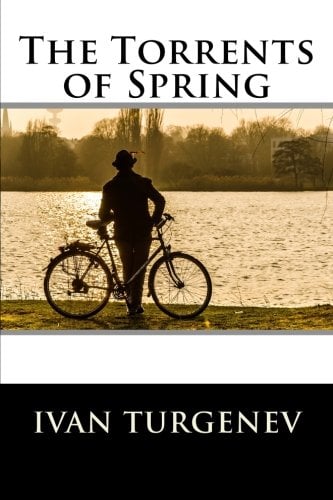
No. 38 on this list. Spring Torrents
Ivan Turgenev · 1872
About this list
These 38 books are the highest-scoring eligible challenging Victorian and 19th-century books currently in the catalogue. About 522 hours of reading in all. Difficulty runs from 68 to 71 out of 100 for the middle half of the list; the summit is The Turn of the Screw at 77.
This list is ranked by literary regard, with a consistent order for equal scores. Membership follows authors and co-authors, not translators or editors. A book is here when ReadingRate files it under Victorian & 19th Century Literature as one of its primary reading domains, and only when its author’s lifetime places it in the period. Catalogue coverage and the historical canon both limit what this list can represent.
When we matched the Canons dataset to our catalogue in October 2026, our canonical-status scores rose with the number of school curricula, publisher series and lists in it that cite a work: the median score was 72 for books one such source cites, 84 at two, 88 at three, 92 at four and 93 at five or more. Prizes are left out of that count. Outside the state curricula, the dataset’s sources choose mostly from what has been translated into English or French, so it is a weaker check on other literatures. Source: Canons (Andrew Piper), CC BY 4.0
Questions people actually ask
- What are the best challenging Victorian and 19th-century books?
- By literary regard, which weighs canonical status, critical standing and influence: Moby-Dick by Herman Melville, Crime and Punishment by Fyodor Dostoevsky, Madame Bovary by Gustave Flaubert, Heart of Darkness by Joseph Conrad and Peer Gynt by Henrik Ibsen. ReadingRate ranks 38 such books, each with a difficulty score and a reading-time estimate.
- Which challenging Victorian and 19th-century books should I read first?
- Start from difficulty, not from rank. The most approachable books on this list that still carry top literary regard are Miss Julie by August Strindberg (about 2 hours), The Moonstone by Wilkie Collins and Peer Gynt by Henrik Ibsen.
- What are the shortest of the best challenging Victorian and 19th-century books?
- Among the top 25, the shortest are Miss Julie by August Strindberg (about 2 hours), Peer Gynt by Henrik Ibsen (about 4 hours) and Heart of Darkness by Joseph Conrad (about 4 hours), at an average pace of 250 words a minute adjusted for each book's difficulty.
- Which of the best challenging Victorian and 19th-century books are the established classics?
- By canonical status, how firmly a book sits in curricula, anthologies and the canon: Moby-Dick by Herman Melville, Heart of Darkness by Joseph Conrad, The Brothers Karamazov by Fyodor Dostoevsky, Crime and Punishment by Fyodor Dostoevsky and Madame Bovary by Gustave Flaubert.
- Can I read any of these challenging Victorian and 19th-century books for free?
- 17 of the 38 open in ReadingRate's reader with a free account, from public-domain editions: Moby-Dick, Crime and Punishment, Madame Bovary, Heart of Darkness, The Scarlet Letter and 12 more.
- How long would it take to read the top ten?
- About 143 hours, at an average pace of 250 words a minute adjusted for each book's difficulty: 72 days at two hours a day. Set your own pace on the page and the list's reading times change to it.
- How hard are challenging Victorian and 19th-century books to read?
- Most of this list sits between 68 and 71 on ReadingRate's 100-point difficulty scale, where 40 to 55 is moderate. The summit is The Turn of the Screw at 77. Every entry carries its own score, so a reader can pick a great book at a difficulty they will finish.
- How is this list ranked?
- On literary-regard data: how canonically established a work is, its critical standing, and its influence on later writing. It is not a readers’ poll, which is why recent bestsellers rarely appear. Membership follows authors and co-authors, not translators or editors. Lists by country, author, period, theme or difficulty keep to literature (fiction, poetry, drama and philosophy), their novels, poems and plays first and their philosophy after them; a list of a kind of book, such as memoir or criticism, keeps every book of that kind. Every list holds at most three works by one author. A book is here when ReadingRate files it under Victorian & 19th Century Literature as one of its primary reading domains, and only when its author’s lifetime places it in the period.