Hours at an average pace
Showing 46 books
About 413 hours for 46 of 46 books with measured lengths. Estimates use 250 words a minute, adjusted for each book's difficulty. At 2 hours a day, about 207 days for those books.
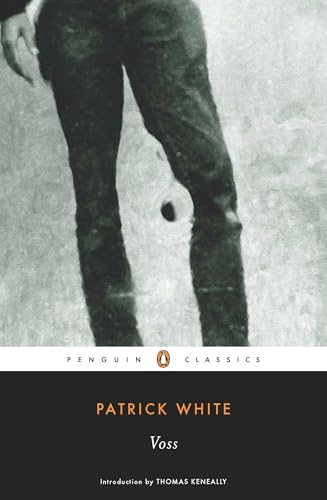
Voss is recognized as a cornerstone of Australian literature and a major work of postcolonial fiction. It consistently appears in scholarly discussions of antipodean identity, imperial mythology, and mid-century modernism. The novel has maintained critical attention since publication and is standard curriculum in Australian and Commonwealth literary studies.
After Randall Jarrell's landmark 1965 introduction rescued it from obscurity, the novel achieved masterpiece status, appearing on TIME's 100 Best English-language Novels 1923-2005. It remains continuously in print and features prominently in Women's Studies curricula. However, it lacks the universal recognition of Fitzgerald, Joyce, or Faulkner, occupying a tier below absolute canonical dominance despite critical consensus on its brilliance.
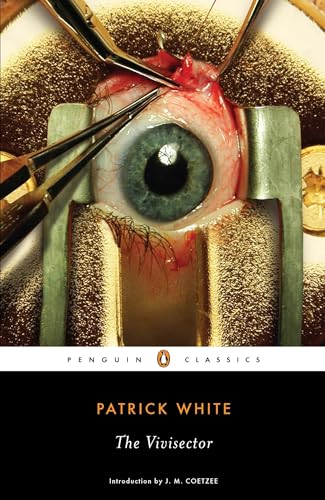
Patrick White is Australia's only Nobel laureate in literature, and The Vivisector (1970) is considered one of his four or five major works. It appears on Australian literature syllabi and is included in surveys of postwar fiction, though it receives less broad teaching than Voss or The Tree of Man. The Nobel Prize (1973) substantially elevated all of White's work in the canonical record.
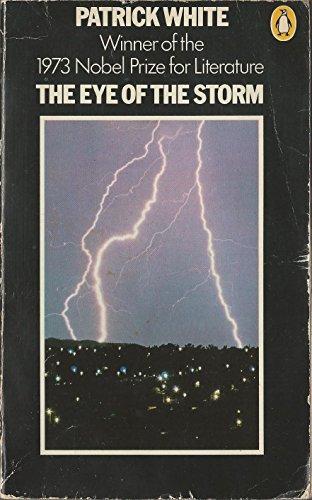
The Eye of the Storm appears on Australian literature syllabi regularly and in world literature courses focused on postcolonial or Commonwealth fiction, but it is not among the most-taught novels globally. Wikipedia coverage exists in only 5 languages, reflecting its reputation as a significant but not universally assigned work. It sits in the shadow of White's Voss and Riders in the Chariot in academic curricula, though it remains his most accomplished late novel according to many critics.
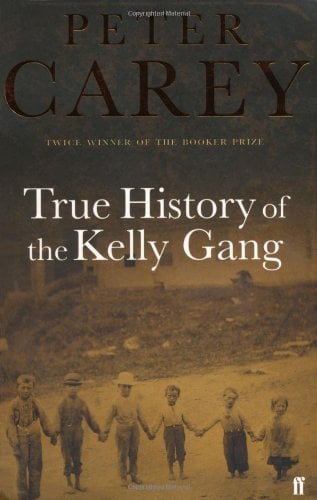
Widely taught in Australian literature courses and postcolonial studies programs as a major work of contemporary Australian fiction. The novel has secured its place in discussions of national identity, historical fiction, and postcolonial literature. While central to Australian literary canon, it has somewhat less international canonical weight than older modernist classics.
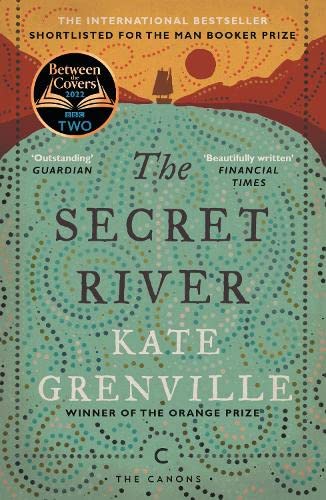
The Secret River (2005) is a modern Australian classic, taught in Australian schools and in university courses on Australian and postcolonial literature. It is among the most widely read Australian novels of the century so far.
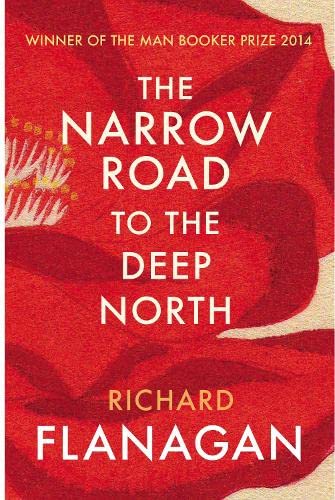
The Booker winner is increasingly taught in Australian and war-literature courses, though its Wikipedia reach is still limited. It stands as a modern classic of Australian fiction rather than a fixture of world syllabi.
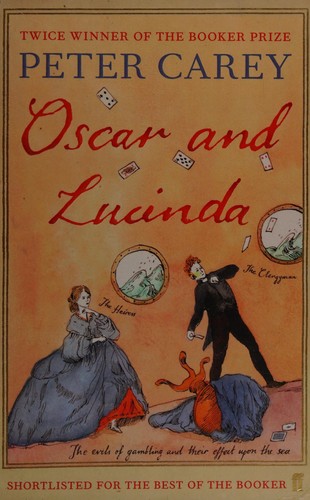
Oscar and Lucinda appears on 45 university syllabi (41st percentile), taught primarily in postcolonial literature and Australian fiction courses rather than mainstream Anglophone curricula. Its Wikipedia article exists in 7 languages, indicating moderate but not wide global reach — respectable for an Australian novel but well below the breadth of Booker winners like Remains of the Day.
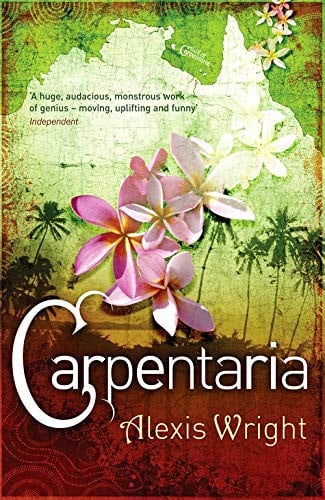
Winner of the 2007 Miles Franklin Award, Australia's most prestigious literary prize. Taught in Australian literature and postcolonial studies courses but not widely assigned outside that context. An important book in Australian and Indigenous literatures, not yet a global curriculum fixture.
One of the most popular novels of the 1950s. A classic of wartime literature and Australian fiction. Still widely read.
No. 11 on this list. Burial Rites · Hannah Kent · 2014
Set against Iceland's stark landscape, Hannah Kent brings to vivid life the story of Agnes, who, charged with the brutal murder of her former master, is sent to an isolated farm to await execution. Horrified at the prospect of housing a convicted murderer, the family at first avoids Agnes. Only Tóti, a priest Agnes has mysteriously chosen to be her spiritual guardian, seeks to understand her. But as Agnes's death looms, the farmer's wife and their daughters learn there is another side to the sensational story they've heard.
Moderate5.6 hours
Start this bookNo. 12 on this list. Gossip from the Forest · Thomas Keneally · 1975
In November 1918, German officials and their Allied counterparts negotiate the armistice in a railway carriage in the forest of Compiègne. Keneally imagines the conversations, tensions, and absurdities as war gives way to an uneasy peace. A darkly comic historical novel about the end of WWI.
Moderate3.8 hours
Start this bookNo. 13 on this list. The Riders · Tim Winton · 1995
In "The Riders", Tim Winton crafts a poignant and introspective tale of love, family, and the complexities of relationships. The story follows a man who embarks on a perilous journey to reunite with his wife and child, only to find himself confronting the harsh realities of his own desires and the elusiveness of human connection. As he travels to the farthest reaches of the globe, he must come to terms with the fragility of his own family and the sacrifices that must be made for love. Winton's writing is characterized by a lyrical, evocative style that captures the rugged beauty of the natural world and the turmoil of the human heart. Through his protagonist's journey, he explores themes of devotion, abandonment, and the search for meaning in a chaotic world. The narrative is both deeply personal and universally relatable, inviting readers to reflect on their own experiences of love, loss, and longing. Readers of literary fiction will appreciate the nuanced character study and the author's thoughtful pacing, which balances introspection with a sense of forward momentum. While the subject matter can be intense and emotionally challenging, the writing is accessible and engaging, making it a compelling choice for those interested in character-driven fiction. Shortlisted for the Booker Prize in 1995, "The Riders" is a testament to Winton's skill as a storyteller and his ability to craft compelling, emotionally resonant narratives. With its richly atmospheric prose and thought-provoking themes, this novel is sure to appeal to readers who appreciate literary fiction and are looking for a story that will linger long after the final page is turned.
Challenging7.1 hours
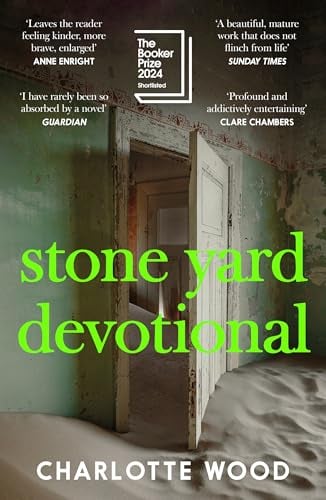
Start this bookNo. 14 on this list. Stone Yard Devotional · Charlotte Wood · 2024
A woman returns to a remote religious community in Australia, seeking peace but finding instead complications of the past and present. Wood's meditative novel explores solitude, faith, and the weight of history.
Challenging5.9 hours
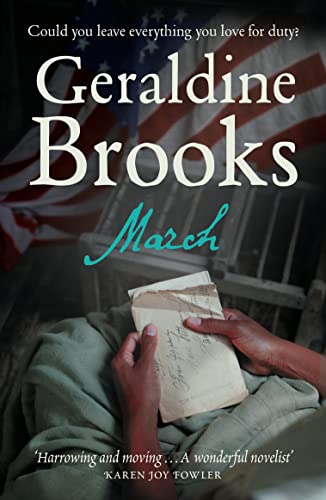
Start this bookNo. 15 on this list. March · Geraldine Brooks · 2006
March does not appear prominently on university syllabi and lacks the curriculum-fixture status of older Pulitzer winners. It surfaces occasionally in American literature and historical fiction courses but has not achieved the kind of ubiquity that places a novel in the canon of essential reading.
Difficult11 hours
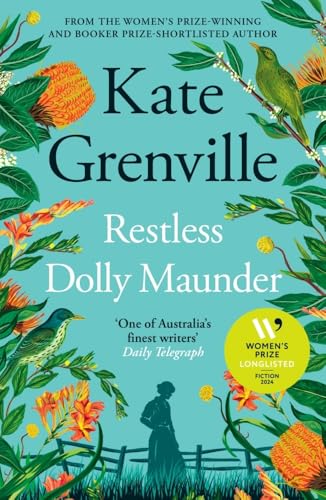
Start this bookNo. 16 on this list. Restless Dolly Maunder · Kate Grenville · 2024
Dolly Maunder, a working-class Australian woman in the 19th century, refuses to accept the limited life prescribed for her. Grenville returns to historical fiction to tell the story of a woman who would not be contained by convention.
Moderate3.7 hours
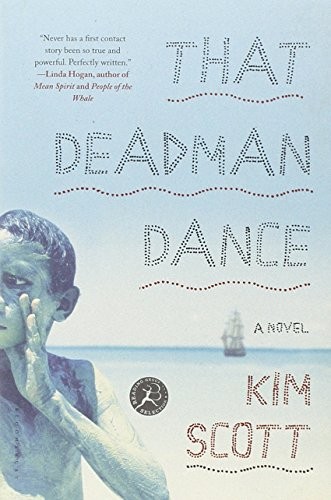
Start this bookNo. 17 on this list. That Deadman Dance · Kim Scott · 2010
Two-time Miles Franklin Award winner. Major Australian literary work.
Easy4.7 hours
Start this bookNo. 18 on this list. A Fraction of the Whole · Steve Toltz · 2008
"The fact is, the whole of Australia despises my father more than any other man, just as they adore my uncle more than any other man. I might as well set the story straight about both of them... Heroes or Criminals? Crackpots or Visionaries? Families or Enemies?" Anyway, you know how it is. Every family has a story like this one. Most of his life, Jasper Dean couldn't decide whether to pity, hate, love, or murder his certifiably paranoid father, Martin, a man who overanalyzed anything and everything and imparted his self-garnered wisdom to his only son. But now that Martin is dead, Jasper can fully reflect on the crackpot who raised him in intellectual captivity, and what he realizes is that, for all its lunacy, theirs was a grand adventure. As he recollects the events that led to his father's demise, Jasper recounts a boyhood of outrageous schemes and shocking discoveries--about his infamous outlaw uncle Terry, his mysteriously absent European mother, and Martin's constant losing battle to make a lasting mark on the world he so disdains. It's a story that takes them from the Australian bush to the cafes of bohemian Paris, from the Thai jungle to strip clubs, asylums, labyrinths, and criminal lairs, and from the highs of first love to the lows of failed ambition. The result is a rollicking roller-coaster ride from obscurity to infamy, and the moving, memorable story of a father and son whose spiritual symmetry transcends all their many shortcomings. A Fraction of the Whole is an uproarious indictment of the modern world and its mores and the epic debut of the blisteringly funny and talented Steve Toltz.
Moderate8.9 hours
Start this bookNo. 19 on this list. Illywhacker · Peter Carey · 1985
Appears on only 2 university syllabi (7.5th percentile in the Open Syllabus Project). Wikipedia article exists in 1 language. A significant Australian novel but without the global canonical reach of Carey's later Booker winners.
Challenging20 hours
Start this bookNo. 20 on this list. The Thorn Birds · Colleen McCullough · 1977
Over thirty million copies sold. The 1983 miniseries made it a global cultural event. A defining popular novel of the 1970s.
Easy10 hours
Start this book
No. 21 on this list. Confederates · Thomas Keneally · 1979
During the American Civil War, Confederate soldiers from rural Ireland and Germany, former slaves serving as stretcher-bearers, and Southern officers march toward Antietam. Keneally follows these disparate lives through the bloodiest day in American military history, illuminating the chaos, courage, and moral complexity of war. An immersive historical novel from the author of Schindler's List.
Moderate7.1 hours
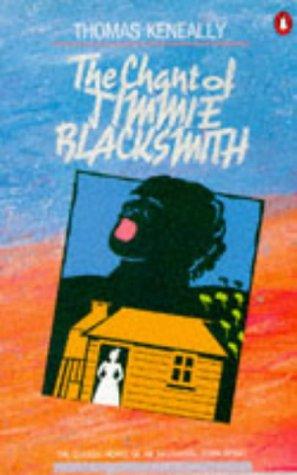
Start this bookNo. 22 on this list. The Chant of Jimmie Blacksmith · Thomas Keneally · 1972
Appears on 49 university syllabi (42nd percentile in Open Syllabus), mostly within Australian literature and postcolonial studies courses. Wikipedia articles exist in only 2 languages. The novel is a fixture in Australian secondary and tertiary curricula but has limited presence in global canon lists or international reading programs.
Challenging6.2 hours
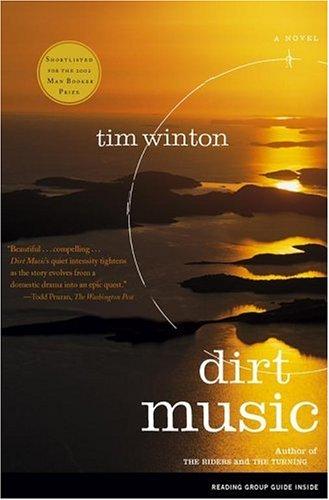
Start this bookNo. 23 on this list. Dirt Music · Tim Winton · 2002
Appears on 47 university syllabi (41.8th percentile, Open Syllabus Project), primarily in Australian literature and postcolonial fiction courses. Wikipedia articles in only 2 languages point to regional rather than global canonical standing. The novel has a dedicated Wikipedia article with reception and adaptations sections, reflecting meaningful cultural presence within Australia and the Commonwealth.
Challenging10 hours
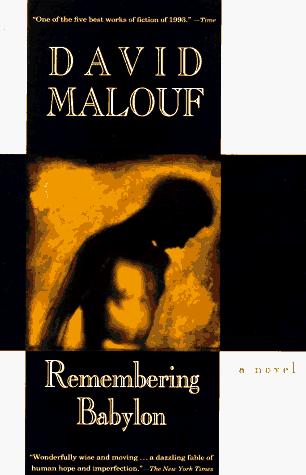
Start this bookNo. 24 on this list. Remembering Babylon · David Malouf · 1993
Gemmy, a British cabin boy, is shipwrecked in 19th-century Australia and raised by Aboriginal people. When he returns to white society, both he and the settlers must confront what cannot be understood across the cultural divide. Malouf's Booker-shortlisted novel examines colonialism, otherness, and the limits of language.
Challenging5.1 hours
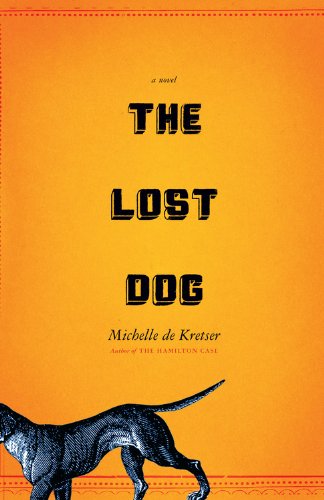
Start this bookNo. 25 on this list. The Lost Dog · Michelle de Kretser · 2008
The Lost Dog (2007) is one of Michelle de Kretser's better-known novels and is sometimes taught in Australian literature courses. It is not a standard text outside Australia.
Challenging5.9 hours
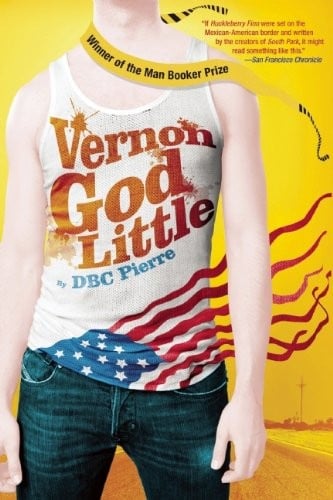
Start this bookNo. 26 on this list. Vernon God Little · DBC Pierre · 2003
Vernon God Little does not appear on tracked university syllabi and its Wikipedia article exists in only 9 languages, indicating limited global academic penetration. Despite winning the 2003 Booker Prize, the novel has not entered standard curricula for contemporary fiction, British literature, or American literature survey courses. It remains a Booker curiosity rather than a syllabus fixture.
Challenging6.9 hours
Start this bookNo. 27 on this list. Here One Moment · Liane Moriarty · 2024
Commercial fiction positioning. Moriarty is a phenomenon, not a canonical figure. Unlikely to be taught.
Moderate8.3 hours
Start this bookNo. 28 on this list. The Idea of Perfection · Kate Grenville · 2001
The Idea of Perfection appears infrequently on university syllabi and is read mainly within Australian literature courses. It lacks the cross-cultural canonical status of Grenville's later novel The Secret River, which became a set text in Australian schools.
Challenging10 hours
Start this bookNo. 29 on this list. Scary Monsters · Michelle de Kretser · 2022
Scary Monsters (2021) is a recent novel, read in Australia but not yet established on courses or essential-reading lists. It sits behind Questions of Travel and The Life to Come among Michelle de Kretser's books.
Challenging5.3 hours
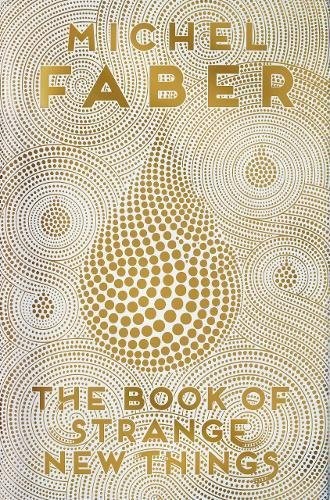
Start this bookNo. 30 on this list. The Book of Strange New Things · Michel Faber · 2014
Ranked by literary regard among eligible works in the current catalogue. This position reflects the available catalogue evidence.
Moderate11 hours
Start this book
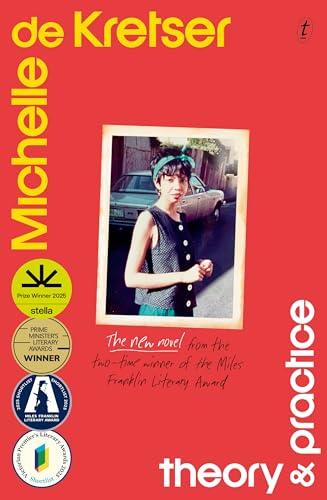
No. 31 on this list. Theory & Practice
Michelle de Kretser · 2024
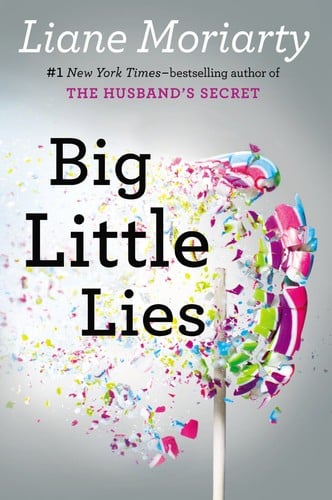
No. 32 on this list. Big Little Lies
Liane Moriarty · 2014
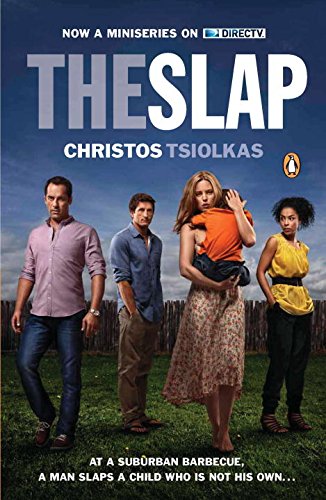
No. 33 on this list. The Slap
Christos Tsiolkas · 2010
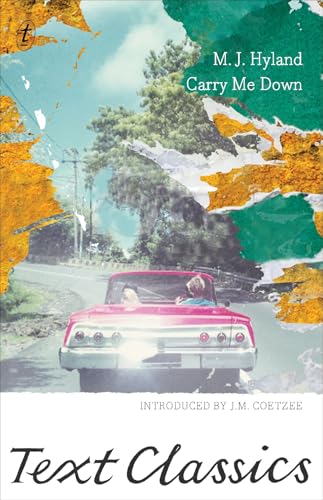
No. 34 on this list. Carry Me Down
M.J. Hyland · 2006
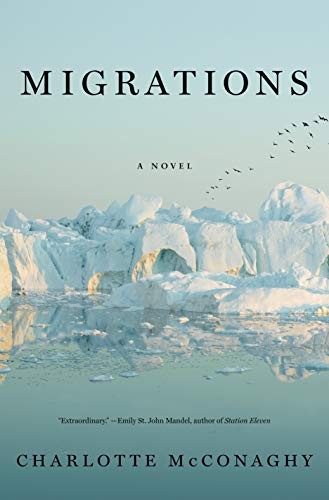
No. 35 on this list. Migrations
Charlotte McConaghy · 2020
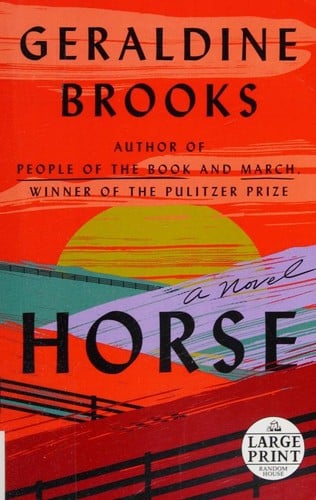
No. 36 on this list. Horse
Geraldine Brooks · 2022
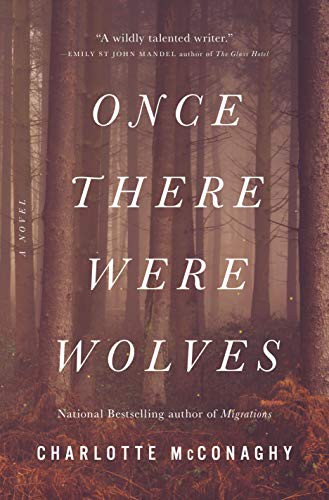
No. 37 on this list. Once There Were Wolves
Charlotte McConaghy · 2021
No. 38 on this list. The Husband's Secret
Liane Moriarty · 2013
No. 39 on this list. Shantaram
Gregory David Roberts · 2004
No. 40 on this list. Sixty Lights
Gail Jones · 2004
No. 41 on this list. The Strength of the Few
James Islington · 2025
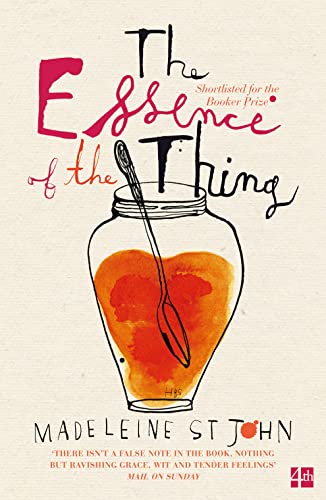
No. 42 on this list. The Essence of the Thing
Madeleine St John · 1997
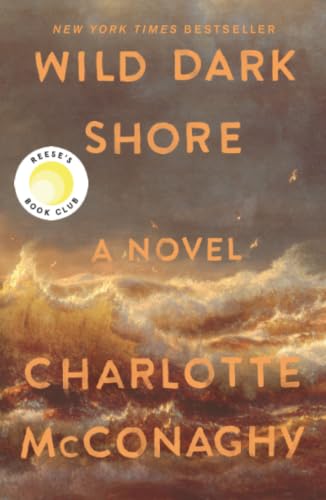
No. 43 on this list. Wild Dark Shore
Charlotte McConaghy · 2025
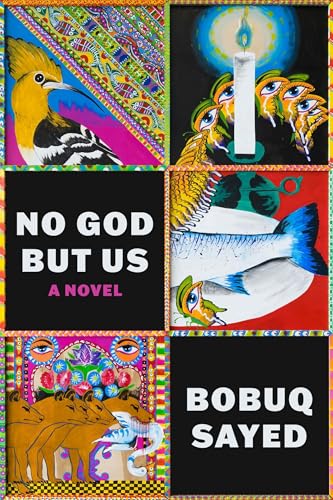
No. 44 on this list. No God But Us
Bobuq Sayed · 2026
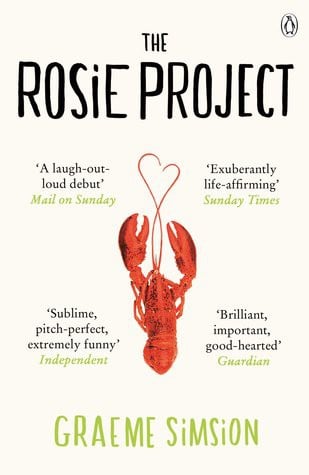
No. 45 on this list. The Rosie Project
Graeme Simsion · 2013
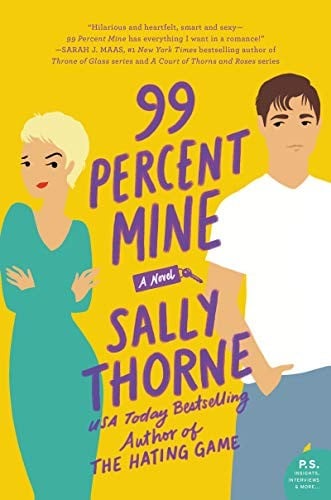
No. 46 on this list. 99 Percent Mine
Sally Thorne · 2019
About this list
These 46 books are the highest-scoring eligible literary novels from Australia currently in the catalogue. About 413 hours of reading in all. Difficulty runs from 41 to 61 out of 100 for the middle half of the list; the summit is Oscar and Lucinda at 72.
This list is ranked by literary regard, with a consistent order for equal scores. Membership follows authors and co-authors, not translators or editors. Catalogue coverage and the historical canon both limit what this list can represent, and genre labels are the catalogue’s own, gathered into broader kinds.
When we matched the Canons dataset to our catalogue in October 2026, our canonical-status scores rose with the number of school curricula, publisher series and lists in it that cite a work: the median score was 72 for books one such source cites, 84 at two, 88 at three, 92 at four and 93 at five or more. Prizes are left out of that count. Outside the state curricula, the dataset’s sources choose mostly from what has been translated into English or French, so it is a weaker check on other literatures. Source: Canons (Andrew Piper), CC BY 4.0
Questions people actually ask
- What are the best literary novels from Australia?
- By literary regard, which weighs canonical status, critical standing and influence: Voss by Patrick White, The Man Who Loved Children by Christina Stead, The Vivisector by Patrick White, The Eye of the Storm by Patrick White and True History of the Kelly Gang by Peter Carey. ReadingRate ranks 46 such books, each with a difficulty score and a reading-time estimate.
- Which literary novels from Australia should I read first?
- Start from difficulty, not from rank. The most approachable books on this list that still carry top literary regard are 99 Percent Mine by Sally Thorne (about 3.6 hours), The Rosie Project by Graeme Simsion and A Town Like Alice by Nevil Shute.
- What are the shortest of the best literary novels from Australia?
- Among the top 25, the shortest are Restless Dolly Maunder by Kate Grenville (about 3.7 hours), Gossip from the Forest by Thomas Keneally (about 3.8 hours) and The Chant of Jimmie Blacksmith by Thomas Keneally (about 6.2 hours), at an average pace of 250 words a minute adjusted for each book's difficulty.
- Which of the best literary novels from Australia are the established classics?
- By canonical status, how firmly a book sits in curricula, anthologies and the canon: Voss by Patrick White, The Man Who Loved Children by Christina Stead, The Vivisector by Patrick White, The Eye of the Storm by Patrick White and The Secret River by Kate Grenville.
- How long would it take to read the top ten?
- About 144 hours, at an average pace of 250 words a minute adjusted for each book's difficulty: 72 days at two hours a day. Set your own pace on the page and the list's reading times change to it.
- How hard are literary novels from Australia to read?
- Most of this list sits between 41 and 61 on ReadingRate's 100-point difficulty scale, where 40 to 55 is moderate. The summit is Oscar and Lucinda at 72. Every entry carries its own score, so a reader can pick a great book at a difficulty they will finish.
- How is this list ranked?
- On literary-regard data: how canonically established a work is, its critical standing, and its influence on later writing. It is not a readers’ poll, which is why recent bestsellers rarely appear. Membership follows authors and co-authors, not translators or editors. Lists by country, author, period, theme or difficulty keep to literature (fiction, poetry, drama and philosophy), their novels, poems and plays first and their philosophy after them; a list of a kind of book, such as memoir or criticism, keeps every book of that kind. Every list holds at most three works by one author.