Hours at an average pace
Showing 57 books
About 702 hours for 57 of 57 books with measured lengths. Estimates use 250 words a minute, adjusted for each book's difficulty. At 2 hours a day, about 352 days for those books.
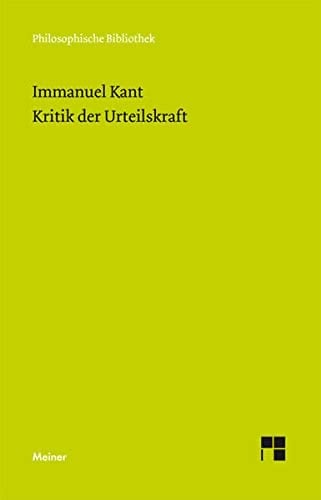
The Critique of Judgment is core curriculum in every philosophy department worldwide, foundational to the discipline of aesthetics, and required reading in the history of modern philosophy. While structured literary-syllabus data is unavailable in the database, its status as one of Kant's three Critiques—alongside the Critique of Pure Reason and Critique of Practical Reason—places it among the canonical texts of Western philosophy. It appears across thousands of university syllabi globally.
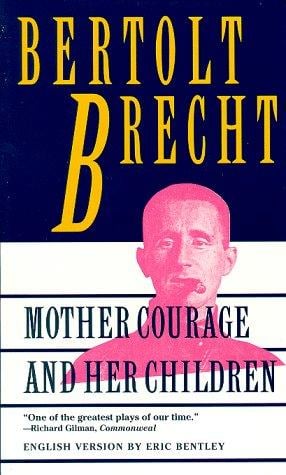
No. 2 on this list. Mother Courage and Her Children
Bertolt Brecht · 1941
Challenging13 hours
Taught in schools: UNAM Escuela Nacional Preparatoria – programas de Literatura (Mexico)
Included in: Great Books of the Western World
Mother Courage is a required text on virtually every drama and theatre studies syllabus worldwide. It appears on the AP Literature list, the IB Theatre curriculum, and is included in every major anthology of 20th-century drama from Norton to Penguin. The play is routinely placed alongside Waiting for Godot and Death of a Salesman as one of the three foundational postwar plays in the Western canon.
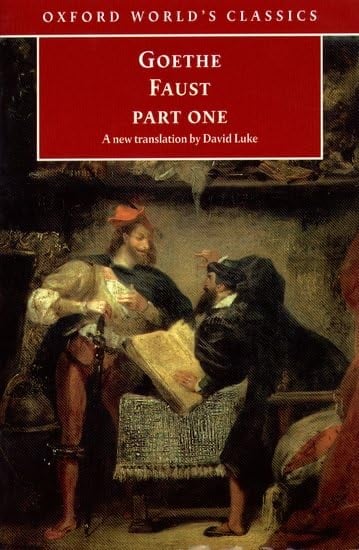
No. 3 on this list. Faust
Johann Wolfgang von Goethe · 1832
Challenging3.9 hours
Taught in schools: Turkish edebiyat curriculum (Turkey)
Included in: Bokklubben World Library, Great Books of the Western World
Goethe spent sixty years building a dramatic poem in which a scholar sells his soul not for pleasure but for the experience of a moment worth stopping time for. The work became the central myth of modernity: the idea that striving itself, not arrival, is what redeems a human life.
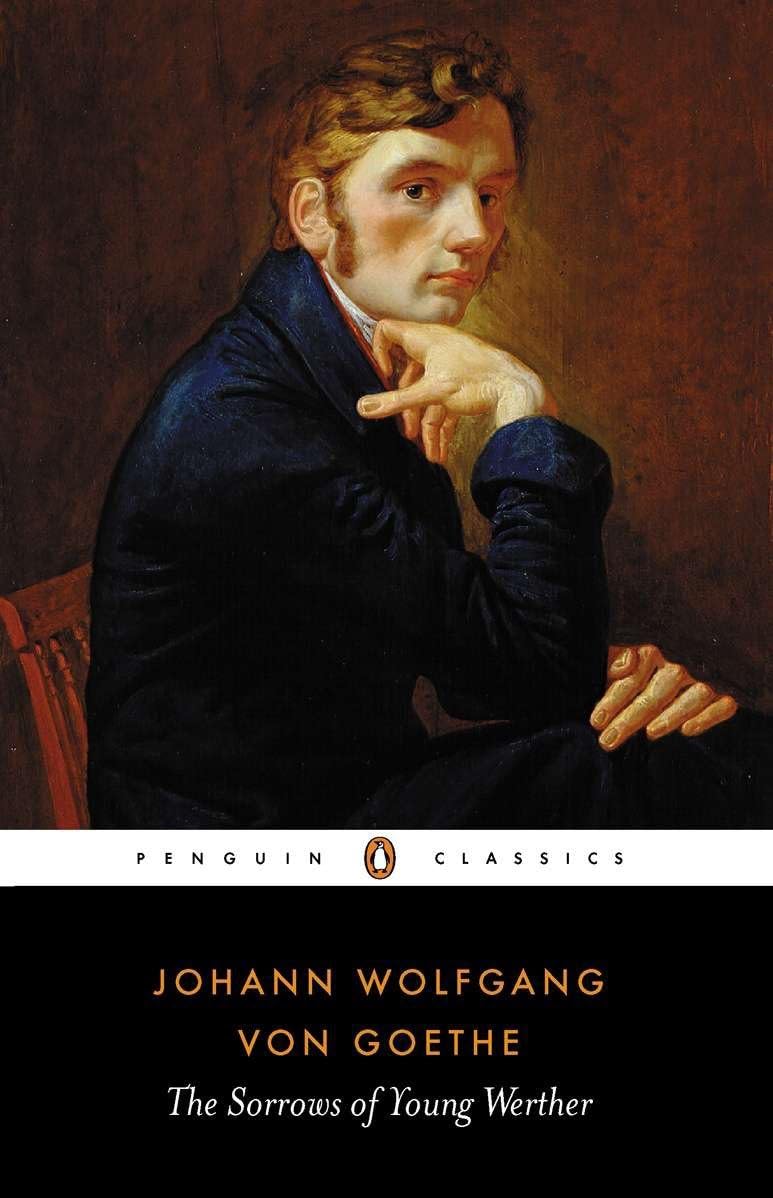
No. 4 on this list. The Sorrows of Young Werther
Johann Wolfgang von Goethe · 1774
Challenging4.4 hours
Standard curriculum in German literature and comparative literature courses worldwide. The novel launched the Sturm und Drang movement and anchored the European Romantic turn. No syllabus data is available in the database, but its presence in university world literature courses is pervasive and long-established.
Die Dreigroschenoper premiered in Berlin on August 28, 1928, and became one of the most performed plays of the 20th century, with productions on every inhabited continent. It is core curriculum in theatre studies, German literature, European modernism, and political theory courses worldwide. No syllabus data appears in the database, but the play's canonical standing is among the highest in 20th-century drama.
Being and Time is required reading in virtually every philosophy curriculum worldwide and stands as one of the most taught works in continental philosophy. It appears on syllabi for philosophy, phenomenology, existentialism, cultural theory, and theology, and has been translated into dozens of languages. Few 20th-century philosophical texts achieve this breadth of curricular presence.
No. 7 on this list. Wilhelm Meister's Apprenticeship
Johann Wolfgang von Goethe · 1796
Challenging19 hours
Wilhelm Meister's Apprenticeship is taught in comparative literature and world literature courses globally, and is considered essential reading for understanding the development of European prose fiction. Its position as the founding text of the Bildungsroman places it on syllabi wherever German literature or the novel as a form is studied seriously. No database signals were available, but its literary-historical importance is universally acknowledged.
No. 8 on this list. Death in Venice
Thomas Mann · 1912
Challenging11 hours
Included in: Great Books of the Western World
Death in Venice appears on virtually every German literature, European modernism, and queer theory university syllabus taught in the English-speaking world. It is a standard text in comparative literature programs alongside Kafka's Metamorphosis and Rilke's Duino Elegies. Wikipedia maintains articles on the novella in over 50 languages, and it features on most 'essential modern literature' lists.
The Caucasian Chalk Circle is among the most-taught plays in university drama and literature curricula worldwide, standard on syllabi alongside Mother Courage and The Good Person of Szechwan. It appears in secondary school programs across Europe and is a fixture of Western dramatic canon, placing it well above mid-century works that lack similar educational penetration.
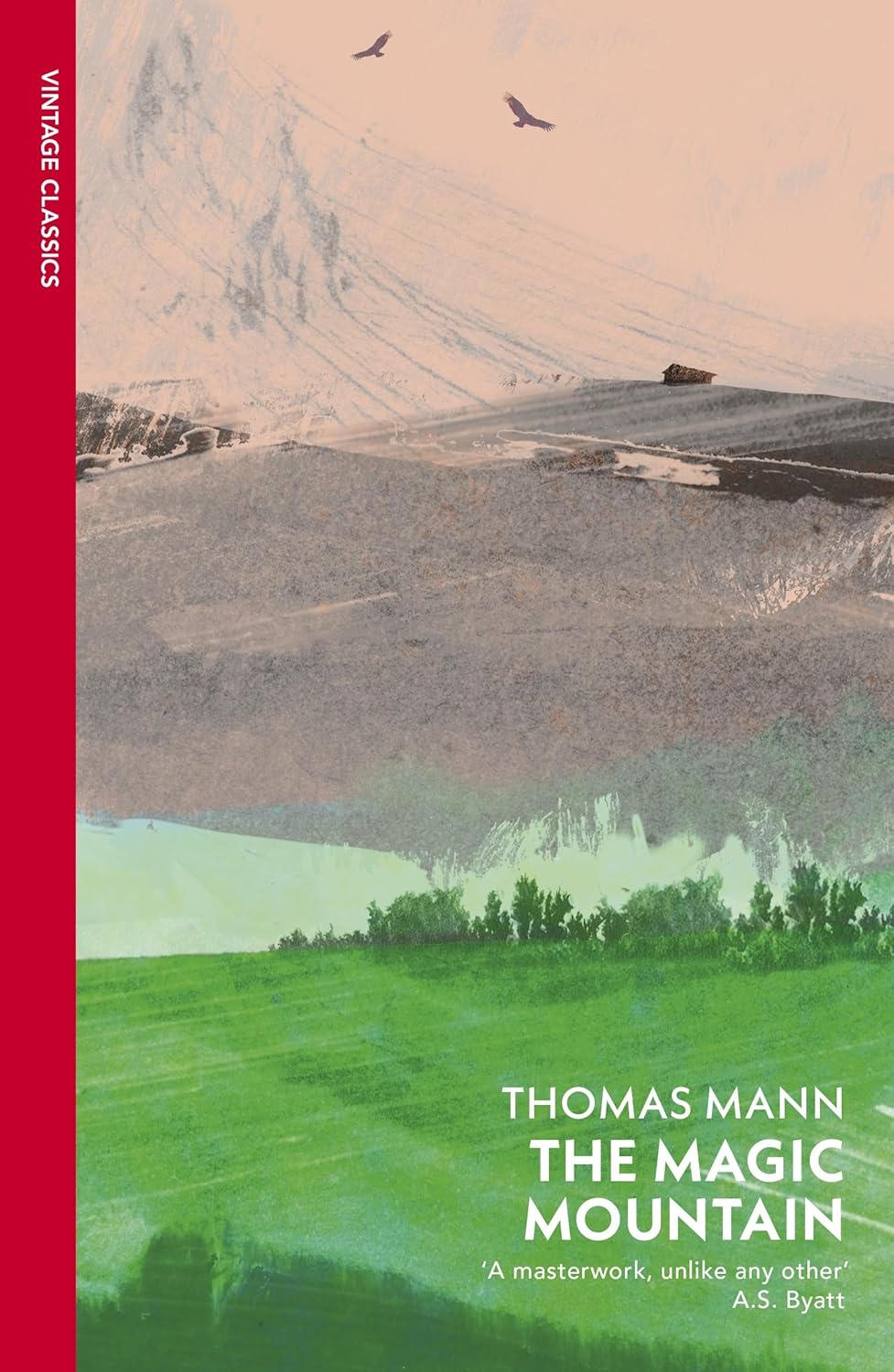
No. 10 on this list. The Magic Mountain
Thomas Mann · 1924
Challenging30 hours
Included in: Bokklubben World Library
Appears on 228 university syllabi (58.9th percentile, Open Syllabus Project) and Wikipedia articles exist in 41 languages. Listed on Le Monde's 100 Books of the Century and Open Syllabus Top 500 Literature. The Nobel Prize author and the novel's treatment of pre-war European culture have kept it in world literature curricula for a century.
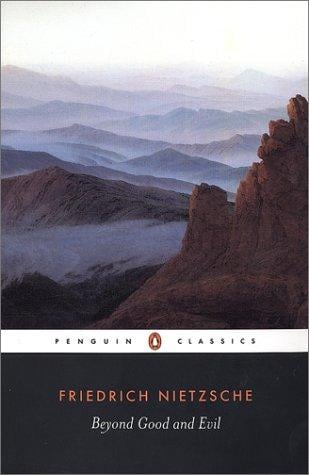
No. 11 on this list. Beyond Good and Evil · Friedrich Nietzsche · 1886
Beyond Good and Evil is standard reading in philosophy curricula worldwide and appears on virtually every serious 'books everyone should read' list. While not primarily a literature syllabus fixture, its presence in university courses across disciplines — philosophy, political theory, literary theory, cultural studies — is near-universal. No comparable work of 19th-century philosophy commands broader global readership.
Difficult8 hours
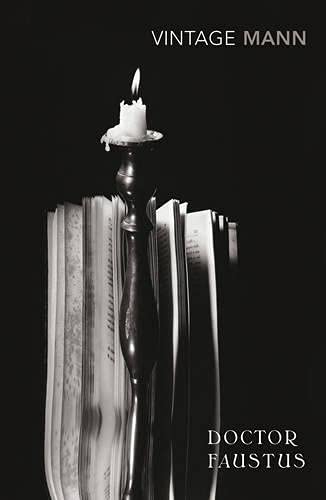
Read nowNo. 12 on this list. Doctor Faustus · Thomas Mann · 1947
Routinely cited as Mann magnum opus and the great novel of German catastrophe. Taught as essential modernist text.
Difficult34 hours
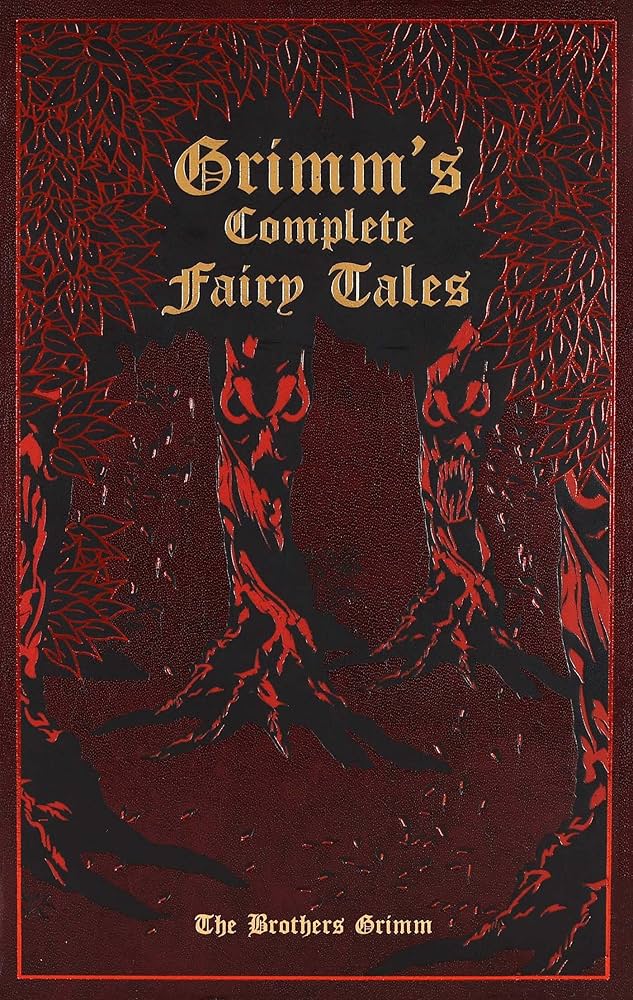
Start this bookNo. 13 on this list. Grimm's Fairy Tales · Brothers Grimm · 1812
Jacob and Wilhelm Grimm collected Cinderella, Rapunzel, Hansel and Gretel, Snow White, and Rumpelstiltskin from oral sources and fixed them in print, giving Western childhood its permanent mythology. The collection launched the discipline of folklore studies and remains the most influential story anthology ever published.
Easy5.9 hours
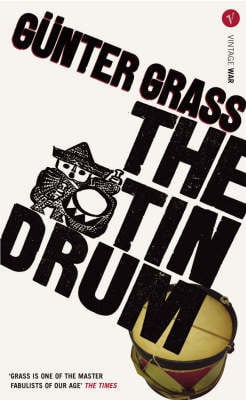
Start this bookNo. 14 on this list. The Tin Drum · Günter Grass · 1959
Included in: Bokklubben World Library
The Tin Drum appears on approximately 200 university syllabi according to Open Syllabus Project data (57th percentile), placing it firmly in world literature and 20th-century European fiction curricula. Wikipedia coverage spans 35 languages with dedicated Reception and Adaptations sections, indicating sustained international engagement. The novel is widely regarded as the defining work of postwar German literature, though its syllabus presence falls short of canonical American fixtures like The Great Gatsby.
Difficult27 hours
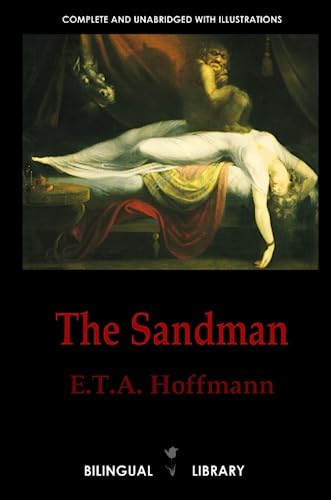
Start this bookNo. 15 on this list. The Sandman · E.T.A. Hoffmann · 1816
The Sandman is canonical in German literature courses, Romantic literature surveys, Gothic fiction studies, and psychoanalytic literary criticism worldwide. Freud's 1919 essay 'The Uncanny' uses it as the central specimen, ensuring its presence on psychoanalysis and literary theory syllabi for over a century. While it lacks the broad English-language curriculum presence of Frankenstein or Great Expectations, it is effectively required reading in any serious study of German Romanticism, the Gothic tradition, or the history of uncanny fiction.
Difficult1.8 hours
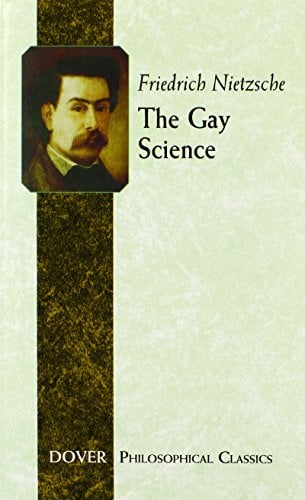
Start this bookNo. 16 on this list. The Gay Science · Friedrich Nietzsche · 1882
The Gay Science introduces 'God is dead' (§125), eternal recurrence (§341), and amor fati — three concepts that reshaped Western intellectual history and appear on virtually every continental philosophy syllabus worldwide. Though the database lacks syllabus count data for this work, the book's Wikipedia article exists in over 50 languages and it is assigned in philosophy, literary theory, theology, and cultural studies courses globally. Its canonical standing in philosophy exceeds most works, comparable to Descartes' Meditations or Kant's Groundwork.
Difficult18 hours
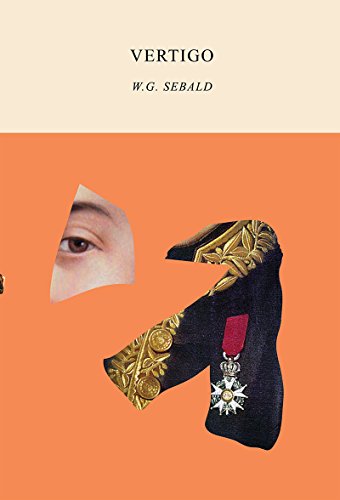
Start this bookNo. 17 on this list. Vertigo · W.G. Sebald · 1990
A narrator wanders through northern Italy in the late 1980s, haunted by a sense that the same catastrophe keeps arriving in different costume. He sits in a Verona archive reading newspapers from 1913—the year before everything collapsed—and finds himself unable to leave. In the second section, a figure called Dr K. travels from Vienna to Venice to Riva, conducting a doomed romance with a girl from Genoa and hearing, at a sanatorium dinner table, a general's theory that battles are decided by specific gravity, not willpower. These two time periods—the narrator's present and Franz Kafka's 1913—are laid over each other until they become one.\n\nSebald writes long, unhurried paragraphs that gather subordinate clauses the way rivers gather tributaries: you are always moving forward but the channel keeps widening. Photographs appear without captions. Characters arrive and dissolve. The dead hunter Gracchus, lost between worlds because a helmsman was distracted, recurs as the book's organizing myth—a figure for anyone unable to depart this life entirely.\n\nVertigo is Sebald's first book, the one in which his method first becomes fully itself: a narrator walking through landscapes saturated with historical catastrophe, finding that the past is not behind us but slightly displaced sideways, still happening, still unresolved. The final image is Samuel Pepys's fire seen from a dream of mountain passes—the city burning, pigeons dead on the pavement, the question 'Is this the end of time?' floating unanswered.
Difficult8.1 hours
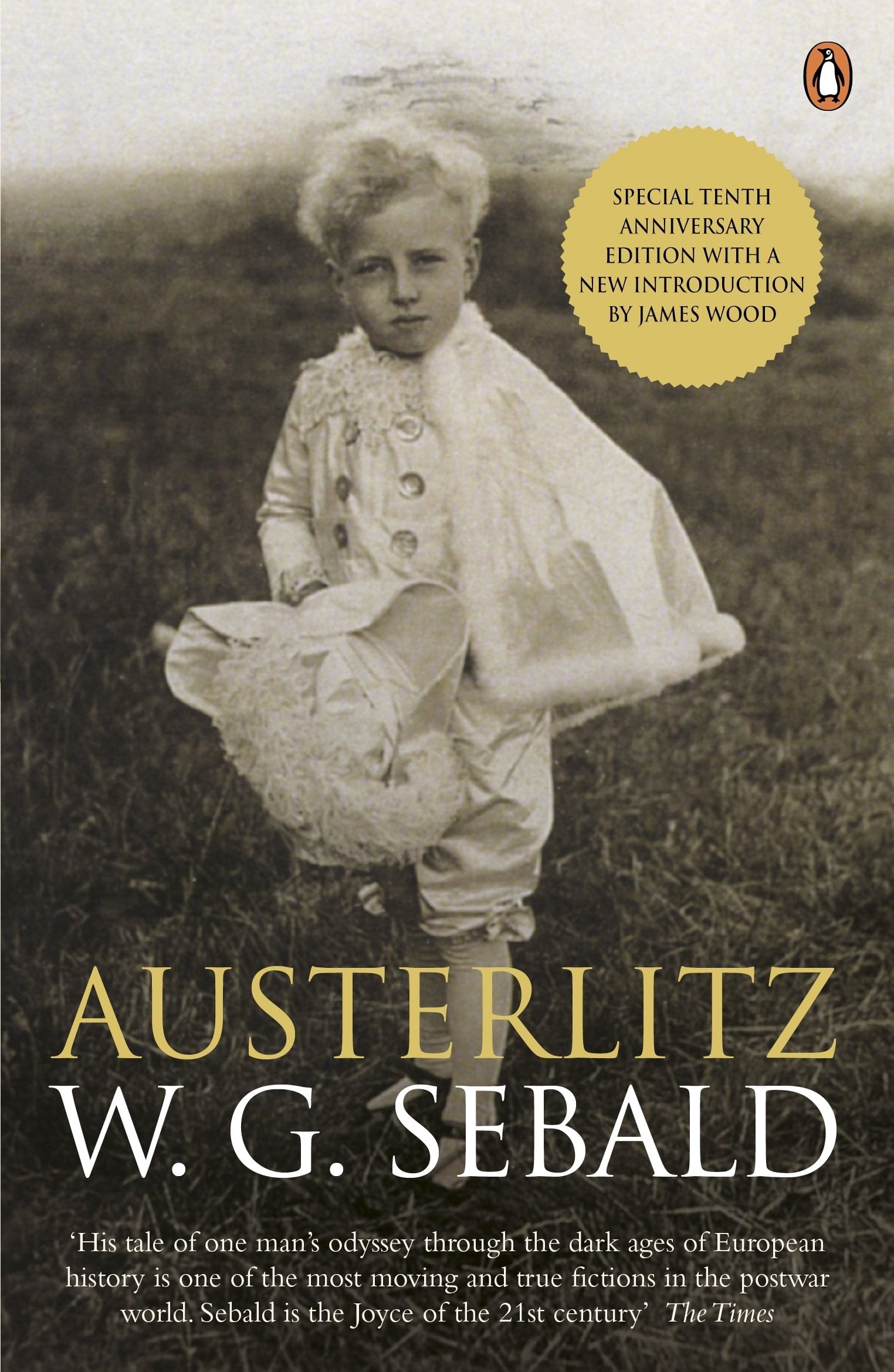
Start this bookNo. 18 on this list. Austerlitz · W.G. Sebald · 2001
Austerlitz appears on 197 university syllabi at the 57th percentile, placing it solidly in the serious literary canon—standard in contemporary European fiction and Holocaust literature courses at major universities. Wikipedia covers the book in 23 languages, indicating meaningful global critical reach. It is routinely assigned alongside Primo Levi, Paul Celan, and Imre Kertész in courses on memory and atrocity literature.
Difficult9.5 hours
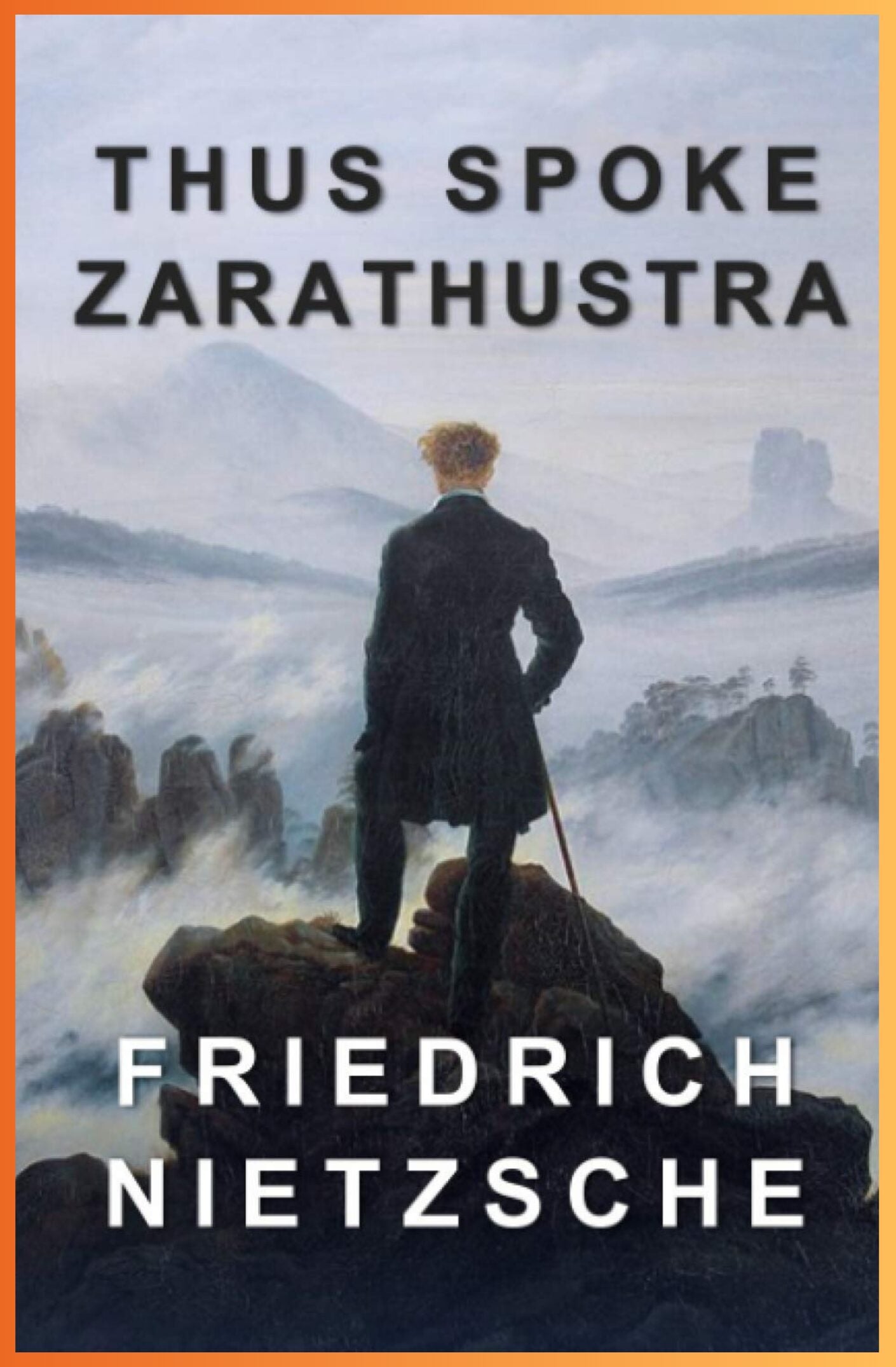
Start this bookNo. 19 on this list. Thus Spoke Zarathustra · Friedrich Nietzsche · 1885
Major philosophical and literary text; influenced twentieth-century thought.
Challenging12 hours
Start this bookNo. 20 on this list. The Emigrants · W.G. Sebald · 1992
The Emigrants is widely taught in contemporary world literature, post-WWII German literature, and Holocaust literature courses, though it lacks the mass-curriculum presence of more canonical texts. It appears regularly on 'best novels of the 20th century' lists — including The Guardian's 100 Best Novels in English — and is considered essential reading in serious literary circles. Its canonical status is high within literary academia but limited compared to texts like Beloved or One Hundred Years of Solitude.
Difficult7.6 hours
Start this book
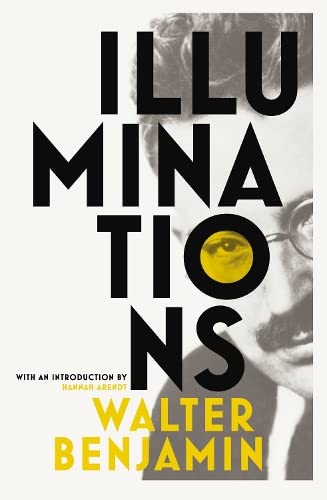
No. 21 on this list. Illuminations · Walter Benjamin · 1955
Illuminations is the essential anglophone introduction to Benjamin, edited and introduced by Hannah Arendt in 1968. It appears on syllabi across German Studies, Critical Theory, Media Studies, Film Studies, and Literary Theory departments worldwide. 'The Work of Art in the Age of Mechanical Reproduction' is one of the most-assigned critical essays in university education globally, and the 'Theses on the Philosophy of History' are required reading in philosophy and history programs. Canonical status approaching Beloved (85) and above Infinite Jest (78).
Difficult11 hours
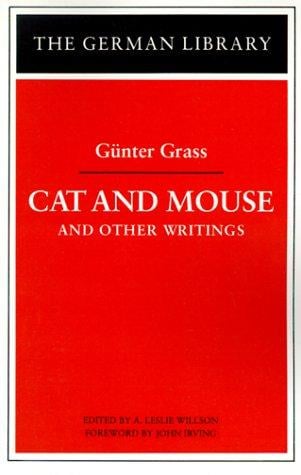
Start this bookNo. 22 on this list. Cat and Mouse · Günter Grass · 1961
Cat and Mouse occupies significant position within German postwar literature and Grass's own oeuvre, frequently taught in universities and anthologized in collections of important twentieth-century fiction. It lacks the cultural penetration of The Tin Drum but commands substantial literary recognition and scholarly attention.
Moderate3.1 hours
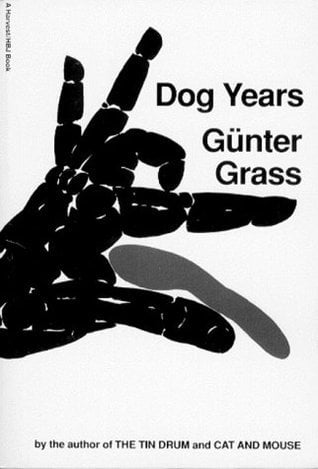
Start this bookNo. 23 on this list. Dog Years · Günter Grass · 1963
Dog Years is the third volume of the Danzig Trilogy and less widely taught than The Tin Drum, which dominates university syllabi. The Wikipedia article is notably short (967 characters), reflecting thinner digital documentation than its companion novels. It remains central to German postwar literature courses and appears on reading lists for Nobel Prize study, but lacks the standalone canonical presence of Grass's earlier work.
Difficult28 hours
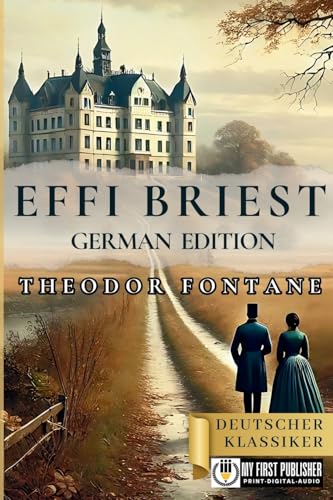
Start this bookNo. 24 on this list. Effi Briest · Theodor Fontane · 1895
Effi Briest is required reading in German literature courses worldwide and appears on major lists of the greatest novels, including Le Monde's 100 Books of the Century. Its reach outside the German-speaking world is narrower than Madame Bovary or Anna Karenina due to language barriers, but within German studies it holds the same foundational status. Wikipedia articles exist in 40+ languages, reflecting genuine global recognition.
Challenging9.9 hours
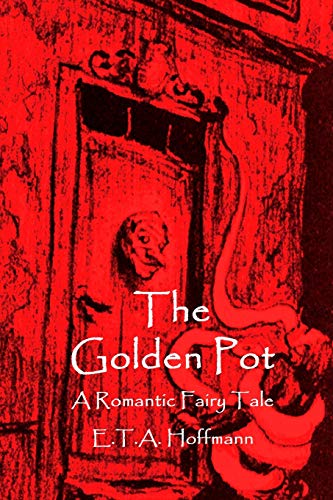
Start this bookNo. 25 on this list. The Golden Pot · E.T.A. Hoffmann · 1814
One of the masterpieces of German Romanticism and Hoffmann's most celebrated tale. Widely studied in German literature courses.
Moderate1.9 hours
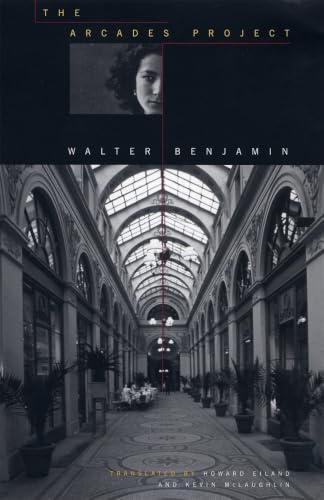
Start this bookNo. 26 on this list. The Arcades Project · Walter Benjamin
The Arcades Project is required reading in virtually every critical theory, cultural studies, and German Studies graduate program worldwide. Benjamin's concepts — the dialectical image, the flâneur, the wish-image, Jetztzeit — have become foundational vocabulary in the humanities. The book anchors syllabi in fields as disparate as architecture, urban studies, film theory, and literary criticism, making it one of the most cross-disciplinary canonical texts of the 20th century.
Very Difficult84 hours
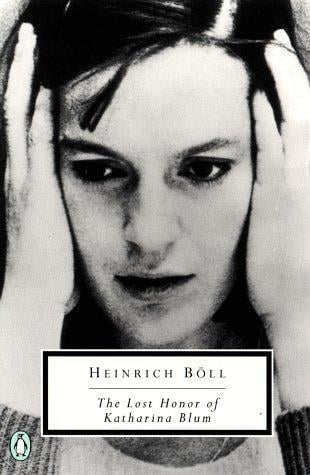
Start this bookNo. 27 on this list. The Lost Honour of Katharina Blum · Heinrich Böll · 1974
Die verlorene Ehre der Katharina Blum is on Le Monde's 100 Books of the Century, with Wikipedia articles in 27 languages. It is a standard school and university text in Germany and in German courses abroad.
Challenging3.3 hours
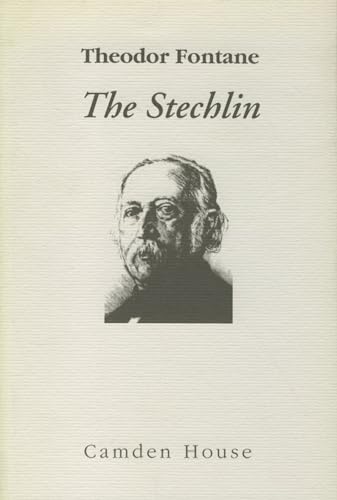
Start this bookNo. 28 on this list. The Stechlin · Theodor Fontane · 1898
Highly regarded in German literature as Fontane's most experimental work. Less widely known internationally than Effi Briest but increasingly appreciated by scholars.
Moderate7.6 hours
Start this bookNo. 29 on this list. Cassandra · Christa Wolf · 1983
Cassandra is required reading in German literature curricula across European universities and is a standard text in courses on feminist rewritings of classical myth. The data signals return no syllabus figures, but Wolf's status as the defining literary voice of the GDR and her international recognition ensure the book appears on World Literature, Women's Writing, and Postwar European Fiction syllabi consistently. It is not a fixture of Anglophone undergraduate curricula in the way Beloved or The Great Gatsby is, placing it below 80 on canonical status.
Difficult5.7 hours
Start this bookNo. 30 on this list. The Weavers · Gerhart Hauptmann · 1892
The Weavers appears regularly in courses on European drama, German literature, and the history of naturalism. It is the standard example of naturalist social drama and frequently anthologized in world theater collections. Its canonical presence is strong within drama studies but narrower than Shakespeare or Ibsen in general literature curricula.
Challenging1.8 hours
Start this book
No. 31 on this list. Dialectic of Enlightenment
Theodor W. Adorno · 1944
No. 32 on this list. Darkness at Noon
Arthur Koestler · 1940
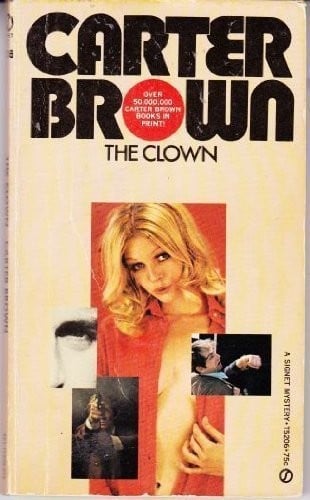
No. 33 on this list. The Clown
Heinrich Böll · 1963
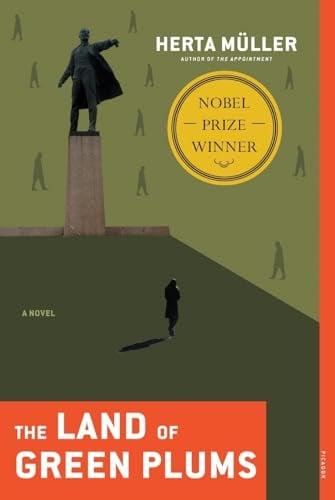
No. 34 on this list. The Land of Green Plums
Herta Müller · 1998
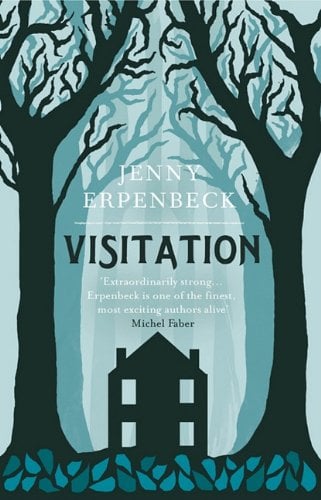
No. 35 on this list. Visitation
Jenny Erpenbeck · 2008
Taught in schools: Bavarian Lehrplan Deutsch (Germany), North Rhine-Westphalia Abitur Deutsch (Germany)
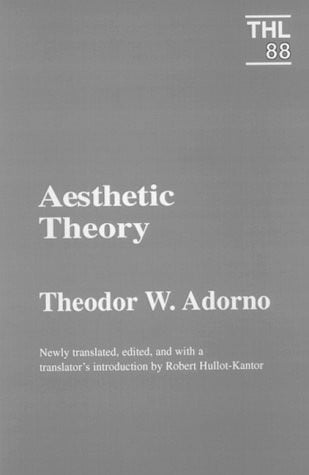
No. 36 on this list. Aesthetic Theory
Theodor W. Adorno · 1970
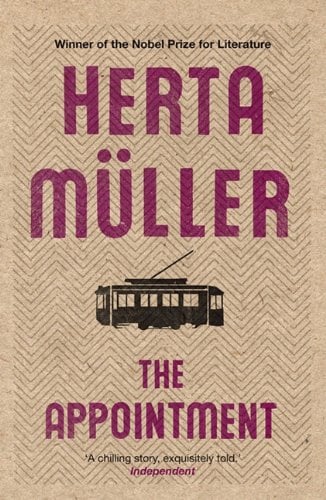
No. 37 on this list. The Appointment
Herta Müller · 1997
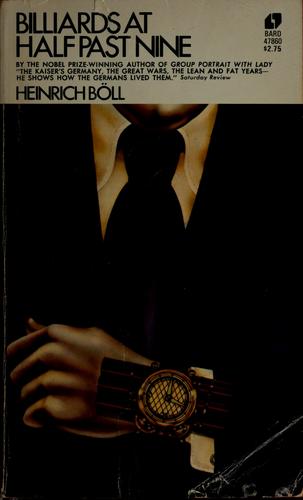
No. 38 on this list. Billiards at Half-Past Nine
Heinrich Böll · 1959
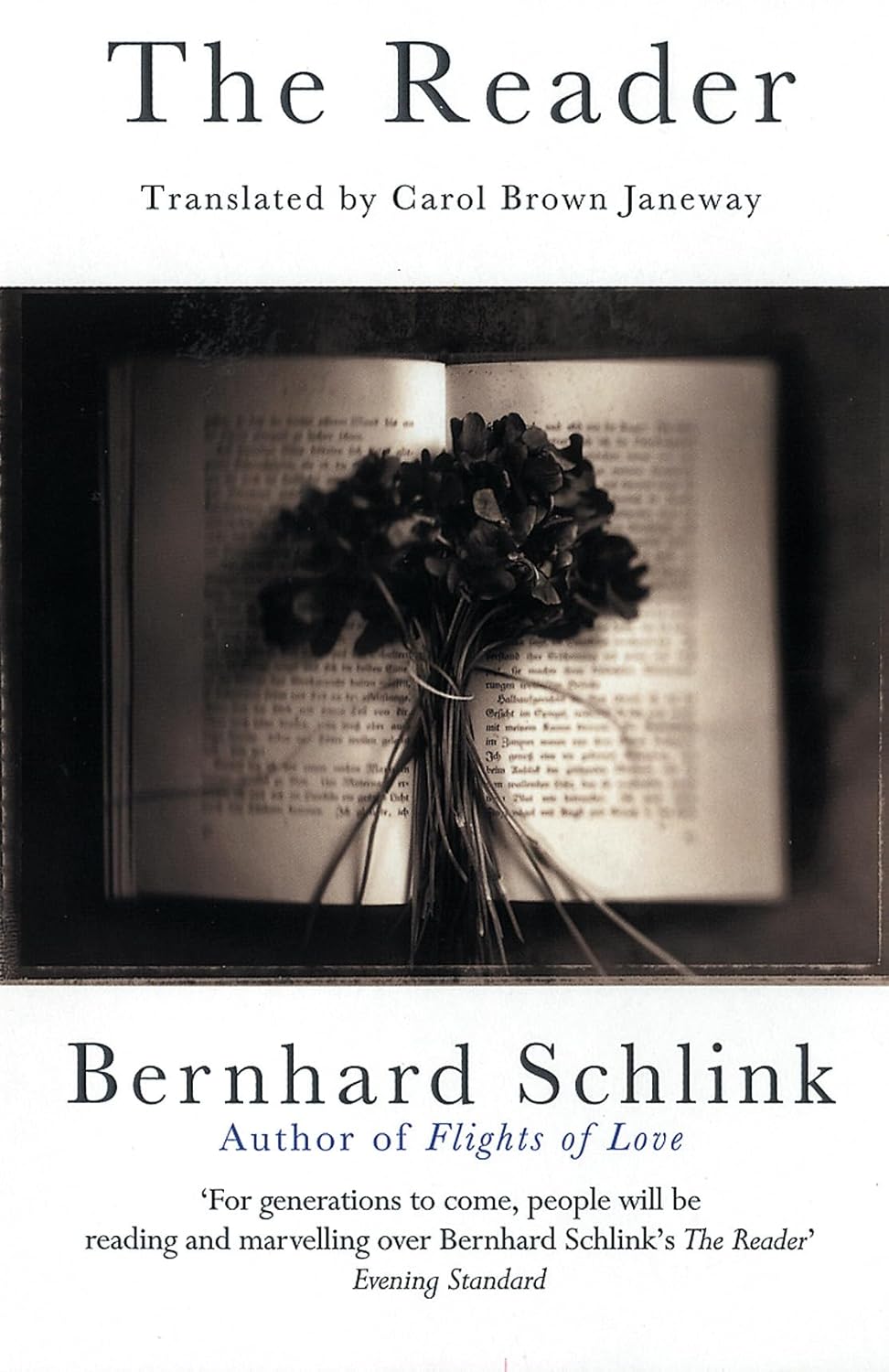
No. 39 on this list. The Reader
Bernhard Schlink · 1995
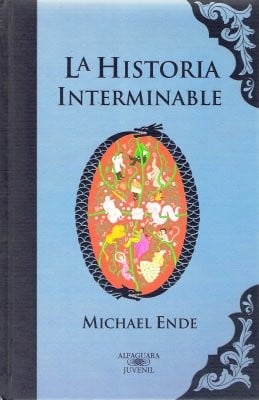
No. 40 on this list. The Neverending Story
Michael Ende · 1979
No. 41 on this list. Minima Moralia
Theodor W. Adorno · 1951
No. 42 on this list. Before Sunrise
Gerhart Hauptmann · 1930
No. 43 on this list. The Fury
No. 44 on this list. Go, Went, Gone
Jenny Erpenbeck · 2015
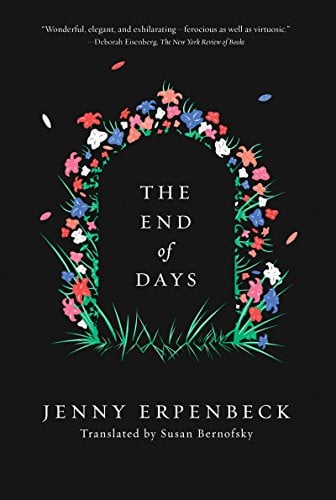
No. 45 on this list. The End of Days
Jenny Erpenbeck · 2012
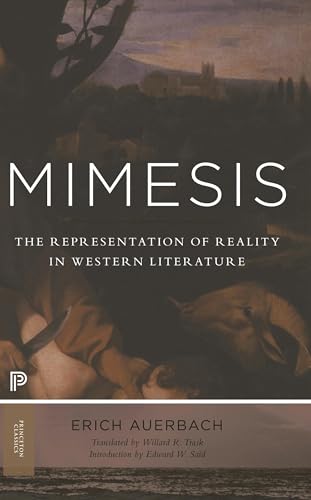
No. 46 on this list. Mimesis
Erich Auerbach · 1946
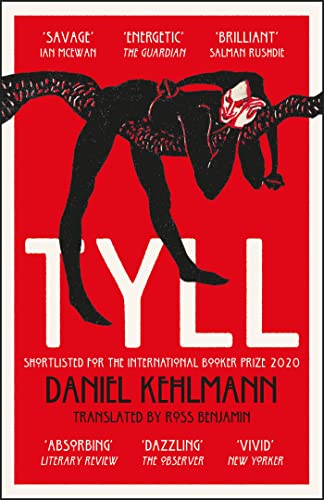
No. 47 on this list. Tyll
Daniel Kehlmann · 2020
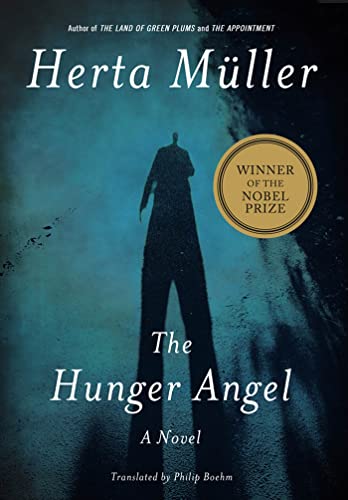
No. 48 on this list. The Hunger Angel
Herta Müller · 2009
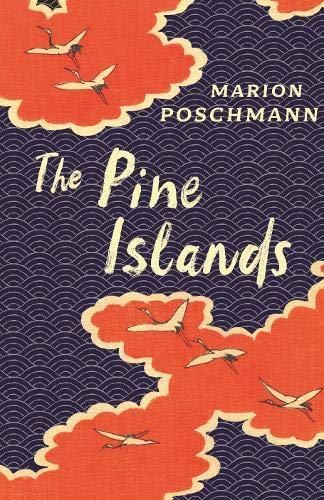
No. 49 on this list. The Pine Islands
Marion Poschmann · 2019
No. 50 on this list. Laocoon: An Essay on the Limits of Painting and Poetry
Gotthold Ephraim Lessing · 1766
No. 51 on this list. The Origin of German Tragic Drama
Walter Benjamin · 1928
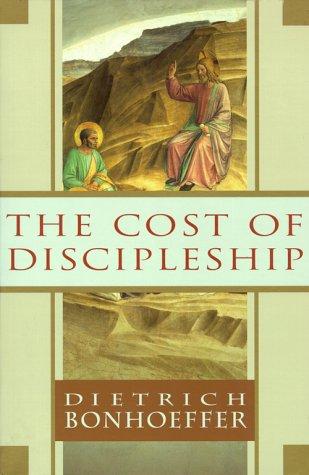
No. 52 on this list. The Cost of Discipleship
Dietrich Bonhoeffer · 1937
No. 53 on this list. The Idea of the Holy
Rudolf Otto · 1917
No. 54 on this list. Critique of Pure Reason
Immanuel Kant · 1781
No. 55 on this list. The Phenomenology of Spirit
No. 56 on this list. The Communist Manifesto
Karl Marx · 1848
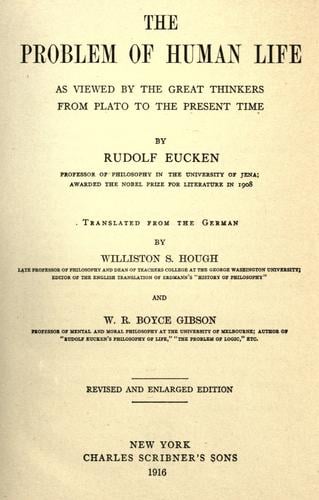
No. 57 on this list. The Problem of Human Life
Rudolf Christoph Eucken · 1895
About this list
These 57 books are the highest-scoring eligible books from Germany in German currently in the catalogue. By literary regard, it opens with Critique of Judgment, Mother Courage and Her Children and Faust. About 702 hours of reading in all. Difficulty runs from 58 to 76 out of 100 for the middle half of the list; the summit is Aesthetic Theory at 91.
This list is ranked by literary regard, with a consistent order for equal scores. Membership follows authors and co-authors, not translators or editors. Catalogue coverage and the historical canon both limit what this list can represent.
When we matched the Canons dataset to our catalogue in October 2026, our canonical-status scores rose with the number of school curricula, publisher series and lists in it that cite a work: the median score was 72 for books one such source cites, 84 at two, 88 at three, 92 at four and 93 at five or more. Prizes are left out of that count. Outside the state curricula, the dataset’s sources choose mostly from what has been translated into English or French, so it is a weaker check on other literatures. Source: Canons (Andrew Piper), CC BY 4.0
Questions people actually ask
- What are the best books from Germany in German?
- By literary regard, which weighs canonical status, critical standing and influence, Critique of Judgment, Mother Courage and Her Children, Faust, The Sorrows of Young Werther and The Threepenny Opera lead. ReadingRate ranks 57 such books, each with a difficulty score and a reading-time estimate.
- Where should I start with books from Germany in German?
- Start from difficulty, not from rank. The most approachable books on this list that still carry top literary regard are The Cost of Discipleship by Dietrich Bonhoeffer (about 3.8 hours), Grimm's Fairy Tales by Brothers Grimm and The Threepenny Opera by Bertolt Brecht.
- How hard are books from Germany in German to read?
- Most of this list sits between 58 and 76 on ReadingRate's 100-point difficulty scale, where 40 to 55 is moderate. The summit is Aesthetic Theory at 91. Every entry carries its own score, so a reader can pick a great book at a difficulty they will finish.
- How is this list ranked?
- On literary-regard data: how canonically established a work is, its critical standing, and its influence on later writing. It is not a readers’ poll, which is why recent bestsellers rarely appear. Membership follows authors and co-authors, not translators or editors. A list that is not a genre list keeps to literature (fiction, poetry, drama and philosophy), with philosophy taking no more than one slot in five while there is literature left to rank; every list holds at most three works by one author.