Hours at an average pace
Showing 44 books
About 167 hours for 44 of 44 books with measured lengths. Estimates use 250 words a minute, adjusted for each book's difficulty. At 2 hours a day, about 84 days for those books.
No. 1 on this list. Bérénice
Jean Racine · 1670
Moderate50 min
Included in: Great Books of the Western World
Bérénice is a cornerstone of French classical literature, taught in virtually every French lycée and featured in world literature and drama curricula internationally. Alongside Phèdre and Andromaque, it is one of the three works most associated with Racine's genius and is considered essential reading for anyone studying French neoclassical theatre.
No. 2 on this list. The Miser
Molière · 1668
Moderate1.4 hours
Taught in schools: Lektury obowiązkowe – Polish national reading list (Poland), UNAM Escuela Nacional Preparatoria – programas de Literatura (Mexico)
Included in: Great Books of the Western World
The Miser is a staple of French literature and world theater curricula across universities globally, ranking among the most performed and studied comedies of the Western canon. While no syllabus count is in the database, it appears consistently on comparative literature, French studies, and drama course lists. Its presence in world literature anthologies across dozens of languages reflects its canonical standing.
Andromaque, widowed queen of Troy, has one goal: protect her son Astyanax, the last living heir of Hector. Standing between her son's life and his death is Pyrrhus, the Greek king who killed her husband and now holds them both captive — and who, inconveniently, is in love with her. Pyrrhus will spare the boy if she marries him. She refuses. He turns back to his betrothed, Hermione. Then he returns to Andromaque again. This chain of unrequited desire — Oreste loves Hermione, Hermione loves Pyrrhus, Pyrrhus loves Andromaque, Andromaque loves only the dead Hector — is the entire engine of the play. Racine wrote Andromaque in 1667, when he was thirty, and it made him famous overnight. The alexandrine verse is strict and relentless, each character arguing their case with the precision of a lawyer and the desperation of someone who knows they are losing. What distinguishes this from other tragedies is how little pity Racine allows anyone: every character is both victim and tormentor. By the final act, Pyrrhus is dead, Hermione has killed herself, and Oreste has gone mad. Andromaque survives, which in context feels like its own punishment.
No. 4 on this list. Phèdre
Jean Racine · 1677
Moderate52 min
Included in: Great Books of the Western World
Phedre is the acknowledged masterpiece of French neoclassical drama and a permanent fixture of French lycee and university curricula worldwide. Wikipedia articles exist in 26 languages with a dedicated Reception section, reflecting sustained international scholarly attention. Though the database records no syllabus appearances, this reflects a data gap — the play is core curriculum in French literature courses across Europe and North America.
No. 5 on this list. The School for Wives
Molière · 1662
Easy1.2 hours
Included in: Great Books of the Western World
A major Molière comedy, regularly performed and studied. Marks the beginning of his mature period and the great querelle it provoked.
No. 6 on this list. Cousin Bette
Honoré de Balzac · 1846
Easy10 hours
Included in: Great Books of the Western World
Cousin Bette is central to the Balzac canon and widely taught in French university courses across Europe; it appears on numerous syllabi as his finest late novel and as a cornerstone of European realism. Its Anglophone classroom presence is smaller than in France, but it features in world literature survey courses and Victorian-comparative programs.
Considered one of the great French novels of the twentieth century, though less widely read than Journey to the End of the Night. Central to studies of literary modernism.
Persepolis is widely taught in high school and university courses on graphic narrative, memoir, and Middle Eastern studies. It is a staple of the graphic novel canon, though not on the level of the traditional literary canon.
No. 9 on this list. The Little Prince
Antoine de Saint-Exupéry · 1943
Easy60 min
Taught in schools: Common Core text exemplars (Appendix B) (US)
One of the most translated books in history with over 300 language editions, making it among the most widely read works of French literature. A staple of French school curricula and taught globally in world literature, philosophy, and children's literature courses. Wikipedia articles exist in well over 100 languages, reflecting universal cultural penetration.
Ranked 18th in Le Monde's 100 Books of the Century, above many canonical novels, and has Wikipedia articles in 40 languages. It is the Tintin album most discussed in comics studies and is widely read across Europe.
No. 11 on this list. Manon Lescaut · Abbé Prévost · 1731
Taught in schools: Programme de français, lycée général et technologique (France)
A cornerstone of the French novel and one of the great love stories of European literature. Widely read and studied.
Easy2.9 hours
Start this bookNo. 12 on this list. Julie, or the New Heloise · Jean-Jacques Rousseau · 1761
The most important French novel before the 19th century and a founding text of Romanticism. Less read today than it deserves, partly due to its length and didactic passages.
Moderate18 hours
Start this bookNo. 13 on this list. Thérèse Raquin · Émile Zola · 1867
Widely read and taught as a foundational naturalist text, though less prominent than Germinal or L'Assommoir in the Zola canon.
Easy3.6 hours
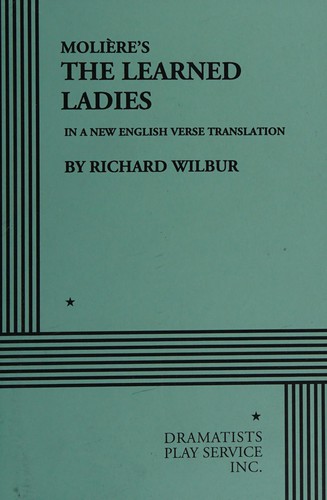
Start this bookNo. 14 on this list. The Learned Ladies · Molière · 1672
A significant Molière play, regularly included in collected editions and periodically revived. Less universally performed than Tartuffe or The Misanthrope.
Easy1.2 hours
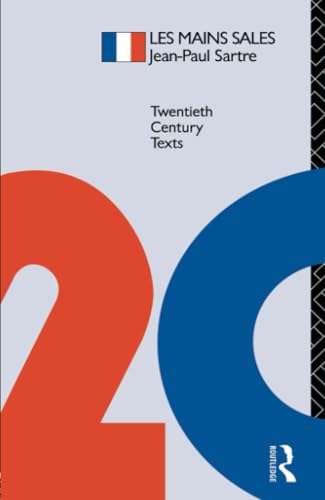
Start this bookNo. 15 on this list. Dirty Hands · Jean-Paul Sartre · 1948
One of the most performed French plays of the twentieth century and a staple of political theater. Widely taught in philosophy and literature courses.
Easy2.4 hours
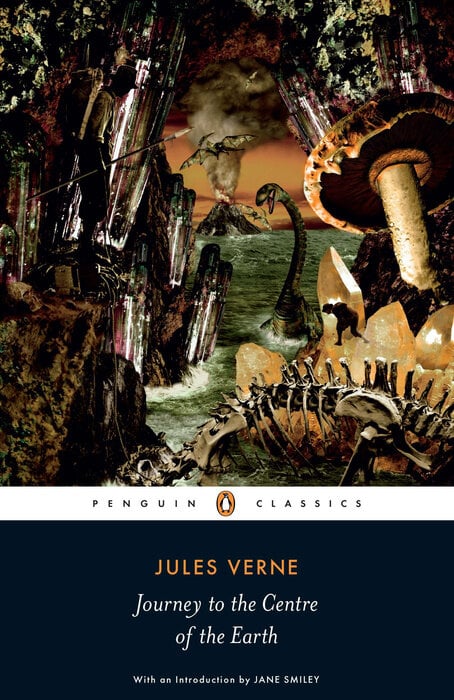
Start this bookNo. 16 on this list. Journey to the Center of the Earth · Jules Verne · 1864
A foundational text of 19th-century adventure fiction and proto-science fiction, taught in French literature and science fiction history courses worldwide. No syllabus data is available in the database, but Verne's novel is widely considered essential reading in genre history. It appears on most curated lists of classic science fiction and has remained in continuous print for over 160 years.
Easy4.3 hours
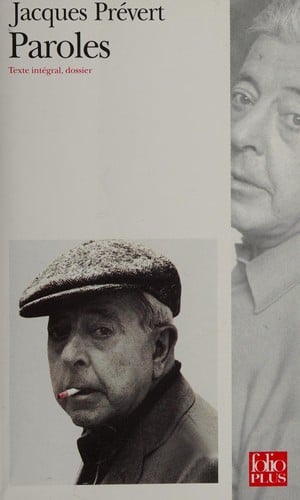
Start this bookNo. 17 on this list. Paroles · Jacques Prévert · 1946
Ranked 16th on Le Monde's 100 Books of the Century, Paroles is one of the best-selling books of French poetry of the twentieth century, and poems such as 'Barbara' and 'Déjeuner du matin' are fixtures of French schooling. It is less often set in university poetry courses than Apollinaire or Éluard.
Easy1.3 hours
Start this bookNo. 18 on this list. Exit the King · Eugène Ionesco · 1962
Ionesco's most widely performed play and one of the central works of the Theater of the Absurd. Regularly revived in major productions worldwide.
Easy1.1 hours
Start this bookNo. 19 on this list. A Woman's Life · Guy de Maupassant · 1883
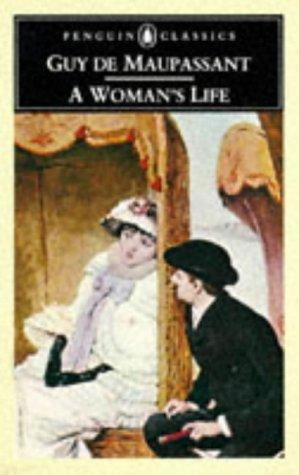
Jeanne de Lamare leaves her convent at seventeen with a calendar she will spend the rest of the novel crossing off, one disappointed hope at a time. Her father, a gentle Norman baron who worships Rousseau, has kept her cloistered from life so that he can introduce her to it properly — out in the countryside, among flowering fields and honest peasants. Within months she is married to Julien de Lamare, a handsome local nobleman whose charm evaporates immediately after the wedding night. Maupassant traces what follows with the patient, unsentimental eye of a naturalist: the husband's infidelities, the death of parents, the catastrophic indulgence of a son who bleeds her dry, the slow sale of everything she owns. The prose stays close to physical sensation — rain hammering on roof tiles, the salt smell of low-tide seaweed, Jeanne's hands trembling at the cliff edge. Maupassant refuses melodrama; the disasters accumulate quietly, the way ordinary life wears people down. Flaubert, who called this novel a masterpiece before it was finished, recognized the kinship with Emma Bovary: both women mistake romantic literature for a guide to living. But where Emma rages, Jeanne endures. A Woman's Life — Maupassant's first and finest novel — delivers its verdict in the maid Rosalie's closing line: life is never as good or as bad as we think.
Easy5 hours
Start this bookNo. 20 on this list. Asterix the Gaul · René Goscinny · 1961
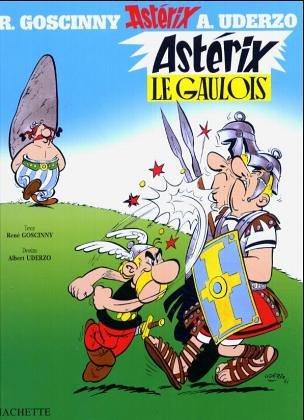
On Le Monde's 100 Books of the Century, an unusual place for a comic album, with a Wikipedia article in 33 languages. It is a fixture of French cultural literacy and studied in courses on bande dessinée, though rarely in literature syllabi.
Easy22 min
Start this book

No. 21 on this list. The Rock of Tanios · Amin Maalouf · 1993
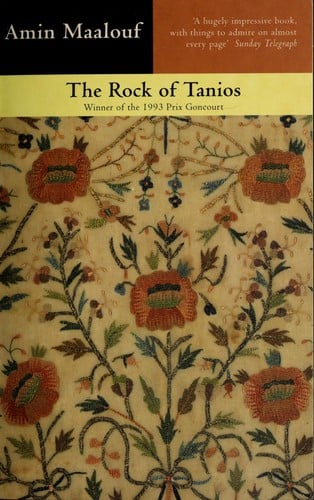
Prix Goncourt winner. Important work of Francophone and Lebanese literature.
Easy4.3 hours
Start this bookNo. 22 on this list. The Flies · Jean-Paul Sartre · 1943
Taught in schools: UNAM Escuela Nacional Preparatoria – programas de Literatura (Mexico)
A major work of existentialist theater and an important document of intellectual resistance during the occupation. Regularly taught and performed.
Easy1.8 hours
Start this bookNo. 23 on this list. Bel-Ami · Guy de Maupassant · 1885
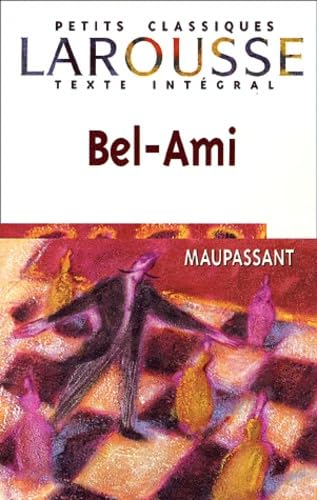
Bel-Ami appears on world literature and French literature syllabi globally and is considered Maupassant's most important novel. The database lacks syllabus data but Wikipedia lists the book in over 30 languages with a substantial article including reception and adaptations sections. It features consistently on lists of essential 19th-century French novels.
Moderate3.1 hours
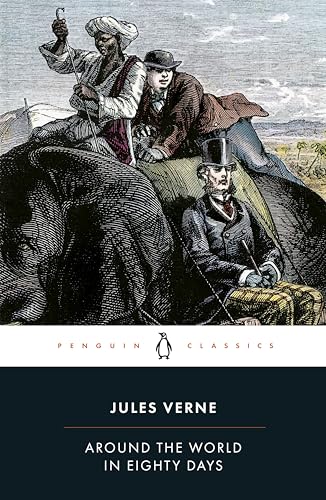
Start this bookNo. 24 on this list. Around the World in Eighty Days · Jules Verne · 1872
Taught in schools: CSEC English B – Caribbean Examinations Council
Around the World in Eighty Days is a recognized classic of world literature, appearing on recommended reading lists across many countries and taught in world literature and adventure fiction courses globally. The novel has been continuously in print since 1873 and has been translated into dozens of languages, cementing its place in the literary canon — though it sits below the most academically studied texts like Gatsby or Ulysses.
Easy3.6 hours
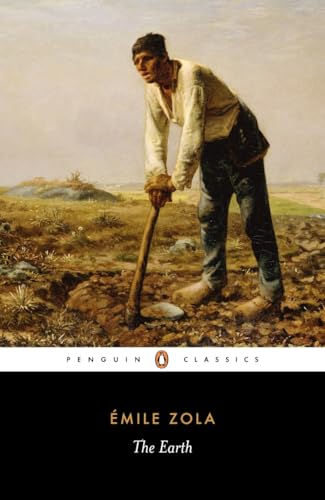
Start this bookNo. 25 on this list. The Earth · Émile Zola · 1887
An important entry in the Rougon-Macquart cycle but less widely read than Germinal, L'Assommoir, or Nana. Valued by scholars of naturalism and rural fiction.
Easy9.8 hours
Start this bookNo. 26 on this list. Simple Passion · Annie Ernaux · 1991
A key Ernaux text, widely taught in French literature and gender studies. Important in the development of autofiction.
Moderate40 min
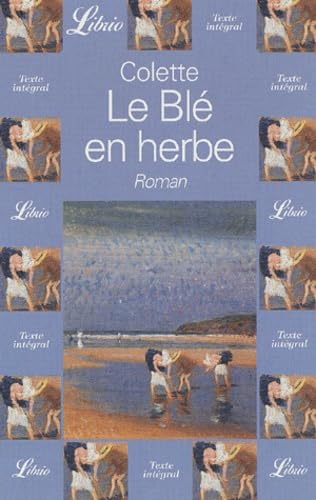
Start this bookNo. 27 on this list. The Ripening Seed · Colette · 1923
Le blé en herbe appears on French high school (lycée) syllabi and is firmly canonical within the French literary tradition, though less universally taught in the anglophone academy. No syllabus data available from the Open Syllabus Project, which covers mainly English-language universities. The novel is consistently included in Colette retrospectives and French literature anthologies.
Moderate2.4 hours
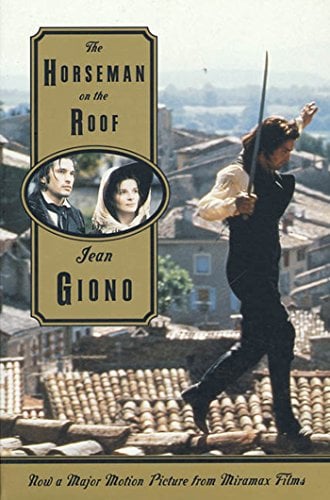
Start this bookNo. 28 on this list. The Horseman on the Roof · Jean Giono · 1951
Le Hussard sur le toit is on Le Monde's 100 Books of the Century, has Wikipedia articles in 18 languages, and is read in French schools and literature courses. It is less taught in English.
Moderate8.7 hours
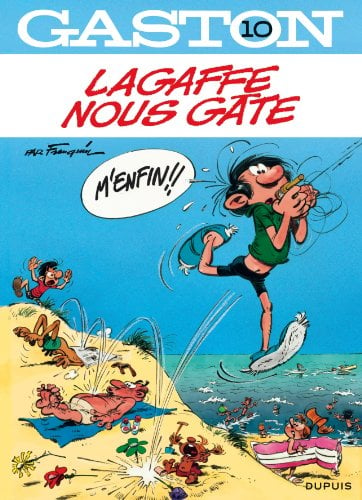
Start this bookNo. 29 on this list. Gaston · André Franquin · 1957
Gaston is on Le Monde's 100 Books of the Century, one of a handful of comics chosen, and has been a fixture of French-speaking popular culture since its 1957 debut in Spirou magazine. Academic attention is concentrated in comics studies.
Very Easy15 min
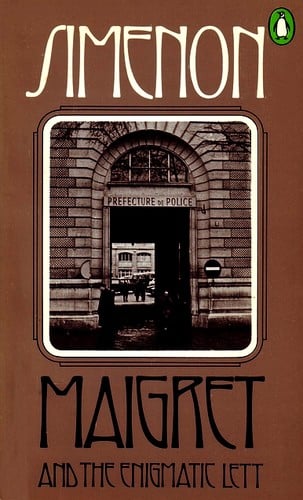
Start this bookNo. 30 on this list. The Strange Case of Peter the Lett · Georges Simenon · 1931
On Le Monde's 100 Books of the Century as Pietr-le-Letton, the 1931 novel that introduced Inspector Maigret. It is widely read but taught mostly in courses on crime fiction and francophone literature.
Easy2.6 hours
Start this book
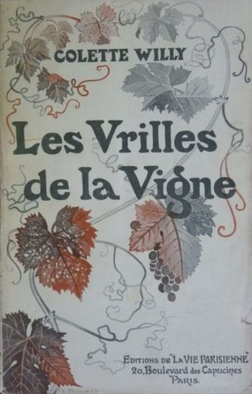
No. 31 on this list. The Tendrils of the Vine
Colette · 1908
Taught in schools: Programme de français, lycée général et technologique (France)
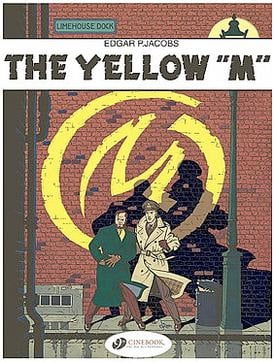
No. 32 on this list. Blake and Mortimer
Edgar P. Jacobs · 1946
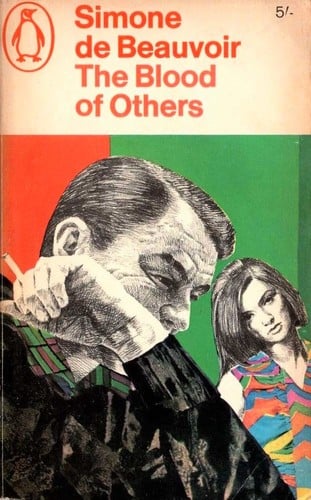
No. 33 on this list. The Blood of Others
Simone de Beauvoir · 1945
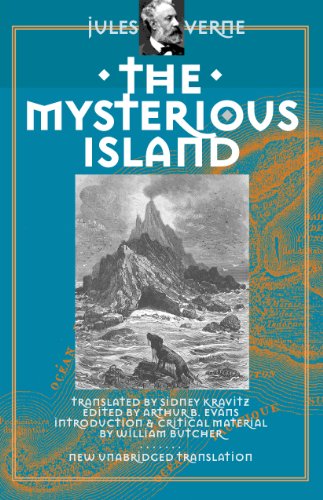
No. 34 on this list. The Mysterious Island
Jules Verne · 1875
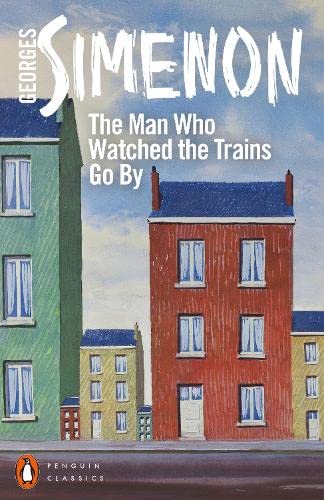
No. 35 on this list. The Man Who Watched Trains Go By
Georges Simenon · 1938
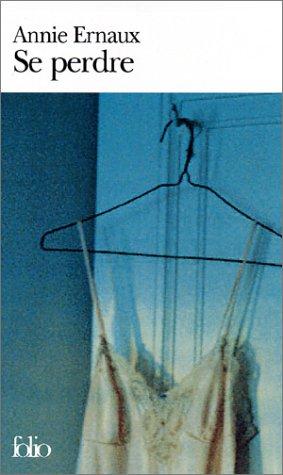
No. 36 on this list. Getting Lost
Annie Ernaux · 2001
No. 37 on this list. The Perfect Nanny
Leïla Slimani · 2016
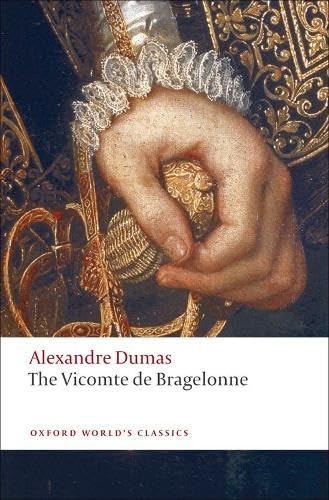
No. 38 on this list. The Vicomte de Bragelonne
Alexandre Dumas · 1847
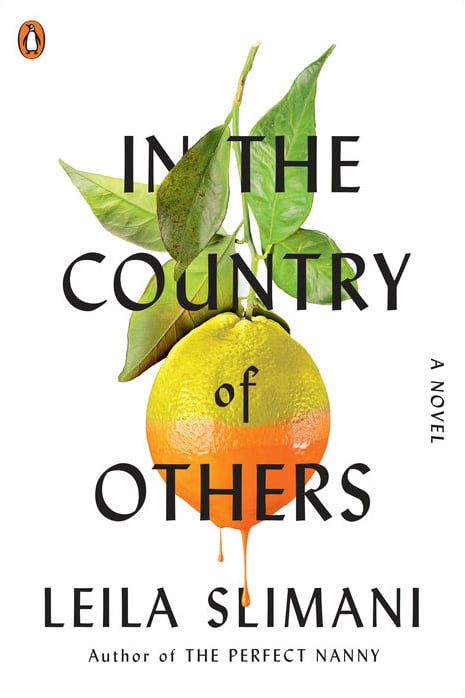
No. 39 on this list. In the Country of Others
Leïla Slimani · 2020
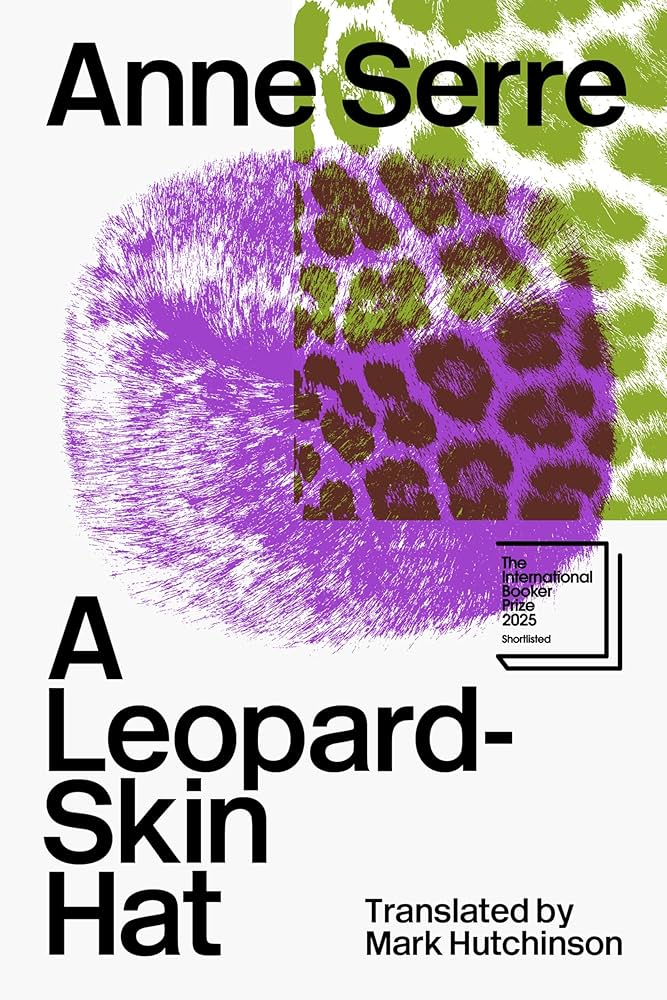
No. 40 on this list. A Leopard-Skin Hat
François-Henri Désérable · 2025
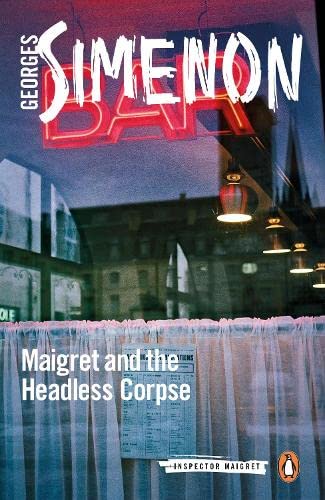
No. 41 on this list. Maigret and the Headless Corpse
Georges Simenon · 1955
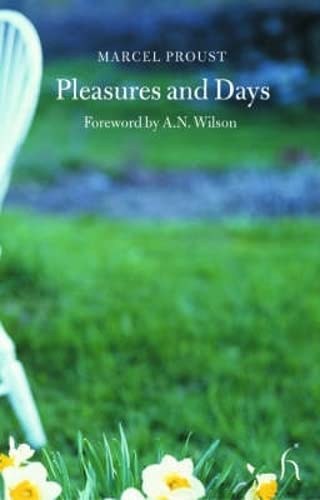
No. 42 on this list. Pleasures and Days
Marcel Proust · 1896
No. 43 on this list. Le prince charmant existe ! Il est italien et tueur à gages
Anna Triss · 2019
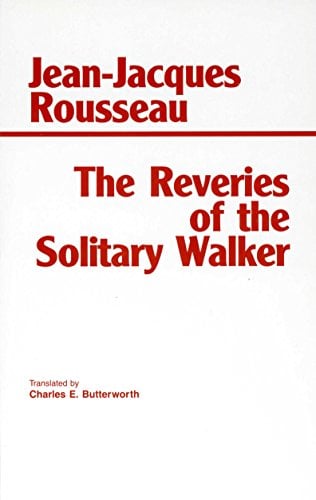
No. 44 on this list. Reveries of the Solitary Walker
Jean-Jacques Rousseau · 1782
About this list
These 44 books are the highest-scoring eligible easy books in French currently in the catalogue. About 167 hours of reading in all. Difficulty runs from 33 to 41 out of 100 for the middle half of the list; the summit is Phèdre at 44.
This list is ranked by literary regard, with a consistent order for equal scores. Membership follows authors and co-authors, not translators or editors. Catalogue coverage and the historical canon both limit what this list can represent.
When we matched the Canons dataset to our catalogue in October 2026, our canonical-status scores rose with the number of school curricula, publisher series and lists in it that cite a work: the median score was 72 for books one such source cites, 84 at two, 88 at three, 92 at four and 93 at five or more. Prizes are left out of that count. Outside the state curricula, the dataset’s sources choose mostly from what has been translated into English or French, so it is a weaker check on other literatures. Source: Canons (Andrew Piper), CC BY 4.0
Questions people actually ask
- What are the best easy books in French?
- By literary regard, which weighs canonical status, critical standing and influence: Bérénice by Jean Racine, The Miser by Molière, Andromaque by Jean Racine, Phèdre by Jean Racine and The School for Wives by Molière. ReadingRate ranks 44 such books, each with a difficulty score and a reading-time estimate.
- Which easy books in French should I read first?
- Start from difficulty, not from rank. The most approachable books on this list that still carry top literary regard are The School for Wives by Molière (about 1.2 hours), Cousin Bette by Honoré de Balzac and Reveries of the Solitary Walker by Jean-Jacques Rousseau.
- What are the shortest of the best easy books in French?
- Among the top 25, the shortest are Asterix the Gaul by René Goscinny (about 22 min), The Blue Lotus by Hergé (about 26 min) and Bérénice by Jean Racine (about 50 min), at an average pace of 250 words a minute adjusted for each book's difficulty.
- Which of the best easy books in French are the established classics?
- By canonical status, how firmly a book sits in curricula, anthologies and the canon: Bérénice by Jean Racine, The Miser by Molière, Andromaque by Jean Racine, Phèdre by Jean Racine and The Little Prince by Antoine de Saint-Exupéry.
- How long would it take to read the top ten?
- About 30 hours, at an average pace of 250 words a minute adjusted for each book's difficulty: 15 days at two hours a day. Set your own pace on the page and the list's reading times change to it.
- How hard are easy books in French to read?
- Most of this list sits between 33 and 41 on ReadingRate's 100-point difficulty scale, where 40 to 55 is moderate. The summit is Phèdre at 44. Every entry carries its own score, so a reader can pick a great book at a difficulty they will finish.
- How is this list ranked?
- On literary-regard data: how canonically established a work is, its critical standing, and its influence on later writing. It is not a readers’ poll, which is why recent bestsellers rarely appear. Membership follows authors and co-authors, not translators or editors. Lists by country, author, period, theme or difficulty keep to literature (fiction, poetry, drama and philosophy), their novels, poems and plays first and their philosophy after them; a list of a kind of book, such as memoir or criticism, keeps every book of that kind. Every list holds at most three works by one author.