Hours at an average pace
Showing 58 books
About 414 hours for 58 of 58 books with measured lengths. Estimates use 250 words a minute, adjusted for each book's difficulty. At 2 hours a day, about 208 days for those books.
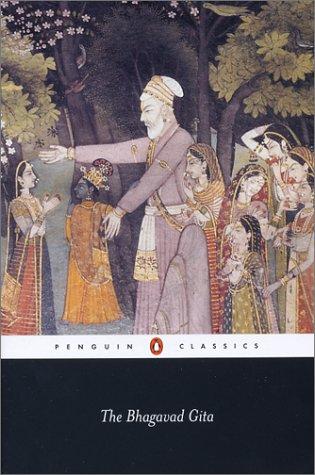
It is the most widely read Hindu scripture, a central text in religion and world literature courses, and widely translated. It is read worldwide as a standalone work.
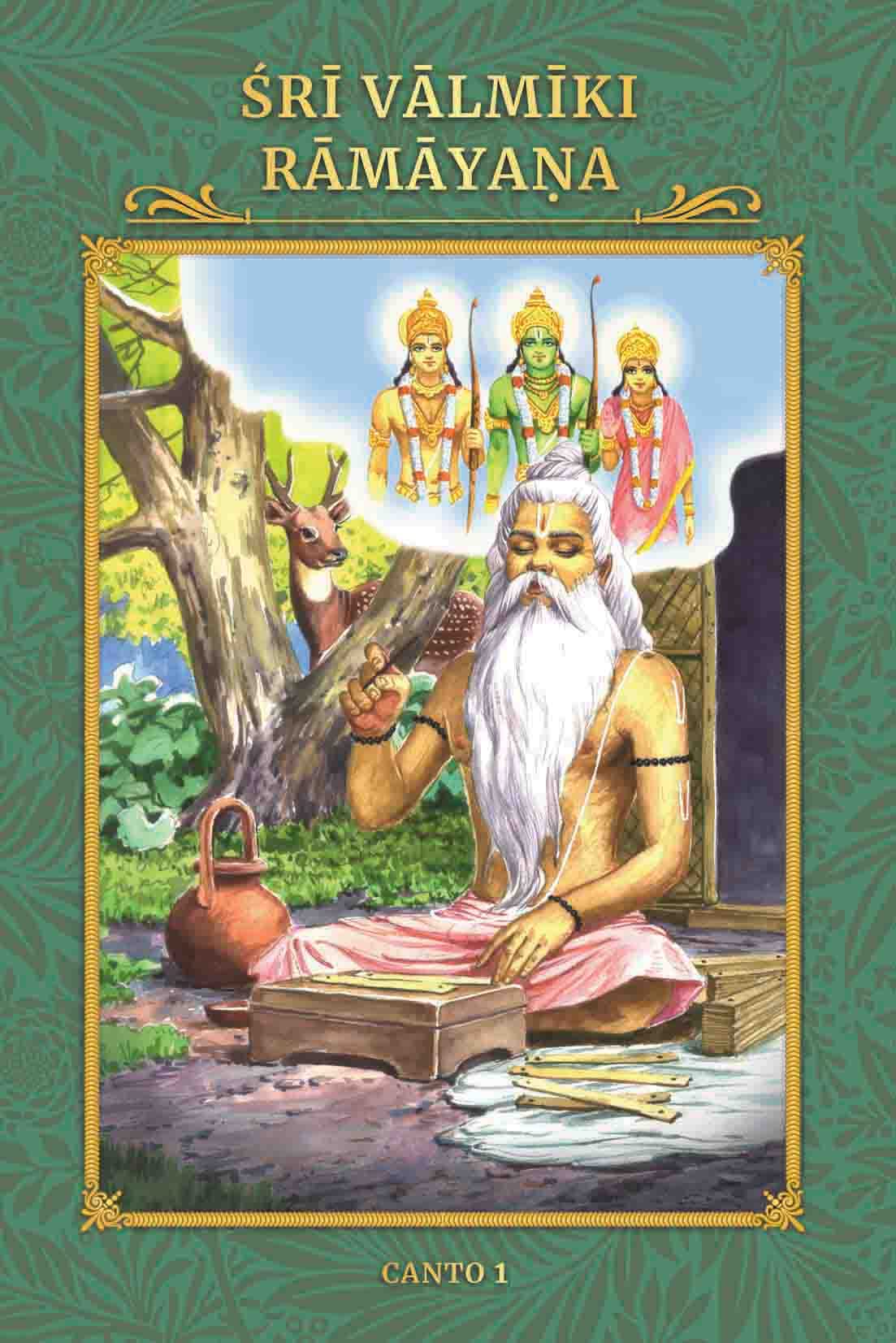
Valmiki's poem established the archetype of the righteous exile — a prince who surrenders his kingdom, rescues his wife from a demon king, and returns to rule — and in doing so provided South and Southeast Asia with a moral and narrative grammar that has shaped religion, theater, sculpture, and statecraft for over two millennia.
Kalidasa's best-known lyric is central to Sanskrit literature curricula and the model for the duta-kavya genre, translated widely across Indian languages and the world.
The central text of Tamil civilisation, memorised in schools, quoted in politics and cinema, and required in Tamil and comparative literature study.
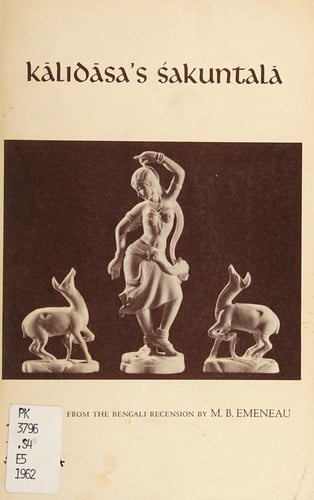
Supreme Sanskrit drama; first Indian text to reach European audience.
No. 6 on this list. Gita Govinda
Jayadeva · 1200
Challenging1.1 hours
Included in: UNESCO Collection of Representative Works
A required text in Sanskrit literature, Indian religious studies, and the history of dance, and part of daily ritual at the Jagannath temple in Puri.
No. 7 on this list. Panchatantra
Vishnu Sharma · 300
Challenging7.5 hours
Taught in schools: Turkish edebiyat curriculum (Turkey)
Included in: UNESCO Collection of Representative Works
A standard text in world literature, folklore, and comparative narrative courses and one of the most widely translated works ever produced in India.
No. 8 on this list. Gitanjali
Rabindranath Tagore · 1910
Moderate1 hours
Included in: UNESCO Collection of Representative Works
Gitanjali won the Nobel Prize in Literature in 1913, making Tagore the first non-European laureate. The work established Bengali literature on the world stage and remains required reading in Indian schools. Its influence on English-language spiritual poetry endures through its absorption into wedding readings, meditation anthologies, and political speeches (poem XXXV became a patriotic touchstone in India).
Recognised as the first modern Bengali novel and a foundational text of the Indian psychological novel, taught across South Asian literature programmes.
The Home and the World is one of Tagore's most celebrated novels and a staple of postcolonial literature syllabi worldwide. Written by the first non-European Nobel laureate, it occupies a significant position in the global literary canon, particularly in discussions of Indian literature, nationalism, and modernity. Satyajit Ray's 1984 film adaptation further cemented its cultural status. It appears in 7 Wikipedia languages and has remained continuously in print for over a century.
No. 11 on this list. Tughlaq · Girish Karnad · 1964
The most produced and most taught modern Indian play, standard in Indian drama syllabi and translated into every major Indian language.
Challenging2 hours
Start this bookNo. 12 on this list. Kanthapura · Raja Rao · 1938
The foundational text of Indian writing in English, taught in every postcolonial literature course; Rao's foreword is quoted as the field's manifesto.
Challenging5.3 hours
Start this bookNo. 13 on this list. The God of Small Things · Arundhati Roy · 1997
Taught in schools: AQA GCSE and A-level English Literature (UK)
The God of Small Things achieved rapid canonical recognition following its 1997 publication and Booker Prize victory. It became a staple of contemporary literary curricula and global literature syllabi, particularly notable as the first novel by an Indian author to win the Booker in the award's history. Its canonical position reflects both literary merit and cultural significance.
Challenging8.1 hours
Start this bookNo. 14 on this list. Anandamath · Bankim Chandra Chattopadhyay · 1882
A required text in Indian nationalism and Bengali literature courses and the source of India's national song.
Challenging5.3 hours
Start this bookNo. 15 on this list. The Quilt and Other Stories · Ismat Chughtai · 1990
Lihaaf is the most taught Urdu short story in gender and sexuality courses across South Asia and the West.
Challenging4.1 hours
Start this bookNo. 16 on this list. Train to Pakistan · Khushwant Singh · 1956
The standard Partition novel in English, taught worldwide in South Asian history and literature courses.
Moderate3.9 hours
Start this bookNo. 17 on this list. Untouchable · Mulk Raj Anand · 1935
The standard text on caste in Indian English fiction, taught worldwide in postcolonial and Dalit studies courses.
Moderate2.8 hours
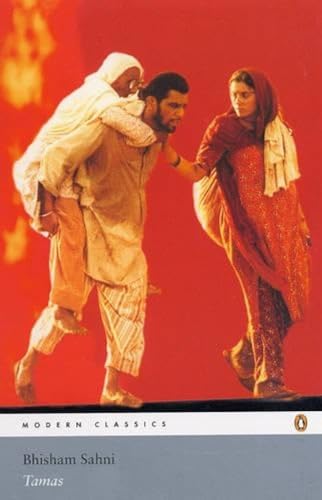
Start this bookNo. 18 on this list. Tamas · Bhisham Sahni · 1974
The major Hindi Partition novel, standard in Indian literature syllabi and in history courses on communal violence.
Challenging9.6 hours
Start this bookNo. 19 on this list. Nirmala · Premchand · 1927
A staple of Hindi literature syllabi and the standard text on dowry in Indian fiction.
Moderate3.3 hours
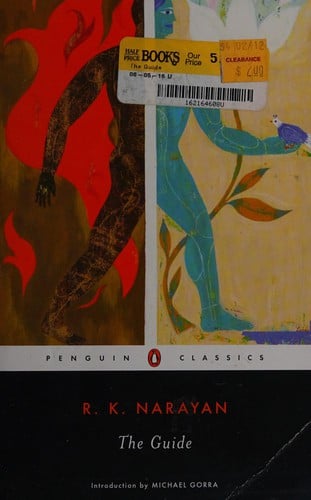
Start this bookNo. 20 on this list. The Guide · R.K. Narayan · 1958
Taught in schools: CSEC English B – Caribbean Examinations Council
The Guide is the central text of Indian English fiction before Rushdie and appears regularly in postcolonial, South Asian, and world literature courses. It was the first novel in English to win the Sahitya Akademi Award, India's national literary prize. Wikipedia articles in multiple languages; the 1965 Bollywood film adaptation signals deep cultural penetration within India.
Challenging7 hours
Start this book
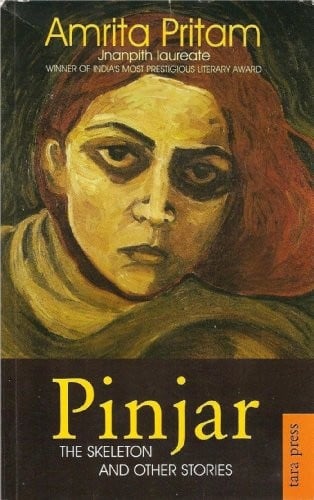
No. 21 on this list. Pinjar · Amrita Pritam · 1950
A standard text on Partition and gender in South Asian studies and one of the few to centre abducted women.
Moderate2.8 hours
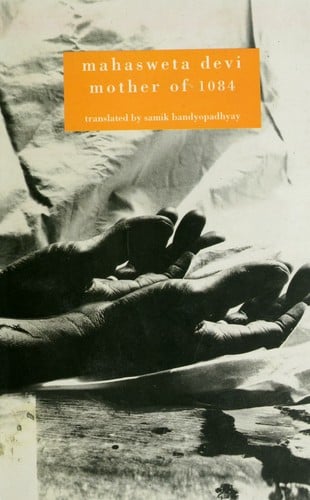
Start this bookNo. 22 on this list. Mother of 1084 · Mahasweta Devi · 1974
A core text in South Asian studies and postcolonial feminism, taught in courses on the Naxalite movement and state violence.
Challenging3.3 hours
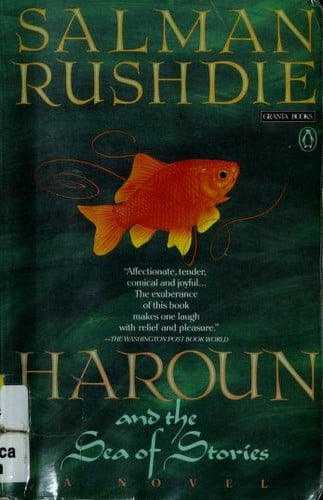
Start this bookNo. 23 on this list. Haroun and the Sea of Stories · Salman Rushdie · 1990
A staple of children's-literature and postcolonial syllabi and one of the most taught allegories of censorship.
Moderate3.3 hours
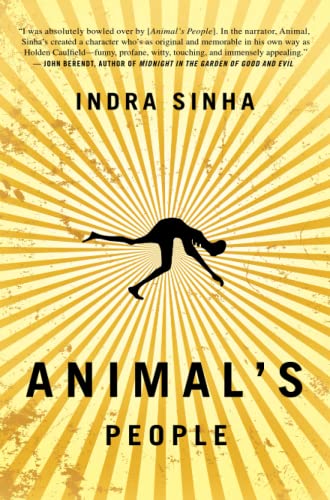
Start this bookNo. 24 on this list. Animal's People · Indra Sinha · 2007
Shortlisted for the 2007 Man Booker Prize and included in Boxall's '1001 Books You Must Read Before You Die' (2018 edition). Winner of the 2008 Commonwealth Writers' Prize for Best Book from Europe & South Asia and shortlisted for the 2009 International IMPAC Dublin Literary Award, establishing significant presence in postcolonial literary canon.
Moderate8.5 hours
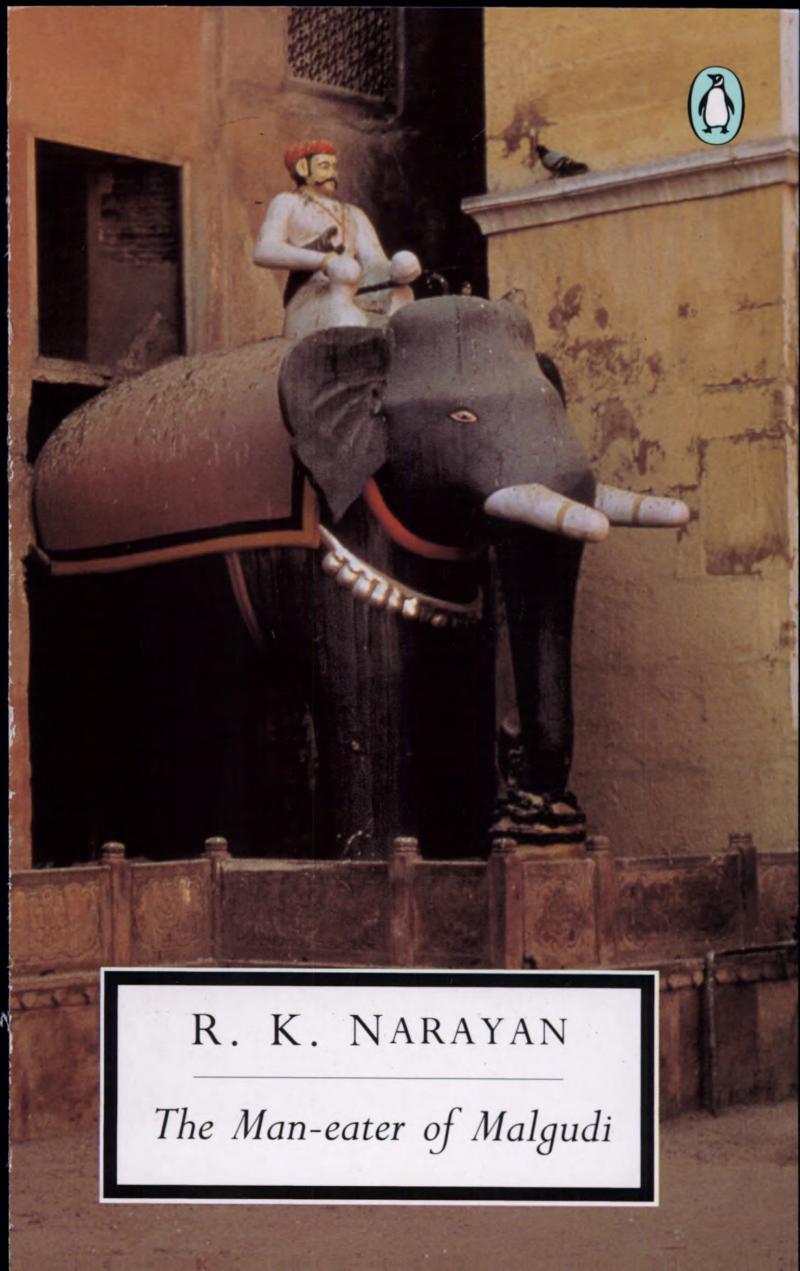
Start this bookNo. 25 on this list. The Man-Eater of Malgudi · R.K. Narayan · 1961
Widely taught as Narayan's most structurally deliberate novel and the standard text for reading myth inside Indian realism.
Moderate3.8 hours
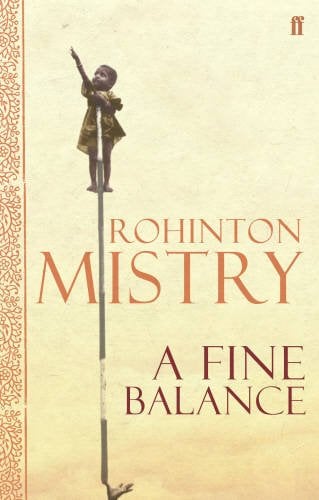
Start this bookNo. 26 on this list. A Fine Balance · Rohinton Mistry · 1996
Rohinton Mistry's A Fine Balance (1995), set in an unnamed Indian city during the Emergency of 1975-77, is a fixture of courses on Indian and Canadian fiction and of book clubs worldwide. Oprah's Book Club chose it in 2001.
Moderate16 hours
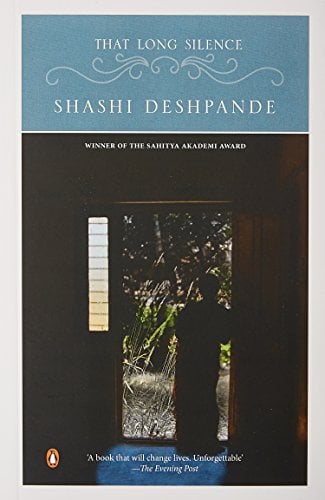
Start this bookNo. 27 on this list. That Long Silence · Shashi Deshpande · 1988
A standard text in Indian women's writing and postcolonial feminism courses across South Asia.
Challenging5.5 hours
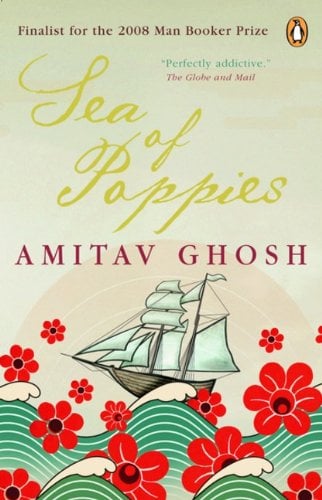
Start this bookNo. 28 on this list. Sea of Poppies · Amitav Ghosh · 2008
Appears on 253 university syllabi according to the Open Syllabus Project, placing it in the 60th percentile — taught regularly in postcolonial literature and South Asian studies courses but not a fixture of general literature curricula. Wikipedia coverage exists in only 2 languages, indicating limited global canonical reach compared to works like Midnight's Children or A Suitable Boy.
Challenging14 hours
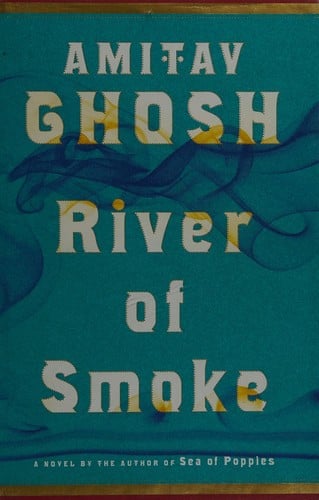
Start this bookNo. 29 on this list. River of Smoke · Amitav Ghosh · 2011
Taught in postcolonial and world-literature courses as the central novel of the Opium Wars, though newer than the settled canon.
Challenging17 hours
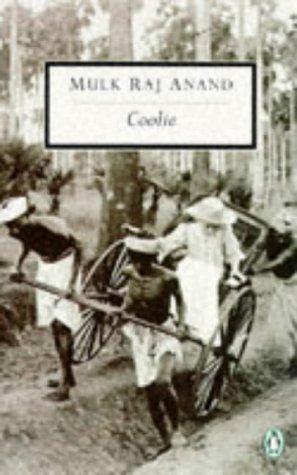
Start this bookNo. 30 on this list. Coolie · Mulk Raj Anand · 1936
Regularly taught alongside Untouchable as the key Indian proletarian novel in English.
Moderate6.3 hours
Start this book
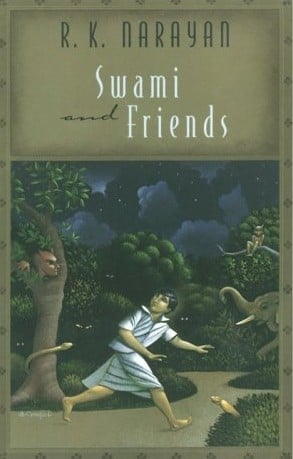
No. 31 on this list. Swami and Friends
R.K. Narayan · 1935
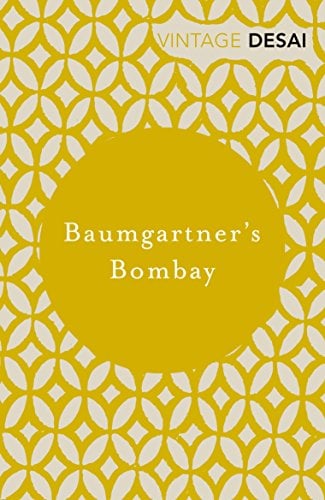
No. 32 on this list. Baumgartner's Bombay
Anita Desai · 1988
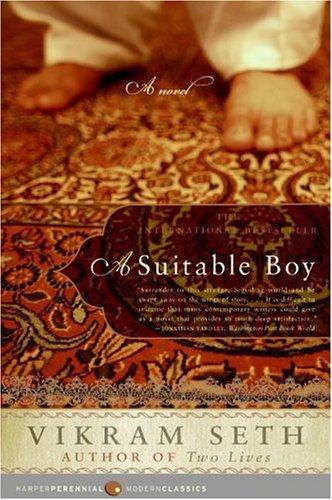
No. 33 on this list. A Suitable Boy
Vikram Seth · 1993
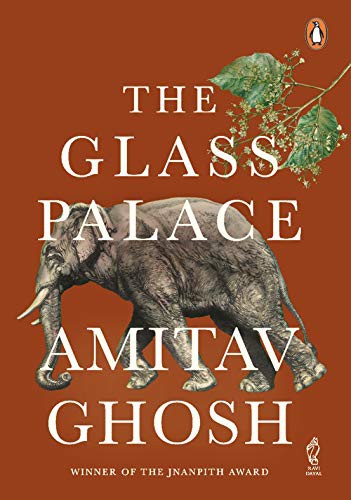
No. 34 on this list. The Glass Palace
Amitav Ghosh · 2000
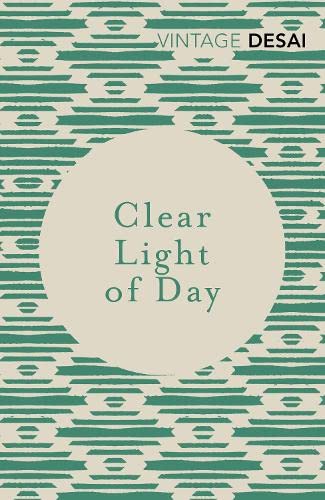
No. 35 on this list. Clear Light of Day
Anita Desai · 1980
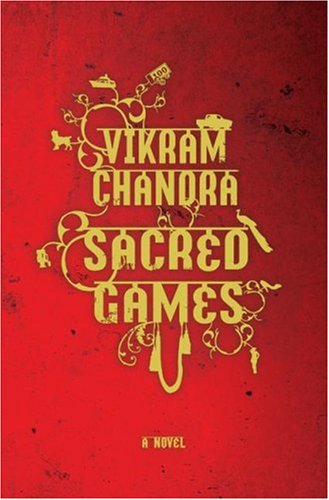
No. 36 on this list. Sacred Games
Vikram Chandra · 2006
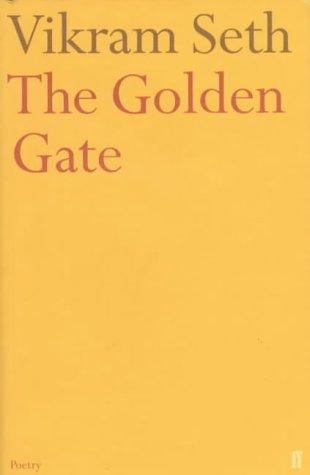
No. 37 on this list. The Golden Gate
Vikram Seth · 1986
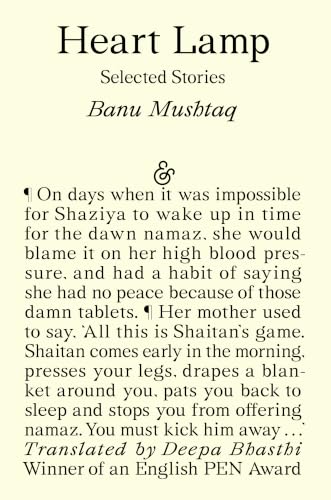
No. 38 on this list. Heart Lamp: Selected Stories
Banu Mushtaq · 2025
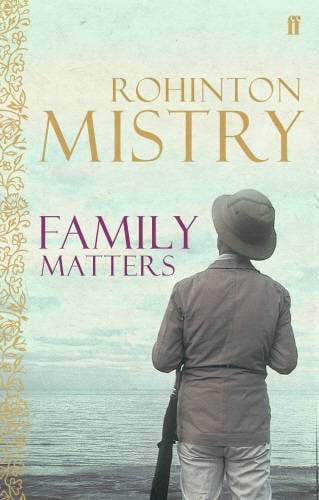
No. 39 on this list. Family Matters
Rohinton Mistry · 2002
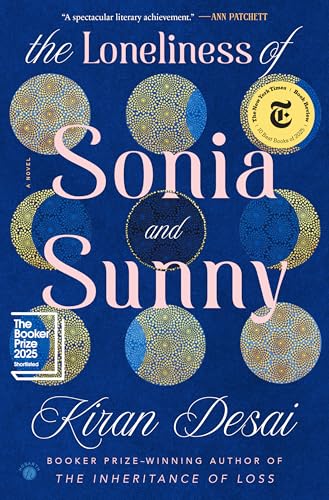
No. 40 on this list. The Loneliness of Sonia and Sunny
Kiran Desai · 2025
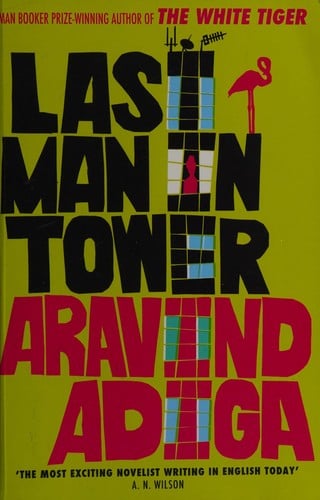
No. 41 on this list. Last Man in Tower
Aravind Adiga · 2011
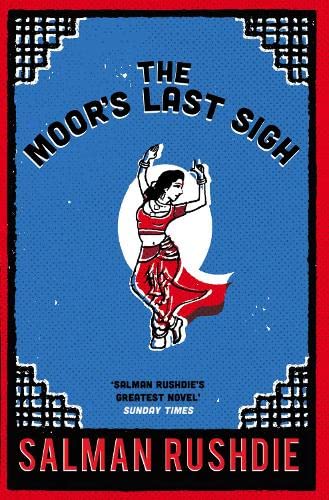
No. 42 on this list. The Moor's Last Sigh
Salman Rushdie · 1995
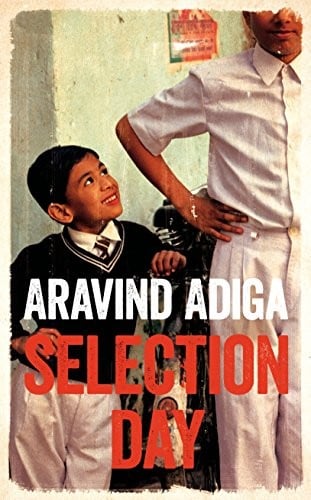
No. 43 on this list. Selection Day
Aravind Adiga · 2016
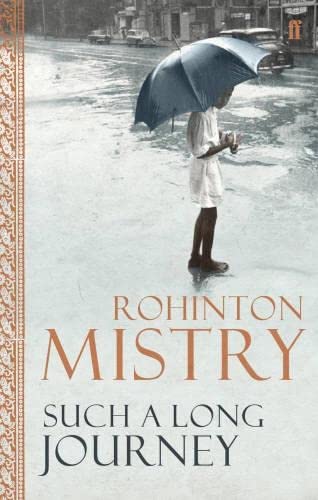
No. 44 on this list. Such a Long Journey
Rohinton Mistry · 1991
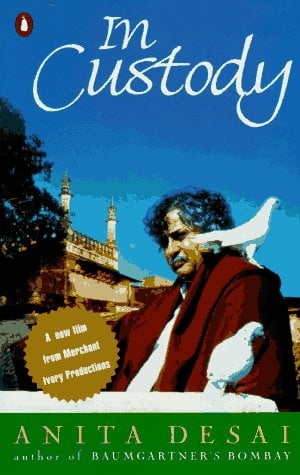
No. 45 on this list. In Custody
Anita Desai · 1984
No. 46 on this list. The Lives of Others
Neel Mukherjee · 2014
No. 47 on this list. The Ministry of Utmost Happiness
Arundhati Roy · 2017
No. 48 on this list. Narcopolis
Jeet Thayil · 2012
No. 49 on this list. Sleeping on Jupiter
Anuradha Roy · 2015
No. 50 on this list. Western Lane
Chetna Maroo · 2023
No. 51 on this list. The Death of Vishnu
Manil Suri · 2001
No. 52 on this list. The Story of My Experiments with Truth
Mahatma Gandhi · 1929
No. 53 on this list. Annihilation of Caste
B.R. Ambedkar · 1936
No. 54 on this list. The Way of the Bodhisattva
Śāntideva · 2003
No. 55 on this list. Arthashastra
Kautilya · c. 300 BCE
No. 56 on this list. Development as Freedom
Amartya Sen · 1999
No. 57 on this list. The Discovery of India
Jawaharlal Nehru · 1946
No. 58 on this list. Kama Sutra
Vatsyayana · 300
About this list
These 58 books are the highest-scoring eligible moderately difficult books from India currently in the catalogue. About 414 hours of reading in all. Difficulty runs from 50 to 60 out of 100 for the middle half of the list; the summit is Gita Govinda at 64.
This list is ranked by literary regard, with a consistent order for equal scores. Membership follows authors and co-authors, not translators or editors. Catalogue coverage and the historical canon both limit what this list can represent.
When we matched the Canons dataset to our catalogue in October 2026, our canonical-status scores rose with the number of school curricula, publisher series and lists in it that cite a work: the median score was 72 for books one such source cites, 84 at two, 88 at three, 92 at four and 93 at five or more. Prizes are left out of that count. Outside the state curricula, the dataset’s sources choose mostly from what has been translated into English or French, so it is a weaker check on other literatures. Source: Canons (Andrew Piper), CC BY 4.0
Questions people actually ask
- What are the best moderately difficult books from India?
- By literary regard, which weighs canonical status, critical standing and influence: The Bhagavad Gita by Vyasa, Ramayana by Valmiki, Meghaduta by Kalidasa, Tirukkural by Thiruvalluvar and Shakuntala by Kalidasa. ReadingRate ranks 58 such books, each with a difficulty score and a reading-time estimate.
- Which moderately difficult books from India should I read first?
- Start from difficulty, not from rank. The most approachable books on this list that still carry top literary regard are Development as Freedom by Amartya Sen (about 8.8 hours), Shakuntala by Kalidasa and The Way of the Bodhisattva by Śāntideva.
- What are the shortest of the best moderately difficult books from India?
- Among the top 25, the shortest are Meghaduta by Kalidasa (about 26 min), Gita Govinda by Jayadeva (about 1.1 hours) and Gitanjali by Rabindranath Tagore (about 1 hours), at an average pace of 250 words a minute adjusted for each book's difficulty.
- Which of the best moderately difficult books from India are the established classics?
- By canonical status, how firmly a book sits in curricula, anthologies and the canon: Ramayana by Valmiki, The Bhagavad Gita by Vyasa, Tirukkural by Thiruvalluvar, The Story of My Experiments with Truth by Mahatma Gandhi and Gita Govinda by Jayadeva.
- Can I read any of these moderately difficult books from India for free?
- 3 of the 58 open in ReadingRate's reader with a free account, from public-domain editions: Ramayana, Gitanjali and The Home and the World.
- How long would it take to read the top ten?
- About 52 hours, at an average pace of 250 words a minute adjusted for each book's difficulty: 27 days at two hours a day. Set your own pace on the page and the list's reading times change to it.
- How hard are moderately difficult books from India to read?
- Most of this list sits between 50 and 60 on ReadingRate's 100-point difficulty scale, where 40 to 55 is moderate. The summit is Gita Govinda at 64. Every entry carries its own score, so a reader can pick a great book at a difficulty they will finish.
- How is this list ranked?
- On literary-regard data: how canonically established a work is, its critical standing, and its influence on later writing. It is not a readers’ poll, which is why recent bestsellers rarely appear. Membership follows authors and co-authors, not translators or editors. Lists by country, author, period, theme or difficulty keep to literature (fiction, poetry, drama and philosophy), their novels, poems and plays first and their philosophy after them; a list of a kind of book, such as memoir or criticism, keeps every book of that kind. Every list holds at most three works by one author.