Hours at an average pace
Showing 30 books
About 161 hours for 29 of 30 books with measured lengths. Estimates use 250 words a minute, adjusted for each book's difficulty. At 2 hours a day, about 81 days for those books.
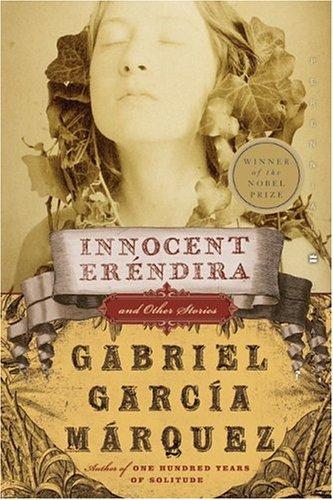
No. 1 on this list. Innocent Erendira and Other Stories
Gabriel García Márquez · 2005
Moderate3.4 hours
García Márquez is a staple of world literature courses and the stories 'A Very Old Man with Enormous Wings' and 'The Handsomest Drowned Man in the World' are widely anthologized. The collection itself is less central than One Hundred Years of Solitude.
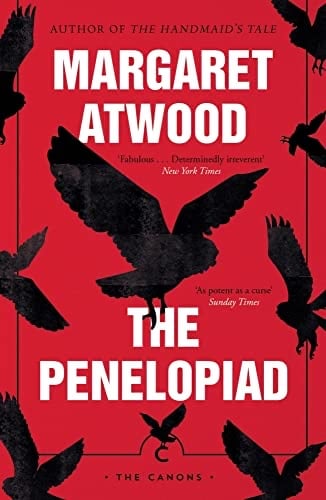
The Penelopiad appears regularly on feminist literature syllabi, myth-retelling courses, and contemporary women's fiction reading lists, benefiting from its position in the Canongate Myths series and Atwood's towering reputation. It has not achieved the universal curricular penetration of Atwood's The Handmaid's Tale, placing it in established rather than major canon territory.
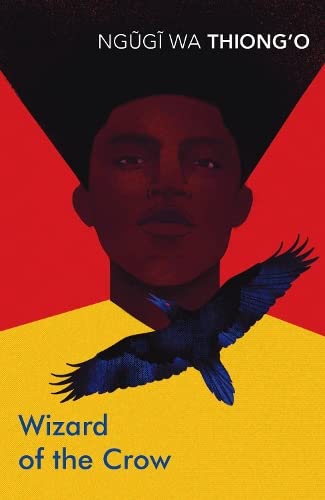
No syllabus data available from the database, but Wizard of the Crow is widely taught in African literature and postcolonial studies courses globally. It is Ngugi's most ambitious work, recognized as his magnum opus across critical literature. Taught less ubiquitously than Achebe's Things Fall Apart but firmly positioned in world literature curricula.
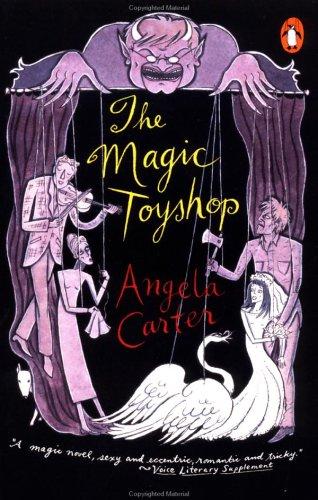
The Magic Toyshop is taught regularly in British postmodern and feminist literature courses as Carter's first major novel and an early exemplar of feminist Gothic fiction. It is less ubiquitous on syllabi than The Bloody Chamber or Nights at the Circus but occupies a secure place in courses on women's writing and postmodern British fiction. No data signals found in database; score based on established literary reputation.
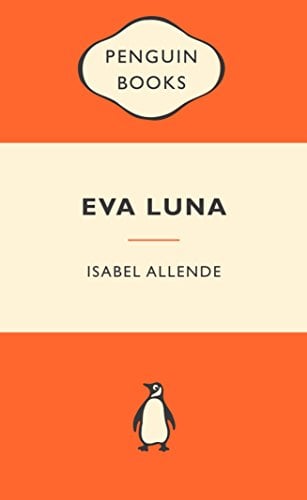
Eva Luna opens her story the way her mother opened hers: with an act of reinvention. Born in the back room of a house full of mummies and Latin books, daughter of an Indian who never looked at the sky and a red-haired woman abandoned at a river mission, Eva discovers early that words are currency. She carries this knowledge through a succession of households—each one stranger than the last—as a child servant, a factory worker, a fugitive, and eventually a writer of telenovelas. Running parallel is the story of Rolf Carlé, an Austrian exile who grows up in a German mountain colony and becomes a documentary filmmaker drawn toward the political violence simmering beneath his adopted country's surface. Allende structures the novel like the Arabian Nights she keeps invoking: episodes nest inside episodes, each character telling their own story inside Eva's. The prose is sensory and accumulative—jungles steam, mummies smell of dried flowers, a dead woman's hair is braided with gold—and Allende moves between comedy and violence with the ease of a practiced oral storyteller. By the time Eva sits down to write the script that gives Rolf a way into the guerrilla story he has been chasing, the novel's two currents have merged into a single argument: that to survive in a continent given to disappearances and strongmen, you must first become the author of your own life.
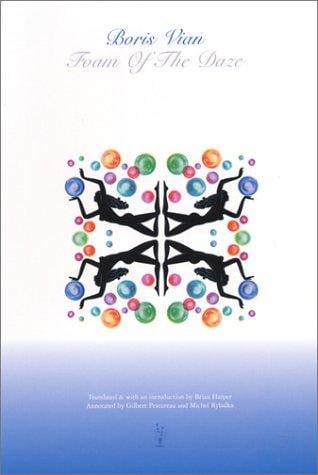
Ranked tenth on Le Monde's 100 Books of the Century as L'Écume des jours and a staple of French secondary-school reading, with a Wikipedia article in 24 languages. Outside France it is better known through Michel Gondry's 2013 film Mood Indigo than through university syllabi.
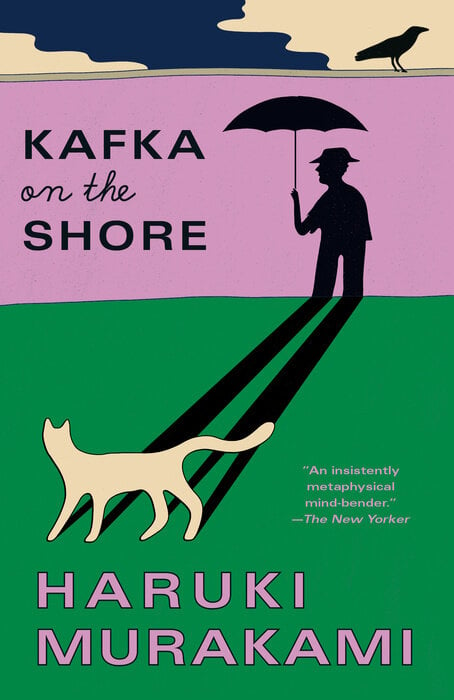
Wikipedia covers the novel in 36 languages with a dedicated Reception section, indicating substantial global critical discourse. It appears in contemporary world fiction and Japanese literature courses but is not a curriculum fixture — the Open Syllabus data shows minimal formal academic presence. It occupies the 'Established' band: recognized importance without universal inclusion, and below Infinite Jest (78) or 2666 (65) in canonical reach.
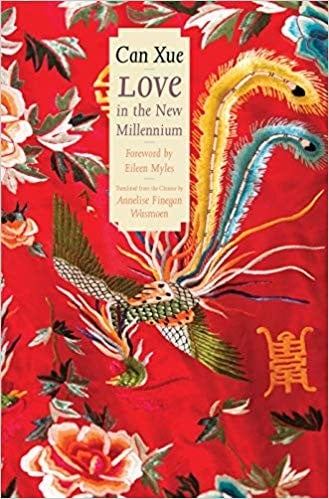
Highly regarded in avant-garde circles. Less widely known than more accessible Chinese novelists.
It is widely taught in contemporary British fiction, feminist and queer literature courses, though not at the level of a core canon text. Its standing is below The Remains of the Day but above commercial fiction.
It is a recent translated novella of the 2010s, assigned in contemporary and Latin American literature courses, and a favourite for border and migration studies. It has not yet become a fixture the way One Hundred Years of Solitude is, though its short length makes it easy to teach.
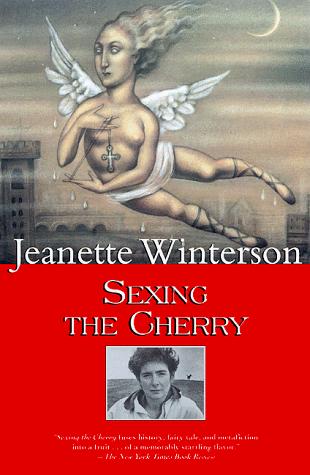
No. 11 on this list. Freshwater · Akwaeke Emezi · 2018
As a 2018 debut it is taught in contemporary, postcolonial and queer literature courses, but its curricular presence is still emerging. It sits well below the established canon of Beloved.
Moderate4.4 hours
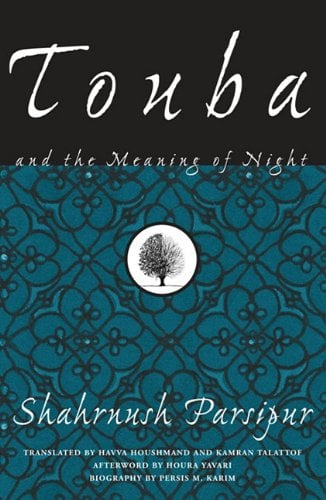
Start this bookNo. 12 on this list. Women Without Men: A Novel of Modern Iran · Shahrnush Parsipur · 2004
It is a landmark of modern Persian women's writing, banned in Iran and widely taught in postcolonial and feminist courses in translation. It is less established than the major Western canon.
Moderate2 hours
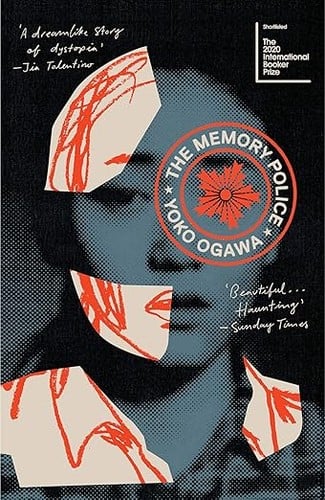
Start this bookNo. 13 on this list. The Memory Police · Yoko Ogawa · 2020
Not yet a syllabus fixture — the data show zero tracked syllabus appearances — but its 2019 English translation, Wikipedia presence in four languages, and growing footprint in world-literature and speculative-fiction courses put it well ahead of genre-only recognition like Gone Girl, closer to a book still building toward canonical status than one that has arrived.
Challenging5.5 hours
Start this bookNo. 14 on this list. Requiem: A Hallucination · Antonio Tabucchi · 2002
It is regarded in Italian and Portuguese-language literary circles as one of Tabucchi's key works and sits alongside his Pessoa-related writing. It is taught more in specialist courses on European and Lusophone literature than in general canons.
Moderate2.1 hours
Start this bookNo. 15 on this list. Women Without Men · Shahrnush Parsipur · 1989
Women Without Men is widely taught in postcolonial, Middle Eastern, and women's literature courses at Western universities, where it functions as a gateway text to Iranian literary modernism. No syllabus data was returned from the database, but the work's sustained presence in Anglophone academic curricula since its 1992 English-language publication places it well above genre fiction in canonical standing.
Challenging2.5 hours
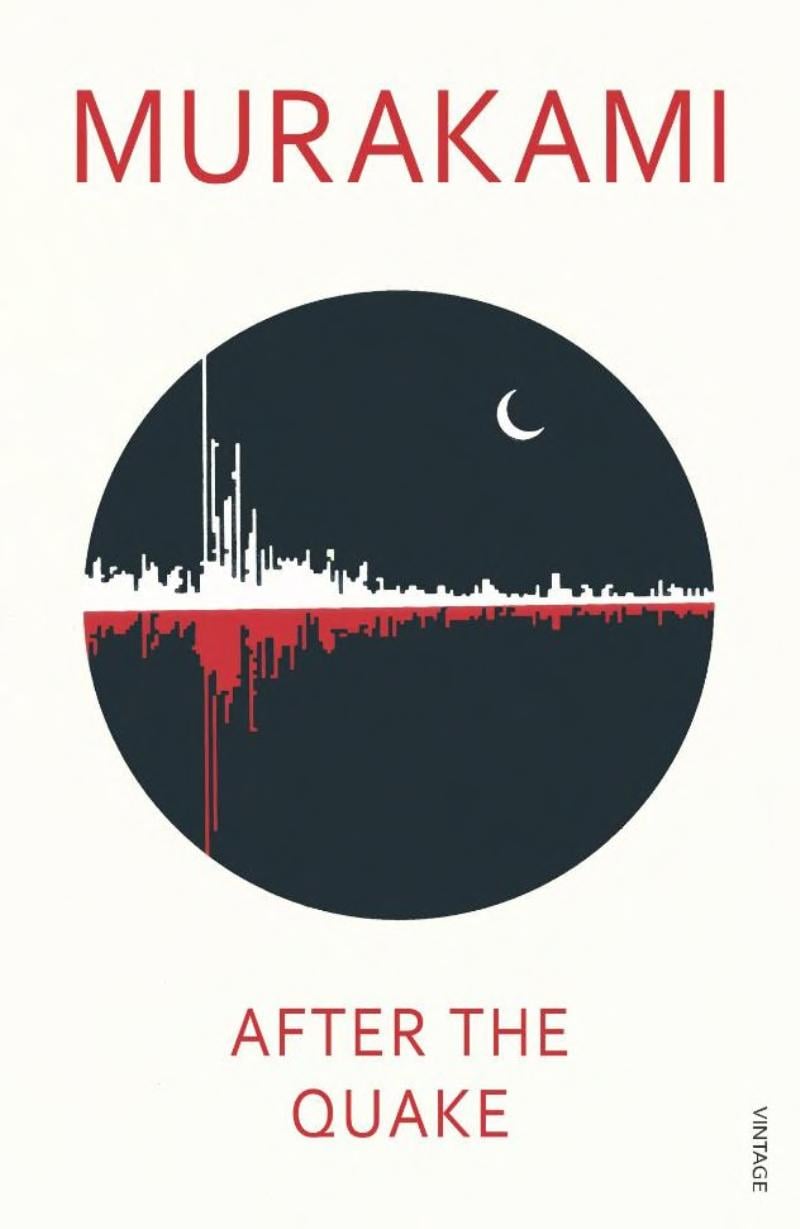
Start this bookNo. 16 on this list. After the Quake · Haruki Murakami · 2000
A secondary Murakami work, less taught than his novels, though it appears in contemporary Japanese literature contexts.
Moderate2.6 hours
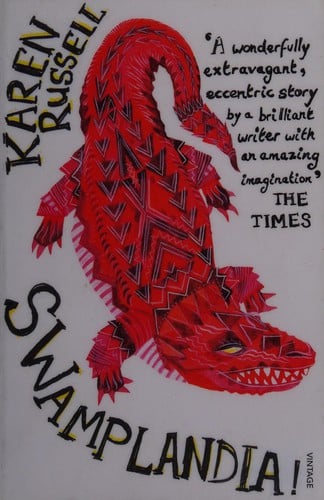
Start this bookNo. 17 on this list. Swamplandia! · Karen Russell · 2000
Ranked by literary regard among eligible works in the current catalogue. This position reflects the available catalogue evidence.
Challenging8.8 hours
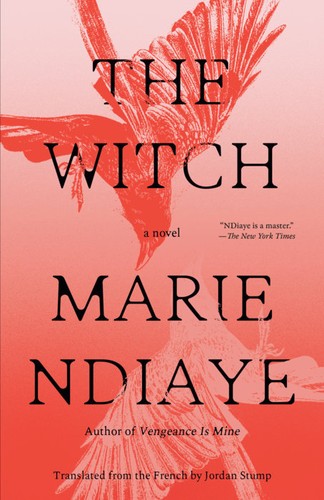
Start this bookNo. 18 on this list. The Witch · Marie NDiaye · 1996
The Witch is an early Marie NDiaye novel, published in French in 1996 and only recently translated into English. It is read mainly by students of her work rather than as a standard text.
Challenging2.9 hours
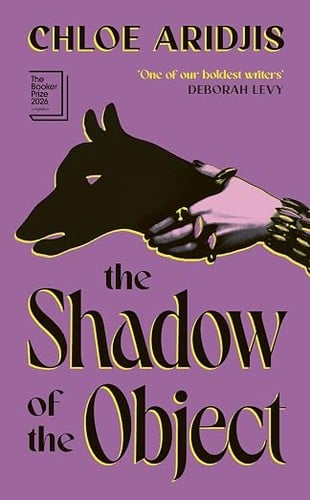
Start this bookNo. 19 on this list. The Shadow of the Object · Chloe Aridjis · 2026
Longlisted for the 2026 Booker Prize, its only recorded recognition so far — a strong early signal, but with no syllabus presence yet and only months in print, it hasn't had time to become a curriculum fixture the way older Booker-adjacent novels have.
Moderate3.7 hours
Start this bookNo. 20 on this list. Orlanda (Catalan Edition) · Jacqueline Harpman · 2026
No syllabus appearances or Wikipedia footprint turned up in the data signals. Outside Francophone literature courses and the smaller world of gender-studies reading lists, Orlanda is read far less than Harpman's own I Who Have Never Known Men.
Moderate4.1 hours
Start this book




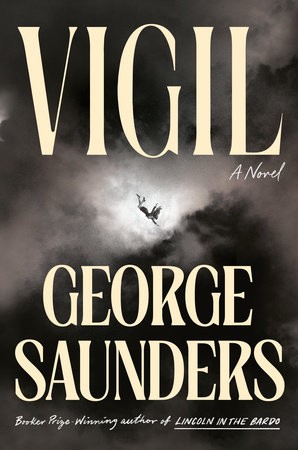
No. 21 on this list. Vigil · George Saunders · 2026
The book was published in 2026 and has no syllabus history yet. Its link to Saunders, whose Lincoln in the Bardo is already taught, gives it some prospect, similar to other very recent literary novels.
Moderate3.2 hours
Start this bookNo. 22 on this list. I Gave You Eyes and You Looked Toward Darkness · Irene Solà · 2023
Published in English by Graywolf in June 2025, the novel is too recent to have syllabus presence or a Wikipedia reception section. No data signals were found for canonical status.
Challenging3.8 hours
Start this bookNo. 23 on this list. The Living Realm · Jordan Tannahill · 2026
A 2026 release has no syllabi record yet. A starred Publishers Weekly review and praise from Douglas Stuart and Garth Greenwell place it among notable new literary fiction, not the established canon.
Moderate1.6 hours
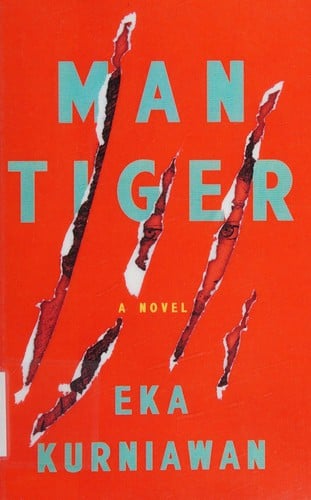
Start this bookNo. 24 on this list. Man Tiger · Eka Kurniawan · 2004
No syllabus data or Wikipedia presence was found in the database for this title. Man Tiger is respected within world literature and Southeast Asian literary circles but has not entered the global teaching canon — it is not consistently placed on university course lists outside specialist contexts. It is more likely encountered in translation studies or comparative postcolonial literature courses than in core syllabi.
Moderate3.8 hours
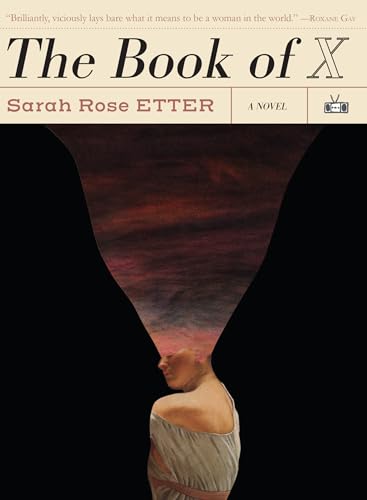
Start this bookNo. 25 on this list. The Book of X · Sarah Rose Etter · 2019
Ranked by literary regard among eligible works in the current catalogue. This position reflects the available catalogue evidence.
Challenging6.7 hours
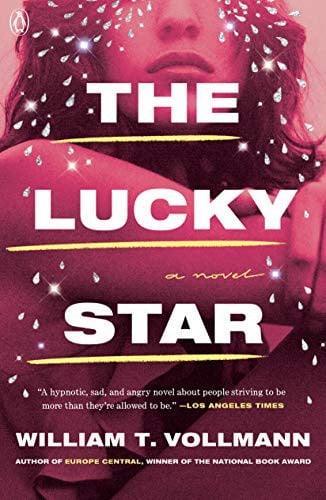
Start this bookNo. 26 on this list. The Lucky Star · William T. Vollmann · 2020
The Lucky Star is a late, very long novel that has not entered courses or reading lists. Readers and scholars of Vollmann still turn first to Europe Central, You Bright and Risen Angels and the Seven Dreams cycle.
Challenging19 hours
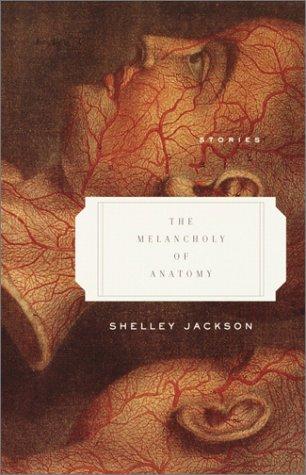
Start this bookNo. 27 on this list. The Melancholy of Anatomy · Shelley Jackson · 2002
The Melancholy of Anatomy is a 2002 short story collection that circulates among readers of experimental and slipstream fiction. It is not a standard course text.
Challenging3.9 hours
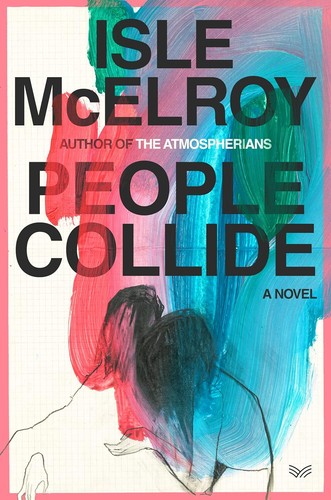
Start this bookNo. 28 on this list. People Collide · Isle McElroy · 2023
Isle McElroy's People Collide (2023), about a husband who wakes in his wife's body in Bulgaria, is a recent literary novel. It has no place yet on courses or essential-reading lists.
Moderate
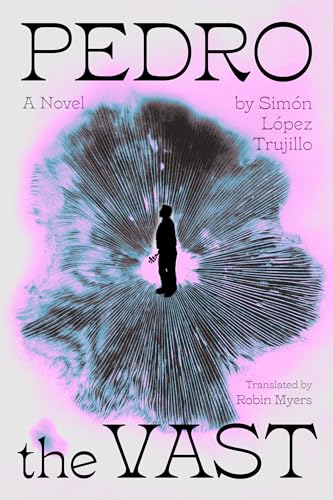
Start this bookNo. 29 on this list. Pedro the Vast · Simón López Trujillo · 2026
A 2026 English edition of a 2021 Spanish novella, too recent for syllabi. It is a new translated work with a small readership so far.
Challenging2.3 hours
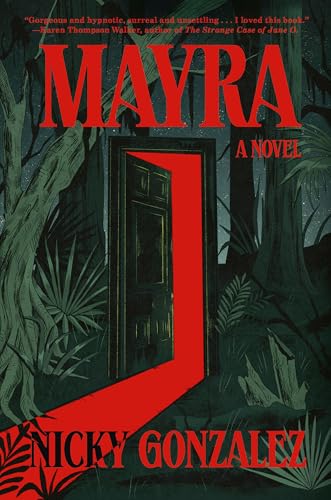
Start this bookNo. 30 on this list. Mayra · Nicky Gonzalez · 2025
A 2025 debut with no recorded syllabi presence or prizes. It has had no time to enter curricula, putting it near commercial and recent literary releases.
Moderate4.4 hours
Start this book

About this list
These 30 books are the highest-scoring eligible moderately difficult books of magical realism currently in the catalogue. About 161 hours of reading in all, for the 29 with measured lengths. Difficulty runs from 51 to 61 out of 100 for the middle half of the list; the summit is The Lucky Star at 64.
This list is ranked by literary regard, with a consistent order for equal scores. Membership follows authors and co-authors, not translators or editors. A book is here when ReadingRate files it under Magical Realism as one of its primary reading domains. Catalogue coverage and the historical canon both limit what this list can represent.
When we matched the Canons dataset to our catalogue in October 2026, our canonical-status scores rose with the number of school curricula, publisher series and lists in it that cite a work: the median score was 72 for books one such source cites, 84 at two, 88 at three, 92 at four and 93 at five or more. Prizes are left out of that count. Outside the state curricula, the dataset’s sources choose mostly from what has been translated into English or French, so it is a weaker check on other literatures. Source: Canons (Andrew Piper), CC BY 4.0
Questions people actually ask
- What are the best moderately difficult books of magical realism?
- By literary regard, which weighs canonical status, critical standing and influence: Innocent Erendira and Other Stories by Gabriel García Márquez, Penelopiad by Margaret Atwood, Wizard of the Crow by Ngugi wa Thiong'o, The Magic Toyshop by Angela Carter and Eva Luna by Isabel Allende. ReadingRate ranks 30 such books, each with a difficulty score and a reading-time estimate.
- Which moderately difficult books of magical realism should I read first?
- Start from difficulty, not from rank. The most approachable books on this list that still carry top literary regard are Innocent Erendira and Other Stories by Gabriel García Márquez (about 3.4 hours), Penelopiad by Margaret Atwood and The Magic Toyshop by Angela Carter.
- What are the shortest of the best moderately difficult books of magical realism?
- Among the top 25, the shortest are The Living Realm by Jordan Tannahill (about 1.6 hours), Women Without Men: A Novel of Modern Iran by Shahrnush Parsipur (about 2 hours) and Women Without Men by Shahrnush Parsipur (about 2.5 hours), at an average pace of 250 words a minute adjusted for each book's difficulty.
- Which of the best moderately difficult books of magical realism are the established classics?
- By canonical status, how firmly a book sits in curricula, anthologies and the canon: Froth on the Daydream by Boris Vian, Innocent Erendira and Other Stories by Gabriel García Márquez, Eva Luna by Isabel Allende, Penelopiad by Margaret Atwood and Wizard of the Crow by Ngugi wa Thiong'o.
- How long would it take to read the top ten?
- About 73 hours, at an average pace of 250 words a minute adjusted for each book's difficulty: 37 days at two hours a day. Set your own pace on the page and the list's reading times change to it.
- How hard are moderately difficult books of magical realism to read?
- Most of this list sits between 51 and 61 on ReadingRate's 100-point difficulty scale, where 40 to 55 is moderate. The summit is The Lucky Star at 64. Every entry carries its own score, so a reader can pick a great book at a difficulty they will finish.
- How is this list ranked?
- On literary-regard data: how canonically established a work is, its critical standing, and its influence on later writing. It is not a readers’ poll, which is why recent bestsellers rarely appear. Membership follows authors and co-authors, not translators or editors. Lists by country, author, period, theme or difficulty keep to literature (fiction, poetry, drama and philosophy), their novels, poems and plays first and their philosophy after them; a list of a kind of book, such as memoir or criticism, keeps every book of that kind. Every list holds at most three works by one author. A book is here when ReadingRate files it under Magical Realism as one of its primary reading domains.