Hours at an average pace
Showing 100 books
About 863 hours for 100 of 100 books with measured lengths. Estimates use 250 words a minute, adjusted for each book's difficulty. At 2 hours a day, about 432 days for those books.
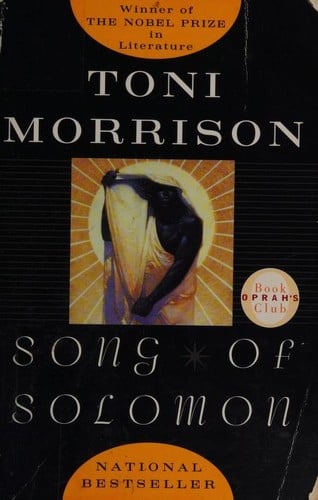
Morrison sent a young Black man on a mythic quest through four generations of his family's buried history, fusing African-American folklore, biblical allusion, and the cadences of blues and gospel into a narrative structure no American novel had attempted before. The novel proved that flight — literal and metaphorical — could carry the full weight of Black American experience from slavery to self-knowledge.
The Fifth Season won the Hugo Award for Best Novel in 2016, the first book in what became an unprecedented trilogy of consecutive Hugo wins for Jemisin—a feat unmatched in the award's history. It appears on contemporary science fiction and fantasy syllabi and in critical discussions of the genre's formal and political possibilities. Its position in the canon is still consolidating, but its influence on subsequent speculative fiction is already evident.
A Wizard of Earthsea appears regularly on university syllabi for science fiction and fantasy literature courses, and its Wikipedia article exists in dozens of language editions — a reliable indicator of global reach. It sits on the American Library Association's list of most frequently challenged books and features on virtually every canonical fantasy reading list compiled since the 1970s.
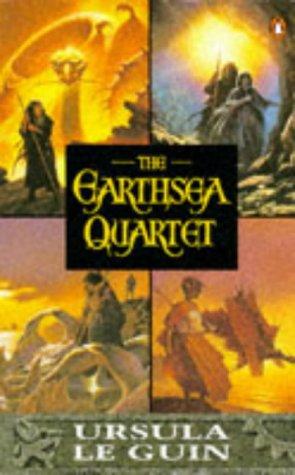
Across four novels spanning decades, Le Guin builds the archipelago of Earthsea—a world of islands, sailing, and true-name magic where knowing a thing's true name gives power over it. A Wizard of Earthsea follows the young wizard Ged as he releases a shadow-creature and must pursue it across the world. The Tombs of Atuan follows a priestess freed from underground servitude. The Farthest Shore follows Ged, now Archmage, pursuing a wizard who has broken the boundary between life and death. Tehanu, written sixteen years later, returns to Earthsea with a feminist perspective, following the abused child Therru and the former priestess Tenar in a world where women's power has been systematically suppressed. Le Guin's magic system—where speaking a true name is the fundamental magical act—is the most elegant in fantasy. The prose is spare, rhythmic, and precise, closer to myth than novel.
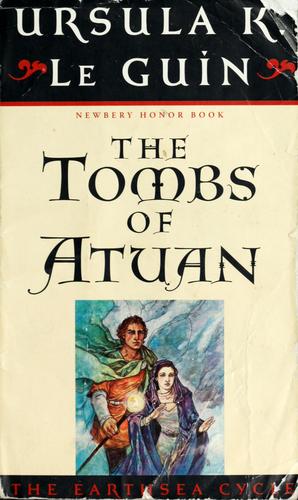
The Tombs of Atuan is the second volume of Le Guin's Earthsea Cycle, which has been a staple of middle school and YA curricula for decades. It won the Newbery Honor in 1972. While not as universally taught as the first Earthsea volume or Le Guin's science fiction, it appears regularly in fantasy literature courses and feminist literary criticism syllabi, cementing its place as a significant canonical text within speculative fiction.
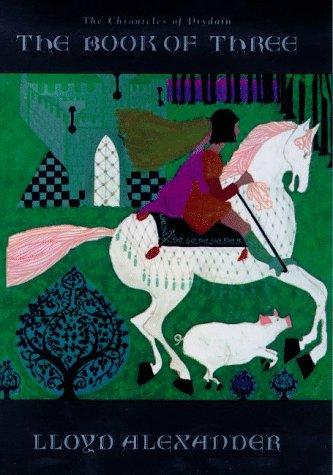
Newbery Medal winner (for The High King). The Chronicles of Prydain are a cornerstone of children's fantasy.
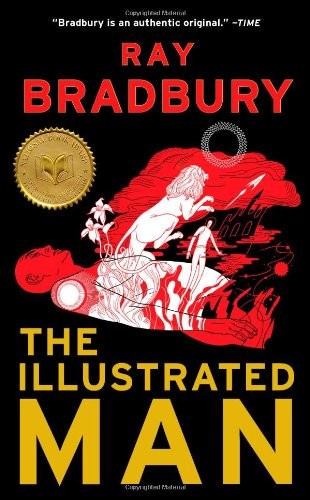
Widely taught in American high school and university courses, particularly in science fiction and American literature surveys. It appears on numerous authoritative lists — including the Modern Library's reader poll — and is frequently cited as essential Bradbury alongside 'Fahrenheit 451.' No syllabus data was captured, but its classroom presence is well-documented.
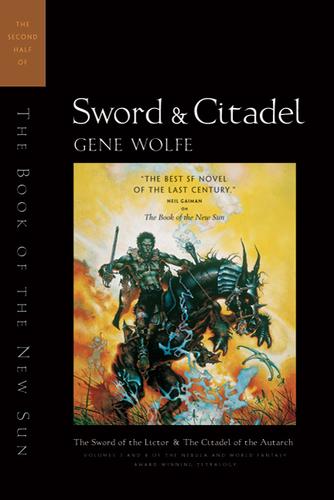
The Book of the New Sun is widely regarded as a landmark of science fiction and fantasy and is taught in genre courses, but it sits outside most mainstream literary syllabi.
Highly canonical within science fiction and fantasy — frequently appears on 'best SF ever written' lists compiled by Locus, the SFWA, and major genre institutions. Less present in mainstream academic literature syllabi, though it appears in university SF and genre fiction courses. The novel's reputation is deep within its field rather than broad across disciplines.
The Book of the New Sun has achieved canonical status within literary science fiction and fantasy, regularly appearing on 'essential reading' lists in those genres and taught in some university courses on genre literature. It has not penetrated mainstream literary curricula, which rarely address SF regardless of quality. The series occupies a position analogous to Tolkien or Le Guin—foundational within genre, recognized at the margins of the literary mainstream but not yet integrated into it.
No. 11 on this list. The Mysterious Stranger · Mark Twain · 1916
In 1590, in the drowsy Austrian village of Eseldorf, three boys meet a charming young stranger who lights a pipe with his breath and conjures fruit from their pockets. He tells them his name is Philip Traum. He tells them he is an angel — specifically, Satan's nephew, untouched by the Fall and therefore without any Moral Sense. He is delightful company. The stranger makes miniature humans out of clay, watches them develop a civilization, then casually crushes them. He manipulates fate so that Nikolaus, Theodor's closest friend, drowns saving a girl rather than live sixty-two years as a paralyzed invalid. He considers this kindness. Theodor, narrating from old age, agrees with him throughout — and the reader must decide whether to follow. Mark Twain wrote The Mysterious Stranger between 1898 and 1908 without finishing it. Editors completed the manuscript after his death, location of the seam undisclosed. The novella is the culmination of Twain's late period: God is indicted directly in Satan's closing monologue ('mouths mercy and invented hell'), and the final revelation — that the universe, history, and the narrator himself are a dream inside a vagrant thought — is delivered without apology. The Moral Sense, which separates humans from animals, is the cruelest gift ever given: it allows suffering to be recognized, then does nothing to prevent it. This is Twain at his furthest from Hannibal.
Challenging3.5 hours
Read nowNo. 12 on this list. Circe · Madeline Miller · 2019
Ranked by literary regard among eligible works in the current catalogue. This position reflects the available catalogue evidence.
Moderate7.7 hours
Start this bookNo. 13 on this list. The Eye of the World · Robert Jordan · 1990
The Eye of the World launched one of fantasy's most influential series. While not considered literary fiction, it holds canonical status within the epic fantasy genre, frequently cited alongside Tolkien's work as foundational to modern fantasy.
Easy16 hours
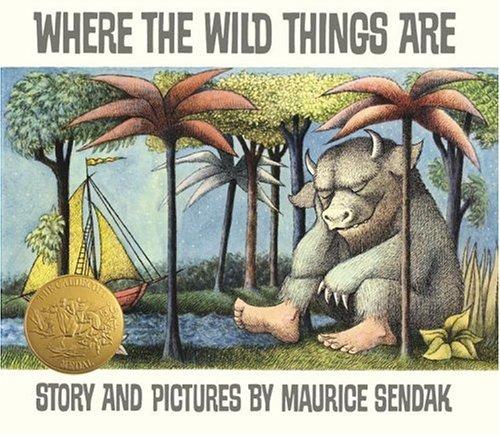
Start this bookNo. 14 on this list. Where the Wild Things Are · Maurice Sendak · 1963
Max puts on his wolf suit and makes mischief of one kind and another until his mother calls him "WILD THING" and sends him to bed without his supper. His room grows into a forest, an ocean tumbles by, and Max sails to the place where the wild things are—huge, yellow-eyed, horn-headed monsters who roar their terrible roars and gnash their terrible teeth. Max tames them with a magic trick of staring into their eyes without blinking, and they make him king of all wild things. The wild rumpus follows: a wordless bacchanal across three double-page spreads of pure, joyous destruction. Then Max smells good things to eat and wants to be where someone loves him best of all. He sails home and finds his supper waiting, still hot. Sendak compressed into 338 words and ten sentences the entire emotional arc of childhood anger: the rage, the fantasy of power, the satiation of wildness, and the return to love. The illustrations expand as Max's fantasy grows—from small vignettes to borderless full pages—and contract as he returns, a visual rhythm that mirrors the emotional one. The book was controversial upon publication for its refusal to punish Max's anger and has since become the most influential picture book of the 20th century.
Very Easy1 min
Start this bookNo. 15 on this list. The Broken Sword · Poul Anderson · 1954
A classic of Norse-inspired fantasy. Published alongside Tolkien but representing the road not taken.
Easy3.2 hours
Start this bookNo. 16 on this list. The Natural · Bernard Malamud · 1952
Roy Hobbs arrives in New York at thirty-four, carrying a homemade bat called Wonderboy in a bassoon case and sixteen years of bad luck on his back. He was supposed to be the greatest there ever was — until a deranged woman shot him in a hotel room at nineteen. Now he joins the last-place Knights under Pop Fisher, a parched and broken manager with athlete's foot on his hands, trying to win the pennant before he dies. Roy can knock the cover off the ball, literally. He can catch a canary in his glove. The fans go wild. Pop's grass turns green again. Malamud built his first novel over the bones of Arthurian legend, and every piece doubles: Wonderboy is Excalibur, fashioned from a lightning-split tree. Pop Fisher is the wounded Fisher King whose land dries up without a true knight. Roy's choice between Memo Paris — a redheaded siren who draws him toward corruption — and Iris Lemon, who loves him and carries his child, is the choice between destruction and grace. Roy chooses wrong. The prose is vernacular, gritty, and comic — full of locker-room squabbles, hot dogs, and a dwarf heckler named Otto Zipp — and then suddenly mythic, sentences opening into darkness like a ballpark after the lights come on. The tragedy is that Roy knows what he should do and cannot make himself do it. He had it in him to be a king. The boy who thrusts a newspaper at him in the final pages already knows what the headline says.
Moderate5 hours
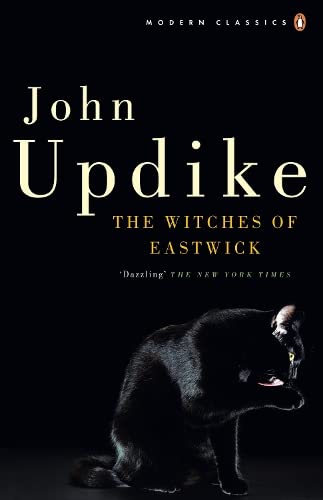
Start this bookNo. 17 on this list. The Witches of Eastwick · John Updike · 1984
The Witches of Eastwick is taught in American fiction and feminist literary theory courses but does not appear on core syllabi with the frequency of Updike's Rabbit, Run. It features on several 'best American novels of the 20th century' lists and has maintained continuous reader attention partly through the 1987 film adaptation. Not a curriculum fixture, but solidly established in the Updike canon.
Challenging9 hours
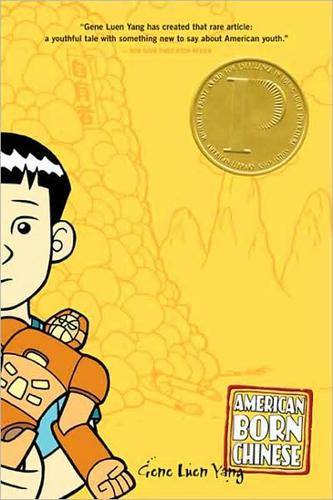
Start this bookNo. 18 on this list. American Born Chinese · Gene Luen Yang · 2006
Printz Award winner, first graphic novel nominated for a National Book Award. A foundational text in Asian American graphic literature.
Easy37 min
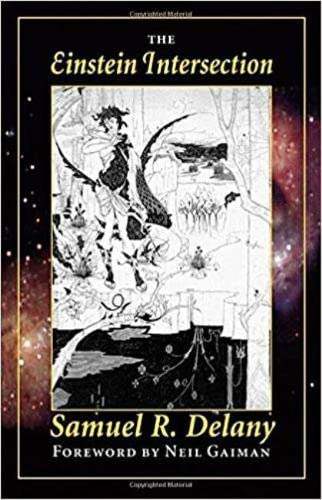
Start this bookNo. 19 on this list. The Einstein Intersection · Samuel R. Delany · 1967
The Einstein Intersection is taught regularly in university courses on science fiction literature and New Wave SF, and appears on syllabi for courses in African American literature and postmodern fiction. It does not appear on mainstream literary canons the way Beloved or Invisible Man do, but occupies a firm place in the SF academic tradition and is considered essential reading within that field.
Difficult4.8 hours
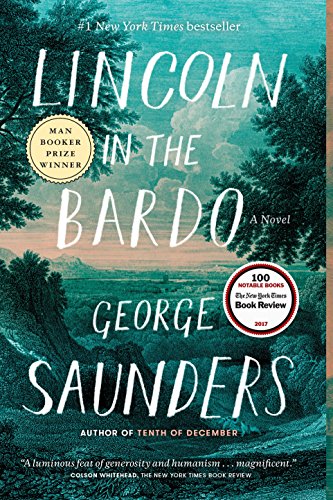
Start this bookNo. 20 on this list. Lincoln in the Bardo · George Saunders · 2017
February 1862. The Civil War is less than one year old. The fighting has begun in earnest, and the nation has begun to realize it is in for a long, bloody struggle. Meanwhile, President Lincoln's beloved eleven-year-old son, Willie, lies upstairs in the White House, gravely ill. In a matter of days, despite predictions of a recovery, Willie dies and is laid to rest in a Georgetown cemetery. "My poor boy, he was too good for this earth," the president says at the time. "God has called him home." Newspapers report that a grief-stricken Lincoln returns, alone, to the crypt several times to hold his boy's body. From that seed of historical truth, George Saunders spins a story of familial love and loss that breaks free of its historical framework into a supernatural realm both hilarious and terrifying. Willie Lincoln finds himself in a strange purgatory where ghosts mingle, gripe, commiserate, quarrel, and enact bizarre acts of penance. Within this transitional state -- called, in the Tibetan tradition, the bardo -- a monumental struggle erupts over young Willie's soul.
Challenging4.8 hours
Start this book
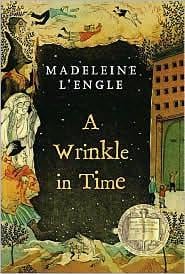
No. 21 on this list. A Wrinkle in Time · Madeleine L'Engle · 1962
Taught in schools: Common Core text exemplars (Appendix B) (US), CSEC English B – Caribbean Examinations Council
A standard text in American elementary and middle school curricula for decades, consistently appearing on required reading lists and library recommendation lists nationwide. Won the Newbery Medal in 1963, the most prestigious prize in American children's literature. Its place in the canon of children's science fantasy is secure, though it sits below the level of high school or university syllabi staples.
Challenging12 hours
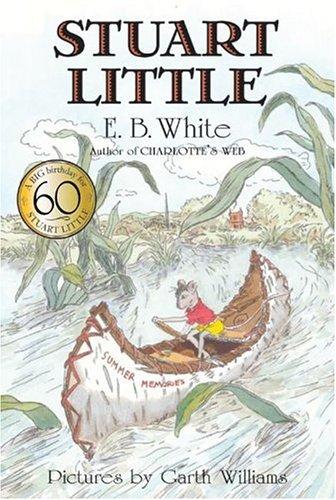
Start this bookNo. 22 on this list. Stuart Little · E.B. White · 1945
It is a long-standing fixture of American children's literature, read in classrooms and read aloud at home, though less often on university syllabi than the great novels. It sits well above commercial fiction and below the core adult canon.
Easy1.9 hours
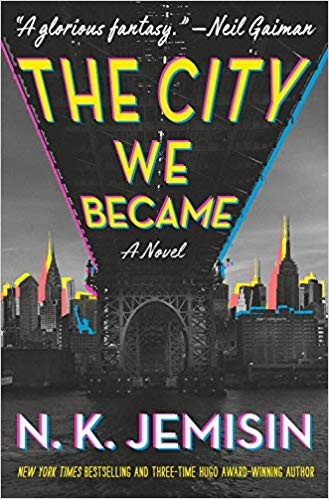
Start this bookNo. 23 on this list. The City We Became · N.K. Jemisin · 2020
Hugo nominee. One of the most prominent urban fantasies of the 2020s. Jemisin's reputation carries weight.
Moderate6.8 hours
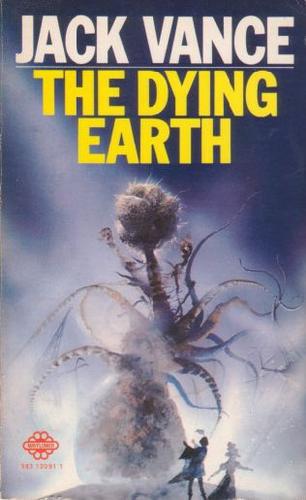
Start this bookNo. 24 on this list. The Dying Earth · Jack Vance · 1950
The Dying Earth holds no major presence on university syllabi and lacks recorded Wikipedia coverage in the database, but within speculative fiction it is universally acknowledged as a foundational text. Genre surveys such as the Locus All-Century Poll consistently place it among the most important fantasy works of the twentieth century, though this recognition has not translated into mainstream academic curricula.
Challenging5.3 hours
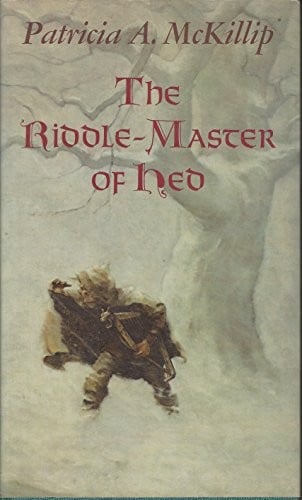
Start this bookNo. 25 on this list. The Riddle-Master of Hed · Patricia A. McKillip · 1976
World Fantasy Award winner. A beloved classic among fantasy readers who value prose craft.
Moderate4.5 hours
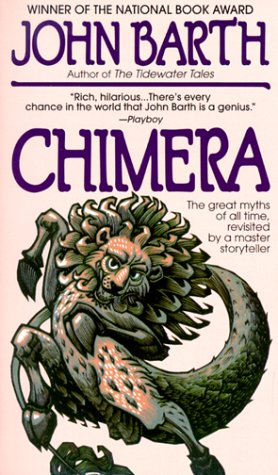
Start this bookNo. 26 on this list. Chimera · John Barth · 1973
Chimera appears in postmodern and metafiction syllabi but has not achieved the broad cross-curriculum presence of Barth's Lost in the Funhouse. Its Wikipedia article exists in 20 languages — modest global footprint for a National Book Award winner. More widely discussed in American postmodernism courses than read outside academic contexts.
Challenging8.3 hours
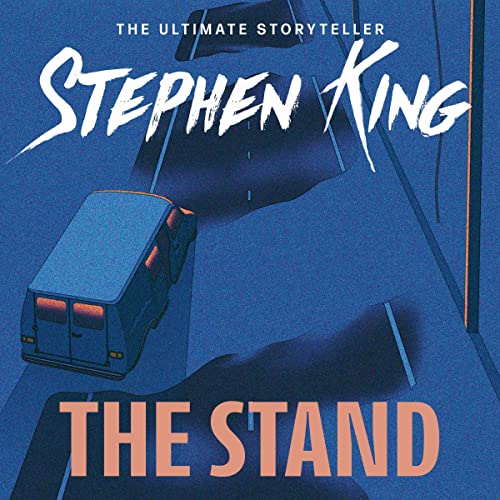
Start this bookNo. 27 on this list. The Stand · Stephen King · 1978
Widely taught in American high schools and present in genre studies syllabi, but not firmly in the literary-critical canon. Appears on many best-novel lists; its status is strong within popular fiction but contested at the literary level.
Easy26 hours
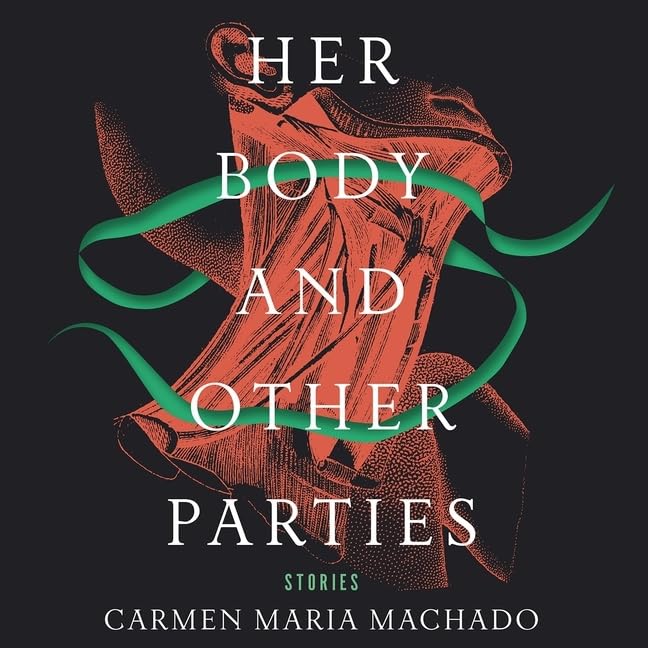
Start this bookNo. 28 on this list. Her Body and Other Parties · Carmen Maria Machado · 2017
Appears on 235 university syllabi according to Open Syllabus, placing it in the 59th percentile—strong for a 2017 debut collection. Taught primarily in contemporary fiction, queer literature, and creative writing courses. Wikipedia article exists with a dedicated Reception section. Too recent to have achieved canonical status, but its syllabi trajectory suggests staying power in the short story and gender studies curricula.
Challenging6.5 hours
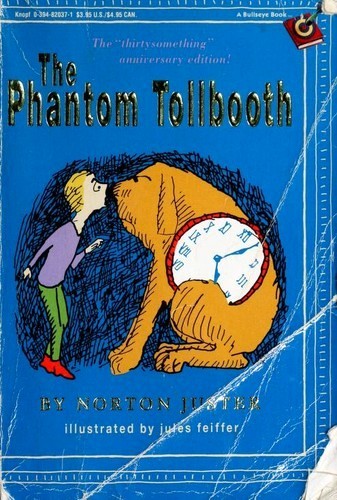
Start this bookNo. 29 on this list. The Phantom Tollbooth · Norton Juster · 1961
The Phantom Tollbooth is a standard text on US elementary and middle school reading lists and appears on the Modern Library's 100 Best Young Adult Novels. It has been continuously in print since 1961, a span of 65 years, and is regarded as one of the defining works of American children's literature. It does not appear on university literature syllabi in the way that adult canonical texts do, which constrains its institutional footprint.
Easy2.1 hours
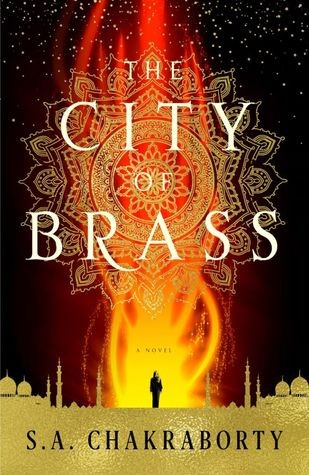
Start this bookNo. 30 on this list. The City of Brass · S.A. Chakraborty · 2017
Part of the wave of non-European-inspired fantasy. Widely read and critically praised.
Easy7.9 hours
Start this book
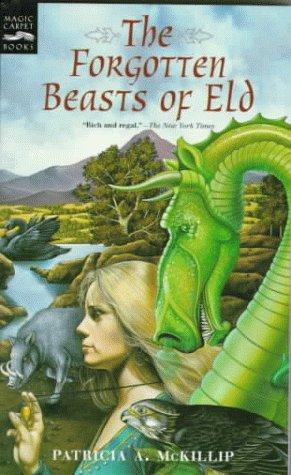
No. 31 on this list. The Forgotten Beasts of Eld
Patricia McKillip · 1974
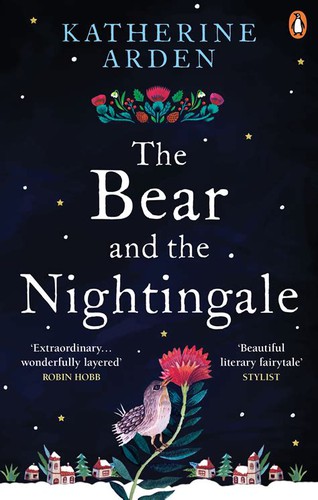
No. 32 on this list. The Bear and the Nightingale
Katherine Arden · 2017
No. 33 on this list. The Empress of Salt and Fortune
Nghi Vo · 2020
No. 34 on this list. A Storm of Swords
George R.R. Martin · 2000
No. 35 on this list. Words of Radiance
Brandon Sanderson · 2012
No. 36 on this list. Tuck Everlasting
Natalie Babbitt · 1975
Taught in schools: Common Core text exemplars (Appendix B) (US)
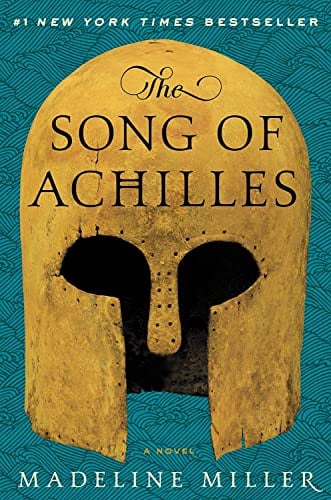
No. 37 on this list. The Song of Achilles
Madeline Miller · 2012
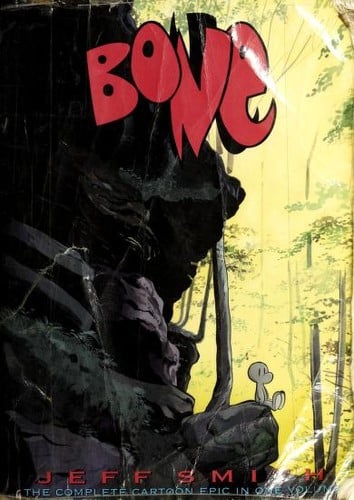
No. 38 on this list. Bone
Jeff Smith · 2004
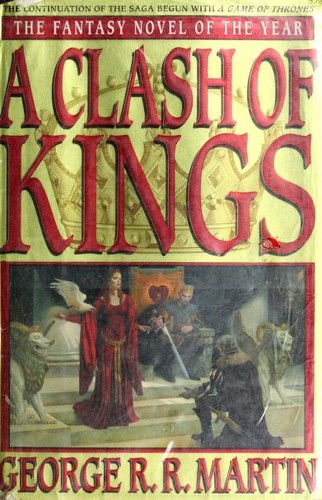
No. 39 on this list. A Clash of Kings
George R.R. Martin · 1998
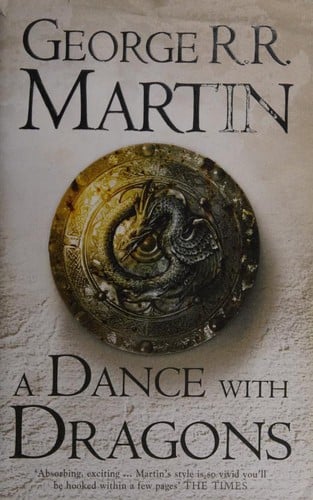
No. 40 on this list. A Dance with Dragons
George R.R. Martin · 2011
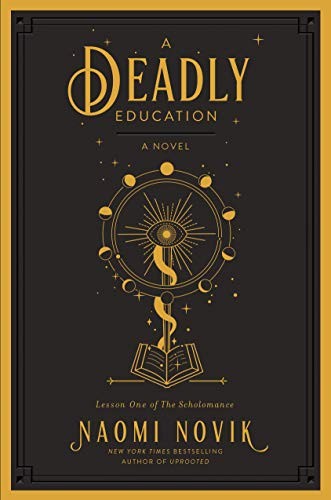
No. 41 on this list. A Deadly Education
Naomi Novik · 2020
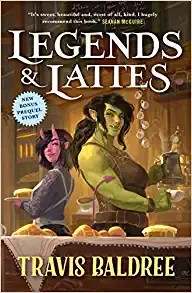
No. 42 on this list. Legends & Lattes
Travis Baldree · 2022
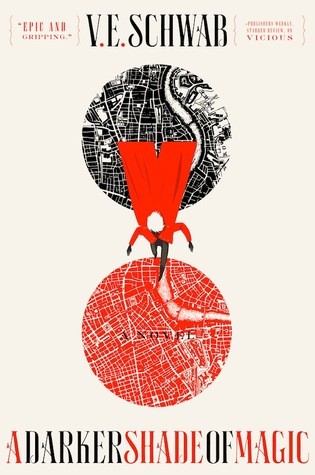
No. 43 on this list. A Darker Shade of Magic
V. E. Schwab · 2015
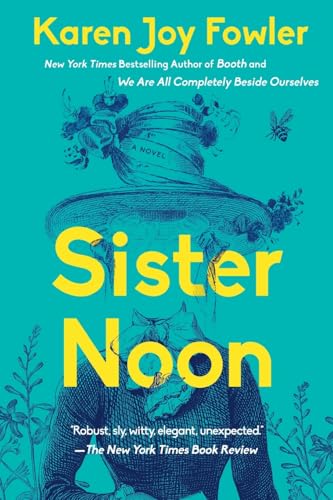
No. 44 on this list. Sister Noon
Karen Joy Fowler · 2002
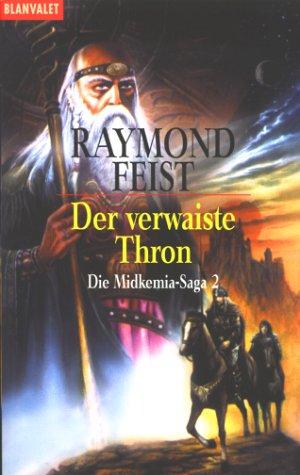
No. 45 on this list. Magician: Apprentice
Raymond E. Feist · 1982
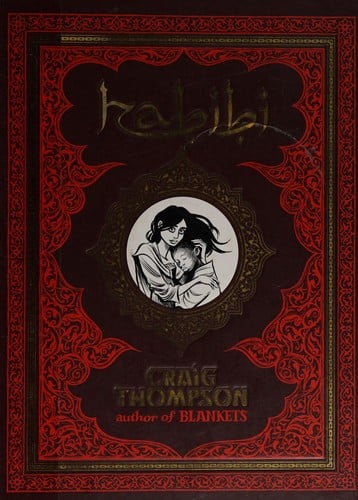
No. 46 on this list. Habibi
Craig Thompson · 2011
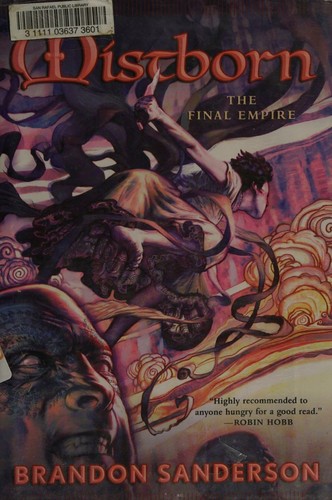
No. 47 on this list. Mistborn: The Final Empire
Brandon Sanderson · 2006
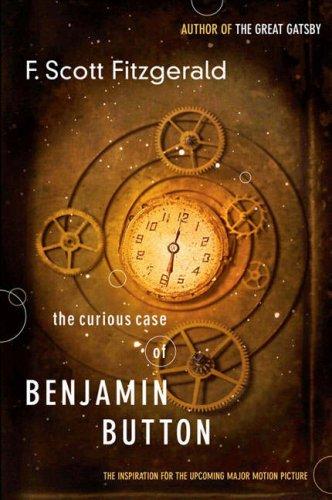
No. 48 on this list. The Curious Case of Benjamin Button
F. Scott Fitzgerald · 1922
No. 49 on this list. A Natural History of Dragons
Marie Brennan · 2013
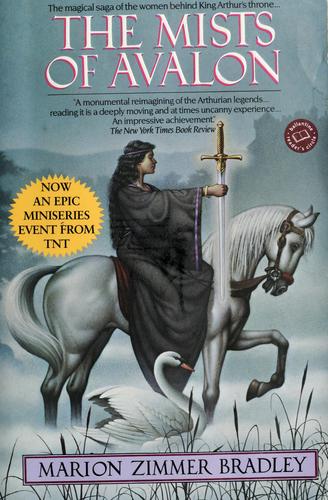
No. 50 on this list. The Mists of Avalon
Marion Zimmer Bradley · 1983
No. 51 on this list. Locke & Key
Joe Hill · 2008
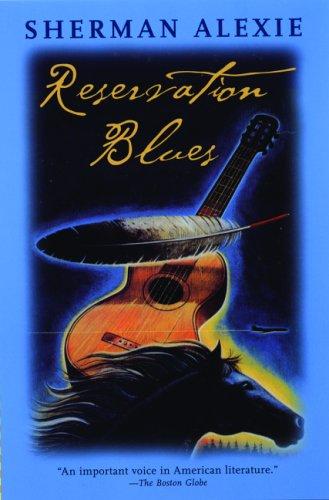
No. 52 on this list. Reservation Blues
Sherman Alexie · 1995
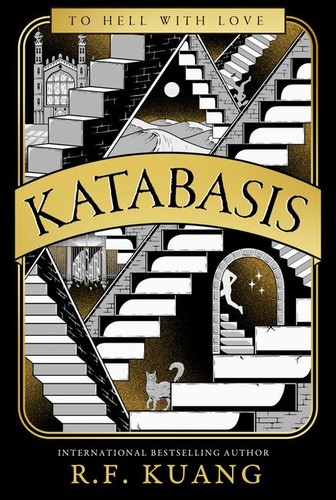
No. 53 on this list. Katabasis
R.F. Kuang · 2025
No. 54 on this list. The Black Prism
Brent Weeks · 2010
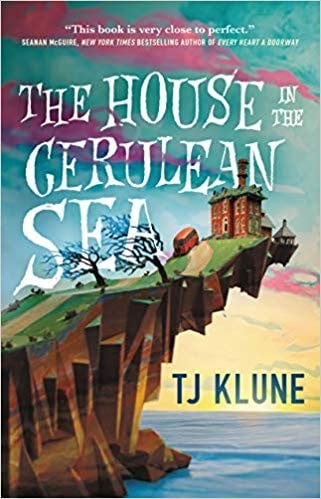
No. 55 on this list. The House in the Cerulean Sea
TJ Klune · 2020
No. 56 on this list. Nine Princes in Amber
Roger Zelazny · 1970
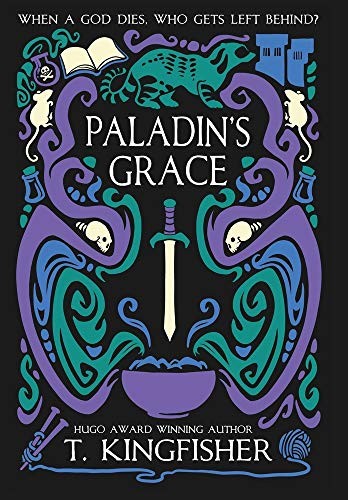
No. 57 on this list. Paladin's Grace
T. Kingfisher · 2020
No. 58 on this list. Pawn of Prophecy
David Eddings · 1982
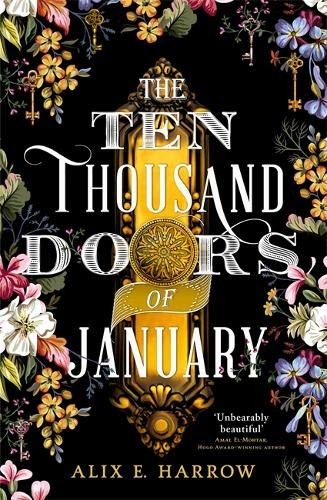
No. 59 on this list. The Ten Thousand Doors of January
Alix E. Harrow · 2019
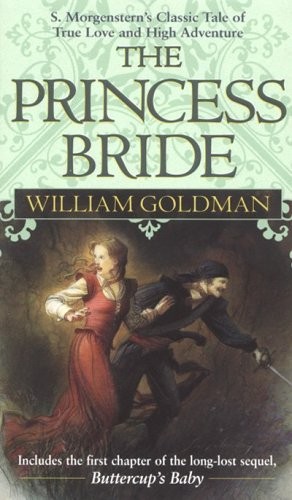
No. 60 on this list. The Princess Bride
William Goldman · 1973
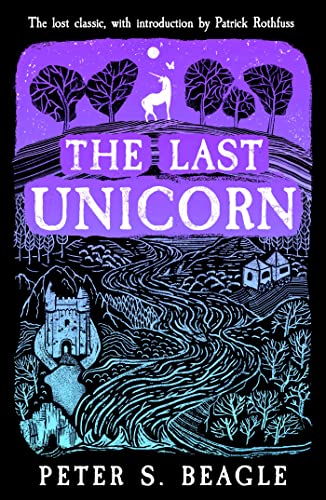
No. 61 on this list. The Last Unicorn
Peter S. Beagle · 1968
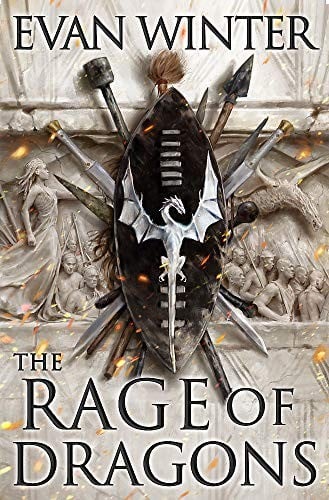
No. 62 on this list. The Rage of Dragons
Evan Winter · 2019
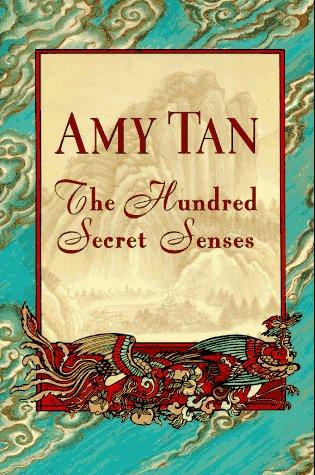
No. 63 on this list. The Hundred Secret Senses
Amy Tan · 1995
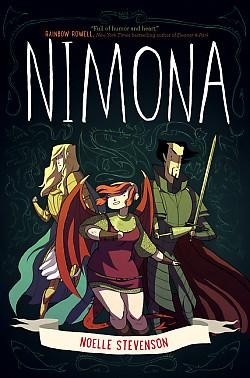
No. 64 on this list. Nimona
Noelle Stevenson · 2015
No. 65 on this list. Interview with the Vampire
Anne Rice · 1976
No. 66 on this list. A Discovery of Witches
Deborah Harkness · 2011
No. 67 on this list. Swords and Deviltry
Fritz Leiber · 1970
No. 68 on this list. The Warded Man
Peter V. Brett · 2008
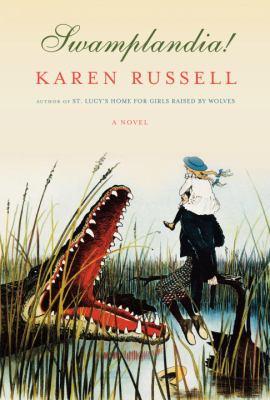
No. 69 on this list. Swamplandia!
Karen Russell · 2000
No. 70 on this list. Assassin's Apprentice
Robin Hobb · 1995
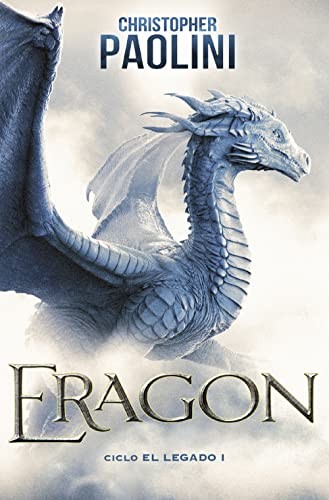
No. 71 on this list. Eragon
Christopher Paolini · 2003
No. 72 on this list. The Poppy War
R.F. Kuang · 2018
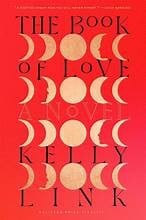
No. 73 on this list. The Book of Love
Kelly Link · 2024
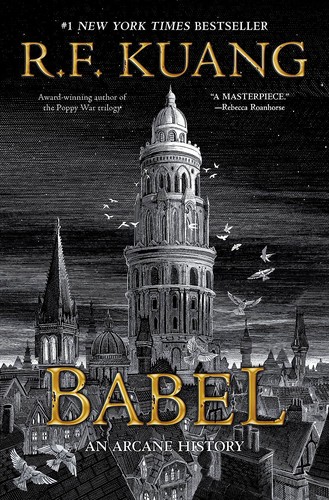
No. 74 on this list. Babel
R.F. Kuang · 2022
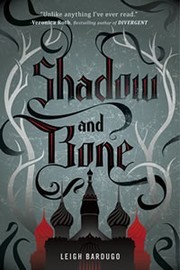
No. 75 on this list. Shadow and Bone
Leigh Bardugo · 2012
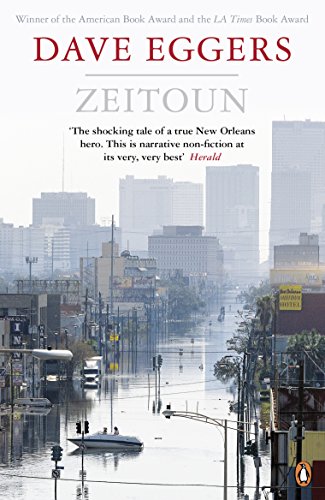
No. 76 on this list. Zeitoun
Dave Eggers · 2009
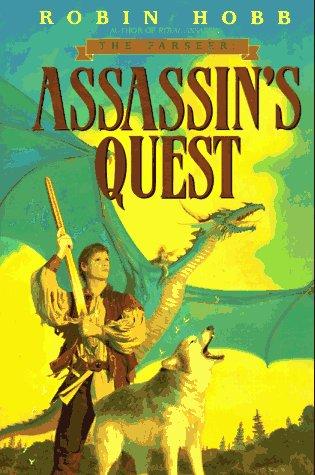
No. 77 on this list. Assassin's Quest
Robin Hobb · 1997
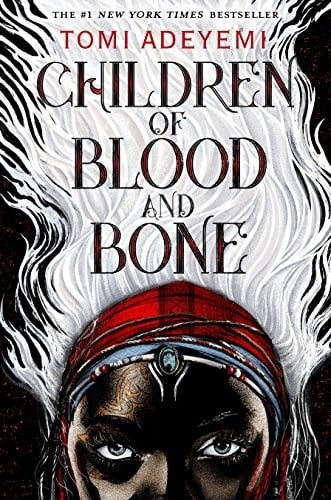
No. 78 on this list. Children of Blood and Bone
Tomi Adeyemi · 2018
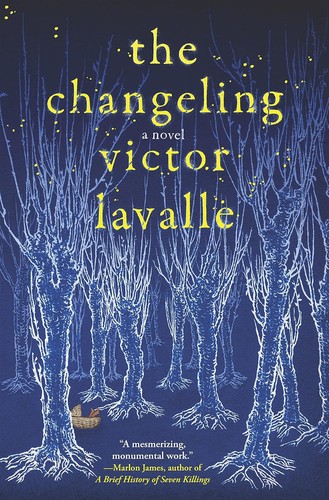
No. 79 on this list. The Changeling
Victor LaValle · 2017
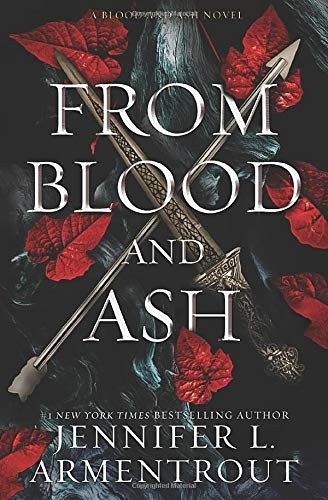
No. 80 on this list. From Blood and Ash
Jennifer L. Armentrout · 2020
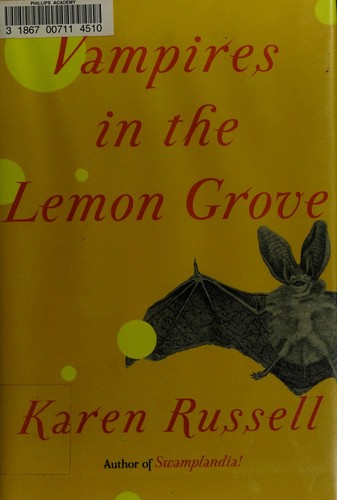
No. 81 on this list. Vampires in the Lemon Grove
Karen Russell · 2013
No. 82 on this list. To a God Unknown
John Steinbeck · 1933
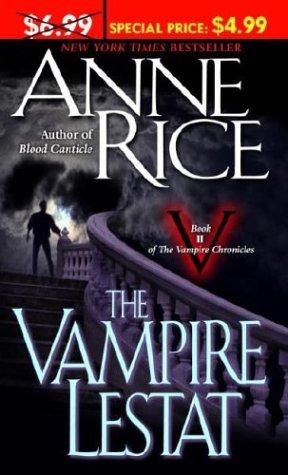
No. 83 on this list. The Vampire Lestat
Anne Rice · 1985
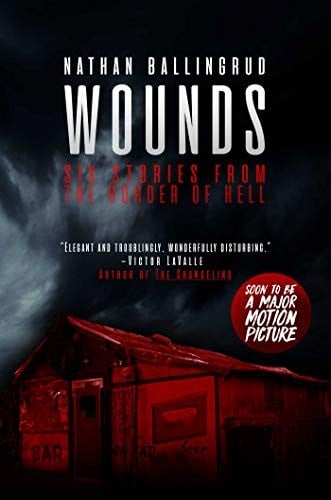
No. 84 on this list. Wounds: Six Stories from the Border of Hell
Nathan Ballingrud · 2019
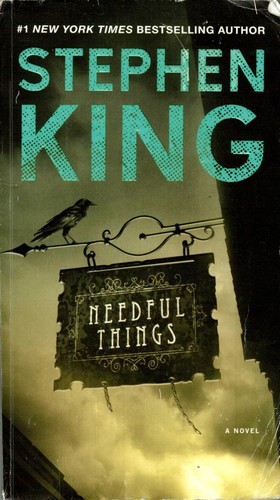
No. 85 on this list. Needful Things
Stephen King · 1991
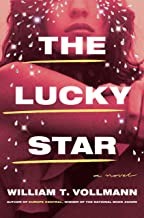
No. 86 on this list. The Lucky Star
William T. Vollmann · 2020
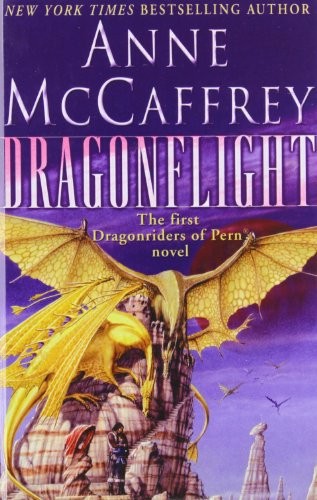
No. 87 on this list. Dragonflight
Anne McCaffrey · 1968
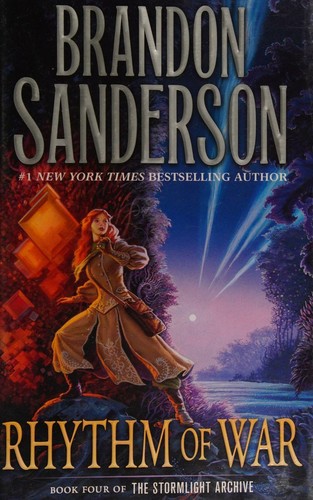
No. 88 on this list. Rhythm of War
Brandon Sanderson · 2020
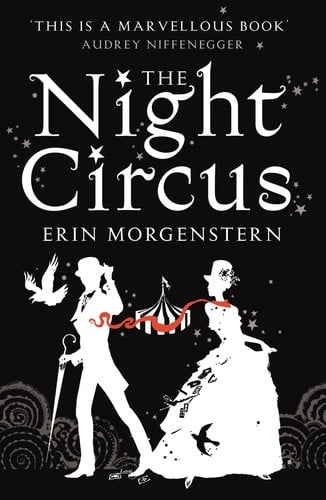
No. 89 on this list. The Night Circus
Erin Morgenstern · 2011
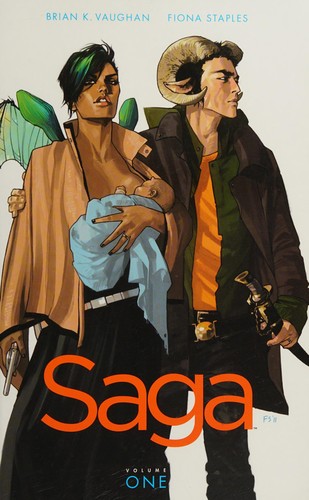
No. 90 on this list. Saga, Volume 1
Brian K. Vaughan · 2012
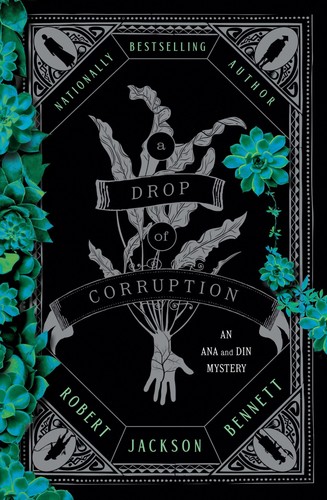
No. 91 on this list. A Drop of Corruption
Robert Jackson Bennett · 2025
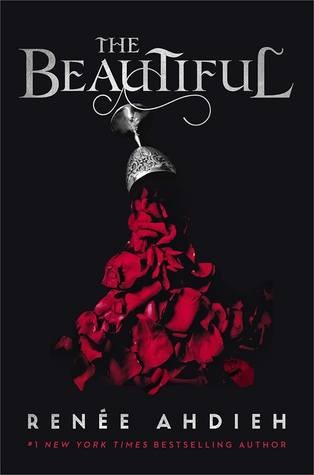
No. 92 on this list. The Beautiful
Renee Ahdieh · 2019
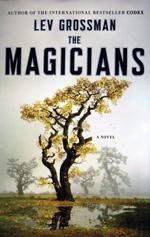
No. 93 on this list. The Magicians
Lev Grossman · 2009
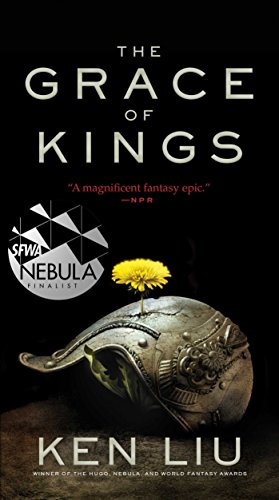
No. 94 on this list. The Grace of Kings
Ken Liu · 2015
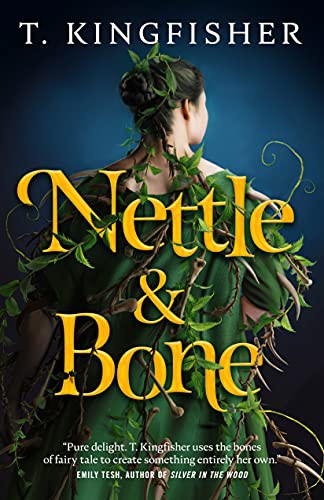
No. 95 on this list. Nettle & Bone
T. Kingfisher · 2022
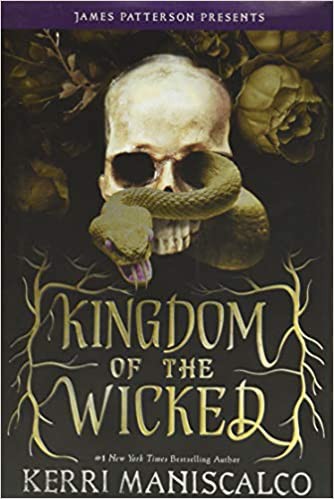
No. 96 on this list. Kingdom of the Wicked
Kerri Maniscalco · 2020
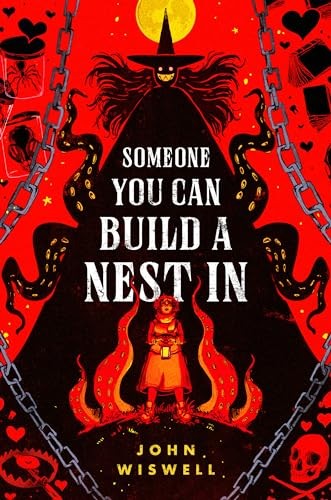
No. 97 on this list. Someone You Can Build a Nest In
John Wiswell · 2024
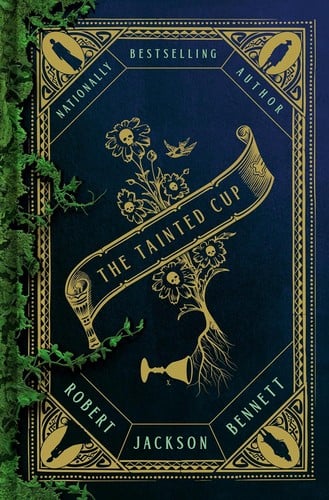
No. 98 on this list. The Tainted Cup
Robert Jackson Bennett · 2024
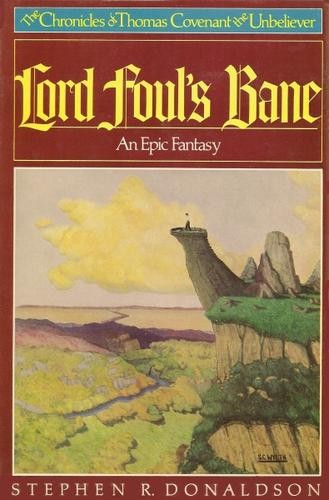
No. 99 on this list. Lord Foul's Bane
Stephen R. Donaldson · 1977
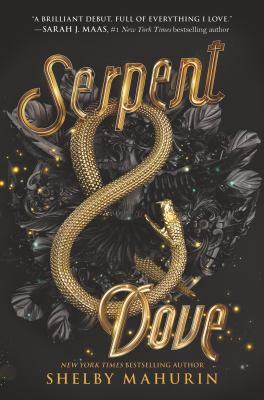
No. 100 on this list. Serpent & Dove
Shelby Mahurin · 2019
About this list
These 100 books are the highest-scoring eligible fantasy novels from the United States currently in the catalogue. By literary regard, it opens with Song of Solomon, The Fifth Season and A Wizard of Earthsea. About 863 hours of reading in all. Difficulty runs from 30 to 53 out of 100 for the middle half of the list; the summit is The Fifth Season at 80.
This list is ranked by literary regard, with a consistent order for equal scores. Membership follows authors and co-authors, not translators or editors. Catalogue coverage and the historical canon both limit what this list can represent, and genre labels are the catalogue’s own, gathered into broader kinds.
When we matched the Canons dataset to our catalogue in October 2026, our canonical-status scores rose with the number of school curricula, publisher series and lists in it that cite a work: the median score was 72 for books one such source cites, 84 at two, 88 at three, 92 at four and 93 at five or more. Prizes are left out of that count. Outside the state curricula, the dataset’s sources choose mostly from what has been translated into English or French, so it is a weaker check on other literatures. Source: Canons (Andrew Piper), CC BY 4.0
Questions people actually ask
- What are the best fantasy novels from the United States?
- By literary regard, which weighs canonical status, critical standing and influence, Song of Solomon, The Fifth Season, A Wizard of Earthsea, The Earthsea Quartet and The Tombs of Atuan lead. ReadingRate ranks 100 such books, each with a difficulty score and a reading-time estimate.
- Where should I start with fantasy novels from the United States?
- Start from difficulty, not from rank. The most approachable books on this list that still carry top literary regard are Where the Wild Things Are by Maurice Sendak (about 1 min), The Book of Three by Lloyd Alexander and The Eye of the World by Robert Jordan.
- How hard are fantasy novels from the United States to read?
- Most of this list sits between 30 and 53 on ReadingRate's 100-point difficulty scale, where 40 to 55 is moderate. The summit is The Fifth Season at 80. Every entry carries its own score, so a reader can pick a great book at a difficulty they will finish.
- How is this list ranked?
- On literary-regard data: how canonically established a work is, its critical standing, and its influence on later writing. It is not a readers’ poll, which is why recent bestsellers rarely appear. Membership follows authors and co-authors, not translators or editors. A list that is not a genre list keeps to literature (fiction, poetry, drama and philosophy), with philosophy taking no more than one slot in five while there is literature left to rank; every list holds at most three works by one author.