Hours at an average pace
Showing 61 books
About 455 hours for 61 of 61 books with measured lengths. Estimates use 250 words a minute, adjusted for each book's difficulty. At 2 hours a day, about 228 days for those books.
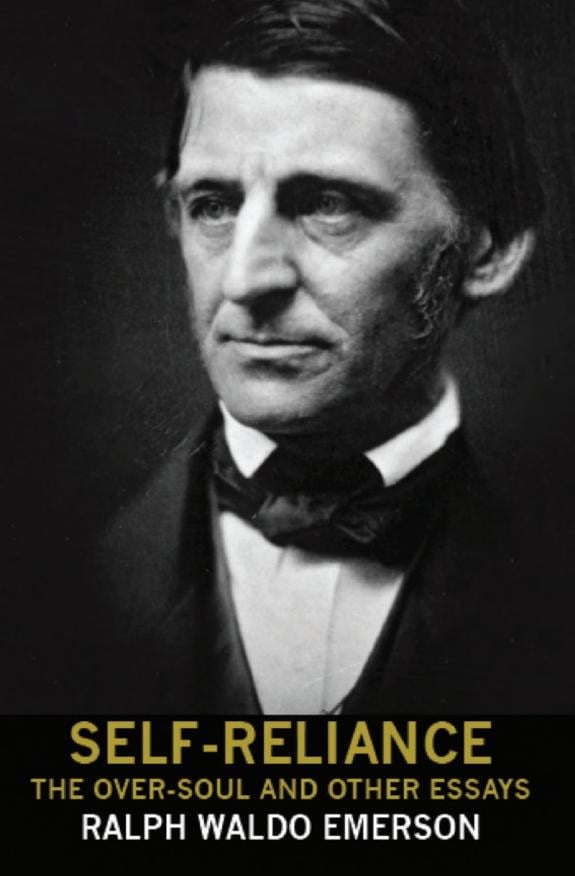
Self-Reliance is required reading in virtually every American high school and university American literature course; 'Self-Reliance' alone is one of the most-taught essays in the American educational canon. The collection appears on 'great American nonfiction' lists consistently and defines the Transcendentalist movement in survey curricula. No formal database signals were returned, but broad educational and cultural consensus places it among the highest-canonical American texts.
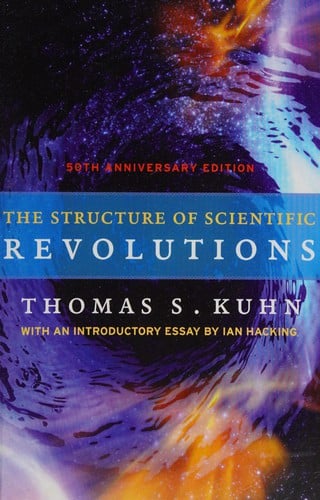
No. 2 on this list. The Structure of Scientific Revolutions
Thomas S. Kuhn · 1962
Challenging5.6 hours
Standard reading across philosophy and history of science, sociology and science and technology studies, and one of the most assigned academic books of the twentieth century. The phrase 'paradigm shift' entered everyday language from it.
No. 3 on this list. Gender Trouble: Feminism and the Subversion of Identity
Judith Butler · 1990
Difficult9.7 hours
Gender Trouble is taught on virtually every gender studies, feminist theory, and queer theory syllabus globally, appearing widely in sociology, philosophy, cultural studies, and political science courses. Butler's text has been described by scholars as one of the most influential academic books of the 20th century and is as close to canonical as any work in the humanities published after 1980. Its position on university reading lists across North America, Europe, and beyond is unambiguous — a status granted to very few academic monographs.
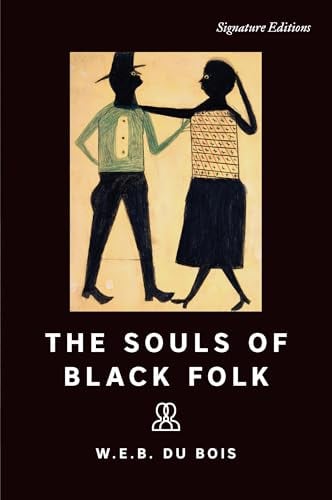
Required reading in American universities across sociology, African American studies, history, and literature departments, appearing on more syllabi than almost any other work of American nonfiction. Continuously in print since 1903, it appears on virtually every list of essential American books and is considered foundational to American intellectual history.
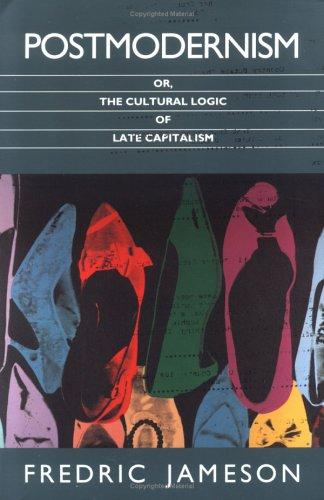
No. 5 on this list. Postmodernism, or, The Cultural Logic of Late Capitalism
Fredric Jameson · 1991
Difficult27 hours
Postmodernism is required reading in virtually every cultural studies and literary theory graduate program in the English-speaking world. The 1984 New Left Review essay version from which the book grew is one of the most-assigned academic articles in humanities graduate education. The book has remained in continuous use since its 1991 publication and has been translated into dozens of languages.
"Self-Reliance" is among the most frequently anthologized essays in American literature, a fixture of high school and university American literature and philosophy syllabi. Emerson's essays sit alongside Thoreau's Walden and Whitman's Leaves of Grass as the founding texts of the American canon.
Thoreau moved to a cabin on a pond for two years and wrote a book that made solitude, bean-counting, and the observation of thawing mud into acts of radical philosophy. Walden supplied the intellectual template for civil disobedience, environmentalism, and voluntary simplicity — three movements that still run on its sentences.
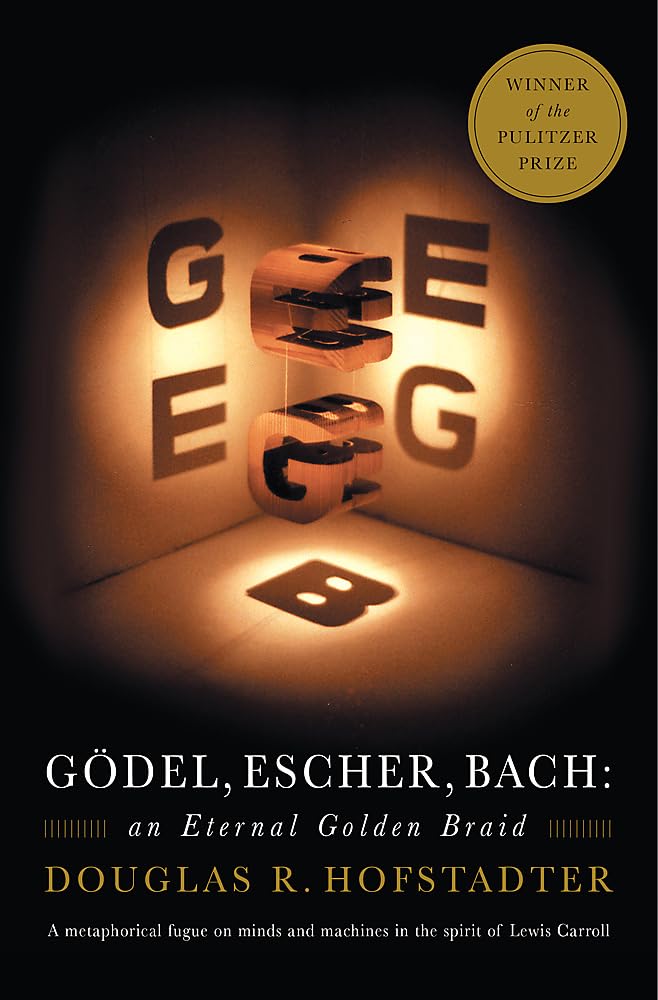
No. 8 on this list. Gödel, Escher, Bach: An Eternal Golden Braid
Douglas R. Hofstadter · 1979
Difficult37 hours
GEB won the Pulitzer Prize for General Nonfiction in 1980 and the National Book Award in the same year, immediately entering the canon of science writing. It appears on virtually every 'essential AI and cognitive science' reading list and is routinely assigned in courses on philosophy of mind, computer science, and interdisciplinary studies across hundreds of universities. Its Wikipedia article exists in dozens of languages, reflecting global reach; few popular-science books from 1979 remain this continuously in print and actively taught.
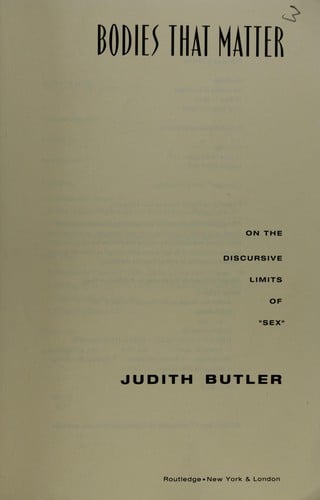
Bodies That Matter is a foundational text of queer theory and gender studies, assigned in virtually every graduate curriculum in those fields worldwide alongside Gender Trouble. It is one of the defining theoretical works of the 1990s in the humanities and remains a live reference in current scholarship.
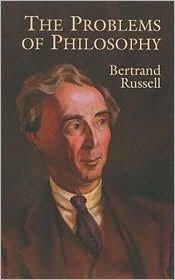
One of the most assigned introductory philosophy texts in the English-speaking world, appearing on thousands of university syllabi in philosophy departments globally. Despite no database entries for this run, the book is a standard entry point to analytic epistemology, taught continuously since 1912. Its canonical status in philosophy exceeds most literary novels at this score.
No. 11 on this list. Letter from Birmingham Jail · Martin Luther King Jr. · 1963
King wrote this letter on scraps of newspaper in a Birmingham jail cell, responding to eight white clergymen who had called the civil rights demonstrations 'unwise and untimely.' The result is one of the most important documents in American history—a masterpiece of rhetoric that systematically dismantles the arguments for gradualism and 'waiting' while making the case for nonviolent direct action. King distinguishes between just and unjust laws, invokes Socrates, Augustine, Aquinas, and Buber, and delivers a devastating critique of the 'white moderate' who prefers order to justice. The letter moves from philosophical argument to prophetic witness, from the particular injustices of Birmingham to the universal struggle for human dignity. King writes with the cadences of the Black church, the precision of a trained theologian, and the moral authority of a man willing to go to jail for his beliefs. The letter transcends its immediate context to stand as one of the great statements on justice, conscience, and civil disobedience in any language.
Moderate27 min
Start this bookNo. 12 on this list. A Theory of Justice · John Rawls · 1971
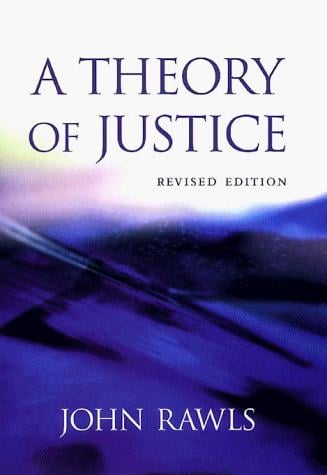
The most important work of political philosophy in the 20th century.
Easy11 hours
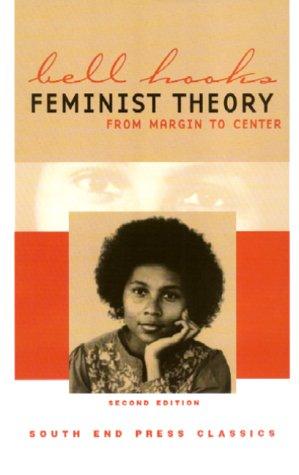
Start this bookNo. 13 on this list. Feminist Theory: From Margin to Center · bell hooks · 1984
This book is required reading in virtually every women's studies, gender studies, and cultural theory program. It sits alongside Simone de Beauvoir and Audre Lorde as essential feminist theory, taught across sociology, critical race theory, and cultural studies courses globally. Within its field it occupies the same foundational status that canonical literary texts hold in literature departments.
Moderate3.9 hours
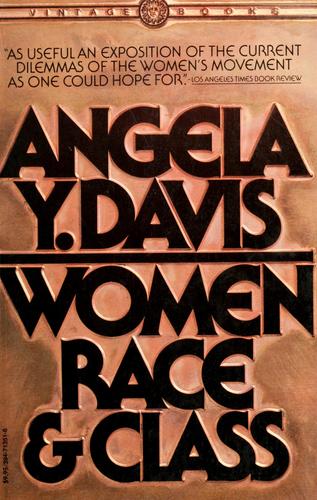
Start this bookNo. 14 on this list. Women, Race & Class · Angela Davis · 1981
A fixture on syllabi in Women's Studies, African American Studies, Sociology, and History courses across US universities since its 1981 publication. Required reading in virtually every Black feminist theory course and central to the canon of intersectional scholarship. Widely included on lists of essential texts in feminist and critical race theory.
Moderate4.7 hours
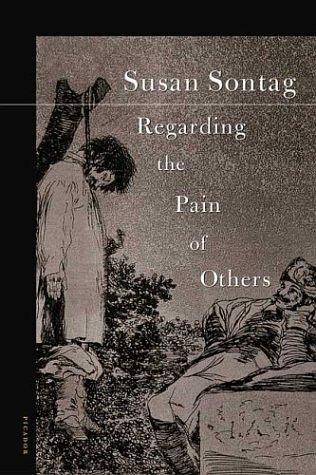
Start this bookNo. 15 on this list. Regarding the Pain of Others · Susan Sontag · 2003
Regarding the Pain of Others is a standard text in media studies, photography, visual culture, and war journalism courses worldwide. It appears on hundreds of university syllabi as a primary theoretical text. Wikipedia articles exist in over 40 languages. The book is the go-to theoretical reference whenever questions of war photography and the ethics of looking arise in public discourse.
Moderate1.8 hours
Start this bookNo. 16 on this list. The Journalist and the Murderer · Janet Malcolm · 1990
The Journalist and the Murderer is a staple of journalism school curricula across North America and is widely assigned in media ethics, creative nonfiction, and literary journalism courses. Its opening sentence is among the most frequently quoted lines in American nonfiction. While it does not appear on general literary canons as broadly as major novels, within its domain — journalism studies and media ethics — it is as close to required reading as any single text.
Easy2.5 hours
Start this bookNo. 17 on this list. The Courage to Be · Paul Tillich · 1952
The Courage to Be is one of the most widely assigned texts in university theology, philosophy of religion, and religious studies courses worldwide, and has been in continuous print since 1952. It is considered a foundational text in 20th-century existentialist theology and appears on syllabi across North America, Europe, and beyond. Its canonical status is secure within academic theology and philosophy of religion, though it does not occupy the same cross-disciplinary position as Butler's Gender Trouble or a major literary work.
Challenging4.4 hours
Start this bookNo. 18 on this list. The Sacred and the Profane · Mircea Eliade · 1957
Mircea Eliade begins with a stone. Not every stone is sacred — only one that strikes homo religiosus as a revelation of something that transcends it. The stone is worshipped because it is sacred, not because it is a stone. From this deceptively simple distinction, The Sacred and the Profane constructs a full account of how religious man inhabits a different universe from his secular neighbor — a universe organized around sacred centers, inhabited by cyclical time that returns to origins, suffused with a nature that is never merely natural. Eliade moves through four dimensions of existence — space, time, nature, and human life — showing in each case how the religious experience transforms it structurally. A house is not just shelter but a cosmic axis, its hearth a link between earth, sky, and underworld. The New Year is not a calendar convention but an annihilation of used-up time and a return to the moment of creation. Water does not merely wash — it dissolves and regenerates. The examples accumulate from Babylonian ritual, Vedic cosmology, Australian Aboriginal Dreamtime, Polynesian creation myths, Greek hierogamy, and dozens of other traditions, all organized around the same underlying structures. The book's argument cuts quietly against secular modernity. Desacralized man, Eliade suggests, has not escaped religion — he has merely forgotten it, and pays for the forgetting with an existence unmoored from any cosmic center. Reading Eliade requires patience with theoretical vocabulary (hierophany, axis mundi, imago mundi) but rewards it with a framework that reorganizes how religious experience across all cultures coheres.
Moderate3.2 hours
Start this bookNo. 19 on this list. Undoing Gender · Judith Butler · 2004
Undoing Gender occupies a foundational position in queer theory, trans studies, and feminist philosophy syllabi, widely assigned in gender studies, philosophy, sociology, and cultural studies programs internationally. It consolidated Butler's central role in these fields while extending her arguments into new domains.
Difficult12 hours
Start this bookNo. 20 on this list. Myth and Archive: A Theory of Latin American Narrative · Roberto González Echevarría · 1990
The most influential theoretical account of Latin American narrative structure in English; widely cited across the field.
Difficult12 hours
Start this book
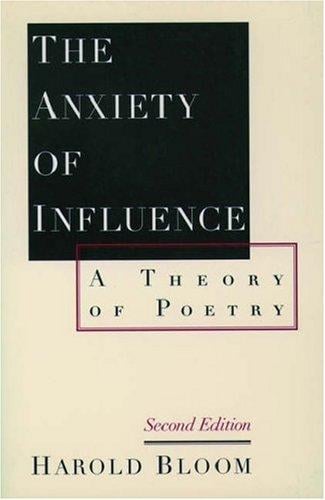
No. 21 on this list. The Anxiety of Influence · Harold Bloom · 1973
A standard text in graduate literary theory and Romanticism survey syllabi since the 1970s, and the book that gave literary studies the phrase "anxiety of influence" as a common-use term. Its canonicity is disciplinary rather than general-readership — closer to Orientalism's status within theory curricula than to a novel taught across all of secondary education.
Difficult3.5 hours
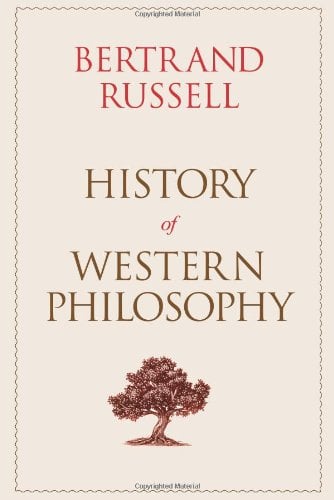
Start this bookNo. 22 on this list. A History of Western Philosophy · Bertrand Russell · 1945
Appears on 181 university syllabi in philosophy, intellectual history, and great books programs — a 56th-percentile showing that reflects its position as the standard English-language introductory survey. Wikipedia articles in 25 languages indicate consistent international use. It is taught wherever Western philosophy is introduced to undergraduates, though it is not the curricular fixture that great literary novels achieve.
Moderate22 hours
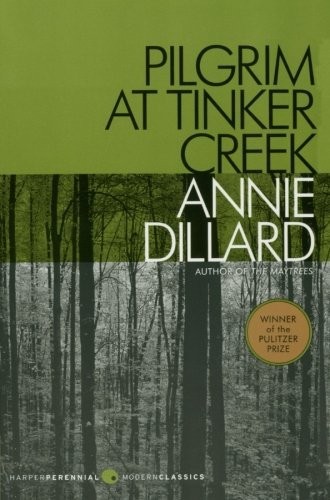
Start this bookNo. 23 on this list. Pilgrim at Tinker Creek · Annie Dillard · 1974
Winner of the 1975 Pulitzer Prize for General Nonfiction, widely taught in creative nonfiction workshops and environmental literature courses across American universities. A fixture on nature writing syllabi and 'best nonfiction' lists, though it falls short of universal required-reading status outside its genre.
Challenging6.8 hours
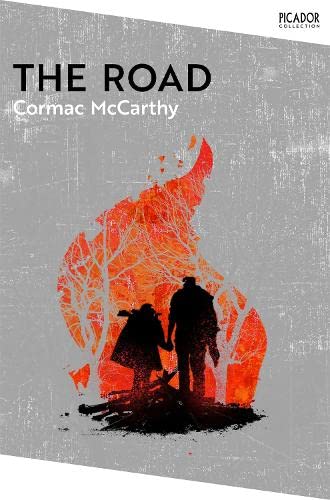
Start this bookNo. 24 on this list. The Road · Cormac McCarthy · 2007
The Road appears on TIME's All-TIME 100 Novels list, the Open Syllabus Top 500 in Literature, and has Wikipedia articles in 34 languages — solid global recognition for a novel published in 2006. It is frequently assigned in contemporary American literature courses but has not yet reached the ubiquity of older canonical novels like Gatsby or Beloved.
Challenging5.2 hours
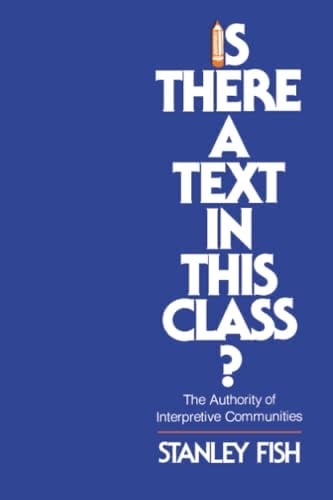
Start this bookNo. 25 on this list. Is There a Text in This Class? The Authority of Interpretive Communities · Stanley Fish · 1980
The title essay is a fixture of literary-theory anthologies and graduate reader-response units, taught alongside Iser and Barthes as the standard American statement of reader-response criticism. It doesn't carry the near-universal undergraduate presence of Anatomy of Criticism (88), but within literary theory and composition-studies curricula specifically, it's close to required reading. No syllabus or Wikipedia data was retrievable for this title, so this score rests on its documented position in literary-theory anthologies and course reading lists.
Moderate10 hours
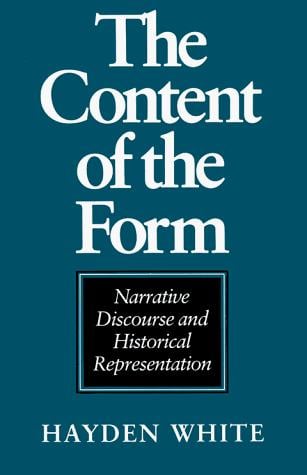
Start this bookNo. 26 on this list. The Content of the Form: Narrative Discourse and Historical Representation · Hayden White · 1987
Standard reading in graduate historiography, philosophy of history, and literary theory courses worldwide. Less widely assigned than White's Metahistory (1973) but essential in any curriculum addressing the narrative turn in the humanities. Data signals show no formal recognitions, likely a gap in coverage rather than an absence of academic stature.
Difficult6.8 hours
Start this bookNo. 27 on this list. Postmodernist Fiction · Brian McHale · 1987
No syllabus or Wikipedia data is on file for this title, but Postmodernist Fiction is a standard assigned text in graduate seminars on postmodernism and narrative theory, alongside Hutcheon's A Poetics of Postmodernism. It functions as a field-defining textbook rather than a general-audience classic.
Challenging6.6 hours
Start this bookNo. 28 on this list. Amusing Ourselves to Death · Neil Postman · 1985
Amusing Ourselves to Death is widely assigned in media studies, communications, journalism, and cultural studies programs across the English-speaking world. It appears on virtually every introductory media theory syllabus and is a standard reference in discussions of television, public discourse, and the relationship between technology and democracy. While not as universally assigned across the humanities as foundational philosophy or literary texts, within its field it has near-canonical status comparable to McLuhan's Understanding Media.
Moderate3.8 hours
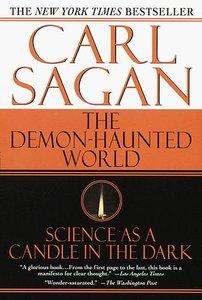
Start this bookNo. 29 on this list. The Demon-Haunted World · Carl Sagan · 1995
The Demon-Haunted World is widely assigned in critical thinking, philosophy of science, and introductory science courses at universities across the English-speaking world. Its 'baloney detection kit' chapter is excerpted in dozens of textbooks and anthologies, and the book appears on most 'essential reading' lists for scientific literacy.
Moderate9 hours
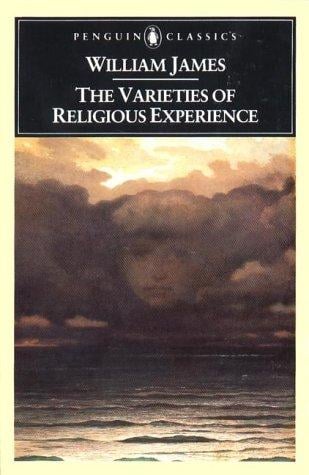
Start this bookNo. 30 on this list. The Varieties of Religious Experience · William James · 1902
William James delivered these twenty lectures at the University of Edinburgh in 1901 and 1902 with a declared method: study religion not through theology or institutional history, but through the private testimony of individuals who have felt it acutely. He wanted the raw material—George Fox walking barefoot through Lichfield in winter, crying 'Wo to the bloody city!'; Saint Teresa's account of her visions; anonymous correspondents describing the sudden loss of a felt connection to something larger than themselves. The organizing argument is a defense of religious experience against what James calls medical materialism—the habit of dismissing mystical states by pointing to their neurological origins, as though epilepsy explained Saint Paul's vision on the Damascus road. James counters that all mental states, including scientific ones, have organic causes; the question of value must be answered on different grounds. His criterion: by their fruits, not their roots. The book maps varieties of religious consciousness—the healthy-minded who see goodness everywhere, the sick souls who cannot; conversion as psychological transformation; the mystical state as a genus with recognizable features across traditions. James treats Buddhist, Christian, Stoic, and New Thought testimonies as data points in the same inquiry. The prose is formal Victorian academic English, long-sentenced and densely qualified, but James keeps pulling back toward concrete cases. This is philosophy that takes human experience seriously enough to quote it at length.
Challenging13 hours
Read now
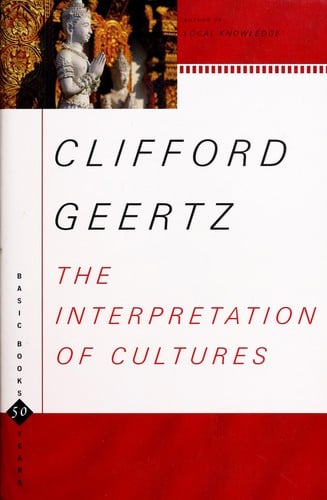
No. 31 on this list. The Interpretation of Cultures
Clifford Geertz · 1973
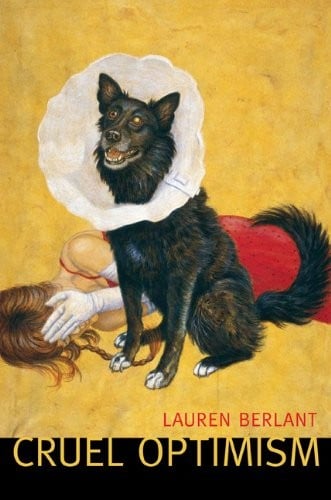
No. 32 on this list. Cruel Optimism
Lauren Berlant · 2011
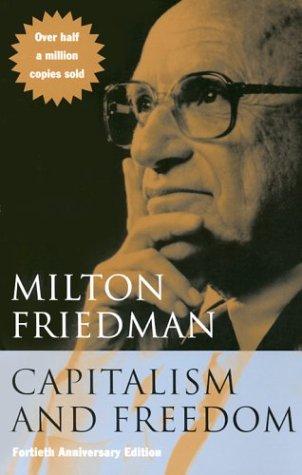
No. 33 on this list. Capitalism and Freedom
Milton Friedman · 1962
No. 34 on this list. Illness as Metaphor
Susan Sontag · 1978
No. 35 on this list. Consciousness Explained
Daniel C. Dennett · 1991
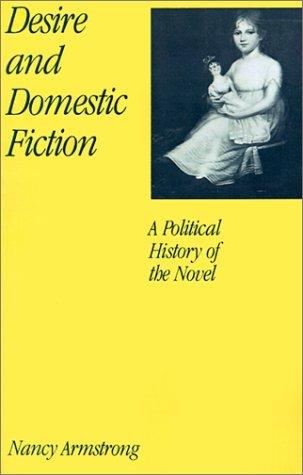
No. 36 on this list. Desire and Domestic Fiction
Nancy Armstrong · 1989
No. 37 on this list. Why I Am Not a Christian
Bertrand Russell · 1927
No. 38 on this list. The Structure of Social Action
Talcott Parsons · 1937
No. 39 on this list. How to Solve It
George Pólya · 1945
No. 40 on this list. Tuck Everlasting
Natalie Babbitt · 1975
Taught in schools: Common Core text exemplars (Appendix B) (US)
No. 41 on this list. The Character of Physical Law
Richard Feynman · 1965
No. 42 on this list. Ravelstein
Saul Bellow · 2000
No. 43 on this list. Theory of War
Joan Brady · 1993
No. 44 on this list. The Western Canon
Harold Bloom · 1994
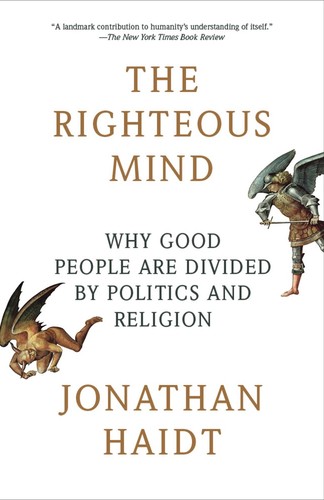
No. 45 on this list. The Righteous Mind
Jonathan Haidt · 2012
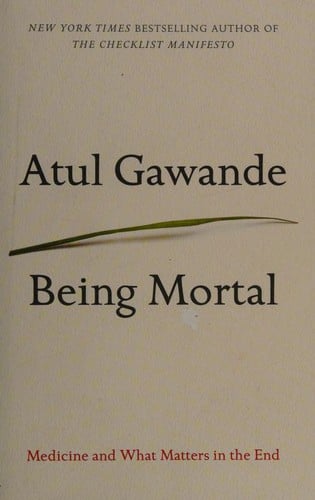
No. 46 on this list. Being Mortal
Atul Gawande · 2014
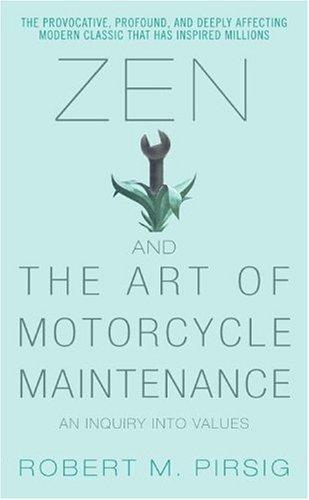
No. 47 on this list. Zen and the Art of Motorcycle Maintenance
Robert M. Pirsig · 1974
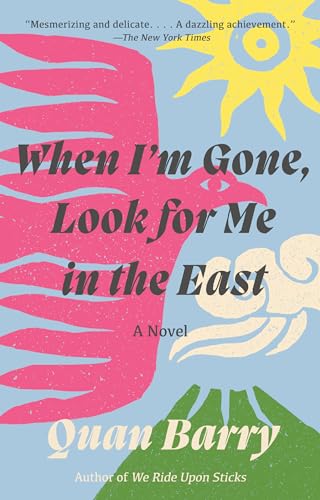
No. 48 on this list. When I'm Gone, Look for Me in the East
Quan Barry · 2023
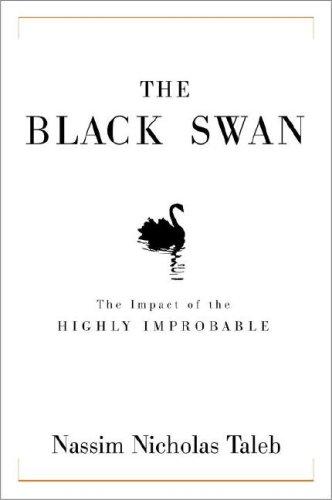
No. 49 on this list. The Black Swan
Nassim Nicholas Taleb · 2007
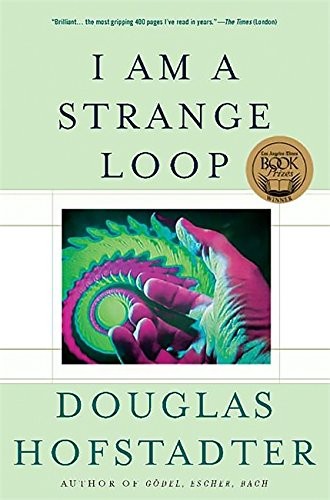
No. 50 on this list. I Am a Strange Loop
Douglas Hofstadter · 2007
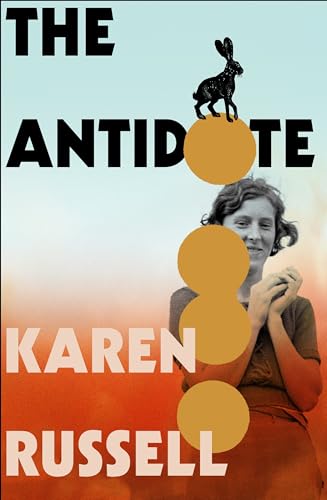
No. 51 on this list. The Antidote
Karen Russell · 2025
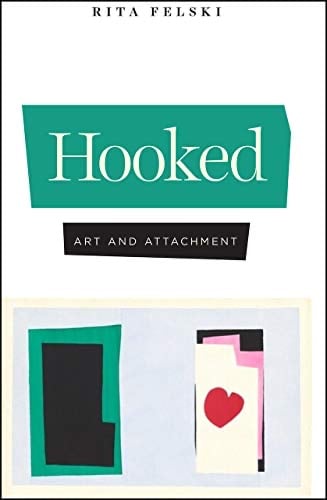
No. 52 on this list. Hooked
Rita Felski · 2020
No. 53 on this list. Technopoly
Neil Postman · 1992
No. 54 on this list. The Lessons of History
Will Durant · 1968
No. 55 on this list. Antifragile
Nassim Nicholas Taleb · 2012
No. 56 on this list. The Varieties of Scientific Experience
Carl Sagan · 2006
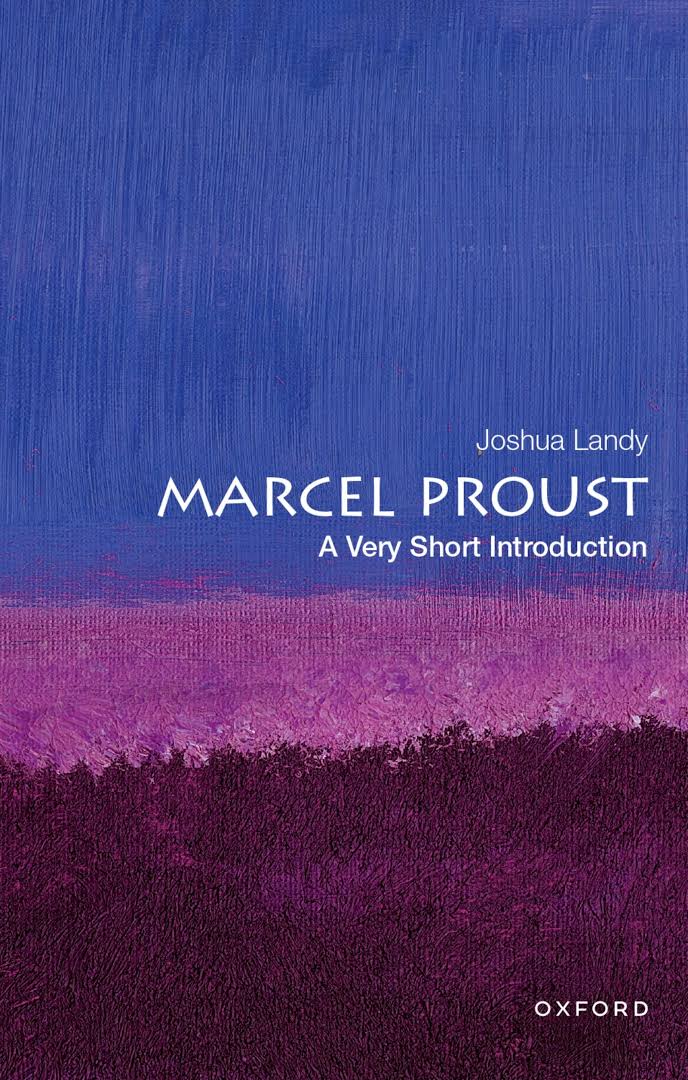
No. 57 on this list. Marcel Proust: A Very Short Introduction
Joshua Landy · 2022
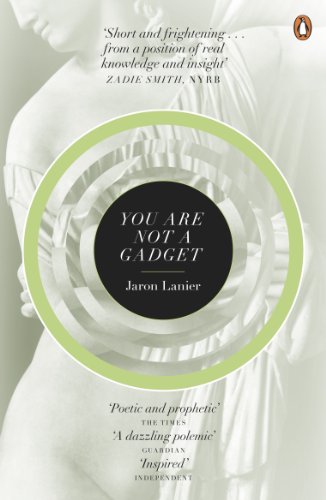
No. 58 on this list. You Are Not a Gadget
Jaron Lanier · 2010
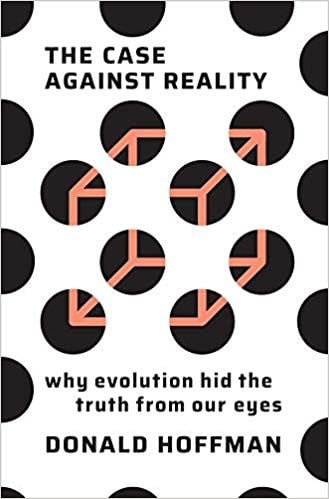
No. 59 on this list. The Case Against Reality: Why Evolution Hid the Truth from Our Eyes
Donald Hoffman · 2022
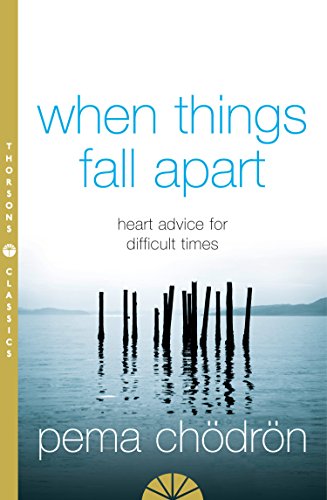
No. 60 on this list. When Things Fall Apart
Pema Chödrön · 1997
About this list
These 61 books are the highest-scoring eligible philosophy books from the United States currently in the catalogue. By literary regard, it opens with Self-Reliance and Other Essays, The Structure of Scientific Revolutions and Gender Trouble: Feminism and the Subversion of Identity. About 455 hours of reading in all. Difficulty runs from 36 to 59 out of 100 for the middle half of the list; the summit is Postmodernism, or, The Cultural Logic of Late Capitalism at 84.
This list is ranked by literary regard, with a consistent order for equal scores. Membership follows authors and co-authors, not translators or editors. Catalogue coverage and the historical canon both limit what this list can represent, and genre labels are the catalogue’s own, gathered into broader kinds.
When we matched the Canons dataset to our catalogue in October 2026, our canonical-status scores rose with the number of school curricula, publisher series and lists in it that cite a work: the median score was 72 for books one such source cites, 84 at two, 88 at three, 92 at four and 93 at five or more. Prizes are left out of that count. Outside the state curricula, the dataset’s sources choose mostly from what has been translated into English or French, so it is a weaker check on other literatures. Source: Canons (Andrew Piper), CC BY 4.0
Questions people actually ask
- What are the best philosophy books from the United States?
- By literary regard, which weighs canonical status, critical standing and influence, Self-Reliance and Other Essays, The Structure of Scientific Revolutions, Gender Trouble: Feminism and the Subversion of Identity, The Souls of Black Folk and Postmodernism, or, The Cultural Logic of Late Capitalism lead. ReadingRate ranks 61 such books, each with a difficulty score and a reading-time estimate.
- Where should I start with philosophy books from the United States?
- Start from difficulty, not from rank. The most approachable books on this list that still carry top literary regard are The Journalist and the Murderer by Janet Malcolm (about 2.5 hours), A Theory of Justice by John Rawls and Letter from Birmingham Jail by Martin Luther King Jr..
- How hard are philosophy books from the United States to read?
- Most of this list sits between 36 and 59 on ReadingRate's 100-point difficulty scale, where 40 to 55 is moderate. The summit is Postmodernism, or, The Cultural Logic of Late Capitalism at 84. Every entry carries its own score, so a reader can pick a great book at a difficulty they will finish.
- How is this list ranked?
- On literary-regard data: how canonically established a work is, its critical standing, and its influence on later writing. It is not a readers’ poll, which is why recent bestsellers rarely appear. Membership follows authors and co-authors, not translators or editors. A list that is not a genre list keeps to literature (fiction, poetry, drama and philosophy), with philosophy taking no more than one slot in five while there is literature left to rank; every list holds at most three works by one author.