Hours at an average pace
Showing 39 books
About 179 hours for 39 of 39 books with measured lengths. Estimates use 250 words a minute, adjusted for each book's difficulty. At 2 hours a day, about 90 days for those books.
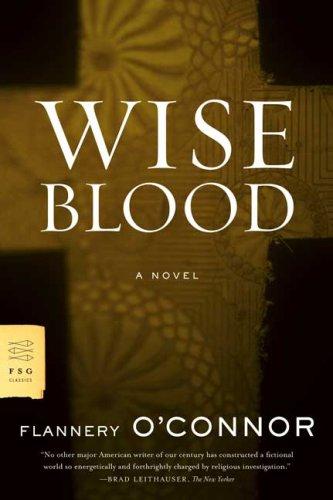
A landmark of Southern Gothic fiction and American literature, widely taught and critically analyzed. One of the defining novels of postwar American fiction.
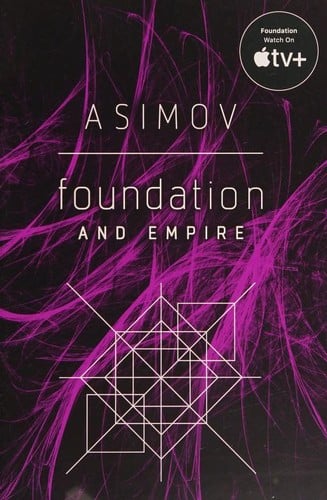
Central volume of the Foundation trilogy, one of the most important works in science fiction history. The Mule is one of the genre's iconic characters.
No. 3 on this list. The Flies
Jean-Paul Sartre · 1943
Easy1.8 hours
Taught in schools: UNAM Escuela Nacional Preparatoria – programas de Literatura (Mexico)
A major work of existentialist theater and an important document of intellectual resistance during the occupation. Regularly taught and performed.
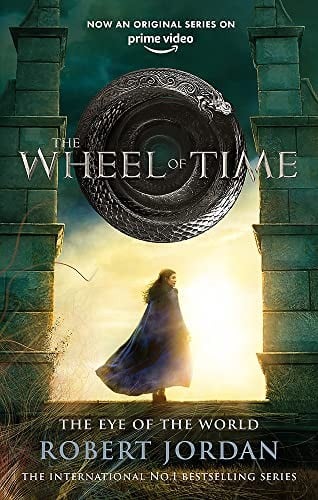
The Eye of the World launched one of fantasy's most influential series. While not considered literary fiction, it holds canonical status within the epic fantasy genre, frequently cited alongside Tolkien's work as foundational to modern fantasy.
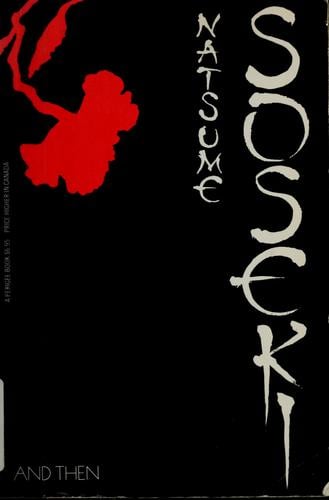
No. 5 on this list. And Then
Natsume Sōseki · 1909
Moderate4.8 hours
Included in: UNESCO Collection of Representative Works
Central to Soseki's early trilogy and an important exploration of Meiji-era moral crisis.
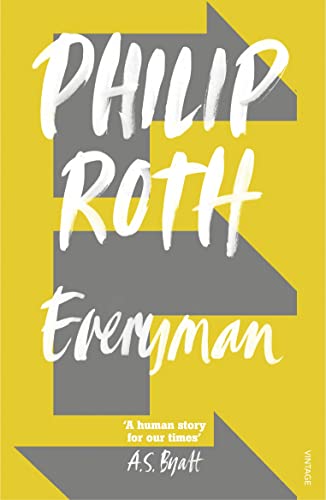
The book won the 2007 PEN/Faulkner Award. It is regularly taught in contemporary American literature courses and in courses on aging, yet it sits below Roth's major works such as Portnoy's Complaint and American Pastoral in the syllabus ranking. It has a Wikipedia page in 4 languages.
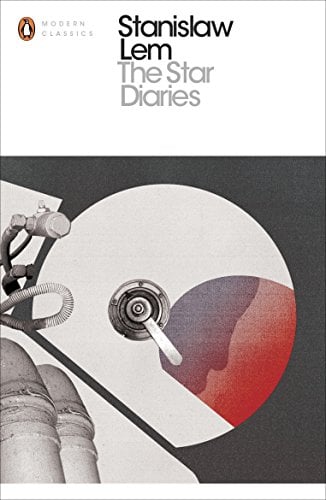
Well-known in European literary tradition but less widely taught in anglophone curricula than Solaris or The Cyberiad.
No. 8 on this list. The Ultimate Hitchhiker’s Guide to the Galaxy (Hitchhiker's Guide to the Galaxy, #1-5)
Douglas Adams · 2002
Easy2.8 hours
One of the best-known British comic novels, widely read in schools and taught in some university courses on science fiction and satire, with an enormous popular following. It is a cultural fixture more than a core syllabus text.
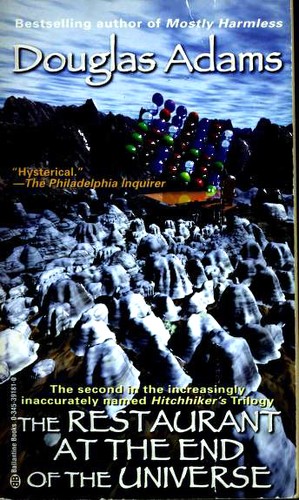
A beloved classic of comic science fiction, widely read and referenced. Slightly less iconic than the first Hitchhiker's book but firmly established.
Perelandra is widely taught in Christian literature, Inklings studies, and science fiction survey courses, and appears on many Christian college syllabi. It is not part of the mainstream secular literary canon and appears on relatively few Open Syllabus-tracked university reading lists. Within its niche — theological fantasy, Lewis scholarship, the history of Christian apologetics — it is considered an essential text.

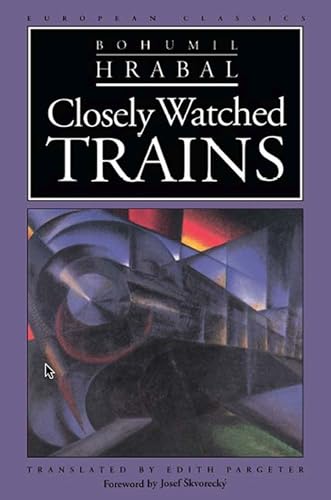
No. 11 on this list. Closely Watched Trains · Bohumil Hrabal · 1965
Closely Watched Trains is taught in Central European literature and WWII literature courses, but it is not a fixture of broad anglophone university curricula. The 1966 film adaptation — which won the Academy Award for Best Foreign Language Film — brought the novella considerable international recognition, and the film's Wikipedia article exists in 41 languages. Within Czech literary studies, the work is considered essential; its reach into global syllabi remains modest.
Easy1.6 hours
Start this bookNo. 12 on this list. All-Star Superman · Grant Morrison · 2011
Widely cited as a definitive Superman story and a staple of comics curricula and best-of lists, though comics are less present in standard literature syllabi.
Moderate5.5 hours
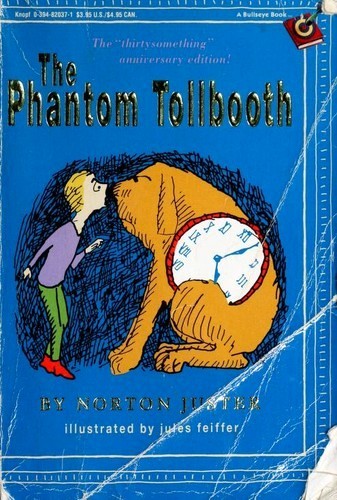
Start this bookNo. 13 on this list. The Phantom Tollbooth · Norton Juster · 1961
The Phantom Tollbooth is a standard text on US elementary and middle school reading lists and appears on the Modern Library's 100 Best Young Adult Novels. It has been continuously in print since 1961, a span of 65 years, and is regarded as one of the defining works of American children's literature. It does not appear on university literature syllabi in the way that adult canonical texts do, which constrains its institutional footprint.
Easy2.1 hours
Start this bookNo. 14 on this list. The Last Question · Isaac Asimov · 2007
It is an anthology staple of science fiction and widely read in classrooms and genre courses, though not a core literary canon text. It does not match the syllabus presence of Gatsby or 1984.
Easy9 min
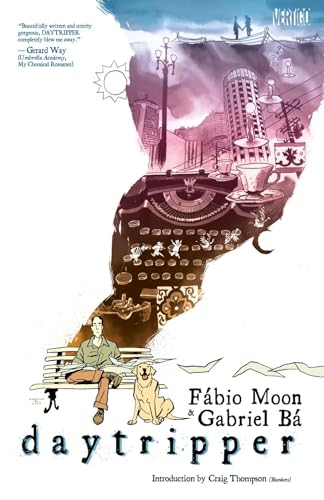
Start this bookNo. 15 on this list. Daytripper · Fábio Moon · 2011
Highly regarded in the graphic novel world and increasingly taught in university courses. Not yet as widely known as older canonical graphic novels.
Easy2.4 hours
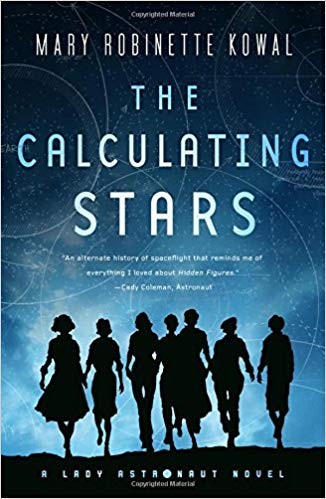
Start this bookNo. 16 on this list. The Calculating Stars · Mary Robinette Kowal · 2018
Hugo, Nebula, and Locus Award winner. A defining work of alternate-history SF.
Very Easy5.2 hours
Start this bookNo. 17 on this list. Prohibido suicidarse en primavera · Alejandro Casona
A staple of Spanish-language theatre and school reading lists, Casona's best-known work after La dama del alba. It is staged and studied widely but sits below the major world canon.
Easy1.4 hours
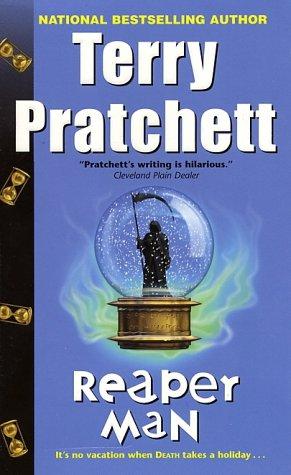
Start this bookNo. 18 on this list. Reaper Man · Terry Pratchett · 1991
Reaper Man is not taught on university syllabi in any significant numbers and carries no Wikipedia data in the database, but it is among the most celebrated entries in one of the bestselling fantasy series ever written. Widely regarded as essential Discworld reading and frequently cited in discussions of comic fantasy's philosophical potential — above genre entertainment, below academic canon.
Moderate4.9 hours
Start this bookNo. 19 on this list. Knulp · Hermann Hesse · 1988
Part of Hesse's well-known body of work and read in German-language contexts, but far less taught than Siddhartha or Steppenwolf.
Easy2.1 hours
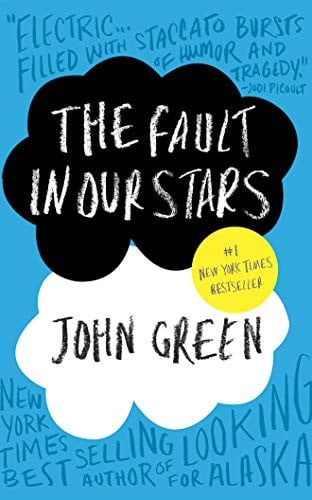
Start this bookNo. 20 on this list. The Fault in Our Stars · John Green · 2012
One of the defining YA novels of the 2010s. Over 50 million copies sold.
Easy3.3 hours
Start this book




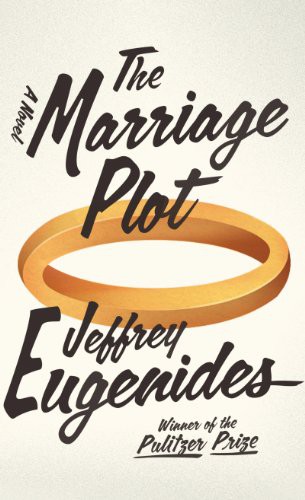
No. 21 on this list. The Marriage Plot · Jeffrey Eugenides · 2011
Major novel from a Pulitzer laureate. Widely reviewed and discussed. Important campus novel.
Easy6.7 hours
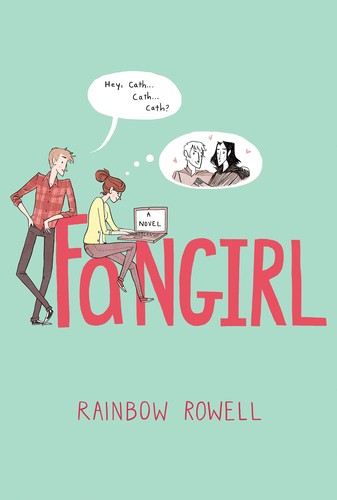
Start this bookNo. 22 on this list. Fangirl · Rainbow Rowell · 2013
A defining novel of internet fandom culture and a YA bestseller. The Simon Snow spin-off became its own series.
Very Easy5.1 hours
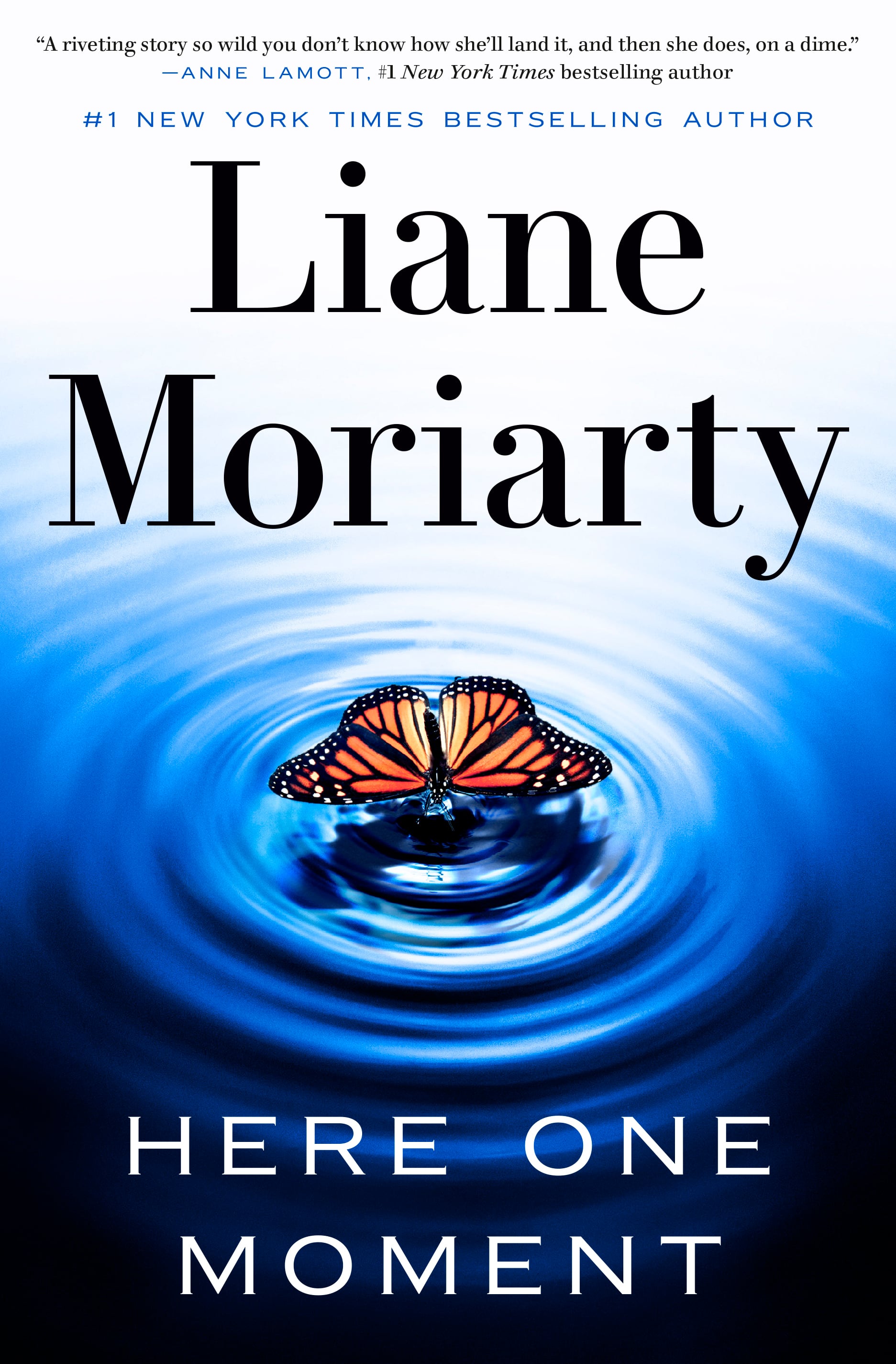
Start this bookNo. 23 on this list. Here One Moment · Liane Moriarty · 2024
Commercial fiction positioning. Moriarty is a phenomenon, not a canonical figure. Unlikely to be taught.
Moderate8.3 hours
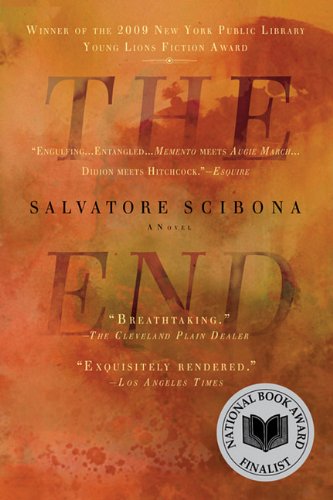
Start this bookNo. 24 on this list. The End · Salvatore Scibona · 2008
The End is a critically admired debut but remains a writer's novel, read by admirers of demanding contemporary fiction rather than taught or listed as a classic.
Moderate11 hours
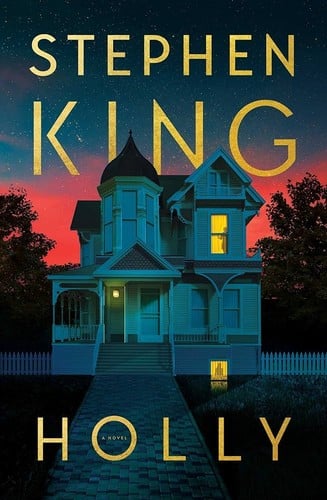
Start this bookNo. 25 on this list. Holly · Stephen King · 2023
Part of King's massive late-career output. A Holly Gibney fan favorite but not a standout in the King canon.
Very Easy6 hours
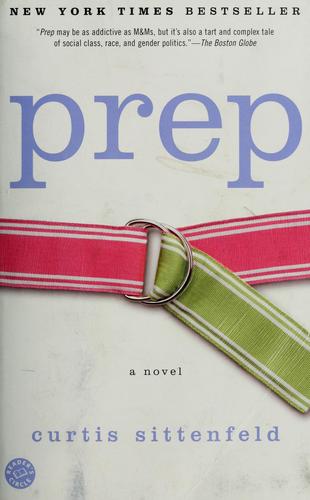
Start this bookNo. 26 on this list. Prep · Curtis Sittenfeld · 2005
Bestselling debut. Important in the class-conscious campus fiction tradition.
Very Easy5.5 hours
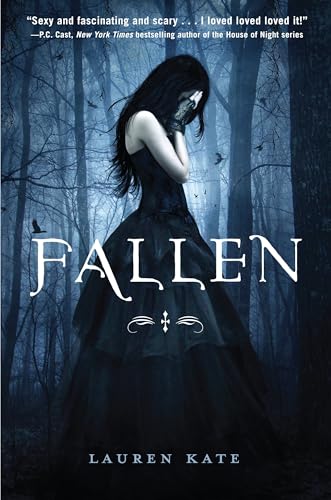
Start this bookNo. 27 on this list. Fallen · Lauren Kate · 2009
Major YA bestseller in the post-Twilight paranormal romance wave. Film adaptation. Cultural impact within its niche.
Very Easy4.8 hours
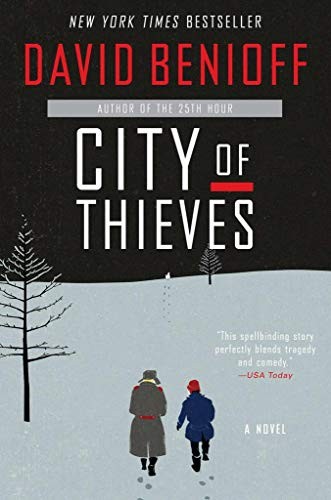
Start this bookNo. 28 on this list. City of Thieves · David Benioff · 2008
Benioff frames the novel as a transcription of his grandfather's stories: during the siege of Leningrad in 1942, a shy seventeen-year-old named Lev Beniov is arrested for looting a dead German paratrooper's body. Instead of execution, he and his cellmate Kolya—a charismatic, womanizing army deserter—are given an impossible assignment by a Soviet colonel: find a dozen eggs in a starving city so the colonel's daughter can have a wedding cake. What follows is a picaresque adventure through the frozen ruins of Leningrad and behind enemy lines, as two young men with nothing in common stumble through the absurdity and horror of total war in search of eggs. Benioff writes with dark humor and cinematic precision, and the novel works simultaneously as a buddy comedy, a war thriller, and an elegy for lost youth. Kolya is one of the great comic characters in contemporary fiction—a man who discusses Ushakovo's fictional novel with the same intensity he brings to escaping cannibals. The novel's final pages deliver an emotional reversal that reframes everything that came before.
Very Easy3.2 hours
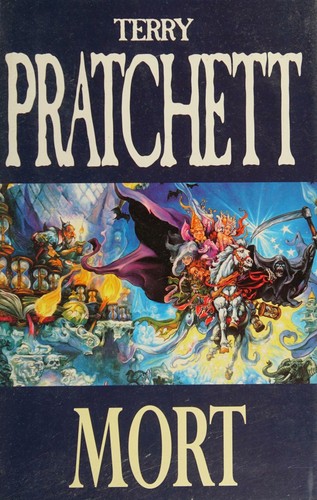
Start this bookNo. 29 on this list. Mort · Terry Pratchett · 1987
Mort does not appear on university syllabi in any significant measure and has no presence in the Open Syllabus database. It belongs firmly to popular fantasy rather than the literary canon, though Discworld's Wikipedia presence across dozens of languages reflects its massive global readership.
Moderate4.6 hours
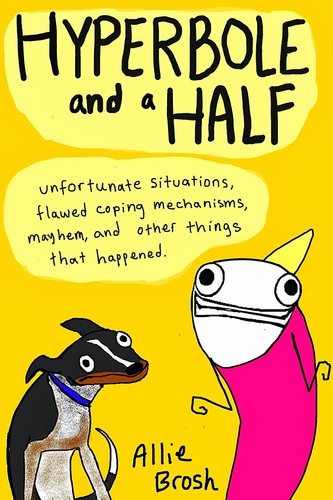
Start this bookNo. 30 on this list. Hyperbole and a Half · Allie Brosh · 2013
Brosh adapted her enormously popular blog into a book that combines crudely drawn illustrations—stick figures with enormous eyes rendered in Microsoft Paint—with essays of startling emotional precision. The two chapters on depression became the most widely shared descriptions of the condition on the internet, not because they offered hope or advice but because they captured the experience with ruthless accuracy: the slide from sadness into numbness, the absurdity of well-meaning people telling you to appreciate sunsets, the moment she found a kernel of corn under the refrigerator and laughed for the first time in months and knew, arbitrarily, that she was coming back. Other essays are purely comic: her childhood attempt to eat an entire cake before her parents noticed, her dog's magnificent stupidity, the shame spiral of returning overdue library books. Brosh's drawings, which look like a child made them, carry enormous emotional weight precisely because of their crudeness—the simplified faces express states of feeling that photorealistic art would blunt. The book is funny, devastating, and unlike anything else in contemporary humor writing.
Very Easy1.7 hours
Start this book
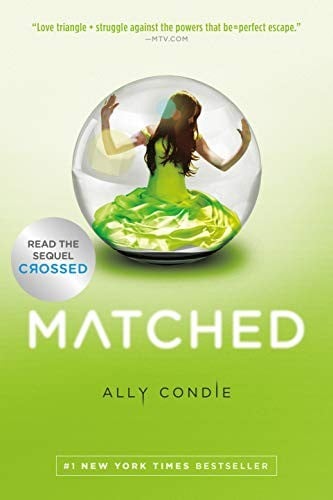
No. 31 on this list. Matched
Ally Condie · 2010
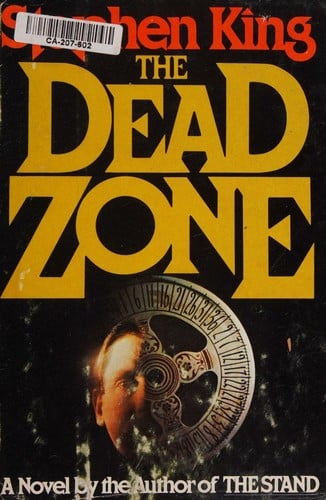
No. 32 on this list. The Dead Zone
Stephen King · 1979
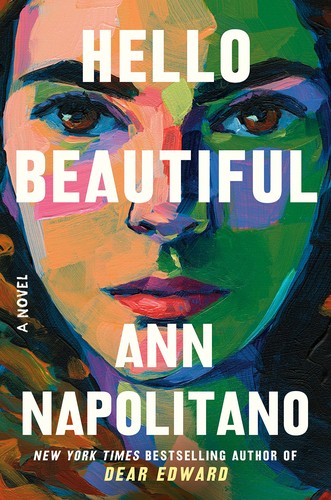
No. 33 on this list. Hello Beautiful
Ann Napolitano · 2023
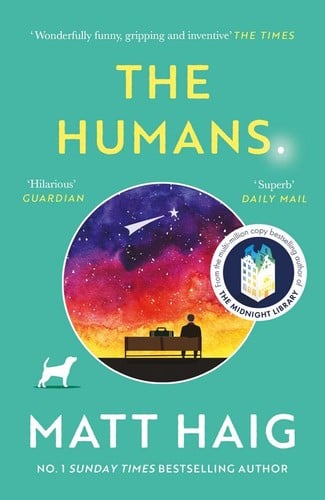
No. 34 on this list. The Humans
Matt Haig · 2014
No. 35 on this list. The Woman in Cabin 10
Ruth Ware · 2016
No. 36 on this list. If I Stay
Gayle Forman · 2009
No. 37 on this list. The Light We Lost
Jill Santopolo · 2017
No. 38 on this list. Lucky Day
Chuck Tingle · 2025
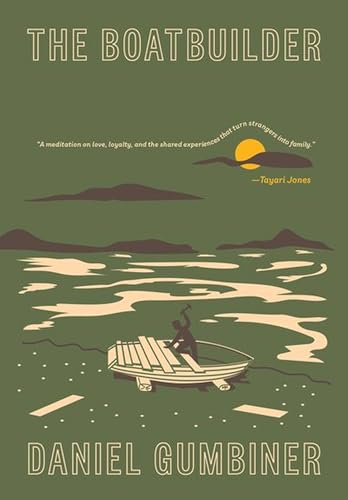
No. 39 on this list. The Boatbuilder
Daniel Gumbiner · 2018
About this list
These 39 books are the highest-scoring eligible easy absurdist and existentialist books currently in the catalogue. About 179 hours of reading in all. Difficulty runs from 25 to 40 out of 100 for the middle half of the list; the summit is The Boatbuilder at 44.
This list is ranked by literary regard, with a consistent order for equal scores. Membership follows authors and co-authors, not translators or editors. A book is here when ReadingRate files it under Absurdism & Existentialism as one of its primary reading domains, at a confidence of 0.8 or more. Catalogue coverage and the historical canon both limit what this list can represent.
When we matched the Canons dataset to our catalogue in October 2026, our canonical-status scores rose with the number of school curricula, publisher series and lists in it that cite a work: the median score was 72 for books one such source cites, 84 at two, 88 at three, 92 at four and 93 at five or more. Prizes are left out of that count. Outside the state curricula, the dataset’s sources choose mostly from what has been translated into English or French, so it is a weaker check on other literatures. Source: Canons (Andrew Piper), CC BY 4.0
Questions people actually ask
- What are the best easy absurdist and existentialist books?
- By literary regard, which weighs canonical status, critical standing and influence: Wise Blood by Flannery O'Connor, Foundation and Empire by Isaac Asimov, The Flies by Jean-Paul Sartre, The Eye of the World by Robert Jordan and And Then by Natsume Sōseki. ReadingRate ranks 39 such books, each with a difficulty score and a reading-time estimate.
- Which easy absurdist and existentialist books should I read first?
- Start from difficulty, not from rank. The most approachable books on this list that still carry top literary regard are Foundation and Empire by Isaac Asimov (about 3.6 hours), The Flies by Jean-Paul Sartre and The Eye of the World by Robert Jordan.
- What are the shortest of the best easy absurdist and existentialist books?
- Among the top 25, the shortest are The Last Question by Isaac Asimov (about 9 min), Prohibido suicidarse en primavera by Alejandro Casona (about 1.4 hours) and Closely Watched Trains by Bohumil Hrabal (about 1.6 hours), at an average pace of 250 words a minute adjusted for each book's difficulty.
- Which of the best easy absurdist and existentialist books are the established classics?
- By canonical status, how firmly a book sits in curricula, anthologies and the canon: Wise Blood by Flannery O'Connor, Foundation and Empire by Isaac Asimov, The Eye of the World by Robert Jordan, The Phantom Tollbooth by Norton Juster and The Flies by Jean-Paul Sartre.
- How long would it take to read the top ten?
- About 49 hours, at an average pace of 250 words a minute adjusted for each book's difficulty: 25 days at two hours a day. Set your own pace on the page and the list's reading times change to it.
- How hard are easy absurdist and existentialist books to read?
- Most of this list sits between 25 and 40 on ReadingRate's 100-point difficulty scale, where 40 to 55 is moderate. The summit is The Boatbuilder at 44. Every entry carries its own score, so a reader can pick a great book at a difficulty they will finish.
- How is this list ranked?
- On literary-regard data: how canonically established a work is, its critical standing, and its influence on later writing. It is not a readers’ poll, which is why recent bestsellers rarely appear. Membership follows authors and co-authors, not translators or editors. Lists by country, author, period, theme or difficulty keep to literature (fiction, poetry, drama and philosophy), their novels, poems and plays first and their philosophy after them; a list of a kind of book, such as memoir or criticism, keeps every book of that kind. Every list holds at most three works by one author. A book is here when ReadingRate files it under Absurdism & Existentialism as one of its primary reading domains, at a confidence of 0.8 or more.