Hours at an average pace
Showing 60 books
About 790 hours for 59 of 60 books with measured lengths. Estimates use 250 words a minute, adjusted for each book's difficulty. At 2 hours a day, about 395 days for those books.
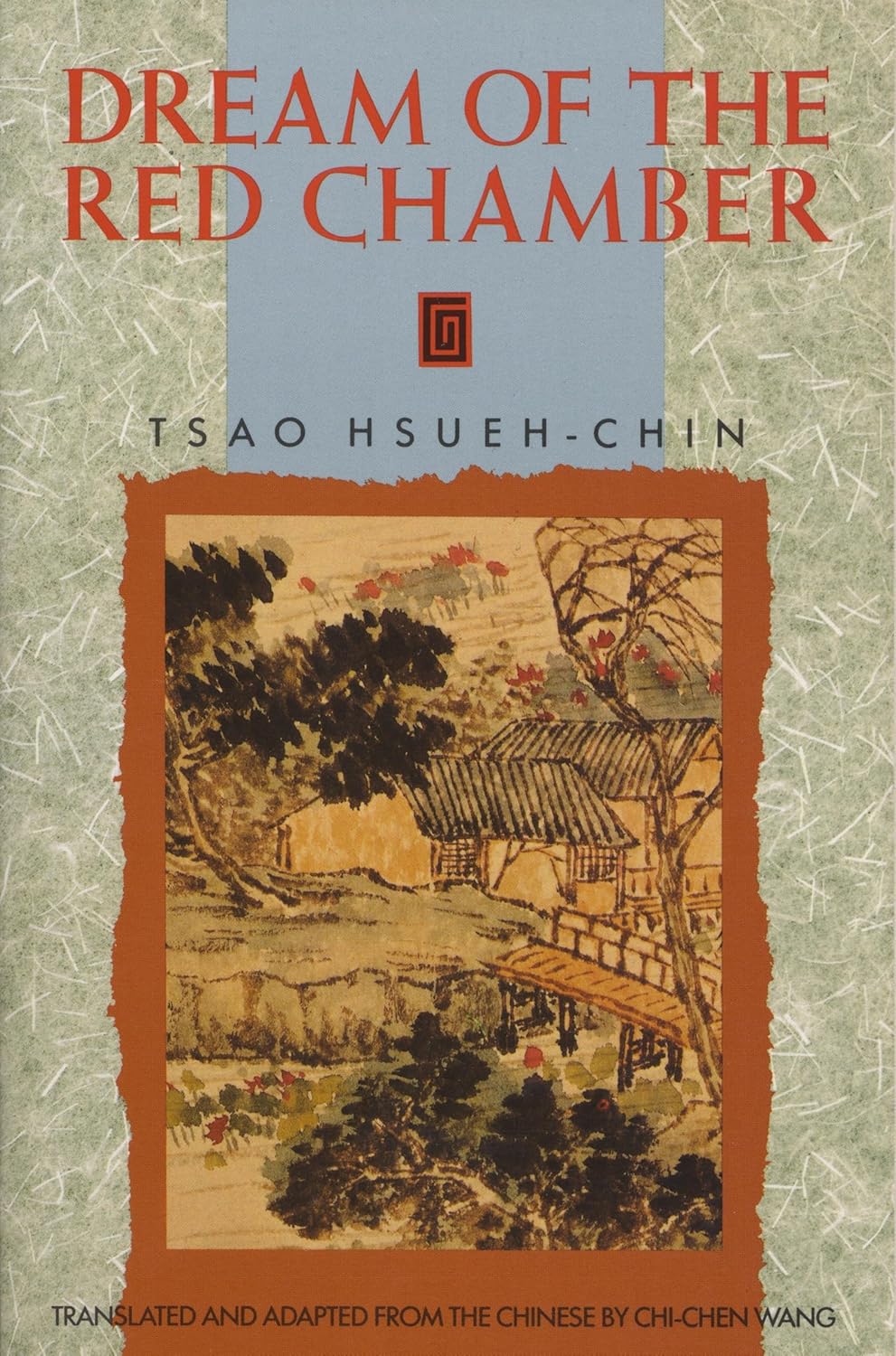
No. 1 on this list. Dream of the Red Chamber
Cao Xueqin · 1791
Difficult97 hours
Included in: UNESCO Collection of Representative Works
Cao Xueqin chronicled the decline of an aristocratic Chinese clan through the consciousness of over four hundred distinct characters, weaving Buddhist philosophy, classical poetry, and granular domestic life into a novel of a scope that European fiction would not attempt for another century. It remains the central work of Chinese narrative art.
The foundation of Chinese historiography, required in Chinese secondary education and standard in world-history and classical-literature curricula.
The Tao Te Ching is one of the most translated texts in human history — second only to the Bible in total translations, with over 250 English versions alone. It anchors courses in world philosophy, comparative religion, East Asian studies, and literature at virtually every major university. Its Wikipedia article exists in over 80 languages.
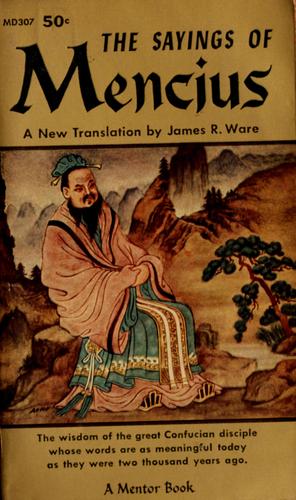
Confucius's students recorded his sayings on ritual, filial piety, and the gentleman-scholar in terse dialogues that became the moral operating system for East Asian civilization. The examination system built on this text selected China's governing class for over a thousand years.
One of the two foundational Daoist texts, taught in world philosophy, Chinese literature and religious studies courses everywhere, in multiple competing English editions.
Ah Q stands with Quixote, Oblomov, and Babbitt as literature's archetypal national figures. For modern Chinese literature, this text functions as foundational myth—the work that demonstrated vernacular Chinese could carry savage social critique and established Lu Xun as the tradition's father.
Wu Cheng'en sent a Buddhist monk and his three supernatural companions on a westward pilgrimage through eighty-one trials, creating the great picaresque of Chinese literature — a work that fuses slapstick comedy, Daoist and Buddhist allegory, and some of the most inventive monster-fights in world fiction. The Monkey King, Sun Wukong, became the most recognizable trickster figure in East Asian culture.
Memorised in Chinese primary schools, standard in every world literature and Chinese poetry syllabus, and available in New Directions, Penguin and Anchor editions.
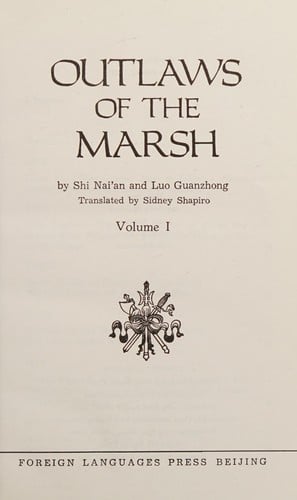
One of Four Great Classical Novels; foundational for martial arts genre.
One of the Four Books, memorised by every Chinese examination candidate from 1313 to 1905 and standard in Chinese philosophy syllabuses worldwide.
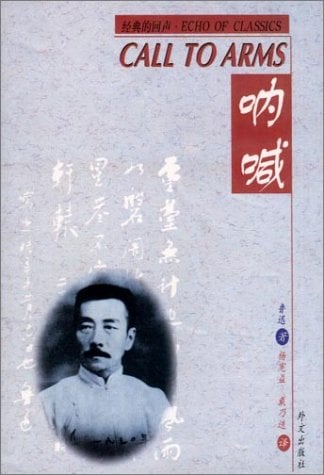
No. 11 on this list. Call to Arms · Lu Xun · 1923
Lu Xun compressed the anguish of a civilization in crisis into stories so concentrated they read like detonations — a madman who discovers that Confucian morality is a euphemism for cannibalism, a revolutionary beheaded while the crowd scrambles for bread dipped in his blood. These stories broke Chinese fiction free from classical convention and became the foundational texts of modern Chinese literature.
Challenging4.4 hours
Start this bookNo. 12 on this list. Romance of the Three Kingdoms · Luo Guanzhong
Included in: UNESCO Collection of Representative Works
One of Four Great Classical Novels; formative for Chinese historical consciousness.
Moderate41 hours
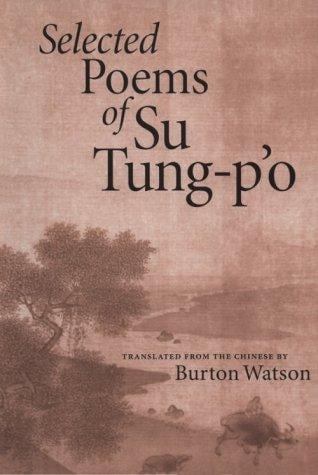
Read nowNo. 13 on this list. Selected Poems of Su Tung-p’o · Su Shi · 1101
The Red Cliff rhapsodies and the mid-autumn ci are memorised in Chinese schools, and Su Shi is standard in every Song literature course.
Challenging2.3 hours
Start this bookNo. 14 on this list. The Songs of the South · Qu Yuan · c. 278 BCE
One of the two founding anthologies of Chinese poetry alongside the Book of Songs, standard in premodern literature courses and published complete by Penguin.
Difficult7.8 hours
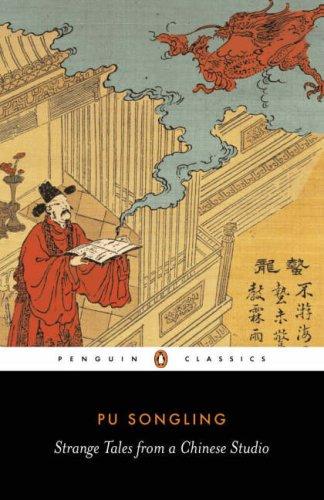
Start this bookNo. 15 on this list. Strange Tales from a Chinese Studio · Pu Songling
Included in: UNESCO Collection of Representative Works
The standard classical Chinese story collection, taught in every survey of premodern Chinese literature and available in Penguin Classics, Yale and Columbia editions.
Challenging22 hours
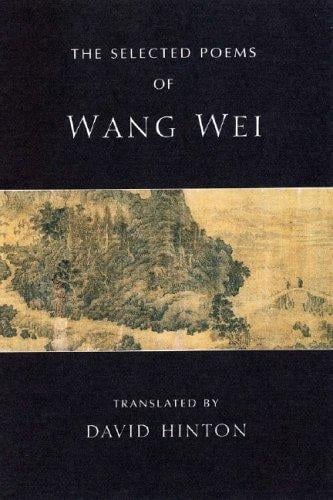
Start this bookNo. 16 on this list. The Selected Poems of Wang Wei · Wang Wei · 761
Standard in Chinese poetry courses and in world literature anthologies, with Deer Park among the most reprinted short poems in any language.
Challenging1.7 hours
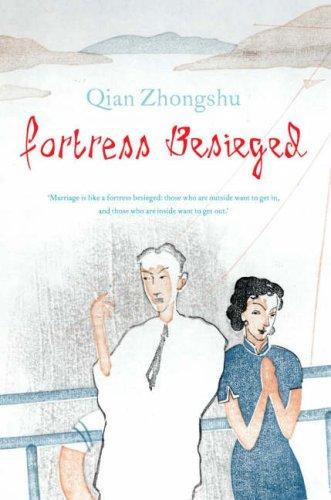
Start this bookNo. 17 on this list. Fortress Besieged · Qian Zhongshu · 1947
One of the most celebrated Chinese novels of the twentieth century. Adapted into a hugely popular TV series in 1990.
Moderate6.8 hours
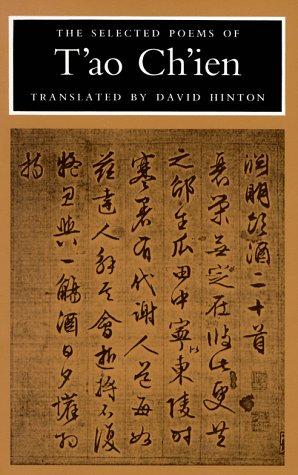
Start this bookNo. 18 on this list. The Selected Poems of T’ao Ch’ien · Tao Yuanming · 427
Standard in Chinese literature courses and school anthologies; Peach Blossom Spring is one of the best known prose texts in the language.
Moderate1.6 hours
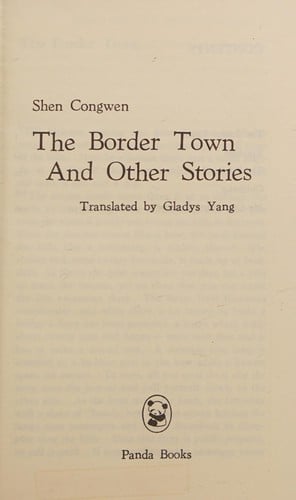
Start this bookNo. 19 on this list. Border Town · Shen Congwen · 1934
Voted second among Chinese novels of the twentieth century in the Asia Weekly poll, taught everywhere in Chinese literature, and published by HarperCollins in Kinkley's translation.
Challenging3.4 hours
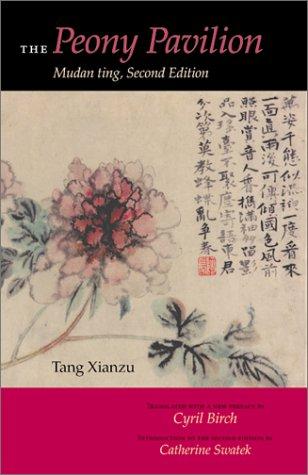
Start this bookNo. 20 on this list. The Peony Pavilion · Tang Xianzu · 1598
The most celebrated play in the Chinese repertory, taught alongside The Story of the Western Wing in every premodern survey and published in a complete Indiana University Press translation.
Challenging10 hours
Start this book
No. 21 on this list. Rickshaw Boy · Lao She · 1937
A set text in Chinese secondary schools and the standard example of Republican-era realism in Chinese literature courses abroad.
Moderate6.7 hours
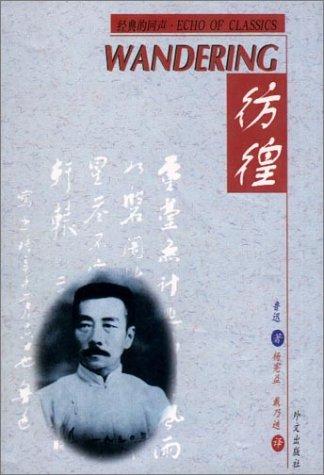
Start this bookNo. 22 on this list. Wandering · Lu Xun · 1926
One of the two essential Lu Xun collections, foundational to modern Chinese literature. 'The New Year's Sacrifice' is among the most important Chinese stories.
Moderate2.6 hours
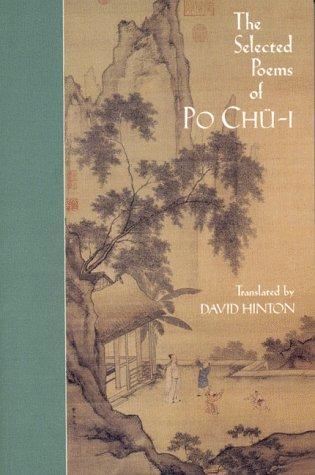
Start this bookNo. 23 on this list. Selected Poems of Po Chü-i · Bai Juyi · 846
Memorised in Chinese schools, standard in Tang poetry courses, and one of the pillars of the Japanese Heian curriculum for a thousand years.
Moderate2.5 hours
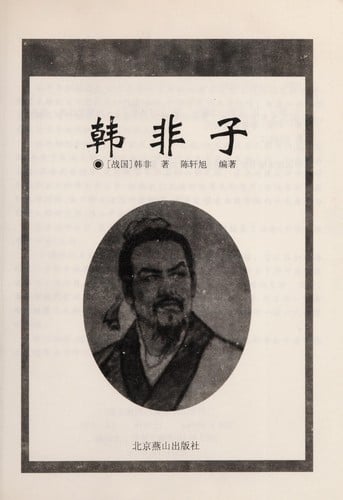
Start this bookNo. 24 on this list. Han Feizi · Han Fei · c. 233 BCE
The central Legalist text, standard in Chinese philosophy and political theory syllabuses and available in Watson's Columbia and Christoph Harbsmeier's scholarly editions.
Challenging7.7 hours
Start this bookNo. 25 on this list. The Art of War · Sun Tzu · c. 500 BCE
One of the most widely read texts in human history, taught in military academies (West Point, Sandhurst), MBA programs, political science courses, and East Asian studies worldwide. Wikipedia articles exist in over 100 languages. Its maxims have entered common parlance across cultures, and it appears on virtually every 'great books' or 'essential nonfiction' list.
Moderate2.1 hours
Read nowNo. 26 on this list. The Plum in the Golden Vase · Lanling Xiaoxiao Sheng · 1617
One of the four masterworks of Ming fiction, taught wherever Chinese literature is taught, though it was banned for most of its history and remains restricted in China.
Challenging55 hours
Start this bookNo. 27 on this list. The Scholars · Wu Jingzi · 1750
One of the six classic Chinese novels, standard on university reading lists and used in Chinese schools for the Fan Jin chapter alone.
Challenging22 hours
Start this bookNo. 28 on this list. Teahouse · Lao She · 1957
The most studied modern Chinese play, on the syllabus of every Chinese drama course and in continuous repertory at the Beijing People's Art Theatre since 1958.
Challenging2.3 hours
Start this bookNo. 29 on this list. Family · Ba Jin · 1933
A set text in Chinese schools and the standard example of May Fourth anti-feudal fiction in modern Chinese literature courses.
Moderate8.6 hours
Start this bookNo. 30 on this list. Xunzi · Xunzi · c. 250 BCE
Standard in Chinese philosophy courses and published complete by Princeton in Hutton's translation, though excluded from the Four Books for eight centuries.
Moderate11 hours
Start this book
No. 31 on this list. The Story of the Western Wing
Wang Shifu · 1300
No. 32 on this list. Four Generations Under One Roof
Lao She · 1949
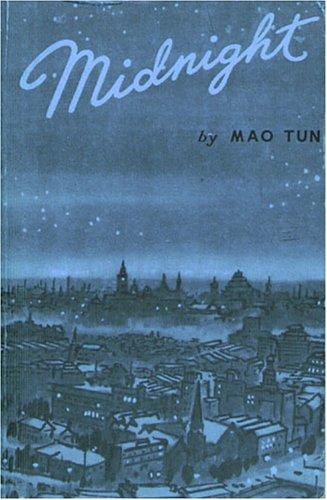
No. 33 on this list. Midnight
Mao Dun · 1933
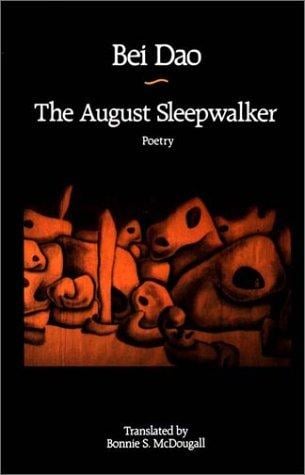
No. 34 on this list. The August Sleepwalker
Bei Dao · 1988
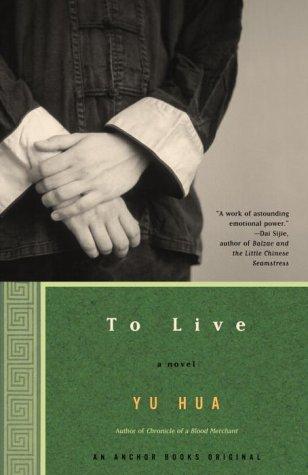
No. 35 on this list. To Live
Yu Hua · 1993
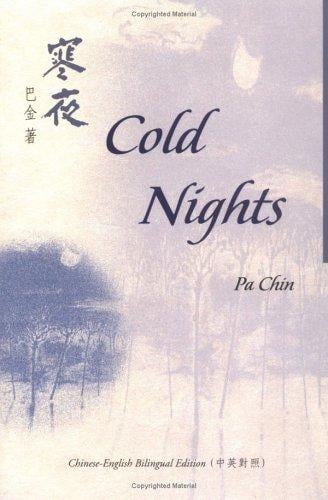
No. 36 on this list. Cold Nights
Ba Jin · 1947
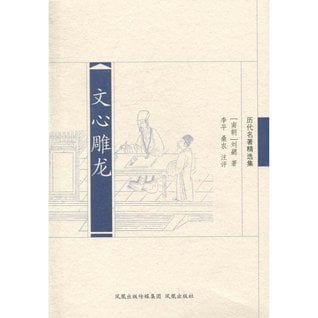
No. 37 on this list. The Literary Mind and the Carving of Dragons
Liu Xie · 501
No. 38 on this list. Mozi
Mozi · c. 390 BCE
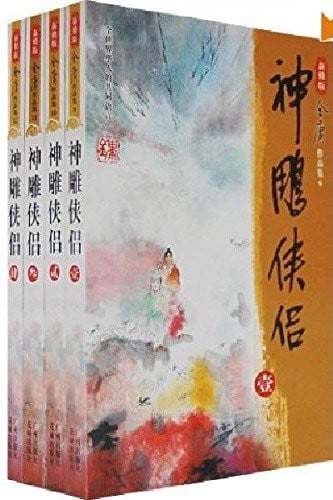
No. 39 on this list. The Legend of the Condor Heroes
Jin Yong · 1959
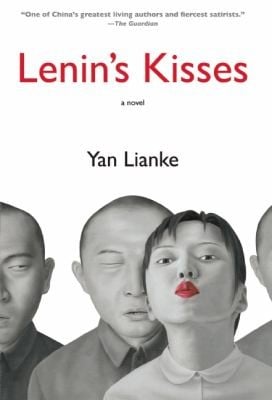
No. 40 on this list. Lenin's Kisses
Yan Lianke · 2004
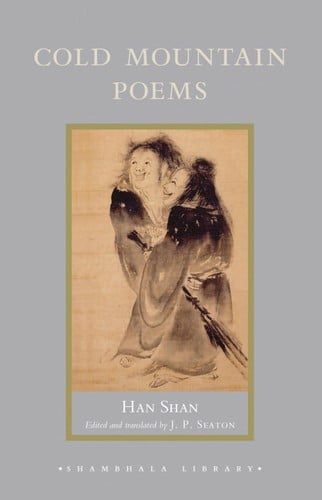
No. 41 on this list. Cold Mountain Poems
Hanshan · 800
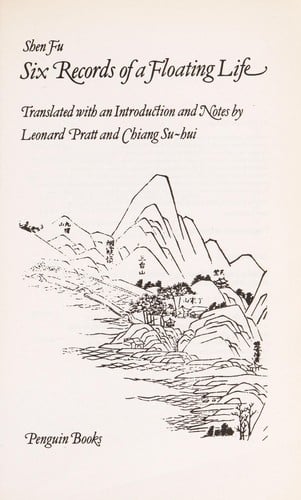
No. 42 on this list. Six Records of a Floating Life
Shen Fu · 1809
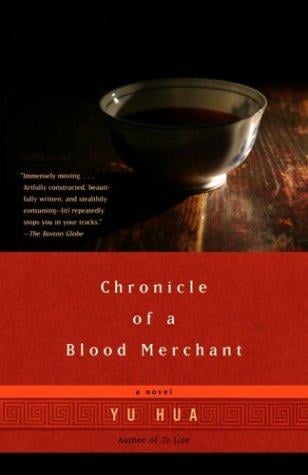
No. 43 on this list. Chronicle of a Blood Merchant
Yu Hua · 1995
No. 44 on this list. Dream of Ding Village
Yan Lianke · 2006
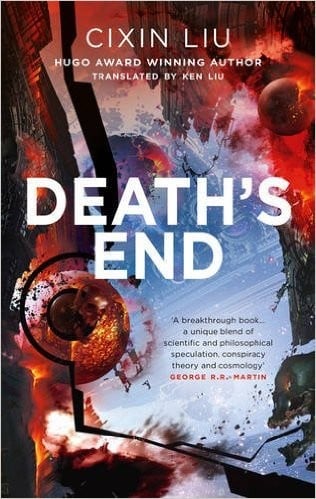
No. 45 on this list. Death's End
Liu Cixin · 2010
No. 46 on this list. Raise the Red Lantern
Su Tong · 1990
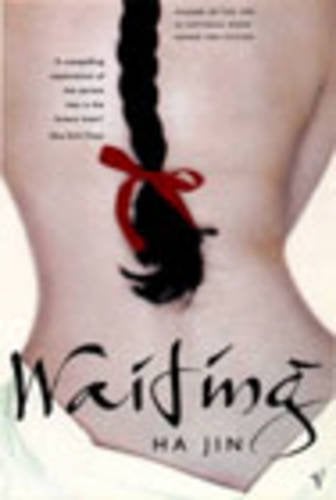
No. 47 on this list. Waiting
Ha Jin · 1999
No. 48 on this list. Ruined City
Jia Pingwa · 1993
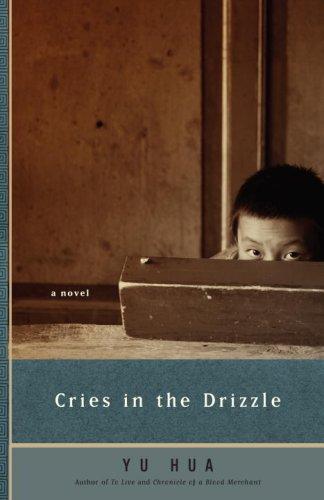
No. 49 on this list. Cries in the Drizzle
Yu Hua · 1991
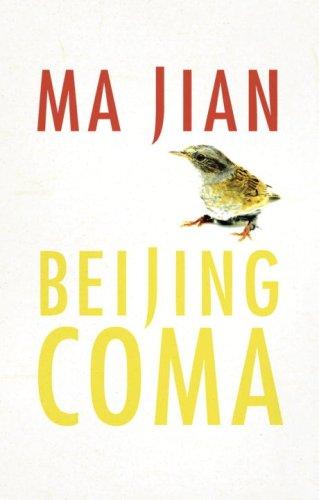
No. 50 on this list. Beijing Coma
Ma Jian · 2008
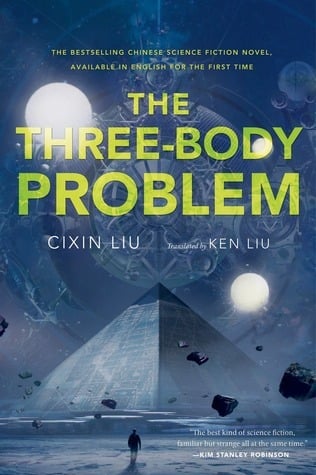
No. 51 on this list. The Three-Body Problem
Liu Cixin · 2008
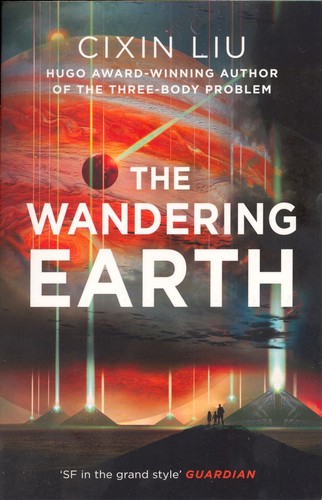
No. 52 on this list. The Wandering Earth
Liu Cixin · 2000
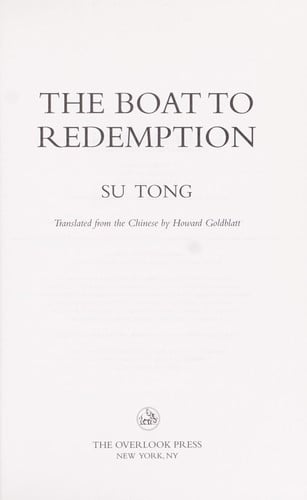
No. 53 on this list. The Boat to Redemption
Su Tong · 2009
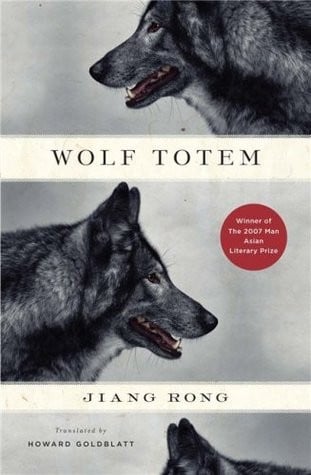
No. 54 on this list. Wolf Totem
Jiang Rong · 2004
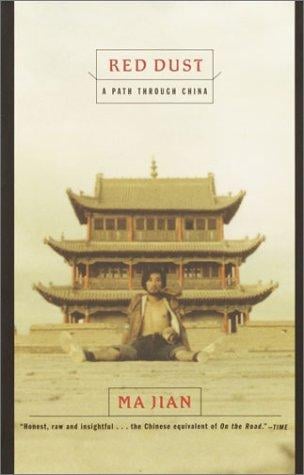
No. 55 on this list. Red Dust: A Path Through China
Ma Jian · 2001
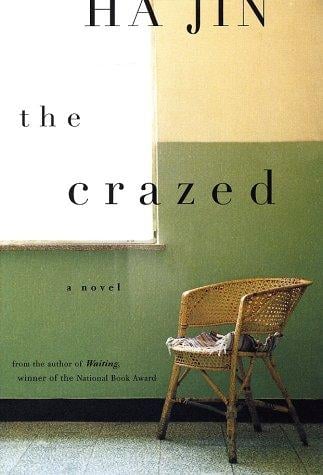
No. 56 on this list. The Crazed
Ha Jin · 2002
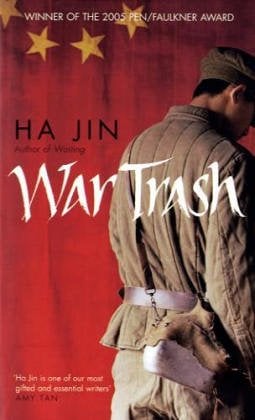
No. 57 on this list. War Trash
Ha Jin · 2005
No. 58 on this list. Rice
Su Tong · 1991
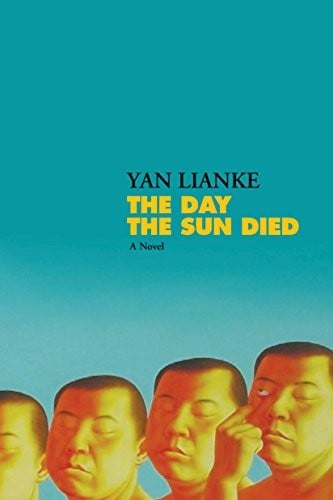
No. 59 on this list. The Day the Sun Died
Yan Lianke · 2015
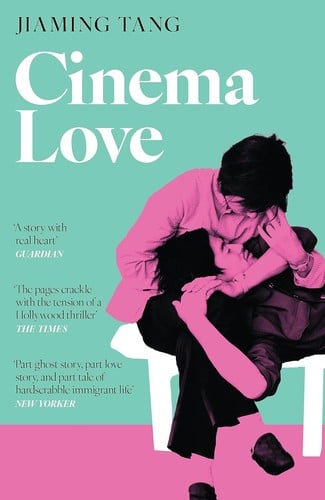
No. 60 on this list. Cinema Love
Jiaming Tang · 2024
About this list
These 60 books are the highest-scoring eligible books by men from China currently in the catalogue. By literary regard, it opens with Dream of the Red Chamber, Records of the Grand Historian and Tao Te Ching. About 790 hours of reading in all, for the 59 with measured lengths. Difficulty runs from 50 to 65 out of 100 for the middle half of the list; the summit is Zhuangzi at 83.
This list is ranked by literary regard, with a consistent order for equal scores. Membership follows authors and co-authors, not translators or editors. Catalogue coverage and the historical canon both limit what this list can represent.
When we matched the Canons dataset to our catalogue in October 2026, our canonical-status scores rose with the number of school curricula, publisher series and lists in it that cite a work: the median score was 72 for books one such source cites, 84 at two, 88 at three, 92 at four and 93 at five or more. Prizes are left out of that count. Outside the state curricula, the dataset’s sources choose mostly from what has been translated into English or French, so it is a weaker check on other literatures. Source: Canons (Andrew Piper), CC BY 4.0
Questions people actually ask
- What are the best books by men from China?
- By literary regard, which weighs canonical status, critical standing and influence, Dream of the Red Chamber, Records of the Grand Historian, Tao Te Ching, Analects and Zhuangzi lead. ReadingRate ranks 60 such books, each with a difficulty score and a reading-time estimate.
- Where should I start with books by men from China?
- Start from difficulty, not from rank. The most approachable books on this list that still carry top literary regard are The True Story of Ah Q by Lu Xun (about 1.5 hours), Fortress Besieged by Qian Zhongshu and The Art of War by Sun Tzu.
- How hard are books by men from China to read?
- Most of this list sits between 50 and 65 on ReadingRate's 100-point difficulty scale, where 40 to 55 is moderate. The summit is Zhuangzi at 83. Every entry carries its own score, so a reader can pick a great book at a difficulty they will finish.
- How is this list ranked?
- On literary-regard data: how canonically established a work is, its critical standing, and its influence on later writing. It is not a readers’ poll, which is why recent bestsellers rarely appear. Membership follows authors and co-authors, not translators or editors. A list that is not a genre list keeps to literature (fiction, poetry, drama and philosophy), with philosophy taking no more than one slot in five while there is literature left to rank; every list holds at most three works by one author.