Hours at an average pace
Showing 39 books
About 266 hours for 39 of 39 books with measured lengths. Estimates use 250 words a minute, adjusted for each book's difficulty. At 2 hours a day, about 133 days for those books.
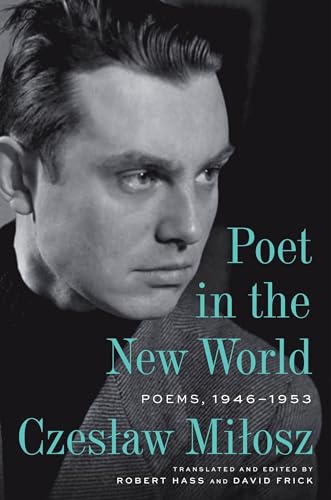
Nobel laureate and one of the most important poets of the twentieth century. Central to Polish literature and increasingly recognized in world poetry.
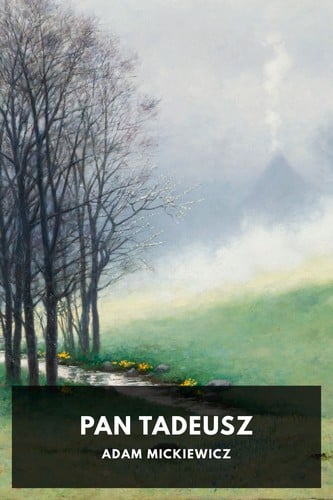
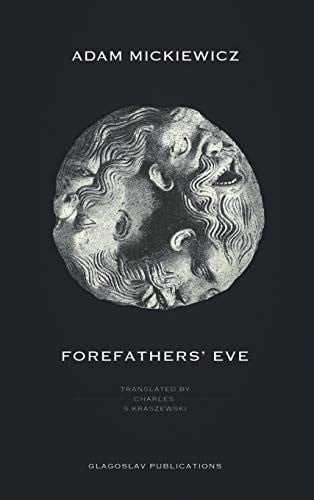
The Polish national epic, compulsory in Polish schools, and the standard reference point for Polish literature in every world-literature survey.
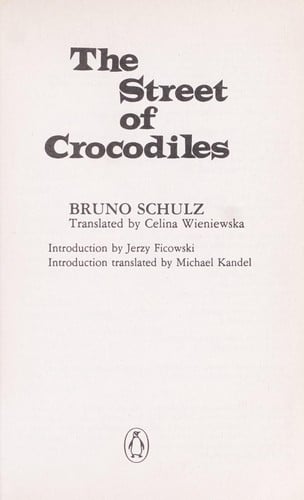
No. 3 on this list. The Street of Crocodiles
Bruno Schulz · 1934
Difficult7.1 hours
Taught in schools: Lektury obowiązkowe – Polish national reading list (Poland)
A standard text in world-literature and modernism syllabi and the central work of Polish literary modernism after Gombrowicz.
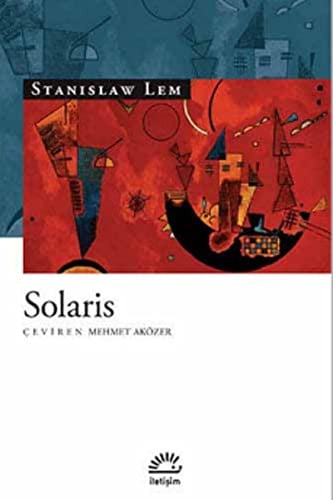
Solaris is the most canonically recognized work of Eastern European science fiction, taught in SF studies, philosophy of science, and world literature courses at universities across Europe, North America, and East Asia. Its Wikipedia article exists in over 50 languages. The Tarkovsky film adaptation (1972) cemented its cultural standing. Within speculative fiction it holds a position equivalent to Ulysses in modernist literature — the work against which all philosophical SF is measured.
No. 5 on this list. Forefathers' Eve
Adam Mickiewicz · 1832
Difficult5.8 hours
Taught in schools: Lektury obowiązkowe – Polish national reading list (Poland)
Compulsory in Polish education and the most politically charged text in the Polish canon, though little known outside Slavic studies.
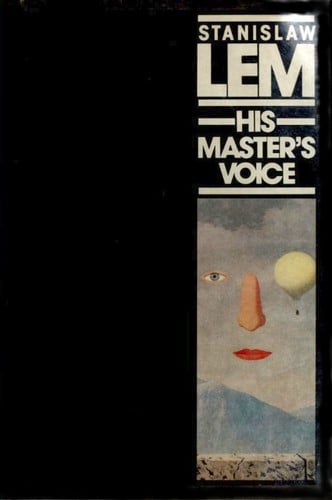
His Master's Voice holds a firm canonical position within science fiction studies and Eastern European literature curricula, though it remains outside the mainstream Western literary canon. No syllabus data appears in the database, but the novel is consistently cited in SF critical histories as one of Lem's three or four most important works alongside Solaris and The Cyberiad. It appears in translations across at least 20 languages and features on 'essential SF' lists compiled by critics, not algorithms.
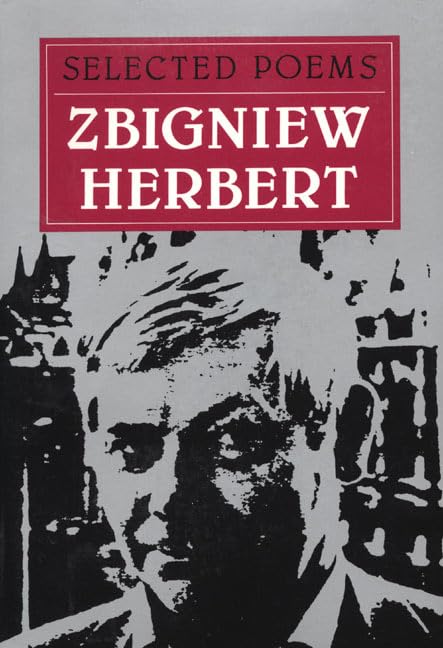
One of the most important Polish poets of the twentieth century, widely translated and taught in courses on modern poetry.
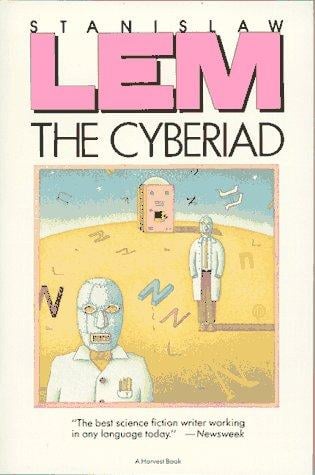
Trurl and Klapaucius are constructors — engineers of impossible things — who travel the universe building machines that write poetry, create dragons out of probability, and kidnap kings using algorithms. In the opening story, Trurl builds a machine that can make anything starting with the letter N. When it begins making Nothing — not ordinary nothing, but dynamic, aggressive Nothingness — it starts erasing the world one item at a time: the gruncheons go, then the pritons, then the zits, and the sky acquires holes that have never healed. Stanisław Lem writes fairy tales about robots, but the fairy tales are philosophical arguments in disguise. Each of the fifteen linked adventures runs a thought experiment: what happens when collective intelligence exceeds the scale at which militarism makes sense? Can a machine write great poetry if civilization wrote the poet? What does it mean to exist inside a simulation you cannot distinguish from reality? The deadpan fable narrator treats catastrophe and cosmic comedy with identical gravity, and the gap between that voice and what is actually happening is where all the meaning lives. The Cyberiad reads as slapstick adventure on the surface — Trurl escaping dungeon after dungeon with improbable ingenuity — and as philosophy underneath, where questions about consciousness, creation, and the purpose of intelligence are never resolved. Lem gives you both pleasures at once, and the math jokes are genuine.
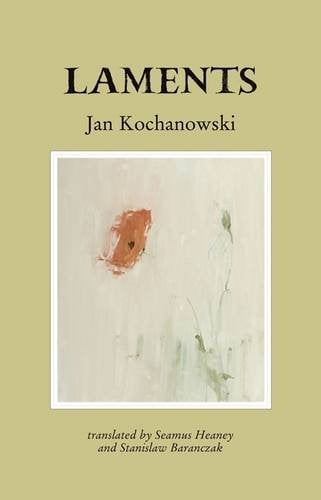
No. 9 on this list. Laments
Jan Kochanowski · 1580
Challenging21 min
Taught in schools: Lektury obowiązkowe – Polish national reading list (Poland)
Compulsory in Polish education, the founding masterpiece of Polish poetry, and standard in Renaissance literature courses.
Standard in Polish curricula and widely taught in world-poetry courses; The Envoy is among the most quoted poems in Polish.
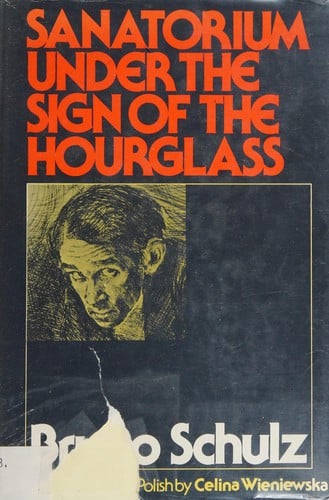
No. 11 on this list. Sanatorium Under the Sign of the Hourglass · Bruno Schulz · 1937
Standard in Central European and modernism courses and inseparable from Schulz's first collection in most curricula.
Difficult8.4 hours
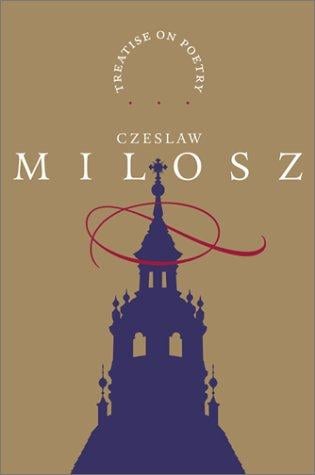
Start this bookNo. 12 on this list. A Treatise on Poetry · Czesław Miłosz · 1957
Standard in Polish curricula and in courses on twentieth-century European poetry, though its density limits general assignment.
Difficult1.1 hours
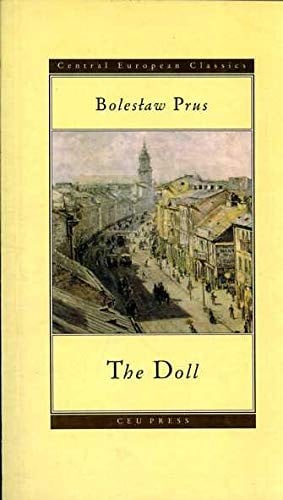
Start this bookNo. 13 on this list. The Doll · Bolesław Prus · 1890
Included in: UNESCO Collection of Representative Works
Compulsory in Polish schools and voted the greatest Polish novel in a 2015 national poll, though less known outside Central Europe.
Challenging28 hours
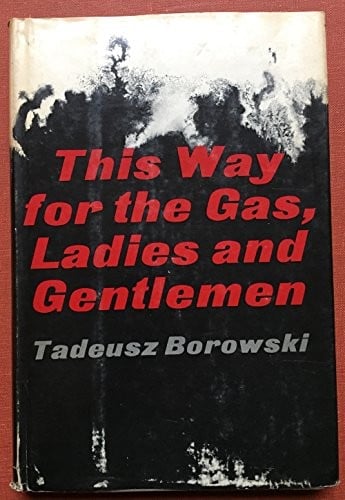
Start this bookNo. 14 on this list. This Way for the Gas, Ladies and Gentlemen · Tadeusz Borowski · 1948
A standard text in Holocaust-literature curricula worldwide and compulsory reading in Polish schools.
Challenging5.3 hours
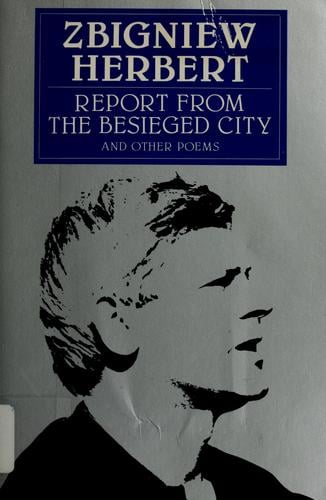
Start this bookNo. 15 on this list. Report from the Besieged City · Zbigniew Herbert · 1983
Standard in Polish and East European poetry curricula and the book most often cited in accounts of literature under martial law.
Difficult1 hours
Start this bookNo. 16 on this list. Vade-mecum and Selected Poems · Cyprian Kamil Norwid
Compulsory in Polish schools and central to Polish literary study, though translation has limited his international presence.
Difficult1.7 hours
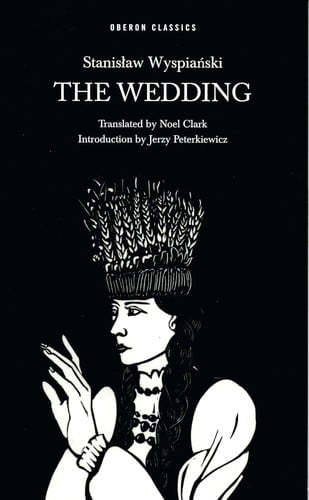
Start this bookNo. 17 on this list. The Wedding · Stanisław Wyspiański · 1901
Taught in schools: Lektury obowiązkowe – Polish national reading list (Poland)
Compulsory in Polish schools and the single most performed Polish play, though little known outside Central Europe.
Difficult2.7 hours
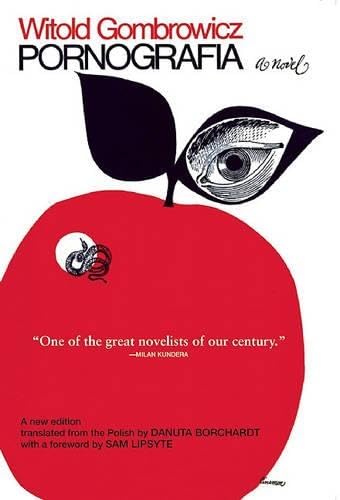
Start this bookNo. 18 on this list. Pornografia · Witold Gombrowicz · 1960
Pornografia is widely taught in European and Latin American literature courses and appears on world literature syllabi, though its presence in English-language curricula is more limited than Gombrowicz's Ferdydurke. No syllabus data was available in the database, and no Wikipedia article was indexed, but the novel is broadly recognized as a major work of 20th-century European fiction and appears on multiple 'greatest novels' lists.
Difficult6.2 hours
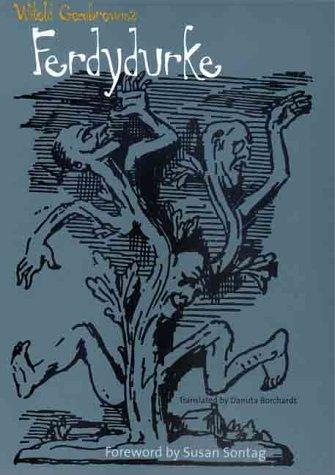
Start this bookNo. 19 on this list. Ferdydurke · Witold Gombrowicz · 1937
Taught in schools: Lektury obowiązkowe – Polish national reading list (Poland)
Ferdydurke is essential reading in Polish literature curricula and widely included in European modernism and world literature survey courses. Its English-language standing was significantly elevated by the 2000 Yale University Press translation with Susan Sontag's foreword. Less universally taught than Kafka or Borges in Anglophone institutions, but its canonical status in Eastern European and comparative literature contexts is strong.
Difficult13 hours
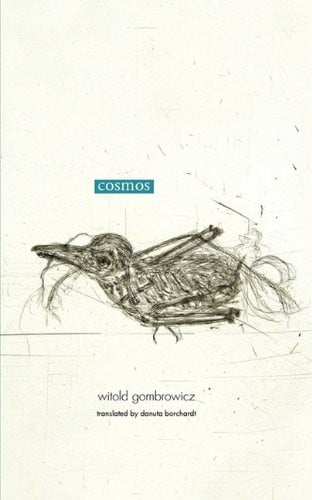
Start this bookNo. 20 on this list. Cosmos · Witold Gombrowicz · 1965
Standard in courses on the European experimental novel and central to Gombrowicz's international curricular presence.
Difficult8.9 hours
Start this book
No. 21 on this list. They Came to See a Poet: Selected Poems · Tadeusz Różewicz · 1991
Compulsory in Polish education and standard in courses on postwar European poetry.
Challenging58 min
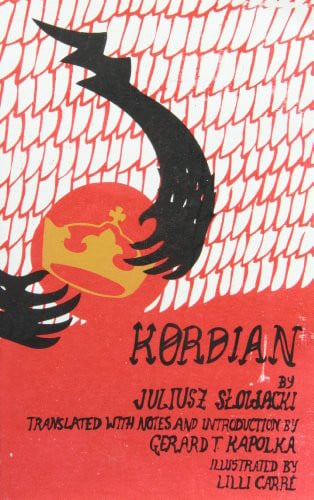
Start this bookNo. 22 on this list. Kordian · Juliusz Słowacki · 1834
Taught in schools: Lektury obowiązkowe – Polish national reading list (Poland)
Compulsory in Polish schools and a standard text of Romantic drama in Slavic studies, with little presence beyond.
Difficult3.1 hours
Start this bookNo. 23 on this list. The Un-Divine Comedy · Zygmunt Krasiński · 1835
Compulsory in Polish education and a standard text in Romantic drama and political-literature courses in Slavic studies.
Difficult3.4 hours
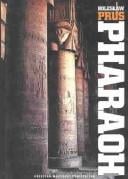
Start this bookNo. 24 on this list. Pharaoh · Bolesław Prus · 1897
Compulsory reading in Polish schools and a standard text in Central European literary study, though thinly known elsewhere.
Challenging16 hours
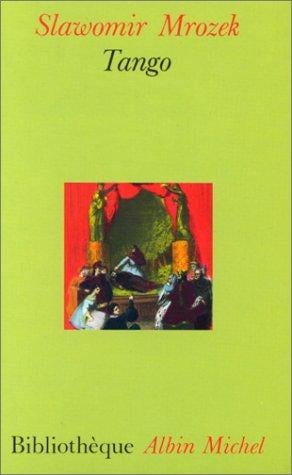
Start this bookNo. 25 on this list. Tango · Sławomir Mrożek · 1964
Taught in schools: Lektury obowiązkowe – Polish national reading list (Poland)
Standard in world-drama and absurdist-theatre curricula and compulsory reading in Polish schools.
Challenging1.6 hours
Start this bookNo. 26 on this list. A Memoir of the Warsaw Uprising · Miron Białoszewski · 1970
A standard text in Polish schools and in courses on war testimony and documentary prose.
Challenging6.5 hours
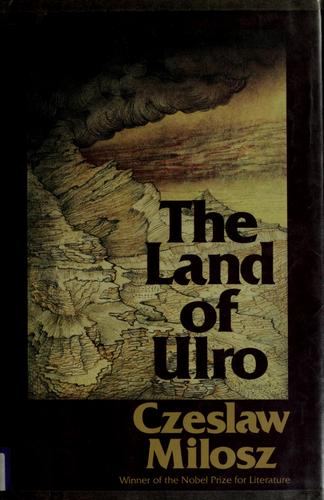
Start this bookNo. 27 on this list. The Land of Ulro · Czesław Miłosz · 1977
Taught in Milosz seminars and Polish intellectual history, though far less assigned than The Captive Mind.
Challenging8 hours
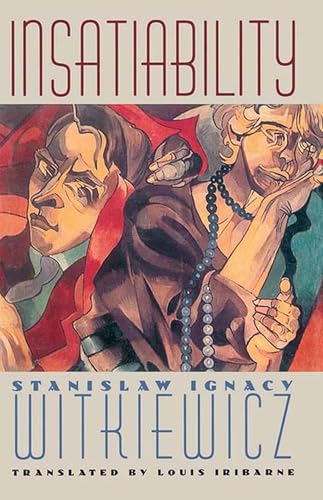
Start this bookNo. 28 on this list. Insatiability · Stanisław Ignacy Witkiewicz · 1930
Standard in Central European modernism and dystopia courses, though its difficulty keeps it off general syllabi.
Difficult30 hours
Start this bookNo. 29 on this list. Without End: New and Selected Poems · Adam Zagajewski · 2002
Widely taught in contemporary world-poetry courses and a standard reference for post-1968 Polish verse.
Challenging1 hours
Start this bookNo. 30 on this list. Ashes and Diamonds · Jerzy Andrzejewski · 1948
Compulsory in Polish schools and a standard reference for the literature and cinema of the Communist takeover.
Challenging9 hours
Start this book
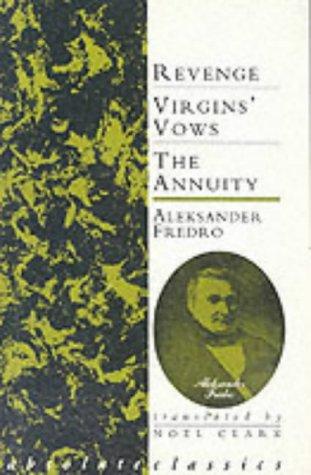
No. 31 on this list. Revenge
Aleksander Fredro · 1834
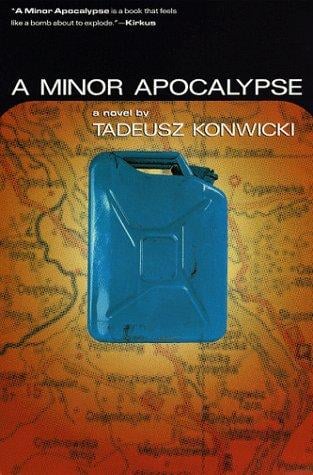
No. 32 on this list. A Minor Apocalypse
Tadeusz Konwicki · 1979
No. 33 on this list. The Elephant
Sławomir Mrożek · 1957
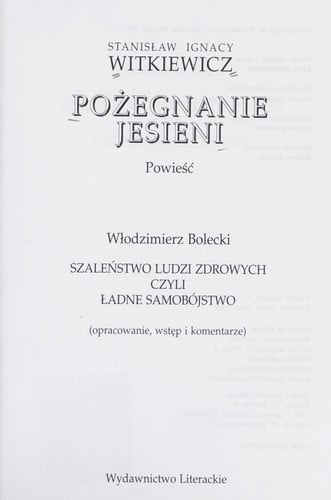
No. 34 on this list. Farewell to Autumn
Stanisław Ignacy Witkiewicz · 1927
No. 35 on this list. The Outpost
Bolesław Prus · 1886
No. 36 on this list. A Dreambook for Our Time
Tadeusz Konwicki · 1963
No. 37 on this list. The Polish Complex
Tadeusz Konwicki · 1977
No. 38 on this list. The Eighth Day of the Week
Marek Hłasko · 1956
No. 39 on this list. The Beautiful Mrs. Seidenman
Andrzej Szczypiorski · 1986
About this list
These 39 books are the highest-scoring eligible books by men in Polish currently in the catalogue. By literary regard, it opens with Selected Poems of Czesław Miłosz, Pan Tadeusz and The Street of Crocodiles. About 266 hours of reading in all. Difficulty runs from 63 to 76 out of 100 for the middle half of the list; the summit is Insatiability at 82.
This list is ranked by literary regard, with a consistent order for equal scores. Membership follows authors and co-authors, not translators or editors. Catalogue coverage and the historical canon both limit what this list can represent.
When we matched the Canons dataset to our catalogue in October 2026, our canonical-status scores rose with the number of school curricula, publisher series and lists in it that cite a work: the median score was 72 for books one such source cites, 84 at two, 88 at three, 92 at four and 93 at five or more. Prizes are left out of that count. Outside the state curricula, the dataset’s sources choose mostly from what has been translated into English or French, so it is a weaker check on other literatures. Source: Canons (Andrew Piper), CC BY 4.0
Questions people actually ask
- What are the best books by men in Polish?
- By literary regard, which weighs canonical status, critical standing and influence, Selected Poems of Czesław Miłosz, Pan Tadeusz, The Street of Crocodiles, Solaris and Forefathers' Eve lead. ReadingRate ranks 39 such books, each with a difficulty score and a reading-time estimate.
- Where should I start with books by men in Polish?
- Start from difficulty, not from rank. The most approachable books on this list that still carry top literary regard are Selected Poems of Czesław Miłosz by Czesław Miłosz (about 1.9 hours), Selected Poems of Zbigniew Herbert by Zbigniew Herbert and They Came to See a Poet: Selected Poems by Tadeusz Różewicz.
- How hard are books by men in Polish to read?
- Most of this list sits between 63 and 76 on ReadingRate's 100-point difficulty scale, where 40 to 55 is moderate. The summit is Insatiability at 82. Every entry carries its own score, so a reader can pick a great book at a difficulty they will finish.
- How is this list ranked?
- On literary-regard data: how canonically established a work is, its critical standing, and its influence on later writing. It is not a readers’ poll, which is why recent bestsellers rarely appear. Membership follows authors and co-authors, not translators or editors. A list that is not a genre list keeps to literature (fiction, poetry, drama and philosophy), with philosophy taking no more than one slot in five while there is literature left to rank; every list holds at most three works by one author.