Hours at an average pace
Showing 37 books
About 399 hours for 37 of 37 books with measured lengths. Estimates use 250 words a minute, adjusted for each book's difficulty. At 2 hours a day, about 200 days for those books.
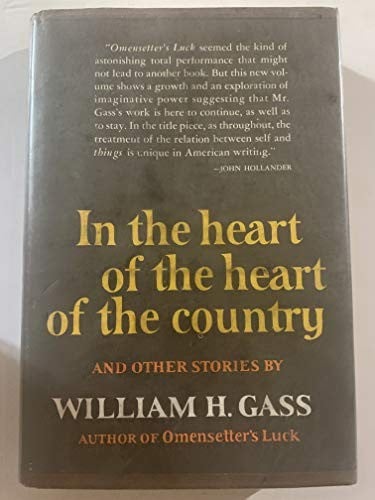
No. 1 on this list. In the Heart of the Heart of the Country
William Gass · 1968
Very Difficult13 hours
In the Heart of the Heart of the Country was first published in 1968 and immediately positioned Gass — alongside Barth, Pynchon, and Coover — as a founding figure of American postmodern fiction. The NYRB Classics reprint with an introduction by Joanna Scott confirms its place in the American literary canon. It is taught in graduate programs in literary fiction and cited in essays on American experimental prose. Its canonical position is more secure in academic contexts than in general readership, placing it below Invisible Man or Blood Meridian but above most of its experimental contemporaries.
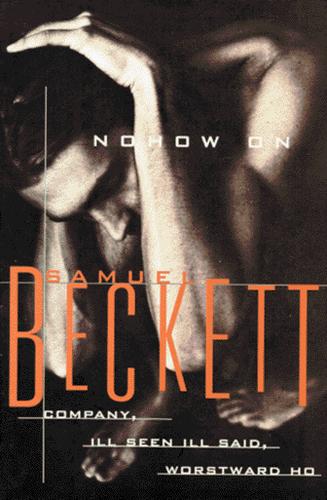
An old woman lives alone in a stone cabin at the edge of a formless landscape. She watches Venus rise and the moon whiten the stones. She makes her slow way to a tomb bearing flowers. Twelve figures linger always in the distance — still, or receding — and she never sees one come toward her. A narrating eye watches her, reports what it sees, then immediately doubts its own report. 'Ill seen' is both title and method: Beckett spent his late career stripping the novel to whatever cannot be further removed, and Ill Seen Ill Said is among the most extreme results. There is no plot and almost no character in the usual sense — only perception failing to fix its object, language circling what it cannot say. The woman seems to be dying, or has always been dying, or is a figment the narrator cannot quite relinquish. A buttonhook trembles on its nail throughout; the stones encroach on the pastures year by year; and at the last a voice says: 'Know happiness.' At eighty-odd pages this is Beckett at his most concentrated — difficult, beautiful, and utterly unlike anything else.
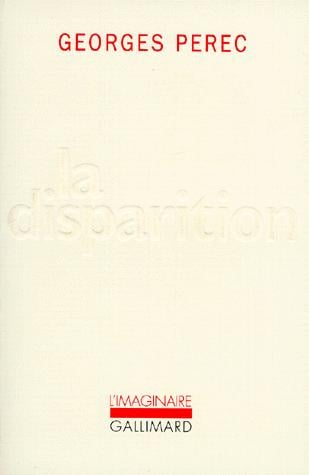
A canonical experimental novel and the centrepiece of OuLiPo's legacy in world literature. Widely anthologised in discussions of formal constraint in writing. Perec's reputation — anchored also by Life A User's Manual — ensures its place in any serious survey of twentieth-century European fiction.
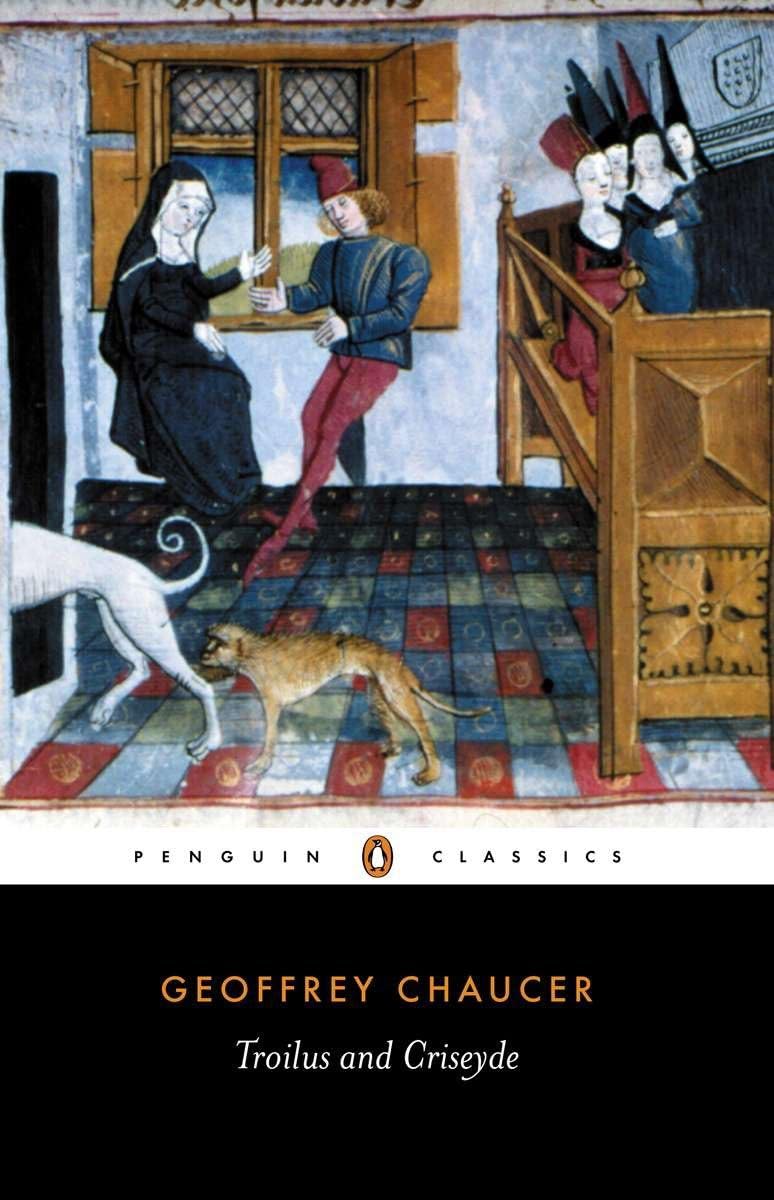
No. 4 on this list. Troilus and Criseyde
Geoffrey Chaucer · 1385
Difficult9.3 hours
Included in: Great Books of the Western World
Required reading in virtually every medieval English literature curriculum, taught across English, Comparative Literature, and Medieval Studies programs at universities worldwide. Though Open Syllabus data is unavailable here, Chaucer courses built around this text are standard at every major university with an English department. It holds a place among the most-studied long poems in the English language.
No. 5 on this list. Dream of the Red Chamber
Cao Xueqin · 1791
Difficult97 hours
Included in: UNESCO Collection of Representative Works
Cao Xueqin chronicled the decline of an aristocratic Chinese clan through the consciousness of over four hundred distinct characters, weaving Buddhist philosophy, classical poetry, and granular domestic life into a novel of a scope that European fiction would not attempt for another century. It remains the central work of Chinese narrative art.
Geography III is among the most taught American poetry collections of the postwar era, with poems like 'One Art' and 'In the Waiting Room' appearing on countless university syllabi. Though the database shows no syllabus entries — likely a data gap — the collection is a fixture in American poetry surveys and is included on numerous 'essential American poetry' reading lists. It won the 1976 National Book Critics Circle Award, one of American letters' most respected honors.
Age of Iron occupies a secure place in the Coetzee canon alongside Disgrace and Waiting for the Barbarians, and is regularly included in postcolonial and South African literature curricula worldwide. Its apartheid-era historical weight gives it documentary as well as aesthetic canonical status.
Rosencrantz and Guildenstern Are Dead is a fixture of university theater and English literature curricula, appearing consistently on drama syllabi across English-speaking universities. It is widely taught alongside Waiting for Godot as a key postmodern, absurdist text. Its Wikipedia article exists in dozens of languages and includes dedicated reception and adaptations sections, and a 1990 film adaptation by Stoppard himself extended its cultural reach.
No. 9 on this list. Ariel
Sylvia Plath · 1965
Difficult2.4 hours
Taught in schools: AQA GCSE and A-level English Literature (UK)
Ariel is standard reading across American and British university literature and women's studies curricula, appearing on thousands of syllabi. The collection is included on virtually every 'essential 20th century poetry' list and occupies a permanent position in the confessional poetry canon. Its Wikipedia article exists in over 30 languages, and it has been continuously in print since its 1965 publication.
The Duino Elegies appear on virtually every 20th-century world poetry and comparative literature syllabus internationally. Rilke is the central figure in German-language modernist poetry and the Elegies are his culminating work, regularly paired with The Waste Land and Four Quartets as the defining lyric sequences of the modernist era. The sequence has been translated into every major European language and dozens beyond.
No. 11 on this list. The Emigrants · W.G. Sebald · 1992
The Emigrants is widely taught in contemporary world literature, post-WWII German literature, and Holocaust literature courses, though it lacks the mass-curriculum presence of more canonical texts. It appears regularly on 'best novels of the 20th century' lists — including The Guardian's 100 Best Novels in English — and is considered essential reading in serious literary circles. Its canonical status is high within literary academia but limited compared to texts like Beloved or One Hundred Years of Solitude.
Difficult7.6 hours
Start this bookNo. 12 on this list. Jacob's Room · Virginia Woolf · 1922
Jacob's Room appears on virtually every university syllabus covering modernist British literature, Woolf's work, or the literature of WWI. As Woolf's first fully experimental novel, it holds a foundational position in the modernist canon — taught alongside Mrs. Dalloway and To the Lighthouse in most Woolf courses. Its canonical status is somewhat lower than Woolf's later masterworks, which overshadow it in general survey courses.
Difficult6.8 hours
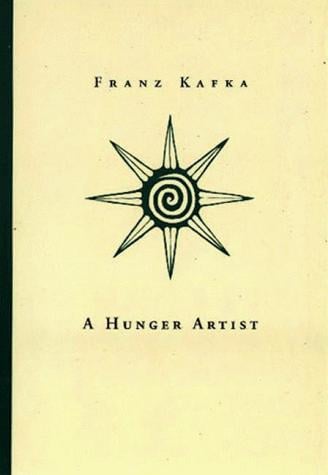
Read nowNo. 13 on this list. A Hunger Artist · Franz Kafka · 1924
Kafka's short fiction is taught in university literature courses worldwide, and 'A Hunger Artist' is among his most frequently anthologized works. It appears in virtually every Kafka collection and features in major short story anthologies. The work has sustained academic and pedagogical attention since its posthumous publication in 1922.
Difficult12 hours
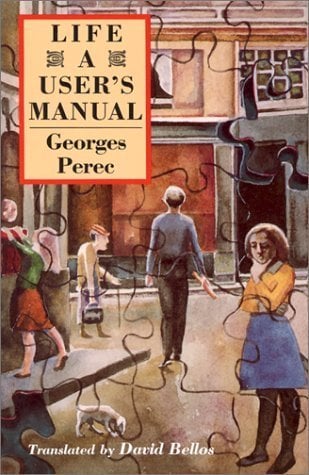
Start this bookNo. 14 on this list. Life A User's Manual · Georges Perec · 1978
Listed on Le Monde's 100 Books of the Century and the Open Syllabus Top 500 for Literature. Wikipedia articles exist in 18 languages. The novel is a fixture in courses on experimental fiction, Oulipo, and twentieth-century French literature, though it remains less widely taught than mainstream canonical works in anglophone curricula.
Difficult21 hours
Start this bookNo. 15 on this list. Dubliners · James Joyce · 1914
Taught in schools: CSEC English B – Caribbean Examinations Council
Dubliners appears on 1,771 university syllabi according to the Open Syllabus Project (81st percentile), making it a fixture in modernist literature and short fiction courses worldwide. Its Wikipedia article spans 43 languages, and prestige editions from Penguin Classics and NYRB Classics attest to its sustained standing as essential reading. Every serious curriculum in Irish, British, or modernist literature includes it.
Difficult8.1 hours
Read nowNo. 16 on this list. The Sonnets to Orpheus · Rainer Maria Rilke · 1923
In February 1922, Rainer Maria Rilke retreated to Chateau de Muzot in Switzerland and composed fifty-five sonnets in three weeks. He addressed them to Orpheus — the Greek poet-god who descended into death to reclaim Eurydice and was torn apart by the Maenads for refusing them. The occasion was the recent death of Vera Knoop, a nineteen-year-old dancer Rilke barely knew; her death opened something. A tree ascends in the first line. Animals cluster around it in silence, listening. What Rilke is after is the premise that true song is not desire or communication but reality — breath as invisible poem, the moment when inner and outer stop being distinct. Orpheus moves through the cycle not as a character but as a principle: he is already dead, he already belongs to both realms, and because of this he can praise everything, including loss. The Sonnets instruct readers to will transformation, to be ahead of all parting, to whisper 'I am flowing' to the earth. They do not resolve their questions about death and being; they teach acceptance of irresolution as the condition of consciousness. Reading them asks for slow, repeated attention — each poem is compact and dense, and the cycle's meaning accumulates across all fifty-five. This is poetry as philosophical practice, the lyric at maximum pressure.
Difficult2.8 hours
Start this bookNo. 17 on this list. The Winding Stair · William Butler Yeats · 1933
Published in 1933, this collection represents Yeats at the height of his late powers, confronting old age, political disillusionment, and metaphysical yearning through symbols drawn from his occult system A Vision. The tower at Thoor Ballylee becomes a central image: in 'Blood and the Moon' it rises as both Anglo-Irish monument and emblem of consciousness ascending through gyres of history. 'A Dialogue of Self and Soul' stages an internal debate between transcendent renunciation and acceptance of embodied life, concluding with a forceful affirmation of existence that forgives even suffering. The paired Byzantium poems ('Sailing to Byzantium' appears in the earlier Tower volume, but 'Byzantium' here extends the meditation) envision sacred art as escape from biological decay into eternal form. 'Coole Park and Ballylee, 1931' elegizes Lady Gregory's estate and the cultural moment it represented, now dissolving in Ireland's post-revolutionary violence. 'Vacillation' sustains eight sections of philosophical oscillation between worldly and spiritual commitments without final resolution. Throughout, Yeats employs demanding stanzaic forms—ottava rima, terza rima—whose formal strictness contains explosive metaphysical content, creating poetry that is simultaneously architectural and visionary.
Difficult53 min
Start this bookNo. 18 on this list. Unfortunately, It Was Paradise · Mahmoud Darwish · 2003
No syllabus data was found in the database for this English translation, but the Arabic originals anchor Darwish as the most-taught Arab poet in world literature and comparative literature courses globally. This collection, published by University of California Press and with a foreword by poet Fady Joudah, is the only comprehensive selected poems in English spanning his entire career. It is widely assigned in Middle Eastern studies, postcolonial literature, and translation studies programs.
Difficult3.8 hours
Start this bookNo. 19 on this list. The Posthumous Memoirs of Brás Cubas · Machado de Assis · 1881
Widely taught in Latin American literature courses at universities across the Americas and Europe, Memórias Póstumas is the foundational text of Brazilian literary realism and a required landmark in any serious survey of world fiction. Although its Wikipedia presence is strong across dozens of languages, it remains less universally assigned than García Márquez or Borges in Anglophone syllabi, placing it below the 85-percentile canonical tier while well above the midpoint.
Difficult8.5 hours
Start this bookNo. 20 on this list. Pedro Páramo · Juan Rulfo · 1955
Taught in schools: Literatura, Diseño Curricular – Provincia de Buenos Aires (Argentina), UNAM Escuela Nacional Preparatoria – programas de Literatura (Mexico)
Included in: Bokklubben World Library
Pedro Páramo is the foundational text of Latin American modernism, present in nearly every world literature curriculum globally. Its Wikipedia article spans 26 languages. García Márquez credited it with teaching him how to write One Hundred Years of Solitude — a direct line of influence that alone ensures canonical permanence. Penguin Modern Classics published it in 1961.
Difficult3.6 hours
Start this book
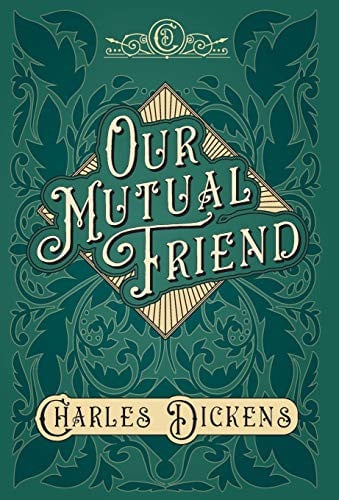
No. 21 on this list. Our Mutual Friend · Charles Dickens · 1865
Our Mutual Friend is a fixture of Victorian literature courses at universities worldwide, typically assigned alongside Great Expectations and Bleak House in advanced English studies. Wikipedia articles for the novel exist in dozens of languages, reflecting its global canonical standing. It consistently appears on critics' lists of Dickens's greatest works and in syllabi covering 19th-century social fiction.
Difficult35 hours
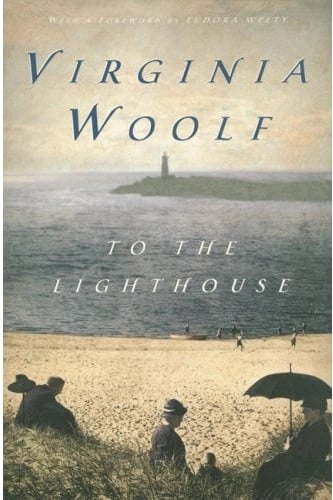
Read nowNo. 22 on this list. To the Lighthouse · Virginia Woolf · 1927
Included in: Bokklubben World Library, Great Books of the Western World
To the Lighthouse appears on 2,429 university syllabi according to Open Syllabus (84.6th percentile), placing it in the same tier as Beloved (85th). It holds places on the Modern Library 100 Best Novels (1998), TIME's All-TIME 100 Novels (2005), 1001 Books You Must Read Before You Die (2006), and is published by both Everyman's Library and Penguin Modern Classics. Wikipedia articles exist in 35 languages.
Difficult7.4 hours
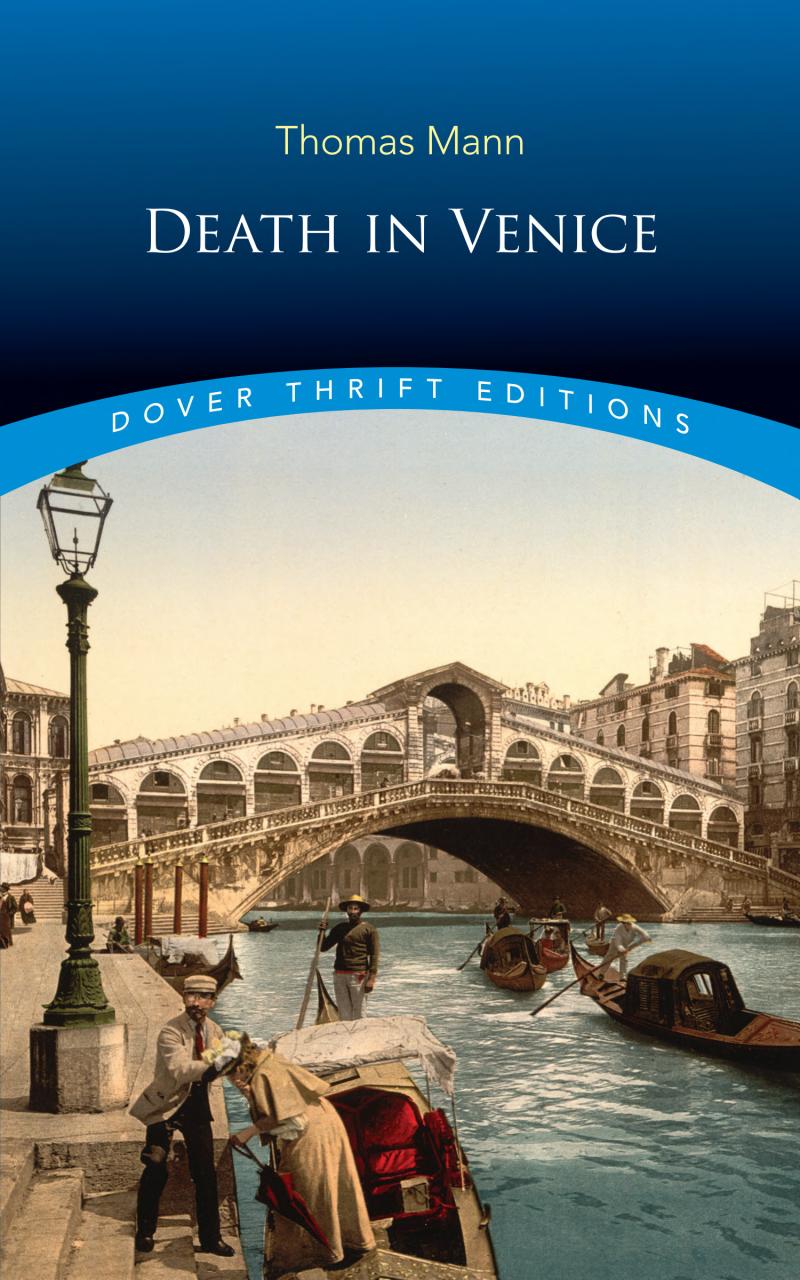
Read nowNo. 23 on this list. Death in Venice · Thomas Mann · 1912
Included in: Great Books of the Western World
Death in Venice appears on virtually every German literature, European modernism, and queer theory university syllabus taught in the English-speaking world. It is a standard text in comparative literature programs alongside Kafka's Metamorphosis and Rilke's Duino Elegies. Wikipedia maintains articles on the novella in over 50 languages, and it features on most 'essential modern literature' lists.
Challenging11 hours
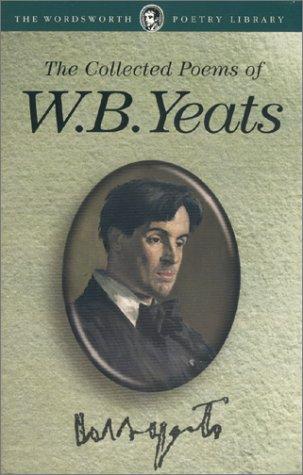
Read nowNo. 24 on this list. Collected Poems of W.B. Yeats · William Butler Yeats · 1933
Yeats is on virtually every Anglophone university literature syllabus. 'The Second Coming,' 'Easter 1916,' 'Sailing to Byzantium,' and 'The Lake Isle of Innisfree' are among the most widely anthologized and taught poems in the English language. The Collected Poems is treated as an essential text in Irish, British, and American literary curricula alike, with sustained presence in over a century of anthologies.
Challenging10 hours
Start this bookNo. 25 on this list. The Sorrows of Young Werther · Johann Wolfgang von Goethe · 1774
Standard curriculum in German literature and comparative literature courses worldwide. The novel launched the Sturm und Drang movement and anchored the European Romantic turn. No syllabus data is available in the database, but its presence in university world literature courses is pervasive and long-established.
Challenging4.4 hours
Read nowNo. 26 on this list. As I Lay Dying · William Faulkner · 1930
Taught in schools: Common Core text exemplars (Appendix B) (US)
As I Lay Dying appears on 1,422 university syllabi (78.8th percentile) and is listed on the Modern Library 100 Best Novels and the Open Syllabus Top 500 Literature list. Wikipedia articles exist in 24 languages and the entry notes an adaptations section indicating cultural reach. A fixture of American modernism courses, though less universally assigned than The Great Gatsby (95) or To Kill a Mockingbird (92).
Challenging6 hours
Start this bookNo. 27 on this list. Eclogues · Virgil · c. 37 BCE
Included in: Great Books of the Western World
The Eclogues are required reading in classical studies curricula worldwide, appearing on thousands of university syllabi in Latin, comparative literature, and humanities courses. They are among the most translated and discussed poems from antiquity, with Wikipedia articles in over 50 languages and continuous scholarly attention spanning two millennia. Eclogue IV alone has generated centuries of theological and literary debate.
Challenging58 min
Read nowNo. 28 on this list. Hamlet · William Shakespeare · 1601
Taught in schools: Uzbek adabiyot curriculum (Uzbekistan)
Included in: Bokklubben World Library, Great Books of the Western World, UNESCO Collection of Representative Works
Shakespeare invented the modern soliloquy here: a mind watching itself think, stalling, doubting, performing. Every fictional character who hesitates before acting is Hamlet's descendant.
Challenging3.1 hours
Read nowNo. 29 on this list. The Flanders Road · Claude Simon · 1960
Nobel laureate's masterpiece. Essential in nouveau roman studies.
Challenging8.1 hours
Start this bookNo. 30 on this list. Sixty Stories · Donald Barthelme · 1981
The essential Barthelme collection and one of the most important story collections in American literature. A standard text in creative writing and contemporary literature courses.
Challenging12 hours
Start this book
No. 31 on this list. Malone Dies
Samuel Beckett · 1951
Included in: Bokklubben World Library
No. 32 on this list. Elective Affinities
Johann Wolfgang von Goethe · 1809
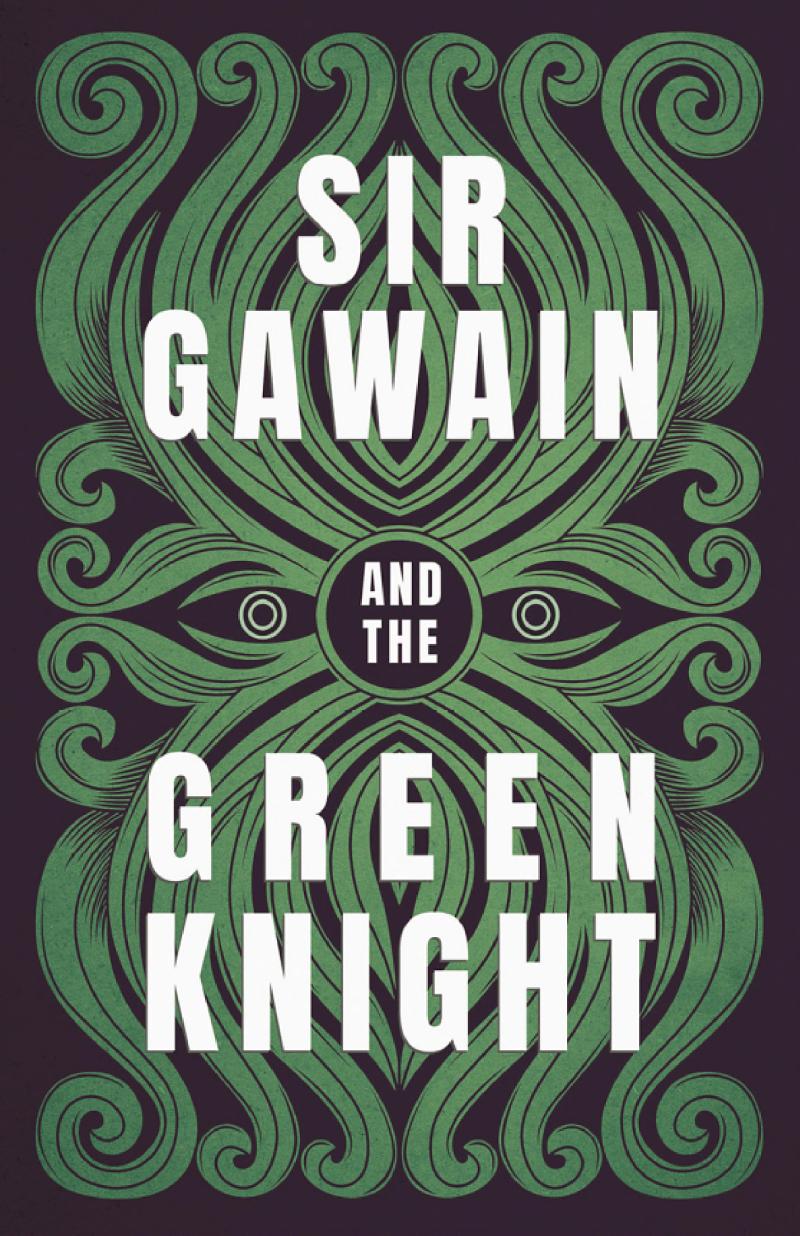
No. 33 on this list. Sir Gawain and the Green Knight
The Pearl Poet · 1375
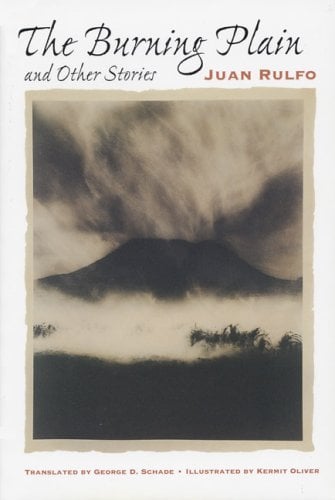
No. 34 on this list. The Burning Plain and Other Stories
Juan Rulfo · 1953
Taught in schools: UNAM Escuela Nacional Preparatoria – programas de Literatura (Mexico)
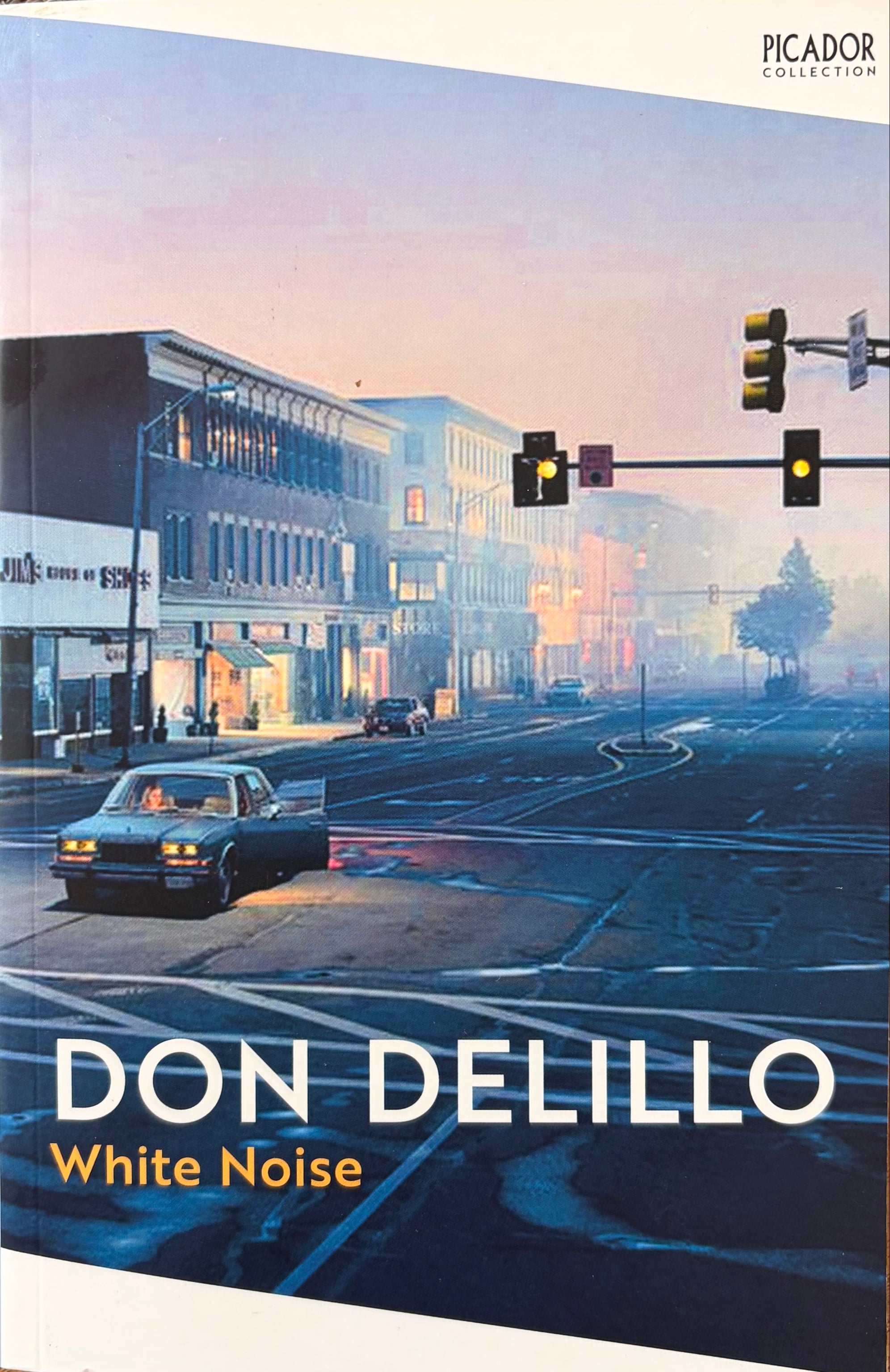
No. 35 on this list. White Noise
Don DeLillo · 1985
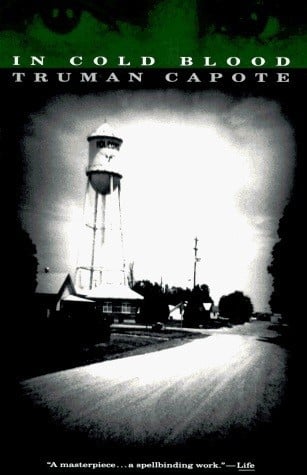
No. 36 on this list. In Cold Blood
Truman Capote · 1966
No. 37 on this list. Being and Time
Martin Heidegger · 1927
About this list
These 37 books are the hardest-scoring eligible books about death and mortality currently in the catalogue. About 399 hours of reading in all. Difficulty runs from 67 to 76 out of 100 for the middle half of the list; the summit is In the Heart of the Heart of the Country at 87.
This list is ranked by difficulty score, hardest first, with a consistent order for equal scores. Membership follows authors and co-authors, not translators or editors. A book is here when ReadingRate files it under Death & Mortality as one of its primary reading domains, at a confidence of 0.8 or more. Catalogue coverage and the historical canon both limit what this list can represent.
When we matched the Canons dataset to our catalogue in October 2026, our canonical-status scores rose with the number of school curricula, publisher series and lists in it that cite a work: the median score was 72 for books one such source cites, 84 at two, 88 at three, 92 at four and 93 at five or more. Prizes are left out of that count. Outside the state curricula, the dataset’s sources choose mostly from what has been translated into English or French, so it is a weaker check on other literatures. Source: Canons (Andrew Piper), CC BY 4.0
Questions people actually ask
- What are the hardest books about death and mortality to read?
- Ranked hardest first by difficulty score: In the Heart of the Heart of the Country by William Gass, Ill Seen Ill Said by Samuel Beckett, A Void by Georges Perec, Troilus and Criseyde by Geoffrey Chaucer and Dream of the Red Chamber by Cao Xueqin. ReadingRate ranks 37 such books, each with a difficulty score and a reading-time estimate.
- Can I read any of these books about death and mortality for free?
- 10 of the 37 open in ReadingRate's reader with a free account, from public-domain editions: Troilus and Criseyde, Dream of the Red Chamber, Jacob's Room, Dubliners, Our Mutual Friend and 5 more.
- How long would it take to read the top ten?
- About 154 hours, at an average pace of 250 words a minute adjusted for each book's difficulty: 77 days at two hours a day. Set your own pace on the page and the list's reading times change to it.
- How hard are the hardest books about death and mortality?
- Most of this list sits between 67 and 76 on ReadingRate's 100-point difficulty scale, where 40 to 55 is moderate. The summit is In the Heart of the Heart of the Country at 87. Every entry carries its own score, so a reader can pick a great book at a difficulty they will finish.
- How is this list ranked?
- Nine dimensions, from vocabulary and sentence structure to symbolic density and how much an ending withholds, each scored out of 100 and combined. It measures the text, not the reader, and it leans on meaning: The New York Trilogy scores 87 for how much it withholds, though its sentences are plainer than anything else in the top twenty. Each book's page shows which kind of hard it is. A book is here when ReadingRate files it under Death & Mortality as one of its primary reading domains, at a confidence of 0.8 or more.