Hours at an average pace
Showing 30 books
About 245 hours for 30 of 30 books with measured lengths. Estimates use 250 words a minute, adjusted for each book's difficulty. At 2 hours a day, about 123 days for those books.
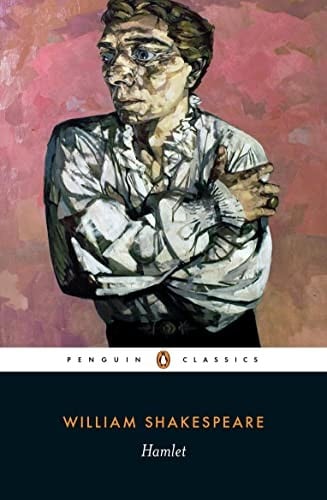
No. 1 on this list. Hamlet
William Shakespeare · 1601
Challenging3.1 hours
Taught in schools: Uzbek adabiyot curriculum (Uzbekistan)
Included in: Bokklubben World Library, Great Books of the Western World, UNESCO Collection of Representative Works
Shakespeare invented the modern soliloquy here: a mind watching itself think, stalling, doubting, performing. Every fictional character who hesitates before acting is Hamlet's descendant.
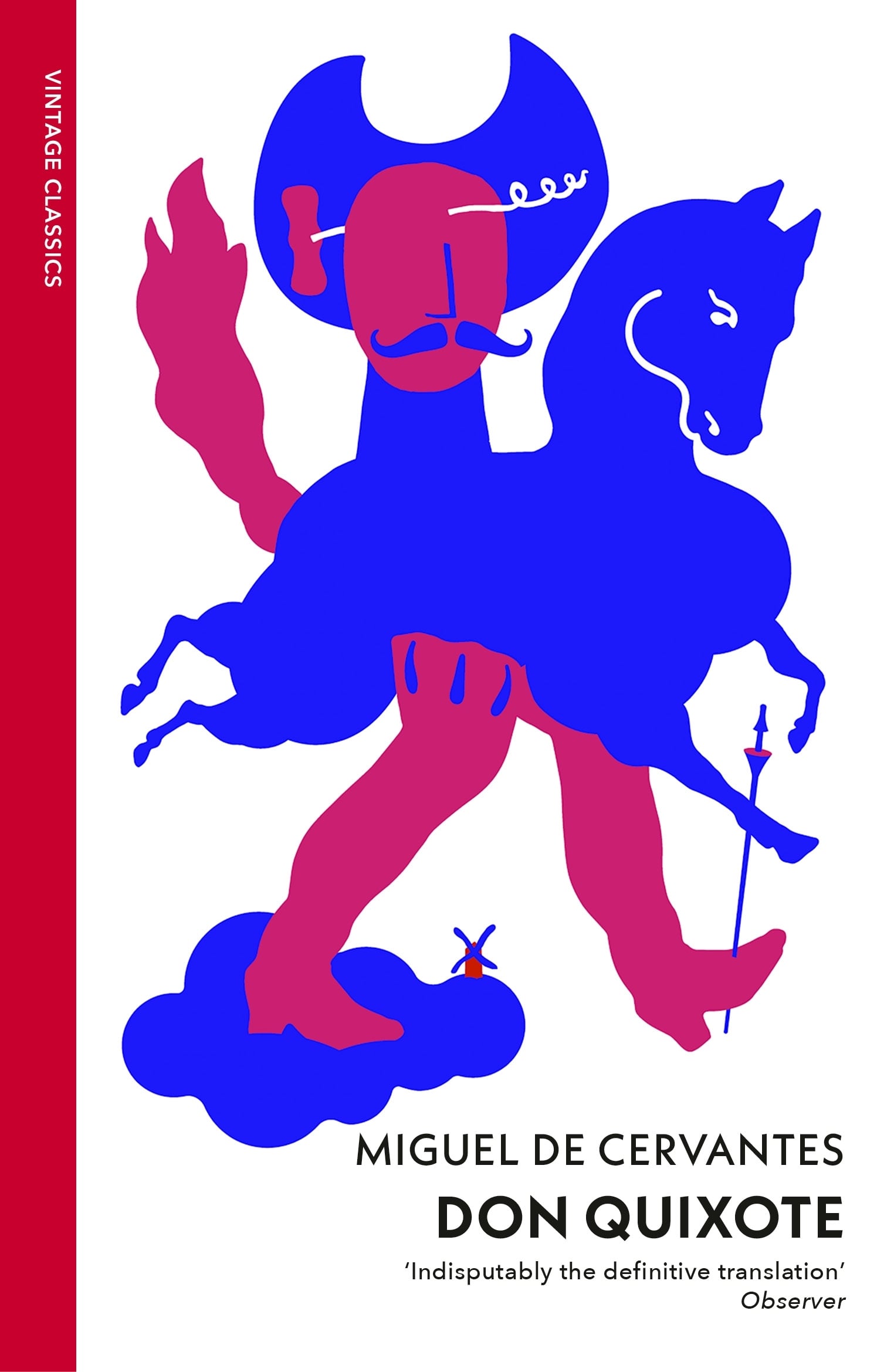
No. 2 on this list. Don Quixote
Miguel de Cervantes · 1605
Challenging32 hours
Taught in schools: Hungarian literature curriculum (magyar nyelv és irodalom) (Hungary), Literatura, Diseño Curricular – Provincia de Buenos Aires (Argentina), Montenegrin literature curriculum (crnogorski jezik i književnost) (Montenegro)
Included in: Bokklubben World Library, Great Books of the Western World
271 syllabus appearances (60.8th percentile) undersells its actual canonical weight. Don Quixote appears on virtually every Western canon list ever compiled, from Harold Bloom's to university core curricula worldwide. It is routinely called the first modern novel and the foundational work of Western fiction. Its relatively lower syllabus count likely reflects the novel's 900+ page length making it harder to assign in survey courses.
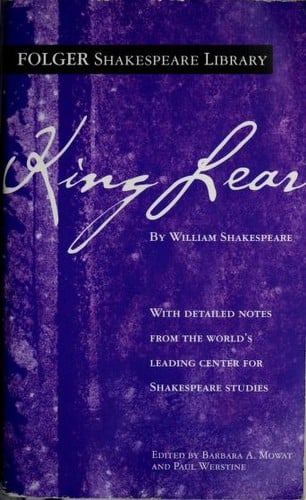
No. 3 on this list. King Lear
William Shakespeare · 1606
Difficult12 hours
Taught in schools: AQA GCSE and A-level English Literature (UK), WJEC/Eduqas GCSE and A-level English Literature (UK)
Included in: Bokklubben World Library, Great Books of the Western World, UNESCO Collection of Representative Works
King Lear appears on 2,254 university syllabi per Open Syllabus — placing it in the 84th percentile of all works — and has Wikipedia articles in 71 languages. It appears in virtually every anthology of English literature and every Shakespeare course worldwide. Most critics rank it alongside Hamlet as Shakespeare's greatest achievement; Harold Bloom called it the summit of the Western literary canon.
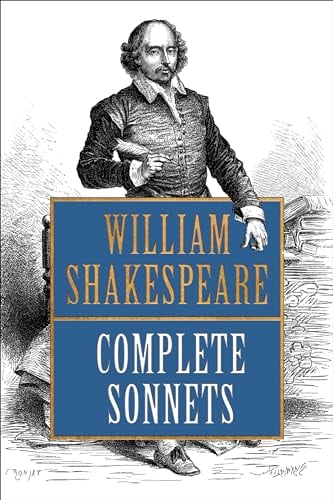
The single most important sonnet sequence in English and among the most celebrated poems ever written.
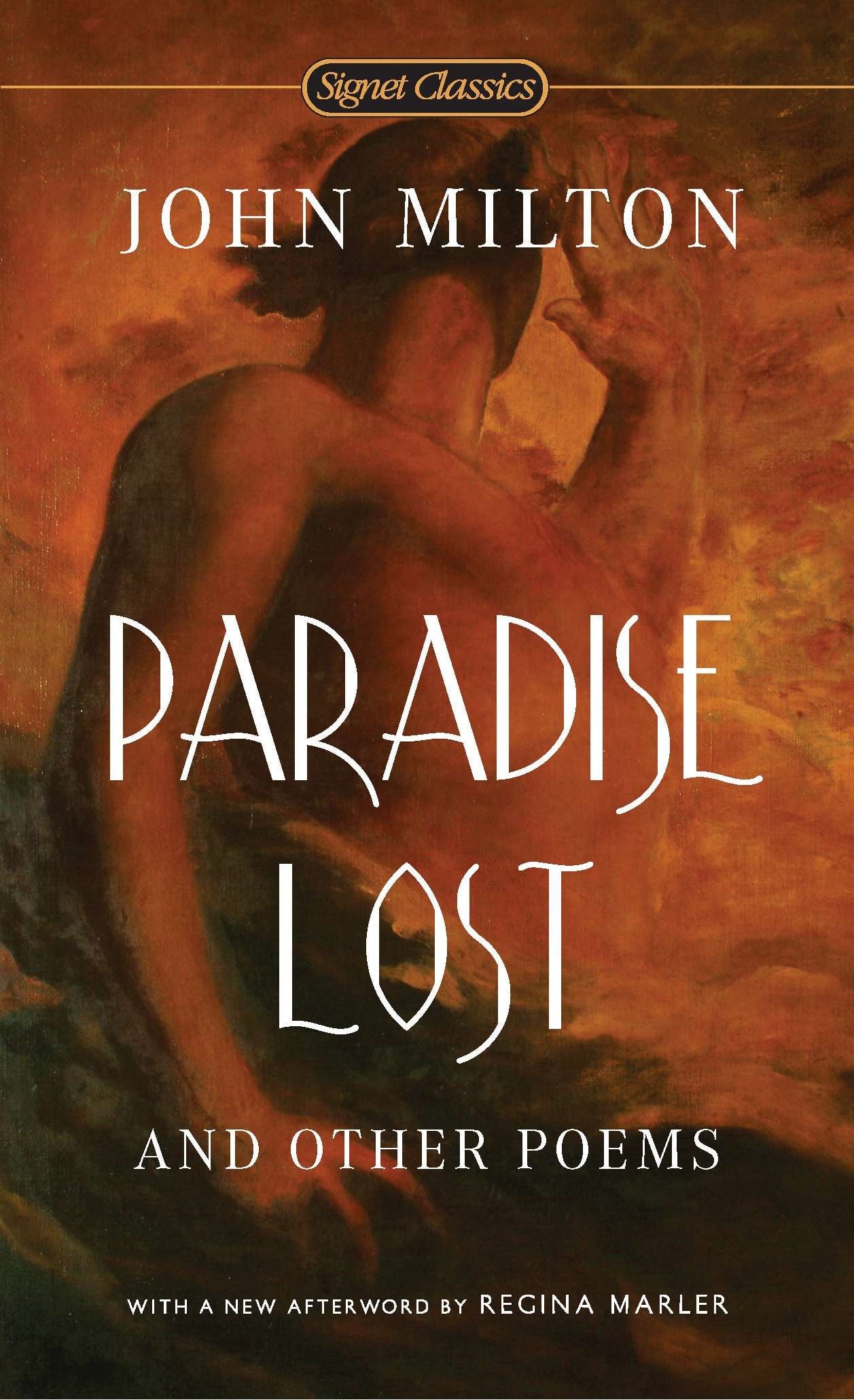
No. 5 on this list. Paradise Lost
John Milton · 1667
Challenging8.4 hours
Taught in schools: AQA GCSE and A-level English Literature (UK), WJEC/Eduqas GCSE and A-level English Literature (UK)
Included in: Great Books of the Western World
Milton retold the fall of man in blank verse of such muscular grandeur that Satan became the most charismatic figure in English poetry — not because Milton failed, but because he understood that rebellion requires eloquence. The poem reshaped the English language's sense of what a long sentence could do.
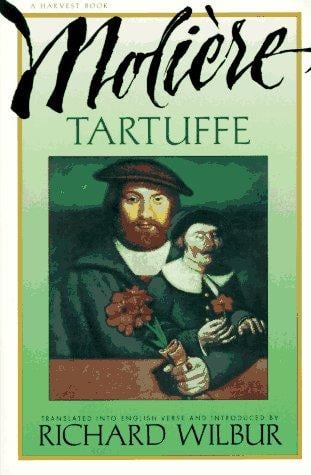
No. 6 on this list. Tartuffe
Molière · 1669
Moderate1.3 hours
Taught in schools: Hungarian literature curriculum (magyar nyelv és irodalom) (Hungary)
Included in: Great Books of the Western World
Tartuffe is required reading in French literature, comparative literature, and theater history courses at virtually every major university. It is among the most-performed French plays internationally and appears on nearly all canonical drama reading lists alongside Racine and Corneille. The play has been in continuous repertoire since 1669 and is central to any study of Western comedy.
No. 7 on this list. Lycidas
John Milton · 1638
Moderate6 min
Included in: Great Books of the Western World
A fixture of the Norton Anthology and of every Milton and Renaissance poetry course, and the standard example of the English pastoral elegy. Its place in anthologies and survey courses has been secure since the eighteenth century.
No. 8 on this list. The Bourgeois Gentleman
Molière · 1670
Moderate1.2 hours
Included in: Great Books of the Western World
Le Bourgeois Gentilhomme is required reading in French literature courses worldwide and appears in virtually every major world drama anthology. Commissioned by Louis XIV for the royal court in 1670, it has remained one of Molière's most performed plays for over three and a half centuries, cementing its place among the indispensable works of European theater.
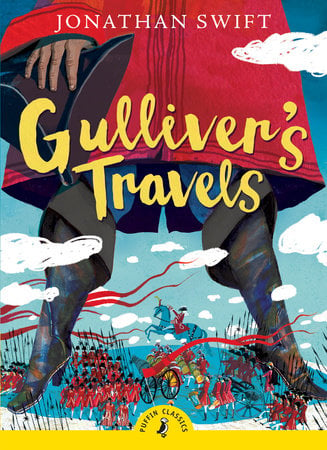
No. 9 on this list. Gulliver's Travels
Jonathan Swift · 1726
Challenging10 hours
Taught in schools: CSEC English B – Caribbean Examinations Council, Hungarian literature curriculum (magyar nyelv és irodalom) (Hungary)
Included in: Bokklubben World Library, Great Books of the Western World
Swift shrinks his protagonist to six inches in Lilliput, inflates him to a giant in Brobdingnag, then deposits him among rational horses who regard humans as vermin. No other satire in English has so thoroughly weaponized scale and perspective to indict politics, science, and the species itself.
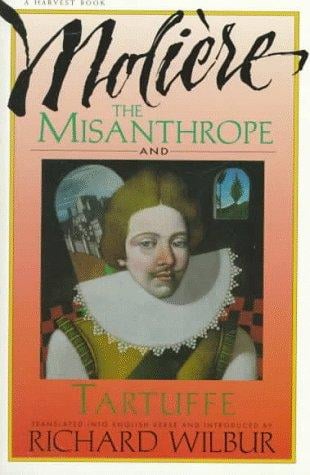
The Misanthrope is a cornerstone of university curricula in French literature, comparative literature, and theatre studies worldwide. No database records were returned, but by knowledge it appears on thousands of syllabi globally and has Wikipedia articles across dozens of languages. It is considered essential reading for any serious study of European classical drama.
No. 11 on this list. Bérénice · Jean Racine · 1670
Included in: Great Books of the Western World
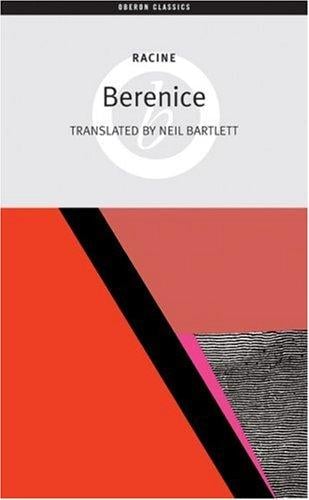
Bérénice is a cornerstone of French classical literature, taught in virtually every French lycée and featured in world literature and drama curricula internationally. Alongside Phèdre and Andromaque, it is one of the three works most associated with Racine's genius and is considered essential reading for anyone studying French neoclassical theatre.
Moderate50 min
Start this bookNo. 12 on this list. King James Bible · Anonymous
The King James Bible is the most widely distributed text in Western civilization and the single most influential book in the English literary tradition. The Book of Job appears on virtually every humanities syllabus touching religion, philosophy, or literature, and has been central to theology, literary study, and philosophical discourse for two millennia. Milton, Blake, Keats, Tennyson, Dostoevsky, Kafka, and Toni Morrison have all engaged directly with Job; the 1611 KJV translation shaped English prose style for four centuries.
Challenging66 hours
Start this bookNo. 13 on this list. Robinson Crusoe · Daniel Defoe · 1719
Taught in schools: Turkish edebiyat curriculum (Turkey)
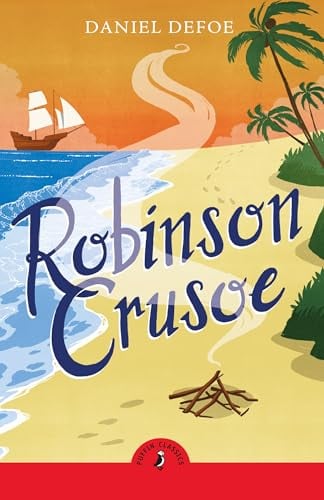
Defoe dropped a castaway on an island with a wrecked ship's supplies and invented the novel as we know it: plain prose, daily particulars, one man's consciousness stretched across twenty-eight years of solitude. Every survival narrative and desert-island story descends from Crusoe's footprint in the sand.
Easy7.1 hours
Read nowNo. 14 on this list. Le Cid · Pierre Corneille · 1637
Taught in schools: Hungarian literature curriculum (magyar nyelv és irodalom) (Hungary)
Included in: UNESCO Collection of Representative Works
Rodrigue has just killed a man in a duel. The man was the father of Chimène, the woman he loves. Now Chimène must demand his execution — and she does, publicly, before the king, even as she still loves him. This is the central knot of Corneille's 1637 tragicomedy, and he never loosens it: honor requires each of them to destroy the other, yet neither stops loving the other for a moment. Set in medieval Seville, Le Cid moves with the brisk efficiency of classical French theater — five acts, a single crisis, no wasted scenes. Rodrigue kills Count Gormaz to avenge his father's humiliation. He then defeats a Moorish invasion almost as an afterthought, becoming a national hero just as Chimène presses her case against him. The king delays, the Infanta nurses her own secret love for Rodrigue, and the play ends not with resolution but with a promise: wait a year, let time do its work. What makes Le Cid endure is the Cornelian dilemma at its core — the forced choice between love and duty, where doing the right thing is also the most brutal thing. Corneille gives both Rodrigue and Chimène equal moral weight. Neither is wrong. The alexandrine verse they speak is formal, even stiff to modern ears, but underneath it two people are trying to hold themselves together while being torn apart.
Moderate1.2 hours
Start this bookNo. 15 on this list. Andromaque · Jean Racine · 1667
Andromaque, widowed queen of Troy, has one goal: protect her son Astyanax, the last living heir of Hector. Standing between her son's life and his death is Pyrrhus, the Greek king who killed her husband and now holds them both captive — and who, inconveniently, is in love with her. Pyrrhus will spare the boy if she marries him. She refuses. He turns back to his betrothed, Hermione. Then he returns to Andromaque again. This chain of unrequited desire — Oreste loves Hermione, Hermione loves Pyrrhus, Pyrrhus loves Andromaque, Andromaque loves only the dead Hector — is the entire engine of the play. Racine wrote Andromaque in 1667, when he was thirty, and it made him famous overnight. The alexandrine verse is strict and relentless, each character arguing their case with the precision of a lawyer and the desperation of someone who knows they are losing. What distinguishes this from other tragedies is how little pity Racine allows anyone: every character is both victim and tormentor. By the final act, Pyrrhus is dead, Hermione has killed herself, and Oreste has gone mad. Andromaque survives, which in context feels like its own punishment.
Moderate57 min
Start this bookNo. 16 on this list. Samson Agonistes · John Milton · 1671
Included in: Great Books of the Western World
Samson Agonistes is required reading in virtually every English Renaissance and early modern literature course at the university level, paired with Paradise Lost and Paradise Regained as the triad of Milton's major late works. It appears on countless syllabi and is included in every major anthology of English literature. While less universally taught than Paradise Lost, it holds a firm place in the upper tier of the seventeenth-century canon.
Challenging1.1 hours
Start this bookNo. 17 on this list. Pamela · Samuel Richardson · 1740
Pamela Andrews is fifteen years old and in service when her mistress dies and the mistress's son, Mr. B, begins a campaign to seduce her. She refuses. He escalates — intercepting her letters, relocating her to a remote estate, locking her in — and she keeps writing, to her parents and in a secret journal she hides in her clothing. What makes the novel strange is that we only have Pamela's account: earnest, relentlessly self-observing, written in the knowledge that Mr. B may one day read every word she has set down. Published in 1740, Pamela invented something — not just the epistolary novel, but the novel's peculiar project of making a single consciousness the center of a world. Richardson called his method 'writing to the moment': the heroine records events as they happen, before she knows how they will turn out. Readers have been arguing about Pamela's sincerity ever since. Henry Fielding published Shamela the following year, certain the whole performance was calculation dressed as virtue. That argument — is Pamela genuinely good, or is goodness here just the strategy that worked? — has never been settled. The novel is slow by design: captivity is repetitive, and Richardson wants you to feel it. But the compression of one young woman's inner life, the surveillance she endures and returns in kind, and the original sin of a marriage that rewards persistence over refusal make Pamela one of the most uncomfortable triumphs in English fiction.
Moderate14 hours
Start this bookNo. 18 on this list. Clarissa · Samuel Richardson · 1748
Clarissa is a founding text of the English novel, appearing on virtually every 18th-century literature syllabus and in English doctoral programs worldwide. It features on the Modern Library and TIME All-TIME 100 lists and is treated as essential reading alongside Tom Jones and Robinson Crusoe. While database signals show no recorded syllabus appearances, this reflects data gaps rather than the book's actual canonical position — it is among the most studied British novels of any century.
Challenging8.5 hours
Start this bookNo. 19 on this list. Doctor Faustus · Christopher Marlowe · 1604
A fixture of English Renaissance drama syllabi and 'great books' surveys, taught as the essential counterpart to Shakespeare's tragedies in any survey of Elizabethan theater. No syllabus or Wikipedia data was available in this pass, but four centuries of continuous curricular presence place it well above genre or contemporary fiction.
Moderate1.5 hours
Start this bookNo. 20 on this list. Phèdre · Jean Racine · 1677
Included in: Great Books of the Western World
Phedre is the acknowledged masterpiece of French neoclassical drama and a permanent fixture of French lycee and university curricula worldwide. Wikipedia articles exist in 26 languages with a dedicated Reception section, reflecting sustained international scholarly attention. Though the database records no syllabus appearances, this reflects a data gap — the play is core curriculum in French literature courses across Europe and North America.
Moderate52 min
Start this book
No. 21 on this list. Persian Letters · Montesquieu · 1721
Taught in schools: Hungarian literature curriculum (magyar nyelv és irodalom) (Hungary)
Persian Letters appears on university syllabi across French literature, Enlightenment history, and political philosophy courses worldwide. It is consistently anthologized as a founding text of the French Enlightenment and one of the first major works of sociological and political satire in the European tradition.
Challenging8.5 hours
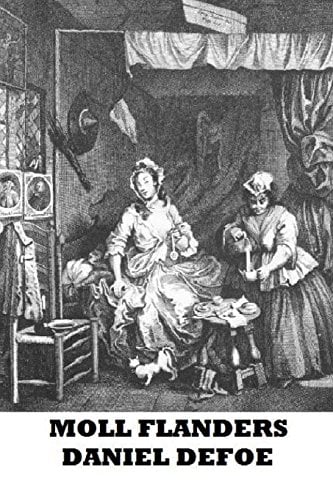
Start this bookNo. 22 on this list. Moll Flanders · Daniel Defoe · 1722
Moll Flanders is taught in virtually every 18th-century British literature and novel origins course, recognized as one of the first English novels alongside Robinson Crusoe. No syllabus data is available in the database, but Defoe's foundational status in the novel's history ensures widespread academic presence. Wikipedia articles exist in dozens of languages, reflecting its global canonical recognition.
Moderate9.1 hours
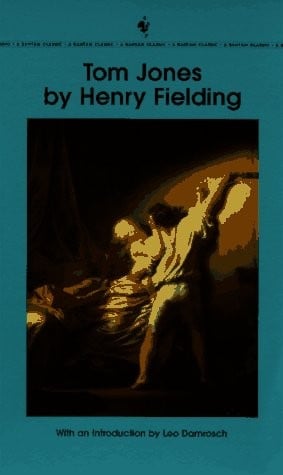
Start this bookNo. 23 on this list. Tom Jones · Henry Fielding · 1749
Included in: Great Books of the Western World
Tom Jones is a foundling, discovered as an infant in the bed of the wealthy Somerset squire Allworthy, who raises him alongside the scheming Blifil. Tom grows up handsome, generous, impulsive, and entirely unsuited to the careful management of reputation—which in 18th-century England is fatal. He loves Sophia Western, the spirited daughter of his neighbor, but his illegitimate birth and his talent for getting into trouble conspire against him. Expelled from Allworthy's estate, he sets out across England, stumbling through inns and battlefields and drawing rooms, pursued by Sophia, who is fleeing her own forced marriage. Fielding narrates all of this with a wit that never lets you forget he's in the room. Each book opens with a chapter of authorial commentary—on writing, morality, criticism, the reader's expectations—before he returns to the story. The effect is of a novelist who has invented the form and wants you to watch him think about it. Beneath the comedy, the novel asks a serious question: whether goodness of heart can survive a world that rewards calculation. Tom's answer, delivered across 900 pages of mishap and delight, is stubbornly, improbably yes.
Moderate23 hours
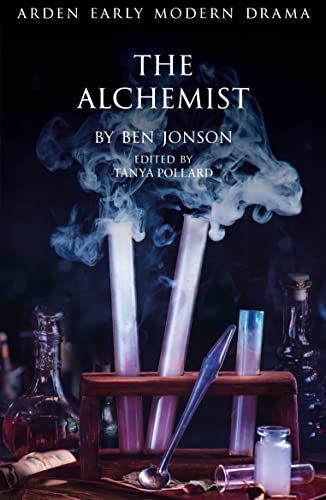
Start this bookNo. 24 on this list. The Alchemist · Ben Jonson · 1610
The Alchemist is one of the most taught comedies of the English Renaissance outside Shakespeare and a standard text in university courses on Jacobean drama. It is regularly revived by companies such as the Royal Shakespeare Company.
Challenging1.9 hours
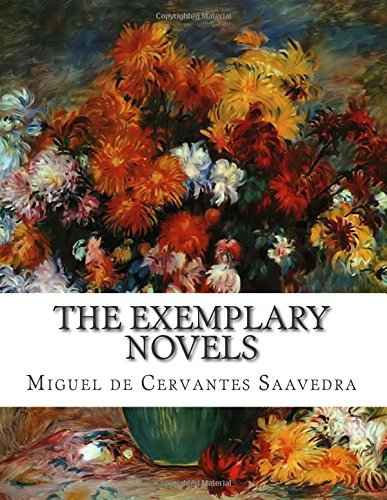
Start this bookNo. 25 on this list. Exemplary Novels · Miguel de Cervantes · 1613
The foundational collection of original short fiction in Spanish and a major work by the author of Don Quixote.
Moderate7.9 hours
Read nowNo. 26 on this list. Manon Lescaut · Abbé Prévost · 1731
Taught in schools: Programme de français, lycée général et technologique (France)
A cornerstone of the French novel and one of the great love stories of European literature. Widely read and studied.
Easy2.9 hours
Start this bookNo. 27 on this list. The Duchess of Malfi · John Webster · 1614
Taught in schools: WJEC/Eduqas GCSE and A-level English Literature (UK)
Standard text in Renaissance and Jacobean drama survey courses and a fixture of English-literature anthologies, second in the period's tragic canon only to Shakespeare. Regularly revived by companies like the RSC and National Theatre, and adapted for BBC television and opera.
Challenging1.9 hours
Start this bookNo. 28 on this list. Volpone · Ben Jonson · 1606
Volpone is a fixture of Renaissance drama anthologies and early modern survey courses, though no syllabus or Wikipedia data was returned for this work in our dataset. It remains one of the two or three Jonson plays routinely taught alongside The Alchemist, sitting below Beloved's Nobel-author canonicity (85) and above genre-studies-only works.
Moderate1.8 hours
Start this bookNo. 29 on this list. The Travails of Persiles and Sigismunda · Miguel de Cervantes · 1617
Los trabajos de Persiles y Sigismunda is studied by Hispanists and in courses on Cervantes, but it is far less read than Don Quixote or the Exemplary Novels. General readers seldom meet it outside specialist settings.
Moderate11 hours
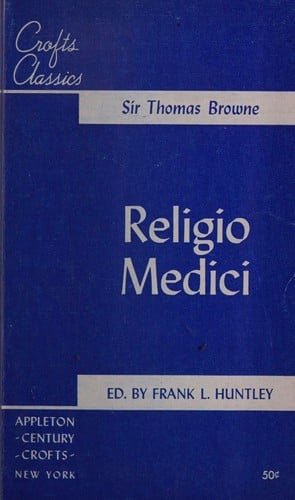
Start this bookNo. 30 on this list. Religio Medici · Thomas Browne · 1643
Religio Medici is a fixture of early modern English literature and history-of-ideas syllabi rather than a general undergraduate staple, valued chiefly within specialist courses on 17th-century prose. It lacks Wikipedia/syllabus data in our sources but has held a stable place in the canon of English prose stylists since the 17th century.
Challenging4.1 hours
Start this book
About this list
These 30 books are the highest-scoring eligible early modern books currently in the catalogue. About 245 hours of reading in all. Difficulty runs from 47 to 58 out of 100 for the middle half of the list; the summit is King Lear at 73.
This list is ranked by literary regard, with a consistent order for equal scores. Membership follows authors and co-authors, not translators or editors. A book is here when ReadingRate files it under Early Modern Literature as one of its primary reading domains, and only when its author’s lifetime places it in the period. Catalogue coverage and the historical canon both limit what this list can represent.
When we matched the Canons dataset to our catalogue in October 2026, our canonical-status scores rose with the number of school curricula, publisher series and lists in it that cite a work: the median score was 72 for books one such source cites, 84 at two, 88 at three, 92 at four and 93 at five or more. Prizes are left out of that count. Outside the state curricula, the dataset’s sources choose mostly from what has been translated into English or French, so it is a weaker check on other literatures. Source: Canons (Andrew Piper), CC BY 4.0
Questions people actually ask
- What are the best early modern books?
- By literary regard, which weighs canonical status, critical standing and influence: Hamlet by William Shakespeare, Don Quixote by Miguel de Cervantes, King Lear by William Shakespeare, Sonnets by William Shakespeare and Paradise Lost by John Milton. ReadingRate ranks 30 such books, each with a difficulty score and a reading-time estimate.
- Which early modern books should I read first?
- Start from difficulty, not from rank. The most approachable books on this list that still carry top literary regard are Robinson Crusoe by Daniel Defoe (about 7.1 hours), Pamela by Samuel Richardson and Phèdre by Jean Racine.
- What are the shortest of the best early modern books?
- Among the top 25, the shortest are Lycidas by John Milton (about 6 min), Bérénice by Jean Racine (about 50 min) and Phèdre by Jean Racine (about 52 min), at an average pace of 250 words a minute adjusted for each book's difficulty.
- Which of the best early modern books are the established classics?
- By canonical status, how firmly a book sits in curricula, anthologies and the canon: Hamlet by William Shakespeare, King James Bible by Anonymous, Sonnets by William Shakespeare, King Lear by William Shakespeare and Paradise Lost by John Milton.
- Can I read any of these early modern books for free?
- 8 of the 30 open in ReadingRate's reader with a free account, from public-domain editions: Hamlet, King Lear, Sonnets, Paradise Lost, Lycidas and 3 more.
- How long would it take to read the top ten?
- About 71 hours, at an average pace of 250 words a minute adjusted for each book's difficulty: 36 days at two hours a day. Set your own pace on the page and the list's reading times change to it.
- How hard are early modern books to read?
- Most of this list sits between 47 and 58 on ReadingRate's 100-point difficulty scale, where 40 to 55 is moderate. The summit is King Lear at 73. Every entry carries its own score, so a reader can pick a great book at a difficulty they will finish.
- How is this list ranked?
- On literary-regard data: how canonically established a work is, its critical standing, and its influence on later writing. It is not a readers’ poll, which is why recent bestsellers rarely appear. Membership follows authors and co-authors, not translators or editors. Lists by country, author, period, theme or difficulty keep to literature (fiction, poetry, drama and philosophy), their novels, poems and plays first and their philosophy after them; a list of a kind of book, such as memoir or criticism, keeps every book of that kind. Every list holds at most three works by one author. A book is here when ReadingRate files it under Early Modern Literature as one of its primary reading domains, and only when its author’s lifetime places it in the period.