Hours at an average pace
Showing 30 books
About 141 hours for 29 of 30 books with measured lengths. Estimates use 250 words a minute, adjusted for each book's difficulty. At 2 hours a day, about 71 days for those books.
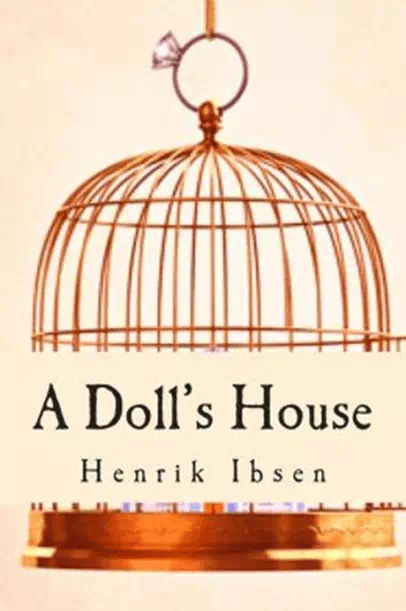
No. 1 on this list. A Doll's House
Henrik Ibsen · 1879
Moderate1.8 hours
Taught in schools: AQA GCSE and A-level English Literature (UK), Common Core text exemplars (Appendix B) (US), Leaving Certificate English – NCCA / State Examinations Commission (Ireland)
Included in: Bokklubben World Library, Great Books of the Western World
Ibsen made a wife walk out on her husband and children in the final scene, and the sound of that door slamming ricocheted across Europe, igniting debates about marriage, autonomy, and women's legal personhood that reshaped law and culture for the next century. The play invented modern social drama by treating a domestic argument as a political event.
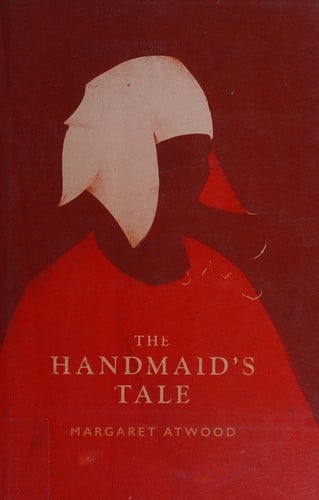
No. 2 on this list. The Handmaid's Tale
Margaret Atwood · 2017
Challenging7.7 hours
Taught in schools: AQA GCSE and A-level English Literature (UK), OCR GCSE and A-level English Literature (UK), Pearson Edexcel GCSE and A-level English Literature (UK)
The novel is a staple of high school and university courses on dystopia and feminist literature. It was shortlisted for the Booker Prize, appears on the 1001 Books list, and is published as a Penguin Modern Classic.
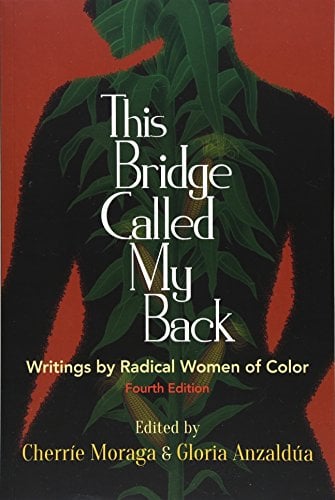
This Bridge Called My Back is required reading in women's studies, ethnic studies, and American literature courses across the United States and beyond. Since its 1981 publication it has appeared on thousands of university syllabi, ranking among the most-taught feminist texts in higher education, comparable in academic penetration to Beloved within its fields. It is listed on essential reading guides across multiple disciplines and remains continuously in print.
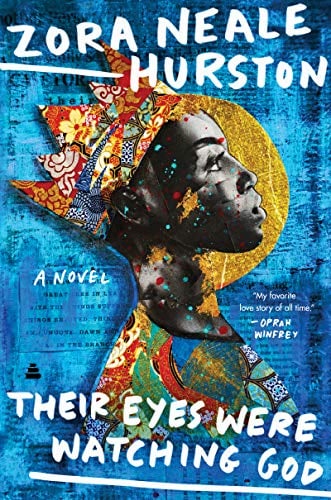
No. 4 on this list. Their Eyes Were Watching God
Zora Neale Hurston · 1937
Challenging5.3 hours
Taught in schools: Common Core text exemplars (Appendix B) (US)
Appears on 3,011 university syllabi according to the Open Syllabus Project (86.97th percentile), placing it among the most-taught American novels. Featured on TIME's All-TIME 100 Novels list and published in prestigious Library of America and Everyman's Library editions — markers of sustained institutional recognition. Available in 9 Wikipedia languages, reflecting global reach in academic and literary circles.
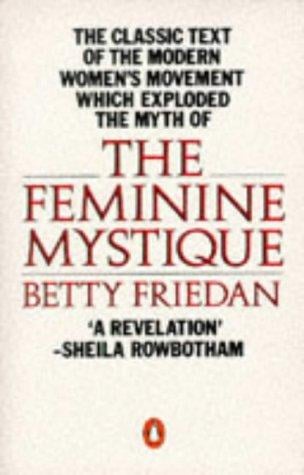
The Feminine Mystique appears on hundreds of women's studies, American history, and sociology syllabi across the United States and internationally. Time magazine named it one of the 100 most important nonfiction books of the 20th century, and it features on Modern Library and similar 'essential nonfiction' lists. Its Wikipedia article exists in dozens of languages with substantial coverage of its reception and cultural impact.
No. 6 on this list. Wide Sargasso Sea
Jean Rhys · 1966
Challenging4.3 hours
Taught in schools: CSEC English B – Caribbean Examinations Council, WJEC/Eduqas GCSE and A-level English Literature (UK)
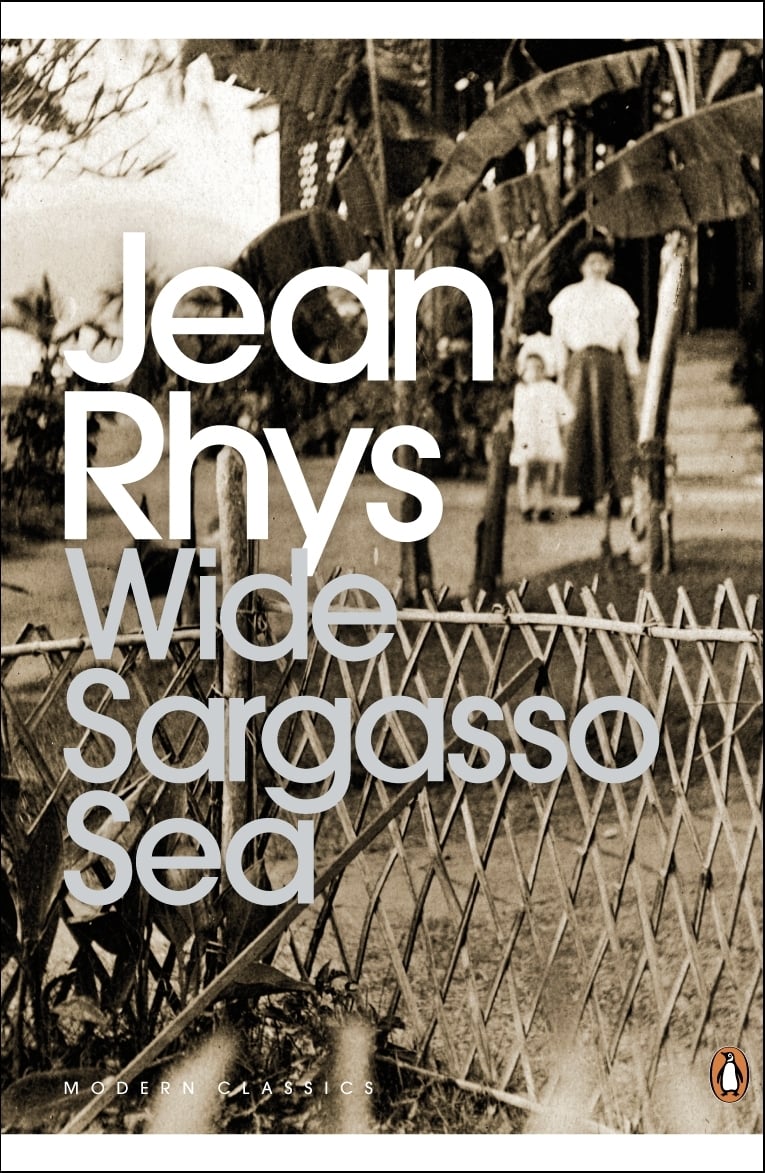
The postcolonial revision that changed how we read Jane Eyre. Antoinette/Bertha's story—the madwoman in the attic given voice—became essential feminist and postcolonial criticism. Core text in Caribbean literature and courses on literary rewriting.
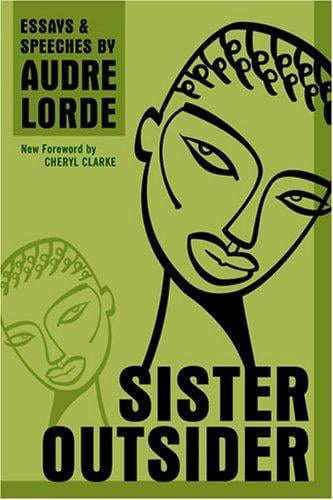
Sister Outsider is a staple in gender studies, Black studies, and feminist theory courses across American and European universities. It appears on hundreds of syllabi and is widely considered essential reading in intersectional feminism and queer theory. Its individual essays — particularly 'The Master's Tools Will Never Dismantle the Master's House' — are among the most frequently anthologized nonfiction pieces in the humanities.
It is a fixture of American literature and women's studies courses and widely anthologized. Its place sits just below the great canon, and the Open Library record lists it among open syllabus project works.
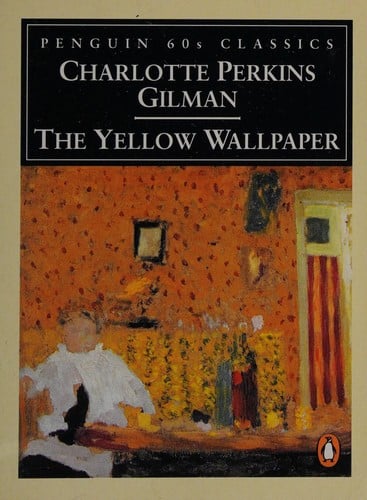
One of the most anthologized American short stories, taught widely in high school and college courses on American literature and feminist writing. It is a fixture of short fiction curricula.
The book is a standard text in American studies, women's studies and religious history courses. It is a landmark of 1970s cultural history, though it is not itself a literary classic.

No. 11 on this list. The Penelopiad · Margaret Atwood · 2005
The Penelopiad appears regularly on feminist literature syllabi, myth-retelling courses, and contemporary women's fiction reading lists, benefiting from its position in the Canongate Myths series and Atwood's towering reputation. It has not achieved the universal curricular penetration of Atwood's The Handmaid's Tale, placing it in established rather than major canon territory.
Challenging2.5 hours
Start this bookNo. 12 on this list. So Long a Letter · Mariama Bâ · 1979
Taught in schools: CSEC English B – Caribbean Examinations Council
So Long a Letter is one of the most taught African novels in Western universities, appearing on syllabi across postcolonial literature, African studies, feminist theory, and world literature courses. Winner of the inaugural Noma Award for Publishing in Africa (1980), it has been translated into more than twenty languages and is routinely included on 'essential African literature' reading lists. Its Wikipedia article exists in over twenty language editions, reflecting its global recognition.
Moderate1.7 hours
Start this bookNo. 13 on this list. Quicksand · Nella Larsen
Quicksand is a standard text in Harlem Renaissance and African American literature courses, and a Penguin Twentieth Century Classics edition keeps it in print. It sits below the universal canon but is widely taught.
Moderate3.4 hours
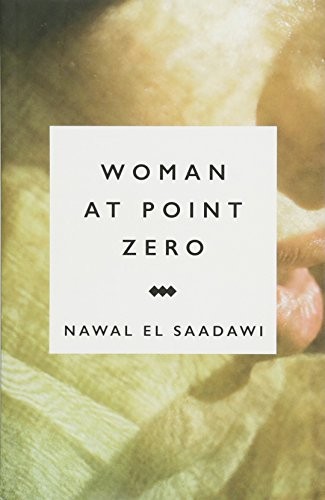
Start this bookNo. 14 on this list. Woman at Point Zero · Nawal El Saadawi · 1975
Firdaus sits on death row in a Cairo prison, waiting to be executed for the murder of a man. She has refused all appeals and refuses to see anyone — until she agrees to speak to a psychiatrist. What follows is her life told in her own voice: a childhood of poverty and violation in a Nile Delta village, an uncle who used her and married her off to an old man, escape to Cairo and the streets, a moment of grace with a woman named Sharifa, and then the long education of a woman who sold her body because every other option had already been sold without her consent. El Saadawi based this novel on a real woman she met while working as a prison psychiatrist. The result reads like testimony — spare, flat, ferocious. Firdaus does not ask for sympathy. She has arrived at a place beyond it. The killing is not a breakdown; it is the one act in her life that belonged entirely to her. The novel is short — under 150 pages — and moves fast, but its structure doubles back: what begins as a case study ends as a reversal, with the psychiatrist shaken and the condemned woman serene. It belongs to the same tradition as Toni Morrison and Frantz Fanon: the examination of what violence and power do to a self, written from inside that experience.
Challenging3 hours
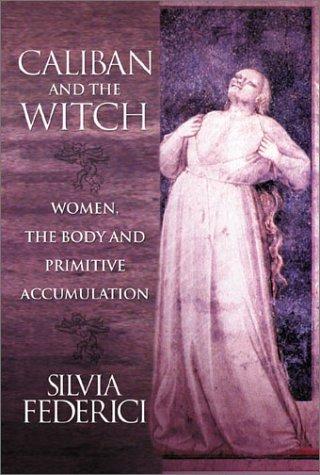
Start this bookNo. 15 on this list. Caliban and the Witch: Women, the Body and Primitive Accumulation · Silvia Federici · 2004
Standard reading across feminist theory, history and political economy.
Challenging7.2 hours
Start this bookNo. 16 on this list. Qur'an and Woman: Rereading the Sacred Text from a Woman's Perspective · Amina Wadud · 1999
It is a foundational text in Islamic feminism and a staple of Islamic studies, gender and religion, and Qur'an interpretation courses. It is less universal than the general literary canon.
Moderate2.2 hours
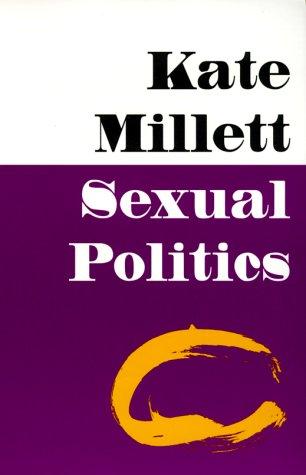
Start this bookNo. 17 on this list. Sexual Politics · Kate Millett · 1970
Millett's doctoral dissertation became one of the founding texts of second-wave feminism by doing something no one had done with such systematic rigor: she read canonical male authors—D.H. Lawrence, Henry Miller, Norman Mailer, Jean Genet—and showed that their depictions of sex were not just literary but political, encoding and enforcing male dominance over women. Her close readings are devastating: she takes passages that had been celebrated as sexually liberated and demonstrates that they are fantasies of domination, humiliation, and control. But the book goes far beyond literary criticism. Millett provides a theoretical framework for understanding patriarchy as a political institution—a system of power that operates through ideology, biology, socialization, class, economics, force, and anthropological justification. She surveys the history of the sexual revolution, the counterrevolution of Freudian theory (which she argues pathologized female independence), and the Nazi and Soviet responses to feminism. The prose is scholarly but charged with intellectual energy, and the breadth of the analysis—from the bedroom to the state—made Sexual Politics one of the most ambitious feminist works of its era. It demonstrated that the personal is political by showing exactly how politics enters the most intimate aspects of life.
Moderate8.2 hours
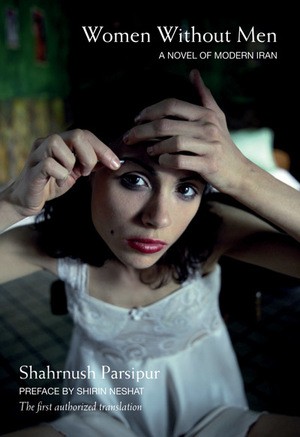
Start this bookNo. 18 on this list. Women Without Men: A Novel of Modern Iran · Shahrnush Parsipur · 2004
It is a landmark of modern Persian women's writing, banned in Iran and widely taught in postcolonial and feminist courses in translation. It is less established than the major Western canon.
Moderate2 hours
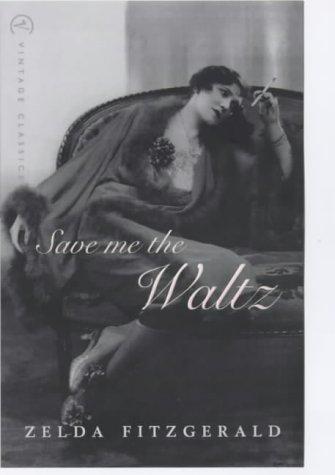
Start this bookNo. 19 on this list. Save Me the Waltz · Zelda Fitzgerald · 2001
It is taught in modernist and women's writing courses and in studies of the Fitzgeralds, but it sits well outside the central canon.
Moderate4.2 hours
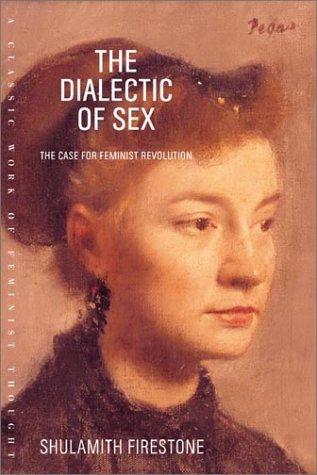
Start this bookNo. 20 on this list. The Dialectic of Sex · Shulamith Firestone · 1970
One of the key texts of radical feminism. Experiencing a scholarly revival.
Challenging4.5 hours
Start this book

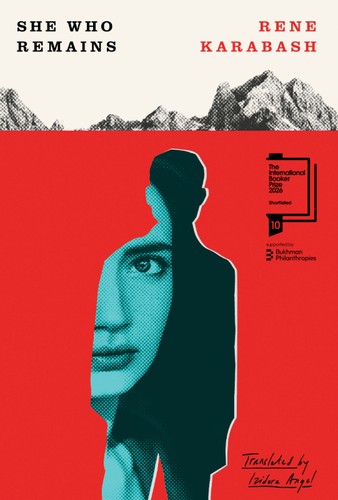
No. 21 on this list. She Who Remains · Rene Karabash · 2018
She Who Remains is a 2026 English-language arrival with no syllabus footprint yet and only one tracked recognition — a 2026 International Booker Prize shortlisting. It is too recent to have entered a curriculum, though the Booker attention has pushed it into the 'contenders to watch' conversation rather than the canon itself.
Challenging3.4 hours
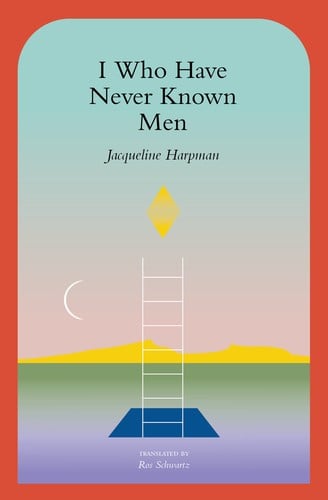
Start this bookNo. 22 on this list. I Who Have Never Known Men · Jacqueline Harpman · 2022
The novel is a cult feminist dystopia, reissued in English in 2019, with growing but not yet widespread teaching. It is not yet a staple of syllabi.
Moderate3.1 hours
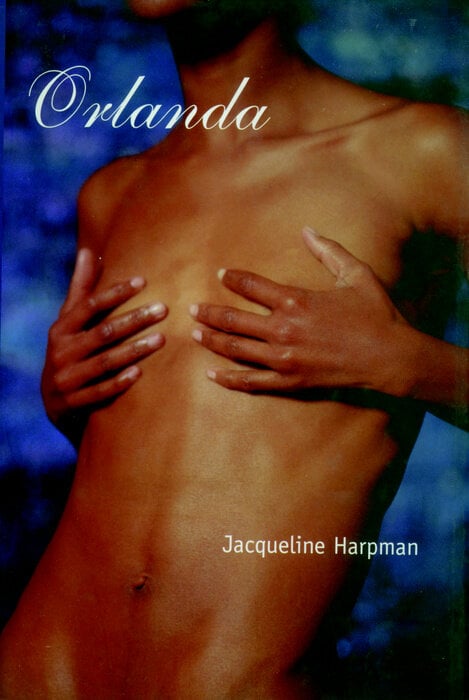
Start this bookNo. 23 on this list. Orlanda (Catalan Edition) · Jacqueline Harpman · 2026
No syllabus appearances or Wikipedia footprint turned up in the data signals. Outside Francophone literature courses and the smaller world of gender-studies reading lists, Orlanda is read far less than Harpman's own I Who Have Never Known Men.
Moderate4.1 hours
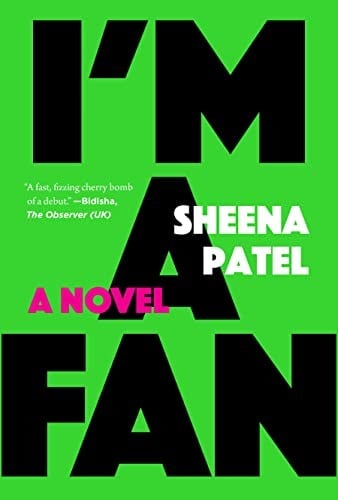
Start this bookNo. 24 on this list. I'm a Fan · Sheena Patel · 2023
Ranked by literary regard among eligible works in the current catalogue. This position reflects the available catalogue evidence.
Challenging4.5 hours
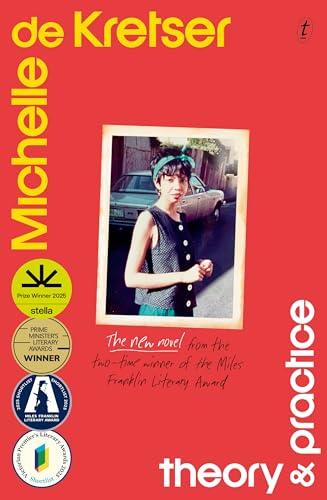
Start this bookNo. 25 on this list. Theory & Practice · Michelle de Kretser · 2024
Ranked by literary regard among eligible works in the current catalogue. This position reflects the available catalogue evidence.
Challenging4.7 hours
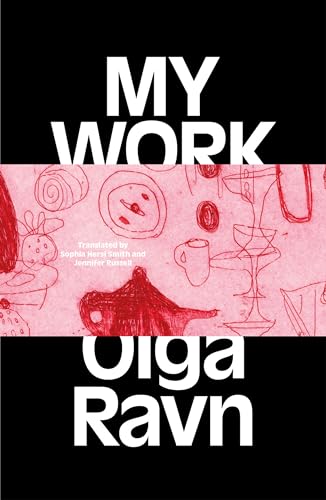
Start this bookNo. 26 on this list. My Work · Olga Ravn · 2020
Ranked by literary regard among eligible works in the current catalogue. This position reflects the available catalogue evidence.
Challenging
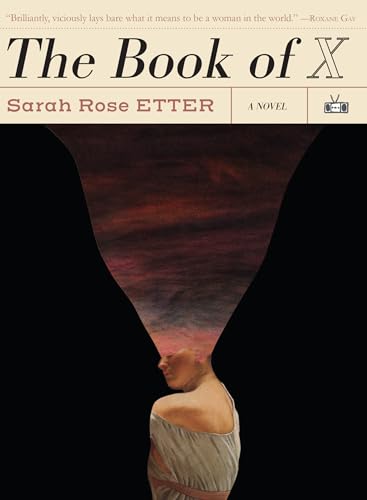
Start this bookNo. 27 on this list. The Book of X · Sarah Rose Etter · 2019
Ranked by literary regard among eligible works in the current catalogue. This position reflects the available catalogue evidence.
Challenging6.7 hours
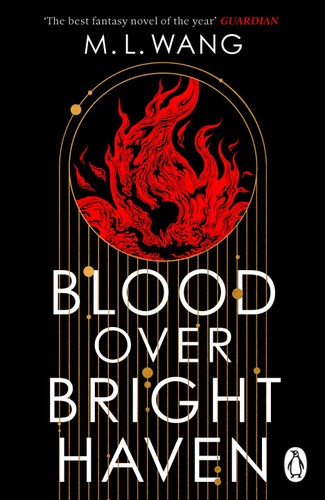
Start this bookNo. 28 on this list. Blood Over Bright Haven · M.L. Wang · 2023
Ranked by literary regard among eligible works in the current catalogue. This position reflects the available catalogue evidence.
Moderate8.2 hours
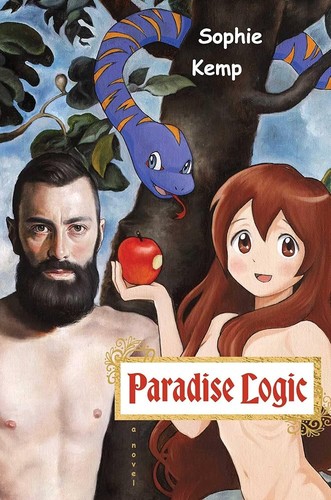
Start this bookNo. 29 on this list. Paradise Logic · Sophie Kemp · 2025
A 2025 debut with no syllabi presence recorded yet, so it stands as a new commercial literary release, like Beach Read in recency.
Moderate4.6 hours
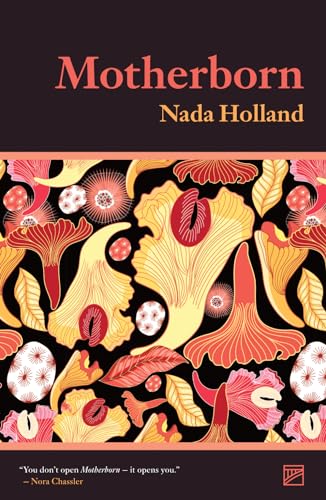
Start this bookNo. 30 on this list. Motherborn · Nada Holland · 2021
A 2021 debut from a small independent press with no recorded syllabi or prizes has no established curricular presence. It sits with recent commercial and niche releases like Beach Read.
Moderate4.6 hours
Start this book
About this list
These 30 books are the highest-scoring eligible moderately difficult feminist books currently in the catalogue. About 141 hours of reading in all, for the 29 with measured lengths. Difficulty runs from 49 to 61 out of 100 for the middle half of the list; the summit is Caliban and the Witch: Women, the Body and Primitive Accumulation at 64.
This list is ranked by literary regard, with a consistent order for equal scores. Membership follows authors and co-authors, not translators or editors. A book is here when ReadingRate files it under Feminist Literature as one of its primary reading domains. Catalogue coverage and the historical canon both limit what this list can represent.
When we matched the Canons dataset to our catalogue in October 2026, our canonical-status scores rose with the number of school curricula, publisher series and lists in it that cite a work: the median score was 72 for books one such source cites, 84 at two, 88 at three, 92 at four and 93 at five or more. Prizes are left out of that count. Outside the state curricula, the dataset’s sources choose mostly from what has been translated into English or French, so it is a weaker check on other literatures. Source: Canons (Andrew Piper), CC BY 4.0
Questions people actually ask
- What are the best moderately difficult feminist books?
- By literary regard, which weighs canonical status, critical standing and influence: A Doll's House by Henrik Ibsen, The Handmaid's Tale by Margaret Atwood, This Bridge Called My Back by Cherrie Moraga, Their Eyes Were Watching God by Zora Neale Hurston and The Feminine Mystique by Betty Friedan. ReadingRate ranks 30 such books, each with a difficulty score and a reading-time estimate.
- Which moderately difficult feminist books should I read first?
- Start from difficulty, not from rank. The most approachable books on this list that still carry top literary regard are The Feminine Mystique by Betty Friedan (about 9.9 hours), A Doll's House by Henrik Ibsen and The Yellow Wall-Paper by Charlotte Perkins Gilman.
- What are the shortest of the best moderately difficult feminist books?
- Among the top 25, the shortest are The Story of an Hour by Kate Chopin (about 35 min), So Long a Letter by Mariama Bâ (about 1.7 hours) and A Doll's House by Henrik Ibsen (about 1.8 hours), at an average pace of 250 words a minute adjusted for each book's difficulty.
- Which of the best moderately difficult feminist books are the established classics?
- By canonical status, how firmly a book sits in curricula, anthologies and the canon: A Doll's House by Henrik Ibsen, The Handmaid's Tale by Margaret Atwood, This Bridge Called My Back by Cherrie Moraga, Their Eyes Were Watching God by Zora Neale Hurston and The Feminine Mystique by Betty Friedan.
- Can I read any of these moderately difficult feminist books for free?
- 1 of the 30 opens in ReadingRate's reader with a free account, from public-domain editions: A Doll's House.
- How long would it take to read the top ten?
- About 58 hours, at an average pace of 250 words a minute adjusted for each book's difficulty: 29 days at two hours a day. Set your own pace on the page and the list's reading times change to it.
- How hard are moderately difficult feminist books to read?
- Most of this list sits between 49 and 61 on ReadingRate's 100-point difficulty scale, where 40 to 55 is moderate. The summit is Caliban and the Witch: Women, the Body and Primitive Accumulation at 64. Every entry carries its own score, so a reader can pick a great book at a difficulty they will finish.
- How is this list ranked?
- On literary-regard data: how canonically established a work is, its critical standing, and its influence on later writing. It is not a readers’ poll, which is why recent bestsellers rarely appear. Membership follows authors and co-authors, not translators or editors. Lists by country, author, period, theme or difficulty keep to literature (fiction, poetry, drama and philosophy), their novels, poems and plays first and their philosophy after them; a list of a kind of book, such as memoir or criticism, keeps every book of that kind. Every list holds at most three works by one author. A book is here when ReadingRate files it under Feminist Literature as one of its primary reading domains.