Hours at an average pace
Showing 33 books
About 267 hours for 30 of 33 books with measured lengths. Estimates use 250 words a minute, adjusted for each book's difficulty. At 2 hours a day, about 134 days for those books.
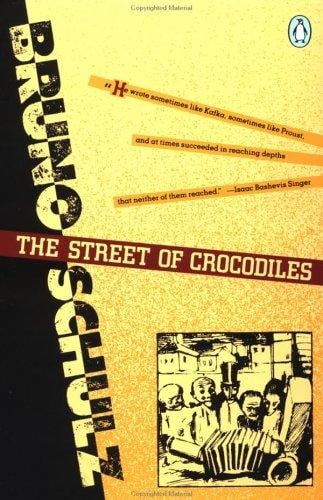
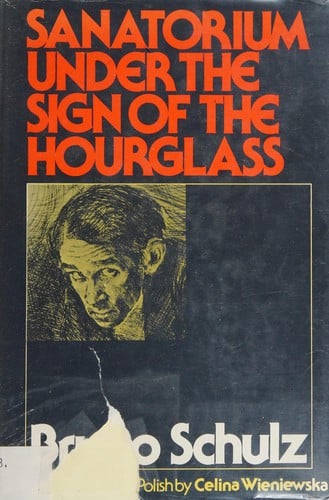
No. 1 on this list. The Street of Crocodiles
Bruno Schulz · 1934
Difficult7.1 hours
Taught in schools: Lektury obowiązkowe – Polish national reading list (Poland)
A standard text in world-literature and modernism syllabi and the central work of Polish literary modernism after Gombrowicz.
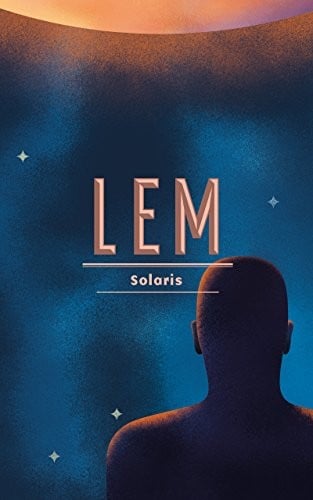
Solaris is the most canonically recognized work of Eastern European science fiction, taught in SF studies, philosophy of science, and world literature courses at universities across Europe, North America, and East Asia. Its Wikipedia article exists in over 50 languages. The Tarkovsky film adaptation (1972) cemented its cultural standing. Within speculative fiction it holds a position equivalent to Ulysses in modernist literature — the work against which all philosophical SF is measured.
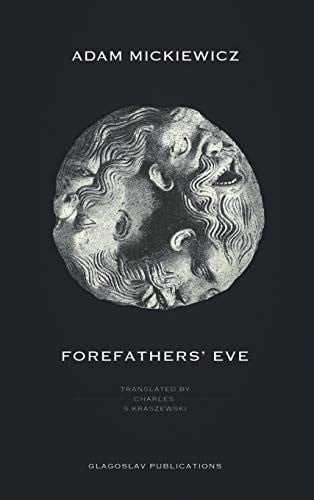
No. 3 on this list. Forefathers' Eve
Adam Mickiewicz · 1832
Difficult5.8 hours
Taught in schools: Lektury obowiązkowe – Polish national reading list (Poland)
Compulsory in Polish education and the most politically charged text in the Polish canon, though little known outside Slavic studies.
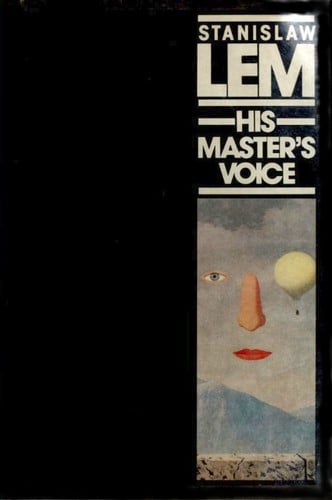
His Master's Voice holds a firm canonical position within science fiction studies and Eastern European literature curricula, though it remains outside the mainstream Western literary canon. No syllabus data appears in the database, but the novel is consistently cited in SF critical histories as one of Lem's three or four most important works alongside Solaris and The Cyberiad. It appears in translations across at least 20 languages and features on 'essential SF' lists compiled by critics, not algorithms.
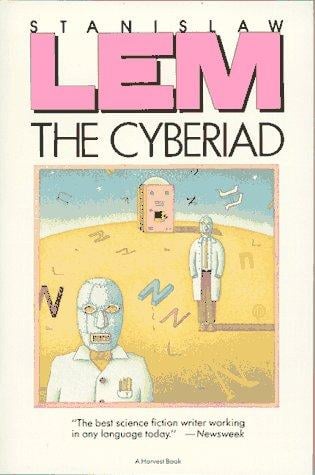
Trurl and Klapaucius are constructors — engineers of impossible things — who travel the universe building machines that write poetry, create dragons out of probability, and kidnap kings using algorithms. In the opening story, Trurl builds a machine that can make anything starting with the letter N. When it begins making Nothing — not ordinary nothing, but dynamic, aggressive Nothingness — it starts erasing the world one item at a time: the gruncheons go, then the pritons, then the zits, and the sky acquires holes that have never healed. Stanisław Lem writes fairy tales about robots, but the fairy tales are philosophical arguments in disguise. Each of the fifteen linked adventures runs a thought experiment: what happens when collective intelligence exceeds the scale at which militarism makes sense? Can a machine write great poetry if civilization wrote the poet? What does it mean to exist inside a simulation you cannot distinguish from reality? The deadpan fable narrator treats catastrophe and cosmic comedy with identical gravity, and the gap between that voice and what is actually happening is where all the meaning lives. The Cyberiad reads as slapstick adventure on the surface — Trurl escaping dungeon after dungeon with improbable ingenuity — and as philosophy underneath, where questions about consciousness, creation, and the purpose of intelligence are never resolved. Lem gives you both pleasures at once, and the math jokes are genuine.
Standard in Polish curricula and widely taught in world-poetry courses; The Envoy is among the most quoted poems in Polish.
Standard in Central European and modernism courses and inseparable from Schulz's first collection in most curricula.
Standard in Polish curricula and in courses on twentieth-century European poetry, though its density limits general assignment.
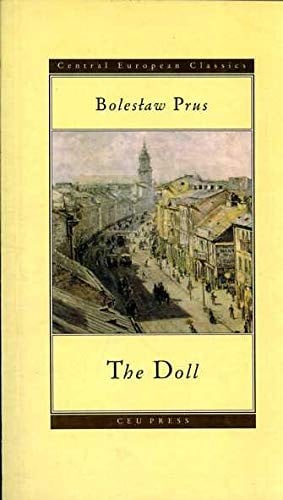
No. 9 on this list. The Doll
Bolesław Prus · 1890
Challenging28 hours
Included in: UNESCO Collection of Representative Works
Compulsory in Polish schools and voted the greatest Polish novel in a 2015 national poll, though less known outside Central Europe.
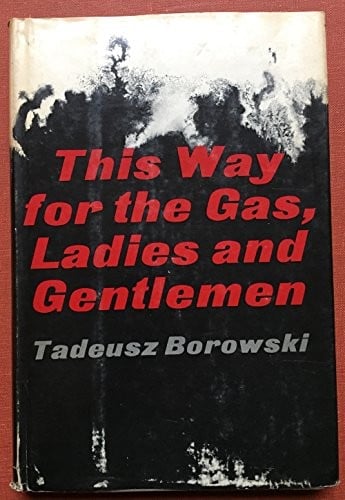
No. 10 on this list. This Way for the Gas, Ladies and Gentlemen
Tadeusz Borowski · 1948
Challenging5.3 hours
A standard text in Holocaust-literature curricula worldwide and compulsory reading in Polish schools.
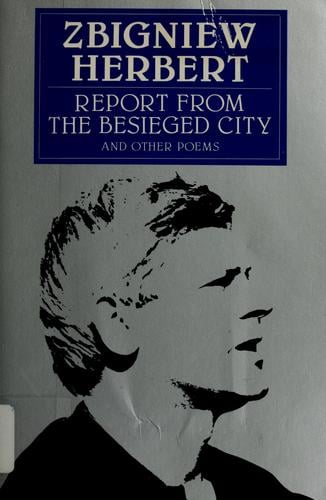
No. 11 on this list. Report from the Besieged City · Zbigniew Herbert · 1983
Standard in Polish and East European poetry curricula and the book most often cited in accounts of literature under martial law.
Difficult1 hours
Start this bookNo. 12 on this list. Vade-mecum and Selected Poems · Cyprian Kamil Norwid
Compulsory in Polish schools and central to Polish literary study, though translation has limited his international presence.
Difficult1.7 hours
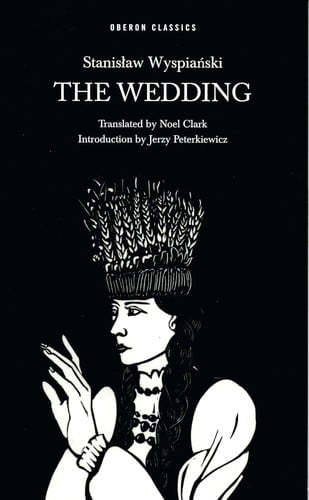
Start this bookNo. 13 on this list. The Wedding · Stanisław Wyspiański · 1901
Taught in schools: Lektury obowiązkowe – Polish national reading list (Poland)
Compulsory in Polish schools and the single most performed Polish play, though little known outside Central Europe.
Difficult2.7 hours
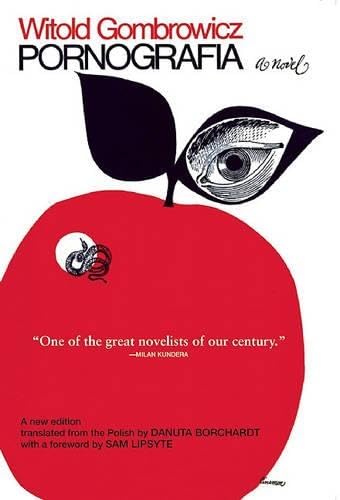
Start this bookNo. 14 on this list. Pornografia · Witold Gombrowicz · 1960
Pornografia is widely taught in European and Latin American literature courses and appears on world literature syllabi, though its presence in English-language curricula is more limited than Gombrowicz's Ferdydurke. No syllabus data was available in the database, and no Wikipedia article was indexed, but the novel is broadly recognized as a major work of 20th-century European fiction and appears on multiple 'greatest novels' lists.
Difficult6.2 hours
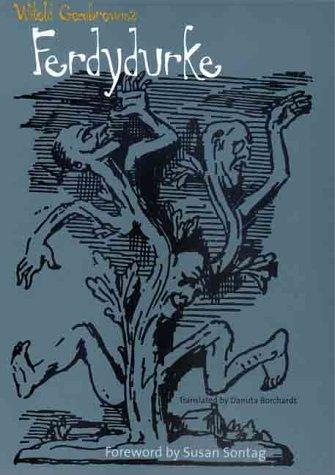
Start this bookNo. 15 on this list. Ferdydurke · Witold Gombrowicz · 1937
Taught in schools: Lektury obowiązkowe – Polish national reading list (Poland)
Ferdydurke is essential reading in Polish literature curricula and widely included in European modernism and world literature survey courses. Its English-language standing was significantly elevated by the 2000 Yale University Press translation with Susan Sontag's foreword. Less universally taught than Kafka or Borges in Anglophone institutions, but its canonical status in Eastern European and comparative literature contexts is strong.
Difficult13 hours
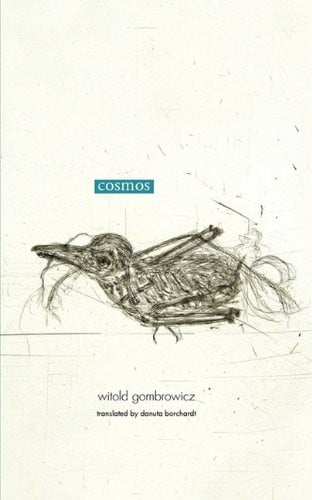
Start this bookNo. 16 on this list. Cosmos · Witold Gombrowicz · 1965
Standard in courses on the European experimental novel and central to Gombrowicz's international curricular presence.
Difficult8.9 hours
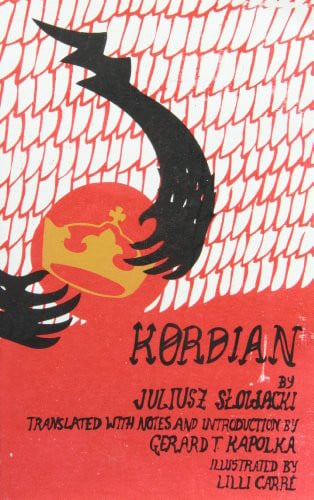
Start this bookNo. 17 on this list. Kordian · Juliusz Słowacki · 1834
Taught in schools: Lektury obowiązkowe – Polish national reading list (Poland)
Compulsory in Polish schools and a standard text of Romantic drama in Slavic studies, with little presence beyond.
Difficult3.1 hours
Start this bookNo. 18 on this list. Flights · Olga Tokarczuk · 2007
Flights won the International Booker Prize in 2018, placing it in the conversation for essential contemporary world literature. The Wikipedia article data appears matched to a disambiguation page (13 languages), suggesting the novel's own article has broader reach. Its experimental structure limits adoption in introductory syllabi, but it appears consistently in world literature and contemporary fiction courses at graduate level.
Challenging12 hours
Start this bookNo. 19 on this list. The Un-Divine Comedy · Zygmunt Krasiński · 1835
Compulsory in Polish education and a standard text in Romantic drama and political-literature courses in Slavic studies.
Difficult3.4 hours
Start this bookNo. 20 on this list. Drive Your Plow Over the Bones of the Dead · Olga Tokarczuk · 2019
Appears on 90 university syllabi according to Open Syllabus data (48.8th percentile), with a Wikipedia article in 11 languages. The novel has found a foothold in world literature and feminist ecology courses but has not yet achieved the widespread canonical status of older Nobel Prize winners. Its recognition is growing rapidly following Tokarczuk's 2018 Nobel.
Challenging7.3 hours
Start this book
No. 21 on this list. Insatiability · Stanisław Ignacy Witkiewicz · 1930
Standard in Central European modernism and dystopia courses, though its difficulty keeps it off general syllabi.
Difficult30 hours
Start this bookNo. 22 on this list. Ashes and Diamonds · Jerzy Andrzejewski · 1948
Compulsory in Polish schools and a standard reference for the literature and cinema of the Communist takeover.
Challenging9 hours
Start this bookNo. 23 on this list. The Card Index · Tadeusz Różewicz · 1960
The Card Index is a landmark of postwar Polish drama, taught in Polish literature and theatre courses and staged widely. Its place in world curricula is narrower than that of the major Western absurdists.
Challenging1.5 hours
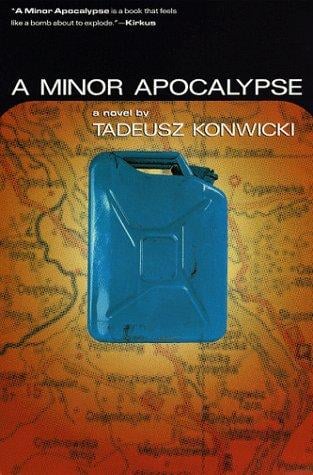
Start this bookNo. 24 on this list. A Minor Apocalypse · Tadeusz Konwicki · 1979
A standard text in Polish literature and East European studies courses on dissident writing.
Difficult7.9 hours
Start this bookNo. 25 on this list. Farewell to Autumn · Stanisław Ignacy Witkiewicz · 1927
A core text of Polish modernism taught alongside Gombrowicz and Schulz, though its difficulty keeps it off most world-literature syllabi.
Difficult15 hours
Start this bookNo. 26 on this list. The Polish Complex · Tadeusz Konwicki · 1977
Taught in Polish literature and East European dissident-writing courses, with limited presence beyond them.
Difficult6.8 hours
Start this bookNo. 27 on this list. Meadow · Bolesław Leśmian · 1920
Leśmian is now taught as one of Poland's greatest poets, but this second collection sits behind his later Napój cienisty in the canon. It is read mainly in Polish literature and Symbolist-period courses.
Challenging
Start this bookNo. 28 on this list. The Books of Jacob · Olga Tokarczuk · 2014
Appears on 12 university syllabi so far (27th percentile) and has a Wikipedia article in 11 languages — modest numbers that reflect how recently the English translation arrived (2021) rather than a lack of stature. Its Nobel-winning author and 2022 International Booker win are already pulling it onto world-literature syllabi.
Challenging32 hours
Start this bookNo. 29 on this list. A Dreambook for Our Time · Tadeusz Konwicki · 1963
A Dreambook for Our Time is a central novel of postwar Polish literature, still read in Poland and in courses on East European fiction. It has been available in English since the late 1960s.
Challenging9.9 hours
Start this bookNo. 30 on this list. Birthday · Weronika Murek · 2026
The novel is new and has no recorded syllabus presence. A Gdynia Literary Prize win for prose and a Nike Literary Award final give it standing in Polish contemporary literature, which suggests early recognition rather than an established place in curricula.
Challenging5.6 hours
Start this book
About this list
These 33 books are the highest-scoring eligible challenging books in Polish currently in the catalogue. About 267 hours of reading in all, for the 30 with measured lengths. Difficulty runs from 67 to 77 out of 100 for the middle half of the list; the summit is Insatiability at 82.
This list is ranked by literary regard, with a consistent order for equal scores. Membership follows authors and co-authors, not translators or editors. Catalogue coverage and the historical canon both limit what this list can represent.
When we matched the Canons dataset to our catalogue in October 2026, our canonical-status scores rose with the number of school curricula, publisher series and lists in it that cite a work: the median score was 72 for books one such source cites, 84 at two, 88 at three, 92 at four and 93 at five or more. Prizes are left out of that count. Outside the state curricula, the dataset’s sources choose mostly from what has been translated into English or French, so it is a weaker check on other literatures. Source: Canons (Andrew Piper), CC BY 4.0
Questions people actually ask
- What are the best challenging books in Polish?
- By literary regard, which weighs canonical status, critical standing and influence: The Street of Crocodiles by Bruno Schulz, Solaris by Stanisław Lem, Forefathers' Eve by Adam Mickiewicz, His Master's Voice by Stanisław Lem and The Cyberiad by Stanisław Lem. ReadingRate ranks 33 such books, each with a difficulty score and a reading-time estimate.
- Which challenging books in Polish should I read first?
- Start from difficulty, not from rank. The most approachable books on this list that still carry top literary regard are Drive Your Plow Over the Bones of the Dead by Olga Tokarczuk (about 7.3 hours), This Way for the Gas, Ladies and Gentlemen by Tadeusz Borowski and The Doll by Bolesław Prus.
- What are the shortest of the best challenging books in Polish?
- Among the top 25, the shortest are A Treatise on Poetry by Czesław Miłosz (about 1.1 hours), Report from the Besieged City by Zbigniew Herbert (about 1 hours) and Mr Cogito by Zbigniew Herbert (about 1 hours), at an average pace of 250 words a minute adjusted for each book's difficulty.
- Which of the best challenging books in Polish are the established classics?
- By canonical status, how firmly a book sits in curricula, anthologies and the canon: Forefathers' Eve by Adam Mickiewicz, The Doll by Bolesław Prus, The Street of Crocodiles by Bruno Schulz, Solaris by Stanisław Lem and This Way for the Gas, Ladies and Gentlemen by Tadeusz Borowski.
- How long would it take to read the top ten?
- About 81 hours, at an average pace of 250 words a minute adjusted for each book's difficulty: 41 days at two hours a day. Set your own pace on the page and the list's reading times change to it.
- How hard are challenging books in Polish to read?
- Most of this list sits between 67 and 77 on ReadingRate's 100-point difficulty scale, where 40 to 55 is moderate. The summit is Insatiability at 82. Every entry carries its own score, so a reader can pick a great book at a difficulty they will finish.
- How is this list ranked?
- On literary-regard data: how canonically established a work is, its critical standing, and its influence on later writing. It is not a readers’ poll, which is why recent bestsellers rarely appear. Membership follows authors and co-authors, not translators or editors. Lists by country, author, period, theme or difficulty keep to literature: fiction, poetry and drama, with no philosophy, criticism or theory. A list of a kind of book, such as philosophy, memoir or criticism, keeps every book of that kind. Every list holds at most three works by one author.