Hours at an average pace
Showing 41 books
About 181 hours for 39 of 41 books with measured lengths. Estimates use 250 words a minute, adjusted for each book's difficulty. At 2 hours a day, about 91 days for those books.
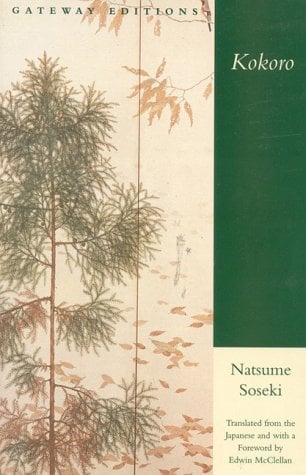
No. 1 on this list. Kokoro
Natsume Sōseki · 1914
Moderate4.5 hours
Included in: UNESCO Collection of Representative Works
Kokoro is universally regarded as the supreme masterpiece of modern Japanese literature and one of the most important novels of the twentieth century in any language. It is the single most commonly assigned novel in Japanese high schools and universities, and appears on literature syllabi worldwide. It has been continuously in print since 1914 and has been translated into dozens of languages. It is a permanent fixture of every serious list of world literature, from the Penguin Classics and Oxford World Classics catalogs to Harold Bloom's discussions of global literary achievement.
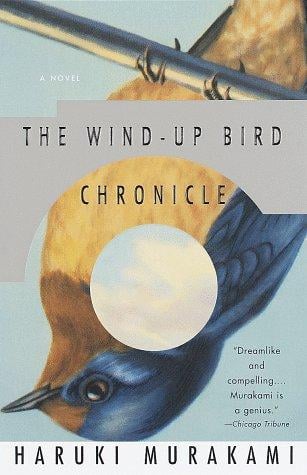
Toru Okada is making spaghetti when an anonymous woman calls to say they need ten minutes to understand each other. Then his cat vanishes. Then his wife Kumiko disappears entirely, leaving only a letter about her brother and a request not to look for her. This is how The Wind-Up Bird Chronicle begins: with domestic life dissolving from the inside, one ordinary item at a time. Murakami keeps Toru's voice flat and patient throughout — he irons shirts when upset, counts stages, watches his garden — while everything around him tilts into the surreal. He descends into a dry well in a neighbor's yard and emerges changed, a blue-black mark spreading across his cheek. He encounters Malta and Creta Kano, psychic sisters whose names are Mediterranean islands. He sits across a table from a television personality who may be the novel's primary evil. Threaded through the present is Lt. Mamiya's account of the Mongolian desert in 1939 — atrocity reported in the same matter-of-fact voice Toru uses to describe boiling water. The novel operates on the logic of a dream that refuses to dissolve on waking: causality suspended, meaning promised and withheld simultaneously. Murakami never explains his machinery. By the end, what remains is a portrait of a man in a long wait — for his wife, for answers, for the world to wind itself back up.
One of the most beloved and widely adapted works in Japanese literature. Cultural landmark.
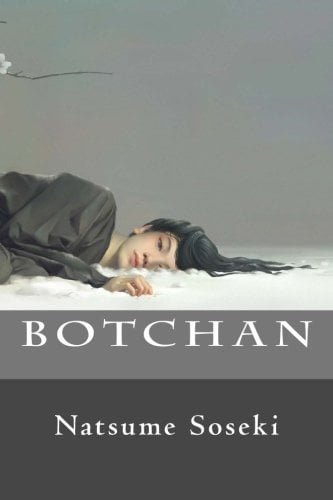
No. 4 on this list. Botchan
Natsume Sōseki · 1906
Easy2.1 hours
Included in: UNESCO Collection of Representative Works
The most widely read novel in Japanese literature. A national cultural touchstone for over a century.
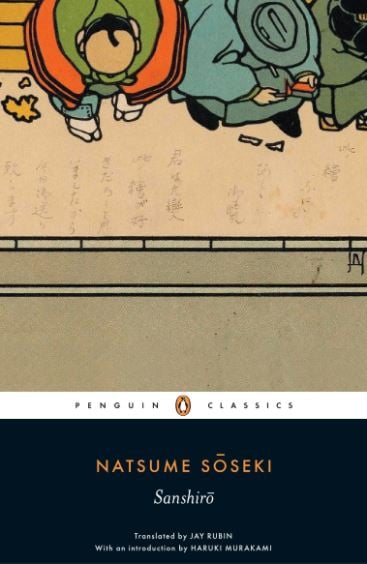
A key Soseki novel and an important document of Meiji-era Japan's encounter with modernity.
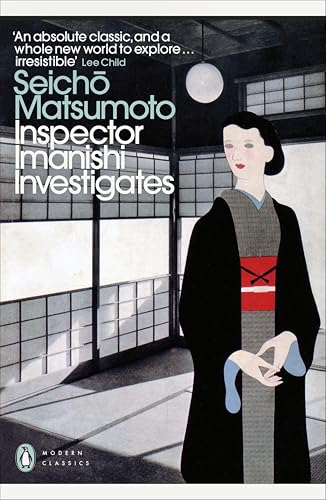
A foundational text of Japanese crime fiction, studied extensively in Japanese literature programs and increasingly abroad.
No. 7 on this list. The Sound of Waves
Yukio Mishima · 1954
Easy2.6 hours
Included in: UNESCO Collection of Representative Works
Mishima's most widely read book in Japan, a fixture in schools and in introductory Japanese-literature courses, and continuously in print in Vintage International.
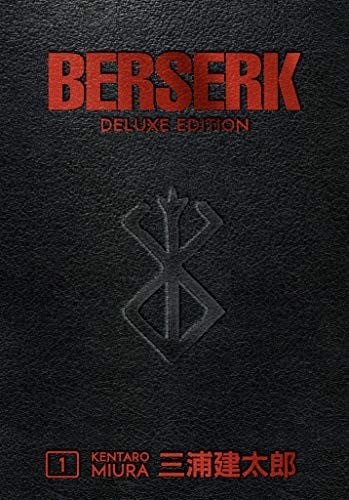
Berserk, which Kentaro Miura began serialising in 1989, is a cornerstone of dark-fantasy manga, and Dark Horse's Deluxe Edition gathers its opening volumes in hardcover. It is essential reading for manga readers but not part of literary curricula.
A widely taught contemporary Japanese work in translation, read in world literature and Japanese studies courses and often a first entry into Japanese fiction. Its standing is established, not yet canonical in the way of the major classics.
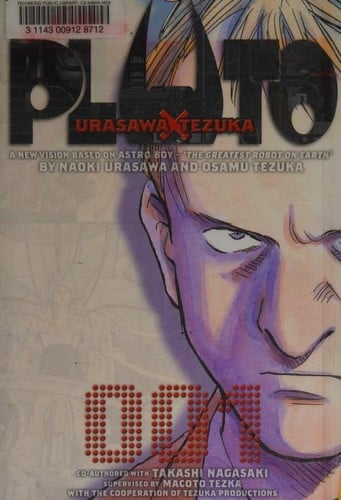
No. 10 on this list. PLUTO: Naoki Urasawa x Ozamu Tezuka, Vol.1
Naoki Urasawa · 2007
Moderate3.3 hours
Widely discussed in manga and comics studies as a landmark reimagining, though not a fixture of literature syllabi.
No. 11 on this list. The Decagon House Murders · Yukito Ayatsuji · 1987
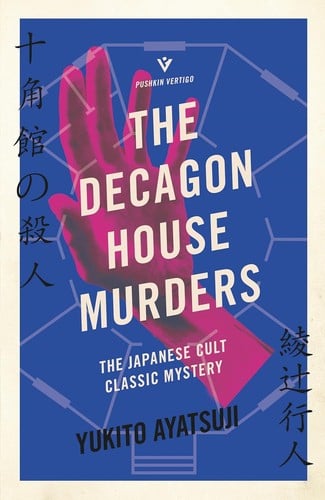
The Decagon House Murders is a long-standing favourite in Japan and a standard reference point in discussions of the honkaku puzzle mystery. Its English translations have made it a staple recommendation for classic-mystery readers, though it is seldom taught outside genre courses.
Moderate3.8 hours
Start this bookNo. 12 on this list. Out · Natsuo Kirino · 1997
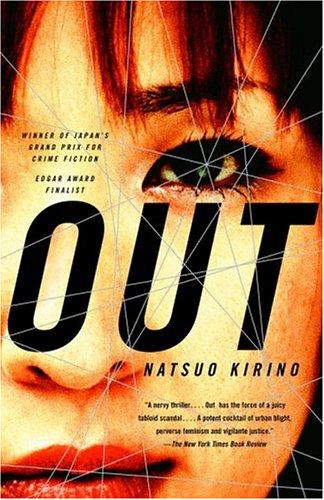
Out is Natsuo Kirino's best-known novel, widely read in translation and regularly listed among essential Japanese crime fiction. It is studied in courses on modern Japanese fiction and gender, though less widely than literary classics.
Moderate7.1 hours
Start this bookNo. 13 on this list. Musashi · Eiji Yoshikawa
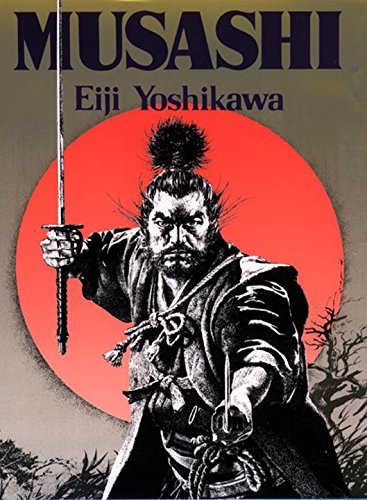
Musashi is a classic of Japanese popular historical fiction and remains widely read in Japan and in translation. It is taught mainly in courses on Japanese popular culture rather than on the literary canon.
Easy15 hours
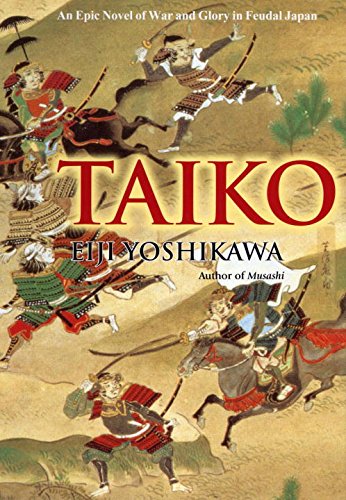
Start this bookNo. 14 on this list. Taiko · Eiji Yoshikawa
Taiko is a widely read historical novel in Japan and the English-language world, but it is not a fixture of literature curricula.
Easy14 hours
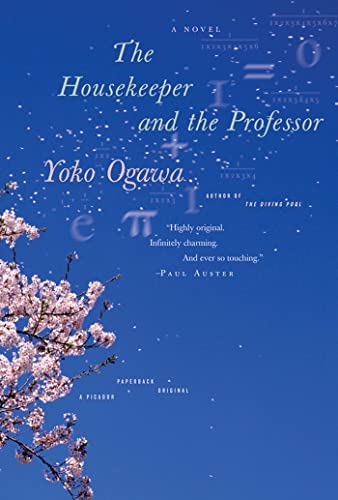
Start this bookNo. 15 on this list. The Housekeeper and the Professor · Yoko Ogawa · 2003
A modern Japanese bestseller that won the first Japan Booksellers' Award and is widely read in translation, it appears in book clubs and some contemporary world-literature courses. It is not yet a staple of canon-level syllabi.
Easy3 hours
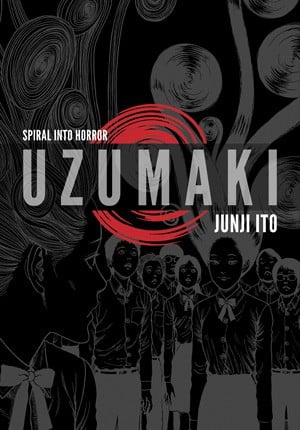
Start this bookNo. 16 on this list. Uzumaki · Junji Ito · 1998
Uzumaki appears on no traditional literary syllabi and has no significant academic curriculum presence. Within manga, horror comics, and graphic novel education it is near-universally cited as the essential Junji Ito work and a defining horror manga of the modern era.
Easy2.7 hours
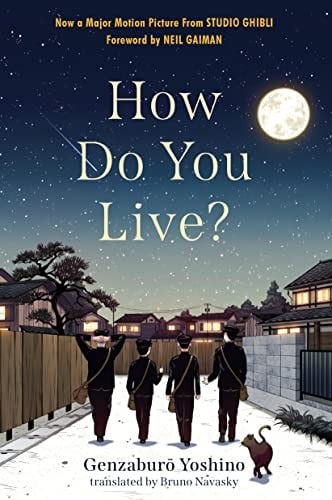
Start this bookNo. 17 on this list. How Do You Live? · Genzaburo Yoshino
A long-standing Japanese classic widely read in schools and recommended for generations, with a 2023 Miyazaki film bringing worldwide attention. Its Western syllabus presence is limited, though.
Easy3.8 hours
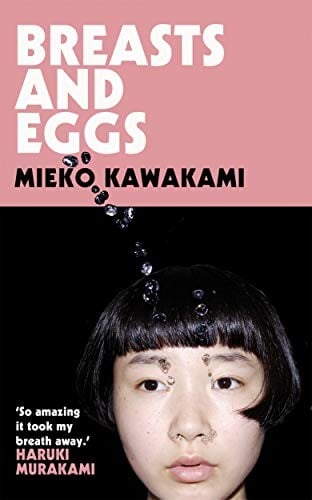
Start this bookNo. 18 on this list. Breasts and Eggs · Mieko Kawakami · 2019
Too recent (English translation 2020) to have accumulated syllabus presence, and ReadingRate's own data signals show no syllabus or Wikipedia-language data on file for this title. It has, however, entered contemporary world-literature and translated-fiction reading lists quickly given its reception.
Moderate8.5 hours
Start this bookNo. 19 on this list. Kiki's Delivery Service · Eiko Kadono · 2020
Kadono's 1985 novel is a modern classic of Japanese children's literature, widely read in schools and homes and boosted by the Studio Ghibli film. It is rarely taught in university literature courses.
Very Easy2 hours
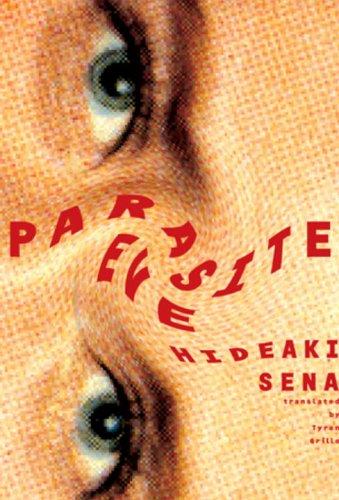
Start this bookNo. 20 on this list. Parasite Eve · Hideaki Sena · 1995
Japan Horror Novel Award winner. The video game franchise made 'Parasite Eve' a recognizable name worldwide. The novel is canonical in Japanese horror.
Easy4.6 hours
Start this book
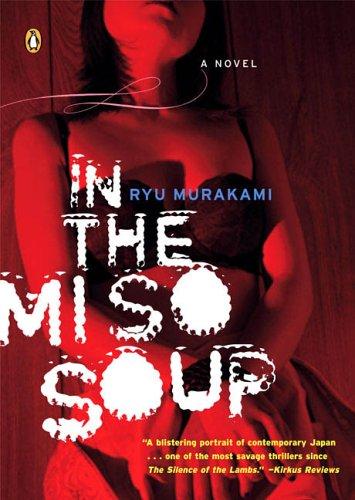
No. 21 on this list. In the Miso Soup · Ryū Murakami · 1997
A well-known novel by a prominent Japanese author, but rarely taught compared to major canon works. Closer to a genre-literary crossover than a staple.
Easy3.5 hours
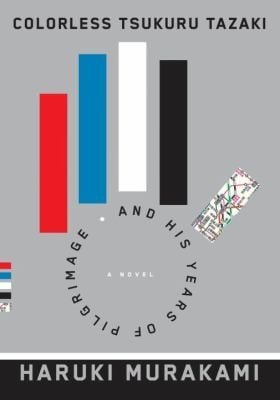
Start this bookNo. 22 on this list. Colorless Tsukuru Tazaki and His Years of Pilgrimage · Haruki Murakami · 2013
Tsukuru Tazaki had four friends in high school in Nagoya, two boys and two girls, and their surnames all contained a colour: Red, Blue, White and Black. His did not, and he decided early that this meant he was the empty one, the colourless member of a perfect group. Then, in the summer of his second year at university in Tokyo, Blue telephoned to say that none of them wanted to see him or speak to him again. No reason was given. Tsukuru spent the next five months wanting to die, and the sixteen years after that building railway stations for a living and not asking why. He is thirty-six when Sara, a woman he is seeing, tells him he cannot go any further with her until he finds out what happened. So he goes back to Nagoya, and then to a lake outside Hämeenlinna in Finland, and asks each of them in turn. What he learns is worse than the silence, and the person who could explain it best is dead. Murakami keeps the supernatural almost entirely offstage this time — one long story about a pianist who can see colours above people's heads, one dream that may not have been a dream — and lets the damage stand on its own. Sara's answer never comes. Tsukuru waits on a platform at Shinjuku, watching trains.
Moderate4.3 hours
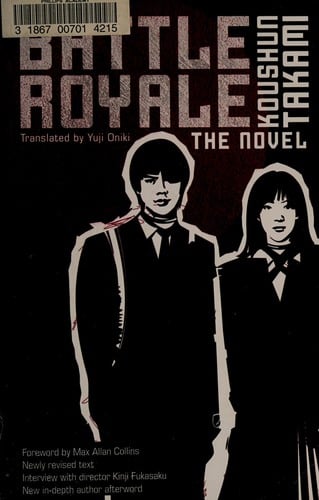
Start this bookNo. 23 on this list. Battle Royale · Koushun Takami · 1999
Battle Royale (1999) is a cult classic of Japanese popular fiction, read widely in translation and studied in courses on Japanese pop culture and dystopian fiction. It is not on general literary reading lists, and its fame owes much to Kinji Fukasaku's 2000 film.
Easy11 hours
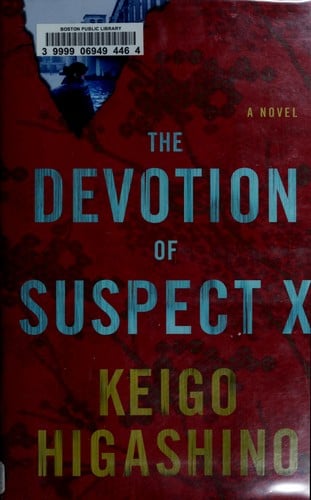
Start this bookNo. 24 on this list. The Devotion of Suspect X · Keigo Higashino · 2005
Yasuko Hanaoka, a single mother in Tokyo, kills her abusive ex-husband when he shows up at her apartment demanding money and threatening her daughter. Her neighbor Tetsuya Ishigami, a brilliant but reclusive high school math teacher who has been silently in love with Yasuko for years, offers to help her cover up the murder. What follows is not a whodunit but a howcatchem: the reader knows who committed the crime and watches as Ishigami constructs an alibi so mathematically elegant that it functions like a proof. Detective Kusanagi and physicist Manabu Yukawa—Ishigami's former university classmate and intellectual equal—work to unravel it. Higashino inverts the mystery genre: the tension comes not from discovering the killer but from watching a genius protect someone he loves through an act of deception so total it constitutes self-annihilation. The final revelation reframes every chapter that preceded it, and the reader realizes that Ishigami's devotion is not romantic in any conventional sense—it is an offering so absolute that it obliterates the person making it. The novel is a puzzle box that turns out to be a tragedy.
Very Easy3.6 hours
Start this bookNo. 25 on this list. さくら · Kanako Nishi · 2005
A bestseller of 2005 with more than 500,000 copies sold and a 2020 film adaptation, but no syllabus presence is shown. It is a popular contemporary novel rather than a canonical one.
Easy
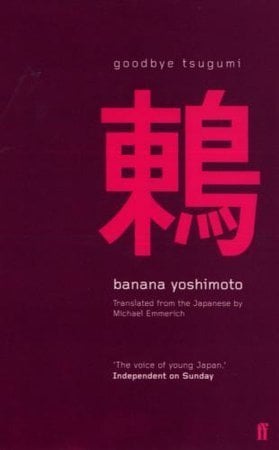
Start this bookNo. 26 on this list. Goodbye Tsugumi · Banana Yoshimoto · 1989
Goodbye Tsugumi does not appear in university syllabi data and has no Wikipedia article, indicating it sits outside standard academic curricula. While Banana Yoshimoto has a global readership, this particular novel has not achieved the taught-text status of her more prominent work Kitchen. It circulates primarily as popular literary fiction rather than as an assigned canonical text.
Moderate2.8 hours
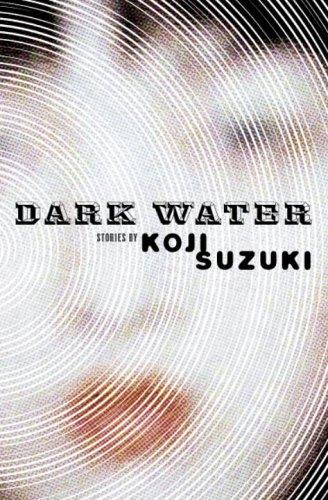
Start this bookNo. 27 on this list. Dark Water · Koji Suzuki · 1996
Dark Water (1996) is known mainly as the source of Hideo Nakata's 2002 film and is read by horror readers. It is not taught as literature.
Easy4 hours
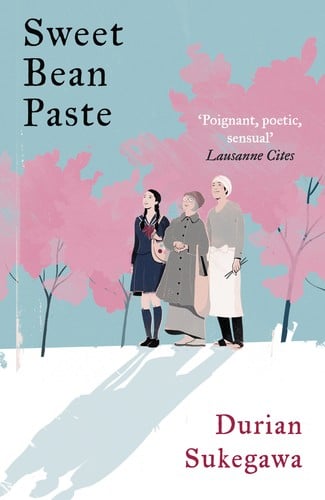
Start this bookNo. 28 on this list. Sweet Bean Paste · Durian Sukegawa · 2017
A contemporary bestseller with a 2015 film adaptation and wide translation, but little presence on syllabi so far.
Easy3.1 hours
Start this bookNo. 29 on this list. A Death in Tokyo · Keigo Higashino · 2022
This is a 2022 genre novel with no syllabus presence evident. It belongs to commercial crime fiction, comparable to Gone Girl in being a genre read rather than a course text.
Easy5.4 hours
Start this bookNo. 30 on this list. Silent Parade · Keigo Higashino · 2021
This is a recent commercial mystery that appears in genre discussion, not on literature syllabi.
Easy5 hours
Start this book



No. 31 on this list. The Travelling Cat Chronicles
Hiro Arikawa · 2018
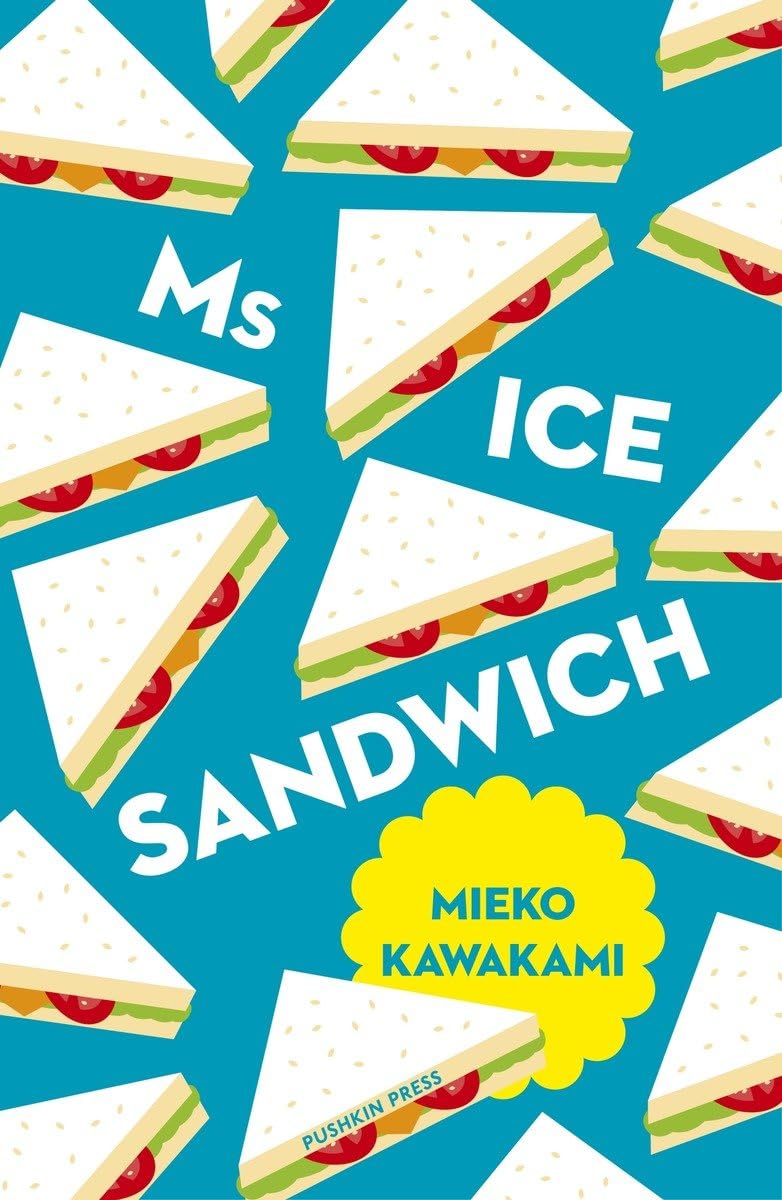
No. 32 on this list. Ms Ice Sandwich
Mieko Kawakami · 2013
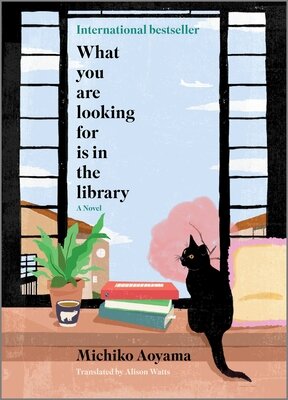
No. 33 on this list. O que procuras está na biblioteca
Michiko Aoyama · 2022
No. 34 on this list. Strange Pictures
Uketsu · 2025
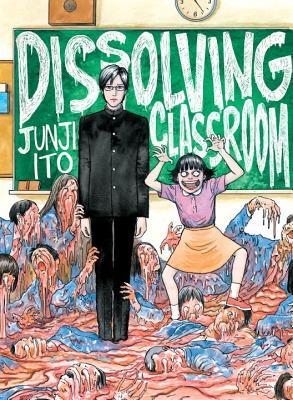
No. 35 on this list. Dissolving Classroom
Junji Ito · 2017
No. 36 on this list. Before the Coffee Gets Cold
Toshikazu Kawaguchi · 2015
No. 37 on this list. Strange Houses
Uketsu · 2025
No. 38 on this list. Traces of two pasts. Final Fantasy VII remake
Kazushige Nojima · 2024
No. 39 on this list. Zen Mind, Beginner's Mind
Shunryu Suzuki · 1970
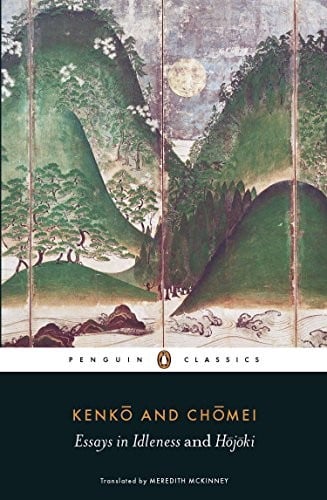
No. 40 on this list. Essays in Idleness
Yoshida Kenko · 1332


About this list
These 41 books are the highest-scoring eligible easy books from Japan currently in the catalogue. About 181 hours of reading in all, for the 39 with measured lengths. Difficulty runs from 30 to 41 out of 100 for the middle half of the list; the summit is Colorless Tsukuru Tazaki and His Years of Pilgrimage at 44.
This list is ranked by literary regard, with a consistent order for equal scores. Membership follows authors and co-authors, not translators or editors. Catalogue coverage and the historical canon both limit what this list can represent.
When we matched the Canons dataset to our catalogue in October 2026, our canonical-status scores rose with the number of school curricula, publisher series and lists in it that cite a work: the median score was 72 for books one such source cites, 84 at two, 88 at three, 92 at four and 93 at five or more. Prizes are left out of that count. Outside the state curricula, the dataset’s sources choose mostly from what has been translated into English or French, so it is a weaker check on other literatures. Source: Canons (Andrew Piper), CC BY 4.0
Questions people actually ask
- What are the best easy books from Japan?
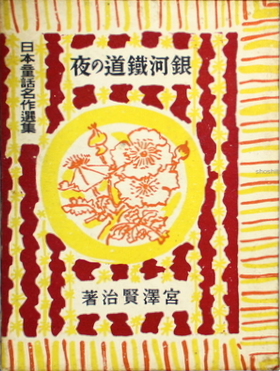
- By literary regard, which weighs canonical status, critical standing and influence: Kokoro by Natsume Sōseki, The Wind-Up Bird Chronicle by Haruki Murakami, Night on the Galactic Railroad by Kenji Miyazawa, Botchan by Natsume Sōseki and Sanshiro by Natsume Sōseki. ReadingRate ranks 41 such books, each with a difficulty score and a reading-time estimate.
- Which easy books from Japan should I read first?
- Start from difficulty, not from rank. The most approachable books on this list that still carry top literary regard are Zen Mind, Beginner's Mind by Shunryu Suzuki (about 1.7 hours), Botchan by Natsume Sōseki and The Wind-Up Bird Chronicle by Haruki Murakami.
- What are the shortest of the best easy books from Japan?
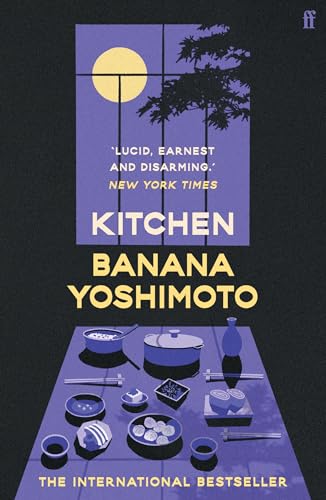
- Among the top 25, the shortest are Kitchen by Banana Yoshimoto (about 1.3 hours), Night on the Galactic Railroad by Kenji Miyazawa (about 1.9 hours) and Botchan by Natsume Sōseki (about 2.1 hours), at an average pace of 250 words a minute adjusted for each book's difficulty.
- Which of the best easy books from Japan are the established classics?
- By canonical status, how firmly a book sits in curricula, anthologies and the canon: Kokoro by Natsume Sōseki, Night on the Galactic Railroad by Kenji Miyazawa, Botchan by Natsume Sōseki, Essays in Idleness by Yoshida Kenko and Zen Mind, Beginner's Mind by Shunryu Suzuki.
- Can I read any of these easy books from Japan for free?
- 1 of the 41 opens in ReadingRate's reader with a free account, from public-domain editions: Botchan.
- How long would it take to read the top ten?
- About 52 hours, at an average pace of 250 words a minute adjusted for each book's difficulty: 26 days at two hours a day. Set your own pace on the page and the list's reading times change to it.
- How hard are easy books from Japan to read?
- Most of this list sits between 30 and 41 on ReadingRate's 100-point difficulty scale, where 40 to 55 is moderate. The summit is Colorless Tsukuru Tazaki and His Years of Pilgrimage at 44. Every entry carries its own score, so a reader can pick a great book at a difficulty they will finish.
- How is this list ranked?
- On literary-regard data: how canonically established a work is, its critical standing, and its influence on later writing. It is not a readers’ poll, which is why recent bestsellers rarely appear. Membership follows authors and co-authors, not translators or editors. Lists by country, author, period, theme or difficulty keep to literature (fiction, poetry, drama and philosophy), their novels, poems and plays first and their philosophy after them; a list of a kind of book, such as memoir or criticism, keeps every book of that kind. Every list holds at most three works by one author.