Hours at an average pace
Showing 91 books
About 462 hours for 82 of 91 books with measured lengths. Estimates use 250 words a minute, adjusted for each book's difficulty. At 2 hours a day, about 231 days for those books.
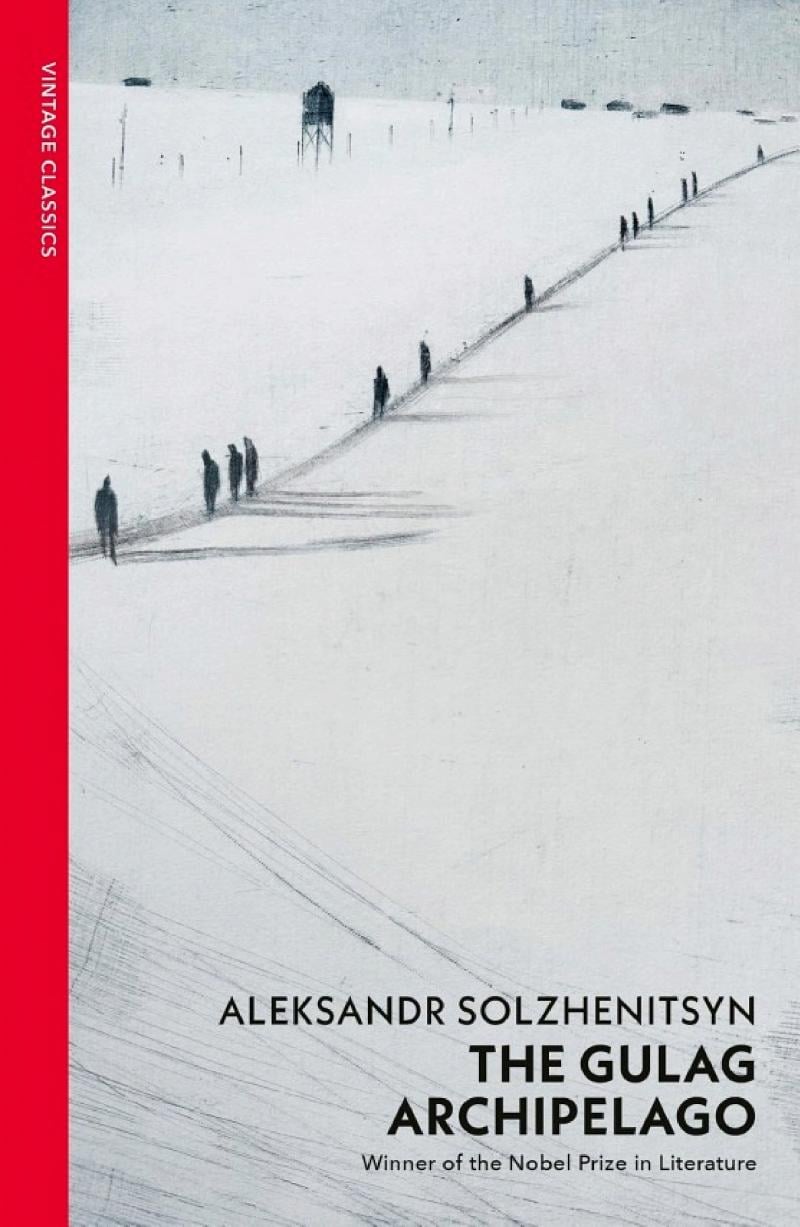
Solzhenitsyn documented the Soviet forced-labor system with the evidentiary mass of a prosecutor and the moral witness of a survivor, compiling testimony from over two hundred prisoners into a work that made the word "gulag" part of every language. The book did more to delegitimize the Soviet state than any political movement of its era.
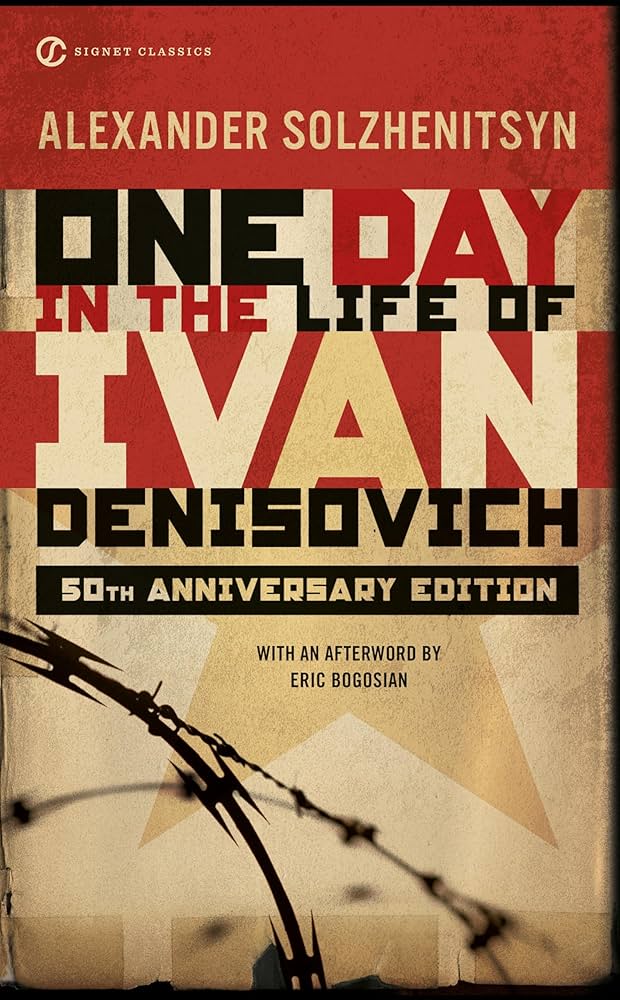
A single January day in a Soviet labor camp in the early 1950s, told through the eyes of Ivan Denisovich Shukhov, a peasant ten years into a trumped-up sentence for treason. Solzhenitsyn structures the novel as a minute-by-minute account: the pre-dawn wake-up, the roll call in −30° cold, the march to the construction site, the bricklaying in the wind, the return, the thin soup, and lights out. The genius of the book is its scale — one man, one day — and the moral universe Shukhov navigates within it. He is not heroic in any conventional sense; he calculates how to get an extra bowl of gruel, how to pocket a useful piece of metal, how to avoid the guards' notice. Yet these calculations constitute a form of dignity. Published in 1962 in the Soviet literary journal Novy Mir under Khrushchev's brief thaw, the novella hit Soviet readers like a physical shock: the Gulag had existed for decades, but naming it in print was new. In the West it became the first credible inside account of the camp system, a document as much as a novel. Solzhenitsyn's prose is close-grained and unsentimental, the voice tuned to Shukhov's practical intelligence. The cold is not metaphorical; the bread is not symbolic. The facts speak.
The foundational text defining and naming literary journalism as a movement.
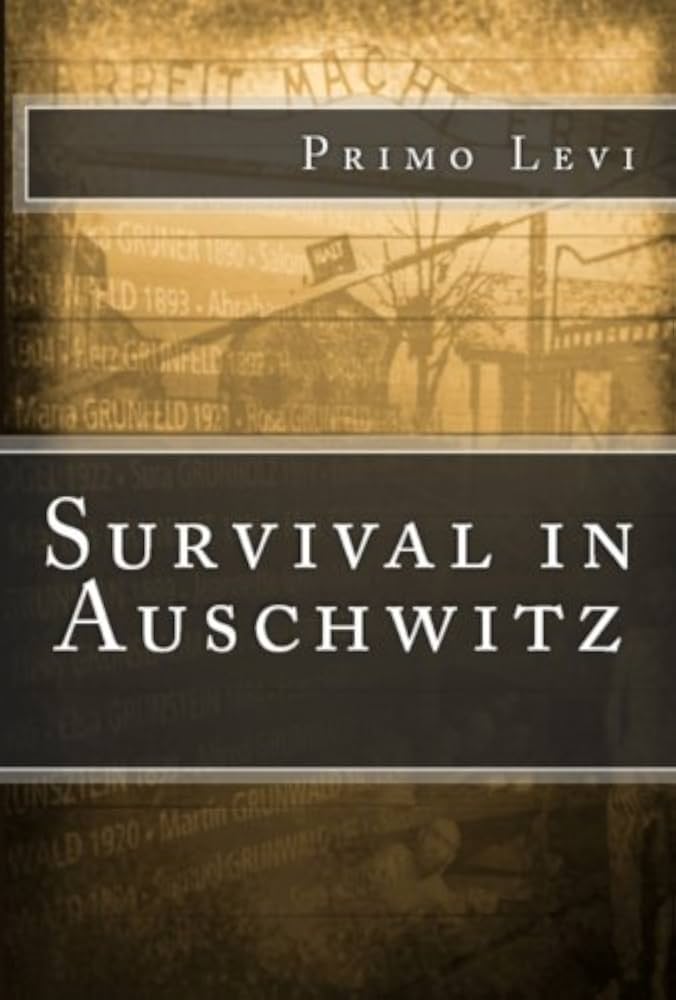
No. 4 on this list. Survival in Auschwitz
Primo Levi · 1947
Moderate4.2 hours
Taught in schools: Lithuanian literature curriculum (lietuvių kalba ir literatūra)
Taught in universities worldwide across Holocaust studies, history, and literature departments, 'Survival in Auschwitz' is among the handful of Holocaust memoirs considered essential reading for any engagement with 20th-century history. It appears on numerous syllabi in European and American universities, and the Wikipedia article on 'If This Is a Man' exists in over 40 languages, reflecting its global reach. It stands alongside Elie Wiesel's 'Night' as the defining texts of Holocaust testimony.
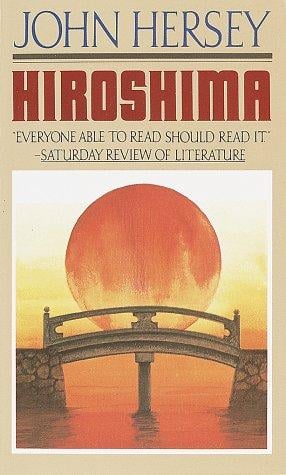
Hiroshima is required reading in American journalism schools and widely taught in history, ethics, and literature courses across the country. NYU's journalism faculty voted it the finest piece of American journalism of the 20th century. The book has remained continuously in print since 1946 and appears on virtually every list of essential American nonfiction.
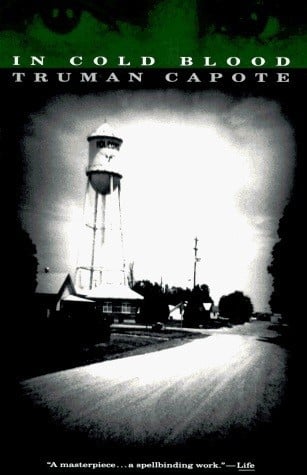
Required reading in virtually every American journalism school and most creative nonfiction courses. Appears on Modern Library and Time's All-Time 100 Novels lists. The book that established 'literary journalism' and 'the nonfiction novel' as serious forms. No significant discussion of 20th-century American nonfiction omits it.
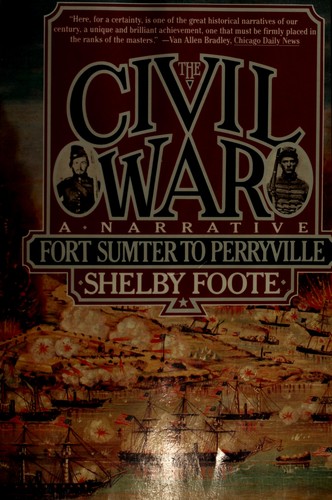
Widely regarded as the definitive narrative history of the American Civil War. A staple on university reading lists for Civil War history and creative nonfiction courses. Ken Burns's landmark PBS documentary brought Foote and this work to national prominence, cementing its place in the American literary canon as essential reading for understanding the conflict.
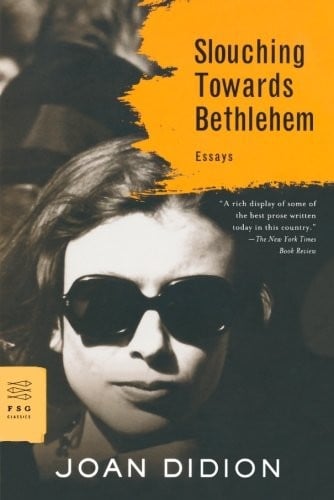
Widely taught in American literature and journalism programs, consistently appearing on syllabi in courses on creative nonfiction, American Studies, and cultural history. The collection appears on the Modern Library's list of the 100 best nonfiction books and is regarded as required reading for understanding 1960s American culture. The title essay is frequently anthologized and cited as a landmark of American journalism.
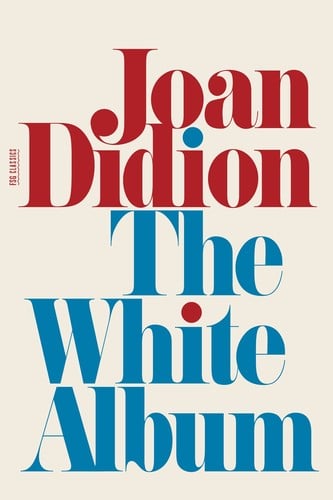
Joan Didion opens with a confession: "We tell ourselves stories in order to live." What follows is the record of what happens when that story breaks down. Writing through the late 1960s in Los Angeles, Didion moves between her own psychiatric evaluations, the Manson trial, an afternoon with the Doors at a recording session, the engineering of Hoover Dam, and the geometry of a shopping mall in San Bernardino. The connections are never explained. That is the point. The white album of the title gestures at the Beatles' blank-sleeve record — a surface onto which listeners projected whatever they needed. Didion offers herself as a similar surface: a woman whose nervous system recorded an era's disintegration while her own sense of narrative failed her. The essays fragment deliberately, cutting mid-thought, juxtaposing a clinical psychiatric report with dispatches from the Black Panther press conference. Didion's sentences are precise and cold in the way a surgeon's instruments are cold — not indifferent, but controlled. The book asks what it means to impose meaning on experience when the experience refuses to cohere. It does not answer. The question, delivered with this particular clarity, is enough.
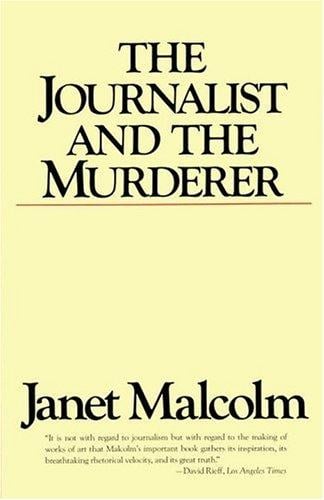
The Journalist and the Murderer is a staple of journalism school curricula across North America and is widely assigned in media ethics, creative nonfiction, and literary journalism courses. Its opening sentence is among the most frequently quoted lines in American nonfiction. While it does not appear on general literary canons as broadly as major novels, within its domain — journalism studies and media ethics — it is as close to required reading as any single text.
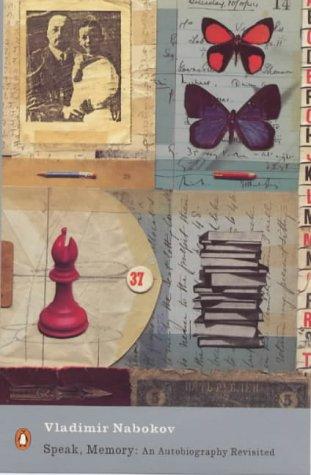
No. 11 on this list. Speak, Memory · Vladimir Nabokov · 1951
Speak, Memory appears regularly on graduate syllabi in comparative literature and autobiography studies, and is cited consistently among the finest works of autobiographical prose in English. No database-captured syllabus data is available, but the book's presence in literary education and on 'essential memoir' lists spanning multiple decades places it firmly within the canon.
Challenging8.9 hours
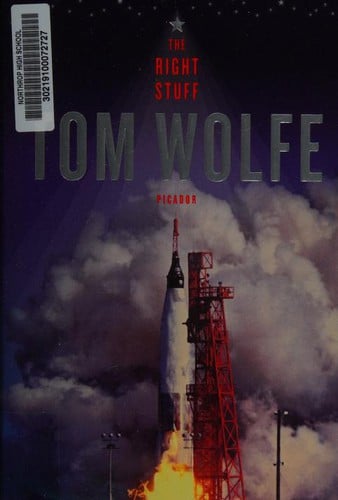
Start this bookNo. 12 on this list. The Right Stuff · Tom Wolfe · 1979
Widely assigned in American journalism, creative nonfiction, and cultural studies courses. The book appears on numerous 'best nonfiction' lists and is a fixture in New Journalism syllabi. Its phrases—'the right stuff,' 'pushing the envelope'—have entered common usage, a rare marker of cultural penetration for a nonfiction work.
Easy8.3 hours
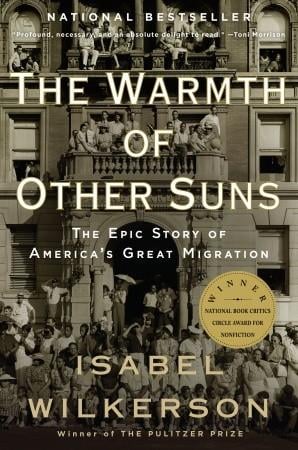
Start this bookNo. 13 on this list. The Warmth of Other Suns · Isabel Wilkerson · 2010
It is widely assigned in American history and African American studies courses and read as a modern classic of narrative history. A recent book, it has not yet reached the staple status of the older canon.
Easy12 hours
Start this bookNo. 14 on this list. Fear and Loathing in Las Vegas: A Savage Journey to the Heart of the American Dream · Hunter S. Thompson · 1998
Taught in journalism and postmodern American literature courses as the defining Gonzo text.
Very Easy2.6 hours
Start this bookNo. 15 on this list. Literary Journalism · Norman Sims · 1995
Standard academic text in literary journalism and journalism history courses.
Easy5.4 hours
Start this bookNo. 16 on this list. Evicted · Matthew Desmond · 2016
Evicted has become a staple of sociology, urban studies and public policy courses, and many American universities have chosen it as a common first-year read. It is now a standard text on poverty and housing in the United States.
Very Easy5.6 hours
Start this bookNo. 17 on this list. And the Band Played On: Politics, People, and the AIDS Epidemic · Randy Shilts · 1987
A standard text in public health, journalism and queer history teaching.
Moderate12 hours
Start this bookNo. 18 on this list. Nickel and Dimed · Barbara Ehrenreich · 2001
Nickel and Dimed is assigned widely in American high school and college courses on sociology, economics and writing, and many universities have used it as a common read. Its 2003 selection as summer reading for incoming students at the University of North Carolina drew protests and national attention.
Very Easy3.6 hours
Start this bookNo. 19 on this list. Underland: A Deep Time Journey · Robert Macfarlane · 2019
Underland is one of the most widely read works of recent British nature writing and is increasingly set on courses on environmental writing and the Anthropocene. It is too recent to be canonical, but it is a reference point for its genre.
Challenging7.7 hours
Start this bookNo. 20 on this list. The Wager · David Grann · 2023
May be taught in creative nonfiction and journalism courses. Grann's reputation ensures attention. Strong candidate for the narrative nonfiction canon.
Easy5.8 hours
Start this book
No. 21 on this list. Into the Wild · Jon Krakauer · 2015
Into the Wild is widely assigned in American high school and college classes on nonfiction, ethics and the environment, and is a staple of adventure literature. Sean Penn's 2007 film kept it in wide circulation.
Easy3 hours
Start this bookNo. 22 on this list. The Art of Fact · Kevin Kerrane · 1997
Widely assigned in journalism and nonfiction writing programs as a practitioner's handbook.
Easy5.4 hours
Start this bookNo. 23 on this list. The Big Short · Michael Lewis · 2010
Definitive account of the 2008 crisis. Academy Award-winning film adaptation. Widely assigned.
Easy5 hours
Start this bookNo. 24 on this list. Too Much of Life: Complete Chronicles · Clarice Lispector
Journalism collected posthumously; read alongside her taught fiction.
Challenging
Start this bookNo. 25 on this list. Down and Out in Paris and London · George Orwell · 1933
Orwell's first book. A minor classic of immersive social reportage.
Easy2.5 hours
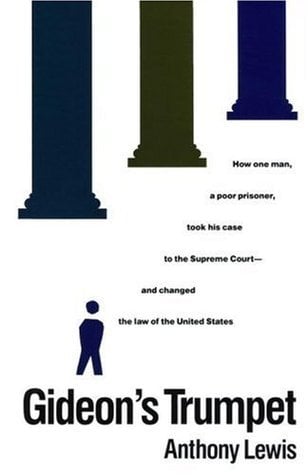
Start this bookNo. 26 on this list. Gideon's Trumpet · Anthony Lewis · 1964
Classic of legal journalism. Widely assigned in law schools.
Very Easy2.9 hours
Start this bookNo. 27 on this list. States of Desire: Travels in Gay America · Edmund White · 1980
Ranked by literary regard among eligible works in the current catalogue. This position reflects the available catalogue evidence.
Moderate6.3 hours
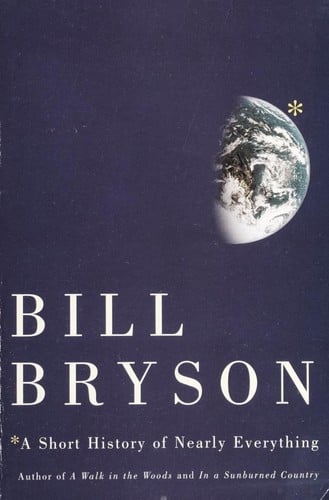
Start this bookNo. 28 on this list. A Short History of Nearly Everything · Bill Bryson · 2003
This is a highly successful popular science book rather than a literary work in the traditional canon. It achieved massive commercial success and won science writing awards (Aventis Prize, Descartes Prize) but does not appear on literary syllabi or in discussions of canonical literature. It occupies an important position in science communication rather than literary history.
Moderate12 hours
Start this bookNo. 29 on this list. The New New Journalism · Robert Boynton · 2005
Widely assigned in journalism schools and narrative nonfiction MFA programs, particularly at NYU, Columbia, and Medill. No syllabus count data is available, but it functions as a standard reference text in literary journalism courses rather than a canonical literary work in the traditional sense.
Easy10 hours
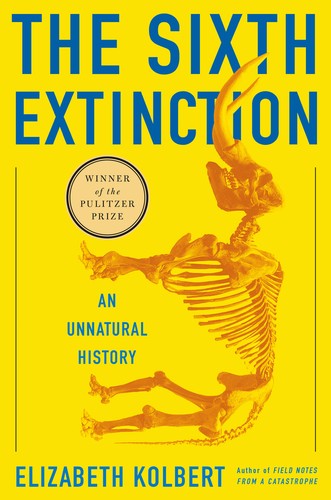
Start this bookNo. 30 on this list. The Sixth Extinction · Elizabeth Kolbert · 2014
Kolbert travels to vanishing coral reefs, decimated bat caves, and the acidifying oceans to document what scientists call the sixth mass extinction—the first caused not by an asteroid or volcanic eruption but by a single species: us. Each chapter focuses on a different species—the Panamanian golden frog, the Sumatran rhino, the great auk—using its decline or disappearance to illustrate a different mechanism of extinction: habitat destruction, ocean acidification, invasive species, climate change. Kolbert writes with the precision of a science reporter and the moral weight of someone who understands that what she is documenting is irreversible. The book won the Pulitzer Prize for General Nonfiction, and its achievement lies not in the novelty of its argument—scientists have been warning about mass extinction for decades—but in the cumulative, devastating force of its evidence. By the end, the reader understands that we are living through one of the great catastrophes in the history of life on Earth.
Easy4.5 hours
Start this book
No. 31 on this list. Soldiers and Kings: Survival and Hope in the World of Human Smuggling
Jason De León · 2024
No. 32 on this list. Backlash
Susan Faludi · 1991
No. 33 on this list. Strangers to Ourselves: Unsettled Minds and the Stories That Make Us
Rachel Aviv · 2022
No. 34 on this list. The Spirit Catches You and You Fall Down
Anne Fadiman · 1997
No. 35 on this list. Clandestine in Chile: The Adventures of Miguel Littín
Gabriel García Márquez · 1986
No. 36 on this list. The Elements of Journalism
Bill Kovach · 2001
No. 37 on this list. How to Survive a Plague: The Inside Story of How Citizens and Science Tamed AIDS
David France · 2016
No. 38 on this list. Putins Netz
No. 39 on this list. I Contain Multitudes: The Microbes Within Us and a Grander View of Life
Ed Yong · 2016
No. 40 on this list. Killers of the Flower Moon
David Grann · 2017

No. 41 on this list. Winners Take All: The Elite Charade of Changing the World
Anand Giridharadas · 2018
No. 42 on this list. Telling True Stories
Mark Kramer · 2007
No. 43 on this list. A Russian Journal
John Steinbeck · 1948
No. 44 on this list. Fast Food Nation
Eric Schlosser · 2001
No. 45 on this list. The Devil in the White City
Erik Larson · 2003
No. 46 on this list. Midnight in Chernobyl
Adam Higginbotham · 2019
No. 47 on this list. An American Childhood
Annie Dillard · 1987
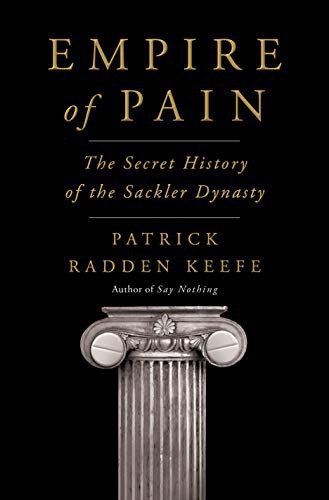
No. 48 on this list. Empire of Pain
Patrick Radden Keefe · 2021
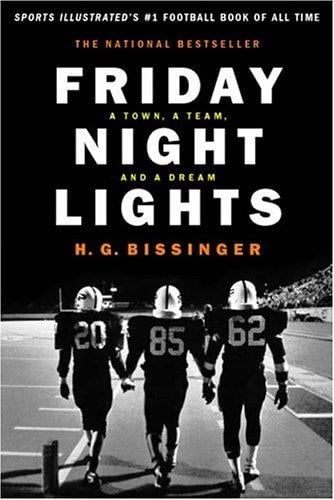
No. 49 on this list. Friday Night Lights
H.G. Bissinger · 1990
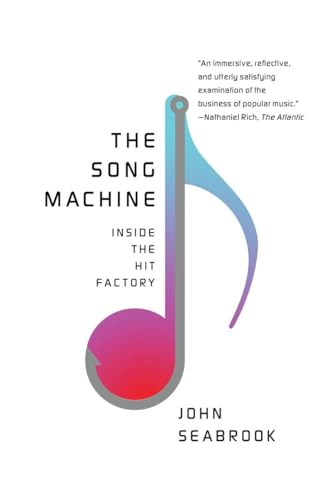
No. 50 on this list. The Song Machine: Inside the Hit Factory
John Seabrook · 2016

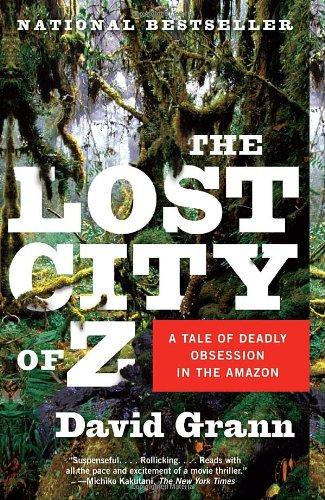
No. 51 on this list. The Lost City of Z
David Grann · 2009
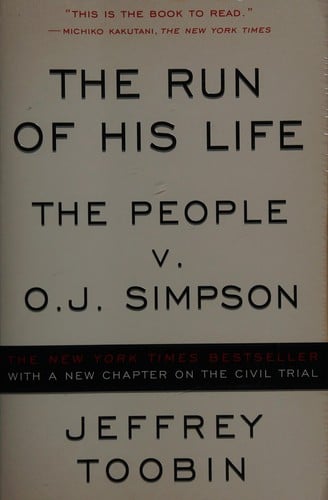
No. 52 on this list. The Run of His Life
Jeffrey Toobin · 1996
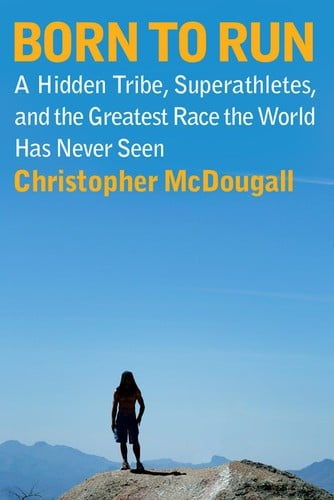
No. 53 on this list. Born to Run
Christopher McDougall · 2009
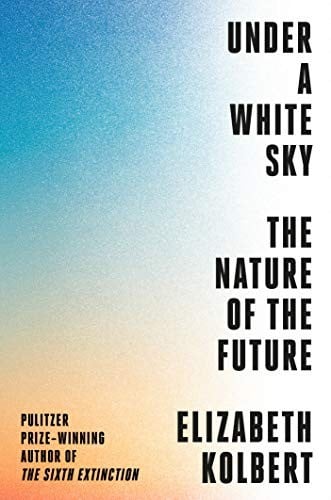
No. 54 on this list. Under a White Sky
Elizabeth Kolbert · 2021
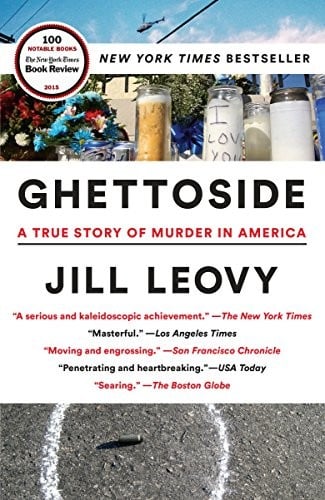
No. 55 on this list. Ghettoside
Jill Leovy · 2015
No. 56 on this list. Flash Boys
Michael Lewis · 2014
No. 57 on this list. London Falling: A Mysterious Death in a Gilded City and a Family's Search for Truth
Patrick Radden Keefe · 2026
No. 58 on this list. Missoula
Jon Krakauer · 2015
No. 59 on this list. On Grief: Love, Loss, Memory (Atlantic Editions)
Jennifer Senior · 2023
No. 60 on this list. The Perfect Storm
Sebastian Junger · 1997

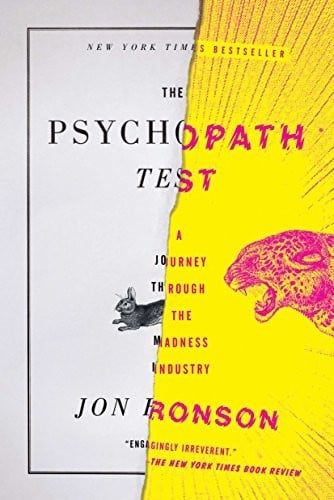
No. 61 on this list. The Psychopath Test
Jon Ronson · 2011
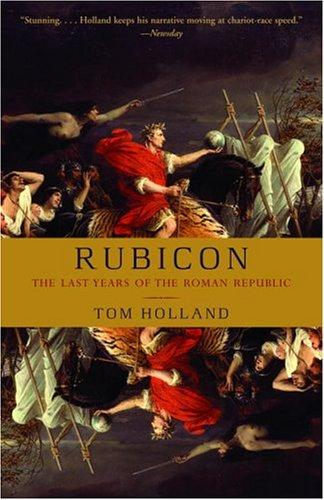
No. 62 on this list. Rubicon
Tom Holland · 2003
No. 63 on this list. Heller Weg: Geschichte eines Konzentrationslagers im Donbass 2017-2019 (Ukrainian Voices) (German Edition)
Stanislav Aseyev · 2021
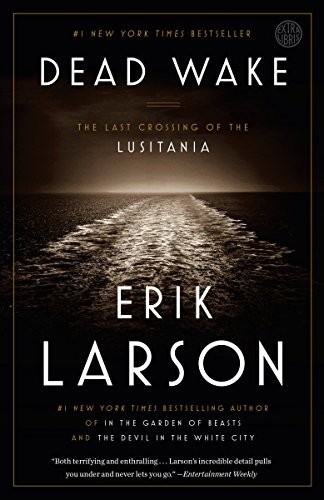
No. 64 on this list. Dead Wake
Erik Larson · 2015
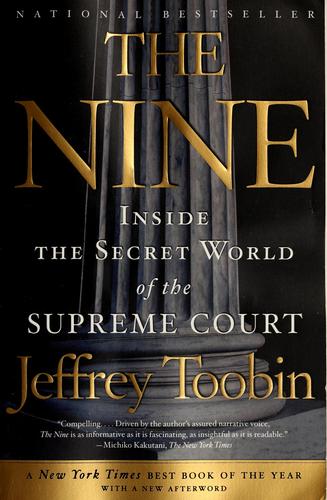
No. 65 on this list. The Nine
Jeffrey Toobin · 2007
No. 66 on this list. Midnight in the Garden of Good and Evil
John Berendt · 1994
No. 67 on this list. Alive
Piers Paul Read · 1974
No. 68 on this list. The Uninhabitable Earth
David Wallace-Wells · 2019
No. 69 on this list. Three Women
Lisa Taddeo · 2019
No. 70 on this list. Furious Hours: Murder, Fraud, and the Last Trial of Harper Lee
Casey Cep · 2019

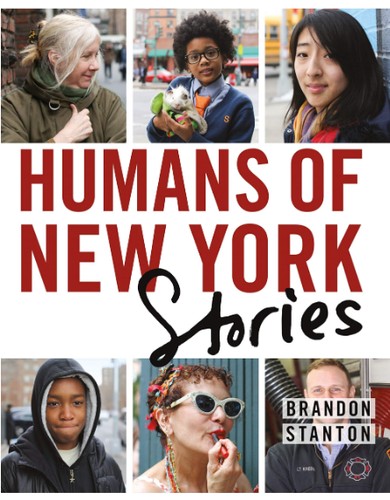
No. 71 on this list. Humans of New York: Stories
Brandon Stanton · 2015
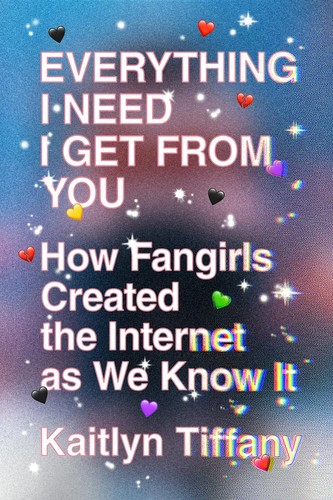
No. 72 on this list. Everything I Need I Get from You: How Fangirls Created the Internet as We Know It
Kaitlyn Tiffany · 2022
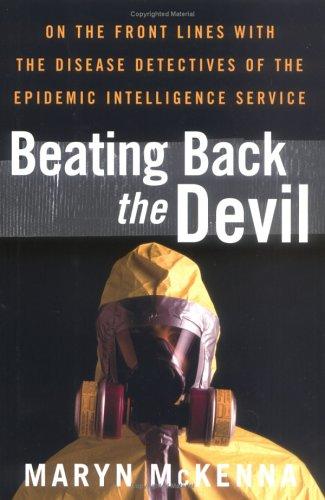
No. 73 on this list. Beating Back the Devil: On the Front Lines with the Disease Detectives of the Epidemic Intelligence Service
Maryn McKenna · 2004
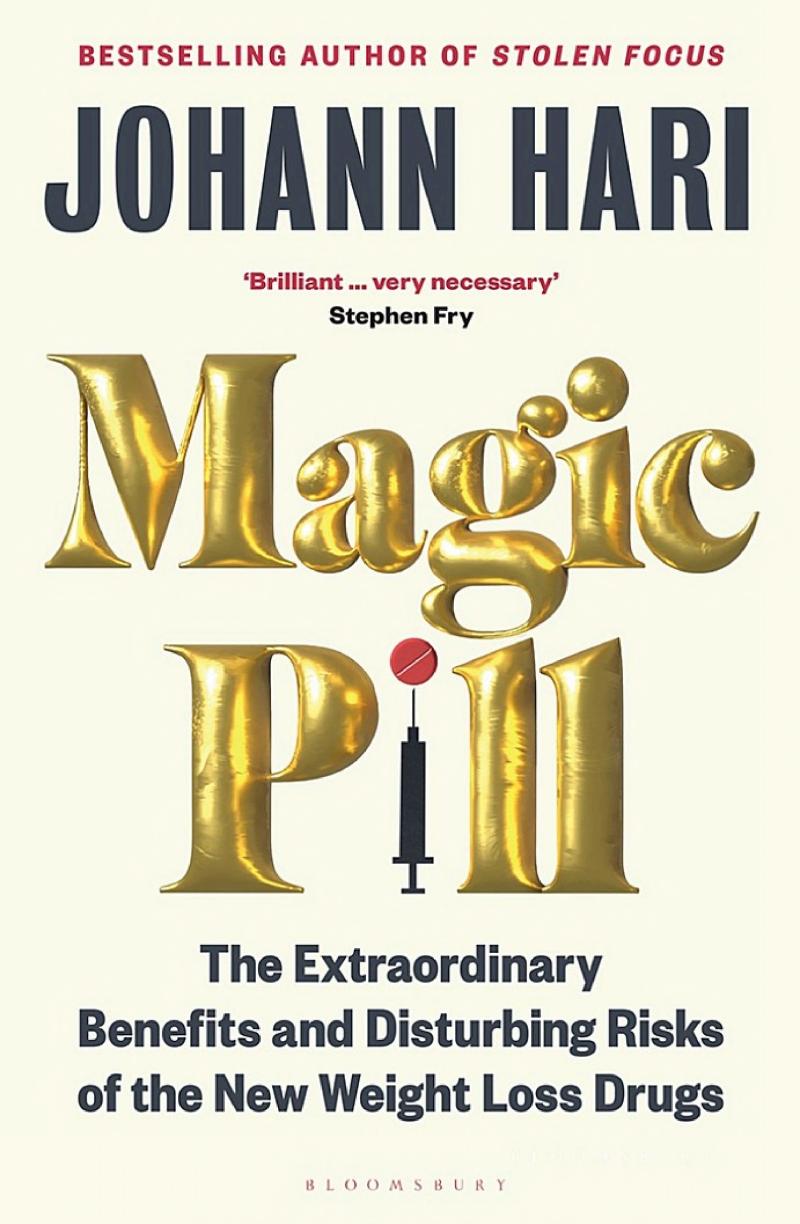
No. 74 on this list. Magic Pill: The Extraordinary Benefits and Disturbing Risks of the New Weight-Loss Drugs
Johann Hari · 2024
No. 75 on this list. Courtroom 302
Steve Bogira · 2005
No. 76 on this list. America the Vulnerable: Inside the New Threat Matrix of Digital Espionage, Crime, and Warfare
Joel Brenner · 2011
No. 77 on this list. Das Versagen - Eine investigative Geschichte der deutschen Russlandpolitik
Katja Gloger · 2025
No. 78 on this list. Kaput
Wolfgang Munchau · 2024
No. 79 on this list. Over There War Scenes on the Western Front
No. 80 on this list. Greyhound: A Memoir
Joanna Pocock · 2025


No. 81 on this list. Die Totengräber: Der letzte Winter der Weimarer Republik
Rüdiger Barth · 2018
No. 82 on this list. Careless People: A Cautionary Tale of Power, Greed, and Lost Idealism
Sarah Wynn-Williams · 2025
No. 83 on this list. Deutschland 2033: Ein Szenario
Justus Bender · 2026
No. 84 on this list. American Trickster: The Hidden Lives of Carlos Castaneda
Ru Marshall · 2026
No. 85 on this list. Fiend
Peter Stenson · 2013
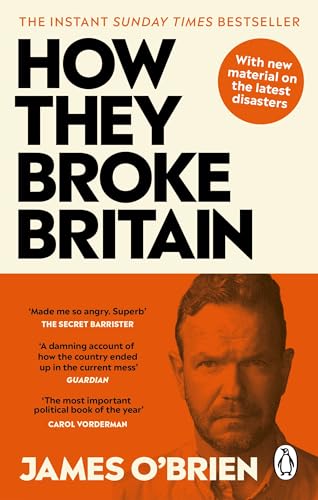
No. 86 on this list. How They Broke Britain
James O'Brien · 2023
No. 87 on this list. Broken Plea: The Explosive Search for Truth Behind the Idaho Murders
Christopher Whitcomb · 2026
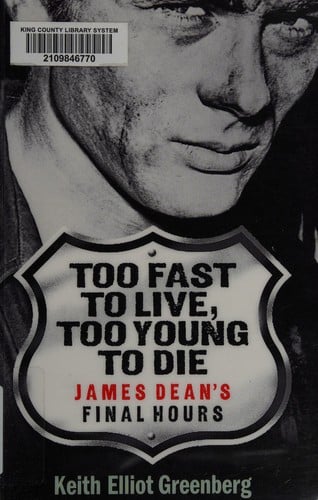
No. 88 on this list. Too Fast to Live, Too Young to Die: James Dean's Final Hours (Applause Books)
Keith Elliot Greenberg · 2015
No. 89 on this list. On Misdirection: Magic, Mayhem, American Politics (Atlantic Editions)
Megan Garber · 2023
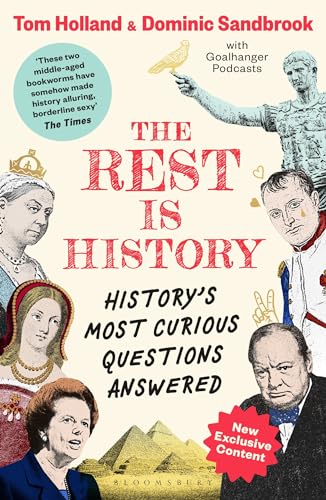
No. 90 on this list. The Rest is History: The Official Book from the Makers of the Hit Podcast
Tom Holland · 2023




About this list
These 91 books are the highest-scoring eligible books of journalism and reportage currently in the catalogue. About 462 hours of reading in all, for the 82 with measured lengths. Difficulty runs from 23 to 36 out of 100 for the middle half of the list; the summit is Speak, Memory at 67.
This list is ranked by literary regard, with a consistent order for equal scores. Membership follows authors and co-authors, not translators or editors. A book is here when ReadingRate files it under Journalism & Reportage as one of its primary reading domains. Catalogue coverage and the historical canon both limit what this list can represent.
When we matched the Canons dataset to our catalogue in October 2026, our canonical-status scores rose with the number of school curricula, publisher series and lists in it that cite a work: the median score was 72 for books one such source cites, 84 at two, 88 at three, 92 at four and 93 at five or more. Prizes are left out of that count. Outside the state curricula, the dataset’s sources choose mostly from what has been translated into English or French, so it is a weaker check on other literatures. Source: Canons (Andrew Piper), CC BY 4.0
Questions people actually ask
- What are the best books of journalism and reportage?
- By literary regard, which weighs canonical status, critical standing and influence: The Gulag Archipelago by Aleksandr Solzhenitsyn, One Day in the Life of Ivan Denisovich by Aleksandr Solzhenitsyn, The New Journalism by Tom Wolfe, Survival in Auschwitz by Primo Levi and Hiroshima by John Hersey. ReadingRate ranks 91 such books, each with a difficulty score and a reading-time estimate.
- Which books of journalism and reportage should I read first?
- Start from difficulty, not from rank. The most approachable books on this list that still carry top literary regard are The Journalist and the Murderer by Janet Malcolm (about 2.5 hours), The New Journalism by Tom Wolfe and One Day in the Life of Ivan Denisovich by Aleksandr Solzhenitsyn.
- What are the shortest of the best books of journalism and reportage?
- Among the top 25, the shortest are Hiroshima by John Hersey (about 2.6 hours), The Journalist and the Murderer by Janet Malcolm (about 2.5 hours) and Down and Out in Paris and London by George Orwell (about 2.5 hours), at an average pace of 250 words a minute adjusted for each book's difficulty.
- Which of the best books of journalism and reportage are the established classics?
- By canonical status, how firmly a book sits in curricula, anthologies and the canon: The Gulag Archipelago by Aleksandr Solzhenitsyn, The New Journalism by Tom Wolfe, One Day in the Life of Ivan Denisovich by Aleksandr Solzhenitsyn, Survival in Auschwitz by Primo Levi and Hiroshima by John Hersey.
- How long would it take to read the top ten?
- About 60 hours for the 9 with measured lengths, at an average pace of 250 words a minute adjusted for each book's difficulty: 30 days at two hours a day. Set your own pace on the page and the list's reading times change to it.
- How hard are books of journalism and reportage to read?
- Most of this list sits between 23 and 36 on ReadingRate's 100-point difficulty scale, where 40 to 55 is moderate. The summit is Speak, Memory at 67. Every entry carries its own score, so a reader can pick a great book at a difficulty they will finish.
- How is this list ranked?
- On literary-regard data: how canonically established a work is, its critical standing, and its influence on later writing. It is not a readers’ poll, which is why recent bestsellers rarely appear. Membership follows authors and co-authors, not translators or editors. Lists by country, author, period, theme or difficulty keep to literature (fiction, poetry, drama and philosophy), their novels, poems and plays first and their philosophy after them; a list of a kind of book, such as memoir or criticism, keeps every book of that kind. Every list holds at most three works by one author. A book is here when ReadingRate files it under Journalism & Reportage as one of its primary reading domains.