Hours at an average pace
Showing 30 books
About 121 hours for 30 of 30 books with measured lengths. Estimates use 250 words a minute, adjusted for each book's difficulty. At 2 hours a day, about 61 days for those books.
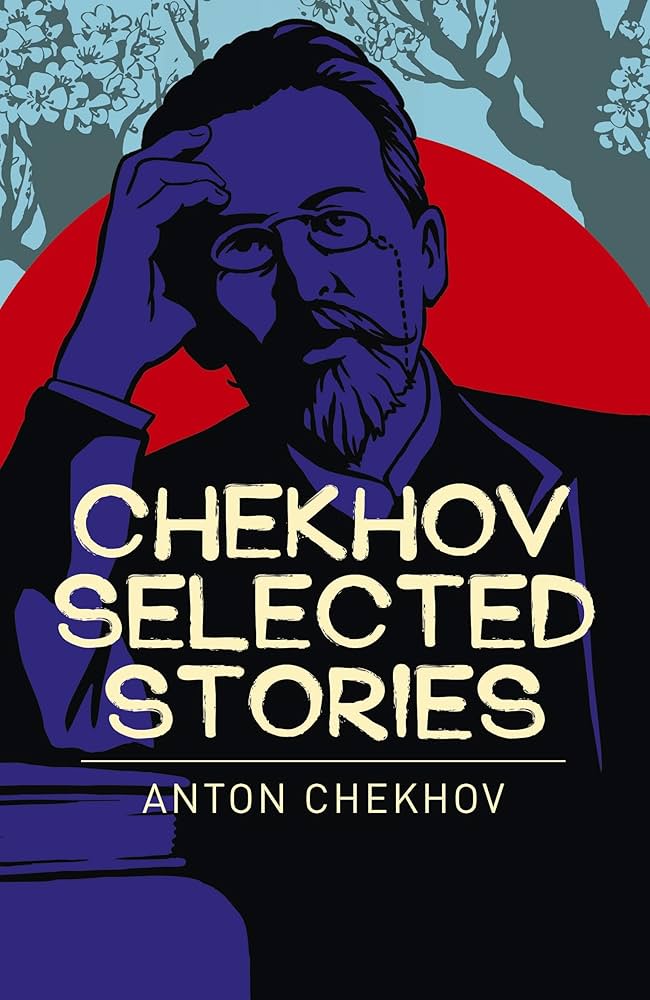
Chekhov anchors the short-story unit of virtually every world-literature and creative-writing syllabus in the English-speaking world, and "The Lady with the Dog," "Gooseberries," and "Ward No. 6" are among the most frequently anthologized stories in any language. Our database has no syllabus or Wikipedia-language data recorded against this specific collection entry, but that reflects the absence of one fixed "Selected Stories" edition to track rather than any gap in his standing.
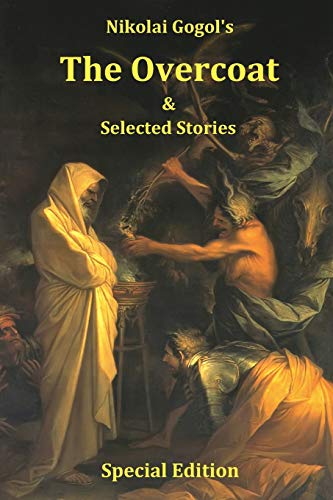
No. 2 on this list. The Overcoat
Nikolai Gogol · 1842
Challenging59 min
Taught in schools: Kazakh literature curriculum (Kazakhstan), Montenegrin literature curriculum (crnogorski jezik i književnost) (Montenegro), Russian FGOS literature standard
"The Overcoat" is one of the most canonical short works in world literature, with a Wikipedia article available in 36 languages. It is standard reading in Russian literature courses and world literature surveys at universities globally. Dostoevsky's declaration that all Russian literature emerged from Gogol's overcoat has enshrined it as a foundational text for nearly two centuries.
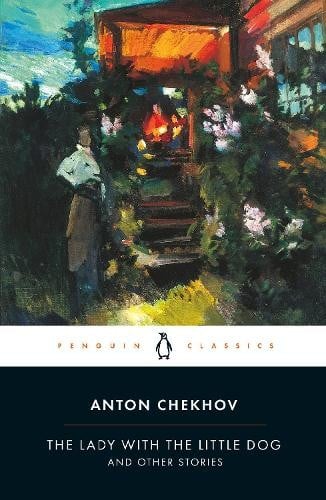
No. 3 on this list. The Lady with the Dog
Anton Chekhov · 1899
Challenging32 min
Taught in schools: Russian FGOS literature standard
Among the most anthologized and taught short stories in any language, a staple of fiction courses and writing workshops. It is frequently named as the greatest short story ever written.
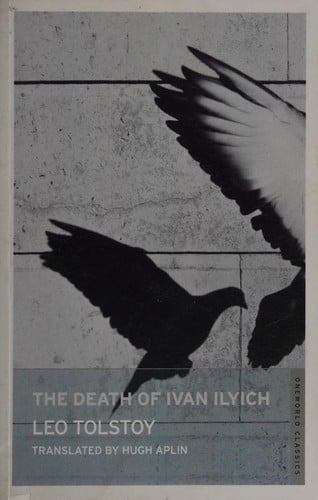
No. 4 on this list. The Death of Ivan Ilyich
Leo Tolstoy · 1886
Moderate1.2 hours
Taught in schools: Hungarian literature curriculum (magyar nyelv és irodalom) (Hungary), Russian FGOS literature standard
Included in: Bokklubben World Library
Universally regarded as one of the greatest novellas ever written. Studied across literature and philosophy courses.
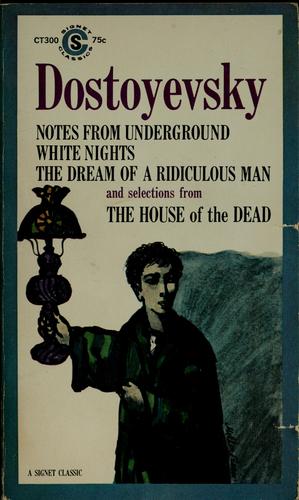
No. 5 on this list. Notes from Underground
Fyodor Dostoevsky · 1864
Challenging3.9 hours
Taught in schools: Russian FGOS literature standard
A nameless narrator speaks from his "underground"—a state of consciousness defined by spite, self-contradiction, and rejection of rational self-interest. In the first part, he attacks the progressive utopianism of his age, arguing that humans will always choose suffering and irrationality over happiness if it preserves their freedom. In the second, he recalls humiliating episodes from his youth that demonstrate his theories in action. The Underground Man is vain, cruel, paralyzed by self-awareness, yet somehow sympathetic in his honesty about what he calls the "dark cellar" of human consciousness. Written before Dostoevsky's great novels, this novella established the themes and voice he would develop: the critique of rationalism, the psychology of perversity, the search for authentic existence in a world of ideologies.
A Sportsman's Sketches is a cornerstone of 19th-century Russian literature, widely taught in world literature and Russian literature courses globally. Tsar Alexander II credited it with helping shift opinion toward the emancipation of serfs — a rare case of a literary work altering the course of national policy. Though formal syllabus data is absent from this database, its presence in curricula from Moscow to Michigan is well-documented across 170 years of continuous republication.
The Kreutzer Sonata holds a firm place in university curricula for Russian literature, world literature, and gender studies courses. While less taught than Anna Karenina or War and Peace, it appears consistently as required reading in Tolstoy surveys and 19th-century European fiction courses. Its inclusion in countless 'essential Tolstoy' and world literature reading lists reflects its canonical standing.
The Queen of Spades is a cornerstone of Russian literature curricula worldwide and one of the most-taught short fictions in Slavic studies programs. The Wikipedia article appears in 16 languages, reflecting significant global reach for a short story. Pushkin's tale is included in virtually every survey of Russian literature and in many world literature anthologies alongside Chekhov and Gogol.
Appears in virtually every Russian literature anthology and is widely taught in university Slavic studies and comparative literature courses. One of Gogol's most-reprinted works alongside The Overcoat and The Nose, part of the Petersburg Tales cycle that defines the genre of the Russian fantastical-realist short story. No database entries captured, but this reflects data-collection gaps rather than canonical status.
No. 10 on this list. The Nose
Nikolai Gogol · 1836
Challenging51 min
Taught in schools: Hungarian literature curriculum (magyar nyelv és irodalom) (Hungary)
On the morning of 25 March, St. Petersburg barber Ivan Yakovlevitch slices open a breakfast roll and finds a human nose inside. The nose belongs to Collegiate Assessor Kovalev, who wakes that same morning to find his face blank where his nose used to be. The nose, meanwhile, has assumed the uniform of a State Councillor — outranking Kovalev — and moves through the city's social machinery with perfect bureaucratic confidence. Gogol tells all of this with the flat voice of a Petersburg gazette. The supernatural premise arrives without ceremony and departs the same way. Kovalev does not go mad; he files paperwork. His distress is social, not existential: without a nose, he cannot visit the Chequer's Marchioness on Fontanka Street, pursue a marriage prospect, or hold his head at the right angle. The nose simply has better rank. At thirty pages, this is one of Russian literature's most precisely calibrated jokes about status, bureaucracy, and the fragility of identity in a hierarchical society. Gogol ends by confessing that the whole story makes no sense, then publishes it anyway. That meta-fictional shrug is part of the argument. Kafka read Gogol. It shows.
No. 11 on this list. Hadji Murad · Leo Tolstoy · 1912
Regarded by many critics as Tolstoy's finest short work and among the greatest novellas ever written. Bloom's endorsement and its anthologization ensure its canonical place.
Moderate2.3 hours
Start this bookNo. 12 on this list. Ward No. 6 · Anton Chekhov · 1892
One of Chekhov's most widely read longer stories, standard in Russian literature courses and in collections of his work. Lenin's sister recalled that after reading it he felt as if he too were locked in Ward No. 6.
Moderate1 hours
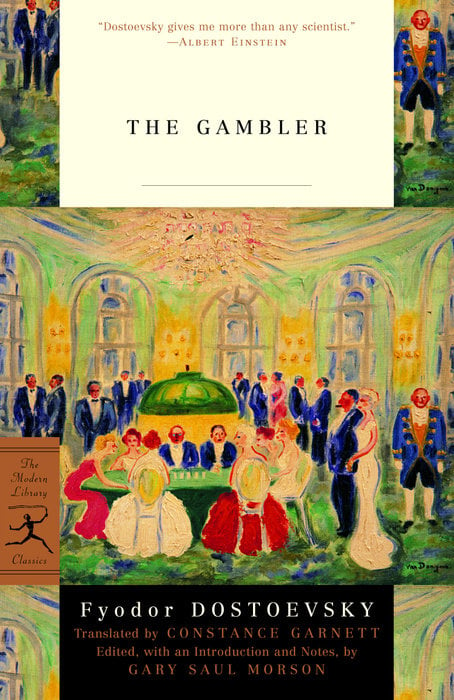
Start this bookNo. 13 on this list. The Gambler · Fyodor Dostoevsky · 1867
The Gambler is a recognized work within the Dostoevsky canon, taught in comparative literature and Russian literature courses worldwide. It occupies a firm place in the study of 19th-century fiction and the psychology of addiction, though it is consistently overshadowed by Dostoevsky's longer novels on general syllabi. No Wikipedia data was returned, but the novella's inclusion in major collected editions and its translation into dozens of languages confirms steady canonical standing.
Moderate4 hours
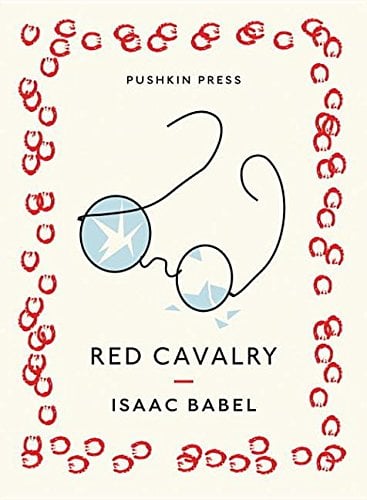
Read nowNo. 14 on this list. Red Cavalry · Isaac Babel · 1926
Isaac Babel spent six weeks riding with Budyonny's First Cavalry Army during the 1920 Polish-Soviet War and came back with thirty-five stories that read like dispatches from a world being destroyed while it still believes itself alive. The narrator, Lyutov — a bespectacled Jewish intellectual from Odessa — rides with Cossacks who slaughter without hesitation and then sleep soundly, and he watches them with a hunger he never admits and a horror he never names. In 'My First Goose,' Lyutov kills a goose to prove himself worthy of his billet; the act costs him something the story refuses to specify. In 'The Rabbi's Son,' a young Hasidic revolutionary dies clutching manuscripts of Hebrew poetry alongside Communist pamphlets. Babel writes in sentences so compressed they feel pressurized — the lyrical and the brutal occupy the same clause without canceling each other out. A dying horse, a looted synagogue, a father shot by his son: each image arrives exact and then Babel moves on, leaving the weight for the reader to carry. The collection refuses to resolve whether the revolution justified its violence, whether Lyutov ever earned his place among the Cossacks, or whether the Jewish civilization being trampled deserved to survive. Babel was arrested in 1939 and shot in 1940. These stories are what he left.
Challenging4.2 hours
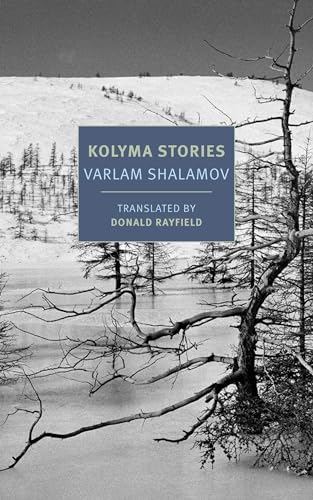
Start this bookNo. 15 on this list. Kolyma Tales · Varlam Shalamov · 1978
Recognized as one of the definitive literary works about the Soviet Gulag and a masterpiece of twentieth-century short fiction.
Easy11 hours
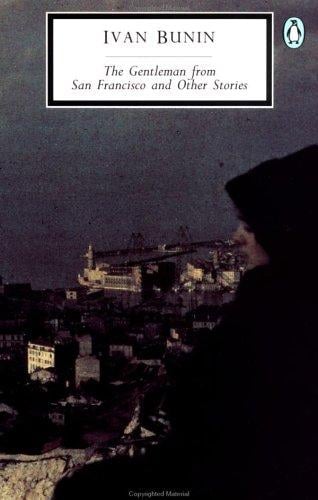
Start this bookNo. 16 on this list. The Gentleman from San Francisco · Ivan Bunin · 1915
Taught in schools: Russian FGOS literature standard
Widely anthologized in world literature and modern short fiction courses; appears alongside Chekhov, Mann's 'Death in Venice,' and Conrad in comparative literature syllabi internationally. The story is a fixture of Russian literature curricula and appears in major English-language world literature anthologies (Norton, Penguin Classics). Not at the mass-curriculum level of Hamlet or Gatsby but firmly positioned as essential reading in its genre.
Challenging55 min
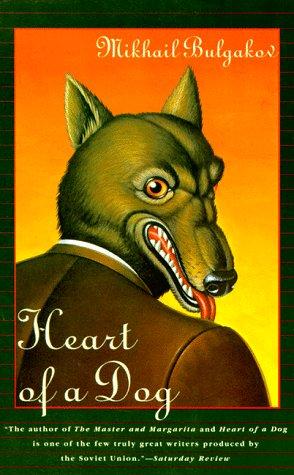
Start this bookNo. 17 on this list. Heart of a Dog · Mikhail Bulgakov · 1925
Heart of a Dog is a fixture in world literature and Russian literature courses at universities across Europe, North America, and beyond. Suppressed in the Soviet Union until 1987, its belated publication intensified its canonical status as an essential document of Soviet-era dissent. It appears in dozens of Wikipedia languages and on syllabi covering 20th-century European fiction and political satire.
Difficult3.8 hours
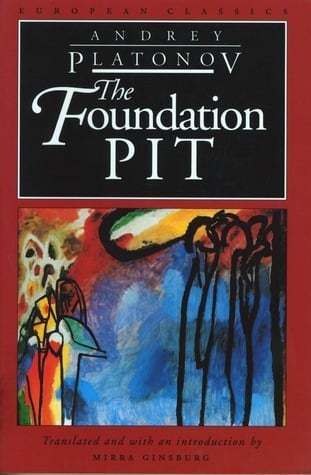
Start this bookNo. 18 on this list. The Foundation Pit · Andrei Platonov · 1973
Recognized as one of the masterpieces of Soviet-era literature and a landmark of anti-utopian fiction.
Challenging3.3 hours
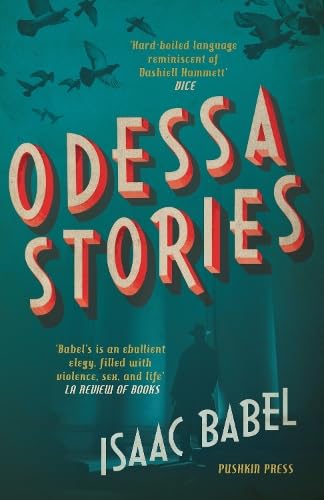
Start this bookNo. 19 on this list. Odessa Tales · Isaac Babel · 1931
A celebrated work of Russian and Jewish literature, widely anthologized and studied alongside Red Cavalry.
Easy1.1 hours
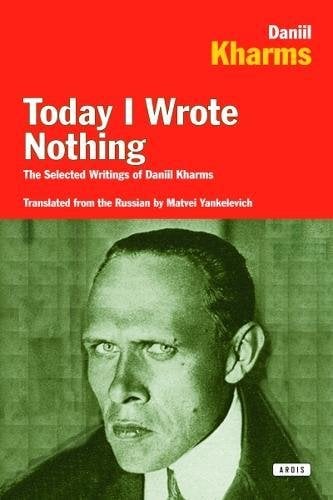
Start this bookNo. 20 on this list. Today I Wrote Nothing · Daniil Kharms
Kharms appears on university syllabi in Russian literature, 20th-century avant-garde, and experimental fiction courses, though not as widely as canonical Soviet-era figures. No syllabus data was returned for this specific anthology. His work has entered secondary anthologies of world literature and avant-garde studies, securing a specialized but not mainstream canonical position.
Difficult6.6 hours
Start this book
No. 21 on this list. The Dream of a Ridiculous Man · Fyodor Dostoevsky · 1877
It is widely anthologized and taught in Russian literature and existentialism courses, but sits below the great novels in curricula.
Moderate32 min
Start this bookNo. 22 on this list. Lady Macbeth of Mtsensk · Nikolai Leskov · 1865
Taught in schools: Russian FGOS literature standard
"Lady Macbeth of Mtsensk" is taught regularly in Russian and Slavic literature courses at universities worldwide and appears on most curated lists of essential Russian fiction. No syllabus data was found in the database, but the work's prominence in Slavic studies is well established. The Shostakovich opera adaptation has kept the novella in continuous cultural circulation since its 1934 premiere.
Challenging16 hours
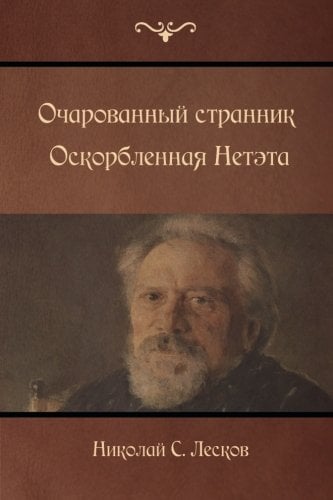
Start this bookNo. 23 on this list. The Enchanted Wanderer · Nikolai Leskov · 1873
Taught in schools: Russian FGOS literature standard
The Enchanted Wanderer is a cornerstone of Russian literature instruction within Russia and is regularly included in world literature anthologies abroad. It appears in comparative literature and 19th-century Russian fiction courses internationally, though its global syllabus penetration falls well below Tolstoy and Dostoevsky. Leskov's work experienced a revival in Russian scholarly interest during the Soviet era and retains strong canonical standing in Slavic studies.
Difficult9.4 hours
Start this bookNo. 24 on this list. Morphine · Mikhail Bulgakov · 1927
Morphine is a well-regarded work within Russian literature courses and Bulgakov studies, though it occupies a secondary position behind The Master and Margarita. No syllabus data is available in the database, but the novella appears in Russian and world literature curricula as part of Bulgakov's early prose cycle. It does not approach the canonical status of Bulgakov's masterwork.
Difficult1.2 hours
Start this bookNo. 25 on this list. The Suitcase · Sergei Dovlatov · 1986
No syllabus or Wikipedia data found in the database, but The Suitcase is widely considered a classic of Russian émigré literature and is regularly assigned in Slavic studies and world literature courses internationally. It enjoys a strong reputation in post-Soviet Russia, where Dovlatov was rehabilitated and became a canonical figure after his death.
Challenging2.4 hours
Start this bookNo. 26 on this list. Soul · Andrei Platonov · 1964
Less well known than The Foundation Pit or Chevengur but increasingly recognized as one of Platonov's finest achievements.
Moderate2.5 hours
Start this bookNo. 27 on this list. A Country Doctor's Notebook · Mikhail Bulgakov · 1926
No syllabus or Wikipedia data was retrieved for this specific work. Based on broader knowledge, A Country Doctor's Notebook appears in Russian literature and Slavic studies courses but is not a curriculum fixture — it is overshadowed by Bulgakov's own The Master and Margarita. Its canonical standing is solid within the Russian literary tradition but limited internationally.
Challenging3.7 hours
Start this bookNo. 28 on this list. Spring Torrents · Ivan Turgenev · 1872
Spring Torrents is a respected but secondary entry in Turgenev's canon, overshadowed by Fathers and Sons and A Sportsman's Sketches in university curricula. No syllabus data is available, and Wikipedia coverage is limited; the novella appears occasionally in world literature and Russian literature survey courses, but rarely anchors a syllabus on its own.
Challenging8.6 hours
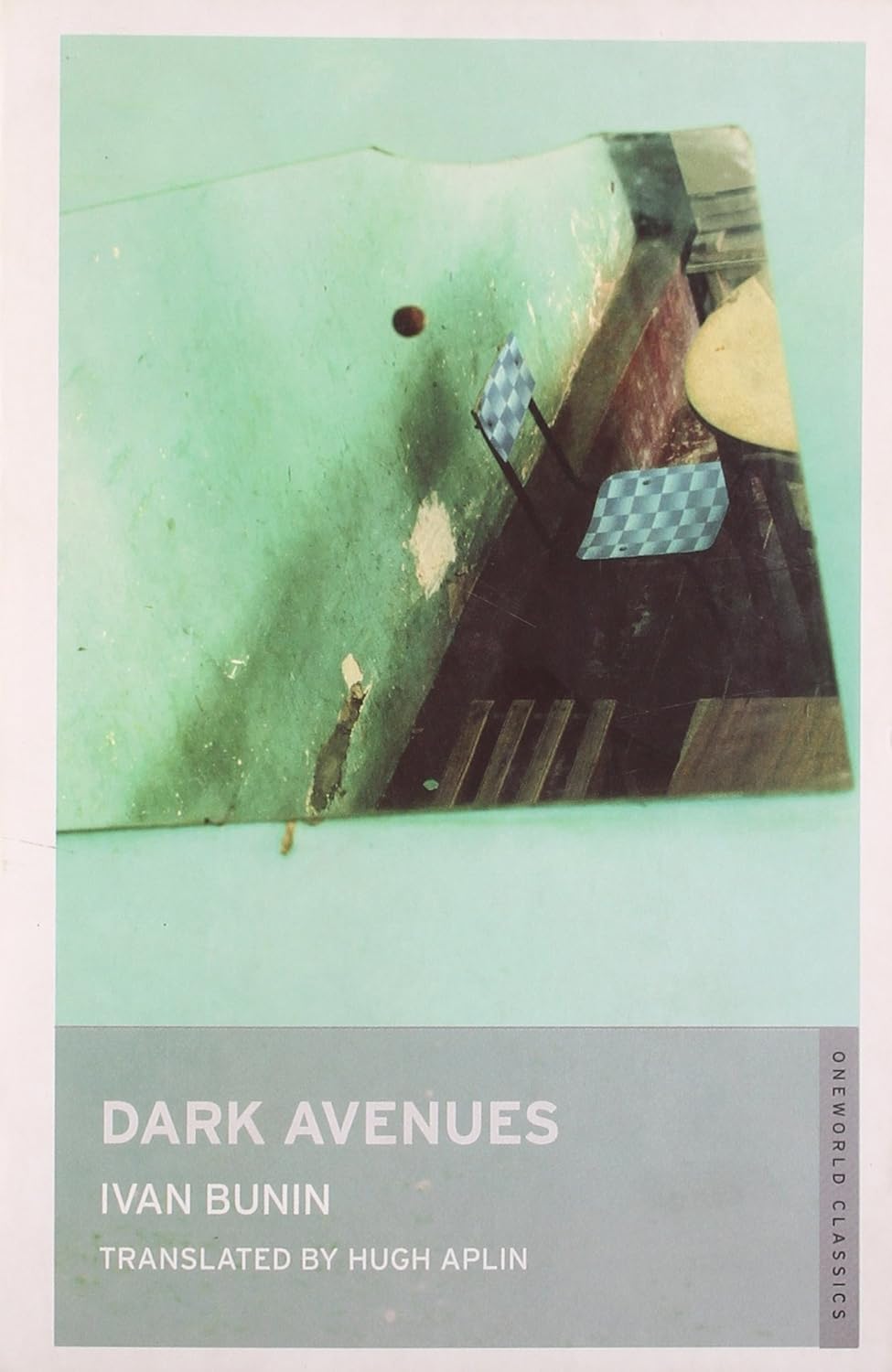
Start this bookNo. 29 on this list. Dark Avenues · Ivan Bunin · 1946
Thirty-eight stories of love and loss unfold across pre-revolutionary and Soviet Russia, from aristocratic estates to Parisian exile. Bunin's men and women meet in railway carriages, country houses, and cheap hotels, their passions flaring against the darkness of history. Written in emigration, these sensuous, melancholy tales are a farewell to a vanished world.
Moderate5 hours
Start this bookNo. 30 on this list. Владимир Сорокин · Владимир Георгиевич Сорокин · 1992
The record shows no prizes, syllabi data or editions for this particular volume, only a 1992 Moscow publication by Русслит. As a minor collection by a notable author, it rates as niche.
Moderate2.7 hours
Start this book

About this list
These 30 books are the highest-scoring eligible short story collections from Russia currently in the catalogue. About 121 hours of reading in all. Difficulty runs from 49 to 68 out of 100 for the middle half of the list; the summit is The Enchanted Wanderer at 74.
This list is ranked by literary regard, with a consistent order for equal scores. Membership follows authors and co-authors, not translators or editors. Catalogue coverage and the historical canon both limit what this list can represent, and genre labels are the catalogue’s own, gathered into broader kinds.
When we matched the Canons dataset to our catalogue in October 2026, our canonical-status scores rose with the number of school curricula, publisher series and lists in it that cite a work: the median score was 72 for books one such source cites, 84 at two, 88 at three, 92 at four and 93 at five or more. Prizes are left out of that count. Outside the state curricula, the dataset’s sources choose mostly from what has been translated into English or French, so it is a weaker check on other literatures. Source: Canons (Andrew Piper), CC BY 4.0
Questions people actually ask
- What are the best short story collections from Russia?
- By literary regard, which weighs canonical status, critical standing and influence: Selected Stories by Anton Chekhov, The Overcoat by Nikolai Gogol, The Lady with the Dog by Anton Chekhov, The Death of Ivan Ilyich by Leo Tolstoy and Notes from Underground by Fyodor Dostoevsky. ReadingRate ranks 30 such books, each with a difficulty score and a reading-time estimate.
- Which short story collections from Russia should I read first?
- Start from difficulty, not from rank. The most approachable books on this list that still carry top literary regard are The Death of Ivan Ilyich by Leo Tolstoy (about 1.2 hours), The Queen of Spades by Alexander Pushkin and Hadji Murad by Leo Tolstoy.
- What are the shortest of the best short story collections from Russia?
- Among the top 25, the shortest are The Lady with the Dog by Anton Chekhov (about 32 min), The Dream of a Ridiculous Man by Fyodor Dostoevsky (about 32 min) and The Queen of Spades by Alexander Pushkin (about 32 min), at an average pace of 250 words a minute adjusted for each book's difficulty.
- Which of the best short story collections from Russia are the established classics?
- By canonical status, how firmly a book sits in curricula, anthologies and the canon: Selected Stories by Anton Chekhov, The Overcoat by Nikolai Gogol, The Lady with the Dog by Anton Chekhov, Notes from Underground by Fyodor Dostoevsky and The Death of Ivan Ilyich by Leo Tolstoy.
- Can I read any of these short story collections from Russia for free?
- 4 of the 30 open in ReadingRate's reader with a free account, from public-domain editions: The Lady with the Dog, Notes from Underground, The Kreutzer Sonata and The Gambler.
- How long would it take to read the top ten?
- About 31 hours, at an average pace of 250 words a minute adjusted for each book's difficulty: 16 days at two hours a day. Set your own pace on the page and the list's reading times change to it.
- How hard are short story collections from Russia to read?
- Most of this list sits between 49 and 68 on ReadingRate's 100-point difficulty scale, where 40 to 55 is moderate. The summit is The Enchanted Wanderer at 74. Every entry carries its own score, so a reader can pick a great book at a difficulty they will finish.
- How is this list ranked?
- On literary-regard data: how canonically established a work is, its critical standing, and its influence on later writing. It is not a readers’ poll, which is why recent bestsellers rarely appear. Membership follows authors and co-authors, not translators or editors. Lists by country, author, period, theme or difficulty keep to literature: fiction, poetry and drama, with no philosophy, criticism or theory. A list of a kind of book, such as philosophy, memoir or criticism, keeps every book of that kind. Every list holds at most three works by one author.