Hours at an average pace
Showing 100 books
About 530 hours for 95 of 100 books with measured lengths. Estimates use 250 words a minute, adjusted for each book's difficulty. At 2 hours a day, about 265 days for those books.
Appears on thousands of sociology, communication studies, and social psychology syllabi worldwide and is the foundational text for dramaturgical theory in social science. No comparable introduction to microsociology is as widely assigned across disciplines — sociology, anthropology, communication, performance studies, and cultural theory all treat it as required reading.
Administrative Behavior is foundational in organizational theory and public administration curricula worldwide. It is assigned in business schools, public policy programs, and political science departments as a standard text. Simon received the Nobel Prize in Economics in 1978 partly on the basis of the theory of bounded rationality developed here, cementing the book's place in the canonical literature of multiple disciplines.
Joseph Campbell opens with a Freudian reading of an Arapaho folktale and never looks back. A woman falls through a hole in the sky while digging up a buffalo plant. An Aztec prince descends into the underworld to retrieve the bones of the dead. A Polynesian hero is swallowed by a whale. Campbell lines up hundreds of these stories from six continents and argues they are all the same story: a hero ventures from the ordinary world into a region of supernatural wonder, wins a decisive victory, and returns transformed. He calls this the monomyth — departure, initiation, return — and maps each stage with taxonomic precision: the Call to Adventure, the Belly of the Whale, the Meeting with the Goddess, the Apotheosis. The comparative method is relentless. A Navaho vision quest illuminates the Buddha's meditation under the Bo Tree, which rhymes with Christ's temptation in the desert. Campbell reads all of it through Jung and Freud, treating gods as projections of the psyche and mythic journeys as metaphors for psychological maturation. The second half widens from the individual hero to the cosmos itself — creation, virgin birth, the dissolution of worlds. The prose is mid-century academic, formal but clear, carried by the momentum of one extraordinary story after another. Readers who want to know why myths from unrelated cultures keep telling the same story will find Campbell's answer here, built from the evidence itself.
A standard text across linguistics, philosophy and cognitive science.
A foundational text in design education, required reading in virtually every industrial design, HCI, and UX program worldwide. The book has remained continuously in print since 1988 and appears on thousands of university syllabi across engineering, psychology, and design departments.
No. 6 on this list. Coming of Age in Samoa: A Psychological Study of Primitive Youth for Western Civilisation
Margaret Mead · 2001
Easy4.5 hours
Widely assigned in anthropology and gender-studies courses, and a standard case in debates over method. Its place is secured as much by the Freeman controversy as by the text.
Ranked by literary regard among eligible works in the current catalogue. This position reflects the available catalogue evidence.
William James delivered these twenty lectures at the University of Edinburgh in 1901 and 1902 with a declared method: study religion not through theology or institutional history, but through the private testimony of individuals who have felt it acutely. He wanted the raw material—George Fox walking barefoot through Lichfield in winter, crying 'Wo to the bloody city!'; Saint Teresa's account of her visions; anonymous correspondents describing the sudden loss of a felt connection to something larger than themselves. The organizing argument is a defense of religious experience against what James calls medical materialism—the habit of dismissing mystical states by pointing to their neurological origins, as though epilepsy explained Saint Paul's vision on the Damascus road. James counters that all mental states, including scientific ones, have organic causes; the question of value must be answered on different grounds. His criterion: by their fruits, not their roots. The book maps varieties of religious consciousness—the healthy-minded who see goodness everywhere, the sick souls who cannot; conversion as psychological transformation; the mystical state as a genus with recognizable features across traditions. James treats Buddhist, Christian, Stoic, and New Thought testimonies as data points in the same inquiry. The prose is formal Victorian academic English, long-sentenced and densely qualified, but James keeps pulling back toward concrete cases. This is philosophy that takes human experience seriously enough to quote it at length.
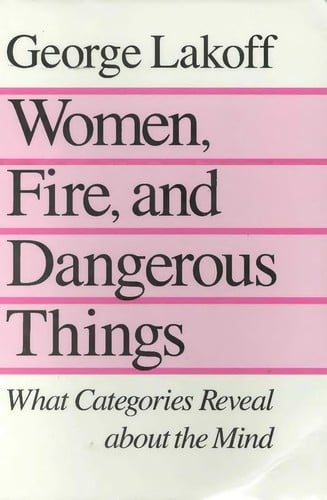
No. 9 on this list. Women, Fire, and Dangerous Things: What Categories Reveal about the Mind
George Lakoff · 1990
Challenging18 hours
A standard reference in cognitive linguistics and categorisation.
In 1961, Stanley Milgram ran a simple experiment at Yale University. A volunteer sat in front of a shock generator with thirty labeled switches, from 15 volts to 450 volts. An experimenter in a lab coat instructed the volunteer to administer shocks to a stranger in the next room whenever the stranger answered a question incorrectly. The stranger screamed. The volunteer continued. Two-thirds of ordinary Americans delivered what they believed to be potentially lethal shocks because a man in authority told them to keep going. Milgram's account of these experiments is spare and methodical, walking through eighteen variations — what happens when the victim is in the same room, when the authority figure leaves, when other volunteers rebel, when the authority is a corporation rather than a university. Each variation peels away another excuse. It is not distance, not personality, not some German pathology. The mechanism is structural: people enter what Milgram calls the "agentic state," subordinating their own judgment to the hierarchy they find themselves in. The book is not comfortable reading, because its conclusions apply to the reader as readily as to anyone else. What makes it stick, fifty years later, is Milgram's refusal to look away from what he found — and his insistence that understanding the mechanism is the first step toward resisting it.
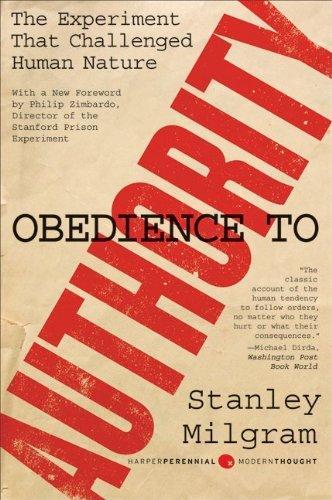
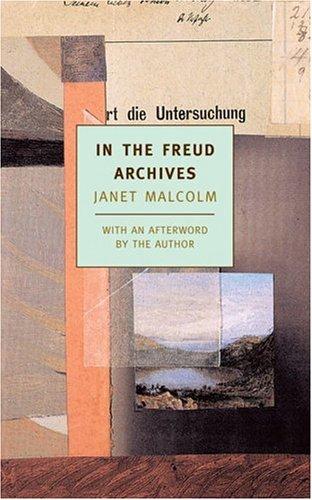
No. 11 on this list. In the Freud Archives · Janet Malcolm · 1984
Highly regarded among readers of literary journalism. Less widely known than The Journalist and the Murderer but considered by some critics to be Malcolm's finest book.
Moderate3.6 hours
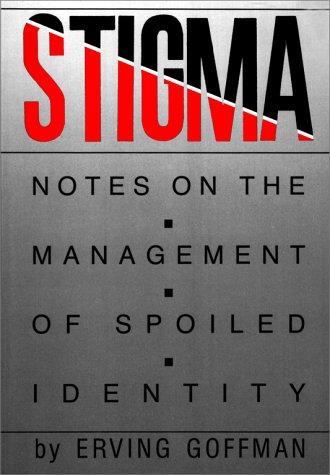
Start this bookNo. 12 on this list. Stigma · Erving Goffman · 1963
One of the most cited works in sociology. Foundational in disability and identity studies.
Easy4.1 hours
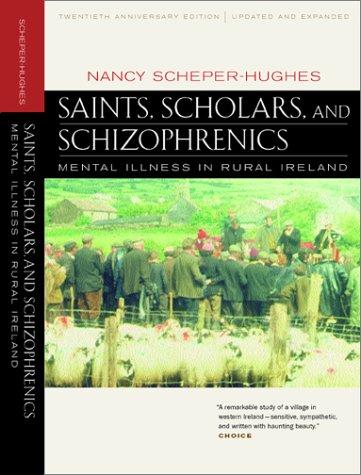
Start this bookNo. 13 on this list. Saints, Scholars, and Schizophrenics: Mental Illness in Rural Ireland, Twentieth Anniversary Edition, Updated and Expanded · Nancy Scheper-Hughes · 1979
A landmark ethnography, still assigned in medical anthropology.
Challenging9.4 hours
Start this bookNo. 14 on this list. Upheavals of Thought: The Intelligence of Emotions · Martha C. Nussbaum · 2001
Standard graduate reading in ethics and philosophy of emotion.
Difficult25 hours
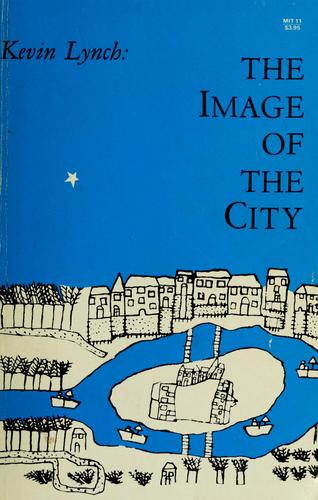
Start this bookNo. 15 on this list. The Image of the City · Kevin Lynch · 1960
Foundational text of urban design. One of the most cited in the field.
Easy2.2 hours
Start this bookNo. 16 on this list. All Desire is a Desire for Being · René Girard · 2023
A selection from a body of work taught across literature, anthropology and theology.
Challenging
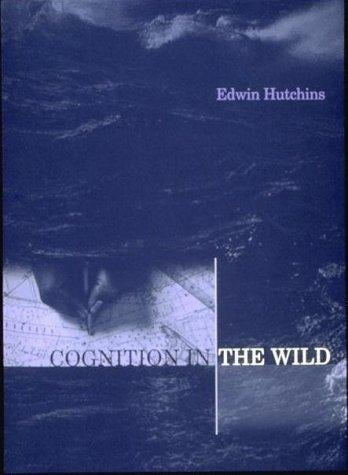
Start this bookNo. 17 on this list. Cognition in the Wild · Edwin Hutchins · 1995
Standard reading in cognitive science and human-computer interaction.
Challenging10 hours
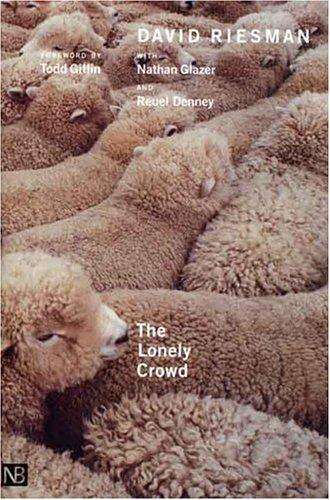
Start this bookNo. 18 on this list. The Lonely Crowd · David Riesman · 1950
The bestselling sociology book in American history. Defined an era.
Challenging9.3 hours
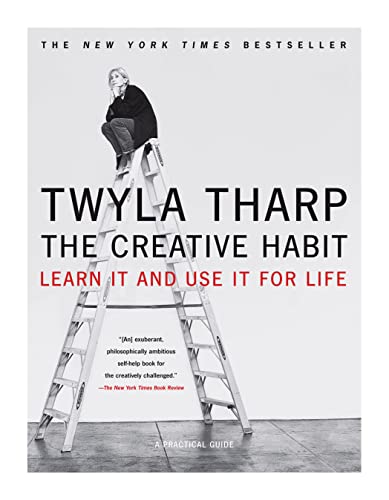
Start this bookNo. 19 on this list. The Creative Habit: Learn It and Use It for Life · Twyla Tharp · 2003
The Creative Habit holds no place in the literary canon but has become a standard text within the creativity and self-help genre, widely read by practitioners across the arts and business. It is not assigned in literary syllabi but appears regularly on recommended reading lists in design schools, MFA programs, and creative industries.
Easy3.8 hours
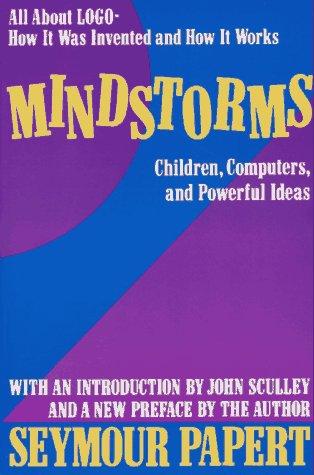
Start this bookNo. 20 on this list. Mindstorms · Seymour Papert · 1980
Foundational text of educational computing and constructionist learning.
Easy3 hours
Start this book
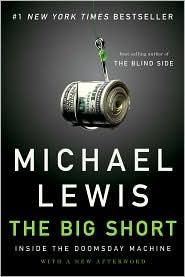
No. 21 on this list. The Big Short · Michael Lewis · 2010
Definitive account of the 2008 crisis. Academy Award-winning film adaptation. Widely assigned.
Easy5 hours
Start this bookNo. 22 on this list. Creativity: Flow and the Psychology of Discovery and Invention · Mihaly Csikszentmihalyi · 1996
“Although the benefits of this study to scholars are obvious, this thought-provoking mixture of scholarly and colloquial will enlighten inquisitive general readers, too.” — Library Journal (starred review) The classic study of the creative process from the bestselling author of Flow. Creativity is about capturing those moments that make life worth living. Legendary psychologist Mihaly Csikszentmihalyi (“The leading researcher into ‘flow states.’” — Newsweek) reveals what leads to these moments—be it the excitement of the artist at the easel or the scientist in the lab—so that this knowledge can be used to enrich people's lives. Drawing on nearly one hundred interviews with exceptional people, from biologists and physicists, to politicians and business leaders, to poets and artists, as well as his thirty years of research on the subject, Csikszentmihalyi uses his famous flow theory to explore the creative process. He discusses such ideas as why creative individuals are often seen as selfish and arrogant, and why the "tortured genius" is largely a myth. Most important, he explains why creativity needs to be cultivated and is necessary for the future of our country, if not the world.
Moderate8.7 hours
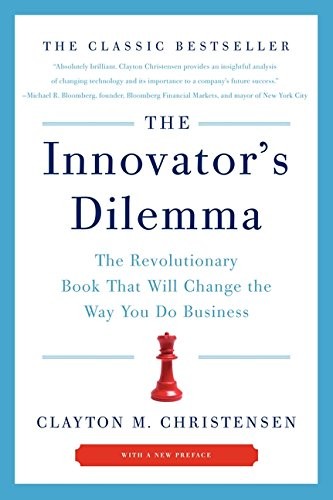
Start this bookNo. 23 on this list. The Innovator's Dilemma · Clayton M. Christensen · 1997
Christensen's landmark business book explains why great companies fail: not through incompetence but by doing exactly what good management theory tells them to do—listening to customers, investing in high-margin products, and focusing on their most profitable market segments. The problem is that disruptive technologies initially serve a different, less profitable market, and by the time incumbents recognize the threat, the disrupting company has improved enough to steal their customers. Christensen documents this pattern across industries—disk drives, steel, excavators, retail—showing that the same dynamic repeats with remarkable consistency. The book introduced 'disruptive innovation' into the business vocabulary and became required reading in every MBA program and Silicon Valley startup. Its central insight—that rational, well-managed companies can be destroyed by innovations they correctly identified as inferior—remains one of the most counterintuitive and important ideas in business strategy.
Easy4.8 hours
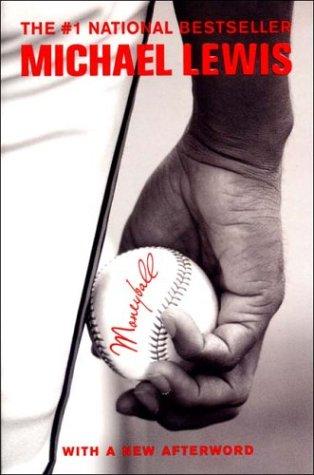
Start this bookNo. 24 on this list. Moneyball · Michael Lewis · 2003
Changed how professional sports operate worldwide. A cultural landmark.
Very Easy4.2 hours
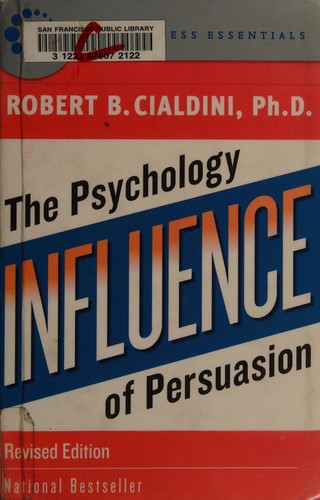
Start this bookNo. 25 on this list. Influence · Robert B. Cialdini · 1984
The definitive popular book on persuasion psychology. Required reading in many programs.
Very Easy4.9 hours
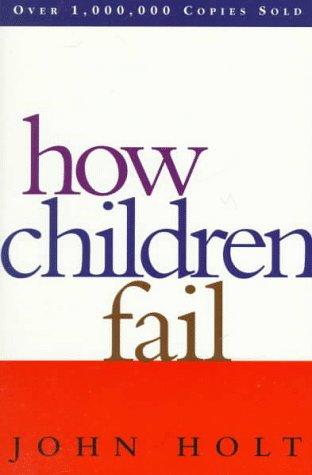
Start this bookNo. 26 on this list. How Children Fail · John Holt · 1964
Foundational text of alternative education. Launched the unschooling movement.
Very Easy2.9 hours
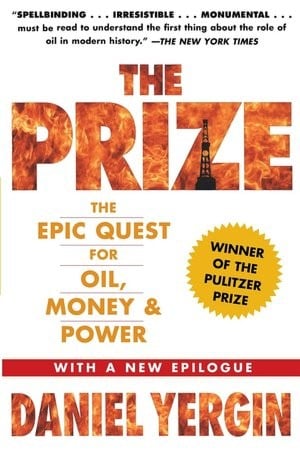
Start this bookNo. 27 on this list. The Prize · Daniel Yergin · 1991
Pulitzer Prize winner. The definitive history of the oil industry.
Easy16 hours
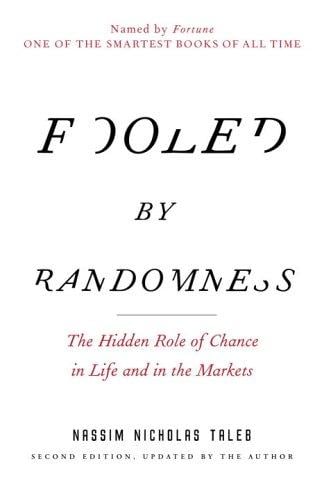
Start this bookNo. 28 on this list. Fooled by Randomness: The Hidden Role of Chance in Life and in the Markets · Nassim Nicholas Taleb · 2001
Ranked by literary regard among eligible works in the current catalogue. This position reflects the available catalogue evidence.
Challenging6.3 hours
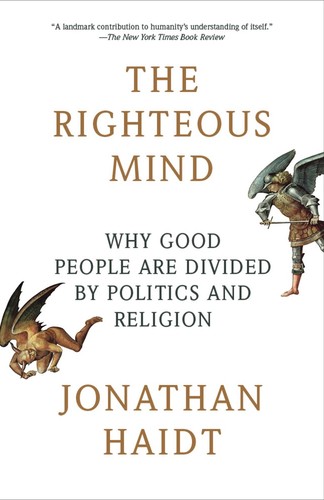
Start this bookNo. 29 on this list. The Righteous Mind · Jonathan Haidt · 2012
Haidt argues that moral judgments are not the product of reasoning but of intuition—that we feel first and rationalize afterward, and that reason functions not as a scientist seeking truth but as a lawyer defending a client who has already been chosen. He proposes Moral Foundations Theory, which identifies six foundations of moral intuition: care/harm, fairness/cheating, loyalty/betrayal, authority/subversion, sanctity/degradation, and liberty/oppression. Liberals, he argues, rely primarily on care and fairness; conservatives draw on all six. This is why the two sides talk past each other: liberals genuinely cannot understand why conservatives care about loyalty, authority, and sanctity, and conservatives genuinely cannot understand why liberals reduce morality to care and fairness. Haidt draws on evolutionary psychology, anthropology, and his own research to show that morality evolved to bind groups together and blind them to the perspectives of rival groups—making humans simultaneously righteous and tribal. The book challenges liberals and conservatives to understand each other's moral matrices, and it has become the most cited work in the field of moral psychology.
Easy5.8 hours
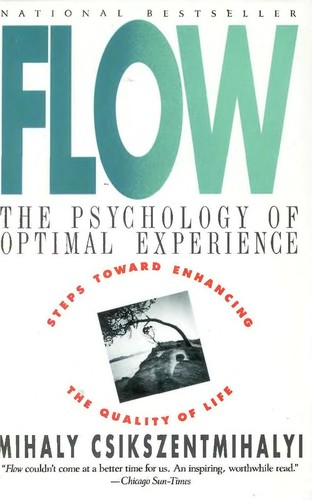
Start this bookNo. 30 on this list. Flow · Mihaly Csikszentmihalyi · 1990
The foundational text of flow psychology. Widely cited in positive psychology.
Easy4.6 hours
Start this book
No. 31 on this list. Nudge
Richard H. Thaler · 2008
No. 32 on this list. Girl, Interrupted
Susanna Kaysen · 1993
No. 33 on this list. Bad Blood: Secrets and Lies in a Silicon Valley Startup
John Carreyrou · 2018
No. 34 on this list. Determined: A Science of Life Without Free Will
Robert M. Sapolsky · 2024
No. 35 on this list. Behave
Robert M. Sapolsky · 2017
No. 36 on this list. Make It Stick: The Science of Successful Learning
Henry L. Roediger · 2014
No. 37 on this list. Ambiguous Loss: Learning to Live with Unresolved Grief
Pauline Boss · 2000
No. 38 on this list. Liar's Poker
Michael Lewis · 1989
No. 39 on this list. Thinking in Systems
Donella H. Meadows · 2008
No. 40 on this list. The Wisdom of Insecurity: A Message for an Age of Anxiety
Alan Watts · 1951
No. 41 on this list. How to Change Your Mind
Michael Pollan · 2018
No. 42 on this list. Creating Mental Illness
Allan V. Horwitz · 2001
No. 43 on this list. The Experience Machine: How Our Minds Predict and Shape Reality
Andy Clark · 2024
No. 44 on this list. Last Child in the Woods: Saving Our Children from Nature-Deficit Disorder
Richard Louv · 2006
No. 45 on this list. Misbehaving
Richard H. Thaler · 2015
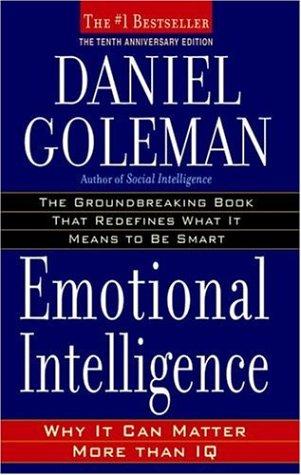
No. 46 on this list. Emotional Intelligence
Daniel Goleman · 1995
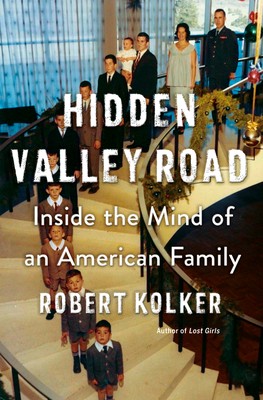
No. 47 on this list. Hidden Valley Road
Robert Kolker · 2020
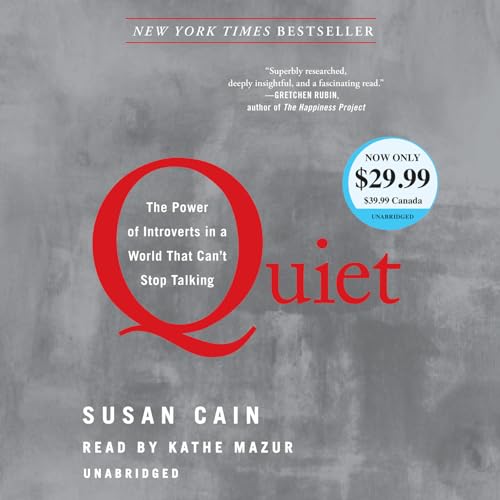
No. 48 on this list. Quiet: The Power of Introverts in a World That Can't Stop Talking
Susan Cain · 2012
No. 49 on this list. Incognito: The Secret Lives of the Brain
David Eagleman · 2011
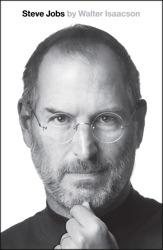
No. 50 on this list. Steve Jobs
Walter Isaacson · 2011
No. 51 on this list. The Master Switch
Tim Wu · 2010
No. 52 on this list. The 7 Habits of Highly Effective People
Stephen R. Covey · 1989
No. 53 on this list. When Genius Failed
Roger Lowenstein · 2000
No. 54 on this list. Stumbling on Happiness
Daniel Gilbert · 2006
No. 55 on this list. The Case Against Reality: Why Evolution Hid the Truth from Our Eyes
Donald Hoffman · 2022
No. 56 on this list. Good to Great
Jim Collins · 2001
No. 57 on this list. When Things Fall Apart
Pema Chödrön · 1997
No. 58 on this list. Atlas of the Heart: Mapping Meaningful Connection and the Language of Human Experience
No. 59 on this list. Creativity, Inc.
Ed Catmull · 2014
No. 60 on this list. The Delusions of Certainty
Siri Hustvedt · 2017
No. 61 on this list. Bird by Bird
Anne Lamott · 1994
No. 62 on this list. Opening Up by Writing It Down: How Expressive Writing Improves Health and Eases Emotional Pain
James W. Pennebaker · 2016
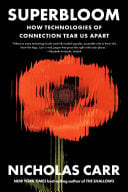
No. 63 on this list. Superbloom: How Technologies of Connection Tear Us Apart
Nicholas Carr · 2025
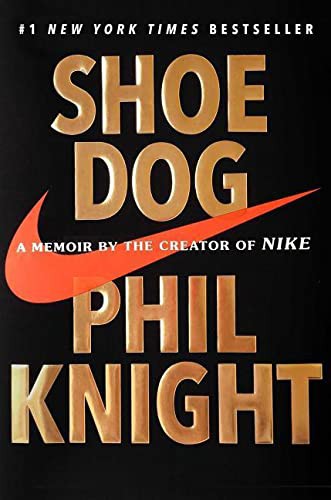
No. 64 on this list. Shoe Dog
Phil Knight · 2016
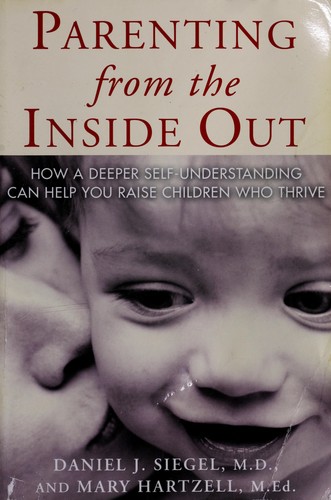
No. 65 on this list. Parenting from the Inside Out: How a Deeper Self-Understanding Can Help You Raise Children Who Thrive
Daniel J. Siegel · 2004
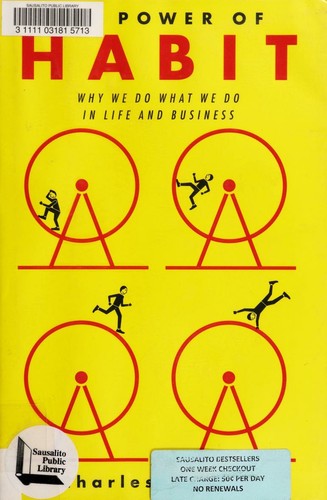
No. 66 on this list. The Power of Habit
Charles Duhigg · 2012
No. 67 on this list. The Lean Startup
Eric Ries · 2011
No. 68 on this list. Breath
James Nestor · 2020
No. 69 on this list. Maybe You Should Talk to Someone
Lori Gottlieb · 2019
No. 70 on this list. Codependent No More: How to Stop Controlling Others and Start Caring for Yourself
Melody Beattie · 1986
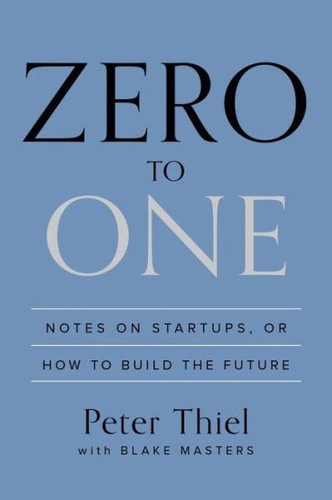
No. 71 on this list. Zero to One
Peter Thiel · 2014
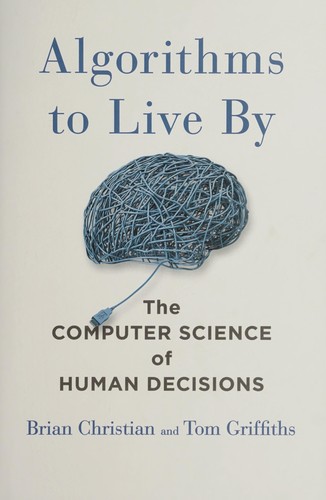
No. 72 on this list. Algorithms to Live By
Brian Christian · 2016
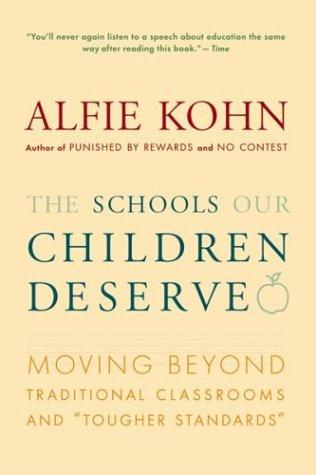
No. 73 on this list. The Schools Our Children Deserve
Alfie Kohn · 1999
No. 74 on this list. The Whole-Brain Child: Revolutionary Strategies to Nurture Your Child's Developing Mind
Daniel J. Siegel · 2011
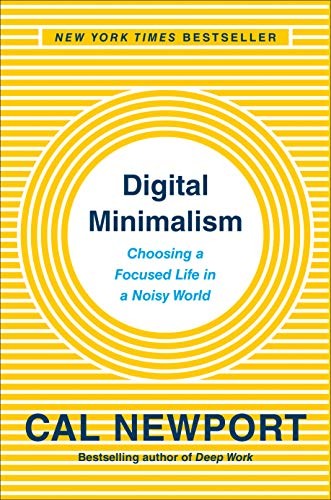
No. 75 on this list. Digital Minimalism: Choosing a Focused Life in a Noisy World
Cal Newport · 2019
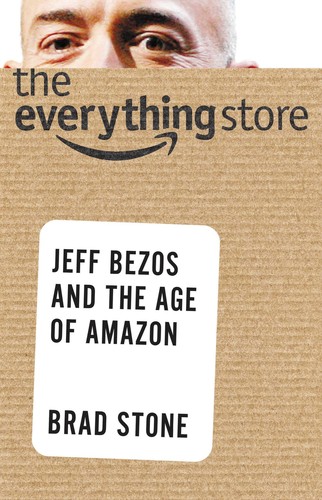
No. 76 on this list. The Everything Store
Brad Stone · 2013
No. 77 on this list. No Bad Parts
Richard C. Schwartz · 2021
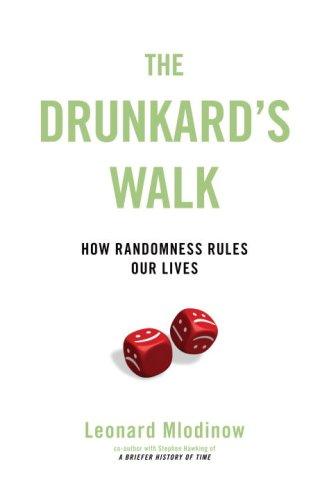
No. 78 on this list. The Drunkard's Walk
Leonard Mlodinow · 2008
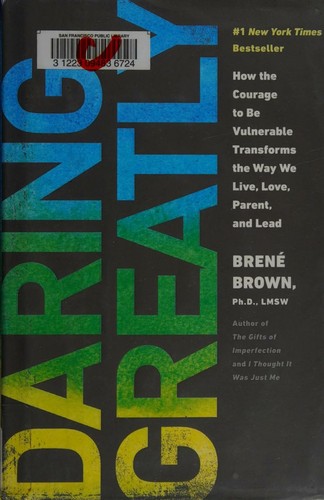
No. 79 on this list. Daring Greatly: How the Courage to Be Vulnerable Transforms the Way We Live, Love, Parent, and Lead
Brené Brown · 2012
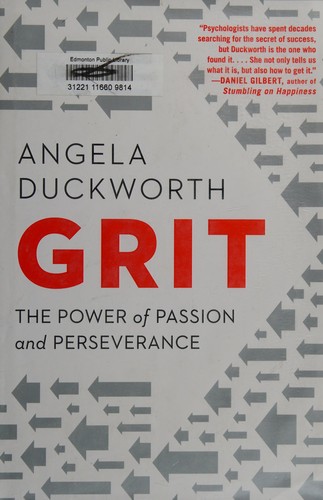
No. 80 on this list. Grit
Angela Duckworth · 2016


No. 81 on this list. You Are the One You've Been Waiting For: Applying Internal Family Systems to Intimate Relationships
Richard C. Schwartz · 2008
No. 82 on this list. Deep Survival: Who Lives, Who Dies, and Why
Laurence Gonzales · 2003
No. 83 on this list. Range
David Epstein · 2019
No. 84 on this list. The 48 Laws of Power
Robert Greene · 1998
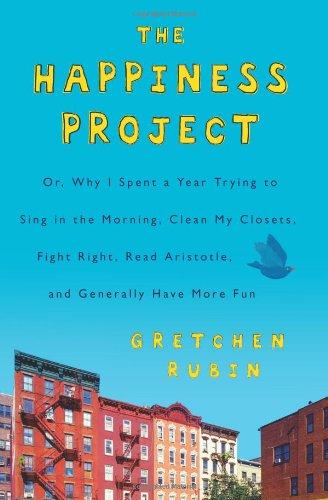
No. 85 on this list. The Happiness Project: Or Why I Spent a Year Trying to Sing in the Morning, Clean My Closets, Fight Right, Read Aristotle, and Generally Have More Fun
Gretchen Rubin · 2009
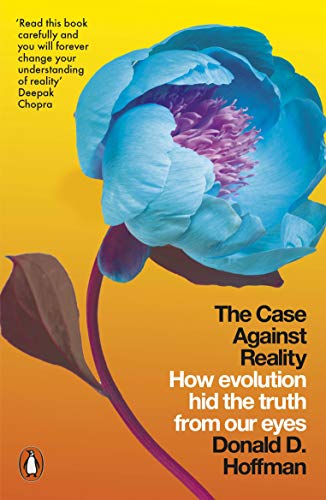
No. 86 on this list. The Case Against Reality: How Evolution Hid the Truth from Our Eyes
Donald D. Hoffman · 2019
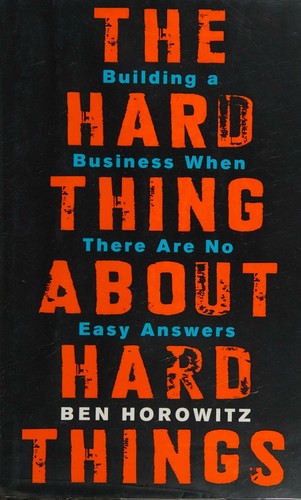
No. 87 on this list. The Hard Thing About Hard Things
Ben Horowitz · 2014
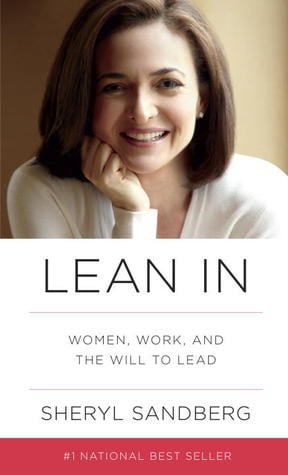
No. 88 on this list. Lean In
Sheryl Sandberg · 2013
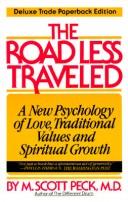
No. 89 on this list. The Road Less Traveled: A New Psychology of Love, Traditional Values and Spiritual Growth
M. Scott Peck · 1978
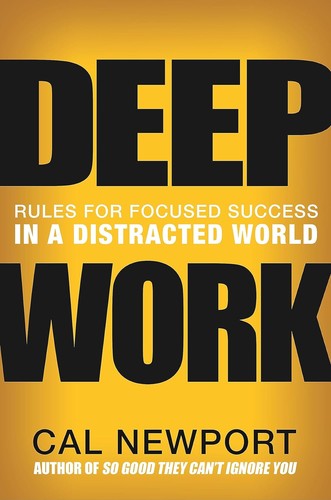
No. 90 on this list. Deep Work
Cal Newport · 2016
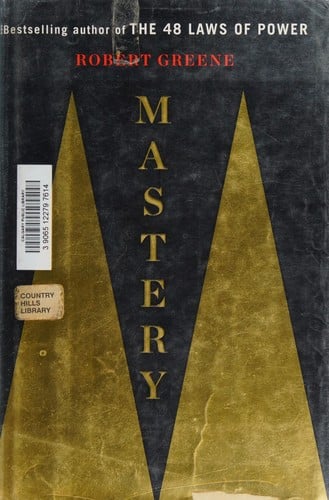
No. 91 on this list. Mastery
Robert Greene · 2012
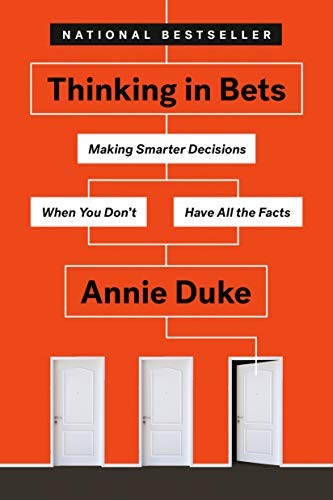
No. 92 on this list. Thinking in Bets
Annie Duke · 2018
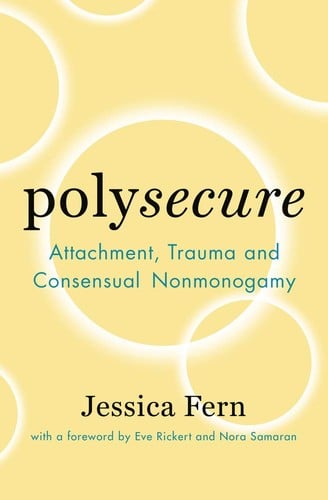
No. 93 on this list. Polysecure: Attachment, Trauma and Consensual Nonmonogamy
Jessica Fern · 2020
No. 94 on this list. The Power of Place
Winifred Gallagher · 1993
No. 95 on this list. How to Know a Person: The Art of Seeing Others Deeply and Being Deeply Seen
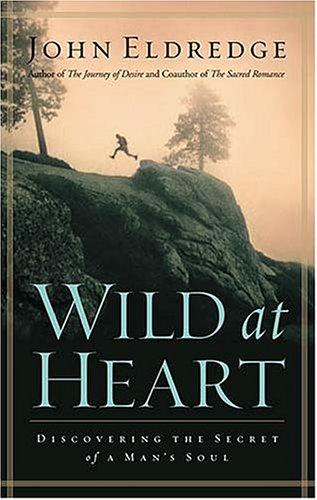
No. 96 on this list. Wild at Heart
John Eldredge · 2001
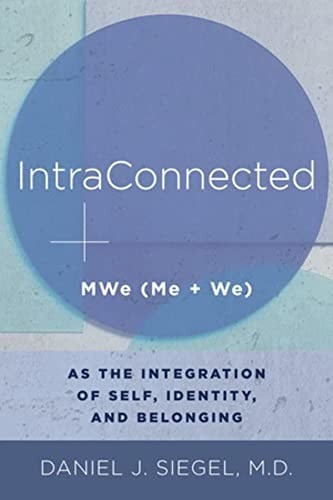
No. 97 on this list. IntraConnected: MWe (Me + We) as the Integration of Self, Identity, and Belonging
Daniel J. Siegel · 2022
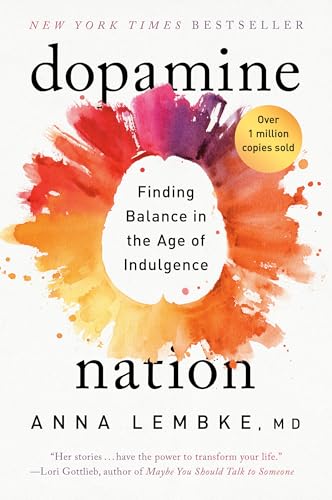
No. 98 on this list. Dopamine Nation: Finding Balance in the Age of Indulgence
Anna Lembke · 2021
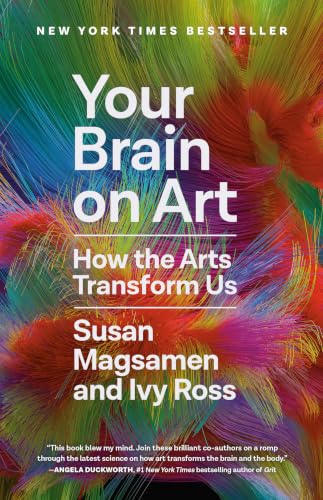
No. 99 on this list. Your Brain on Art: How the Arts Transform Us
Susan Magsamen · 2024
No. 100 on this list. Laws of Human Nature Theexp
Robert Greene · 2018
About this list
These 100 books are the highest-scoring eligible psychology books from the United States currently in the catalogue. By literary regard, it opens with The Presentation of Self in Everyday Life, Administrative behavior and The Hero with a Thousand Faces. About 530 hours of reading in all, for the 95 with measured lengths. Difficulty runs from 20 to 45 out of 100 for the middle half of the list; the summit is Upheavals of Thought: The Intelligence of Emotions at 73.
This list is ranked by literary regard, with a consistent order for equal scores. Membership follows authors and co-authors, not translators or editors. Catalogue coverage and the historical canon both limit what this list can represent, and genre labels are the catalogue’s own, gathered into broader kinds.
When we matched the Canons dataset to our catalogue in October 2026, our canonical-status scores rose with the number of school curricula, publisher series and lists in it that cite a work: the median score was 72 for books one such source cites, 84 at two, 88 at three, 92 at four and 93 at five or more. Prizes are left out of that count. Outside the state curricula, the dataset’s sources choose mostly from what has been translated into English or French, so it is a weaker check on other literatures. Source: Canons (Andrew Piper), CC BY 4.0
Questions people actually ask
- What are the best psychology books from the United States?
- By literary regard, which weighs canonical status, critical standing and influence, The Presentation of Self in Everyday Life, Administrative behavior, The Hero with a Thousand Faces, Metaphors We Live by and The Design of Everyday Things lead. ReadingRate ranks 100 such books, each with a difficulty score and a reading-time estimate.
- Where should I start with psychology books from the United States?
- Start from difficulty, not from rank. The most approachable books on this list that still carry top literary regard are The Design of Everyday Things by Don Norman (about 6 hours), Coming of Age in Samoa: A Psychological Study of Primitive Youth for Western Civilisation by Margaret Mead and In the Freud Archives by Janet Malcolm.
- How hard are psychology books from the United States to read?
- Most of this list sits between 20 and 45 on ReadingRate's 100-point difficulty scale, where 40 to 55 is moderate. The summit is Upheavals of Thought: The Intelligence of Emotions at 73. Every entry carries its own score, so a reader can pick a great book at a difficulty they will finish.
- How is this list ranked?
- On literary-regard data: how canonically established a work is, its critical standing, and its influence on later writing. It is not a readers’ poll, which is why recent bestsellers rarely appear. Membership follows authors and co-authors, not translators or editors. A list that is not a genre list keeps to literature (fiction, poetry, drama and philosophy), with philosophy taking no more than one slot in five while there is literature left to rank; every list holds at most three works by one author.