Hours at an average pace
Showing 31 books
About 126 hours for 31 of 31 books with measured lengths. Estimates use 250 words a minute, adjusted for each book's difficulty. At 2 hours a day, about 64 days for those books.
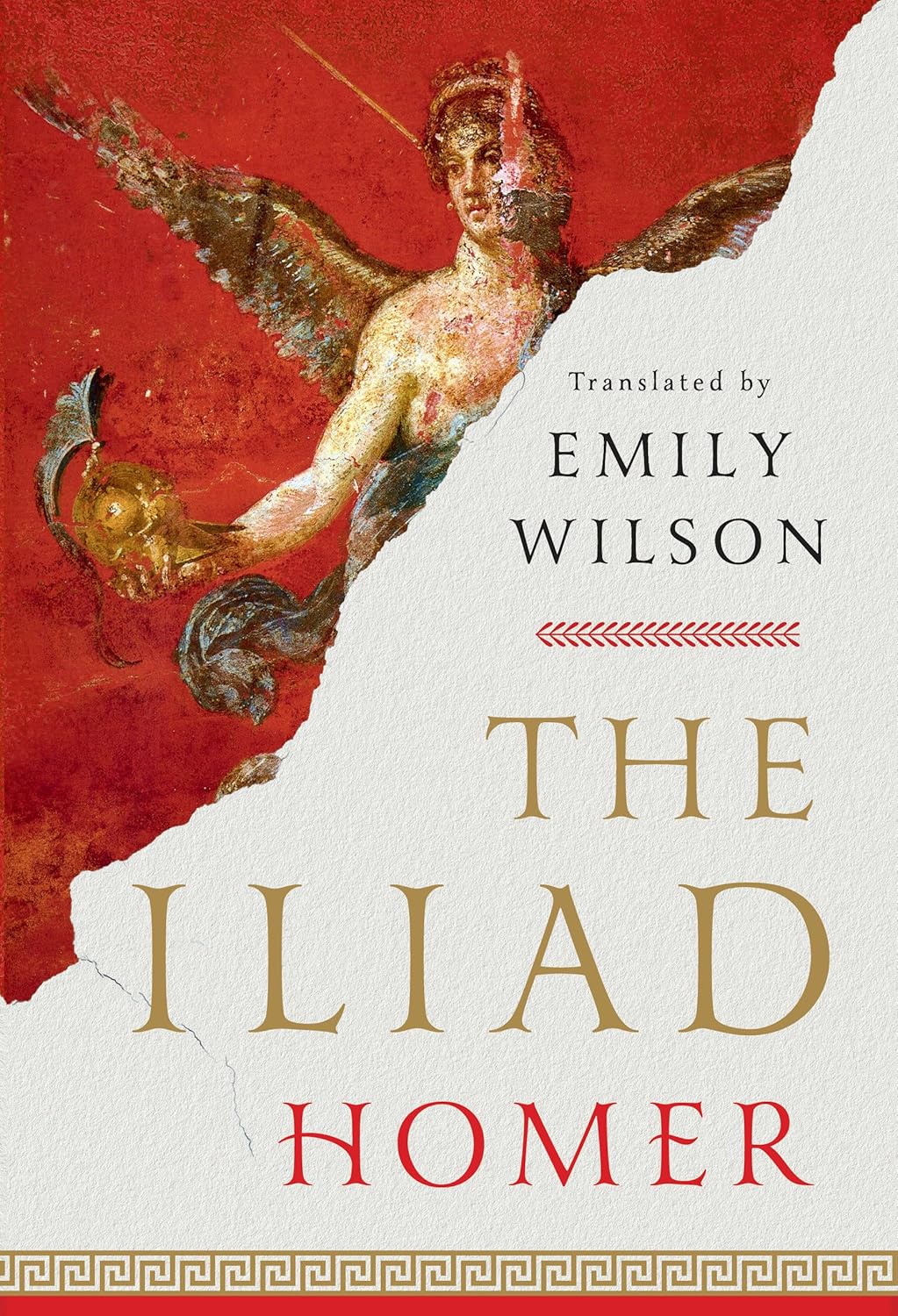
No. 1 on this list. Iliad
Homer · c. 750 BCE
Challenging13 hours
Taught in schools: Montenegrin literature curriculum (crnogorski jezik i književnost) (Montenegro)
Included in: Bokklubben World Library, Great Books of the Western World
The foundational war poem of Western civilization, and still the most unflinching. Homer gives Achilles' rage the same weight as Hector's tenderness with his son, refusing to let either side own the meaning of the slaughter.
Horace's Odes have been required reading in classical curricula for over two thousand years without interruption — studied in Rome, medieval monasteries, Renaissance courts, and modern universities alike. The phrase 'carpe diem' originates in Odes I.11 and has entered every major world language. The Wikipedia article appears in only 1 language in the current database, but this reflects a data gap: the Odes are among the most-taught texts in any Western classics or humanities program, with presence on thousands of university syllabi globally.
No. 3 on this list. Georgics
Virgil · c. 29 BCE
Moderate1.6 hours
Included in: Great Books of the Western World
The Georgics is a cornerstone of Western classical education, appearing on university syllabi worldwide wherever Latin literature, pastoral poetry, or the history of agriculture is taught. It stands alongside the Aeneid and Eclogues as the essential Virgilian triad; no serious study of Latin poetry omits it. Its influence on English poets from Dryden through Seamus Heaney has kept it continuously present in anglophone literary education as well.
No. 4 on this list. Oedipus Rex
Sophocles · c. 429 BCE
Challenging1.8 hours
Included in: Bokklubben World Library, Great Books of the Western World
Sophocles built the perfect dramatic machine: a man investigating a crime who discovers he is the criminal, with every revelation tightening the trap his own competence has set. Aristotle used it as his model of tragedy, and twenty-four centuries of dramatists have not improved on its architecture.
No. 5 on this list. Aeneid
Virgil · c. 19 BCE
Challenging9.4 hours
Included in: Bokklubben World Library, Great Books of the Western World
Virgil reverse-engineered Homer to give Rome a founding myth that justified empire, pietas, and destiny — and in the process invented the idea that a national epic could be a deliberate literary construction rather than an inherited oral tradition. Dante, Milton, and every poet who tried to write a civilization into existence started here.
It is the most widely read Hindu scripture, a central text in religion and world literature courses, and widely translated. It is read worldwide as a standalone work.
No. 7 on this list. Works and Days
Hesiod · c. 700 BCE
Moderate1.6 hours
Taught in schools: Hungarian literature curriculum (magyar nyelv és irodalom) (Hungary)
Hesiod addresses his brother Perses, who has squandered his inheritance and bribed corrupt judges to get more. The occasion is petty and local — a sibling dispute in the village of Askra, a bad place at the foot of Mount Helikon. From this nugget of irritation, Hesiod builds outward into cosmology, myth, ethics, and practical instruction. He tells how Zeus hid prosperity from men after Prometheus stole fire, how Pandora released suffering from a jar, and how mankind has declined through five ages from gold to iron. Then he turns practical: when to plough (when the Pleiades rise), what timber to use for a plough-tree (holm oak), how to dress against the winter north wind, how to harvest grapes. A.E. Stallings' translation renders all this in rhyming iambic couplets — plain-spoken, aphoristic, occasionally wry. The poem ends with sixty lines on lucky and unlucky days, which days to geld livestock, which to open a storage jar, which to be born. What makes Works and Days strange and durable is this combination: the most practical agricultural manual in Greek literature, framed by the oldest surviving account of why human life is hard and what a person can do about it.
No. 8 on this list. Prometheus Bound
Aeschylus · c. 430 BCE
Challenging47 min
Included in: Great Books of the Western World
Prometheus Bound is standard curriculum in classics departments, Western civilization courses, and world literature programs at universities globally. It appears on virtually every 'foundations of Western literature' syllabus alongside Homer and Sophocles. Though the database shows no tracked syllabus entries, the work has 2,500 years of unbroken canonical transmission.
No. 9 on this list. Hippolytus
Euripides · c. 428 BCE
Challenging2.3 hours
Included in: Great Books of the Western World
Hippolytus is a cornerstone of classical literature curricula worldwide, appearing in virtually every Greek tragedy anthology and university drama syllabus. It is one of only 17 surviving plays by Euripides and is consistently featured in courses on Western drama, classical antiquity, and the history of theatre. No direct Open Syllabus data was available, but its canonical presence in the Western literary tradition is unambiguous.
The Tao Te Ching is one of the most translated texts in human history — second only to the Bible in total translations, with over 250 English versions alone. It anchors courses in world philosophy, comparative religion, East Asian studies, and literature at virtually every major university. Its Wikipedia article exists in over 80 languages.
No. 11 on this list. Ajax · Sophocles · c. 450 BCE
Included in: Great Books of the Western World
Ajax is required reading in classical studies and Greek tragedy courses worldwide, representing one of only seven surviving plays by Sophocles. As part of the canonical triumvirate of Greek tragedians alongside Aeschylus and Euripides, Sophocles's works — including Ajax — appear on syllabi in classics, comparative literature, and world literature programs across every major university. The play has been in continuous circulation for over 2,400 years.
Challenging56 min
Read nowNo. 12 on this list. The Trojan Women · Euripides · c. 415 BCE
Included in: Great Books of the Western World
The Trojan Women is one of the foundational texts of Western drama, taught in virtually every classical literature and theater history curriculum. It is among Euripides' most studied plays alongside Medea and The Bacchae. While no syllabus database match was found for this specific edition, the work appears in hundreds of world literature and women's studies syllabi globally.
Moderate58 min
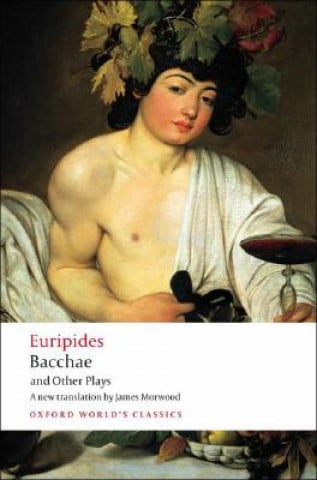
Start this bookNo. 13 on this list. The Bacchae · Euripides · c. 405 BCE
Included in: Great Books of the Western World, Oxford World's Classics
One of 18 surviving tragedies from Euripides, performed continuously since antiquity. Central to Greek drama syllabi worldwide, frequently translated and adapted (including Dionysus in 69, The Bacchae 2.1). Essential text for understanding both Greek tragedy's development and the cultural conflicts of 5th-century Athens. Influenced later treatments of divine-human conflict from Ovid's Metamorphoses to modern drama.
Moderate1.3 hours
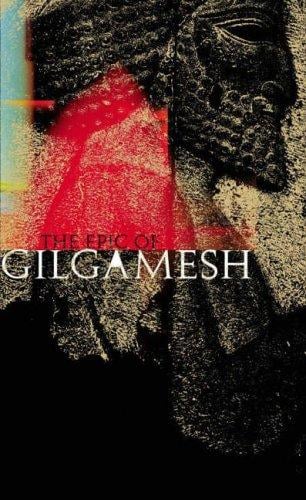
Read nowNo. 14 on this list. Epic of Gilgamesh · Anonymous
The Epic of Gilgamesh is the oldest surviving great literary work and is universally taught in world literature, ancient history, comparative literature, and religion courses at all levels. It appears in every comprehensive anthology of world literature and is foundational to understanding how narrative, religion, and mortality entered written culture. Unquestioned canonical status as a civilization-defining text.
Moderate2.6 hours
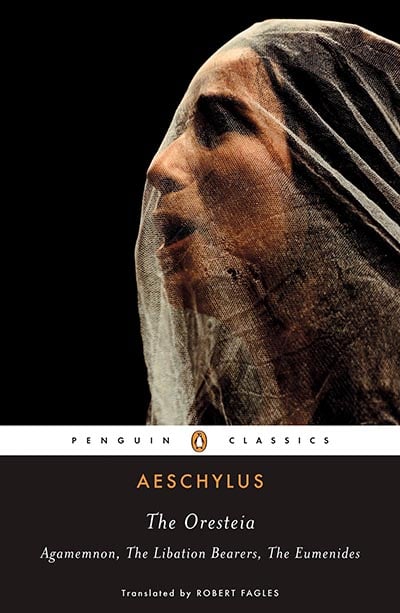
Start this bookNo. 15 on this list. Oresteia · Aeschylus · c. 458 BCE
Included in: Great Books of the Western World
Aeschylus tracked a cycle of blood vengeance across three plays — from Agamemnon's murder through Orestes' matricide to a divine trial that replaces revenge with law — and in doing so dramatized the origin of justice itself. The trilogy is the oldest complete work of Western drama and still the most ambitious argument that civilization depends on replacing private retribution with public institutions.
Challenging3.1 hours
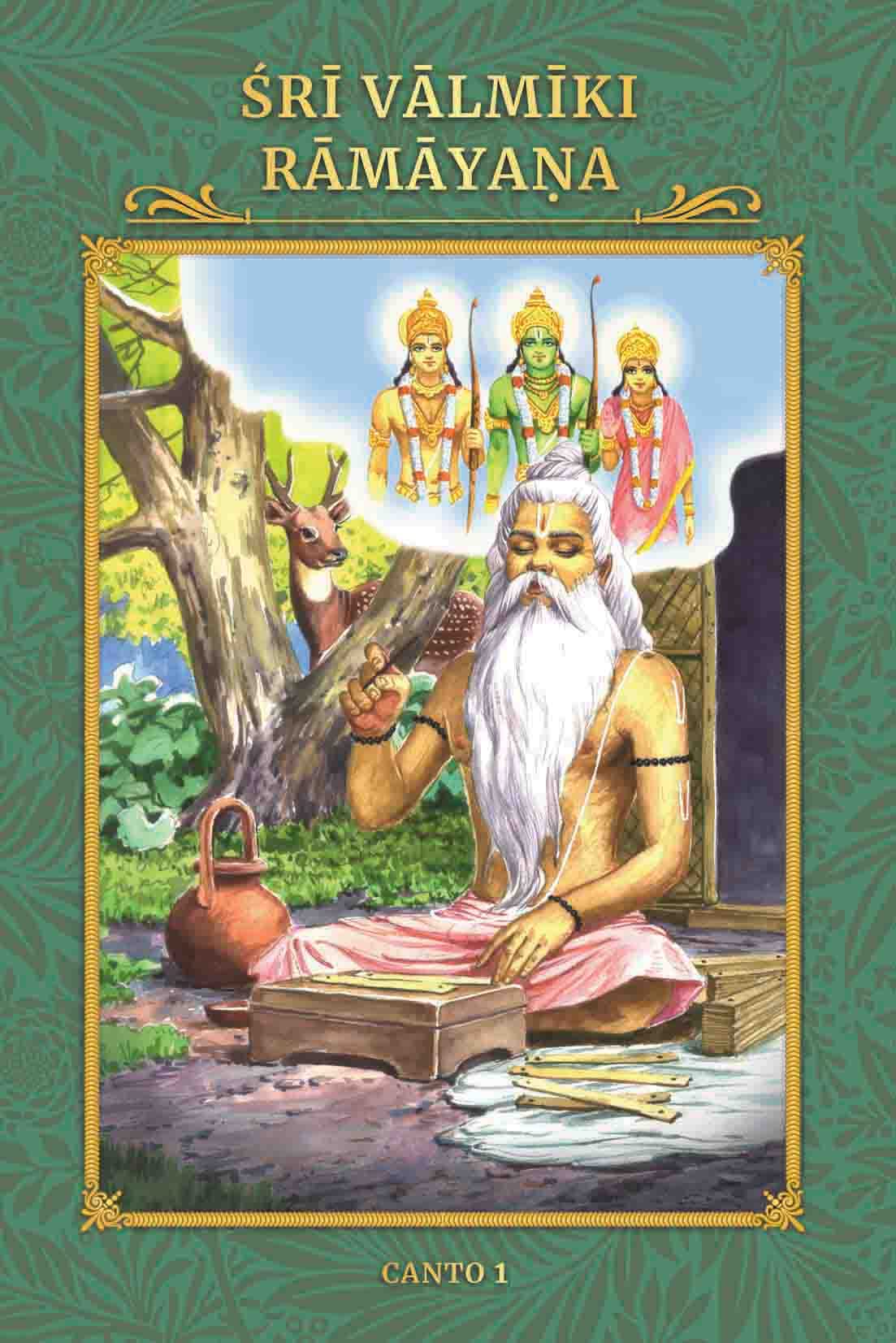
Start this bookNo. 16 on this list. Ramayana · Valmiki · c. 500 BCE
Valmiki's poem established the archetype of the righteous exile — a prince who surrenders his kingdom, rescues his wife from a demon king, and returns to rule — and in doing so provided South and Southeast Asia with a moral and narrative grammar that has shaped religion, theater, sculpture, and statecraft for over two millennia.
Moderate7 hours
Read nowNo. 17 on this list. Electra · Sophocles · c. 410 BCE
Included in: Great Books of the Western World
Electra is required reading in virtually every university classics and comparative literature program. All seven of Sophocles' surviving plays form the backbone of Western classical studies, and Electra — alongside Oedipus Rex and Antigone — is among the most taught. It appears on syllabi across departments from literature to philosophy to theater.
Moderate50 min
Read nowNo. 18 on this list. The Clouds · Aristophanes · c. 423 BCE
Taught in schools: Lektury obowiązkowe – Polish national reading list (Poland)
Included in: Great Books of the Western World
The Clouds appears on virtually every classical literature and ancient philosophy syllabus, often assigned alongside Plato's Apology — which explicitly names the play as contributing to popular sentiment against Socrates. It is one of only eleven surviving plays by Aristophanes, and among those, one of the most studied. No book with this syllabus footprint in classics departments falls below 85.
Challenging1.2 hours
Start this bookNo. 19 on this list. Meghaduta · Kalidasa · 400
Kalidasa's best-known lyric is central to Sanskrit literature curricula and the model for the duta-kavya genre, translated widely across Indian languages and the world.
Challenging26 min
Start this bookNo. 20 on this list. The Frogs · Aristophanes · c. 405 BCE
Taught in schools: Montenegrin literature curriculum (crnogorski jezik i književnost) (Montenegro)
Included in: Great Books of the Western World
Dionysus, god of theater and wine, has a problem: Athens has run out of good tragedians. Euripides is dead, Sophocles is dead, and the city's stages are filling up with lesser men. So Dionysus disguises himself as Heracles — borrowed lion-skin and all — and descends into the underworld to bring Euripides back. He takes his slave Xanthias with him, who spends most of the play pointing out that his master is a coward. What begins as a slapstick adventure through Hades — complete with a chorus of literal frogs croaking "Brekekekex koax koax" as Dionysus rows across the Styx — turns into a formal literary debate. Aeschylus and Euripides, both dead, compete for the underworld's throne of poetry. They weigh each other's verses on an actual scale. They trade insults about meters, politics, and moral purpose. Aristophanes wrote this in 405 BCE, the year Athens was losing the Peloponnesian War, and the play's question — what should poetry do for a city in crisis? — had an edge that wasn't merely academic. The comedy is loud, obscene, and intellectually serious in the same breath. Read it expecting a play that treats literary criticism as a matter of civic life and death.
Challenging1.1 hours
Start this book
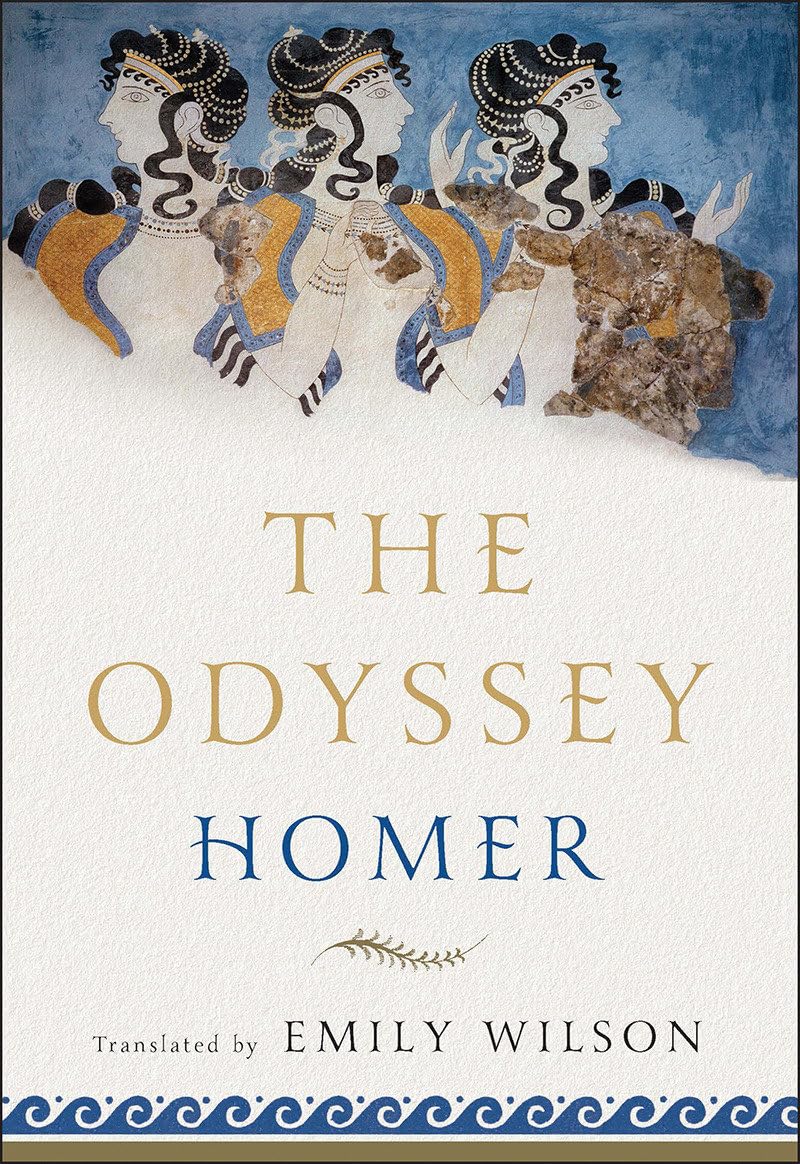
No. 21 on this list. Odyssey · Homer · c. 725 BCE
Homer invented the homecoming plot: the cunning survivor who lies, adapts, and improvises his way back to the life he left behind. Three thousand years later, every story about the long way home — from Huckleberry Finn to Star Trek — runs on the engine the Odyssey built.
Challenging8.6 hours
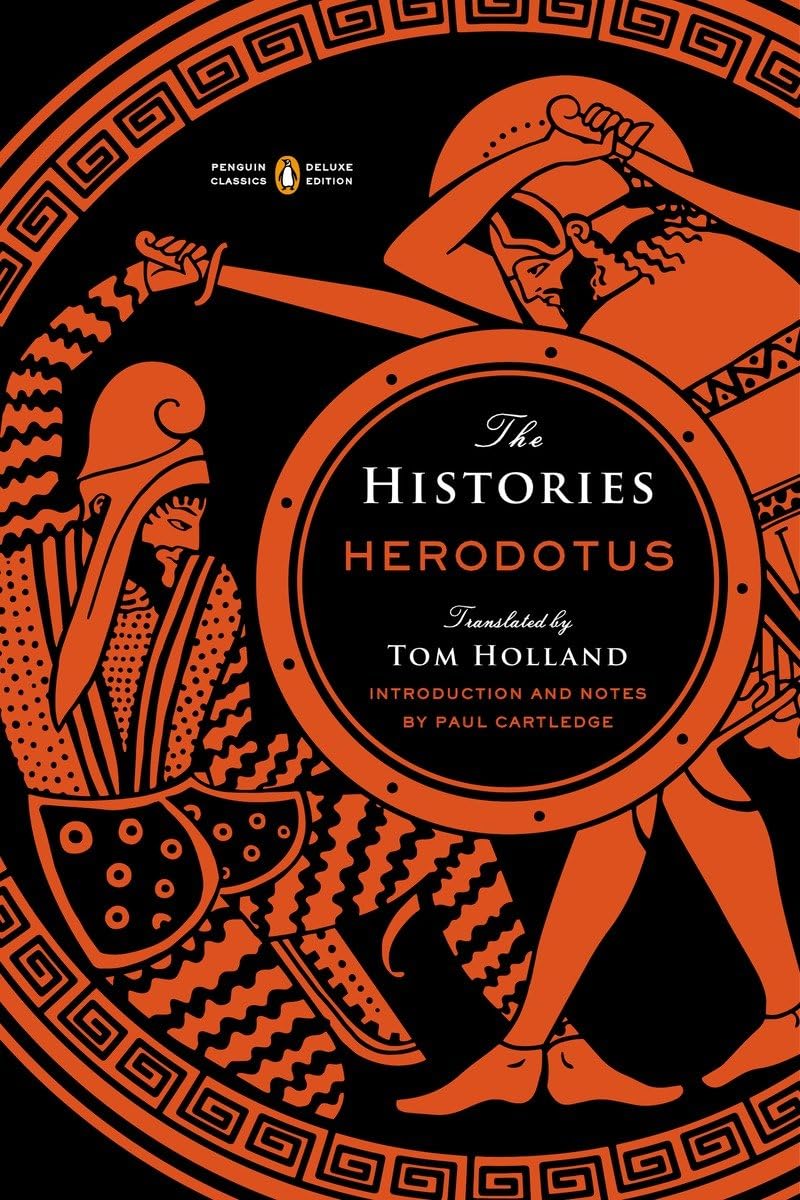
Read nowNo. 22 on this list. The Histories · Herodotus · c. 430 BCE
Herodotus traveled from Egypt to Scythia, interviewed locals, and wrote down everything—the Persian Wars, the customs of distant peoples, talking foxes, flying snakes—inventing both history and ethnography in a single narrative. Cicero called him the father of history; the label has never been seriously challenged.
Moderate22 hours
Read nowNo. 23 on this list. Heroides · Ovid · c. 15 BCE
Penelope has been waiting twenty years. She writes to Odysseus — still missing, still silent — and the letter is not a love note but a legal brief. She catalogs what she has lost, what she has endured, and what she expects in return. Ovid's Heroides gives the floor to the women Greek and Roman epic left waiting in the margins: Medea, Ariadne, Dido, Briseis, Phaedra — each in her own verse letter, each making her case to the man who abandoned her. The text works as a systematic rebuttal of the heroic tradition. Aeneas's piety looks different from Dido's cartilage; Jason's glory looks different from Medea's exile. Where Virgil and Homer judge these women by the needs of the hero, Ovid hands them the pen and lets them judge the heroes back. The letters are arguments as much as laments — rhetorical performances full of evidence, precedent, and accusation. The reader encounters mythological density on every page: the Symplegades, the fleece, the earth-born warriors, the labyrinth. These are not ornaments but proof. Reading Heroides demands classical literacy and rewards it with a complete inversion of the tradition — twenty-one letters that, taken together, constitute one of the ancient world's sharpest critiques of heroic self-justification.
Moderate3.6 hours
Start this bookNo. 24 on this list. Shakuntala · Kalidasa · 400
Supreme Sanskrit drama; first Indian text to reach European audience.
Moderate4.5 hours
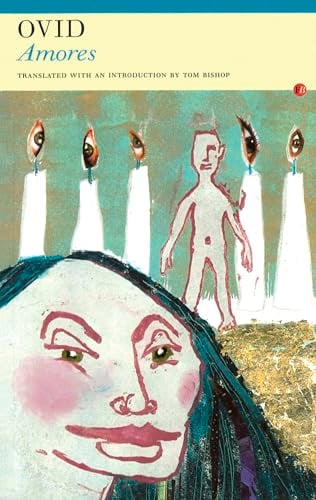
Start this bookNo. 25 on this list. Amores · Ovid · c. 16 BCE
Ovid is twenty years old and Corinna will not open her door. So begins the Amores — forty-nine love elegies written in the 20s BCE by a Roman poet who understood, from the first poem, that wit is more powerful than sincerity. Cupid, he explains in Elegy I, stole a foot from his heroic hexameter and turned his epic into love poetry against his will. This is Ovid's characteristic move: mock complaint that reveals total mastery. The Amores catalogues an affair with the unnamed mistress Corinna — bribing her doorkeeper, watching her comb her ruined hair, mourning her parrot with the same hyperbolic grief he'd spend on a person, catching her in adultery and immediately forgiving her because she denied it too beautifully. Each poem is a rhetorical performance: Ovid argues, apostrophizes, invokes mythology, reverses himself, and lands a final turn with the timing of a practised comedian. He invented the mode of the suffering lover who is too articulate to suffer. Reading the Amores is to watch the cleverest poet in Rome construct the template that Petrarch would use a millennium later, and that has governed love poetry ever since — which is to say, Ovid built the room everyone else still lives in.
Moderate2 hours
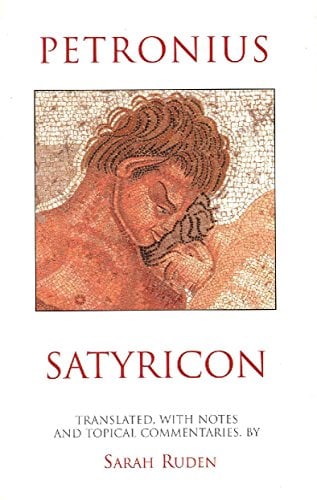
Read nowNo. 26 on this list. Satyricon · Petronius · 60
Included in: Oxford World's Classics
One of the earliest surviving novels and a foundational text of European fiction. The Cena Trimalchionis is one of the most famous scenes in Latin literature.
Moderate2.6 hours
Start this bookNo. 27 on this list. Fasti · Ovid · 8
Fasti is a core text in Latin studies curricula and appears in most classical literature courses treating Augustan Rome, though it sits in the shadow of Ovid's Metamorphoses and Virgil's Aeneid in breadth of teaching. The Oxford World's Classics edition by Anne and Peter Wiseman (2011, revised 2013) marks its standing as a prestige canonical work. It is not among the most-taught Latin texts in translation courses but is standard reading for specialists.
Challenging6.9 hours
Read nowNo. 28 on this list. True History · Lucian · 180
True History appears on syllabi across classical studies, comparative literature, and science fiction history courses as the earliest surviving prose fantasy. It appears in virtually every survey of Western imaginative literature and is anthologized in Penguin Classics and Norton anthologies of world literature. Ancient works are underrepresented in modern syllabi databases, but its canonical reputation in classical scholarship is firm.
Challenging1.6 hours
Start this bookNo. 29 on this list. Symposium · Plato · c. 385 BCE
The Symposium is required reading in virtually every philosophy, classics, and great books curriculum worldwide. It appears on syllabi for philosophy of love, Platonic metaphysics, ancient literature, gender studies, and queer theory courses. Its influence has extended beyond the academy — the concept of 'Platonic love' and Aristophanes' myth of the divided self have entered everyday language. No significant Western education omits it.
Moderate2.2 hours
Read nowNo. 30 on this list. Confessions · Augustine of Hippo · 397
Augustine's Confessions is a core text of Western literature, philosophy and theology, set in great-books and religious studies courses around the world. It is widely regarded as the first autobiography in the Western tradition.
Challenging8.6 hours
Read now
About this list
These 31 books are the highest-scoring eligible moderately difficult books of the ancient world currently in the catalogue. About 126 hours of reading in all. Difficulty runs from 50 to 60 out of 100 for the middle half of the list; the summit is Tao Te Ching at 64.
This list is ranked by literary regard, with a consistent order for equal scores. Membership follows authors and co-authors, not translators or editors. A book is here when ReadingRate files it under Ancient Literature as one of its primary reading domains, and only when its author’s lifetime places it in the period. Catalogue coverage and the historical canon both limit what this list can represent.
When we matched the Canons dataset to our catalogue in October 2026, our canonical-status scores rose with the number of school curricula, publisher series and lists in it that cite a work: the median score was 72 for books one such source cites, 84 at two, 88 at three, 92 at four and 93 at five or more. Prizes are left out of that count. Outside the state curricula, the dataset’s sources choose mostly from what has been translated into English or French, so it is a weaker check on other literatures. Source: Canons (Andrew Piper), CC BY 4.0
Questions people actually ask
- What are the best moderately difficult books of the ancient world?
- By literary regard, which weighs canonical status, critical standing and influence: Iliad by Homer, Odes by Horace, Georgics by Virgil, Oedipus Rex by Sophocles and Aeneid by Virgil. ReadingRate ranks 31 such books, each with a difficulty score and a reading-time estimate.
- Which moderately difficult books of the ancient world should I read first?
- Start from difficulty, not from rank. The most approachable books on this list that still carry top literary regard are Amores by Ovid (about 2 hours), The Bacchae by Euripides and Satyricon by Petronius.
- What are the shortest of the best moderately difficult books of the ancient world?
- Among the top 25, the shortest are Meghaduta by Kalidasa (about 26 min), Prometheus Bound by Aeschylus (about 47 min) and Ajax by Sophocles (about 56 min), at an average pace of 250 words a minute adjusted for each book's difficulty.
- Which of the best moderately difficult books of the ancient world are the established classics?
- By canonical status, how firmly a book sits in curricula, anthologies and the canon: Iliad by Homer, Symposium by Plato, Odyssey by Homer, Odes by Horace and Oedipus Rex by Sophocles.
- Can I read any of these moderately difficult books of the ancient world for free?
- 15 of the 31 open in ReadingRate's reader with a free account, from public-domain editions: Iliad, Oedipus Rex, Aeneid, Tao Te Ching, Ajax and 10 more.
- How long would it take to read the top ten?
- About 38 hours, at an average pace of 250 words a minute adjusted for each book's difficulty: 20 days at two hours a day. Set your own pace on the page and the list's reading times change to it.
- How hard are moderately difficult books of the ancient world to read?
- Most of this list sits between 50 and 60 on ReadingRate's 100-point difficulty scale, where 40 to 55 is moderate. The summit is Tao Te Ching at 64. Every entry carries its own score, so a reader can pick a great book at a difficulty they will finish.
- How is this list ranked?
- On literary-regard data: how canonically established a work is, its critical standing, and its influence on later writing. It is not a readers’ poll, which is why recent bestsellers rarely appear. Membership follows authors and co-authors, not translators or editors. Lists by country, author, period, theme or difficulty keep to literature (fiction, poetry, drama and philosophy), their novels, poems and plays first and their philosophy after them; a list of a kind of book, such as memoir or criticism, keeps every book of that kind. Every list holds at most three works by one author. A book is here when ReadingRate files it under Ancient Literature as one of its primary reading domains, and only when its author’s lifetime places it in the period.