Hours at an average pace
Showing 69 books
About 906 hours for 68 of 69 books with measured lengths. Estimates use 250 words a minute, adjusted for each book's difficulty. At 2 hours a day, about 453 days for those books.
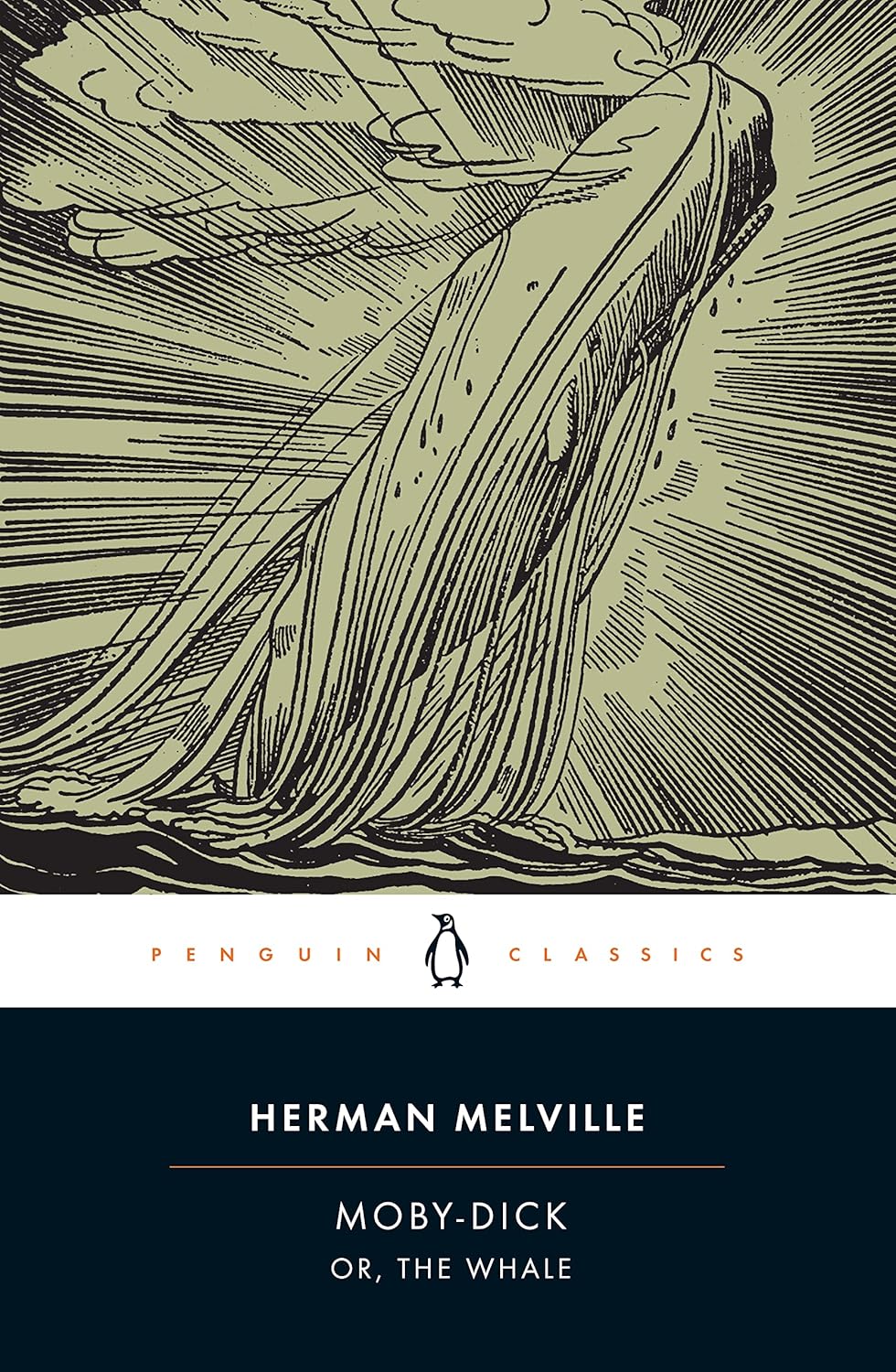
No. 1 on this list. Moby-Dick
Herman Melville · 1851
Difficult26 hours
Included in: Bokklubben World Library, Great Books of the Western World
Melville poured cetology, Shakespearean soliloquy, sermon, sea shanty, and metaphysical dread into one whaling voyage, creating a book that operates simultaneously as adventure novel, encyclopedia, and prose poem about obsession. Nothing in American literature before or since has this range of register in a single work.
No. 2 on this list. Waiting for Godot
Samuel Beckett · 1953
Difficult2.4 hours
Included in: Great Books of the Western World
Waiting for Godot appears on virtually every comparative literature, modern drama, and theater studies syllabus worldwide, and is listed in Open Syllabus's Top 500 Literature titles. The Wikipedia article exists in 68 languages, and the play has been continuously performed since its 1953 Paris premiere. Le Monde named it among the 100 Books of the Century. It is as canonical as any play written after Shakespeare.
No. 3 on this list. The Stranger
Albert Camus · 1942
Challenging3 hours
Included in: Bokklubben World Library
The Stranger appears on Le Monde's 100 Books of the Century, the Open Syllabus Top 500 Literature list, and 1001 Books You Must Read Before You Die. Published in prestige editions by both NYRB Classics and Penguin Modern Classics, it is one of the most assigned existentialist texts in university world literature courses across Europe, North America, and beyond.
No. 4 on this list. Thus Spake Zarathustra A book for all and none
Difficult13 hours
A standard text in philosophy and German-literature courses, and one of the most widely read works of modern philosophy worldwide. Often the entry point to Nietzsche. It ranks with Notes from Underground in curricula, though less often assigned in full than Crime and Punishment.
No. 5 on this list. Dubliners
James Joyce · 1914
Difficult8.1 hours
Taught in schools: CSEC English B – Caribbean Examinations Council
Dubliners appears on 1,771 university syllabi according to the Open Syllabus Project (81st percentile), making it a fixture in modernist literature and short fiction courses worldwide. Its Wikipedia article spans 43 languages, and prestige editions from Penguin Classics and NYRB Classics attest to its sustained standing as essential reading. Every serious curriculum in Irish, British, or modernist literature includes it.
Thomas Pynchon constructs an encyclopedic paranoid masterwork spanning 760 pages of rocket science, Pavlovian conditioning, corporate conspiracy, and encyclopedic digression. Tyrone Slothrop, American lieutenant in wartime London, discovers his sexual conquests map perfectly onto V-2 rocket strike locations—but the erections precede the impacts. Was he conditioned as an infant by sinister behaviorist Laszlo Jamf? Does a corporate-military cartel control history itself? Pynchon provides evidence for every paranoid connection while confirming none. The novel sprawls across 1944-45 Europe, from London under rocket attack to occupied Germany's anarchic Zone, accumulating hundreds of characters, corporate entities, chemical formulas, and historical conspiracies. Pynchon's prose shifts registers violently: technical manuals on rocket engineering dissolve into vaudeville routines, then into lyrical meditations on death and entropy. The vocabulary demands encyclopedic knowledge—thermodynamics, organic chemistry, Tarot, Rilke, film history, brand names. Readers navigate specialized jargon without glossaries, track characters who appear once and vanish, decode references to real and imaginary corporations. The difficulty is purposeful: Pynchon creates textual experience of paranoid information overload. His central symbol, the V-2 rocket, carries impossible symbolic weight: phallic death-bringer, technological sublime, gravity's rainbow parabola from launch to silent impact. The rocket arrives before its sound—death you cannot hear coming. Pynchon explores how technology transforms human consciousness, how corporations and states use Pavlovian conditioning for control, how empire produces extinction (the dodo, the Herero genocide). Concrete plot events—Slothrop's investigation, Roger and Jessica's doomed love, Blicero's ritual rocket launch—carry enormous abstract weight about history, causation, and freedom. The novel asks whether patterns are real or paranoid projection: does Slothrop's conditioning prove control, or is it coincidence interpreted as conspiracy? Pynchon withholds answers. The structure mirrors paranoid thinking—everything potentially connects, secret cartels manipulate history, individual agency vanishes into systems. Slothrop himself fragments as the novel progresses, appearing less frequently, dissolving into scattered references, finally disappearing entirely. The dissolution is structural: as Slothrop loses coherence, so does the narrative. Subplots proliferate, the center fails to hold, entropy increases. The ending places readers in a movie theater in Los Angeles, present tense, as the 00000 rocket descends toward them. The novel freeze-frames before impact, leaving readers perpetually awaiting the explosion. No resolution occurs—narrative, thematic, or moral. Gravity's Rainbow withholds the satisfactions of conventional fiction while demanding enormous interpretive labor. Its encyclopedic scope, technical difficulty, and paranoid plotting make it among English literature's most challenging novels. Pynchon proved unreadability and importance could coexist, that difficulty itself could be the point. The novel's influence on postmodern fiction is incalculable—it established new possibilities for combining history, science, and popular culture in maximalist form. Reading it requires surrender to accumulation, pattern-seeking without resolution, immersion in encyclopedic detail that may or may not signify. The reward is experiencing consciousness under late capitalism: paranoid, fragmented, overwhelmed by information, seeking patterns in noise, awaiting the rocket's silent arrival.
No. 7 on this list. The Decameron
Giovanni Boccaccio · 1353
Moderate20 hours
Included in: Bokklubben World Library
Ten young Florentines flee the Black Death and tell a hundred stories—bawdy, tragic, satirical—that give prose fiction its first great architecture. Chaucer borrowed from it, and the frame-narrative technique Boccaccio perfected here became the scaffolding for centuries of European storytelling.
Rayuela is one of the core novels of the Latin American Boom, taught in Spanish and world literature courses across the Americas and Europe. It appears on most lists of the great Spanish-language novels of the century.
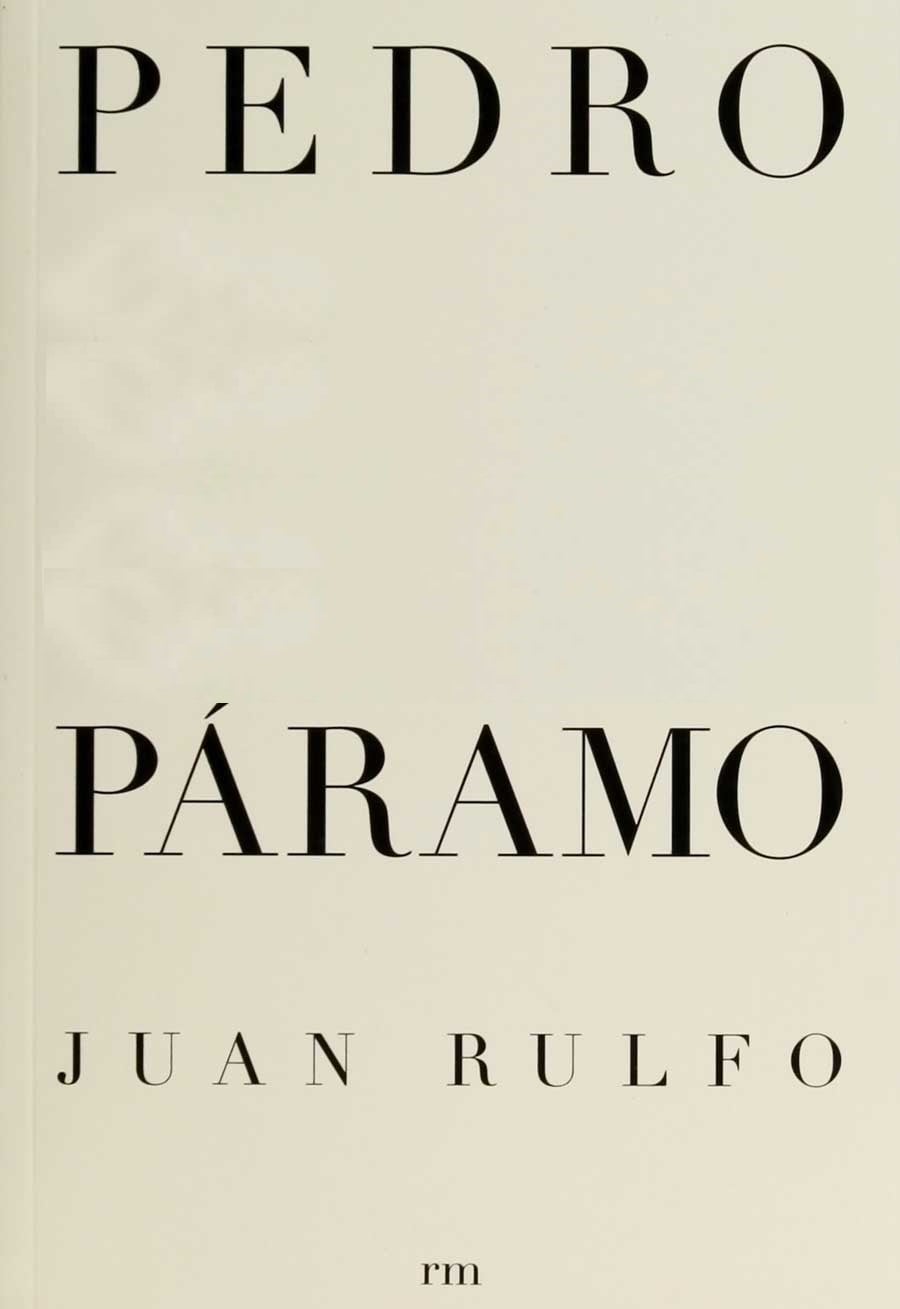
No. 9 on this list. Pedro Páramo
Juan Rulfo · 1955
Difficult3.6 hours
Taught in schools: Literatura, Diseño Curricular – Provincia de Buenos Aires (Argentina), UNAM Escuela Nacional Preparatoria – programas de Literatura (Mexico)
Included in: Bokklubben World Library
Pedro Páramo is the foundational text of Latin American modernism, present in nearly every world literature curriculum globally. Its Wikipedia article spans 26 languages. García Márquez credited it with teaching him how to write One Hundred Years of Solitude — a direct line of influence that alone ensures canonical permanence. Penguin Modern Classics published it in 1961.
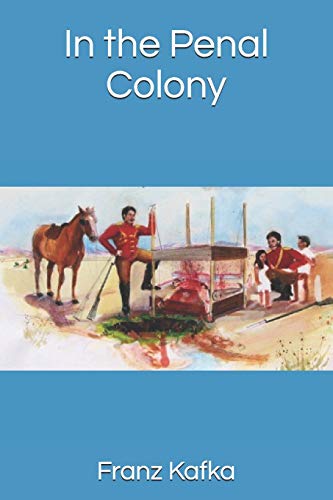
In the Penal Colony is among Kafka's most widely taught stories, a standard text in courses on modernism, German literature and literature and the law. It is reprinted in almost every major Kafka collection.
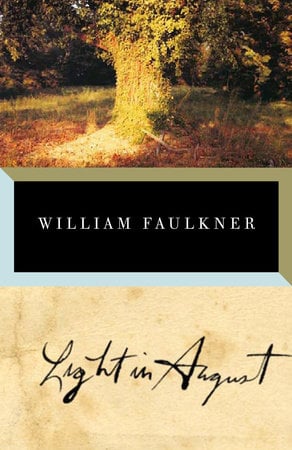
No. 11 on this list. Light in August · William Faulkner · 1932
Faulkner's most accessible major novel. Joe Christmas's search for identity became the definitive portrait of American racial tragedy. Core text in Southern literature and American studies.
Challenging14 hours
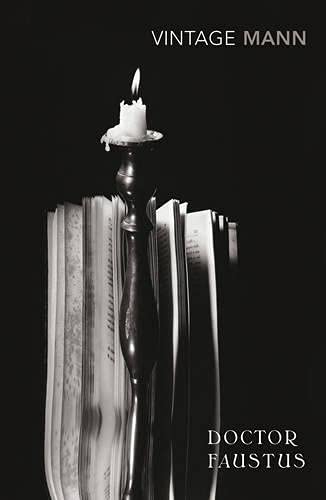
Start this bookNo. 12 on this list. Doctor Faustus · Thomas Mann · 1947
Routinely cited as Mann magnum opus and the great novel of German catastrophe. Taught as essential modernist text.
Difficult34 hours
Start this bookNo. 13 on this list. Hills Like White Elephants · Ernest Hemingway · 1927
One of the most anthologized short stories in English, taught in high school and college courses as the model of the iceberg technique. It sits just below the novels at the centre of the American curriculum.
Moderate7 min
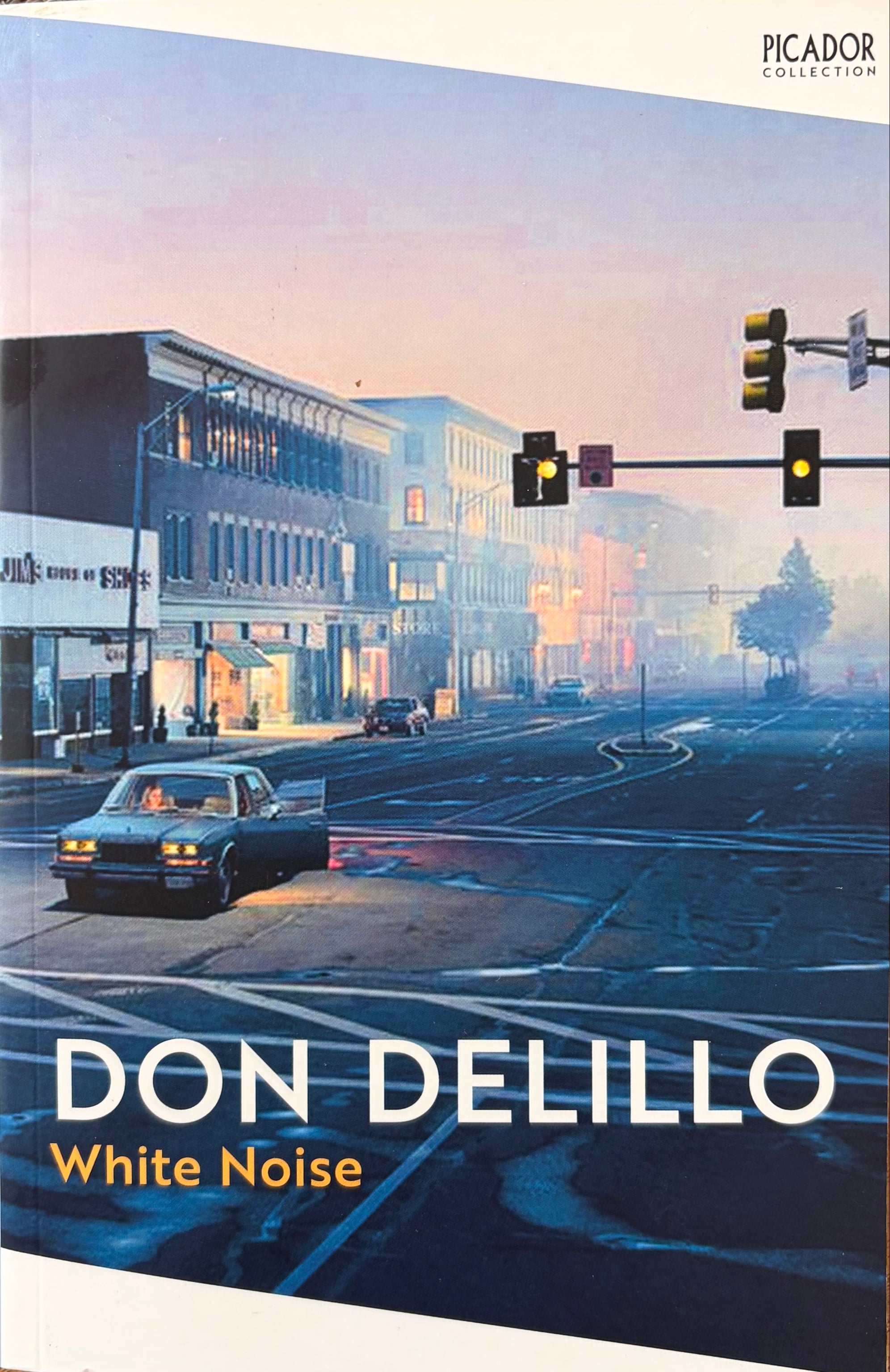
Start this bookNo. 14 on this list. White Noise · Don DeLillo · 1985
The definitive novel of American postmodern anxiety. The Airborne Toxic Event, the supermarket as cathedral, the fear of death—DeLillo captured how Americans live among systems they cannot understand.
Challenging9.4 hours
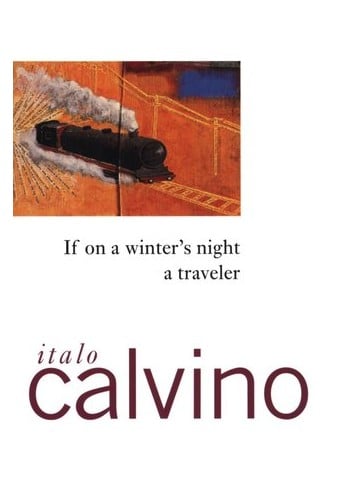
Start this bookNo. 15 on this list. If on a Winter’s Night a Traveler · Italo Calvino · 1982
A staple of university courses in postmodern literature, metafiction, narrative theory, and Italian studies worldwide. Appears on virtually every major list of postmodern masterworks, including the Modern Library and multiple "best novels" compilations. Not as universally assigned as Gatsby or 1984, but firmly established in the literary canon across multiple national traditions and academic disciplines.
Difficult10 hours
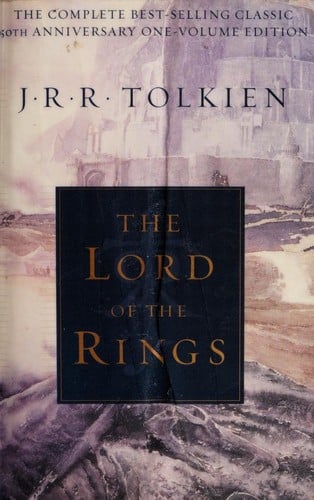
Start this bookNo. 16 on this list. The Lord of the Rings (The Lord of the Rings, #1-3) · J.R.R. Tolkien · 1954
Taught in schools: Pacific Senior Secondary Certificate – English
Widely taught in fantasy, medieval-influenced and popular literature courses and ranked among the most read novels, but less dominant on core literary syllabi than Gatsby or Crime and Punishment.
Moderate34 hours
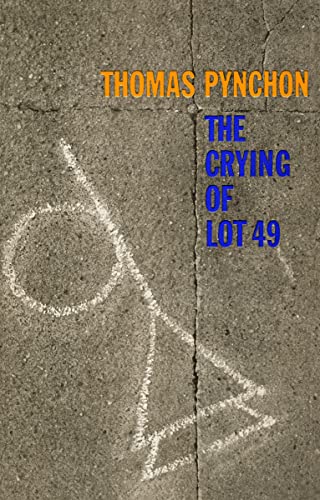
Start this bookNo. 17 on this list. The Crying of Lot 49 · Thomas Pynchon · 1966
Oedipa Maas learns she has been named executor of Pierce Inverarity's estate, a California real estate mogul and former lover whose tangled holdings require investigation. Traveling to the fictional San Narciso with co-executor Metzger, a lawyer, she begins noticing a mysterious symbol—a muted post horn—appearing in unexpected places. Her research into a Jacobean revenge play performed locally reveals references to Tristero, an underground postal system that may have operated in opposition to official mail services for centuries. As Oedipa pursues leads through bizarre informants—Mike Fallopian explaining the Peter Pinguid Society, John Nefastis demonstrating his entropy-reversing machine, professor Emory Bortz debating theatrical textual variants—she cannot determine whether she has discovered a genuine conspiracy or descended into paranoia. Her husband Mucho suffers breakdowns at his disk jockey job while Metzger abandons both the investigation and their affair. Characters appear with improbable names and suspect motives, stamps contain hidden messages, and evidence proliferates without resolving into coherent truth. The novel concludes with Oedipa attending an auction where a mysterious bidder may reveal the conspiracy's reality, but the narrative ends the moment before revelation, suspending her permanently between competing interpretations of American communication, meaning, and madness.
Challenging4.7 hours
Start this bookNo. 18 on this list. The Beast In The Jungle · Henry James · 1903
Included in: Great Books of the Western World
Ranked by literary regard among eligible works in the current catalogue. This position reflects the available catalogue evidence.
Challenging1.3 hours
Start this bookNo. 19 on this list. Women in Love · D.H. Lawrence · 1920
Appears on 241 university syllabi (59th percentile, Open Syllabus Project) and is listed on the Modern Library 100 Best Novels. Wikipedia coverage in 11 languages is modest for a major English novel, suggesting strong Anglophone canonical status that has not fully globalized.
Challenging16 hours
Read nowNo. 20 on this list. Winesburg, Ohio · Sherwood Anderson · 1919
Appears on 548 university syllabi (68th percentile in the Open Syllabus Project) and is included in the Modern Library 100 Best Novels list. Wikipedia coverage in 15 languages is modest relative to works like The Great Gatsby, but the book has a stable presence in American literature survey courses and has never gone out of print since 1919.
Challenging7.5 hours
Read now
No. 21 on this list. Satantango · László Krasznahorkai · 1985
Wikipedia article exists in 22 languages, indicating substantial global reach, and Krasznahorkai's 2025 Nobel Prize in Literature will accelerate institutional attention to the novel. Syllabus appearances are currently negligible — the recent Nobel has not yet translated into widespread university adoption. The novel occupies a firm place in the contemporary European literary canon without yet achieving the fixture status of earlier Nobel laureates.
Difficult14 hours
Start this bookNo. 22 on this list. The Savage Detectives · Roberto Bolaño · 1998
Taught in schools: UNAM Escuela Nacional Preparatoria – programas de Literatura (Mexico)
Wikipedia records the novel in 8 languages and includes a dedicated reception section, indicating meaningful international critical attention. The book appears in world literature courses but lacks the syllabus saturation of García Márquez or Borges. It is a canonical text within post-boom Latin American literature without having achieved the broad pedagogical adoption of the century's founding works.
Challenging26 hours
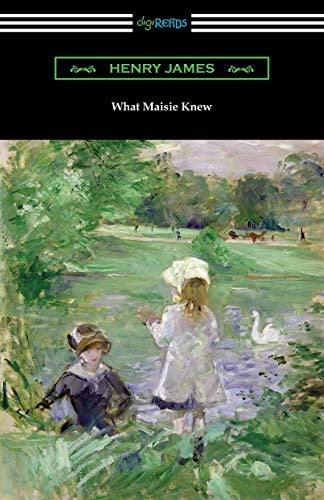
Start this bookNo. 23 on this list. What Maisie Knew · Henry James · 1897
Taught in schools: Pearson Edexcel GCSE and A-level English Literature (UK)
Ranked by literary regard among eligible works in the current catalogue. This position reflects the available catalogue evidence.
Challenging8.9 hours
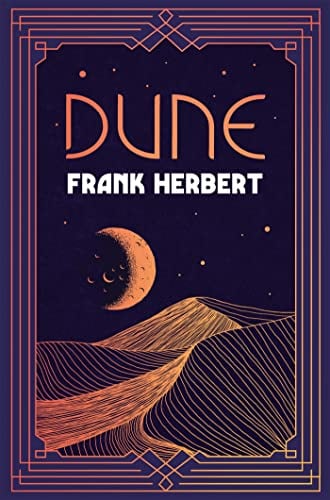
Start this bookNo. 24 on this list. Dune · Frank Herbert · 1965
Dune is the foundational text of modern science fiction world-building, widely included on SF literature syllabi and 'essential reading' lists across the genre. While the Open Syllabus data returned zero results — likely a metadata mismatch — Dune appears regularly in university SF literature courses and on canonical reading lists. It consistently ranks first or second on polls of the best science fiction novels ever written.
Challenging17 hours
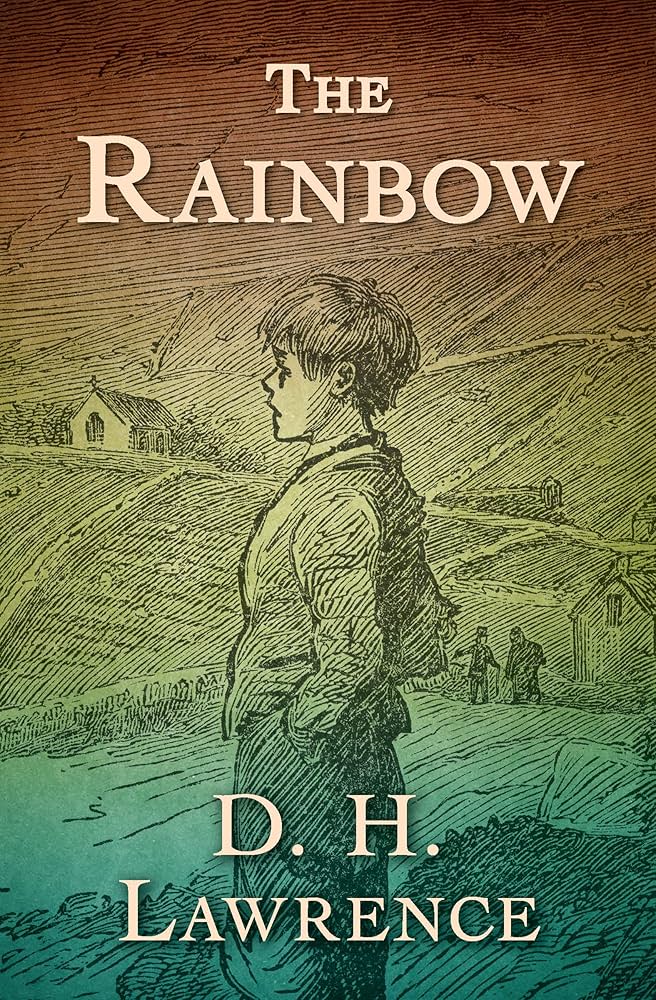
Start this bookNo. 25 on this list. The Rainbow · D.H. Lawrence · 1915
The Rainbow is firmly established in the English literary canon as one of Lawrence's major novels and a landmark of early modernism. It appears on the Modern Library 100 Best Novels list, is a staple of university curricula covering British modernism, and is widely recognized as a foundational text in the novel of sexuality and consciousness.
Challenging16 hours
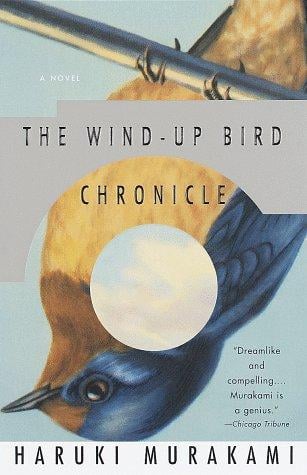
Read nowNo. 26 on this list. The Wind-Up Bird Chronicle · Haruki Murakami · 1994
Toru Okada is making spaghetti when an anonymous woman calls to say they need ten minutes to understand each other. Then his cat vanishes. Then his wife Kumiko disappears entirely, leaving only a letter about her brother and a request not to look for her. This is how The Wind-Up Bird Chronicle begins: with domestic life dissolving from the inside, one ordinary item at a time. Murakami keeps Toru's voice flat and patient throughout — he irons shirts when upset, counts stages, watches his garden — while everything around him tilts into the surreal. He descends into a dry well in a neighbor's yard and emerges changed, a blue-black mark spreading across his cheek. He encounters Malta and Creta Kano, psychic sisters whose names are Mediterranean islands. He sits across a table from a television personality who may be the novel's primary evil. Threaded through the present is Lt. Mamiya's account of the Mongolian desert in 1939 — atrocity reported in the same matter-of-fact voice Toru uses to describe boiling water. The novel operates on the logic of a dream that refuses to dissolve on waking: causality suspended, meaning promised and withheld simultaneously. Murakami never explains his machinery. By the end, what remains is a portrait of a man in a long wait — for his wife, for answers, for the world to wind itself back up.
Easy14 hours
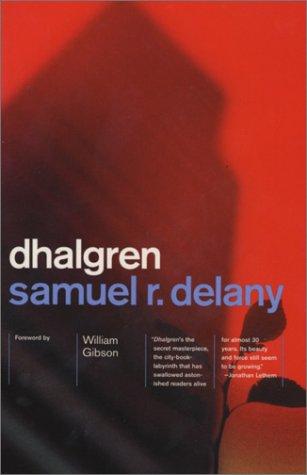
Start this bookNo. 27 on this list. Dhalgren · Samuel R. Delany · 1975
Dhalgren is deeply canonical within science fiction, appearing on Locus Magazine's All-Time Best SF Novels list and TIME Magazine's 100 Best English-Language Novels (2005 list). It is a fixture of university SF, experimental fiction, and queer literature courses. Absent from mainstream American literature syllabi, it is nonetheless essential reading in genre studies and postmodern fiction contexts — a narrower canonicity than Beloved or The Great Gatsby, but genuine and sustained.
Difficult46 hours
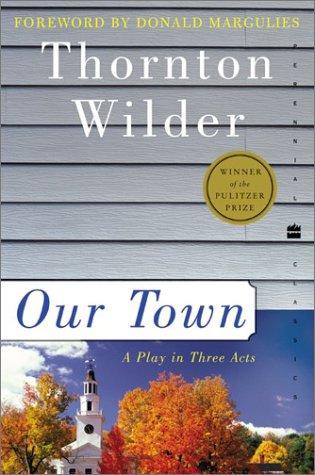
Start this bookNo. 28 on this list. Our Town · Thornton Wilder · 1938
Taught in schools: Common Core text exemplars (Appendix B) (US), CSEC English B – Caribbean Examinations Council
Our Town is among the most-produced American plays, a staple of high school and college drama and American literature courses. It won the 1938 Pulitzer Prize for Drama and is widely taught as a landmark of twentieth-century American theater.
Easy2.8 hours
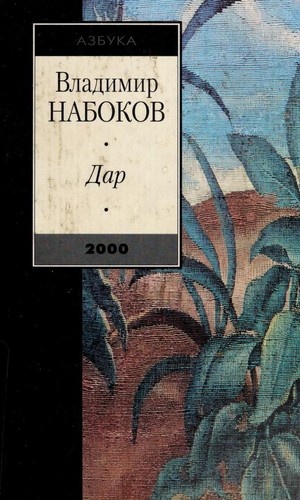
Start this bookNo. 29 on this list. Дар · Vladimir Nabokov · 1938
The Gift is the last and most ambitious of Nabokov's Russian novels and a fixture of courses on Russian émigré literature and on Nabokov. In English it is read less often than Lolita or Pale Fire, which keeps it below his most taught books.
Difficult15 hours
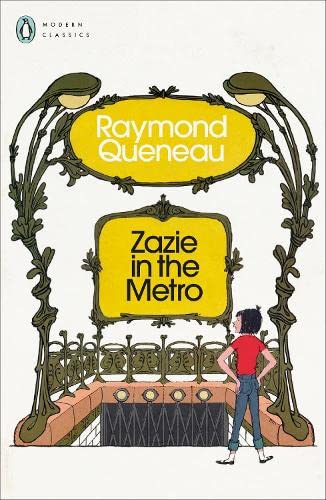
Start this bookNo. 30 on this list. Zazie in the Metro · Raymond Queneau · 1959
Zazie in the Metro appears on Le Monde's 100 Books of the Century (1999) and in the Open Syllabus Top 500 for literature, placing it firmly within the French literary canon. It is published by NYRB Classics, the most prestigious English-language imprint for foreign literary fiction. The novel is taught in French literature and postmodern fiction courses internationally, though it remains more of a cult text than a curriculum fixture outside France. Its canonical standing in France itself is considerably higher than its anglophone footprint suggests.
Moderate2.9 hours
Start this book
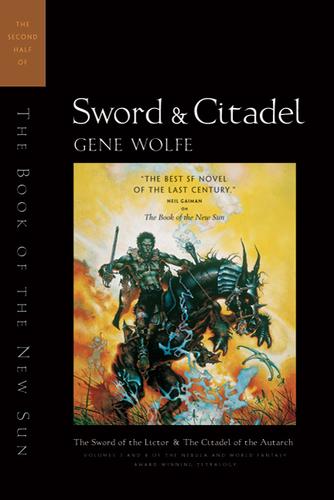
No. 31 on this list. Sword & Citadel
Gene Wolfe · 1994
No. 32 on this list. The Luzhin Defense
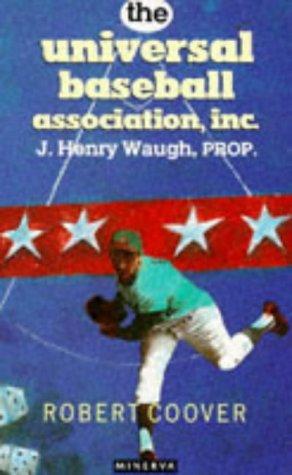
No. 33 on this list. The Universal Baseball Association, Inc., J. Henry Waugh, Prop.
Robert Coover · 1968
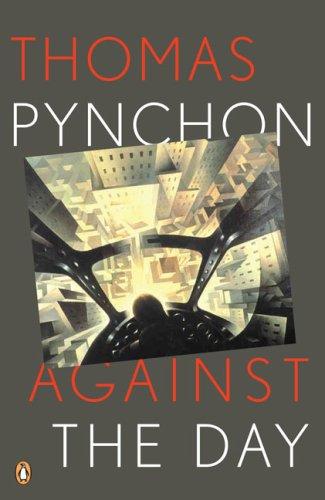
No. 34 on this list. Against the Day
Thomas Pynchon · 2006
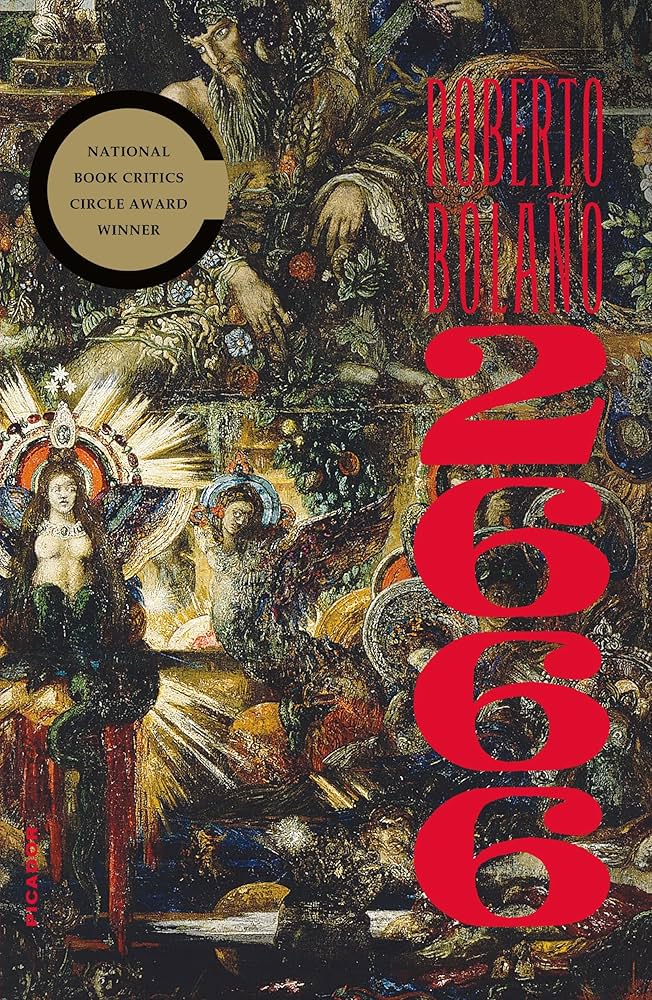
No. 35 on this list. 2666
Roberto Bolaño · 2004
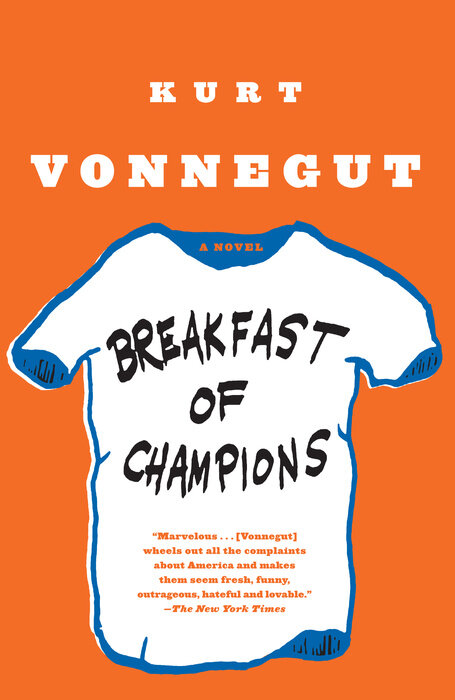
No. 36 on this list. Breakfast of Champions
Kurt Vonnegut · 1973
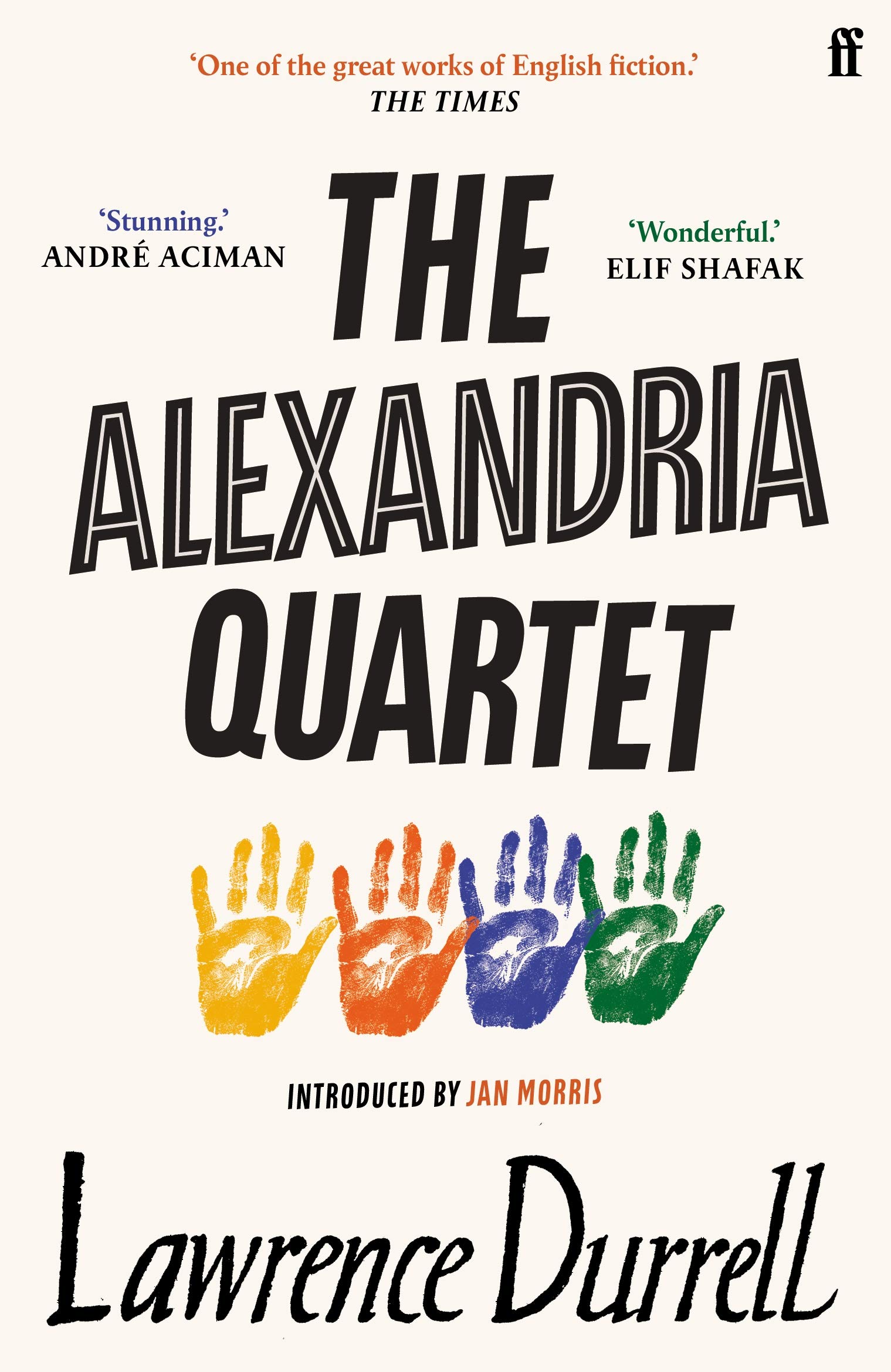
No. 37 on this list. The Alexandria Quartet
Lawrence Durrell · 1960
No. 38 on this list. Batman: The Killing Joke
Alan Moore · 1995
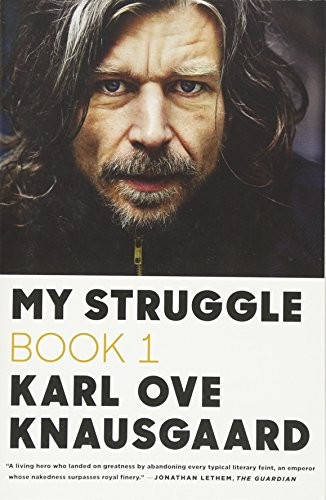
No. 39 on this list. My Struggle: Book 1
Karl Ove Knausgaard · 2009
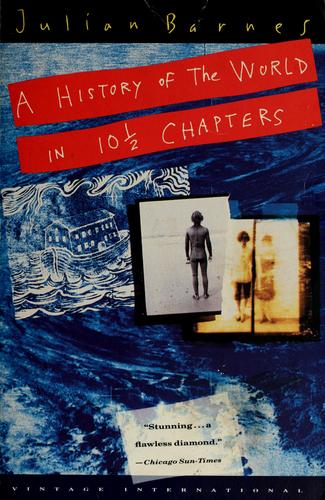
No. 40 on this list. A History of the World in 10½ Chapters
Julian Barnes · 1989

No. 41 on this list. Flatland
Edwin A. Abbott · 1884
No. 42 on this list. Sometimes a Great Notion
Ken Kesey · 1964
No. 43 on this list. Americana
Don DeLillo · 1971
No. 44 on this list. Everything Is Illuminated
Jonathan Safran Foer · 2002
No. 45 on this list. Pierre
Herman Melville · 1852
No. 46 on this list. The garden of Eden
Ernest Hemingway · 1986
No. 47 on this list. Herscht 07769
László Krasznahorkai · 2021
No. 48 on this list. Europe Central
William T. Vollmann · 2005
No. 49 on this list. Extremely Loud & Incredibly Close
Jonathan Safran Foer · 2006
No. 50 on this list. Requiem: A Hallucination
Antonio Tabucchi · 2002



No. 51 on this list. Same Bed Different Dreams
Ed Park · 2023
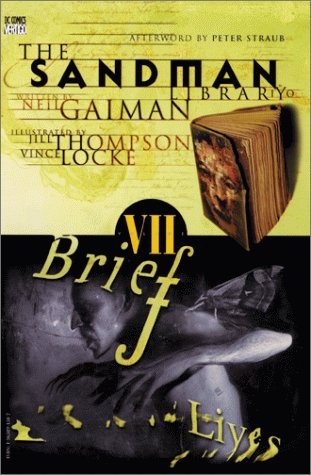
No. 52 on this list. The Sandman, Vol. 7: Brief Lives
Neil Gaiman · 1999
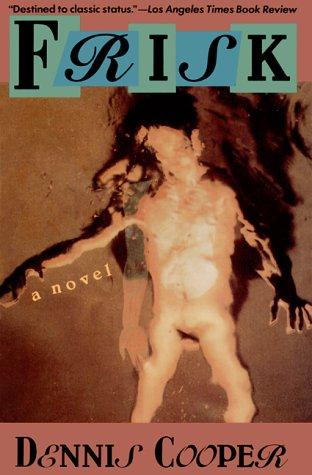
No. 53 on this list. Frisk
Dennis Cooper · 1991
No. 54 on this list. The King in Yellow
Robert W. Chambers · 1895
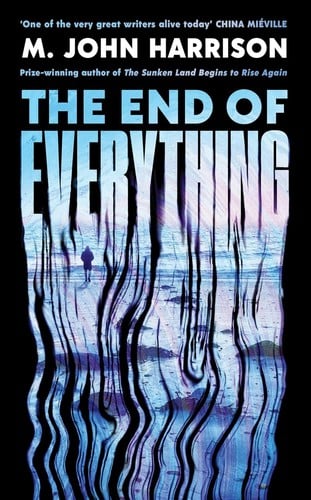
No. 55 on this list. The End of Everything
M. John Harrison · 2026
No. 56 on this list. Witch Grass
Raymond Queneau · 1942
No. 57 on this list. Closer
Dennis Cooper · 1989
No. 58 on this list. Lunar Park
Bret Easton Ellis · 2005
No. 59 on this list. The Kindness of Women
J.G. Ballard · 1991
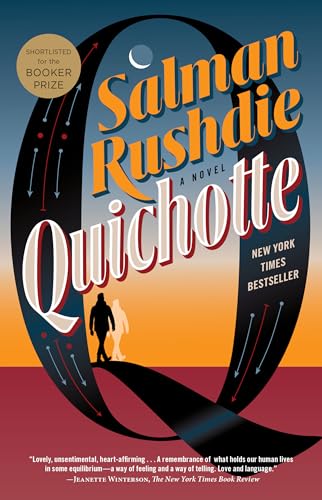
No. 60 on this list. Quichotte
Salman Rushdie · 2019
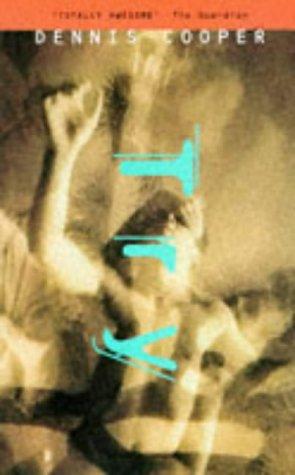
No. 61 on this list. Try
Dennis Cooper · 1994
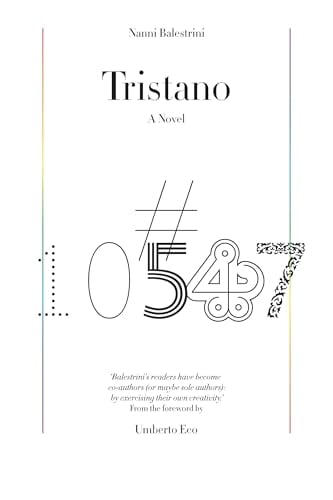
No. 62 on this list. Tristano
Nanni Balestrini · 2014
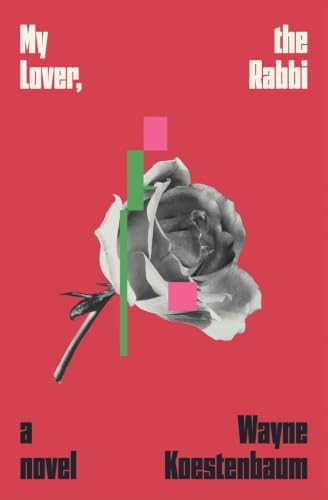
No. 63 on this list. My Lover, the Rabbi
Wayne Koestenbaum · 2006
No. 64 on this list. Transcription
Ben Lerner · 2026
No. 65 on this list. Broken People
Sam Lansky · 2020
No. 66 on this list. Black Brane
Michael Cisco · 2025
No. 67 on this list. Negative Space
B.R. Yeager · 2020
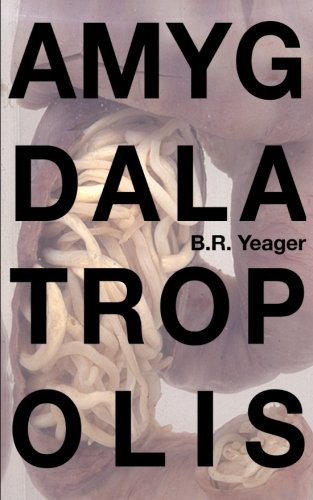
No. 68 on this list. Amygdalatropolis
B.R. Yeager · 2017
No. 69 on this list. Left Hand
Paul Curran · 2014
About this list
These 69 books are the highest-scoring eligible modernist and experimental novels by men currently in the catalogue. About 906 hours of reading in all, for the 68 with measured lengths. Difficulty runs from 52 to 71 out of 100 for the middle half of the list; the summit is Gravity's Rainbow at 84.
This list is ranked by literary regard, with a consistent order for equal scores. Membership follows authors and co-authors, not translators or editors. A book is here when ReadingRate files it under Modernist & Experimental Fiction as one of its primary reading domains. Catalogue coverage and the historical canon both limit what this list can represent.
When we matched the Canons dataset to our catalogue in October 2026, our canonical-status scores rose with the number of school curricula, publisher series and lists in it that cite a work: the median score was 72 for books one such source cites, 84 at two, 88 at three, 92 at four and 93 at five or more. Prizes are left out of that count. Outside the state curricula, the dataset’s sources choose mostly from what has been translated into English or French, so it is a weaker check on other literatures. Source: Canons (Andrew Piper), CC BY 4.0
Questions people actually ask
- What are the best modernist and experimental novels by men?
- By literary regard, which weighs canonical status, critical standing and influence: Moby-Dick by Herman Melville, Waiting for Godot by Samuel Beckett, The Stranger by Albert Camus, Thus Spake Zarathustra A book for all and none by Friedrich Nietzsche and Dubliners by James Joyce. ReadingRate ranks 69 such books, each with a difficulty score and a reading-time estimate.
- Which modernist and experimental novels by men should I read first?
- Start from difficulty, not from rank. The most approachable books on this list that still carry top literary regard are The Wind-Up Bird Chronicle by Haruki Murakami (about 14 hours), The Lord of the Rings (The Lord of the Rings, #1-3) by J.R.R. Tolkien and The Decameron by Giovanni Boccaccio.
- What are the shortest of the best modernist and experimental novels by men?
- Among the top 25, the shortest are Hills Like White Elephants by Ernest Hemingway (about 7 min), In the Penal Colony by Franz Kafka (about 42 min) and The Beast In The Jungle by Henry James (about 1.3 hours), at an average pace of 250 words a minute adjusted for each book's difficulty.
- Which of the best modernist and experimental novels by men are the established classics?
- By canonical status, how firmly a book sits in curricula, anthologies and the canon: Moby-Dick by Herman Melville, Waiting for Godot by Samuel Beckett, The Stranger by Albert Camus, Thus Spake Zarathustra A book for all and none by Friedrich Nietzsche and The Decameron by Giovanni Boccaccio.
- Can I read any of these modernist and experimental novels by men for free?
- 8 of the 69 open in ReadingRate's reader with a free account, from public-domain editions: Moby-Dick, Dubliners, The Decameron, Women in Love, Winesburg, Ohio and 3 more.
- How long would it take to read the top ten?
- About 148 hours, at an average pace of 250 words a minute adjusted for each book's difficulty: 75 days at two hours a day. Set your own pace on the page and the list's reading times change to it.
- How hard are modernist and experimental novels by men to read?
- Most of this list sits between 52 and 71 on ReadingRate's 100-point difficulty scale, where 40 to 55 is moderate. The summit is Gravity's Rainbow at 84. Every entry carries its own score, so a reader can pick a great book at a difficulty they will finish.
- How is this list ranked?
- On literary-regard data: how canonically established a work is, its critical standing, and its influence on later writing. It is not a readers’ poll, which is why recent bestsellers rarely appear. Membership follows authors and co-authors, not translators or editors. Lists by country, author, period, theme or difficulty keep to literature (fiction, poetry, drama and philosophy), their novels, poems and plays first and their philosophy after them; a list of a kind of book, such as memoir or criticism, keeps every book of that kind. Every list holds at most three works by one author. A book is here when ReadingRate files it under Modernist & Experimental Fiction as one of its primary reading domains.