Hours at an average pace
Showing 51 books
About 474 hours for 51 of 51 books with measured lengths. Estimates use 250 words a minute, adjusted for each book's difficulty. At 2 hours a day, about 237 days for those books.
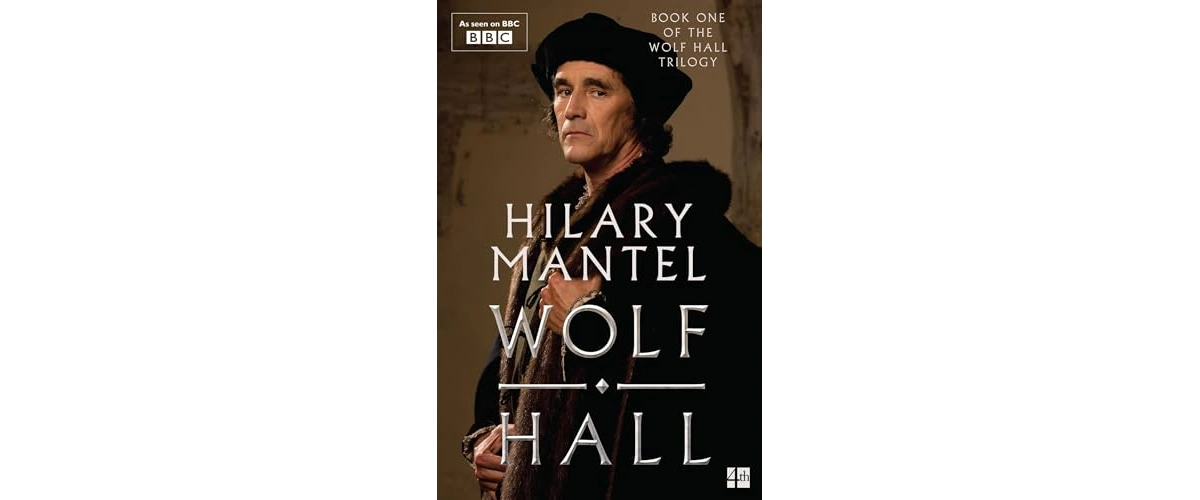
The historical novel that changed the genre's literary status. Thomas Cromwell's rise, rendered in present tense and close third person, made Tudor politics feel immediate. Core text in contemporary fiction and historical fiction courses.
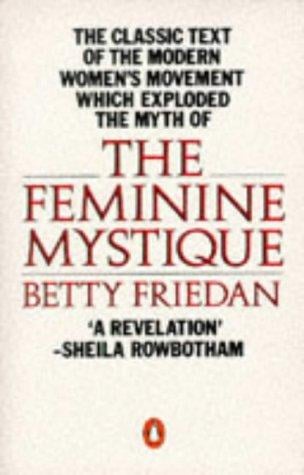
The Feminine Mystique appears on hundreds of women's studies, American history, and sociology syllabi across the United States and internationally. Time magazine named it one of the 100 most important nonfiction books of the 20th century, and it features on Modern Library and similar 'essential nonfiction' lists. Its Wikipedia article exists in dozens of languages with substantial coverage of its reception and cultural impact.
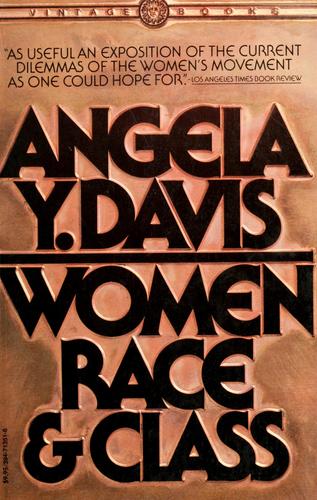
A fixture on syllabi in Women's Studies, African American Studies, Sociology, and History courses across US universities since its 1981 publication. Required reading in virtually every Black feminist theory course and central to the canon of intersectional scholarship. Widely included on lists of essential texts in feminist and critical race theory.
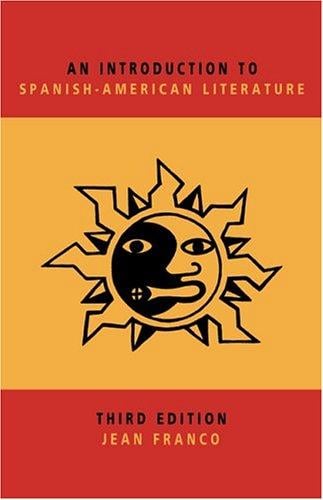
No. 4 on this list. An Introduction to Spanish-American Literature
Jean Franco · 1969
Moderate6.7 hours
Established as the foundational anglophone survey of Spanish American literature for over three decades.
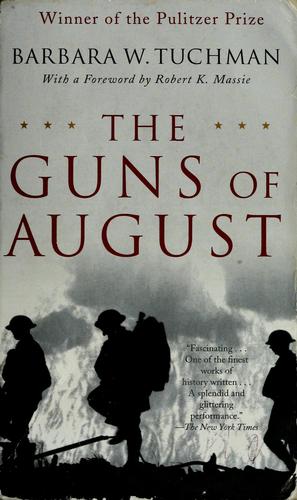
In August 1914, the armies of Europe mobilized according to plans drawn up years before, and the men who had written those plans found themselves unable to stop them. Barbara Tuchman follows the first month of the First World War through the decisions of Kaiser Wilhelm, General von Moltke, Sir Edward Grey, King Albert of Belgium, French commander Joffre, and the British Expeditionary Force crossing the Channel — tracking each government's calculations as they collide with reality. The Schlieffen Plan, Germany's blueprint for a two-front war, required sweeping through Belgium in six weeks. Belgium refused to yield. The sequence of what followed — the fall of Liège, the burning of Louvain's library, the British retreat from Mons, the French armies shattering against German lines in the battles of the frontiers — shows how a war that most leaders expected to end by Christmas instead set the terms for the next four years. Tuchman writes narrative history as a novelist would: scenes, dialogue, the texture of specific moments. John F. Kennedy read this book during the Cuban Missile Crisis, reportedly to remind himself how quickly leaders can lose control of the forces they have set in motion. It won the Pulitzer Prize in 1963. The question it asks — how educated, cautious men produced a catastrophe none of them wanted — has not become less relevant.
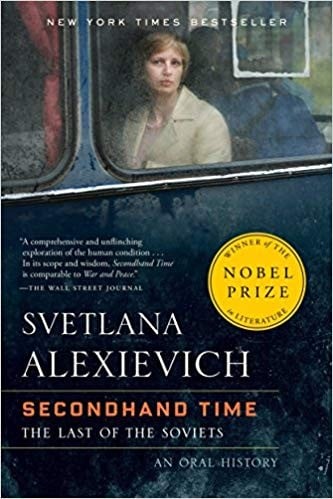
Secondhand Time appears on syllabi in Eastern European studies, Russian history, and world literature courses at major universities, but has not achieved the broad canonical status of Soviet-era classics like Solzhenitsyn's Gulag Archipelago. Its Nobel Prize pedigree (Alexievich won in 2015) has elevated its presence in academic reading lists, and it is available in dozens of languages. Within its genre of documentary prose, it is considered essential reading.
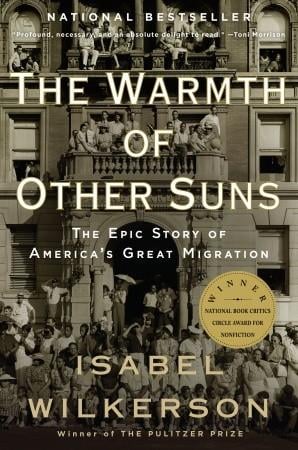
It is widely assigned in American history and African American studies courses and read as a modern classic of narrative history. A recent book, it has not yet reached the staple status of the older canon.
Named to TIME Magazine's All-TIME 100 Best Nonfiction Books and to numerous 'greatest travel books' and 'greatest books of the 20th century' lists. Continuously in print since 1941 in Penguin Modern Classics. Not widely assigned in university courses relative to its reputation, but cited as essential reading by serious readers of 20th-century European history and political thought.
The book is a standard text in American studies, women's studies and religious history courses. It is a landmark of 1970s cultural history, though it is not itself a literary classic.
The Luminaries is a 2013 Booker Prize winner with 9 Wikipedia language editions and documented critical reception and adaptation sections. It is widely reviewed and taught in contemporary fiction courses, particularly in New Zealand and postcolonial literary contexts. However, its canonical standing remains early-stage: scholar citation counts are negligible, syllabus presence is limited compared to mid-20th-century Booker winners, and it has not yet accumulated the critical apparatus of fully canonical works. The Booker win places it above most contemporary literary fiction but its 2013 publication date means academic canonization is ongoing.
No. 11 on this list. In the Freud Archives · Janet Malcolm · 1984
Highly regarded among readers of literary journalism. Less widely known than The Journalist and the Murderer but considered by some critics to be Malcolm's finest book.
Moderate3.6 hours
Start this bookNo. 12 on this list. Wild Swans: Three Daughters of China · Jung Chang · 1991
Standard on university reading lists for modern Chinese history and among the most assigned memoirs of the twentieth century, banned in China.
Moderate15 hours
Start this bookNo. 13 on this list. The Making of Modern Korean Poetry: Foreign Influences and Native Creativity · Kim Hyun-suk · 2003
A significant scholarly contribution to Korean literary studies that has reshaped how modern Korean poetry is contextualized in English-language scholarship.
Easy5.7 hours
Start this bookNo. 14 on this list. A History of God · Karen Armstrong · 1993
One of the most widely read works of popular religious history since its publication.
Moderate12 hours
Start this bookNo. 15 on this list. Zinky Boys · Svetlana Alexievich · 1991
Zinky Boys is taught in courses on Soviet literature, oral history methodology, war literature, and post-communist memory across European and North American universities. No database data is available for this specific title's syllabus appearances, but Alexievich's work as a whole gained canonical status after her 2015 Nobel Prize, and Zinky Boys is among her most cited individual works alongside Chernobyl Prayer and The Unwomanly Face of War.
Moderate5.1 hours
Start this bookNo. 16 on this list. The Way We Never Were: American Families and the Nostalgia Trap · Stephanie Coontz · 1992
The Way We Never Were is widely assigned in undergraduate and graduate courses in American history, sociology, family studies, gender studies, and social policy. It appears on syllabi across U.S. universities as a standard text for courses on the American family, and its arguments have been incorporated into the general scholarly consensus on family history. While it does not occupy the 'great books' canon, it has become a canonical reference within its fields — the book critics and scholars cite when debunking family-decline narratives. Its presence in public discourse has been sustained across three decades.
Moderate11 hours
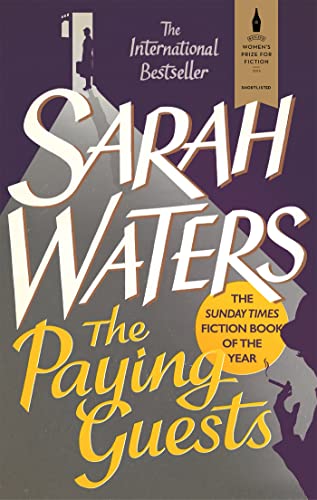
Start this bookNo. 17 on this list. The Paying Guests · Sarah Waters · 2015
Published in 2014, The Paying Guests represents contemporary literary fiction by an established author with significant cultural impact in LGBTQ+ literature. Waters is widely recognized for her contributions to historical lesbian fiction. While too recent for canonical entrenchment, the novel appears on literary prize shortlists and reading lists for courses on contemporary British fiction and queer literature. It demonstrates serious literary ambition while remaining accessible, occupying the space between middlebrow and highbrow that characterizes much contemporary literary fiction.
Moderate13 hours
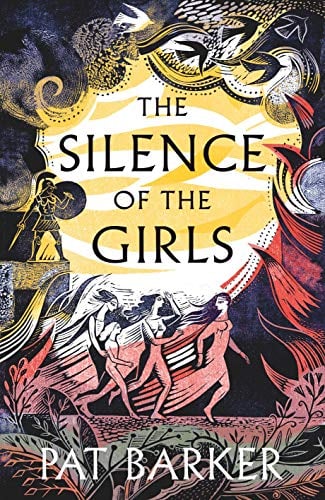
Start this bookNo. 18 on this list. The Silence of the Girls · Pat Barker · 2019
Taught in schools: Leaving Certificate English – NCCA / State Examinations Commission (Ireland)
Briseis is a queen captured by Achilles when he sacks her city. She becomes his slave, his prize, the woman over whom he and Agamemnon quarrel. Barker retells the Iliad from her perspective, giving voice to the women Homer left silent. The prose is direct and modern, the ancient world rendered without nostalgia, the heroes seen from the tents where women wait. The novel asks whose stories survive, whose suffering counts, and what it means to speak for those who were never allowed to speak.
Challenging7 hours
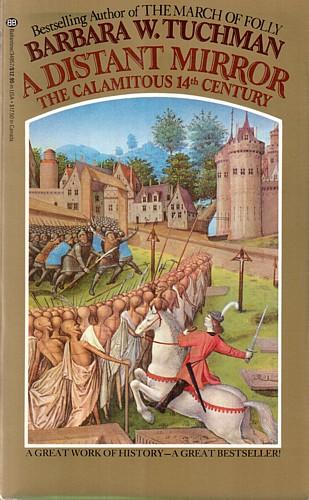
Start this bookNo. 19 on this list. A Distant Mirror · Barbara W. Tuchman · 1978
A Distant Mirror appears on medieval history and historiography syllabi at many universities, though it is not as universally assigned as Tuchman's The Guns of August. It is a standard recommendation for readers approaching the 14th century and frequently appears on 'best history books' lists. Its canonical status sits firmly in the 'widely known, frequently recommended' tier rather than the 'required everywhere' tier occupied by foundational academic texts.
Easy14 hours
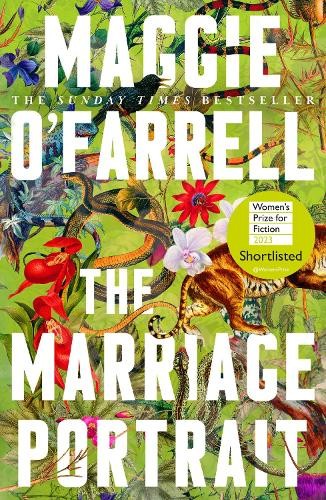
Start this bookNo. 20 on this list. The Marriage Portrait · Maggie O'Farrell · 2023
Published in 2022, The Marriage Portrait received immediate recognition through Reese's Book Club selection, Women's Prize shortlisting, and 'best book of the year' designations from TIME and The Washington Post. As O'Farrell's follow-up to the Women's Prize-winning Hamnet, it benefits from her established reputation. However, critics noted it 'lacks the emotional staying power of Wolf Hall or Hamnet,' suggesting strong contemporary acclaim without yet achieving definitive canonical standing in historical fiction.
Moderate8.8 hours
Start this book
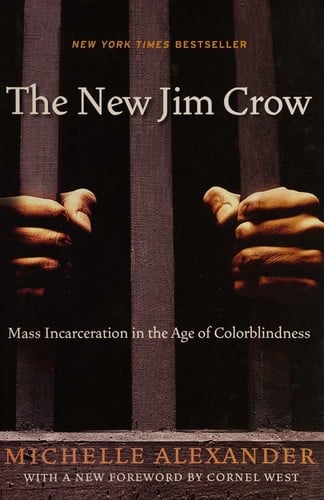
No. 21 on this list. The New Jim Crow · Michelle Alexander · 2010
One of the most important works of American social criticism in the 21st century. Widely assigned in universities.
Easy5.3 hours
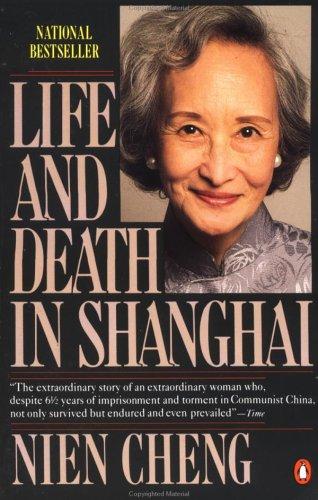
Start this bookNo. 22 on this list. Life and Death in Shanghai · Nien Cheng · 1987
A standard text on Cultural Revolution reading lists in history and Asian studies courses, in print from Grafton and Penguin since 1987.
Moderate13 hours
Start this bookNo. 23 on this list. When I Lived in Modern Times · Linda Grant · 2000
"For a weary and exhausted Europe, it is a time to begin picking up the pieces of the past, and for the armies of displaced persons on the move to slowly return home - if they still have one. But for Evelyn Sert, a young twenty-year-old woman from London standing on the deck of a ship bound for Palestine, it is a time of adventure and a time of change when anything seems possible.". "Evelyn is quickly caught up in the spirited, chaotic churning of her new, strange country. Unsure of herself and where she belongs in this exotic world whose only constant is change, she will first join a kibbutz, then move on to the teeming metropolis of Tel Aviv to find her own home and a collection of friends as eccentric and disparate as the city itself. Ultimately, she will find love with a man who is not what he seems to be, as she is swept up as an unwitting spy in an underground army for a nation fighting to be born."--BOOK JACKET.
Challenging4.8 hours
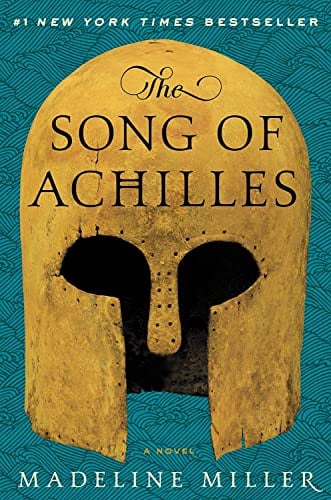
Start this bookNo. 24 on this list. The Song of Achilles · Madeline Miller · 2012
This is the story of the seige of Troy from the perspective of Achilles best-friend Patroclus. Although Patroclus is outcast from his home for disappointing his father he manages to be the only mortal who can keep up with the half-God Archilles. Even though many will know the facts behind the story the telling is fresh and engaging.
Moderate6.6 hours
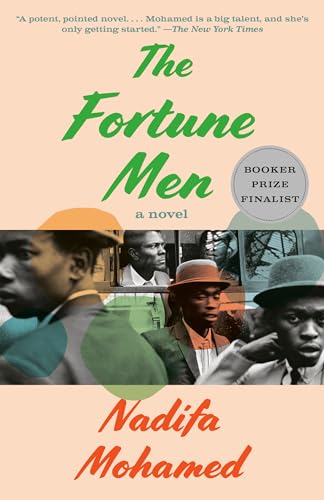
Start this bookNo. 25 on this list. The Fortune Men · Nadifa Mohamed · 2021
Mahmood Mattan is a Somali sailor living in Cardiff's Tiger Bay in 1952 when a shopkeeper is murdered. He is arrested, tried, and hanged—the last man executed in Wales. Mohamed's novel tells his story through multiple voices: Mahmood himself, his Welsh wife Laura, the witnesses who lie, the lawyers who fail him. The prose shifts between registers, Mahmood's voice musical and defiant, the courtroom scenes clinical in their injustice. The novel won the Booker Prize for its excavation of a forgotten case, racism made visible through one man's destruction.
Moderate6.1 hours
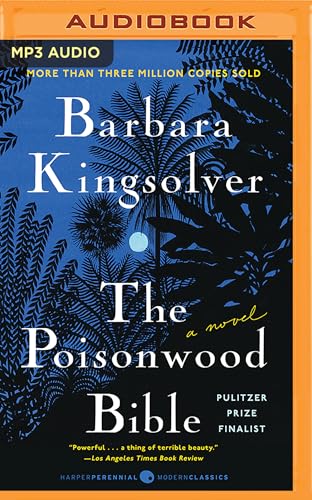
Start this bookNo. 26 on this list. The Poisonwood Bible · Barbara Kingsolver · 1999
Appears on 365 university syllabi (64th percentile in the Open Syllabus Project), placing it in regular rotation for postcolonial literature and American fiction courses. Its Wikipedia article covers 3 languages and includes dedicated reception and adaptations sections, indicating sustained cultural presence. Well-taught but not in the tier of perennial curriculum fixtures like Beloved or Their Eyes Were Watching God.
Challenging17 hours
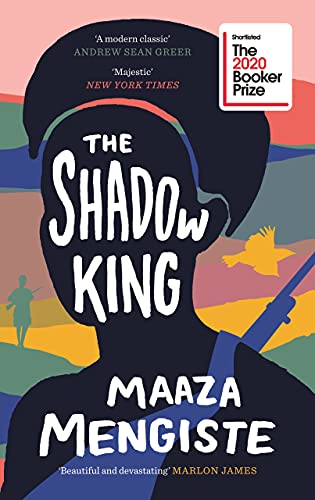
Start this bookNo. 27 on this list. The Shadow King · Maaza Mengiste · 2020
In 1935 Ethiopia, women fight against Mussolini's invasion. Mengiste's Booker-shortlisted novel recovers a forgotten history of female resistance and the violence of fascism.
Challenging9.2 hours
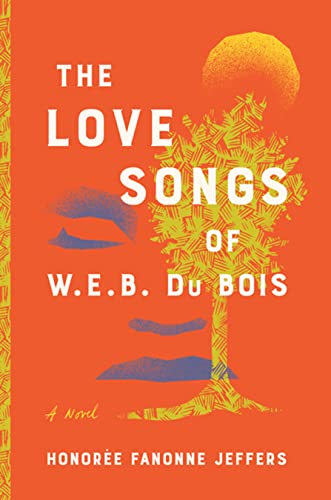
Start this bookNo. 28 on this list. The Love Songs of W.E.B. Du Bois · Honoree Fanonne Jeffers · 2021
Ranked by literary regard among eligible works in the current catalogue. This position reflects the available catalogue evidence.
Challenging13 hours
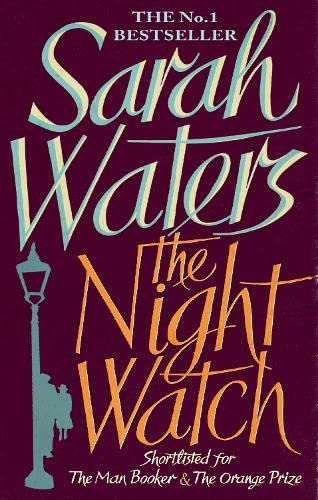
Start this bookNo. 29 on this list. The Night Watch · Sarah Waters · 2006
Waters moves backward through time, from 1947 to 1944 to 1941, following four characters through wartime London: an ambulance driver, her damaged brother, a prisoner, and the woman who visits her. The structure creates dramatic irony—we know the endings before we understand the beginnings. The prose is atmospheric and precise, the Blitz rendered through both danger and opportunity. The novel asks what the war made possible, what loves and identities flourished in the chaos before peacetime closed them down.
Challenging9.4 hours
Start this bookNo. 30 on this list. Jane Austen: A Life · Claire Tomalin · 1997
Our database captured no syllabus signals, but the book is one of the two standard modern Austen biographies (with Deirdre Le Faye's family record), routinely assigned as secondary reading in Austen courses and cited across Austen scholarship since 1997. It is a reference point rather than a canonical text in its own right.
Easy7.1 hours
Start this book
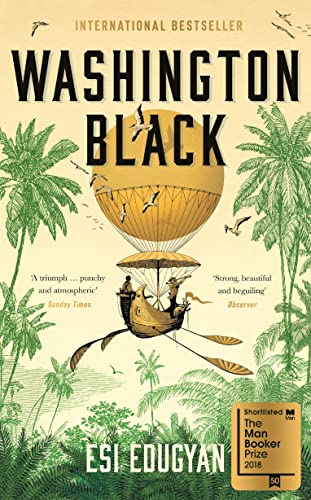
No. 31 on this list. Washington Black
Esi Edugyan · 2018
No. 32 on this list. The Cambridge Companion to the Scandinavian Novel
Annegret Heitmann · 2016
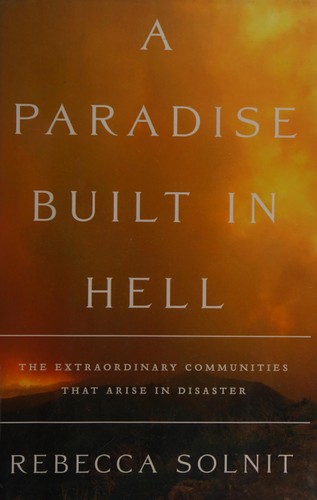
No. 33 on this list. A Paradise Built in Hell: The Extraordinary Communities That Arise in Disaster
Rebecca Solnit · 2009
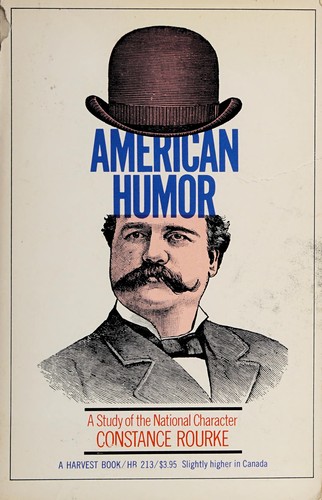
No. 34 on this list. American Humor: A Study of the National Character
Constance Rourke · 1931
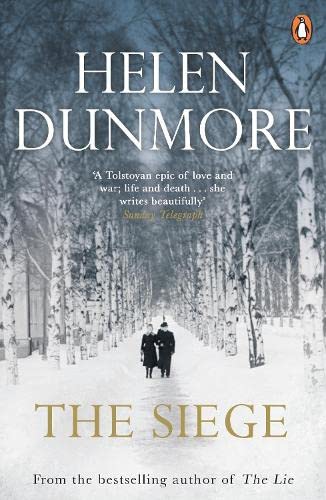
No. 35 on this list. The Siege
Helen Dunmore · 2002
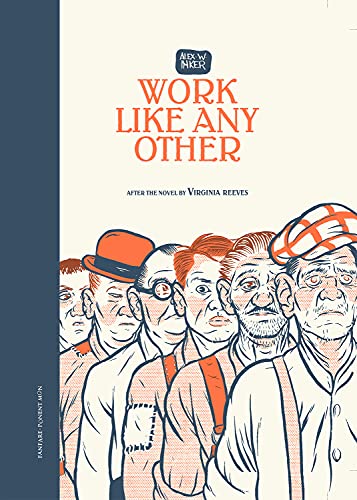
No. 36 on this list. Work Like Any Other
Virginia Reeves · 2016
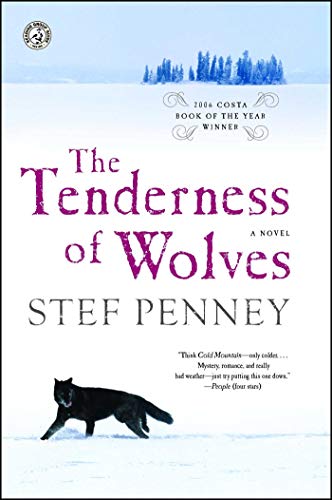
No. 37 on this list. The Tenderness of Wolves
Stef Penney · 2006
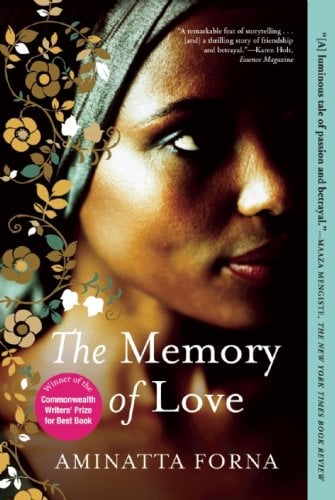
No. 38 on this list. The Memory of Love
Aminatta Forna · 2011
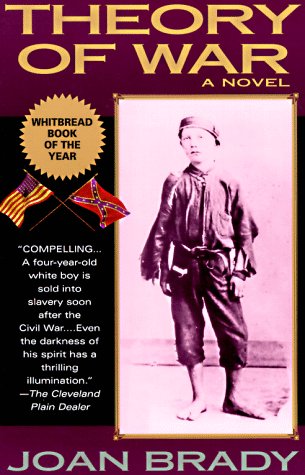
No. 39 on this list. Theory of War
Joan Brady · 1993
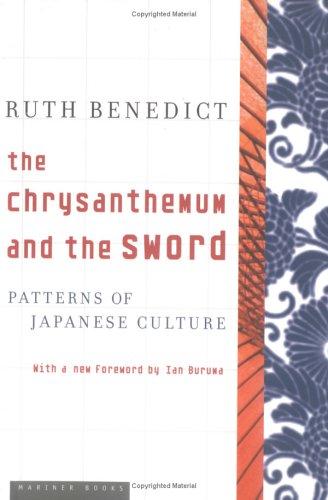
No. 40 on this list. The Chrysanthemum and the Sword
Ruth Benedict · 1946

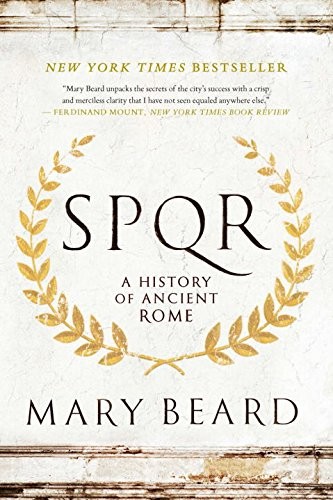
No. 41 on this list. SPQR
Mary Beard · 2015
No. 42 on this list. The Vanishing Half
Brit Bennett · 2021
No. 43 on this list. Cleopatra: A Life
Stacy Schiff · 2010
No. 44 on this list. Caste
Isabel Wilkerson · 2020
No. 45 on this list. Longitude
Dava Sobel · 1995
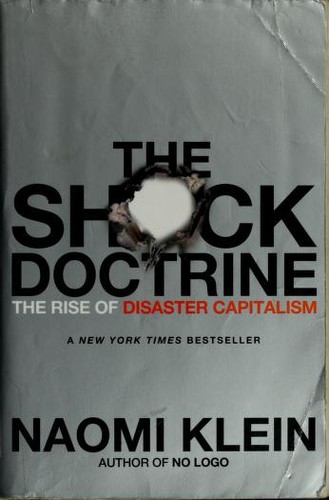
No. 46 on this list. The Shock Doctrine
Naomi Klein · 2007
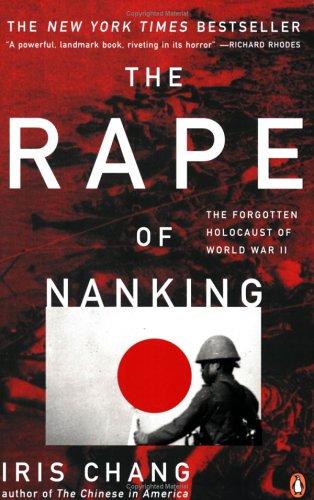
No. 47 on this list. The Rape of Nanking
Iris Chang · 1997
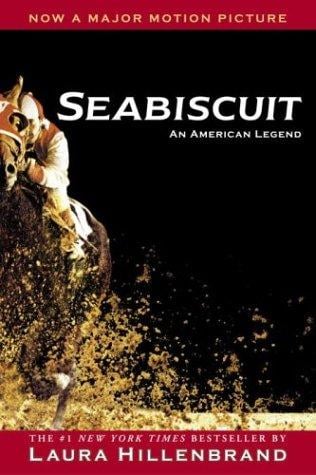
No. 48 on this list. Seabiscuit
Laura Hillenbrand · 2001
No. 49 on this list. Unbroken
Laura Hillenbrand · 2010
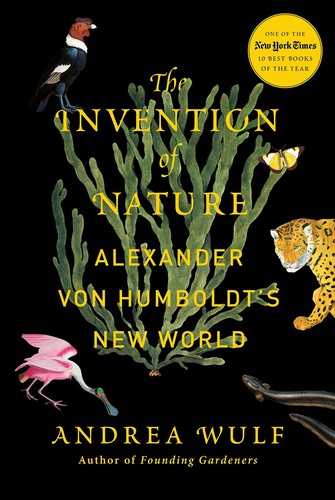
No. 50 on this list. The Invention of Nature
Andrea Wulf · 2015
About this list
These 51 books are the highest-scoring eligible history books by women currently in the catalogue. By literary regard, it opens with Wolf Hall, The Feminine Mystique and Women, Race & Class. About 474 hours of reading in all. Difficulty runs from 33 to 56 out of 100 for the middle half of the list; the summit is The Poisonwood Bible at 66.
This list is ranked by literary regard, with a consistent order for equal scores. Membership follows authors and co-authors, not translators or editors. Catalogue coverage and the historical canon both limit what this list can represent, and genre labels are the catalogue’s own, gathered into broader kinds.
When we matched the Canons dataset to our catalogue in October 2026, our canonical-status scores rose with the number of school curricula, publisher series and lists in it that cite a work: the median score was 72 for books one such source cites, 84 at two, 88 at three, 92 at four and 93 at five or more. Prizes are left out of that count. Outside the state curricula, the dataset’s sources choose mostly from what has been translated into English or French, so it is a weaker check on other literatures. Source: Canons (Andrew Piper), CC BY 4.0
Questions people actually ask
- What are the best history books by women?
- By literary regard, which weighs canonical status, critical standing and influence, Wolf Hall, The Feminine Mystique, Women, Race & Class, An Introduction to Spanish-American Literature and The Guns of August lead. ReadingRate ranks 51 such books, each with a difficulty score and a reading-time estimate.
- Where should I start with history books by women?
- Start from difficulty, not from rank. The most approachable books on this list that still carry top literary regard are The Feminine Mystique by Betty Friedan (about 9.9 hours), Women, Race & Class by Angela Davis and An Introduction to Spanish-American Literature by Jean Franco.
- How hard are history books by women to read?
- Most of this list sits between 33 and 56 on ReadingRate's 100-point difficulty scale, where 40 to 55 is moderate. The summit is The Poisonwood Bible at 66. Every entry carries its own score, so a reader can pick a great book at a difficulty they will finish.
- How is this list ranked?
- On literary-regard data: how canonically established a work is, its critical standing, and its influence on later writing. It is not a readers’ poll, which is why recent bestsellers rarely appear. Membership follows authors and co-authors, not translators or editors. A list that is not a genre list keeps to literature (fiction, poetry, drama and philosophy), with philosophy taking no more than one slot in five while there is literature left to rank; every list holds at most three works by one author.