Hours at an average pace
Showing 43 books
About 234 hours for 43 of 43 books with measured lengths. Estimates use 250 words a minute, adjusted for each book's difficulty. At 2 hours a day, about 117 days for those books.
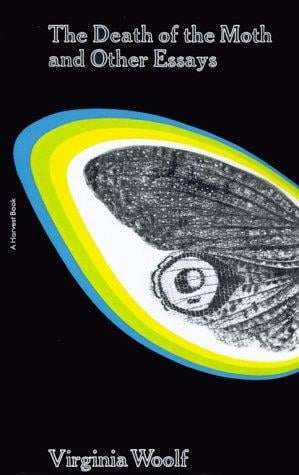
The title essay 'The Death of the Moth' is one of the most anthologized pieces in the English language, appearing in virtually every major collection of literary essays and countless university writing courses. Though the collection as a whole is less individually indexed than Woolf's novels, these essays — alongside 'Street Haunting' and 'Middlebrow' — are fixtures of modernist prose and creative nonfiction curricula worldwide.
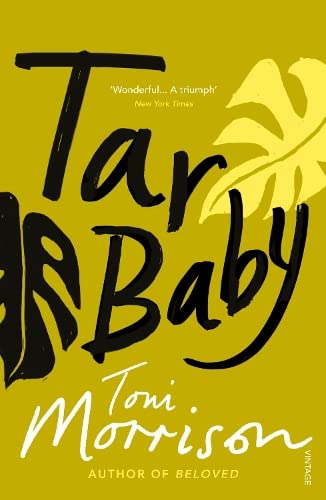
On Isle des Chevaliers, a Caribbean island reshaped by Haitian labor and American money, Valerian Street — a retired Philadelphia candy magnate — cultivates hydrangeas in his greenhouse and avoids his neighbors. His wife Margaret, his butler Sydney and cook Ondine, and his niece Jadine, a model trained in Paris, share the villa in a state of maintained tension. When Son — a Black American fugitive who stowed away on their supply boat — is discovered hiding in the house, he breaks open every unspoken arrangement the household depends on. Morrison uses the folk tale of the tar baby as the novel's armature: Jadine and Son become stuck to each other in a relationship that neither can survive and neither can leave. She embodies what he calls racial betrayal — educated in Europe, photographed in furs, at home nowhere. He embodies what she calls romantic primitivism — a man out of time, faithful to a Black Southern past that she finds suffocating. Morrison writes this conflict without a referee. The Caribbean setting is not backdrop but argument — the swamp, the rain forest, the blind horsemen who ride the hills at night all carry the weight of African spiritual history beneath the colonial surface. The novel ends on a mythic image: Son running toward those horsemen, Jadine flying back to Paris. Morrison offers no verdict on who was right.
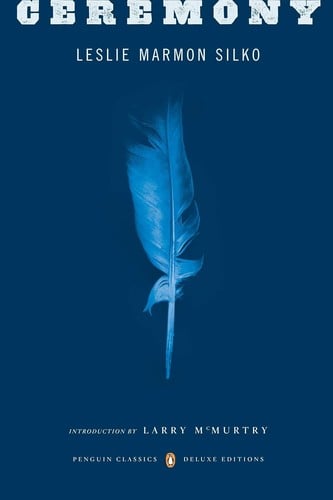
Tayo comes home from the Pacific War unable to sleep. The voices won't stop—Japanese soldiers shouting, his uncle Josiah calling to him through jungle heat, his cousin Rocky dying in the mud of a prison march. The VA hospital calls it battle fatigue. His grandmother calls for a medicine man. The land around Laguna Pueblo is in its sixth year of drought, and Tayo believes, with a guilt that sits in his stomach like a stone, that he caused it—that his wartime curse against the rain followed him home. Silko writes two novels at once: a realist account of a mixed-blood veteran's breakdown and his slow return to the living, and a mythic narrative of Laguna ceremony, the stories of Thought-Woman and Reed Woman and Hummingbird woven directly into the prose as poetry. The two registers don't sit beside each other—they bleed into each other, memory becoming hallucination, hallucination becoming vision, vision becoming healing. The spotted Mexican cattle Josiah bought before the war, wild and drought-adapted and worth finding, serve as Tayo's purpose and his proof that something can survive. The novel ends with resolution—Tayo completes his ceremony, the rain returns—but not before Silko has made plain what was nearly lost: the web of story that holds a people together, which colonial schooling nearly succeeded in cutting. This is a novel about what stories do when they are the only medicine left.
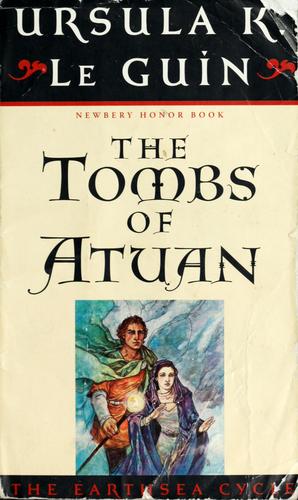
The Tombs of Atuan is the second volume of Le Guin's Earthsea Cycle, which has been a staple of middle school and YA curricula for decades. It won the Newbery Honor in 1972. While not as universally taught as the first Earthsea volume or Le Guin's science fiction, it appears regularly in fantasy literature courses and feminist literary criticism syllabi, cementing its place as a significant canonical text within speculative fiction.
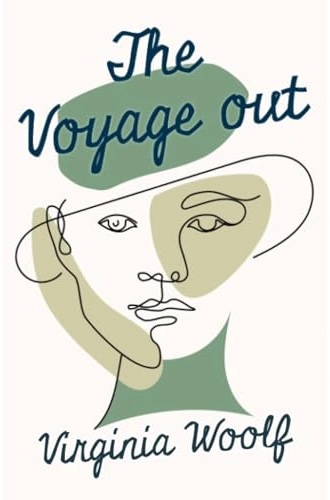
While not as frequently taught as Mrs Dalloway or To the Lighthouse, The Voyage Out appears on modernist literature syllabi and Woolf survey courses. As the first novel by one of English literature's most canonical authors, it holds a secure but secondary place in the canon compared to her later masterworks.
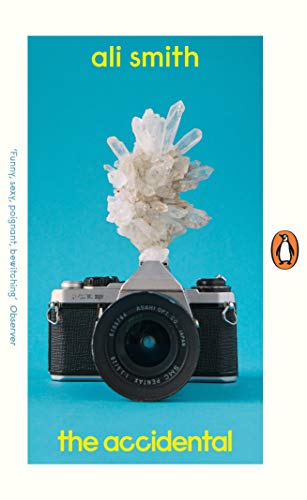
The Accidental has achieved recognition as a significant 21st-century British novel, appearing on university syllabi and contemporary fiction reading lists. While not yet established in the permanent canon, it represents Smith's breakthrough to major literary prominence and exemplifies post-2000 experimental domestic fiction. Its status continues to grow with Smith's increasing reputation.
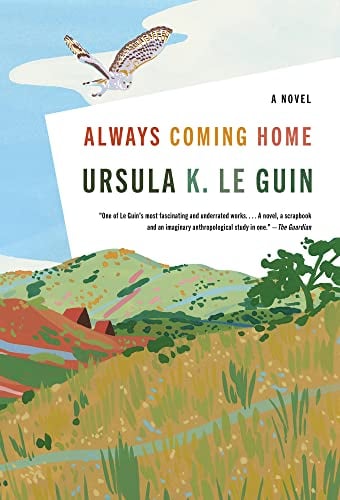
Always Coming Home appears on 72 university syllabi according to Open Syllabus Project data (46th percentile), primarily in science fiction, utopian literature, and feminist studies courses. Its Wikipedia article exists in only 4 languages — modest global reach for a book of this ambition. The book is well-known within Le Guin scholarship and SF studies but has not achieved the broad canonical presence of Le Guin's The Left Hand of Darkness or The Dispossessed. It was a National Book Award finalist in 1985 and is included in the Library of America's Le Guin edition, which confirms critical recognition without mass adoption.
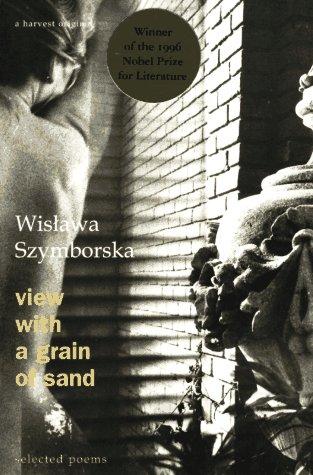
Szymborska's poems are deceptively simple, their philosophical depths hidden beneath conversational surfaces. She writes about clouds and dreams and history, about the way reality keeps escaping our categories. 'We know ourselves only / as far as we've been tested.' This collection gathers work from across her career, establishing her as one of the essential voices of twentieth-century poetry. She won the Nobel Prize in 1996 for poems that are funny, humble, and vast.
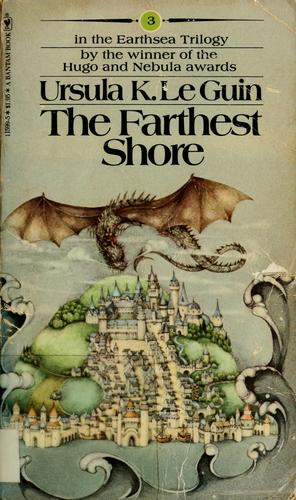
The Earthsea cycle appears widely on science fiction and speculative fiction syllabi, and this third volume, the National Book Award winner for 1973, is firmly part of that canon. It is less commonly assigned than A Wizard of Earthsea but holds strong placement in fantasy literature courses and children's/YA literature curricula. Its Wikipedia article exists in over fifteen languages, indicating sustained international recognition.
Widely taught in feminist literary studies, utopian fiction, and American literature courses since its 1976 publication, the novel holds a firm place in academic syllabi as a landmark of feminist science fiction. No syllabus count data is available, but its sustained presence across women's studies and speculative fiction curricula for five decades marks it as canonical within those fields, comparable in reach to other key feminist texts of the second wave.
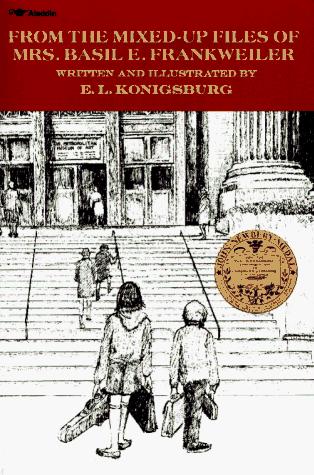
No. 11 on this list. From the Mixed-Up Files of Mrs. Basil E. Frankweiler · E.L. Konigsburg · 1967
A fixture in American elementary and middle school curricula since its 1967 publication, taught for over five decades in classrooms across the country. The book appears on numerous recommended reading lists and has sold millions of copies, though it sits within children's literature rather than the adult literary canon taught at university level. Its institutional presence in K-8 education is substantial and sustained.
Challenging2.8 hours
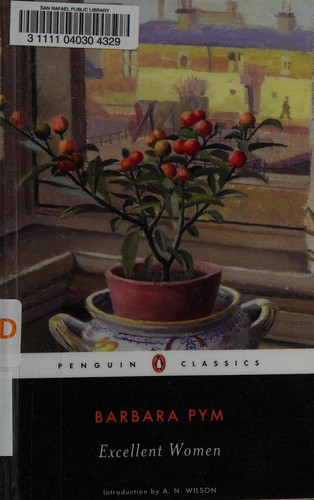
Start this bookNo. 12 on this list. Excellent Women · Barbara Pym · 1952
Now in Penguin Modern Classics and widely regarded as one of the essential British novels of the 1950s. Pym's cultural rehabilitation — triggered by Philip Larkin and Lord David Cecil naming her the most underrated British writer of the century in a 1977 TLS poll — elevated 'Excellent Women' and 'A Glass of Blessings' to foundational status in the mid-century British domestic fiction tradition. The novel appears regularly on syllabi for 20th-century British literature and women's writing courses.
Moderate5.3 hours
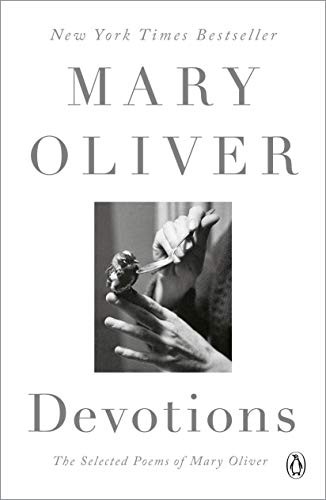
Start this bookNo. 13 on this list. Devotions · Mary Oliver · 2017
Mary Oliver appears regularly on undergraduate syllabi in American poetry surveys, creative writing programs, and environmental humanities courses. She is not a high school curriculum fixture at the level of Frost or Whitman, but Devotions is a standard course text. No syllabus data was returned from the database, but her presence in higher education is well documented.
Easy2.2 hours
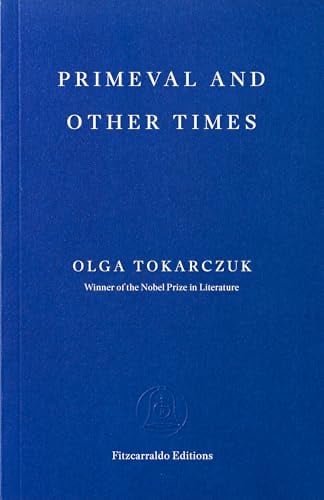
Start this bookNo. 14 on this list. Primeval and Other Times · Olga Tokarczuk · 1996
Appears on 22 university syllabi (33rd percentile in Open Syllabus), with Wikipedia articles in 5 languages. Not yet a fixture of world literature courses, though its visibility has increased steadily since Tokarczuk's 2018 Nobel Prize brought her backlist into English-language classrooms.
Challenging5.8 hours
Start this bookNo. 15 on this list. Binti · Nnedi Okofor · 2015
Hugo and Nebula Award winner. A significant work of Africanfuturist fiction, increasingly taught in university courses.
Very Easy1.2 hours
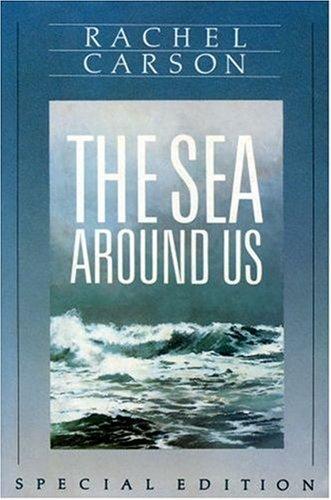
Start this bookNo. 16 on this list. The Sea Around Us · Rachel Carson · 1951
Carson's lyrical exploration of the ocean predates her more famous Silent Spring by a decade, but it established her reputation as a prose stylist of the highest order. She describes the formation of the oceans, the life of the deep sea floor, the mechanics of tides and currents, the migration of eels, and the geological history of island formation with a combination of scientific precision and literary beauty that had no precedent in nature writing. Carson makes the reader feel the immensity of geological time—continents forming and breaking apart, species evolving and vanishing over millions of years—while keeping the prose intimate and human-scaled. The book won the National Book Award and became a bestseller, introducing millions of readers to marine biology. Reading it now, knowing what Carson would go on to write about pesticides and what has since happened to the oceans, adds a layer of melancholy to her celebration of the sea's vast, indifferent beauty.
Easy3.5 hours
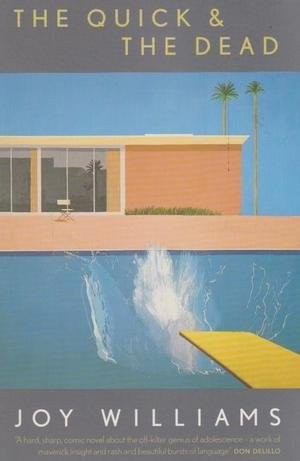
Start this bookNo. 17 on this list. The Quick and the Dead · Joy Williams · 2000
Finalist for the Pulitzer Prize. Increasingly recognized as a major American novel of the early twenty-first century.
Moderate4.8 hours
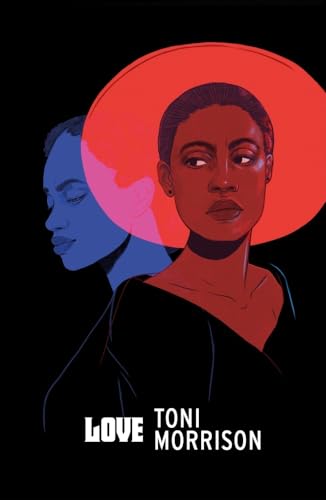
Start this bookNo. 18 on this list. Love · Toni Morrison · 2003
One of Morrison's less-taught novels, assigned mainly in seminars on her later work rather than in survey courses.
Challenging4.8 hours
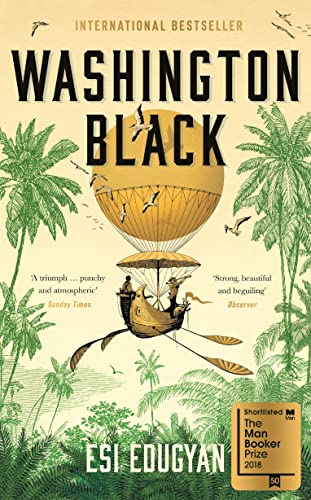
Start this bookNo. 19 on this list. Washington Black · Esi Edugyan · 2018
George Washington Black, or "Wash," an eleven-year-old field slave on a Barbados sugar plantation, is terrified to be chosen by his master's brother as his manservant. To his surprise, the eccentric Christopher Wilde turns out to be a naturalist, explorer, inventor, and abolitionist. Soon Wash is initiated into a world where a flying machine can carry a man across the sky, where even a boy born in chains may embrace a life of dignity and meaning--and where two people, separated by an impossible divide, can begin to see each other as human. But when a man is killed and a bounty is placed on Wash's head, Christopher and Wash must abandon everything. What follows is their flight along the eastern coast of America, and, finally, to a remote outpost in the Arctic. What brings Christopher and Wash together will tear them apart, propelling Wash even further across the globe in search of his true self.
Challenging7.5 hours
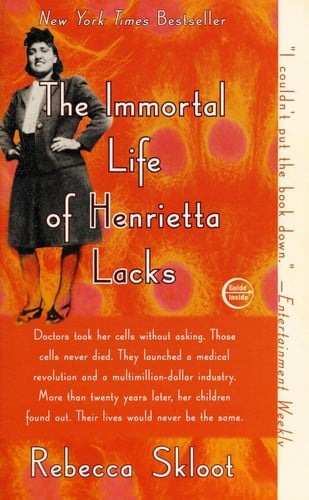
Start this bookNo. 20 on this list. The Immortal Life of Henrietta Lacks · Rebecca Skloot · 2010
Widely taught in universities and high schools. A defining work of narrative nonfiction in the 21st century.
Easy6.4 hours
Start this book
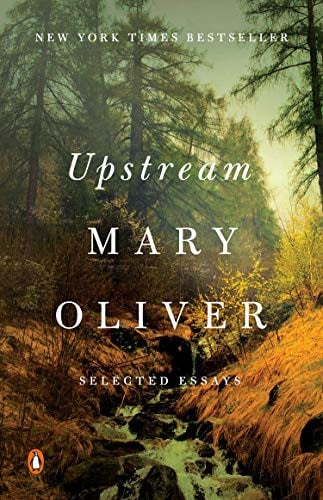
No. 21 on this list. Upstream · Mary Oliver · 2016
Well-known among Oliver's readers and nature writing enthusiasts. Less widely taught or critically discussed than her poetry.
Very Easy2.1 hours
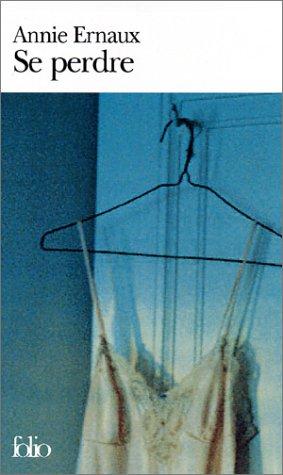
Start this bookNo. 22 on this list. Getting Lost · Annie Ernaux · 2001
Getting Lost is a secondary Ernaux text — her canonical works for syllabi are The Years, A Woman's Story, A Man's Place, and Passion Simple. The English translation appeared in 2022 alongside the Nobel Prize announcement, generating new interest, but the book has not yet accumulated the syllabus presence of Ernaux's signature works. No syllabus data was found in the database.
Moderate3.9 hours
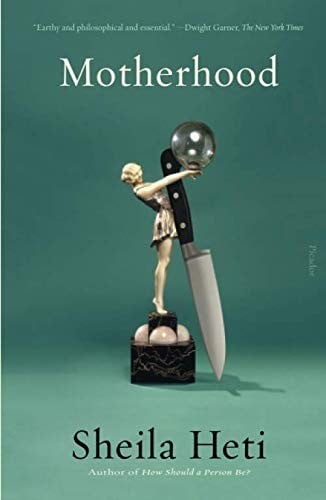
Start this bookNo. 23 on this list. Motherhood · Sheila Heti · 2018
Published in 2018, too recent for firm canonical status. Shortlisted for the Scotiabank Giller Prize. Widely discussed in serious literary culture as part of the autofiction wave, but not yet an assigned university text at scale. Heti's earlier 'How Should a Person Be?' arguably holds more discussion traction in syllabi.
Challenging5.3 hours
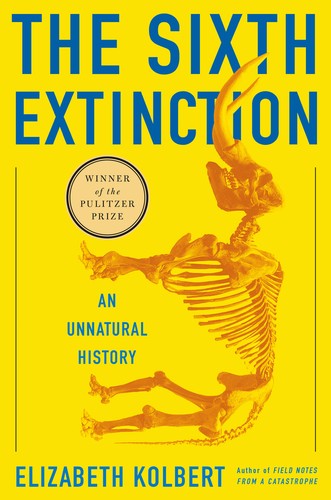
Start this bookNo. 24 on this list. The Sixth Extinction · Elizabeth Kolbert · 2014
Kolbert travels to vanishing coral reefs, decimated bat caves, and the acidifying oceans to document what scientists call the sixth mass extinction—the first caused not by an asteroid or volcanic eruption but by a single species: us. Each chapter focuses on a different species—the Panamanian golden frog, the Sumatran rhino, the great auk—using its decline or disappearance to illustrate a different mechanism of extinction: habitat destruction, ocean acidification, invasive species, climate change. Kolbert writes with the precision of a science reporter and the moral weight of someone who understands that what she is documenting is irreversible. The book won the Pulitzer Prize for General Nonfiction, and its achievement lies not in the novelty of its argument—scientists have been warning about mass extinction for decades—but in the cumulative, devastating force of its evidence. By the end, the reader understands that we are living through one of the great catastrophes in the history of life on Earth.
Easy4.5 hours
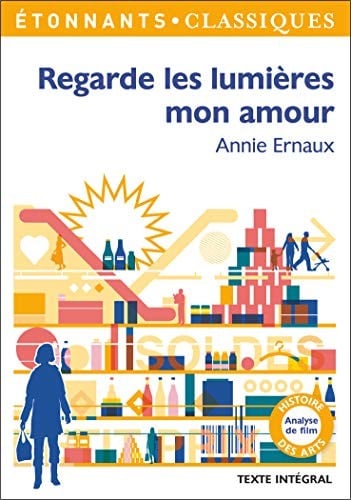
Start this bookNo. 25 on this list. Look at the Lights, My Love · Annie Ernaux · 2014
A minor but distinctive work in Ernaux's oeuvre. Its reputation has grown since her Nobel Prize, but it remains a curiosity rather than a major text.
Very Easy39 min
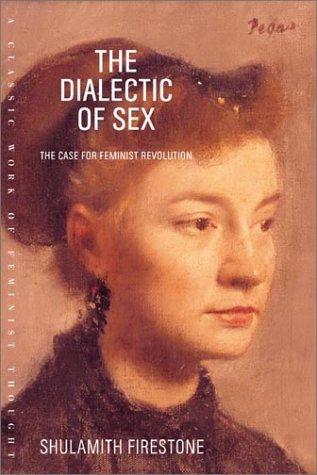
Start this bookNo. 26 on this list. The Dialectic of Sex · Shulamith Firestone · 1970
One of the key texts of radical feminism. Experiencing a scholarly revival.
Challenging4.5 hours
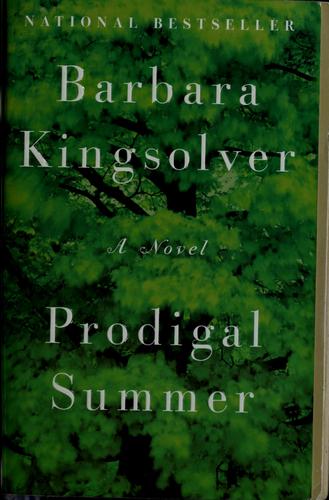
Start this bookNo. 27 on this list. Prodigal Summer · Barbara Kingsolver · 2000
Major Kingsolver novel. Important early text in ecological literary fiction.
Easy5.6 hours
Start this bookNo. 28 on this list. State of Wonder / The Song of Achilles / Painter of Silence · Ann Patchett · 2012
A bestselling contemporary novel by a prominent author, it is read in book clubs and some contemporary literature courses but is not a staple of syllabi.
Easy5.1 hours
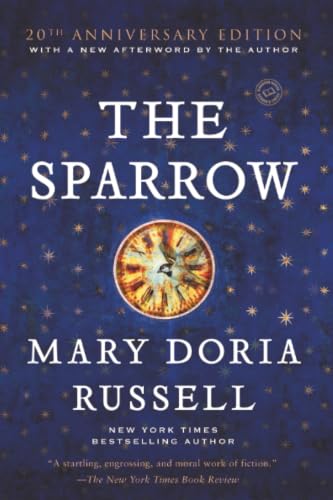
Start this bookNo. 29 on this list. The Sparrow · Mary Doria Russell · 1996
In 2019, a Jesuit mission to the planet Rakhat launches with eight people — among them Emilio Sandoz, a priest and linguist whose musical ear first picked up alien radio signals from the Alpha Centauri system. The novel opens four decades later with Sandoz the sole survivor, returned to Earth with mutilated hands and facing a Vatican inquisition. What happened to the other seven, and what happened to him, is revealed piece by piece. Russell structures the book as a double helix: the warmth of the mission's formation — the food, the arguments, the love between the crew — braided against the institutional interrogation of its aftermath. The Rakhati, a beautiful and violent two-species civilization, did not intend the catastrophe that followed contact. Neither did the Jesuits. That symmetry is the novel's real subject. This is science fiction conducted as a theological argument in good faith. The question Russell keeps pressing: can you call something a calling when it ends in ruin, and does God's silence constitute evidence of anything? Sandoz's destroyed hands are the answer the novel offers — not a symbol, but a fact that resists easy interpretation. Readers who want clean moral resolutions should look elsewhere. Readers who can sit with the question will find it does not let go.
Difficult19 hours
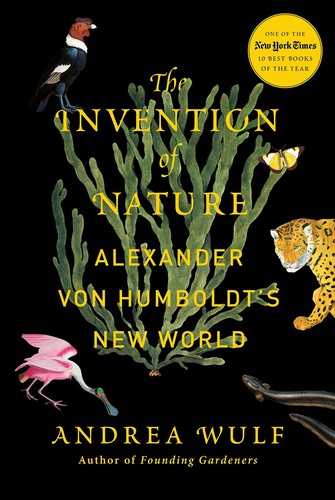
Start this bookNo. 30 on this list. The Invention of Nature · Andrea Wulf · 2015
Wulf tells the story of Alexander von Humboldt—the most famous scientist in the world during his lifetime and now largely forgotten—who invented the concept of nature as an interconnected web of life. Humboldt climbed Chimborazo, explored the Orinoco, measured isotherms, identified climate zones, and conceived of the idea that cutting down forests changes the climate—in 1800. He influenced Darwin, Thoreau, John Muir, and Ernst Haeckel. Wulf follows Humboldt from Prussian mining academy to South American jungle to Siberian steppe to his final decades in Berlin, writing the five-volume Cosmos—an attempt to describe literally everything. The book argues that Humboldt deserves recognition not just as a great scientist but as the inventor of the modern concept of nature itself: the idea that the natural world is an interconnected system, not a collection of discrete objects. Wulf writes with infectious enthusiasm and a gift for making scientific ideas vivid and dramatic.
Easy6 hours
Start this book
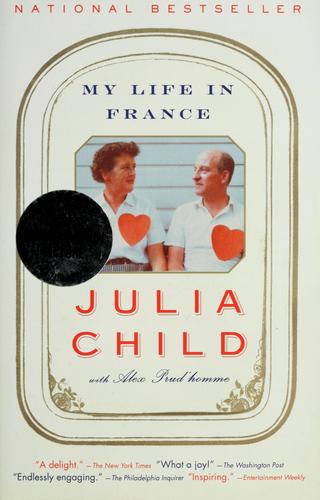
No. 31 on this list. My Life in France
Julia Child · 2006
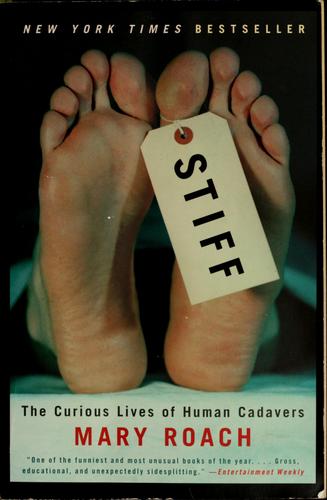
No. 32 on this list. Stiff
Mary Roach · 2003
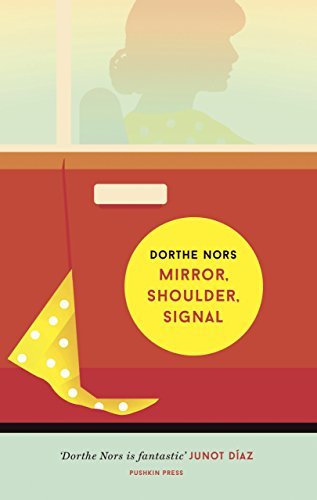
No. 33 on this list. Mirror, Shoulder, Signal
Dorthe Nors · 2017
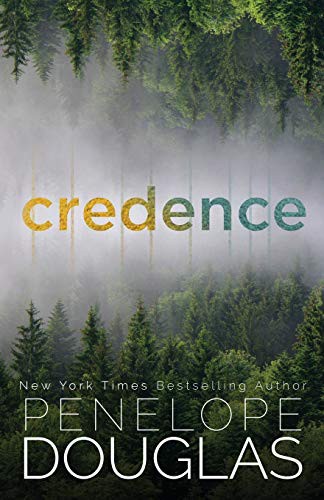
No. 34 on this list. Credence
Penelope Douglas · 2020
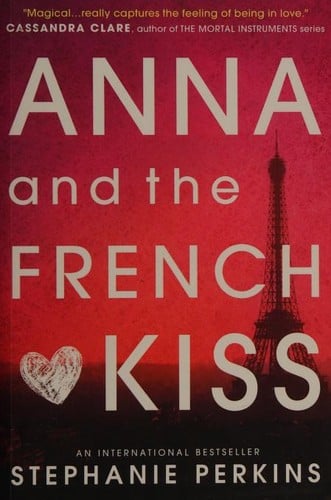
No. 35 on this list. Anna and the French Kiss
Stephanie Perkins · 2010
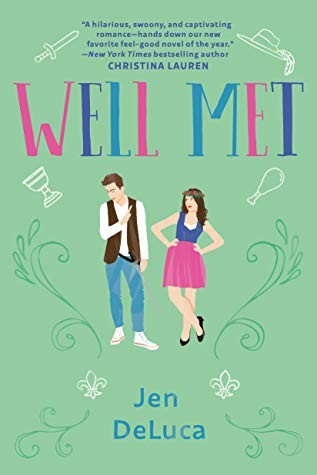
No. 36 on this list. Well Met
Jen DeLuca · 2019
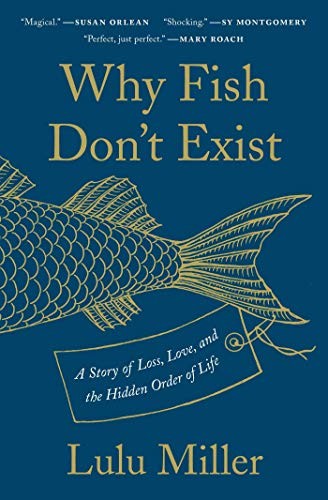
No. 37 on this list. Why Fish Don't Exist: A Story of Loss, Love, and the Hidden Order of Life
Lulu Miller · 2021
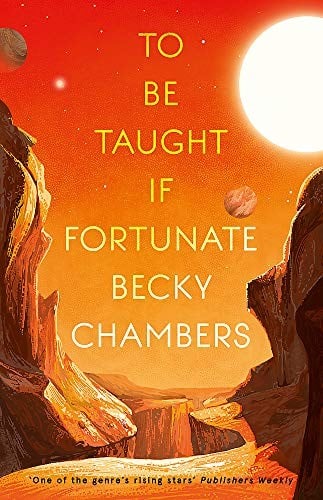
No. 38 on this list. To Be Taught, If Fortunate
Becky Chambers · 2019
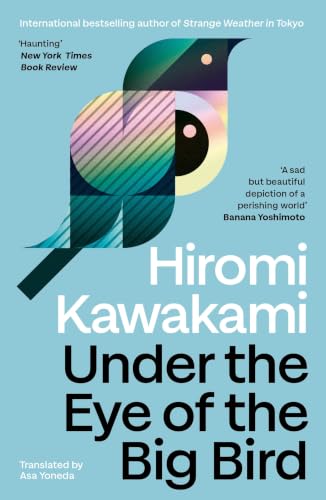
No. 39 on this list. Under the Eye of the Big Bird
Hiromi Kawakami · 2016
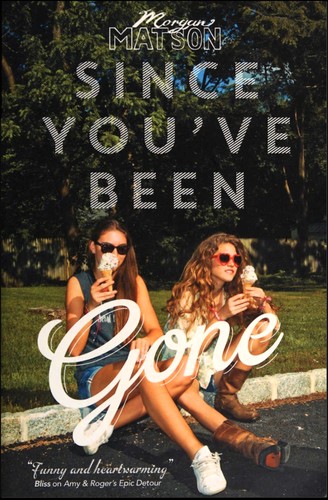
No. 40 on this list. Since You've Been Gone
Morgan Matson · 2014
About this list
These 43 books are the highest-scoring eligible books about science and discovery by women currently in the catalogue. About 234 hours of reading in all. Difficulty runs from 26 to 58 out of 100 for the middle half of the list; the summit is Woman on the Edge of Time at 76.
This list is ranked by literary regard, with a consistent order for equal scores. Membership follows authors and co-authors, not translators or editors. A book is here when ReadingRate files it under Science & Discovery as one of its primary reading domains, at a confidence of 0.8 or more. Catalogue coverage and the historical canon both limit what this list can represent.
When we matched the Canons dataset to our catalogue in October 2026, our canonical-status scores rose with the number of school curricula, publisher series and lists in it that cite a work: the median score was 72 for books one such source cites, 84 at two, 88 at three, 92 at four and 93 at five or more. Prizes are left out of that count. Outside the state curricula, the dataset’s sources choose mostly from what has been translated into English or French, so it is a weaker check on other literatures. Source: Canons (Andrew Piper), CC BY 4.0
Questions people actually ask
- What are the best books about science and discovery by women?
- By literary regard, which weighs canonical status, critical standing and influence: The Death of the Moth and Other Essays by Virginia Woolf, Tar Baby by Toni Morrison, Ceremony by Leslie Marmon Silko, The Tombs of Atuan by Ursula K Le Guin and The Voyage Out by Virginia Woolf. ReadingRate ranks 43 such books, each with a difficulty score and a reading-time estimate.
- Which books about science and discovery by women should I read first?
- Start from difficulty, not from rank. The most approachable books on this list that still carry top literary regard are Tar Baby by Toni Morrison (about 6.7 hours), The Tombs of Atuan by Ursula K Le Guin and Always Coming Home by Ursula K Le Guin.
- What are the shortest of the best books about science and discovery by women?
- Among the top 25, the shortest are View with a Grain of Sand by Wisława Szymborska (about 43 min), Look at the Lights, My Love by Annie Ernaux (about 39 min) and Binti by Nnedi Okofor (about 1.2 hours), at an average pace of 250 words a minute adjusted for each book's difficulty.
- Which of the best books about science and discovery by women are the established classics?
- By canonical status, how firmly a book sits in curricula, anthologies and the canon: Ceremony by Leslie Marmon Silko, The Death of the Moth and Other Essays by Virginia Woolf, View with a Grain of Sand by Wisława Szymborska, Tar Baby by Toni Morrison and The Voyage Out by Virginia Woolf.
- Can I read any of these books about science and discovery by women for free?
- 1 of the 43 opens in ReadingRate's reader with a free account, from public-domain editions: The Voyage Out.
- How long would it take to read the top ten?
- About 82 hours, at an average pace of 250 words a minute adjusted for each book's difficulty: 42 days at two hours a day. Set your own pace on the page and the list's reading times change to it.
- How hard are books about science and discovery by women to read?
- Most of this list sits between 26 and 58 on ReadingRate's 100-point difficulty scale, where 40 to 55 is moderate. The summit is Woman on the Edge of Time at 76. Every entry carries its own score, so a reader can pick a great book at a difficulty they will finish.
- How is this list ranked?
- On literary-regard data: how canonically established a work is, its critical standing, and its influence on later writing. It is not a readers’ poll, which is why recent bestsellers rarely appear. Membership follows authors and co-authors, not translators or editors. Lists by country, author, period, theme or difficulty keep to literature (fiction, poetry, drama and philosophy), their novels, poems and plays first and their philosophy after them; a list of a kind of book, such as memoir or criticism, keeps every book of that kind. Every list holds at most three works by one author. A book is here when ReadingRate files it under Science & Discovery as one of its primary reading domains, at a confidence of 0.8 or more.