Hours at an average pace
Showing 41 books
About 657 hours for 40 of 41 books with measured lengths. Estimates use 250 words a minute, adjusted for each book's difficulty. At 2 hours a day, about 329 days for those books.
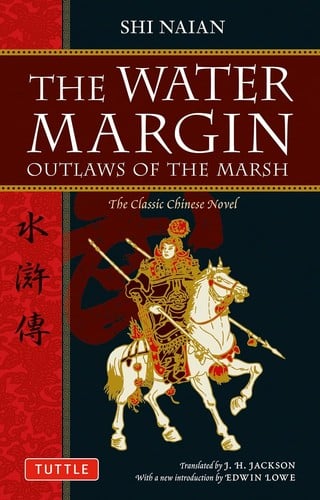
One of Four Great Classical Novels; foundational for martial arts genre.
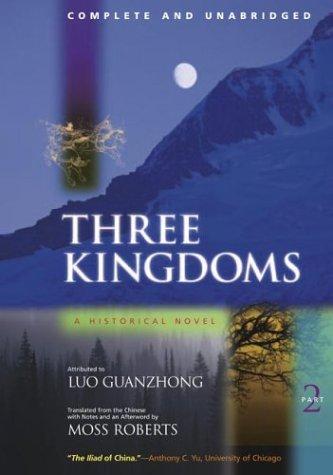
No. 2 on this list. Romance of the Three Kingdoms
Moderate41 hours
Included in: UNESCO Collection of Representative Works
One of Four Great Classical Novels; formative for Chinese historical consciousness.
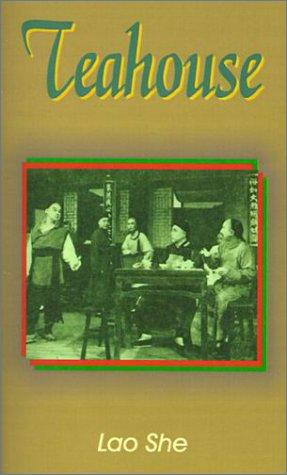
The most studied modern Chinese play, on the syllabus of every Chinese drama course and in continuous repertory at the Beijing People's Art Theatre since 1958.
One of the foundational modern Chinese novels, read by generations of students and widely taught in Chinese literature courses. Its worldwide classroom presence is smaller than the great Russian novels.
The play is a landmark of Chinese classical drama, taught in Chinese literature courses and ranked beside The Peony Pavilion. Western curricula teach it as a major work of late imperial literature.
A standard text in Chinese literature courses and one of the most adapted modern Chinese novels for television, though less read abroad than Rickshaw Boy.
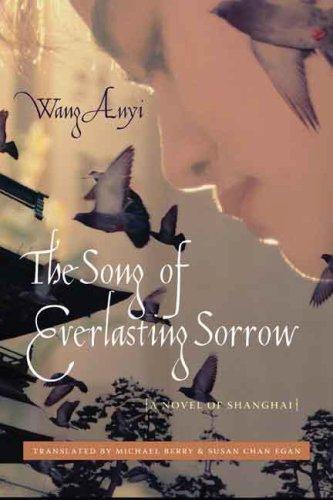
Taught as the central contemporary Shanghai novel, published by Columbia University Press and widely used in Chinese literature courses abroad.
It is a central work of Chinese-language popular fiction and the capstone of Jin Yong's wuxia output, widely read across China, Taiwan and Hong Kong and adapted many times. Its place in Western syllabi is smaller than in Chinese-language contexts.
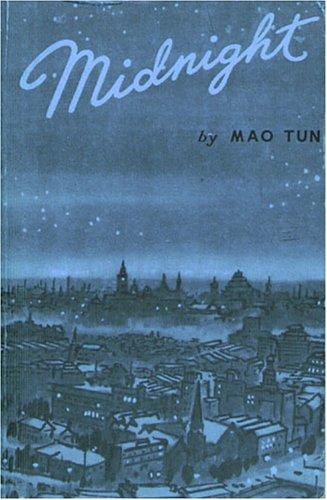
A set text in Chinese literary history as the exemplar of 1930s social realism, and the novel the Mao Dun Prize is named for.
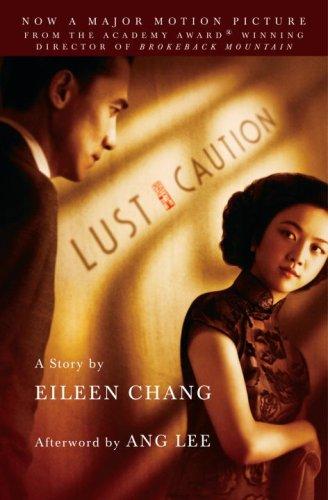
Lust, Caution holds a firm place in the canon of modern Chinese literature, regarded as one of Eileen Chang's most psychologically penetrating works. Its stature was significantly amplified internationally following Ang Lee's acclaimed 2007 film adaptation, which drew global attention to Chang's fiction and cemented the novella's place among essential works of twentieth-century Chinese literature.
No. 11 on this list. White Deer Plain · Chen Zhongshi · 1993
It won the Mao Dun Literature Prize and is widely regarded in China as a modern classic, taught and adapted for stage, television and film. Outside China it is read as a major contemporary Chinese novel.
Moderate31 hours
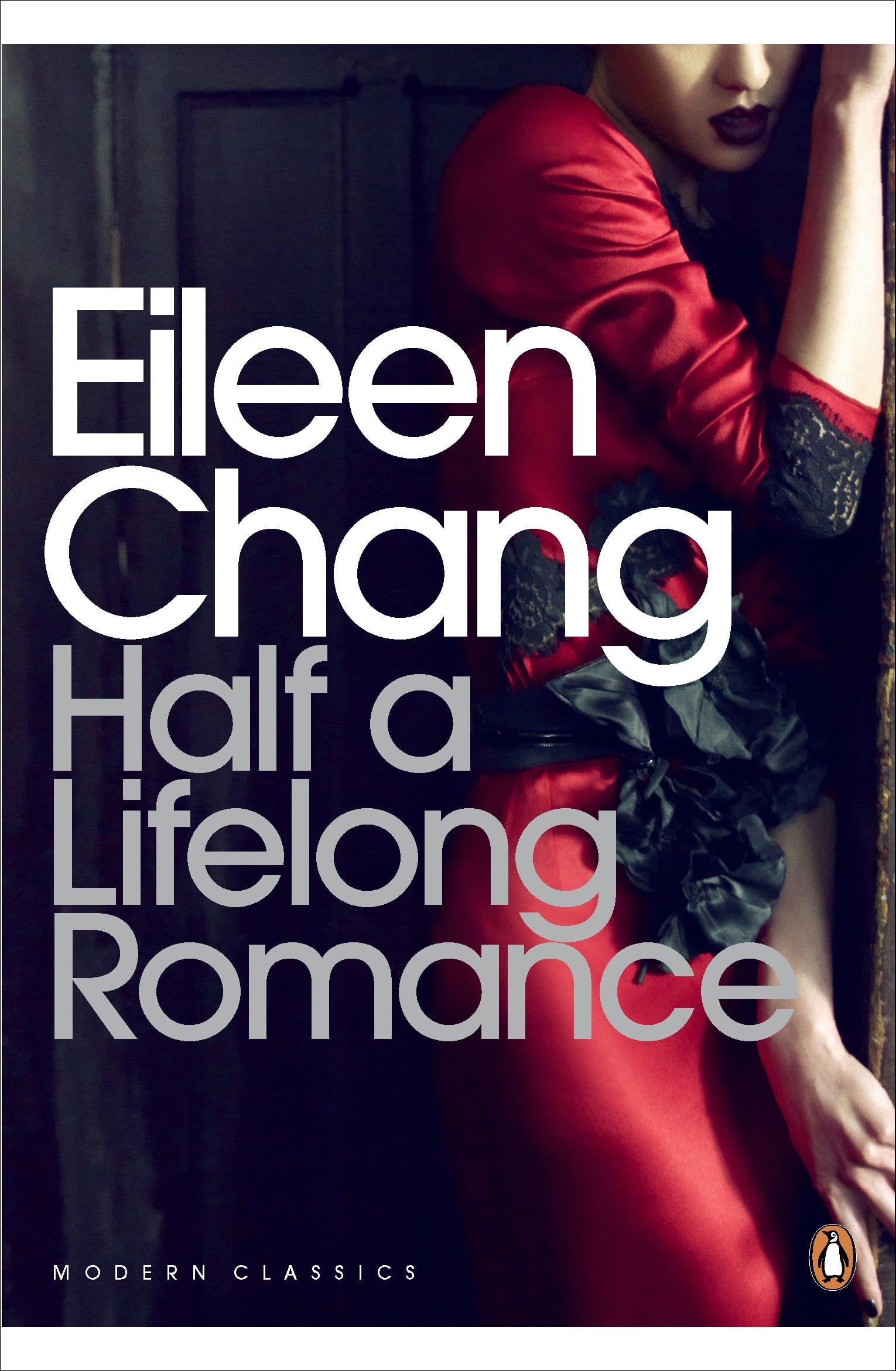
Start this bookNo. 12 on this list. Half a Lifelong Romance · Eileen Chang · 1948
Widely taught in Chinese literature courses at universities across the United States, Taiwan, Hong Kong, and the mainland, and featured in world literature syllabi as a defining work of twentieth-century Chinese fiction. The novel is considered one of Eileen Chang's masterworks and appears on curated lists of essential modern Chinese literature. Its status outside Chinese-language contexts is more specialized than canonical in the Western sense.
Challenging10 hours
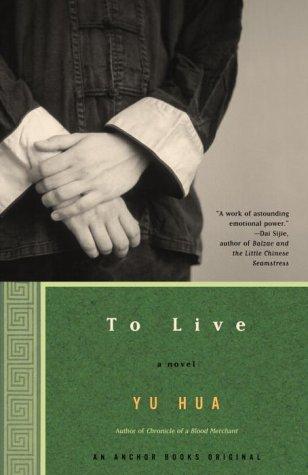
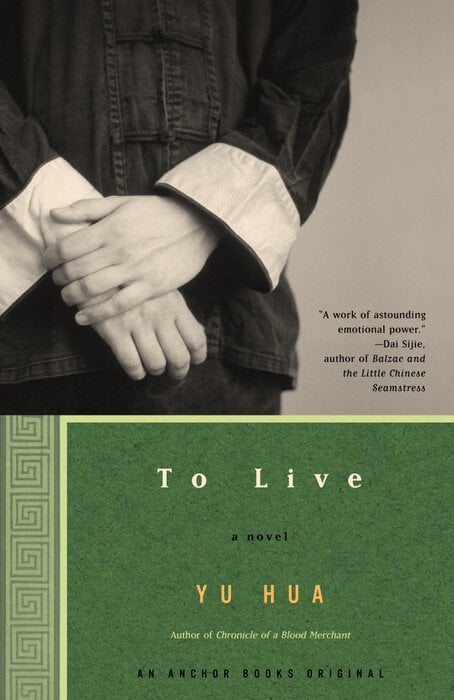
Start this bookNo. 13 on this list. To Live · Yu Hua · 1993
To Live appears regularly on world literature and contemporary Chinese literature syllabi at universities worldwide, and its Wikipedia article exists in over 25 languages. Zhang Yimou's 1994 film adaptation, which won the Grand Prix at Cannes, significantly extended the novel's global reach. It sits below the absolute canonical fixtures of Western literature but occupies a firm place in courses covering 20th-century world fiction.
Moderate4.8 hours
Start this bookNo. 14 on this list. Autumn in the Han Palace · Ma Zhiyuan · 1300
The play is one of the best-known Yuan dramas, anthologized in Chinese literature courses and in the Yuan plays collection Yuanqu xuan. It is a standard choice for readers of classical Chinese drama and is available in several English translations.
Moderate44 min
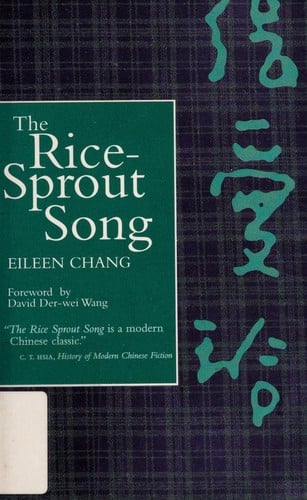
Start this bookNo. 15 on this list. The Rice-Sprout Song · Eileen Chang · 1955
Standard in modern Chinese literature courses outside the mainland, where it was banned for fifty years, and in print from NYRB Classics and Columbia.
Challenging5.1 hours
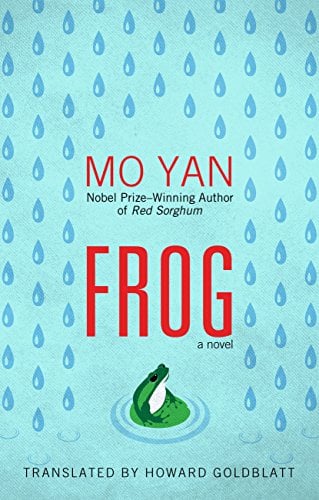
Start this bookNo. 16 on this list. Frog · Mo Yan · 2009
Frog appears on world literature syllabi and in courses on contemporary Chinese fiction, but it is not among Mo Yan's most widely taught works globally. Red Sorghum and Life and Death Are Wearing Me Out receive more curricular attention. The novel's reputation benefits from Mo Yan's Nobel Prize but has not yet achieved standalone canonical status outside Chinese literature programs.
Difficult13 hours
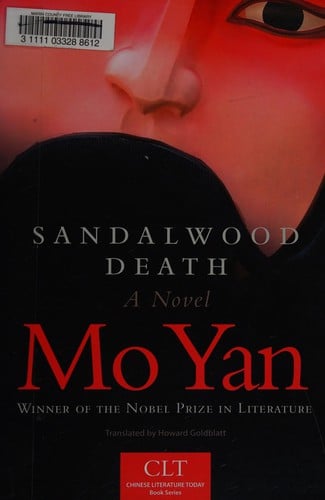
Start this bookNo. 17 on this list. Sandalwood Death · Mo Yan · 2001
A standard text in contemporary Chinese literature courses and published by University of Oklahoma Press, cited in the Nobel committee's account of Mo Yan's work.
Difficult23 hours
Start this bookNo. 18 on this list. To Live by Hua Yu (2013-08-26) · Yu Hua · 1992
It is widely read in Chinese literature courses and world literature lists, and its film adaptation spread its reach. It is established as modern Chinese literature rather than part of the universal canon.
Easy3.5 hours
Start this bookNo. 19 on this list. The Lute · Gao Ming · 1360
The Lute is one of the standard texts of Chinese drama, taught in surveys of Yuan-Ming theater and known as the best-known nanxi (southern drama) work. It is less taught outside Chinese studies than the great Yuan zaju.
Moderate3.7 hours
Start this bookNo. 20 on this list. The Sing-song Girls of Shanghai · Han Bangqing · 1894
Regarded as a landmark of late-Qing fiction and the first major Chinese novel of urban life, taught in Chinese literature courses. It lacks the universal reach of the great four classical novels.
Challenging20 hours
Start this book
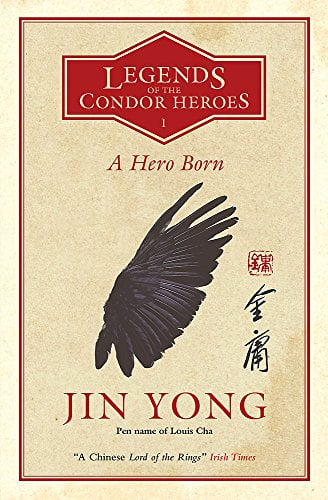
No. 21 on this list. The Legend of the Condor Heroes · Jin Yong · 1959
The central text of the wuxia genre, studied in Chinese popular literature courses and finally available complete in English from MacLehose Press.
Moderate60 hours
Start this bookNo. 22 on this list. The Sun Shines over the Sanggan River · Ding Ling · 1948
The standard example of Chinese socialist realism in literature courses, though its place in the mainland canon has moved with its author's political standing.
Moderate9.7 hours
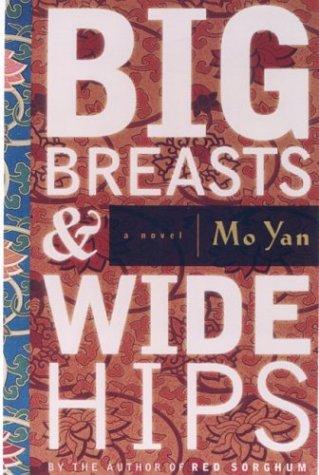
Start this bookNo. 23 on this list. Big Breasts and Wide Hips · Mo Yan · 1995
Shangguan Jintong arrives in 1941 during a Japanese bombing raid, the eighth child and only son of the indomitable Shangguan Lu. His mother nurses him for years past infancy, and his fixation on breasts—hers, his sisters', every woman he encounters—becomes the novel's organizing obsession. Through three generations of women in this rural Chinese family, Mo Yan reconstructs nearly a century of catastrophe: the Sino-Japanese War, the Communist Revolution, collectivization famines, the Cultural Revolution's violence, and the whiplash of capitalist reforms. Shangguan Lu survives them all, bearing daughters by a Swedish missionary, a Nationalist deserter, and various other men while her legitimate husband retreats into silence. Her eldest daughter marries a bandit; another becomes a Communist cadre; a third runs a black market beauty parlor. Mo Yan writes in a mode of deliberate grotesquerie—executions are pornographic, hunger is hallucinatory, political campaigns turn carnivalesque. Bodies swell, leak, and mutate. The prose lurches between scatological comedy and genuine horror, refusing to sentimentalize rural suffering or revolutionary idealism. The Chinese government banned the book for its unsparing treatment of collective trauma and its reduction of Mao-era politics to bodily appetites and survival.
Moderate16 hours
Start this bookNo. 24 on this list. Chronicle of a Blood Merchant · Yu Hua · 1995
Chronicle of a Blood Merchant is widely taught in Chinese literature and world literature courses at the university level and is considered one of the defining novels of post-Mao Chinese fiction, though its presence in English-language syllabi remains more limited than Yu Hua's more internationally prominent To Live. It has been translated into more than twenty languages and is included on numerous recommended reading lists for contemporary Chinese literature.
Moderate5.6 hours
Start this bookNo. 25 on this list. Ordinary World · Lu Yao · 1986
Winner of the 1991 Mao Dun Literature Prize, it is a fixture of modern Chinese literature courses and one of the best-known novels in China. It is less taught outside China.
Easy57 hours
Start this bookNo. 26 on this list. Raise the Red Lantern · Su Tong · 1990
One of the most widely read Chinese novellas internationally, largely due to Zhang Yimou's celebrated film adaptation.
Easy1.9 hours
Start this bookNo. 27 on this list. The Travels of Lao Can · Liu E · 1907
Widely taught as one of the four great late Qing novels of social criticism and a staple of modern Chinese literature courses. Its reach is strongest in Chinese-language curricula, with less presence in Western syllabi.
Moderate6.4 hours
Start this bookNo. 28 on this list. Beijing Coma · Ma Jian · 2008
Assigned in courses on contemporary Chinese literature and on political fiction, published by Chatto and Windus and Farrar, Straus and Giroux.
Difficult28 hours
Start this bookNo. 29 on this list. Bizarre Happenings Eyewitnessed over Two Decades · Wu Jianren · 1910
Lu Xun named it among the four great novels of condemnation of the late Qing, and it is a fixture in Chinese literature surveys and late imperial fiction courses. It is less often taught outside Chinese studies than the major Western canon.
Moderate31 hours
Start this bookNo. 30 on this list. The Boat to Redemption · Su Tong · 2009
Taught in contemporary Chinese fiction courses and published by Doubleday and Overlook after its prize, though recent.
Challenging11 hours
Start this book
No. 31 on this list. Fate in Tears and Laughter
Zhang Henshui · 1930
No. 32 on this list. Ripples Across Stagnant Water
Li Jieren · 1936
No. 33 on this list. The Vagrants
Yiyun Li · 2009
No. 34 on this list. The Last Quarter of the Moon
Chi Zijian · 2005
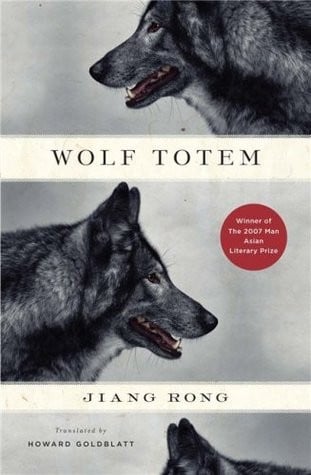
No. 35 on this list. Wolf Totem
Jiang Rong · 2004
No. 36 on this list. Officialdom Unmasked
Li Boyuan · 1906
No. 37 on this list. A Flower in a Sinful Sea
Zeng Pu · 1905
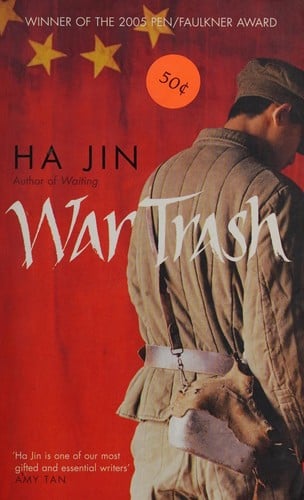
No. 38 on this list. War Trash
Ha Jin · 2005
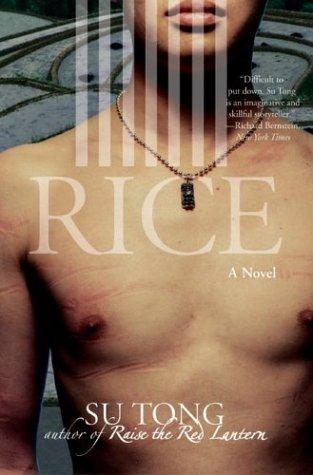
No. 39 on this list. Rice
Su Tong · 1991
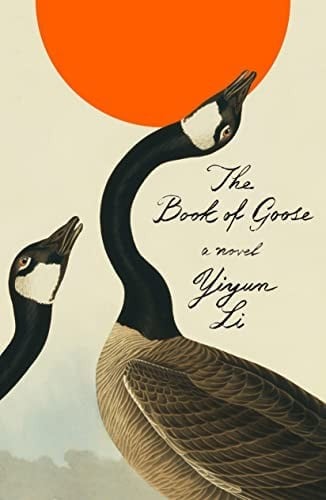
No. 40 on this list. The Book of Goose
Yiyun Li · 2022
About this list
These 41 books are the highest-scoring eligible historical novels from China currently in the catalogue. About 657 hours of reading in all, for the 40 with measured lengths. Difficulty runs from 42 to 58 out of 100 for the middle half of the list; the summit is Beijing Coma at 72.
This list is ranked by literary regard, with a consistent order for equal scores. Membership follows authors and co-authors, not translators or editors. Catalogue coverage and the historical canon both limit what this list can represent, and genre labels are the catalogue’s own, gathered into broader kinds.
When we matched the Canons dataset to our catalogue in October 2026, our canonical-status scores rose with the number of school curricula, publisher series and lists in it that cite a work: the median score was 72 for books one such source cites, 84 at two, 88 at three, 92 at four and 93 at five or more. Prizes are left out of that count. Outside the state curricula, the dataset’s sources choose mostly from what has been translated into English or French, so it is a weaker check on other literatures. Source: Canons (Andrew Piper), CC BY 4.0
Questions people actually ask
- What are the best historical novels from China?
- By literary regard, which weighs canonical status, critical standing and influence: Water Margin by Shi Nai'an, Romance of the Three Kingdoms by Luo Guanzhong, Teahouse by Lao She, Family by Ba Jin and The Peach Blossom Fan by Kong Shangren. ReadingRate ranks 41 such books, each with a difficulty score and a reading-time estimate.
- Which historical novels from China should I read first?
- Start from difficulty, not from rank. The most approachable books on this list that still carry top literary regard are Water Margin by Shi Nai'an (about 33 hours), Romance of the Three Kingdoms by Luo Guanzhong and Teahouse by Lao She.
- What are the shortest of the best historical novels from China?
- Among the top 25, the shortest are Autumn in the Han Palace by Ma Zhiyuan (about 44 min), Lust, Caution by Eileen Chang (about 1.6 hours) and Teahouse by Lao She (about 2.3 hours), at an average pace of 250 words a minute adjusted for each book's difficulty.
- Which of the best historical novels from China are the established classics?
- By canonical status, how firmly a book sits in curricula, anthologies and the canon: Romance of the Three Kingdoms by Luo Guanzhong, Water Margin by Shi Nai'an, Teahouse by Lao She, The Peach Blossom Fan by Kong Shangren and Midnight by Mao Dun.
- Can I read any of these historical novels from China for free?
- 1 of the 41 opens in ReadingRate's reader with a free account, from public-domain editions: Romance of the Three Kingdoms.
- How long would it take to read the top ten?
- About 216 hours, at an average pace of 250 words a minute adjusted for each book's difficulty: 108 days at two hours a day. Set your own pace on the page and the list's reading times change to it.
- How hard are historical novels from China to read?
- Most of this list sits between 42 and 58 on ReadingRate's 100-point difficulty scale, where 40 to 55 is moderate. The summit is Beijing Coma at 72. Every entry carries its own score, so a reader can pick a great book at a difficulty they will finish.
- How is this list ranked?
- On literary-regard data: how canonically established a work is, its critical standing, and its influence on later writing. It is not a readers’ poll, which is why recent bestsellers rarely appear. Membership follows authors and co-authors, not translators or editors. Lists by country, author, period, theme or difficulty keep to literature: fiction, poetry and drama, with no philosophy, criticism or theory. A list of a kind of book, such as philosophy, memoir or criticism, keeps every book of that kind. Every list holds at most three works by one author.