Hours at an average pace
Showing 62 books
About 827 hours for 61 of 62 books with measured lengths. Estimates use 250 words a minute, adjusted for each book's difficulty. At 2 hours a day, about 414 days for those books.
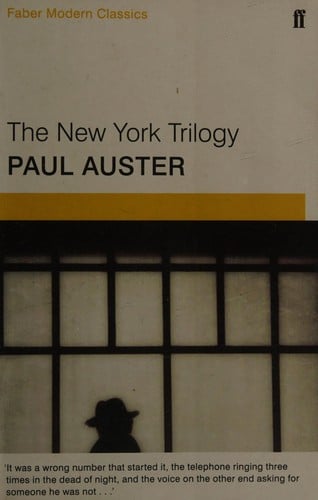
The New York Trilogy stands as the defining work of American postmodern noir and one of the most influential experimental novels of the 1980s. It appears consistently on syllabi for postmodern fiction, metafiction, and American literature courses, and is cited as a foundational text in discussions of the detective genre's literary transformation. Published in the US by Penguin Books (1987 combined edition), it has remained continuously in print for four decades. It appears on numerous "greatest novels" lists and is central to critical discourse on identity, authorship, and the limitations of language in contemporary fiction.
Ranked by difficulty score, hardest first, among eligible works of high literary regard in the current catalogue.
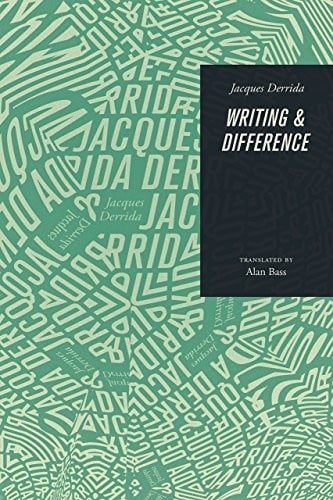
Writing and Difference is one of the foundational texts of deconstruction and a standard assignment in graduate programs in philosophy, comparative literature, and critical theory worldwide. Along with Of Grammatology (published the same year, 1967), it established Derrida as a major philosophical voice. It appears on virtually every syllabus for continental philosophy and literary theory at the graduate level.
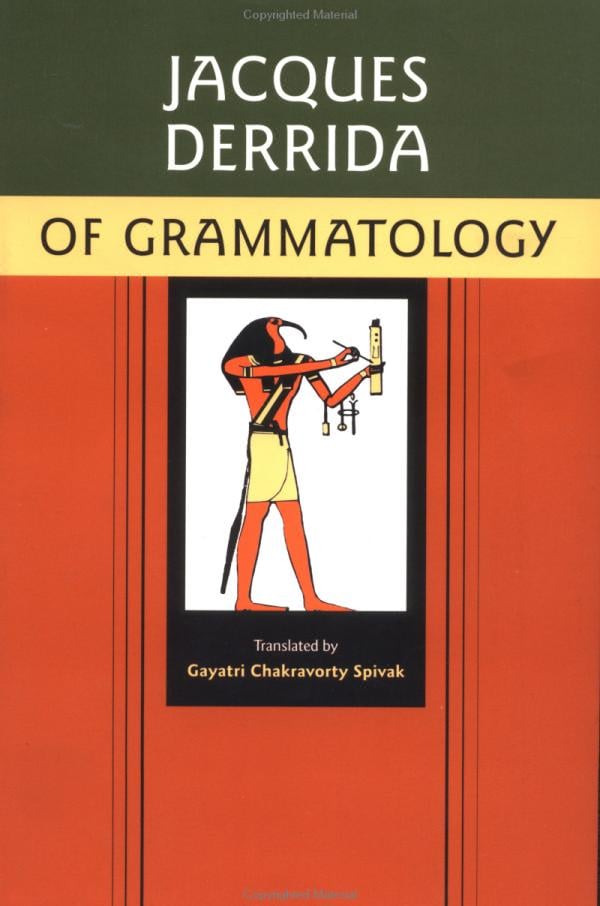
Of Grammatology is one of the most assigned texts in philosophy, literary theory, and the humanities broadly. It appears on virtually every graduate-level syllabus in continental philosophy, critical theory, and comparative literature. It is the foundational text of deconstruction, a movement that reshaped humanities scholarship from the 1970s through the present. Any 'canon' of 20th-century philosophical works includes it without question.
No. 5 on this list. The Order of Things: An Archaeology of the Human Sciences
Michel Foucault · 1966
Difficult24 hours
Listed on Le Monde's 100 Books of the Century (winner status), included in the Open Syllabus Top 500 for Literature, and published by NYRB Classics. The Order of Things is a staple of philosophy, social science, and humanities syllabi worldwide. It became a bestseller in France upon publication in 1966 — an extraordinary feat for a work of epistemological archaeology.
S/Z appears on virtually every graduate syllabus in comparative literature, literary theory, cultural studies, and semiotics. It is foundational reading alongside Derrida's Of Grammatology and Foucault's Archaeology of Knowledge. Though data signals show zero recorded appearances in this database, its actual syllabus presence is massive — it is one of the most assigned texts in humanities graduate programs worldwide. Wikipedia articles exist in dozens of languages.
Core text in the Determinations series and a foundational document of Scottish cultural studies.
No. 8 on this list. The Unnamable
Samuel Beckett · 1953
Difficult27 hours
Included in: Bokklubben World Library
The Unnamable is taught in advanced modernism, postmodernism, and philosophy-of-language courses at universities worldwide, though less universally than Waiting for Godot. It anchors the Beckett Trilogy, which is among the canonical texts of twentieth-century literature in English and French. The Wikipedia and syllabus data signals appear underreported for this work.
Benjamin's study of the German baroque Trauerspiel, withdrawn as a Habilitation thesis at Frankfurt, is now a standard text in courses on critical theory, German studies and allegory. Its 'Epistemo-Critical Prologue' is taught on its own in theory seminars.
The foundational text of Indian aesthetics. Essential in South Asian literary and performance studies, increasingly taught in comparative literature globally.

No. 11 on this list. A Lover's Discourse: Fragments · Roland Barthes · 1977
A Lover's Discourse is widely taught in comparative literature, French studies, queer theory, and cultural theory programs across European and American universities. It appears on syllabi alongside Barthes's other canonical works — Mythologies, S/Z, Camera Lucida — and is frequently assigned as an introduction to post-structuralist critical practice. While not as universally taught as Frankenstein or The Great Gatsby, it holds a firm place in the theoretical canon.
Difficult4 min
Start this bookNo. 12 on this list. Archaeologies of the Future: The Desire Called Utopia and Other Science Fictions · Fredric Jameson · 2005
Required reading in graduate SF courses with a theoretical emphasis; the most philosophically prestigious work in the field.
Difficult17 hours
Start this bookNo. 13 on this list. Pale Fire · Vladimir Nabokov · 1962
Nabokov disguised a novel as a 999-line poem with a lunatic's commentary, and the gap between what the commentator thinks he is explaining and what the reader discovers he is revealing became the most elaborate unreliable-narrator trap in fiction. The book is simultaneously a parody of academic scholarship, a detective story, and a meditation on exile — and no two readers have ever agreed on which layer is the real one.
Difficult9.1 hours
Start this bookNo. 14 on this list. Myth and Archive: A Theory of Latin American Narrative · Roberto González Echevarría · 1990
The most influential theoretical account of Latin American narrative structure in English; widely cited across the field.
Difficult12 hours
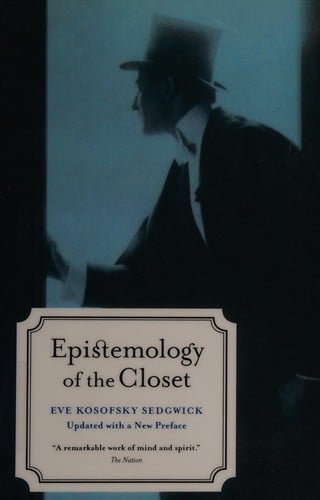
Start this bookNo. 15 on this list. The Epistemology of the Closet · Eve Kosofsky Sedgwick · 1990
A founding text of queer theory, assigned in nearly every course on queer studies and widely excerpted in theory anthologies. Its opening axioms are among the most taught passages in late-twentieth-century criticism.
Difficult11 hours
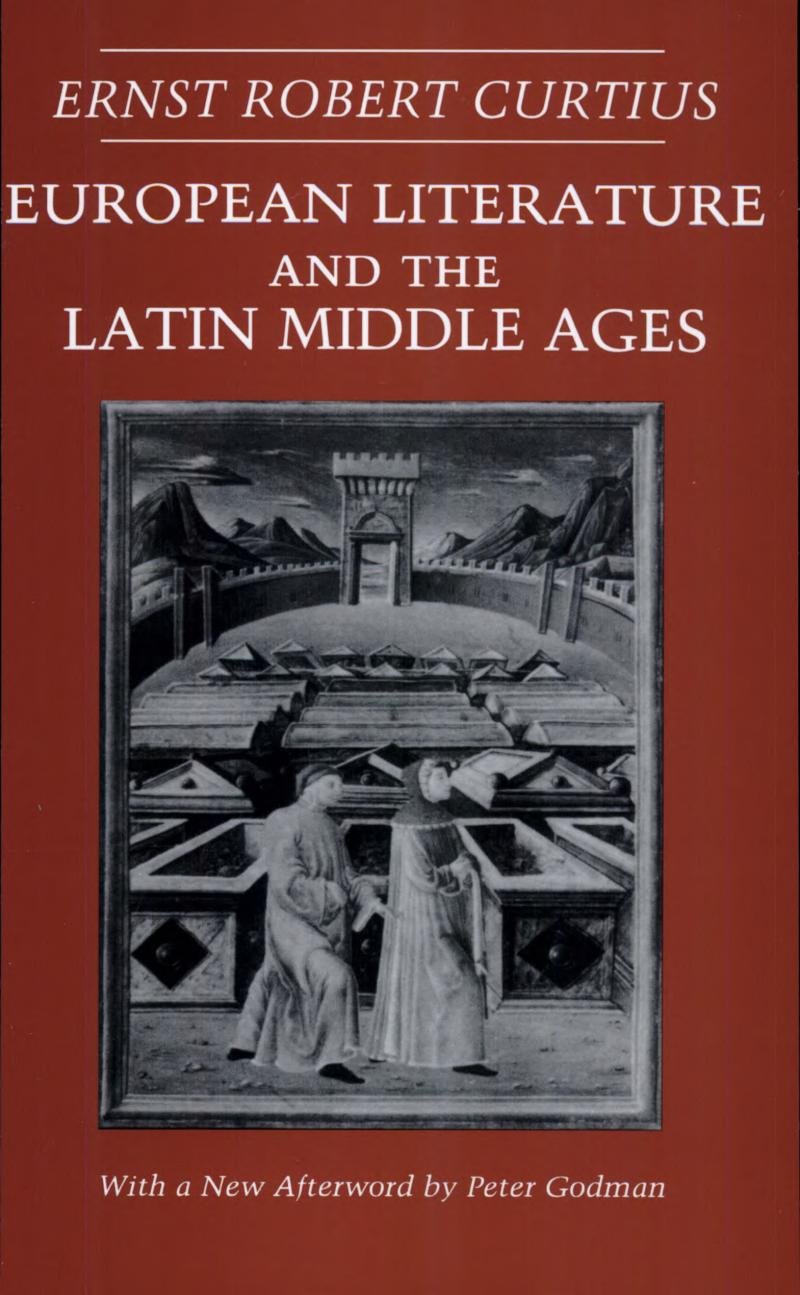
Start this bookNo. 16 on this list. European Literature and the Latin Middle Ages · Ernst Robert Curtius · 1948
Standard required reading in comparative literature and medieval studies graduate programs worldwide; the book coined locus amoenus as a formal critical category now used in virtually every discussion of medieval landscape description. Not mainstream undergraduate reading but indispensable for medievalists and comparatists, with continuous use since the 1953 Princeton translation.
Difficult36 hours
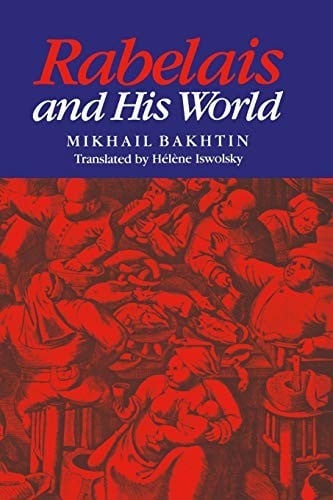
Start this bookNo. 17 on this list. Rabelais and His World · Mikhail Bakhtin · 1965
Written as a dissertation in the 1940s and published in 1965, it is the source of the carnivalesque, a concept taught across literature, history and cultural studies. It is standard reading in courses on Renaissance literature, comedy and literary theory.
Difficult13 hours
Start this bookNo. 18 on this list. The Location of Culture · Homi K. Bhabha · 1994
One of the three or four most cited texts in postcolonial studies; essential reading in the field.
Difficult15 hours
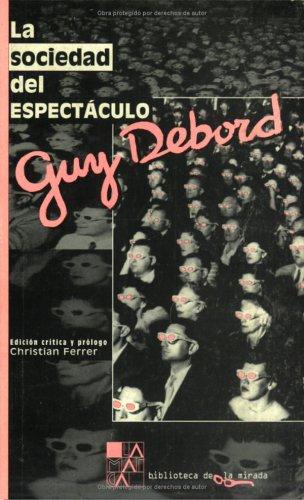
Start this bookNo. 19 on this list. The Society of the Spectacle · Guy Debord · 1967
A core text in critical theory, media studies, and cultural studies curricula worldwide. The Wikipedia article exists in over 30 languages. Less universally taught than Foucault or Marcuse in anglophone programs but essentially required reading in continental philosophy, Situationist studies, and any serious engagement with 20th-century political thought.
Difficult3.7 hours
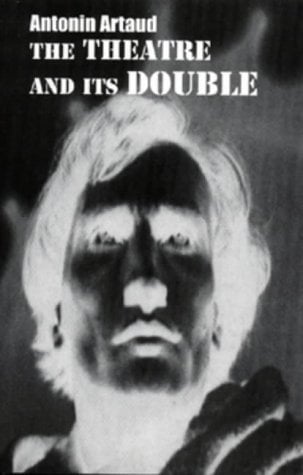
Start this bookNo. 20 on this list. The Theatre and Its Double · Antonin Artaud · 1938
Listed among Le Monde's 100 Books of the Century (1999) and the Open Syllabus Top 500 in Literature, with Wikipedia presence in 10 languages. The Theatre and Its Double is essential reading in theatre studies programs worldwide. Published by NYRB Classics. Every contemporary theatre practitioner and scholar encounters Artaud's theories in courses on performance studies, avant-garde theatre, modernism, and cultural theory.
Difficult11 hours
Start this book
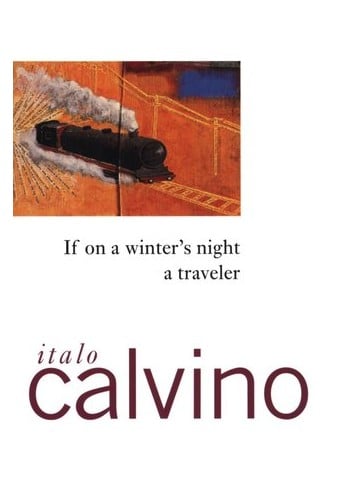
No. 21 on this list. If on a Winter’s Night a Traveler · Italo Calvino · 1982
A staple of university courses in postmodern literature, metafiction, narrative theory, and Italian studies worldwide. Appears on virtually every major list of postmodern masterworks, including the Modern Library and multiple "best novels" compilations. Not as universally assigned as Gatsby or 1984, but firmly established in the literary canon across multiple national traditions and academic disciplines.
Difficult10 hours
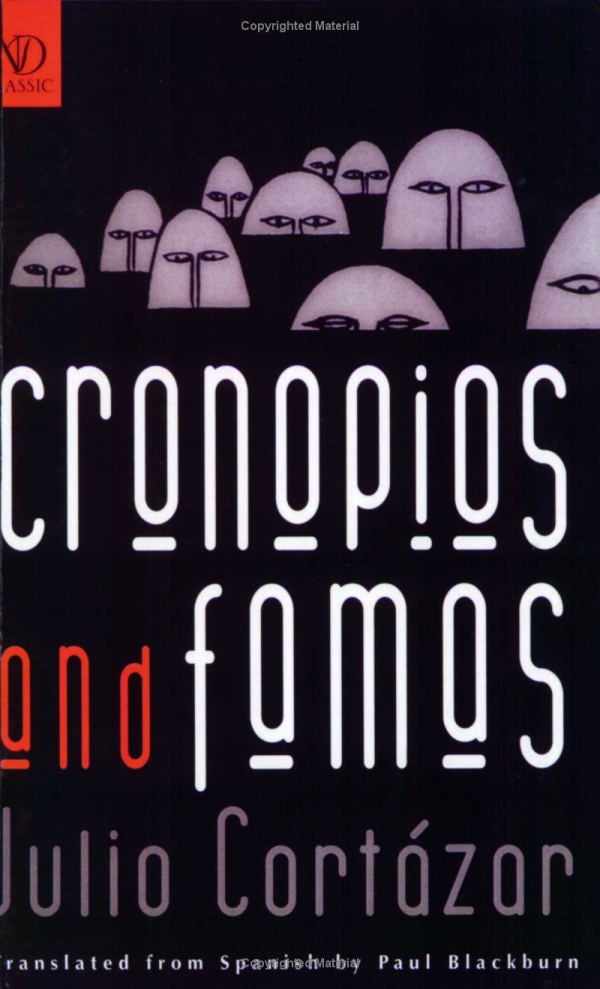
Start this bookNo. 22 on this list. Cronopios and Famas · Julio Cortázar · 1962
Taught in schools: Literatura, Diseño Curricular – Provincia de Buenos Aires (Argentina), UNAM Escuela Nacional Preparatoria – programas de Literatura (Mexico)
Julio Cortázar divides humanity into three species. The Famas are prudent, meticulous, and thorough — when traveling, one fama inspects the hotel, one files a report with the police, one copies the list of emergency doctors. The Cronopios are wet, green, disordered, and joyful — they find all hotels full, miss every train, and dream that huge parties are being given in the city to which they are invited. The Esperanzas wait for things to come to them. In sixty-odd miniatures, Cortázar demonstrates what happens when these types collide: a cronopio appointed Director General of Radio Diffusion immediately translates all broadcasts into Romanian; a fama who wants wood chops down a eucalyptus tree without noticing it screams. Before the creature taxonomy begins, an 'Instruction Manual' opens the book with deadpan procedural guides — how to cry, how to sing, how to be afraid — that use the earnest register of a technical manual to make observations about alienation and habit. 'Instructions on How to Climb a Staircase' explains in meticulous detail how to lift one foot, then the other, as if this has never been done before. The writing is compact and funny and strange, each piece its own sealed logic, ending on the precisely wrong note. Cortázar invented a form here that nobody else has quite replicated: philosophical comedy delivered in the voice of a very serious bureaucrat who has gone slightly mad.
Difficult3.1 hours
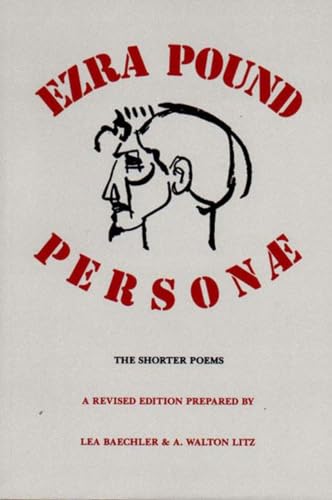
Start this bookNo. 23 on this list. Personae · Ezra Pound · 1926
Personae is a standard text in modernist poetry curricula worldwide and appears in virtually every major anthology of 20th-century poetry. Though no database syllabus data was returned, Pound's first collection is foundational to understanding Imagism and the troubadour influence on Anglo-American modernism. It is overshadowed in syllabi by the later Cantos and by Eliot, but remains required reading in modernist poetry courses.
Difficult1.1 hours
Start this bookNo. 24 on this list. The Theory of the Novel · Georg Lukács · 1916
The most influential philosophical theory of the novel. Essential in courses on novel theory, critical theory, and twentieth-century aesthetics.
Difficult4.6 hours
Start this bookNo. 25 on this list. Biographia Literaria · Samuel Taylor Coleridge · 1817
Samuel Taylor Coleridge published Biographia Literaria in 1817 to settle a score with critics, explain his intellectual development, and deliver a theory of the Imagination that would ground all of English poetry on philosophical foundations. He does two of these things. The third — the promised deduction of the Primary and Secondary Imagination from Kantian and Schellingian idealism — arrives in Chapter 13 as a single dense paragraph, preceded by a letter from a friend advising Coleridge not to publish the full argument lest it overwhelm his readers. The letter is fictional. The argument was never written. What Coleridge gives instead is something stranger: a self-portrait that uses autobiography as scaffolding for philosophy, and philosophy as scaffolding for the most exacting account of Wordsworth's genius and failures produced by anyone in the 19th century. The chapters on Lyrical Ballads identify with precision which poems succeed, which fail, and why — the analysis of 'The Thorn' and 'Guilt and Sorrow' is still the most incisive criticism of early Wordsworth written. The philosophical chapters require patience with Kant, Schelling, and Hartley; the autobiographical chapters reward it with the closest thing we have to Coleridge's intellectual self-accounting. The book is the record of a mind moving at full stretch, making promises it cannot keep and keeping ones it never made.
Difficult14 hours
Start this bookNo. 26 on this list. The Savage Mind · Claude Lévi-Strauss · 1962
The Savage Mind is the foundational text of structural anthropology and is widely taught across anthropology, cultural studies, philosophy, and literary theory departments worldwide. It appears on syllabi across disciplines — not just anthropology but semiotics, postcolonial theory, and philosophy of mind. Wikipedia editions exist in over 25 languages. It holds canonical status comparable to Beloved in its field, though its audience is academic rather than general.
Difficult12 hours
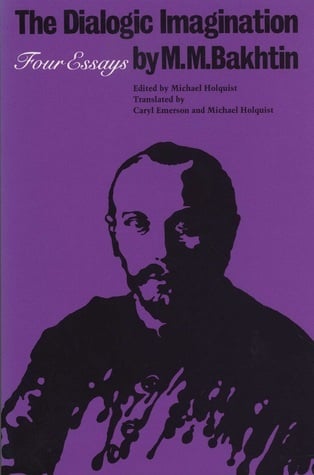
Start this bookNo. 27 on this list. The Dialogic Imagination: Four Essays · Mikhail Bakhtin · 1975
The 1981 English edition by Caryl Emerson and Michael Holquist gathered the essays in which Bakhtin set out heteroglossia and the chronotope, and 'Discourse in the Novel' and 'Epic and Novel' are among the most assigned essays in novel theory. It is a fixture of graduate theory curricula.
Difficult9.7 hours
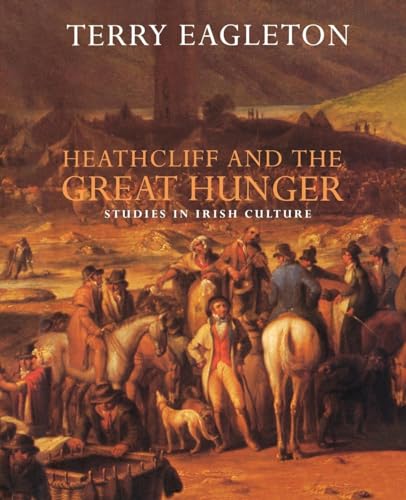
Start this bookNo. 28 on this list. Heathcliff and the Great Hunger · Terry Eagleton · 1995
Widely assigned in Irish studies and postcolonial literary studies programs.
Difficult11 hours
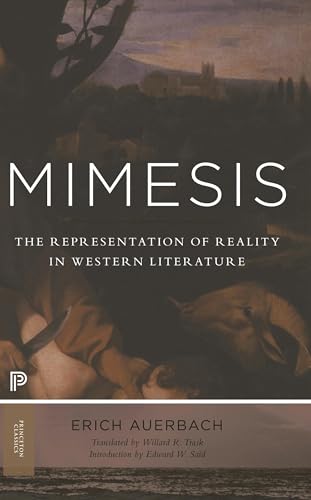
Start this bookNo. 29 on this list. Mimesis · Erich Auerbach · 1946
Mimesis appears on 2,636 university syllabi according to the Open Syllabus Project, placing it at the 85th percentile of all taught books — a remarkable figure for an academic monograph in literary criticism. Wikipedia articles in 45 languages confirm its global reach. It is the foundational text of comparative literature as an academic discipline and appears on virtually every graduate reading list in literary studies worldwide. Among academic works of literary criticism, it stands beside Northrop Frye's Anatomy of Criticism and Roland Barthes's S/Z as essential reference points.
Difficult29 hours
Start this bookNo. 30 on this list. The Birth of Tragedy · Friedrich Nietzsche · 1872
One of the most influential works in aesthetics and classical reception in Western thought.
Difficult6.1 hours
Start this book
No. 31 on this list. The Historical Novel
György Lukács · 1937
No. 32 on this list. Marxism and Literature
Raymond Williams · 1977
No. 33 on this list. The Origins of the English Novel, 1600–1740
Michael McKeon · 1987
No. 34 on this list. Metahistory: The Historical Imagination in Nineteenth-Century Europe
Hayden White · 1973
No. 35 on this list. The Light in Troy: Imitation and Discovery in Renaissance Poetry
Thomas M. Greene · 1982
No. 36 on this list. Image-Music-Text
Roland Barthes · 1977
No. 37 on this list. The Novel of Formation
Jerome Hamilton Buckley · 1987
No. 38 on this list. The Cambridge History of Spanish Literature
David Thatcher Gies · 2004
No. 39 on this list. The Act of Reading: A Theory of Aesthetic Response
Wolfgang Iser · 1978
No. 40 on this list. The Mirror and the Lamp: Romantic Theory and the Critical Tradition
M. H. Abrams · 1953
No. 41 on this list. De Vulgari Eloquentia
Dante Alighieri · 1304
No. 42 on this list. Structuralist Poetics: Structuralism, Linguistics and the Study of Literature
Jonathan Culler · 1975
No. 43 on this list. Narrative Discourse: An Essay in Method
Gérard Genette · 1972
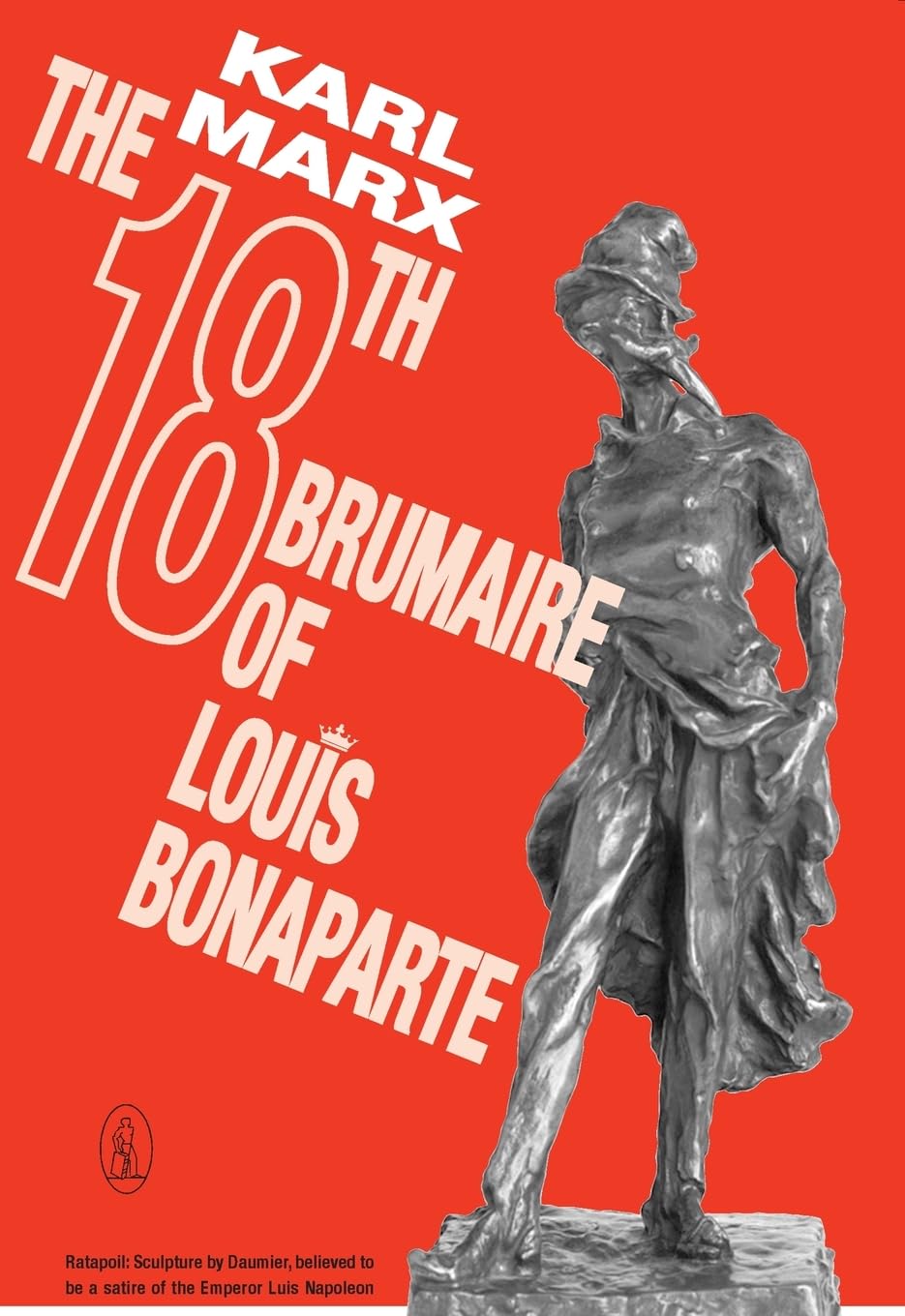
No. 44 on this list. The Eighteenth Brumaire of Louis Bonaparte
Karl Marx · 1852
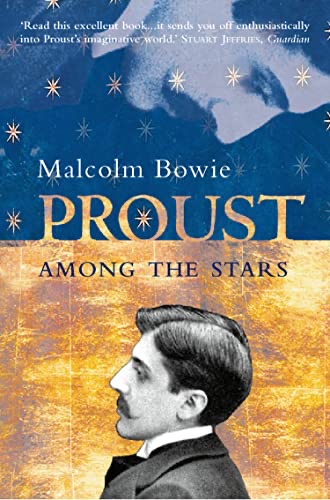
No. 45 on this list. Proust Among the Stars
Malcolm Bowie · 2001
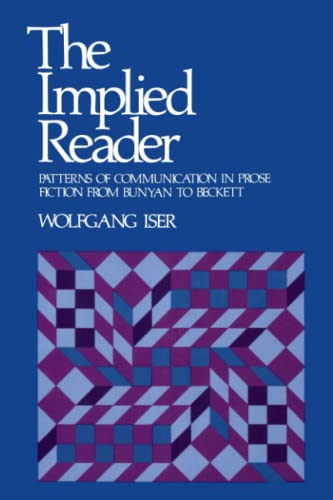
No. 46 on this list. The Implied Reader: Patterns of Communication in Prose Fiction from Bunyan to Beckett
Wolfgang Iser · 1972
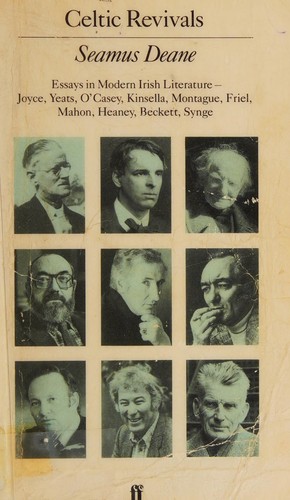
No. 47 on this list. Celtic Revivals
Seamus Deane · 1985
No. 48 on this list. The Princeton Companion to Classical Japanese Literature
Earl Miner · 1985
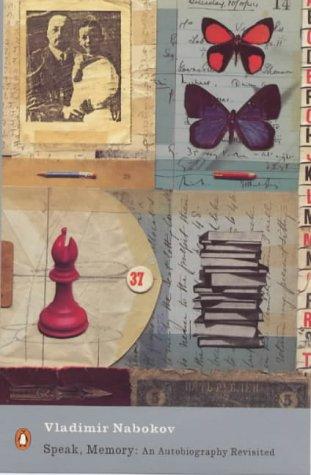
No. 49 on this list. Speak, Memory
Vladimir Nabokov · 1951
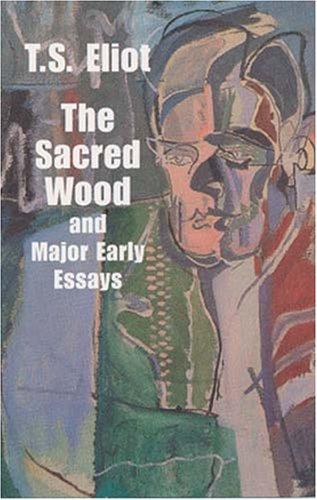
No. 50 on this list. The Sacred Wood
T. S. Eliot · 1920

No. 51 on this list. Seven Types of Ambiguity
William Empson · 1930
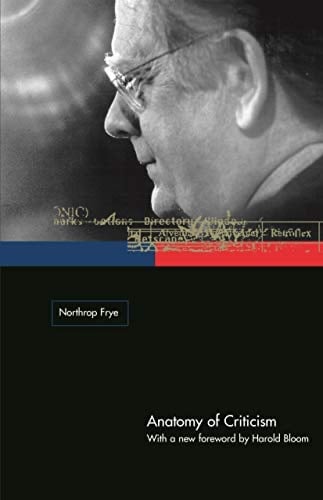
No. 52 on this list. Anatomy of Criticism: Four Essays
Northrop Frye · 1957
No. 53 on this list. The Total Library: Non-Fiction, 1922–1986
Jorge Luis Borges · 1999
No. 54 on this list. The Icon and the Axe: An Interpretive History of Russian Culture
James Billington · 1966
No. 55 on this list. Tolstoy or Dostoevsky: An Essay in the Old Criticism
George Steiner · 1959
No. 56 on this list. Spatial Form in Modern Literature
Joseph Frank · 1945
No. 57 on this list. Brecht on Theatre: The Development of an Aesthetic
Bertolt Brecht · 1964
No. 58 on this list. Problems of Dostoevsky's Poetics
Mikhail Bakhtin · 1929
No. 59 on this list. Love and Death in the American Novel
Leslie Fiedler · 1960
No. 60 on this list. The Cambridge History of Russian Literature
Charles Moser · 1989
About this list
These 62 books are the hardest-scoring eligible books of criticism and theory currently in the catalogue. About 827 hours of reading in all, for the 61 with measured lengths. Difficulty runs from 68 to 75 out of 100 for the middle half of the list; the summit is The New York Trilogy at 87.
This list is ranked by difficulty score, hardest first, with a consistent order for equal scores. Membership follows authors and co-authors, not translators or editors. A book is here when ReadingRate files it under Criticism & Theory as one of its primary reading domains, at a confidence of 0.8 or more. Catalogue coverage and the historical canon both limit what this list can represent.
When we matched the Canons dataset to our catalogue in October 2026, our canonical-status scores rose with the number of school curricula, publisher series and lists in it that cite a work: the median score was 72 for books one such source cites, 84 at two, 88 at three, 92 at four and 93 at five or more. Prizes are left out of that count. Outside the state curricula, the dataset’s sources choose mostly from what has been translated into English or French, so it is a weaker check on other literatures. Source: Canons (Andrew Piper), CC BY 4.0
Questions people actually ask
- What are the hardest books of criticism and theory to read?
- Ranked hardest first by difficulty score: The New York Trilogy by Paul Auster, Structure, Sign, and Play by Jacques Derrida, Writing and Difference by Jacques Derrida, Of Grammatology by Jacques Derrida and The Order of Things: An Archaeology of the Human Sciences by Michel Foucault. ReadingRate ranks 62 such books, each with a difficulty score and a reading-time estimate.
- How long would it take to read the top ten?
- About 189 hours for the 9 with measured lengths, at an average pace of 250 words a minute adjusted for each book's difficulty: 95 days at two hours a day. Set your own pace on the page and the list's reading times change to it.
- How hard are the hardest books of criticism and theory?
- Most of this list sits between 68 and 75 on ReadingRate's 100-point difficulty scale, where 40 to 55 is moderate. The summit is The New York Trilogy at 87. Every entry carries its own score, so a reader can pick a great book at a difficulty they will finish.
- How is this list ranked?
- Nine dimensions, from vocabulary and sentence structure to symbolic density and how much an ending withholds, each scored out of 100 and combined. It measures the text, not the reader, and it leans on meaning: The New York Trilogy scores 87 for how much it withholds, though its sentences are plainer than anything else in the top twenty. Each book's page shows which kind of hard it is. A book is here when ReadingRate files it under Criticism & Theory as one of its primary reading domains, at a confidence of 0.8 or more.