Hours at an average pace
Showing 34 books
About 197 hours for 34 of 34 books with measured lengths. Estimates use 250 words a minute, adjusted for each book's difficulty. At 2 hours a day, about 99 days for those books.
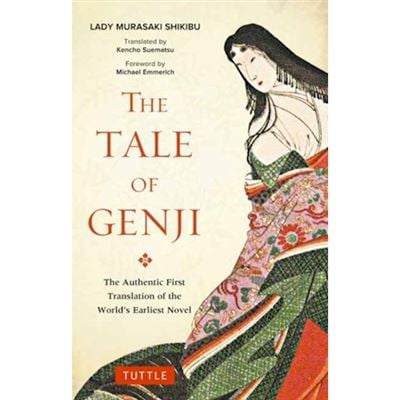
No. 1 on this list. The Tale of Genji
Murasaki Shikibu · 1010
Challenging8.6 hours
Included in: Bokklubben World Library, UNESCO Collection of Representative Works
Written by a Heian court lady six centuries before Don Quixote, The Tale of Genji traces the emotional life of a prince and his descendants through a world governed by aesthetic refinement, seasonal feeling, and erotic longing — inventing the psychological novel before the concept existed in any other literary tradition.
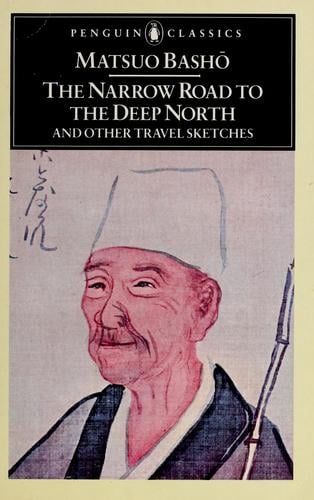
No. 2 on this list. The Narrow Road to the Deep North and Other Travel Sketches
Matsuo Bashō · 1702
Challenging2.2 hours
The central text of classical Japanese travel writing, compulsory in Japanese education and standard in world-literature and poetry courses everywhere, in print in Penguin Classics and multiple competing translations.
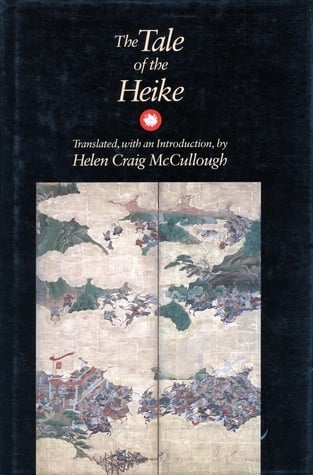
Japan's national epic, equivalent to the Iliad in the Western canon. Foundational to Japanese literature, taught universally in Japanese curricula, and central to understanding Japanese cultural identity. The work has influenced Japanese aesthetics for seven centuries, codifying concepts like mono no aware. Its canonical status is absolute and unchallenged within Japanese literary tradition, comparable only to The Tale of Genji in cultural importance.
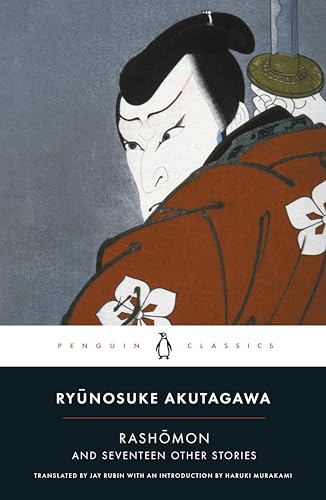
Akutagawa is central to the Japanese literary canon and his stories are among the most widely read works of Japanese literature internationally, amplified by Kurosawa's adaptations.
One of the three canonical works of classical Japanese prose alongside The Pillow Book and Essays in Idleness, memorised in Japanese schools and standard in world-literature and Buddhist-studies courses.
No. 6 on this list. The Woman in the Dunes
Kobo Abe · 1962
Challenging5.1 hours
Included in: UNESCO Collection of Representative Works
Regularly taught in world literature, Japanese literature, and existentialist fiction courses at the university level. Appears on major 'greatest novels' lists including Time's All-TIME 100 and Modern Library recommendations. Considered the defining work of postwar Japanese existentialist fiction and one of the premier Japanese novels of the twentieth century. Its canonical status outside Japan is particularly strong given the acclaimed 1964 Teshigahara film adaptation.
No. 7 on this list. A Dark Night's Passing
Naoya Shiga · 1937
Challenging14 hours
Included in: UNESCO Collection of Representative Works
The central text of the Japanese I-novel and a fixture of modern Japanese literature syllabi, though its length and slowness keep it less read abroad than Sōseki or Kawabata.
Regularly taught in Japanese literature and world literature courses at university level, though less ubiquitous than Kawabata's Snow Country. Recognized as one of the key texts for understanding 20th-century Japanese prose and the aesthetic of mono no aware. Its inclusion in Nobel Prize retrospectives solidified its place in the world literature canon.
The standard literary text on Hiroshima in Japanese and world-literature courses, in print in Kodansha International and Bantam editions and translated into more than fifteen languages.
Kawabata is Japan's first Nobel laureate in literature (1968) and Beauty and Sadness is regularly taught in Japanese literature and world literature courses. Wikipedia covers the novel in multiple languages, and it appears in major publisher catalogs (Vintage, Penguin, Knopf). Its canonical status is firm among Kawabata's output but secondary to Snow Country and The Sound of Waves in Western syllabi — placing it above 2666 (65) but below Beloved (85).
No. 11 on this list. In Praise of Shadows · Jun'ichirō Tanizaki · 1933
Widely taught in university courses on Japanese literature, architecture, design, and aesthetics across the world. No direct syllabus data was retrieved, but the essay has been a fixture of Japanese studies and cross-cultural aesthetics curricula for decades. It appears on most reading lists concerning Japanese cultural identity and modernism.
Moderate1.1 hours
Start this bookNo. 12 on this list. The Broken Commandment · Shimazaki Tōson · 1906
Included in: UNESCO Collection of Representative Works
A standard text of the Meiji canon, compulsory in Japanese literary education and central to courses on Japanese naturalism and on burakumin history.
Challenging6.3 hours
Start this bookNo. 13 on this list. The Makioka Sisters · Jun'ichirō Tanizaki · 1948
Included in: UNESCO Collection of Representative Works
The Makioka Sisters appears regularly on university world literature and Japanese literature syllabi, and is included in most critical surveys of the 20th-century novel. No syllabus count data is available, but the novel's inclusion in the Modern Library and its reputation as essential reading in Japanese fiction courses place it firmly in the upper tier of world literature canon. It is less universally taught than Western fixtures but central to any serious study of modern Japanese prose.
Moderate14 hours
Start this bookNo. 14 on this list. Kusamakura · Natsume Sōseki · 1906
Included in: UNESCO Collection of Representative Works
Kusamakura occupies a firm place in the Japanese literary canon as one of Soseki's key early works, but its presence in world literature syllabi is limited. It appears in Japanese literature survey courses and occasionally in comparative aesthetics seminars. Outside Japan, it is known primarily to specialists and readers who seek it out through Soseki's broader reputation.
Challenging3.4 hours
Read nowNo. 15 on this list. Diary of a Mad Old Man · Jun'ichirō Tanizaki · 1962
Included in: UNESCO Collection of Representative Works
A standard late-Tanizaki text in modern Japanese literature courses, in print in Vintage International and Knopf's collected editions.
Challenging4.1 hours
Start this bookNo. 16 on this list. A Wild Sheep Chase · Haruki Murakami · 1982
A standard entry text for Murakami in contemporary world-literature courses, permanently in print in Vintage International and translated into more than forty languages.
Challenging8.8 hours
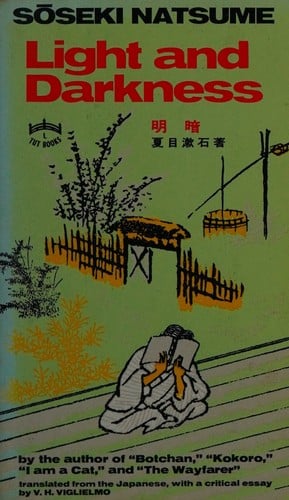
Start this bookNo. 17 on this list. Light and Darkness · Natsume Sōseki · 1916
Included in: UNESCO Collection of Representative Works
Soseki's final and most ambitious novel. Its unfinished status has both limited its readership and generated intense scholarly interest.
Moderate11 hours
Start this bookNo. 18 on this list. Territory of Light · Yūko Tsushima · 1979
Increasingly assigned in courses on Japanese women's writing and world literature since Harcourt's complete translation in 2018, in print from Penguin Classics and FSG.
Challenging3.8 hours
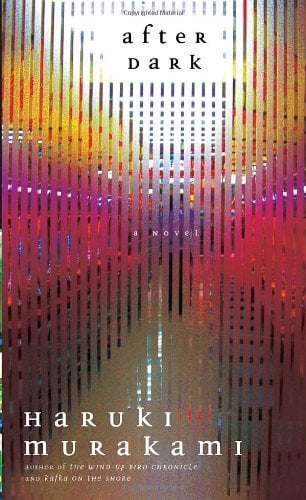
Start this bookNo. 19 on this list. After Dark · Haruki Murakami · 2004
After Dark is one of Murakami's shorter and less studied novels — it lacks the curricular presence of Norwegian Wood or Kafka on the Shore, which appear far more frequently on world literature syllabi. It is taught occasionally in contemporary Japanese literature and comparative courses but occupies a secondary position even within its own author's canon. No syllabus data found in the database, consistent with this assessment.
Challenging4.1 hours
Start this bookNo. 20 on this list. Coin Locker Babies · Ryū Murakami · 1980
A standard text on courses in contemporary Japanese fiction and transgressive literature, in print from Kodansha and Pushkin Press, though outside the school canon.
Challenging11 hours
Start this book

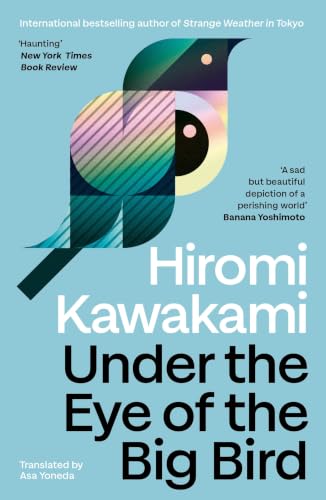
No. 21 on this list. Strange Weather in Tokyo · Hiromi Kawakami · 2001
Commonly assigned in contemporary Japanese fiction and translation courses and one of the most widely read Japanese novels in English of the last two decades, in print from Portobello and Counterpoint.
Moderate3.7 hours
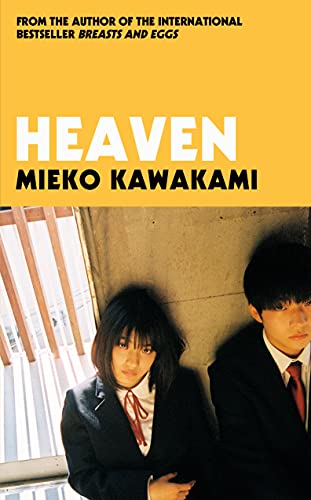
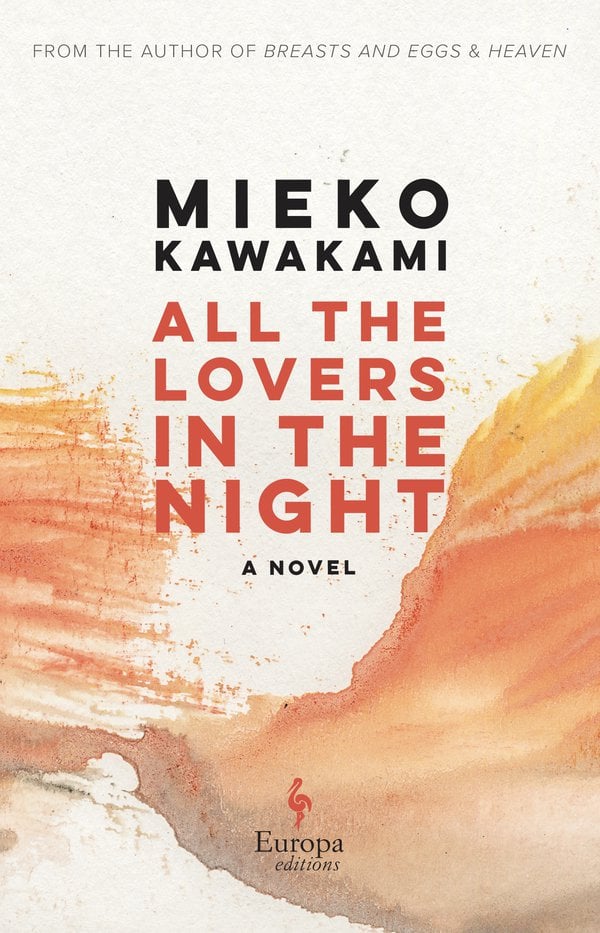
Start this bookNo. 22 on this list. Heaven · Mieko Kawakami · 2022
Fourteen-year-old Kojima is bullied mercilessly at school by a classmate who lives in the housing complex above her, torment that leaves scars extending into adulthood. Kawakami's follow-up to Breasts and Eggs is a devastating exploration of childhood cruelty and its lasting wounds.
Moderate2.8 hours
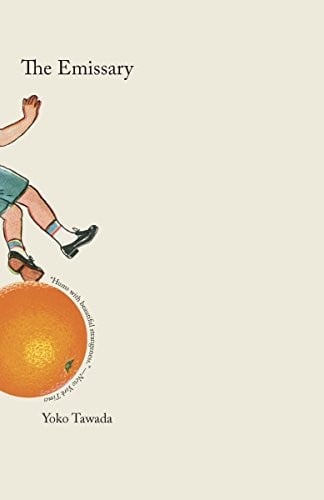
Start this bookNo. 23 on this list. The Emissary · Yoko Tawada · 2014
National Book Award for Translated Literature. A significant work of contemporary Japanese fiction.
Moderate2.3 hours
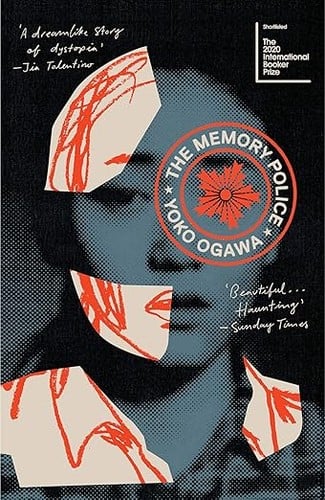
Start this bookNo. 24 on this list. The Memory Police · Yoko Ogawa · 2020
Not yet a syllabus fixture — the data show zero tracked syllabus appearances — but its 2019 English translation, Wikipedia presence in four languages, and growing footprint in world-literature and speculative-fiction courses put it well ahead of genre-only recognition like Gone Girl, closer to a book still building toward canonical status than one that has arrived.
Challenging5.5 hours
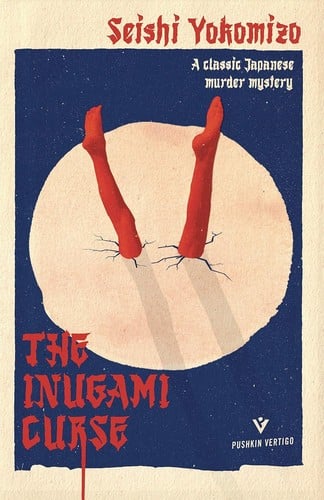
Start this bookNo. 25 on this list. The Inugami Curse · Seishi Yokomizo · 1951
The Inugami Curse holds near-canonical status in Japan, where it ranks among the most recognized mystery novels and appears regularly in discussions of the genre's golden age. Outside Japan, it has minimal syllabus presence and limited academic penetration, though Pushkin Press's English translation has expanded its reach to Western readers since 2003.
Moderate5.6 hours
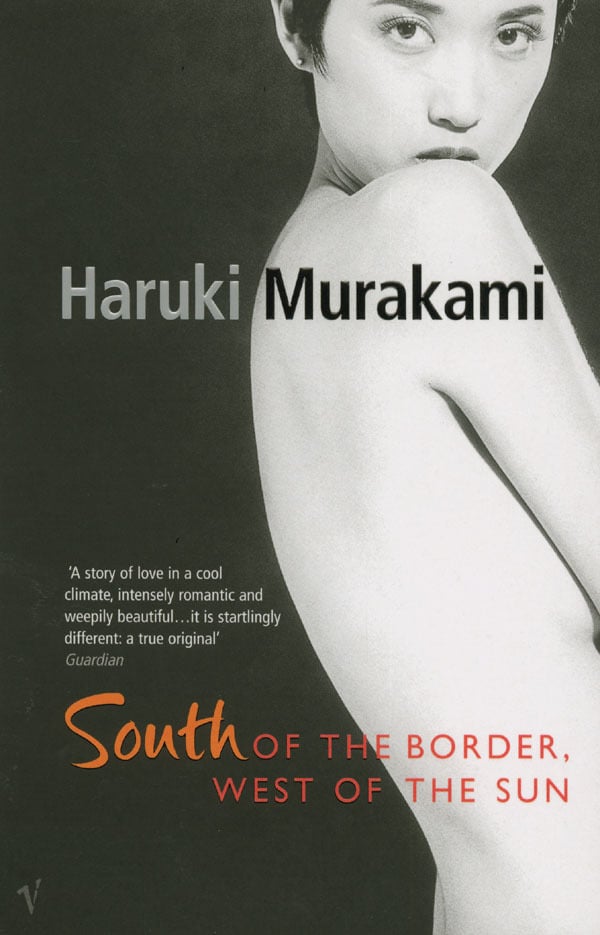
Start this bookNo. 26 on this list. South of the Border, West of the Sun · Haruki Murakami · 1992
South of the Border, West of the Sun appears on few university syllabi compared to Murakami's more canonical Norwegian Wood or The Wind-Up Bird Chronicle. No awards data or Wikipedia article were returned by the data signals. It is read widely by Murakami devotees but rarely taught as a standalone text in academic literature courses.
Moderate3.9 hours
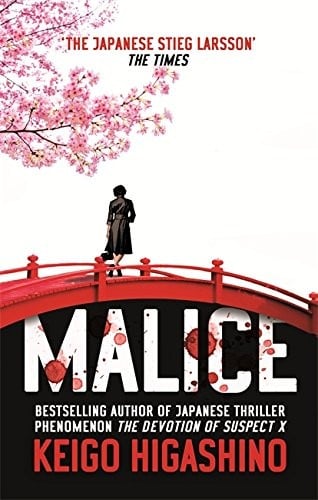
Start this bookNo. 27 on this list. Malice · Keigo Higashino · 1996
Considered a masterpiece of Japanese mystery fiction, increasingly studied in world literature courses.
Moderate3.7 hours
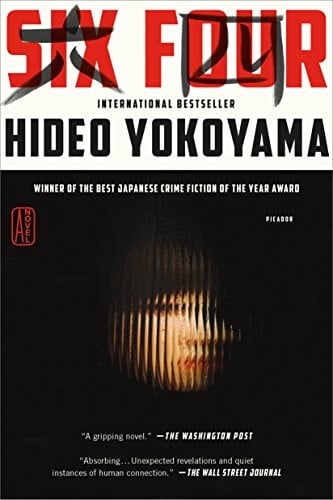
Start this bookNo. 28 on this list. Six Four · Hideo Yokoyama · 2012
Major work of Japanese crime fiction, gaining recognition in world literature.
Moderate11 hours
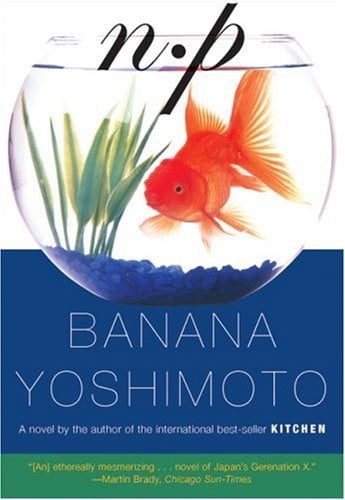
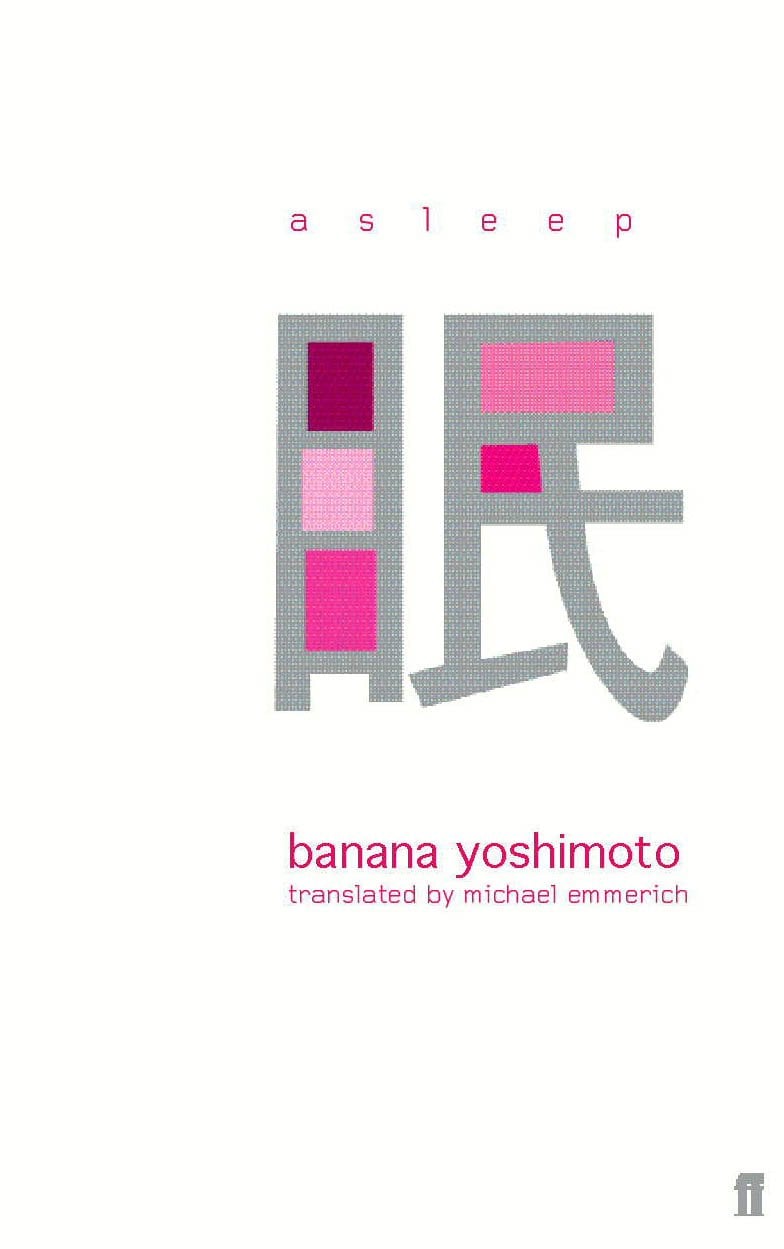
Start this bookNo. 29 on this list. N.P. · Banana Yoshimoto · 1990
N.P. has no recorded syllabus appearances and no Wikipedia article matched in our database. It is rarely assigned in university literature courses outside of specialized Japanese literature programs. While Banana Yoshimoto enjoys name recognition internationally, this particular title has not achieved the canonical status of her debut Kitchen.
Challenging3.3 hours
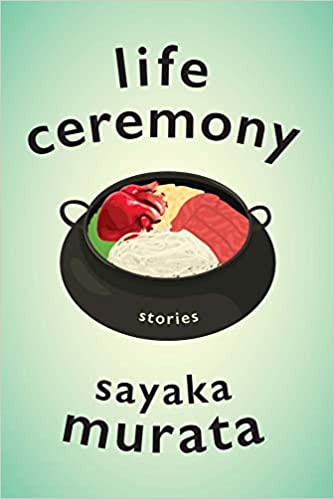
Start this bookNo. 30 on this list. Life Ceremony · Sayaka Murata · 2019
No syllabus appearances recorded and no dedicated Wikipedia article found for this collection, reflecting its recent publication date (English translation 2022) and the niche status of short story collections generally. The stories have not yet had time to enter any curriculum or 'essential reading' consensus.
Moderate4 hours
Start this book

About this list
These 34 books are the highest-scoring eligible moderately difficult books in Japanese currently in the catalogue. By literary regard, it opens with The Tale of Genji, The Narrow Road to the Deep North and Other Travel Sketches and The Tale of the Heike. About 197 hours of reading in all. Difficulty runs from 52 to 62 out of 100 for the middle half of the list; the summit is A Wild Sheep Chase at 65.
This list is ranked by literary regard, with a consistent order for equal scores. Membership follows authors and co-authors, not translators or editors. Catalogue coverage and the historical canon both limit what this list can represent.
When we matched the Canons dataset to our catalogue in October 2026, our canonical-status scores rose with the number of school curricula, publisher series and lists in it that cite a work: the median score was 72 for books one such source cites, 84 at two, 88 at three, 92 at four and 93 at five or more. Prizes are left out of that count. Outside the state curricula, the dataset’s sources choose mostly from what has been translated into English or French, so it is a weaker check on other literatures. Source: Canons (Andrew Piper), CC BY 4.0
Questions people actually ask
- What are the best moderately difficult books in Japanese?
- By literary regard, which weighs canonical status, critical standing and influence, The Tale of Genji, The Narrow Road to the Deep North and Other Travel Sketches, The Tale of the Heike, Rashomon and Seventeen Other Stories and Hōjōki: An Account of My Hut lead. ReadingRate ranks 34 such books, each with a difficulty score and a reading-time estimate.
- Where should I start with moderately difficult books in Japanese?
- Start from difficulty, not from rank. The most approachable books on this list that still carry top literary regard are Rashomon and Seventeen Other Stories by Ryūnosuke Akutagawa (about 4.2 hours), The Tale of the Heike by Anonymous and The Woman in the Dunes by Kobo Abe.
- How hard are moderately difficult books in Japanese to read?
- Most of this list sits between 52 and 62 on ReadingRate's 100-point difficulty scale, where 40 to 55 is moderate. The summit is A Wild Sheep Chase at 65. Every entry carries its own score, so a reader can pick a great book at a difficulty they will finish.
- How is this list ranked?
- On literary-regard data: how canonically established a work is, its critical standing, and its influence on later writing. It is not a readers’ poll, which is why recent bestsellers rarely appear. Membership follows authors and co-authors, not translators or editors. A list that is not a genre list keeps to literature (fiction, poetry, drama and philosophy), with philosophy taking no more than one slot in five while there is literature left to rank; every list holds at most three works by one author.