Hours at an average pace
Showing 90 books
About 324 hours for 81 of 90 books with measured lengths. Estimates use 250 words a minute, adjusted for each book's difficulty. At 2 hours a day, about 163 days for those books.
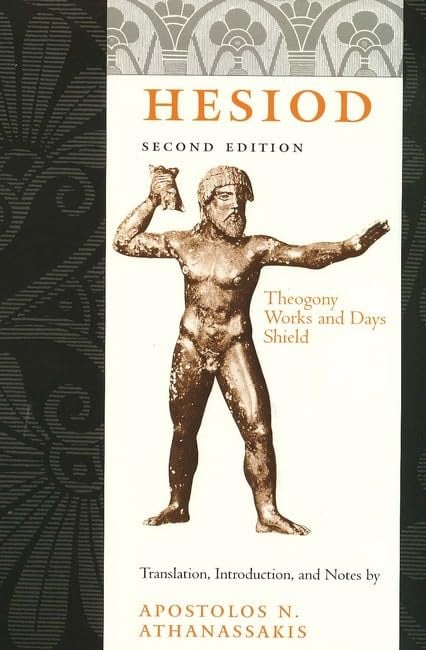
No. 1 on this list. Theogony
Hesiod · c. 700 BCE
Moderate38 min
Taught in schools: Hungarian literature curriculum (magyar nyelv és irodalom) (Hungary)
The Theogony is the foundational text of Greek mythology and Western cosmogony, required reading in classics, comparative literature, and religious studies curricula worldwide. Available in 62 Wikipedia languages, it represents one of the most extensively studied works of ancient literature. Alongside Homer's Iliad and Odyssey, it constitutes the primary textual record of ancient Greek religious belief — no understanding of Western literary tradition is complete without it.
Hesiod's poems are core texts in classics courses and Greek mythology curricula worldwide. They stand beside Homer as the foundation of Greek literature.
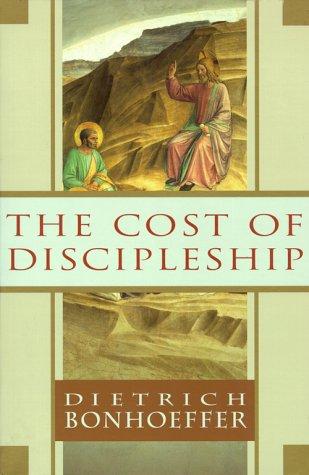
Dietrich Bonhoeffer opens with a distinction that splits the book in two. 'Cheap grace' is forgiveness sold on the cheap — grace without the cross, Christianity without Christ. 'Costly grace' is the real thing: the call that compelled Levi to leave his tax booth, that sent the disciples from their nets into unknown territory. Bonhoeffer wrote this in 1937, as a Lutheran pastor running an underground seminary while the German church bent its knee to the Nazi state. The stakes were not theoretical. What follows is a sustained reading of the Sermon on the Mount as a set of commands meant to be obeyed, not admired from a distance. The Beatitudes are not comforts for the passive; they describe what happens to people who actually follow Christ into the world. Bonhoeffer then builds outward from individual obedience to the visible church — a community that bears the form of the crucified Christ in its own body. Baptism is death. The Body of Christ is not a metaphor. The reader who expects gentle devotional prose will find instead a theologian making demands: that faith without obedience is not faith, that the church without costly commitment is not the church. The final chapters on the image of God carry the argument to its conclusion — to follow Christ means to be remade entirely, conformed to the image of the one who suffered.
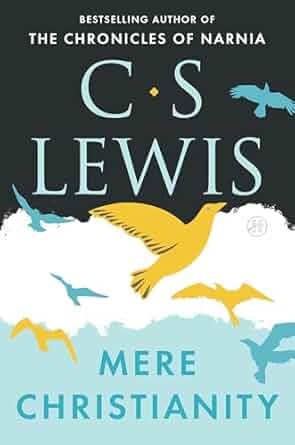
While not a staple of English literature syllabi, Mere Christianity is a fixture in philosophy, theology, and religious studies courses at universities worldwide. It ranks among the most assigned texts in Christian higher education and appears on virtually every list of essential 20th-century nonfiction. Wikipedia covers it in dozens of languages, reflecting global reach far beyond the Anglosphere.
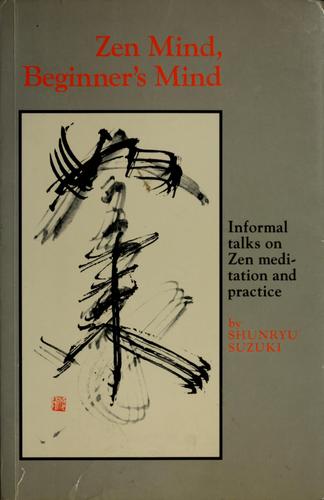
No syllabus or Wikipedia data came back in ReadingRate's own signals check, but the book has been continuously in print since 1970, sold well over a million copies, and is a fixture of Buddhist Studies and religious-studies reading lists as the standard English-language introduction to Zen practice. It sits alongside classics like The Cloud of Unknowing as a devotional text assigned for its content rather than for a literary curriculum.
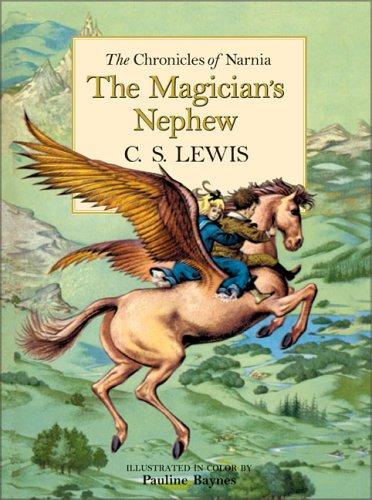
The Chronicles of Narnia rank among the most widely read children's series of the 20th century, with over 100 million copies sold globally. The Magician's Nephew appears on virtually every major 'best children's books' list and is taught in primary schools worldwide. No syllabus data available in the database, but its foundational place in children's literature curricula — particularly in English-speaking countries — establishes strong canonical status within its sphere.
A staple of Enlightenment, deism and American religious-history courses, and a standard text on freethought. It is less central than the major philosophical canon.
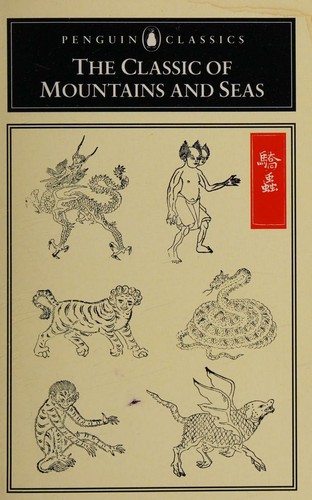
The standard source text for Chinese mythology, taught in Chinese religion and folklore courses and available complete in Penguin Classics.
Grace Abounding to the Chief of Sinners is the classic Puritan spiritual autobiography and a standard text in courses on seventeenth-century literature and the history of autobiography. It is read less widely than The Pilgrim's Progress but is firmly established.
The Last Battle (1956) closes the Chronicles of Narnia and is read with the series in schools and homes. It is less often taught alone than The Lion, the Witch and the Wardrobe.


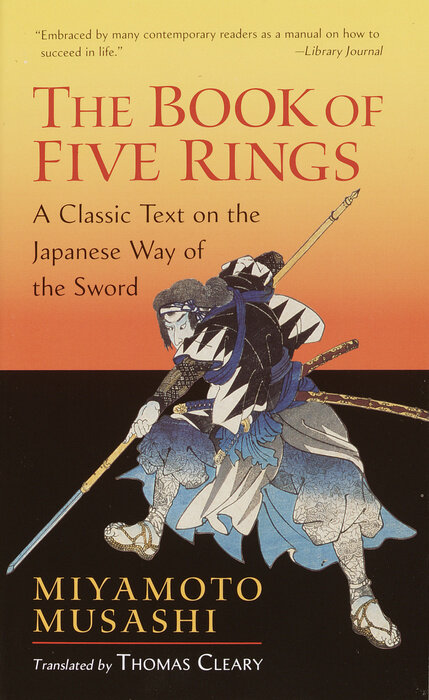
No. 11 on this list. O Livro dos Cinco Anéis (Portuguese Edition) · Miyamoto Musashi · 2025
The Book of Five Rings is a standard text in Japanese culture, martial arts and strategy courses worldwide, though it appears less often in literature syllabi. This Portuguese edition is a new publication of an established classic.
Easy2.7 hours
Start this bookNo. 12 on this list. The Artist's Way: A Spiritual Path to Higher Creativity · Julia Cameron
Widely regarded as an essential text in American Buddhism and contemplative spirituality, frequently included in meditation teacher training programs and spiritual studies curricula, though not part of traditional literary canons.
Easy3 hours
Start this bookNo. 13 on this list. The Snow Leopard · Peter Matthiessen · 1978
In 1973, Matthiessen accompanied the field biologist George Schaller on a trek through the Himalayas of Nepal to study the Himalayan blue sheep and, if extraordinarily lucky, to glimpse the snow leopard—one of the rarest and most elusive animals on earth. But the book is less about the leopard than about what Matthiessen brought to the mountains: the recent death of his wife Deborah from cancer, his practice of Zen Buddhism, and his need to find some way to live with loss. The journey takes two months on foot through terrain above 15,000 feet, in conditions of extreme cold and isolation, and Matthiessen records it in prose of crystalline precision—the light on snow, the flight of lammergeiers, the sound of wind through a defile. He weaves Buddhist philosophy throughout, not as doctrine but as a way of attending to what is present rather than grasping at what is gone. Whether the snow leopard appears becomes a koan: the search matters more than the finding, and the willingness to see clearly—even when what you see is absence—is itself a form of illumination.
Very Easy3.4 hours
Start this bookNo. 14 on this list. Enheduana: The Complete Poems of the World's First Author · Sophus Helle
Enheduana is a staple of ancient literature and women's writing courses, and these poems anchor the Sumerian tradition. Helle's edition is a recent translation, so its syllabus use is still growing.
Easy
Start this bookNo. 15 on this list. Jefferson Bible: The Life and Morals of Jesus of Nazareth · Thomas Jefferson
It is a well-known document in American religious and intellectual history and is often cited in discussions of Jefferson's faith. It is read in courses on the Founders and church and state more than in literature courses.
Easy1.5 hours
Start this bookNo. 16 on this list. Muhammad His Life Based on the Earliest Sources · Martin Lings · 1991
The book is widely read as a standard English-language introduction to the Prophet's life and is common in Islamic studies and general reading lists. It is not a core literary canon text.
Easy5.2 hours
Start this bookNo. 17 on this list. Light on Yoga: The Definitive Guide to Yoga Practice · B.K.S. Iyengar · 2001
It is the standard reference for Iyengar yoga and a fixture in teacher training worldwide, translated into many languages. It sits outside literary curricula, so its canon is that of yoga practice rather than university syllabi.
Easy6.1 hours
Start this bookNo. 18 on this list. Life Application Study Bible: NIV · Anonymous
The Bible is the central text of Christianity and a pillar of Western culture, and this NIV study edition is among the most widely used in churches and small groups. It is a devotional reference rather than a work taught as literature in its own right.
Easy37 hours
Start this bookNo. 19 on this list. Islam: A Short History (UNIVERSAL HISTORY) by Karen Armstrong (3-Dec-2001) Paperback · Karen Armstrong · 2002
As a popular introductory history it is widely used in general courses and reading lists, but it is not a core scholarly text. It sits between a commercial title and a classroom staple.
Easy3.6 hours
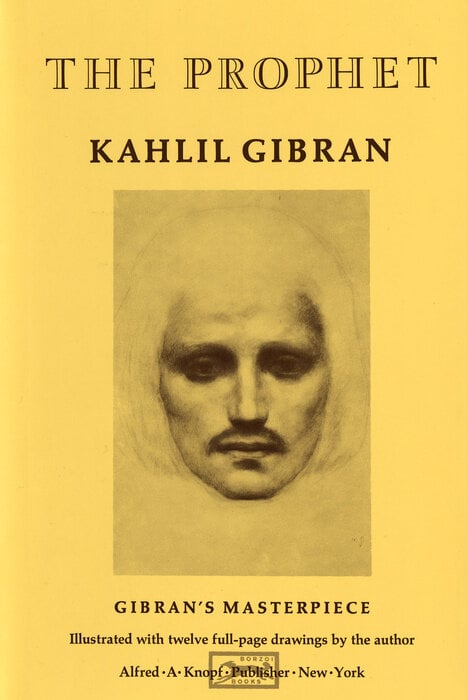
Start this bookNo. 20 on this list. The Prophet · Kahlil Gibran · 2003
It is a fixture of popular spirituality, read at weddings and funerals, but it is rarely a core syllabus text in literature courses. No syllabus figures are available to push it higher, so it sits in the niche-to-established range.
Easy1.7 hours
Start this book



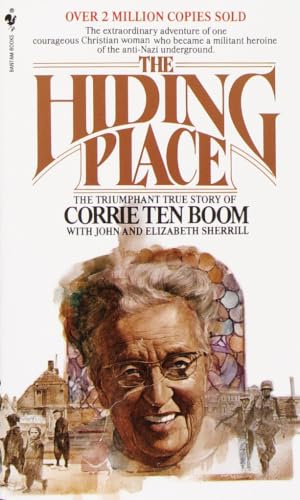
No. 21 on this list. The Hiding Place: The Triumphant True Story of Corrie Ten Boom · Corrie ten Boom · 1971
A staple of Christian reading lists and widely taught in churches and schools about the Holocaust, but not a fixture of university literature syllabi. It stays a classic of devotional and Holocaust-witness literature.
Very Easy2.9 hours
Start this bookNo. 22 on this list. The God Delusion · Richard Dawkins · 2006
Dawkins makes the case for atheism with the rhetorical force and intellectual rigor that characterized his earlier science writing. He argues that a supernatural creator almost certainly does not exist, that religion is not necessary for morality, that the 'God hypothesis' should be treated as a scientific hypothesis and found wanting, and that the privileged position of religion in public life is unjustified. Dawkins engages systematically with the arguments for God's existence—the cosmological argument, the argument from design, the argument from personal experience—and dismantles each with evidence and logic. The book also examines the psychological roots of religious belief (the misfiring of evolved cognitive modules), the moral dangers of faith-based reasoning, and the consolations that science offers in place of religion. The God Delusion became a publishing phenomenon, selling millions of copies and establishing Dawkins as the most prominent voice of the 'New Atheism' movement, admired for his clarity and criticized for his combativeness.
Easy5.9 hours
Start this bookNo. 23 on this list. Letters To A Spiritual Seeker · Henry David Thoreau
Thoreau is a canonical American writer, but this 2004 letters collection is a specialist edition and not a staple of syllabi. It ranks well below Walden, which is taught everywhere.
Easy4.4 hours
Start this bookNo. 24 on this list. To a Mountain in Tibet · Colin Thubron · 2011
Travel writing rarely enters syllabi, though Thubron is widely read in the genre. The book is respected but peripheral to formal curricula.
Easy3.8 hours
Start this bookNo. 25 on this list. Islamic Reform: Politics and Social Change in Late Ottoman Syria · David Dean Commins · 1990
The book is a specialist monograph from Oxford University Press, used in Middle East history courses but not a general canonical text. It is a standard citation on Syrian Salafism.
Moderate3.5 hours
Start this bookNo. 26 on this list. The Benedict Option · Rod Dreher · 2017
The New York Times columnist David Brooks called it 'the most discussed and most important religious book of the decade', and it remains a reference point in debates about Christianity and American public life. It appears in seminary and religion-and-politics courses but is too recent for settled canonical status.
Moderate5 hours
Start this bookNo. 27 on this list. The Way of a Pilgrim and the Pilgrim Continues His Way · Anonomous Pilgrim · 2019
It is a recognized classic of Russian Orthodox spirituality and a staple of Christian devotional reading, especially after Salinger's Franny and Zooey made it widely known. It is rarely taught in literature courses.
Easy2.7 hours
Start this bookNo. 28 on this list. Doubt: A History: The Great Doubters and Their Legacy of Innovation from Socrates and Jesus to Thomas Jefferson and Emily Dickinson · Jennifer Hecht · 2003
It is a respected popular history of ideas, used in some courses on skepticism and the history of religion, but it is not a core text. Its reach is general readers more than syllabi.
Moderate9.5 hours
Start this bookNo. 29 on this list. The Varieties of Scientific Experience · Carl Sagan · 2006
Sagan's Gifford Lectures on Natural Theology, delivered in 1985 and published posthumously, present his case for a scientific worldview that is simultaneously awestruck and skeptical. He surveys the evidence for and against the existence of God—cosmological arguments, the anthropic principle, near-death experiences, extraterrestrial intelligence—with the rigor of a scientist and the wonder of a poet. His central argument is that the universe revealed by science is more beautiful, more complex, and more worthy of reverence than any traditional religious conception. He does not mock religious belief but insists that the same standards of evidence we apply to other claims should apply to claims about God. The lectures capture Sagan at his most eloquent, bringing the same infectious enthusiasm that made Cosmos a cultural phenomenon to questions that humans have asked since they first looked at the stars.
Very Easy3.6 hours
Start this bookNo. 30 on this list. Islam View from Edge · Richard Bulliet · 1995
No syllabus count is available for this Columbia University Press history. It is a scholarly title in Islamic studies and unlikely to be taught as a core text everywhere.
Moderate4.2 hours
Start this book



No. 31 on this list. American Gospel: God, the Founding Fathers, and the Making of a Nation
Jon Meacham · 2006
No. 32 on this list. Jesus, Interrupted: Revealing the Hidden Contradictions in the Bible & Why We Don't Know About Them
Bart D. Ehrman · 2009
No. 33 on this list. The Clear Quran: A Thematic English Translation of the Message of the Final Revelation
Aaron Wannamaker · 2016
No. 34 on this list. The Tao of Pooh
Benjamin Hoff · 1982
No. 35 on this list. When Things Fall Apart
Pema Chödrön · 1997
No. 36 on this list. The Power of Now: A Guide to Spiritual Enlightenment
Eckhart Tolle · 2004
No. 37 on this list. The Darkening Age: The Christian Destruction of the Classical World
Catherine Nixey · 2017
No. 38 on this list. Verses of the Senior Nuns: A Translation of Therīgāthā
Bhikkhu Sujato · 2019
No. 39 on this list. O Que Estás a Fazer Com a Tua Vida?
No. 40 on this list. AS A MAN THINKETH Deluxe Collection of Five Favorite James Allen Works [Annotated & Unabridged]: Includes BONUS Entire AUDIOBOOK Narration


No. 41 on this list. How to Walk
Thích Nhất Hạnh · 2015
No. 42 on this list. The Interlinear Bible
Jay P. Green · 1986
No. 43 on this list. The Power of Now
Eckhart Tolle · 1997
No. 44 on this list. The Earth Path: Grounding Your Spirit in the Rhythms of Nature
Starhawk · 2005
No. 45 on this list. Camp Damascus
Chuck Tingle · 2023
No. 46 on this list. Será Isto De Que Estás À Procura? (Portuguese Edition)
No. 47 on this list. A Simple Path
Mother Teresa · 1995
No. 48 on this list. The Road Less Traveled: A New Psychology of Love, Traditional Values and Spiritual Growth
M. Scott Peck · 1978
No. 49 on this list. Meditations for Mortals: Four Weeks to Embrace Your Limitations and Finally Make Time for What Counts
Oliver Burkeman · 2025
No. 50 on this list. Seth Speaks: The Eternal Validity of the Soul
Jane Roberts · 1994



No. 51 on this list. Radical Acceptance
Tara Brach · 2003
No. 52 on this list. His Brother's Keeper: Israel and Diaspora Jewry in the Twenty-first Century
Yossi Beilin · 2000
No. 53 on this list. The Island: An Anthology of the Buddha's Teachings on Nibbana
Ajahn Amaro · 2009
No. 54 on this list. Wild at Heart
John Eldredge · 2001
No. 55 on this list. The Untethered Soul: The Journey Beyond Yourself
Michael A. Singer · 2007
No. 56 on this list. Tech Agnostic: How Technology Became the World's Most Powerful Religion, and Why It Desperately Needs a Reformation
Greg Epstein · 2024
No. 57 on this list. Buddhism Plain & Simple
Steve Hagen · 1999
No. 58 on this list. No Greater Love
Mother Teresa · 1997
No. 59 on this list. Thy Brothers Blood: The Orthodox Jewish Response During the Holocaust (Artscroll Judaiscope Series)
David Kranzler · 1987
No. 60 on this list. Cursor Mundi
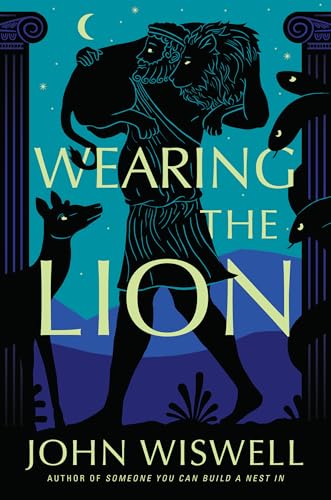
No. 61 on this list. Wearing the Lion
John Wiswell · 2025
No. 62 on this list. El Secreto (The Secret)
Rhonda Byrne · 2007
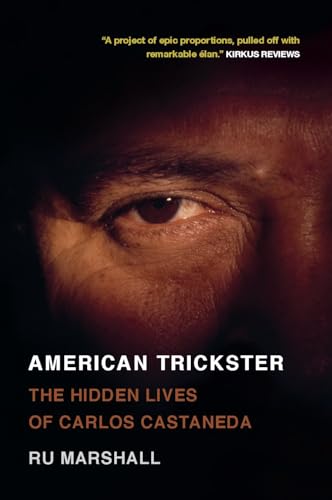
No. 63 on this list. American Trickster: The Hidden Lives of Carlos Castaneda
Ru Marshall · 2026
No. 64 on this list. Sacred Self-Care: A Study of Spiritual Self-Care Through Devotion and Reflection
Chanequa Walker-Barnes · 2023
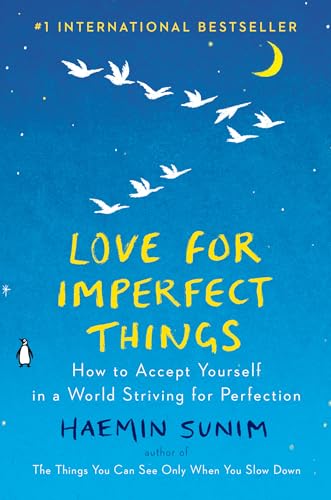
No. 65 on this list. Love for Imperfect Things: How to Accept Yourself in a World Striving for Perfection
Haemin Sunim · 2018
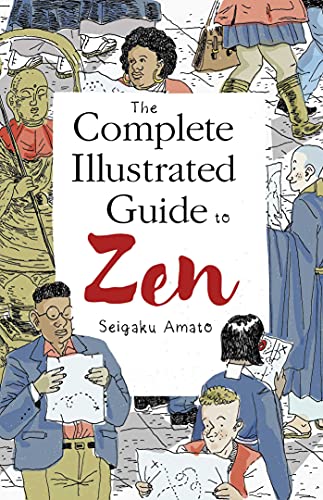
No. 66 on this list. The Complete Illustrated Guide to Zen
Seigaku Amato · 2021
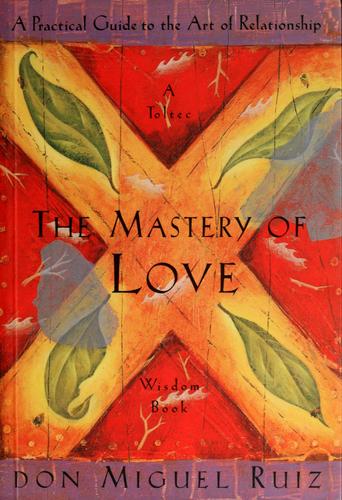
No. 67 on this list. The Mastery of Love: A Practical Guide to the Art of Relationship: A Toltec Wisdom Book
Miguel Ruiz · 2002
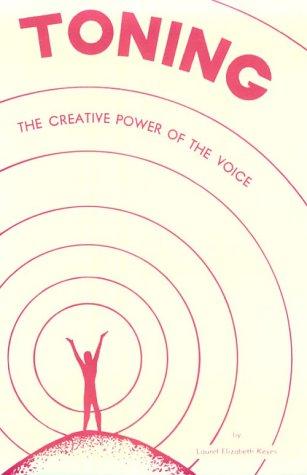
No. 68 on this list. Toning: The Creative Power of the Voice
Laurel Elizabeth Keyes · 1973
No. 69 on this list. Explanation of Important lessons for every Muslim
No. 70 on this list. The only way to jhāna: Meditation according to the early Suttas
Ajahn Nyanamoli Thero · 2022

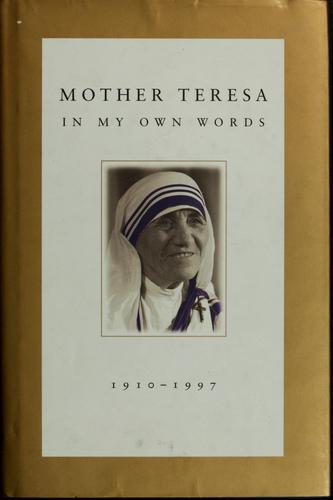
No. 71 on this list. Mother Teresa: In My Own Words
Mother Teresa · 1997
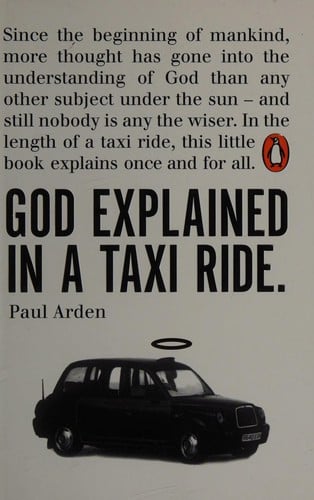
No. 72 on this list. God Explained in a Taxi Ride
Paul Arden · 2008
No. 73 on this list. The Life and Times of Kateri Tekakwitha The Lily of the Mohawks
Ellen Hardin Walworth · 2011
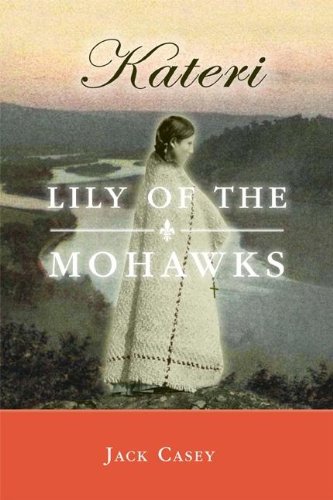
No. 74 on this list. Lily of the Mohawks
Jack Casey · 1984
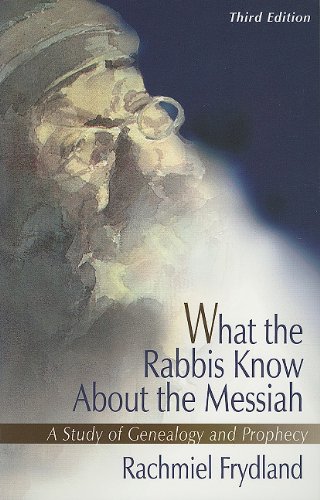
No. 75 on this list. What the Rabbis Know About the Messiah: A Study of Genealogy and Prophecy
Rachmiel Frydland · 2002
No. 76 on this list. Eat, Drink, and Be Merry: A Gospel Call to Bold Enjoyment
Raymond C. Ortlund Jr. · 2026
No. 77 on this list. When being Jewish was a crime
Rachmiel Frydland · 1978
No. 78 on this list. Abundant Ever After: Tools for Creating a Life of Prosperity and Ease
Cathy Heller · 2024
No. 79 on this list. Don't Believe Everything You Think (Expanded Edition): Why Your Thinking Is The Beginning & End Of Suffering
Joseph Nguyen · 2022
No. 80 on this list. Strong in the Lord: A 30-Day Devotional on the Armor of God (The Gospel Coalition)
Winfree Brisley · 2026
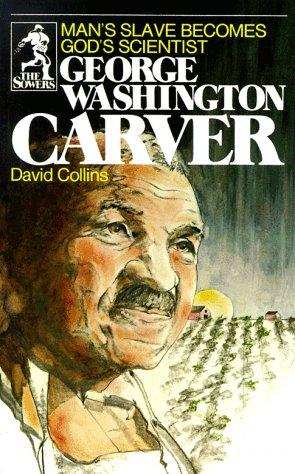
No. 81 on this list. George Washington Carver: Man's Slave Becomes God's Scientist
David R. Collins · 2005
No. 82 on this list. A Hebrew Christian looks at Israel
Zola Levitt · 1975
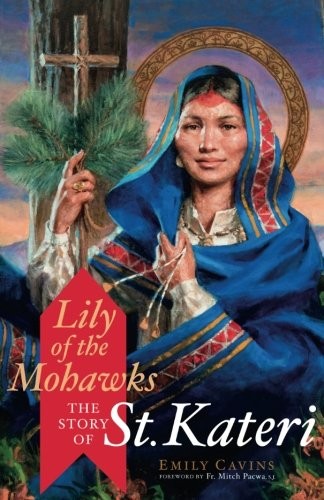
No. 83 on this list. Lily of the Mohawks: The Story of St. Kateri
Emily Cavins · 2013
No. 84 on this list. 10 Questions About the Bible: 30 Devotions for Kids, Teens, and Families
Todd R. Chipman · 2026
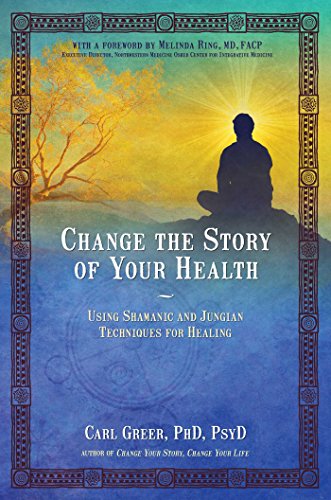
No. 85 on this list. Change the Story of Your Health: Using Shamanic and Jungian Techniques for Healing
Carl Greer · 2017
No. 86 on this list. Joy Cometh in the Morning: The life story of Rachmiel Frydland
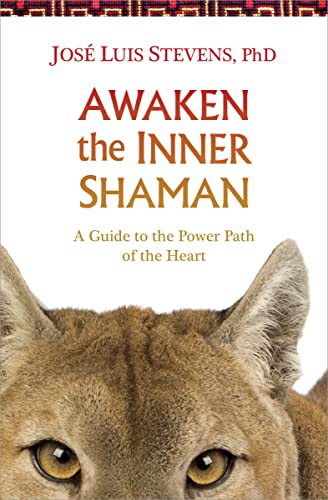
No. 87 on this list. Awaken The Inner Shaman A Guide To The Power Path Of The Heart
Jose Luis Stevens · 2014
No. 88 on this list. Seven Journeys
Dorota Flatau · 1999
No. 89 on this list. Blended & Blessed: Building Family Unity & Healing Through the Beatitudes
Inés Franklin · 2026
No. 90 on this list. No More Boring Bible Study
Faith Womack · 2025
About this list
These 90 books are the highest-scoring eligible easy books on religion and spirituality currently in the catalogue. About 324 hours of reading in all, for the 81 with measured lengths. Difficulty runs from 23 to 36 out of 100 for the middle half of the list; the summit is The Classic of Mountains and Seas at 45.
This list is ranked by literary regard, with a consistent order for equal scores. Membership follows authors and co-authors, not translators or editors. Catalogue coverage and the historical canon both limit what this list can represent, and genre labels are the catalogue’s own, gathered into broader kinds.
When we matched the Canons dataset to our catalogue in October 2026, our canonical-status scores rose with the number of school curricula, publisher series and lists in it that cite a work: the median score was 72 for books one such source cites, 84 at two, 88 at three, 92 at four and 93 at five or more. Prizes are left out of that count. Outside the state curricula, the dataset’s sources choose mostly from what has been translated into English or French, so it is a weaker check on other literatures. Source: Canons (Andrew Piper), CC BY 4.0
Questions people actually ask
- What are the best easy books on religion and spirituality?
- By literary regard, which weighs canonical status, critical standing and influence: Theogony by Hesiod, Theogony/Works and Days by Hesiod, The Cost of Discipleship by Dietrich Bonhoeffer, Mere Christianity by C.S. Lewis and Zen Mind, Beginner's Mind by Shunryu Suzuki. ReadingRate ranks 90 such books, each with a difficulty score and a reading-time estimate.
- Which easy books on religion and spirituality should I read first?
- Start from difficulty, not from rank. The most approachable books on this list that still carry top literary regard are The Magician’s Nephew by C.S. Lewis (about 2.3 hours), Zen Mind, Beginner's Mind by Shunryu Suzuki and The Cost of Discipleship by Dietrich Bonhoeffer.
- What are the shortest of the best easy books on religion and spirituality?
- Among the top 25, the shortest are Theogony by Hesiod (about 38 min), Jefferson Bible: The Life and Morals of Jesus of Nazareth by Thomas Jefferson (about 1.5 hours) and Zen Mind, Beginner's Mind by Shunryu Suzuki (about 1.7 hours), at an average pace of 250 words a minute adjusted for each book's difficulty.
- Which of the best easy books on religion and spirituality are the established classics?
- By canonical status, how firmly a book sits in curricula, anthologies and the canon: Theogony by Hesiod, Theogony/Works and Days by Hesiod, The Cost of Discipleship by Dietrich Bonhoeffer, Mere Christianity by C.S. Lewis and Zen Mind, Beginner's Mind by Shunryu Suzuki.
- How long would it take to read the top ten?
- About 28 hours, at an average pace of 250 words a minute adjusted for each book's difficulty: 15 days at two hours a day. Set your own pace on the page and the list's reading times change to it.
- How hard are easy books on religion and spirituality to read?
- Most of this list sits between 23 and 36 on ReadingRate's 100-point difficulty scale, where 40 to 55 is moderate. The summit is The Classic of Mountains and Seas at 45. Every entry carries its own score, so a reader can pick a great book at a difficulty they will finish.
- How is this list ranked?
- On literary-regard data: how canonically established a work is, its critical standing, and its influence on later writing. It is not a readers’ poll, which is why recent bestsellers rarely appear. Membership follows authors and co-authors, not translators or editors. Lists by country, author, period, theme or difficulty keep to literature (fiction, poetry, drama and philosophy), their novels, poems and plays first and their philosophy after them; a list of a kind of book, such as memoir or criticism, keeps every book of that kind. Every list holds at most three works by one author.