Hours at an average pace
Showing 42 books
About 98 hours for 42 of 42 books with measured lengths. Estimates use 250 words a minute, adjusted for each book's difficulty. At 2 hours a day, about 49 days for those books.
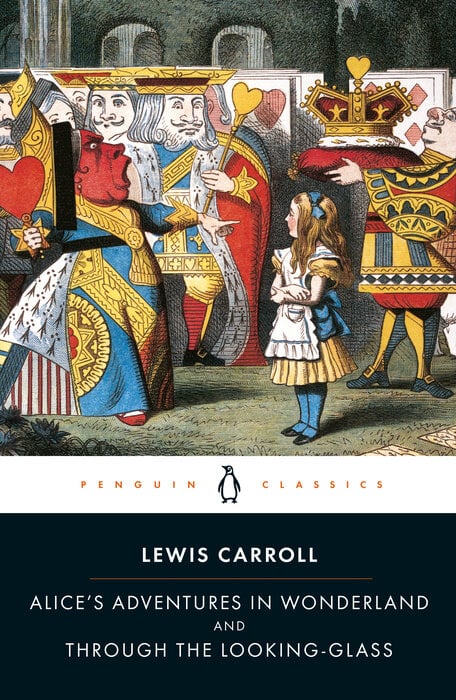
No. 1 on this list. Alice's Adventures in Wonderland and Through the Looking-Glass
Lewis Carroll · 1871
Moderate3.6 hours
No syllabus or Wikipedia-language data is recorded for this edition in our database, but Alice is a fixture of children's-literature, Victorian-studies, and philosophy-of-language courses worldwide. It remains one of the most translated books in history, with a reach comparable to Hamlet's or The Great Gatsby's syllabus ubiquity.
It is a core text of Victorian and children's literature, taught in courses on nonsense, fantasy and Victorian studies and constantly adapted. It trails only a little behind the first Alice book in curricula.
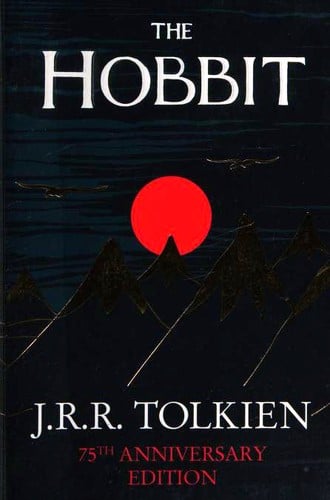
No. 3 on this list. The Hobbit, or There and Back Again
J.R.R. Tolkien · 2002
Easy5 hours
Taught in schools: CSEC English B – Caribbean Examinations Council, Kazakh literature curriculum (Kazakhstan)
One of the most-read fantasy books in English, widely taught in schools and in studies of fantasy, though it sits below the central literary canon and ahead of commercial fantasy.
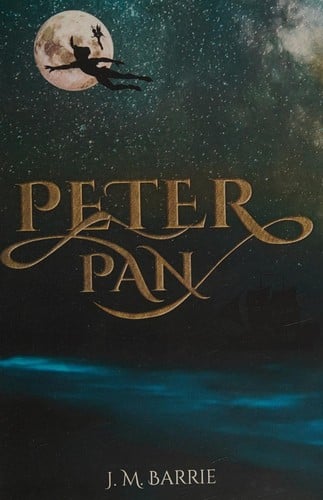
Peter Pan is a fixture in children's literature curricula worldwide and appears in Wikipedia editions across 70+ languages, signaling its global cultural reach. The story originated as a 1904 stage play before the 1911 novel, giving it over a century of continuous readership, adaptation, and study. It appears regularly on university syllabi in courses covering children's literature, British modernism, and the cultural construction of childhood.
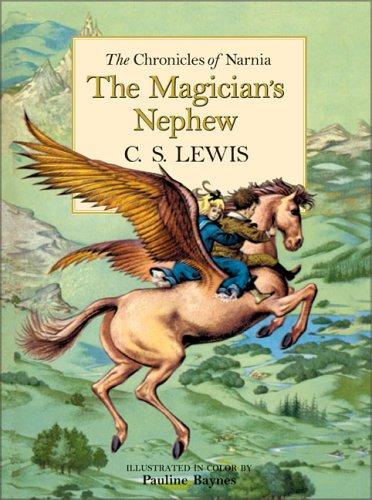
The Chronicles of Narnia rank among the most widely read children's series of the 20th century, with over 100 million copies sold globally. The Magician's Nephew appears on virtually every major 'best children's books' list and is taught in primary schools worldwide. No syllabus data available in the database, but its foundational place in children's literature curricula — particularly in English-speaking countries — establishes strong canonical status within its sphere.
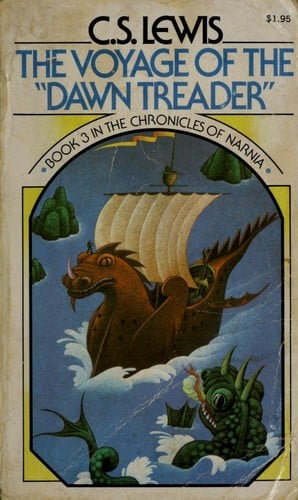
The Chronicles of Narnia as a series holds a stable position on children's literature reading lists and required-reading recommendations across the English-speaking world. No syllabus data appears in the database for this specific entry, but Lewis's series figures on virtually every 'essential fantasy' and 'essential children's literature' canon list published since the 1970s.
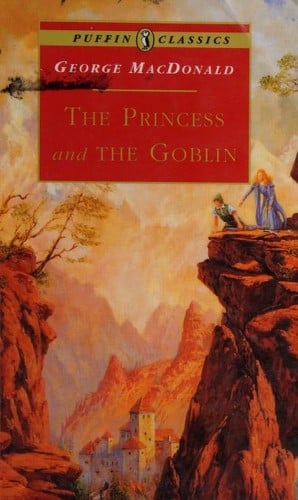
The Princess and the Goblin is a classic of Victorian children's literature, regularly included in histories and courses on children's fantasy beside Alice's Adventures in Wonderland and The Water-Babies. It has stayed in print since its book publication in 1872.
A staple of children's literature worldwide, translated into dozens of languages and on countless reading lists. It is taught as a children's classic rather than in literary theory courses.
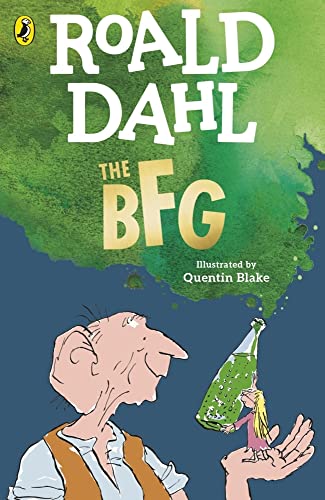
The BFG is a fixture in UK primary school reading and appears on most 'best children's books' lists, including Waterstone's Children's Books of the Century. The 2016 Steven Spielberg film adaptation confirmed its cultural durability. No syllabus data was found in the database, likely because the book is taught at primary rather than university level.
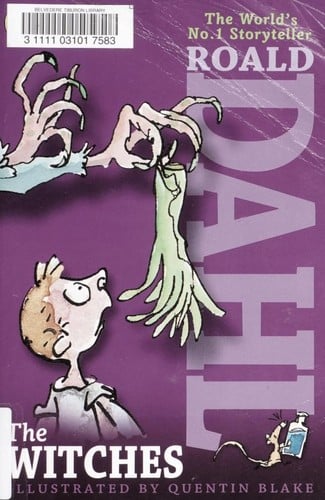
The Witches (1983) is a staple of children's reading in Britain and widely read elsewhere, though less central to school reading than Charlie and the Chocolate Factory or Matilda. It appears on many lists of the best children's books.
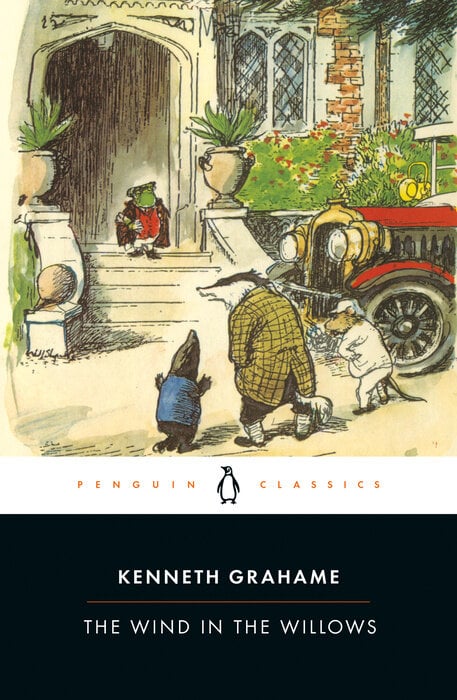
No. 11 on this list. The Wind in the Willows · Kenneth Grahame · 1908
Taught in schools: CSEC English B – Caribbean Examinations Council
The Wind in the Willows is a fixture of the English literary canon for children's literature, widely taught in UK schools and appearing on nearly every 'classics' reading list for young readers. It has a substantial Wikipedia presence across 50+ languages and has maintained continuous readership for over 115 years. Less universally assigned in university literature courses than Hamlet or Gatsby, but unquestioned as a foundational work of British literary heritage.
Moderate3.8 hours
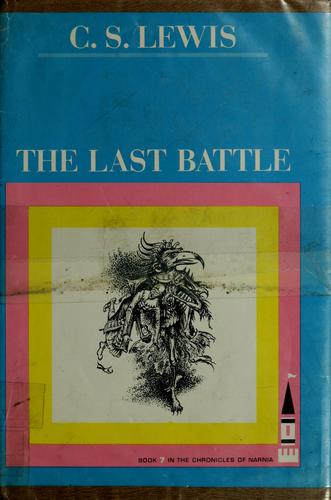
Start this bookNo. 12 on this list. The Last Battle · C.S. Lewis · 1956
The Last Battle (1956) closes the Chronicles of Narnia and is read with the series in schools and homes. It is less often taught alone than The Lion, the Witch and the Wardrobe.
Easy2.9 hours
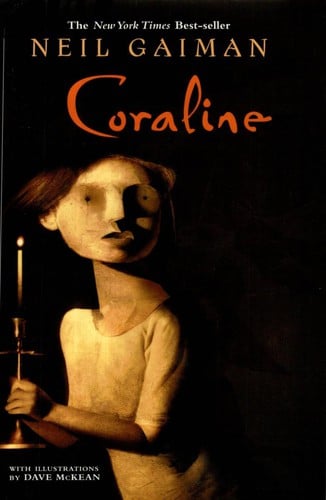
Start this bookNo. 13 on this list. Coraline · Neil Gaiman · 2002
Coraline (2002) is a modern children's classic, widely read in schools and regularly found on lists of the best children's books of recent decades. Henry Selick's 2009 stop-motion film has kept it in front of new readers.
Moderate2.2 hours
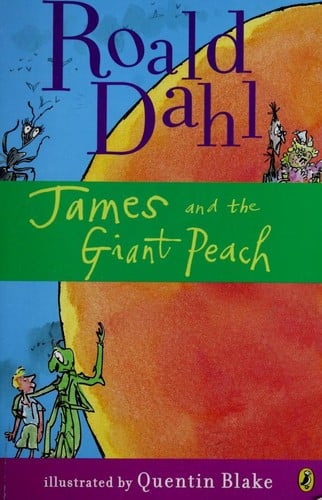
Start this bookNo. 14 on this list. James and the Giant Peach · Roald Dahl · 1961
James and the Giant Peach is a fixture of primary school reading lists in English-speaking countries and has been continuously in print since 1961. It is widely assigned in UK and US elementary classrooms but does not appear significantly on university syllabi, placing its canonicity firmly within children's literature rather than the broader literary canon.
Easy1.4 hours
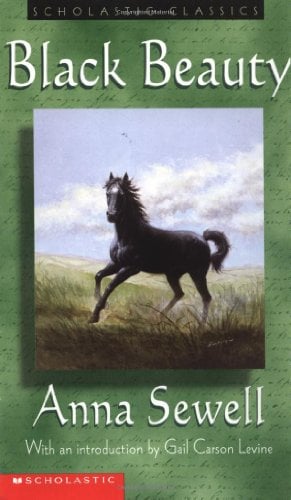
Start this bookNo. 15 on this list. Black Beauty · Anna Sewell · 2003
Taught in schools: CSEC English B – Caribbean Examinations Council
Black Beauty is a long-standing classic of children's literature and one of the best-selling novels in English, widely read in schools. It sits in the children's canon more than in university syllabi.
Very Easy3 hours
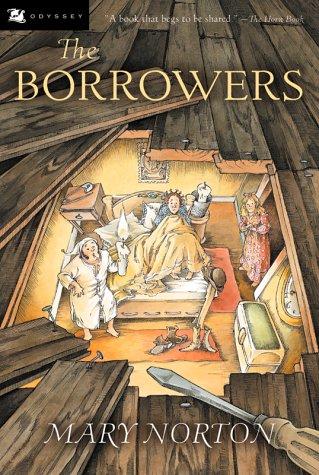
Start this bookNo. 16 on this list. The Borrowers · Mary Norton · 1952
Taught in schools: CSEC English B – Caribbean Examinations Council
The Borrowers is a fixture of classic English children's literature and is widely read in schools and libraries. It is less central to university curricula than adult canonical works.
Easy2.6 hours
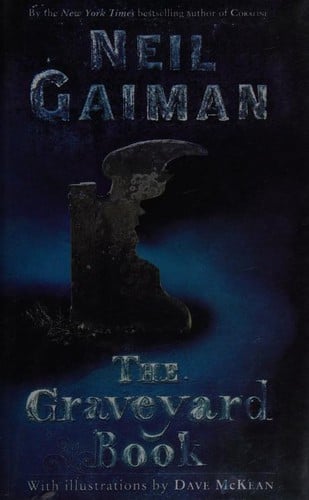
Start this bookNo. 17 on this list. The Graveyard Book · Neil Gaiman · 2008
The Graveyard Book occupies a beloved place in children's and YA literature but does not appear in standard academic literary syllabi. It is widely read and recommended but functions as popular canon rather than academic canon — closer to a cherished childhood classic than a taught text in university literature courses.
Challenging5.5 hours
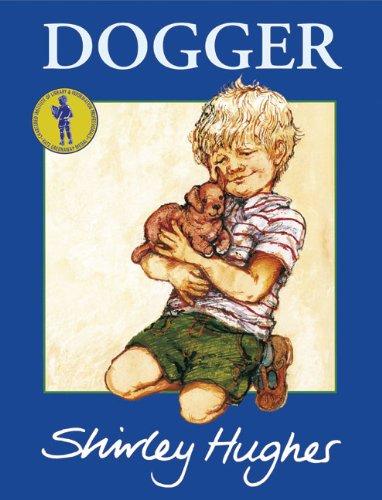
Start this bookNo. 18 on this list. Dogger · Shirley Hughes · 2010
Dogger is a staple of British early-years reading, widely known from nurseries, classrooms and libraries. It is not a university set text, and its place is within children's literature.
Very Easy22 min
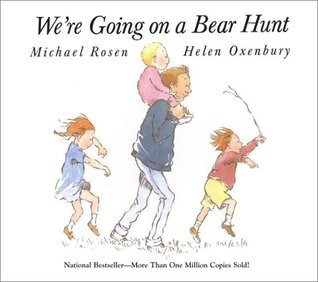
Start this bookNo. 19 on this list. We're Going on a Bear Hunt · Michael Rosen · 2003
It is a staple of early-years classrooms and libraries in the English-speaking world, though it is rarely taught as literature at higher levels.
Very Easy28 min
Start this bookNo. 20 on this list. The Tiger Who Came to Tea · Judith Kerr · 1992
A staple of British nurseries, schools and libraries since the 1960s, though picture books rarely appear on university syllabi.
Very Easy22 min
Start this book
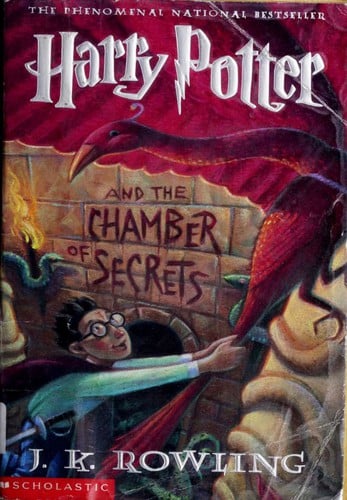
No. 21 on this list. Harry Potter and the Chamber of Secrets · J.K. Rowling · 1999
A house-elf named Dobby appears in Harry's bedroom on Privet Drive, drops a pudding on a dinner guest to get him expelled, and warns him not to return to Hogwarts. Harry goes anyway, arriving by flying Ford Anglia after the barrier at King's Cross seals itself, and crashes the car into the Whomping Willow. Then the message appears on the corridor wall in blood: the Chamber of Secrets has been opened, enemies of the heir beware. Students start turning up petrified — the caretaker's cat, a first-year with a camera, eventually Hermione. Harry can speak to snakes, which the school takes as proof he is the heir of Slytherin, and Rowling lets him carry that suspicion for most of the book. The plot runs on a diary that writes back. Tom Riddle's fifty-year-old memory shows Harry a scene that frames Hagrid for the last attacks, and the reader believes it, because there is no reason yet to think a book can lie. Gilderoy Lockhart, the new Defence teacher, is a fraud who took credit for other wizards' work by erasing their memories — Rowling's first sustained joke about celebrity. Underneath it all sits the word Mudblood and a monster that hunts children of the wrong ancestry, which is as close to a thesis as the early books get. Dumbledore supplies the line the series will spend six more volumes testing: it is our choices that show what we truly are, far more than our abilities.
Easy4.8 hours
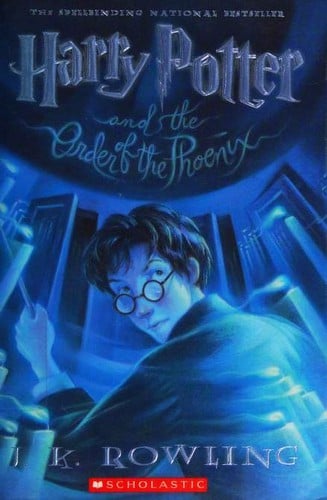
Start this bookNo. 22 on this list. Harry Potter and the Order of the Phoenix · J.K. Rowling · 2003
Voldemort is back and the British wizarding state has decided to say he is not. The Daily Prophet runs a year-long campaign presenting Harry as an attention-seeking liar and Dumbledore as a senile schemer, and the Ministry installs Dolores Umbridge at Hogwarts to make sure nobody teaches the children to defend themselves. Umbridge is Rowling's best villain because she never raises her voice. She works through Educational Decrees pinned up one at a time, a fondness for kittens on decorative plates, and a detention quill that carves the sentence "I must not tell lies" into the back of Harry's hand. The horror is procedural. Nothing she does is illegal by the time she has finished making the rules. At 257,000 words this is the longest book in the series, and it spends that length on Harry being angry, isolated and frequently wrong. His visions of Voldemort are the connection that lets him save Arthur Weasley and also the channel through which he is fed a fabricated image of Sirius being tortured, which is what gets Sirius killed. Snape's Pensieve delivers the other blow: Harry's father was, at fifteen, a bully. The prophecy finally spoken at the end explains why any of this happened and offers no comfort — neither can live while the other survives. Sirius falls through an archway that the book never explains, and Fudge admits the truth about six hundred pages too late.
Moderate17 hours
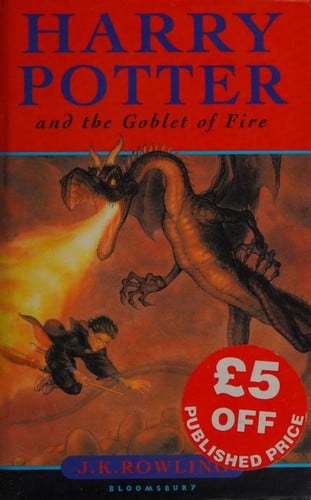
Start this bookNo. 23 on this list. Harry Potter and the Goblet of Fire · J.K. Rowling · 2000
Harry Potter arrives at the Quidditch World Cup and watches Ireland defeat Bulgaria before Death Eaters conjure Voldemort's mark into the night sky above the campsite. Back at Hogwarts, the Triwizard Tournament has returned after a century: one champion from each of three schools, three tasks of escalating danger. Harry's name comes out of the Goblet of Fire though he never entered. Nobody believes him. Goblet of Fire is the book where the series stops being adventure stories and becomes something darker. J.K. Rowling kills Cedric Diggory in a graveyard — plainly, without warning, without ritual — and fourteen-year-old Harry watches Voldemort step back into flesh for the first time. The whole apparatus of the Tournament turns out to be an elaborate trap, and the institutions meant to protect children — the Ministry, the school, the adults in charge — prove either incompetent or complicit. Sirius Black writes, in a letter, that the measure of a man is how he treats those below him. At nearly 200,000 words, the longest of the early books, it sprawls across two new wizarding schools, a restored villain, and a cast that includes a Bulgarian Quidditch champion, a quarter-Veela from France, and a tabloid journalist who turns out to be a beetle. A generation of readers remember exactly where they were when they read the graveyard scene.
Moderate12 hours
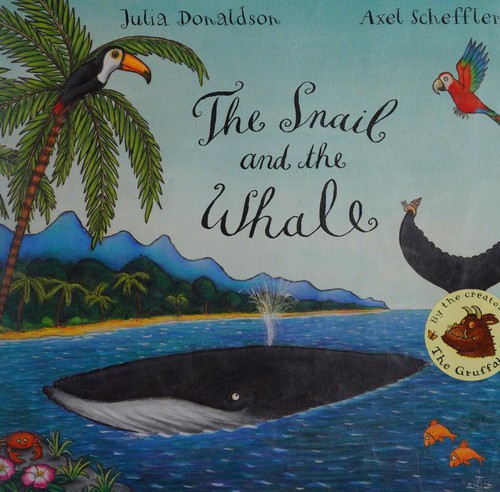
Start this bookNo. 24 on this list. The Snail and the Whale · Julia Donaldson · 2005
It is a modern children's classic widely read in nurseries and primary schools, though it is not part of university syllabi in the way literary canon works are.
Very Easy22 min
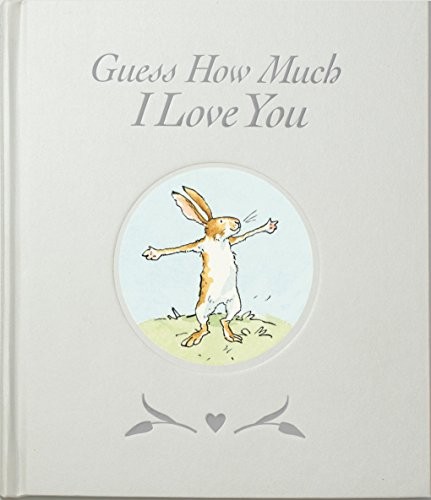
Start this bookNo. 25 on this list. Guess How Much I Love You · Sam McBratney · 2014
Sam McBratney's Guess How Much I Love You, illustrated by Anita Jeram and first published by Walker Books in 1994, is a modern bedtime classic. It is a staple of family and nursery reading rather than of literary study.
Very Easy22 min
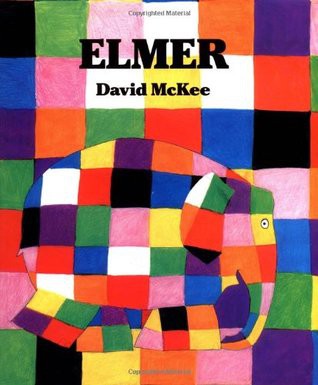
Start this bookNo. 26 on this list. Elmer · David McKee · 1989
Elmer is a nursery favourite and a modern classic of picture books, read in homes and early-years classrooms. It has spawned a further 43 Elmer books and stage and television adaptations. It is not a text for university syllabi.
Very Easy22 min
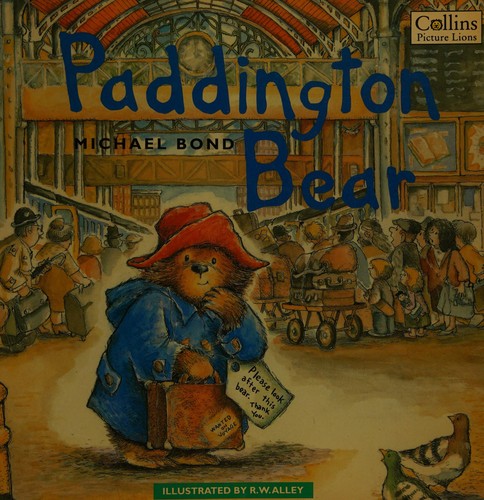
Start this bookNo. 27 on this list. Paddington Bear · Michael Bond · 1998
The Paddington series is a staple of children's literature, but this 1998 picture-book edition is a minor entry rarely taught as literature. Bond's first novel, A Bear Called Paddington, has a Goodreads rating of 4.24 from about 88,000 ratings.
Very Easy28 min
Start this bookNo. 28 on this list. Peace at Last · Jill Murphy · 1999
A staple of nursery and primary school reading in Britain, but not part of academic syllabi. It sits well below literary canon titles and above purely commercial fiction.
Very Easy18 min
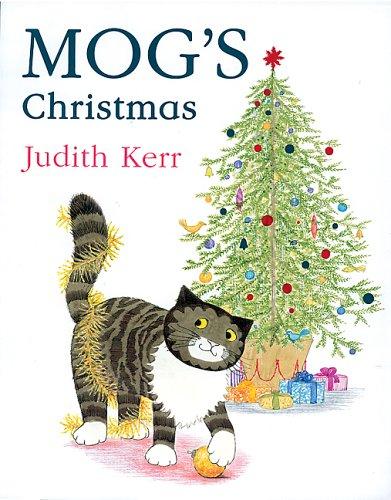
Start this bookNo. 29 on this list. Mog's Christmas · Judith Kerr · 2004
Part of Judith Kerr's Mog series, a staple of British children's shelves, though it is not a syllabus text. It sits in the popular-children's tier, well below the literary canon.
Very Easy22 min
Start this bookNo. 30 on this list. Five Minutes' Peace · Jill Murphy · 1999
It is a well-loved, much-reissued modern picture book, with a 25th anniversary edition in 2011 and a board book in 2012. It belongs to children's reading lists rather than literary syllabi.
Very Easy22 min
Start this book


No. 31 on this list. Mog the Forgetful Cat
Judith Kerr · 2000
No. 32 on this list. A Squash and a Squeeze
Julia Donaldson · 2004
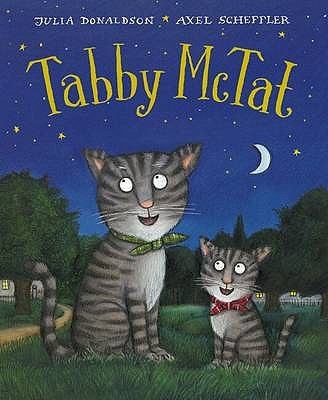
No. 33 on this list. Tabby McTat
Julia Donaldson · 2009
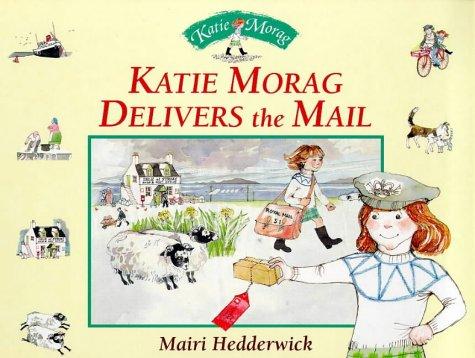
No. 34 on this list. Katie Morag Delivers the Mail
Mairi Hedderwick · 1997
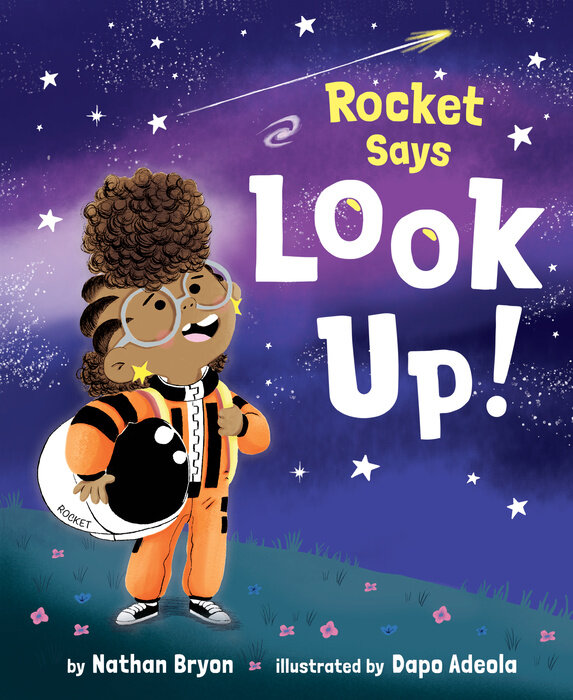
No. 35 on this list. Rocket Says Look Up!
Nathan Bryon · 2019
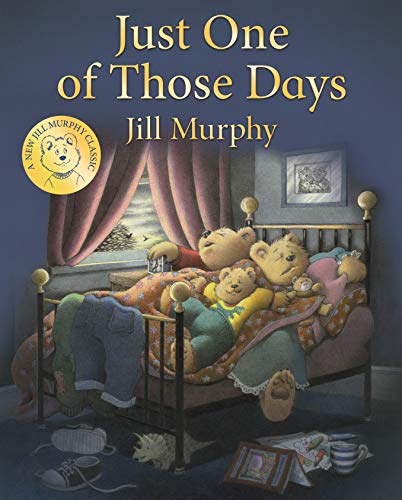
No. 36 on this list. Just One of Those Days
Jill Murphy · 2020
No. 37 on this list. Dear Laura
Gemma Amor · 1996
No. 38 on this list. Katie Morag and the Dancing Class
Mairi Hedderwick · 2008
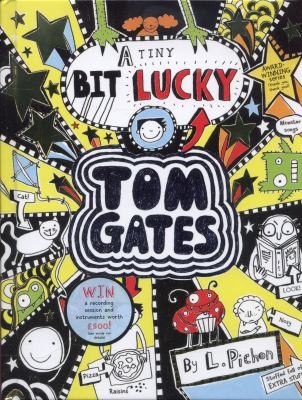
No. 39 on this list. A Tiny Bit Lucky
Liz Pichon · 2014
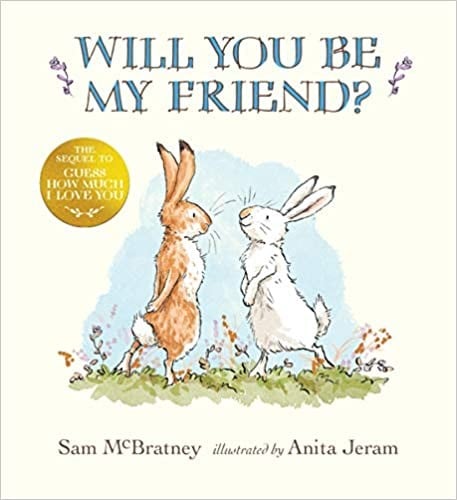
No. 40 on this list. Will You Be My Friend?
Sam McBratney · 2020



About this list
These 42 books are the highest-scoring eligible children's books from Britain currently in the catalogue. About 98 hours of reading in all. Difficulty runs from 9 to 29 out of 100 for the middle half of the list; the summit is The Graveyard Book at 60.
This list is ranked by literary regard, with a consistent order for equal scores. Membership follows authors and co-authors, not translators or editors. Catalogue coverage and the historical canon both limit what this list can represent, and genre labels are the catalogue’s own, gathered into broader kinds.
When we matched the Canons dataset to our catalogue in October 2026, our canonical-status scores rose with the number of school curricula, publisher series and lists in it that cite a work: the median score was 72 for books one such source cites, 84 at two, 88 at three, 92 at four and 93 at five or more. Prizes are left out of that count. Outside the state curricula, the dataset’s sources choose mostly from what has been translated into English or French, so it is a weaker check on other literatures. Source: Canons (Andrew Piper), CC BY 4.0
Questions people actually ask
- What are the best children's books from Britain?
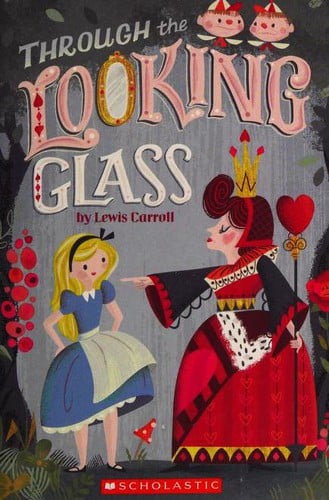
- By literary regard, which weighs canonical status, critical standing and influence: Alice's Adventures in Wonderland and Through the Looking-Glass by Lewis Carroll, Through the Looking-Glass and What Alice Found There by Lewis Carroll, The Hobbit, or There and Back Again by J.R.R. Tolkien, Peter Pan by J.M. Barrie and The Magician’s Nephew by C.S. Lewis. ReadingRate ranks 42 such books, each with a difficulty score and a reading-time estimate.
- Which children's books from Britain should I read first?
- Start from difficulty, not from rank. The most approachable books on this list that still carry top literary regard are The Hobbit, or There and Back Again by J.R.R. Tolkien (about 5 hours), Alice's Adventures in Wonderland and Through the Looking-Glass by Lewis Carroll and Through the Looking-Glass and What Alice Found There by Lewis Carroll.
- What are the shortest of the best children's books from Britain?
- Among the top 25, the shortest are Dogger by Shirley Hughes (about 22 min), The Tiger Who Came to Tea by Judith Kerr (about 22 min) and The Snail and the Whale by Julia Donaldson (about 22 min), at an average pace of 250 words a minute adjusted for each book's difficulty.
- Which of the best children's books from Britain are the established classics?
- By canonical status, how firmly a book sits in curricula, anthologies and the canon: Alice's Adventures in Wonderland and Through the Looking-Glass by Lewis Carroll, Through the Looking-Glass and What Alice Found There by Lewis Carroll, Peter Pan by J.M. Barrie, The Hobbit, or There and Back Again by J.R.R. Tolkien and The Magician’s Nephew by C.S. Lewis.
- How long would it take to read the top ten?
- About 32 hours, at an average pace of 250 words a minute adjusted for each book's difficulty: 16 days at two hours a day. Set your own pace on the page and the list's reading times change to it.
- How hard are children's books from Britain to read?
- Most of this list sits between 9 and 29 on ReadingRate's 100-point difficulty scale, where 40 to 55 is moderate. The summit is The Graveyard Book at 60. Every entry carries its own score, so a reader can pick a great book at a difficulty they will finish.
- How is this list ranked?
- On literary-regard data: how canonically established a work is, its critical standing, and its influence on later writing. It is not a readers’ poll, which is why recent bestsellers rarely appear. Membership follows authors and co-authors, not translators or editors. Lists by country, author, period, theme or difficulty keep to literature (fiction, poetry, drama and philosophy), their novels, poems and plays first and their philosophy after them; a list of a kind of book, such as memoir or criticism, keeps every book of that kind. Every list holds at most three works by one author.