Hours at an average pace
Showing 31 books
About 418 hours for 31 of 31 books with measured lengths. Estimates use 250 words a minute, adjusted for each book's difficulty. At 2 hours a day, about 209 days for those books.
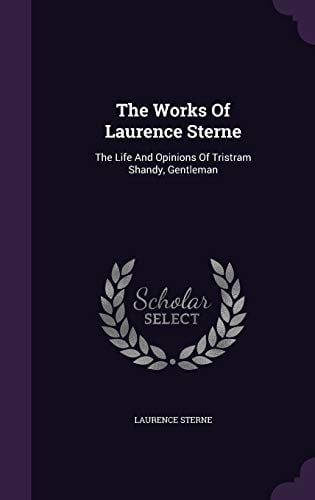
No. 1 on this list. The Life and Opinions of Tristram Shandy, Gentleman
Laurence Sterne · 1759
Difficult27 hours
Included in: Bokklubben World Library, Great Books of the Western World
Tristram Shandy is one of the most taught 18th-century English novels in university literature programs worldwide, appearing on virtually every course covering the development of the novel form, postmodernism avant la lettre, and experimental fiction. It consistently appears on lists of the greatest novels in the English language — Modern Library, Penguin Classics, academic consensus lists — and is the foundational text for any discussion of metafiction and narrative self-consciousness. Its canonical status is second only to Fielding's Tom Jones among 18th-century English prose fiction.
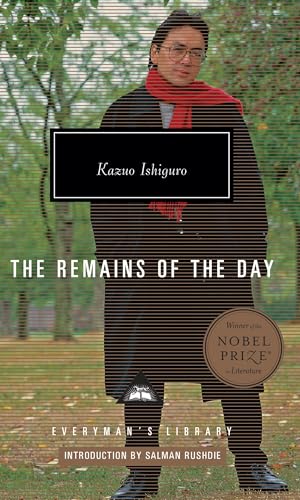
A central text in Ishiguro's oeuvre and in post-1990 British literary fiction, widely taught at graduate level and consistently included in critical assessments of late-twentieth-century psychological realism. Its reputation was initially polarised but has grown substantially since Ishiguro's Nobel Prize.
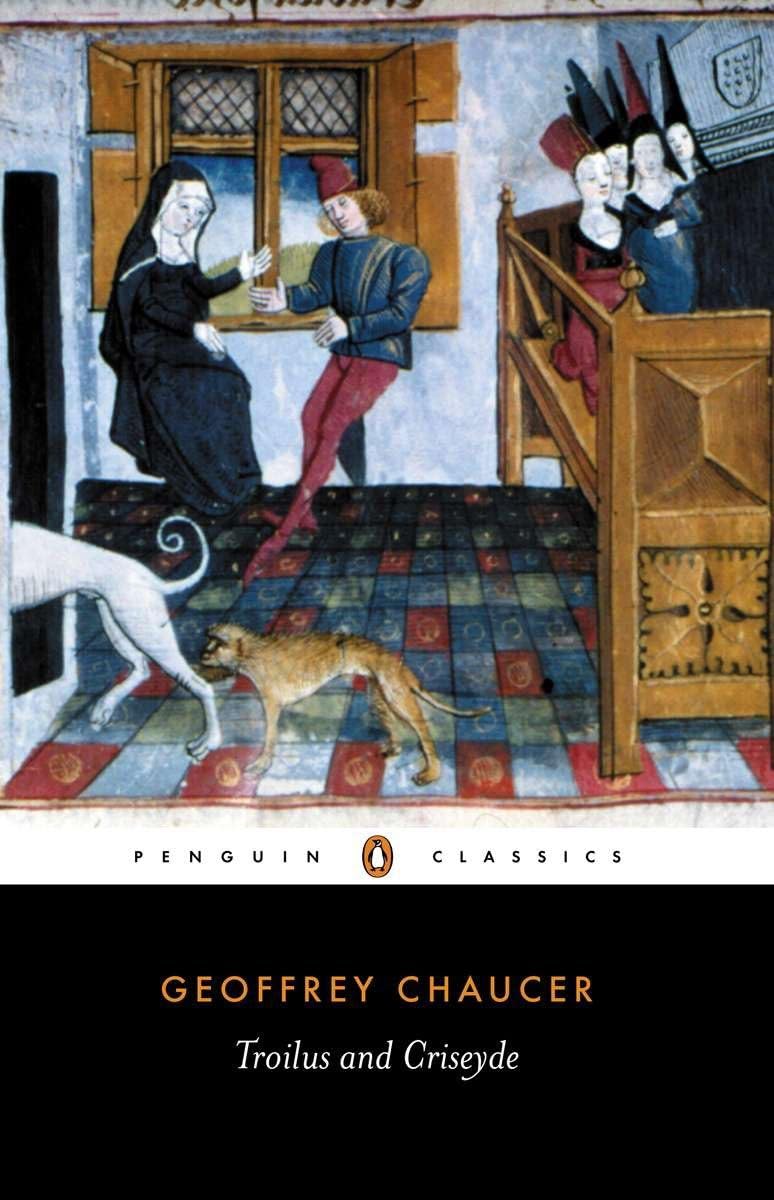
No. 3 on this list. Troilus and Criseyde
Geoffrey Chaucer · 1385
Difficult9.3 hours
Included in: Great Books of the Western World
Required reading in virtually every medieval English literature curriculum, taught across English, Comparative Literature, and Medieval Studies programs at universities worldwide. Though Open Syllabus data is unavailable here, Chaucer courses built around this text are standard at every major university with an English department. It holds a place among the most-studied long poems in the English language.
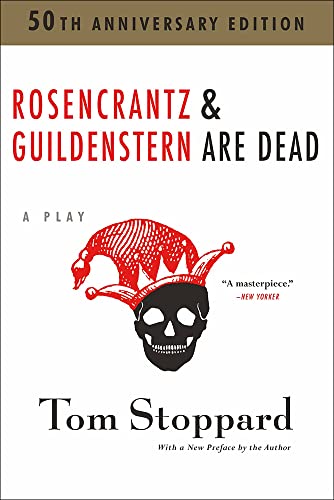
Rosencrantz and Guildenstern Are Dead is a fixture of university theater and English literature curricula, appearing consistently on drama syllabi across English-speaking universities. It is widely taught alongside Waiting for Godot as a key postmodern, absurdist text. Its Wikipedia article exists in dozens of languages and includes dedicated reception and adaptations sections, and a 1990 film adaptation by Stoppard himself extended its cultural reach.
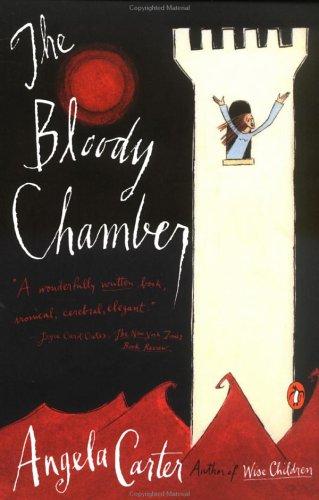
No. 5 on this list. The Bloody Chamber
Angela Carter · 1979
Difficult7.2 hours
Taught in schools: OCR GCSE and A-level English Literature (UK)
The Bloody Chamber is among the most-taught works of feminist fiction in British and American university literature programs, appearing on A-level and undergraduate syllabi across the English-speaking world for over four decades. It anchors feminist fairy tale criticism as a field and appears on most 20th-century fiction retrospective lists. Its canonical standing exceeds Infinite Jest (78) in terms of institutional adoption.
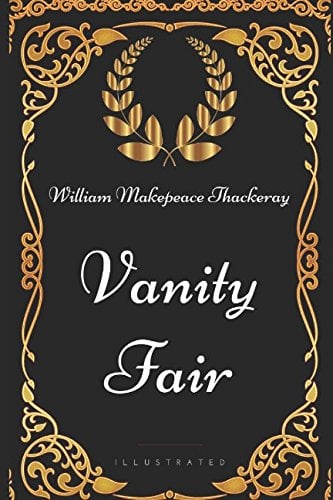
No. 6 on this list. Vanity Fair
William Makepeace Thackeray · 1848
Difficult41 hours
Taught in schools: AQA GCSE and A-level English Literature (UK)
Vanity Fair is a cornerstone of Victorian literature curricula worldwide, appearing on roughly 2,000–3,000 university syllabi across English literature, European novel, and 19th-century studies courses. It sits on the Modern Library's 100 Best Novels list and appears in every major survey of the Victorian novel. Wikipedia articles exist in over 70 languages, and the title itself has passed into common usage as a byword for social ambition and display.
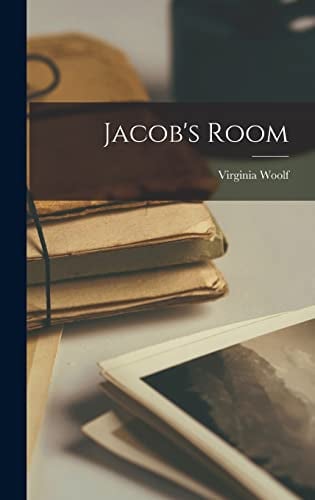
Jacob's Room appears on virtually every university syllabus covering modernist British literature, Woolf's work, or the literature of WWI. As Woolf's first fully experimental novel, it holds a foundational position in the modernist canon — taught alongside Mrs. Dalloway and To the Lighthouse in most Woolf courses. Its canonical status is somewhat lower than Woolf's later masterworks, which overshadow it in general survey courses.
Recognized as Woolf's most ambitious experiment. Central to modernist studies.
No. 9 on this list. Henry IV, Part 1
William Shakespeare · 1598
Difficult3.1 hours
Taught in schools: WJEC/Eduqas GCSE and A-level English Literature (UK)
Included in: Great Books of the Western World
Henry IV, Part 1 appears on 48 university syllabi in the Open Syllabus Project and has a Wikipedia article available in 30 languages, reflecting its status as a standard text in Shakespeare courses and English history play curricula worldwide. While not the first Shakespeare play assigned — that tends to be Hamlet, Macbeth, or Romeo and Juliet — it is taught in virtually every dedicated Shakespeare module and appears on most lists of essential history plays.
No. 10 on this list. Measure for Measure
William Shakespeare · 1604
Difficult2.8 hours
Taught in schools: AQA GCSE and A-level English Literature (UK), WJEC/Eduqas GCSE and A-level English Literature (UK)
Included in: Great Books of the Western World
Measure for Measure appears on university syllabi across English literature, drama, law, and gender studies courses worldwide. It is one of Shakespeare's most-taught 'problem plays,' central to any serious study of his canon, with Wikipedia articles in dozens of languages. Less ubiquitous than Hamlet or Macbeth, but firmly within the core Shakespeare curriculum.
No. 11 on this list. King Lear · William Shakespeare · 1606
Taught in schools: AQA GCSE and A-level English Literature (UK), WJEC/Eduqas GCSE and A-level English Literature (UK)
Included in: Bokklubben World Library, Great Books of the Western World, UNESCO Collection of Representative Works
King Lear appears on 2,254 university syllabi per Open Syllabus — placing it in the 84th percentile of all works — and has Wikipedia articles in 71 languages. It appears in virtually every anthology of English literature and every Shakespeare course worldwide. Most critics rank it alongside Hamlet as Shakespeare's greatest achievement; Harold Bloom called it the summit of the Western literary canon.
Difficult12 hours
Read nowNo. 12 on this list. Wuthering Heights · Emily Brontë · 1847
Taught in schools: AQA GCSE and A-level English Literature (UK), CAPE Literatures in English – Caribbean Examinations Council, CSEC English B – Caribbean Examinations Council
Included in: Bokklubben World Library
Appears on 4,582 university syllabi (91.5th percentile per Open Syllabus), placing it above most Victorian novels. Wikipedia coverage in 61 languages with dedicated reception and adaptations sections signals global canonical standing. Listed in 1001 Books You Must Read Before You Die and the BBC Big Read Top 100.
Difficult14 hours
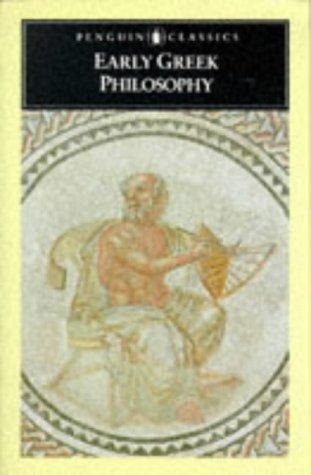
Read nowNo. 13 on this list. Early Greek Philosophy · Jonathan Barnes · 1979
The standard English scholarly companion to Presocratic philosophy; used in philosophy and classics departments internationally.
Difficult18 hours
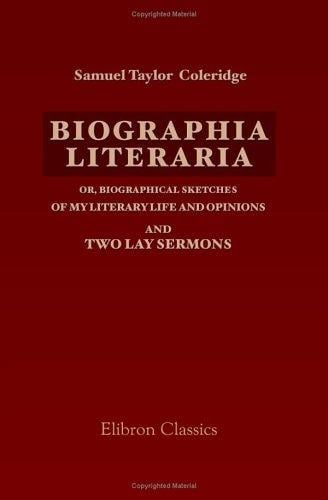
Start this bookNo. 14 on this list. Biographia Literaria · Samuel Taylor Coleridge · 1817
Samuel Taylor Coleridge published Biographia Literaria in 1817 to settle a score with critics, explain his intellectual development, and deliver a theory of the Imagination that would ground all of English poetry on philosophical foundations. He does two of these things. The third — the promised deduction of the Primary and Secondary Imagination from Kantian and Schellingian idealism — arrives in Chapter 13 as a single dense paragraph, preceded by a letter from a friend advising Coleridge not to publish the full argument lest it overwhelm his readers. The letter is fictional. The argument was never written. What Coleridge gives instead is something stranger: a self-portrait that uses autobiography as scaffolding for philosophy, and philosophy as scaffolding for the most exacting account of Wordsworth's genius and failures produced by anyone in the 19th century. The chapters on Lyrical Ballads identify with precision which poems succeed, which fail, and why — the analysis of 'The Thorn' and 'Guilt and Sorrow' is still the most incisive criticism of early Wordsworth written. The philosophical chapters require patience with Kant, Schelling, and Hartley; the autobiographical chapters reward it with the closest thing we have to Coleridge's intellectual self-accounting. The book is the record of a mind moving at full stretch, making promises it cannot keep and keeping ones it never made.
Difficult14 hours
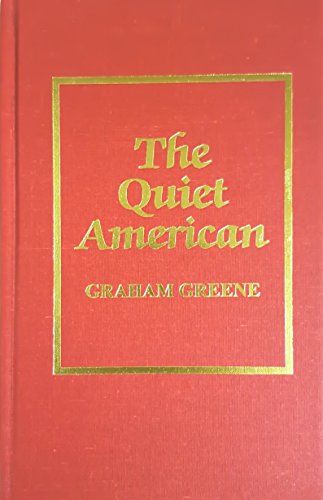
Start this bookNo. 15 on this list. The Quiet American · Graham Greene · 1955
The Quiet American appears on the Modern Library 100 Best Novels and TIME's All-TIME 100 Novels lists and is taught regularly in postcolonial literature, Cold War fiction, and 20th-century British novel courses worldwide. Its prophetic critique of American intervention in Vietnam has made it a fixture in both literary and political science curricula. No syllabus or Wikipedia data was returned from the database, but its standing as a canonical text in world literature is established by critical consensus.
Difficult6.8 hours
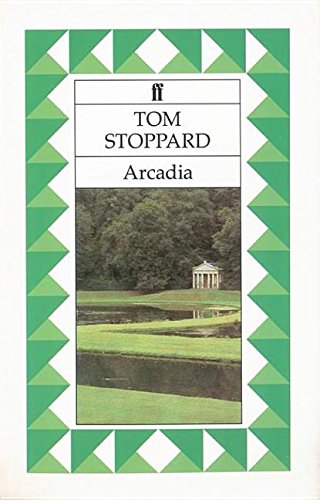
Start this bookNo. 16 on this list. Arcadia · Tom Stoppard · 1993
Arcadia is widely regarded as one of the finest English-language plays of the twentieth century and appears on drama syllabi at most anglophone universities. The play lacks the database signals (no syllabus count, no Wikipedia data retrieved), but from general knowledge it is a fixture of British drama courses and has been continuously staged in London and New York since its 1993 premiere. It ranks below Hamlet or Waiting for Godot in canonical weight but above most contemporary drama.
Difficult5.7 hours
Start this bookNo. 17 on this list. The Golden Notebook · Doris Lessing · 1962
Included in: Bokklubben World Library
The Golden Notebook appears on 139 university syllabi according to the Open Syllabus Project (53rd percentile) and is listed in Open Syllabus's Top 500 Literature titles. It appears on TIME's All-TIME 100 Novels list (2005) and holds Wikipedia articles in 20 languages. It is a standard text in women's literature, postcolonial literature, and 20th-century British fiction courses, though not at the frequency of The Great Gatsby or To Kill a Mockingbird.
Difficult28 hours
Start this bookNo. 18 on this list. Marxism and Literature · Raymond Williams · 1977
The standard introduction to Marxist literary theory. Essential in cultural studies, literary theory, and British intellectual history.
Difficult6.1 hours
Start this bookNo. 19 on this list. The Faerie Queene · Edmund Spenser · 1590
The Faerie Queene appears in virtually every English Renaissance literature syllabus globally and is one of the most taught long poems in university English departments worldwide. It anchors the canon between Chaucer and Milton and is central to every history of the English literary tradition. Absence from the Open Syllabus database reflects data gaps, not actual classroom presence.
Difficult30 hours
Start this bookNo. 20 on this list. Our Mutual Friend · Charles Dickens · 1865
Our Mutual Friend is a fixture of Victorian literature courses at universities worldwide, typically assigned alongside Great Expectations and Bleak House in advanced English studies. Wikipedia articles for the novel exist in dozens of languages, reflecting its global canonical standing. It consistently appears on critics' lists of Dickens's greatest works and in syllabi covering 19th-century social fiction.
Difficult35 hours
Read now
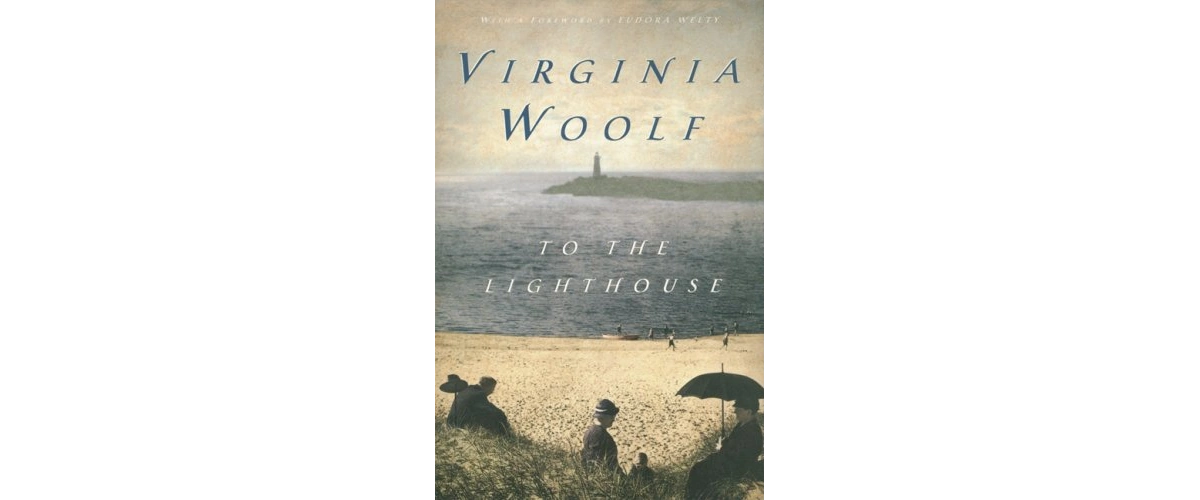
No. 21 on this list. To the Lighthouse · Virginia Woolf · 1927
Included in: Bokklubben World Library, Great Books of the Western World
To the Lighthouse appears on 2,429 university syllabi according to Open Syllabus (84.6th percentile), placing it in the same tier as Beloved (85th). It holds places on the Modern Library 100 Best Novels (1998), TIME's All-TIME 100 Novels (2005), 1001 Books You Must Read Before You Die (2006), and is published by both Everyman's Library and Penguin Modern Classics. Wikipedia articles exist in 35 languages.
Difficult7.4 hours
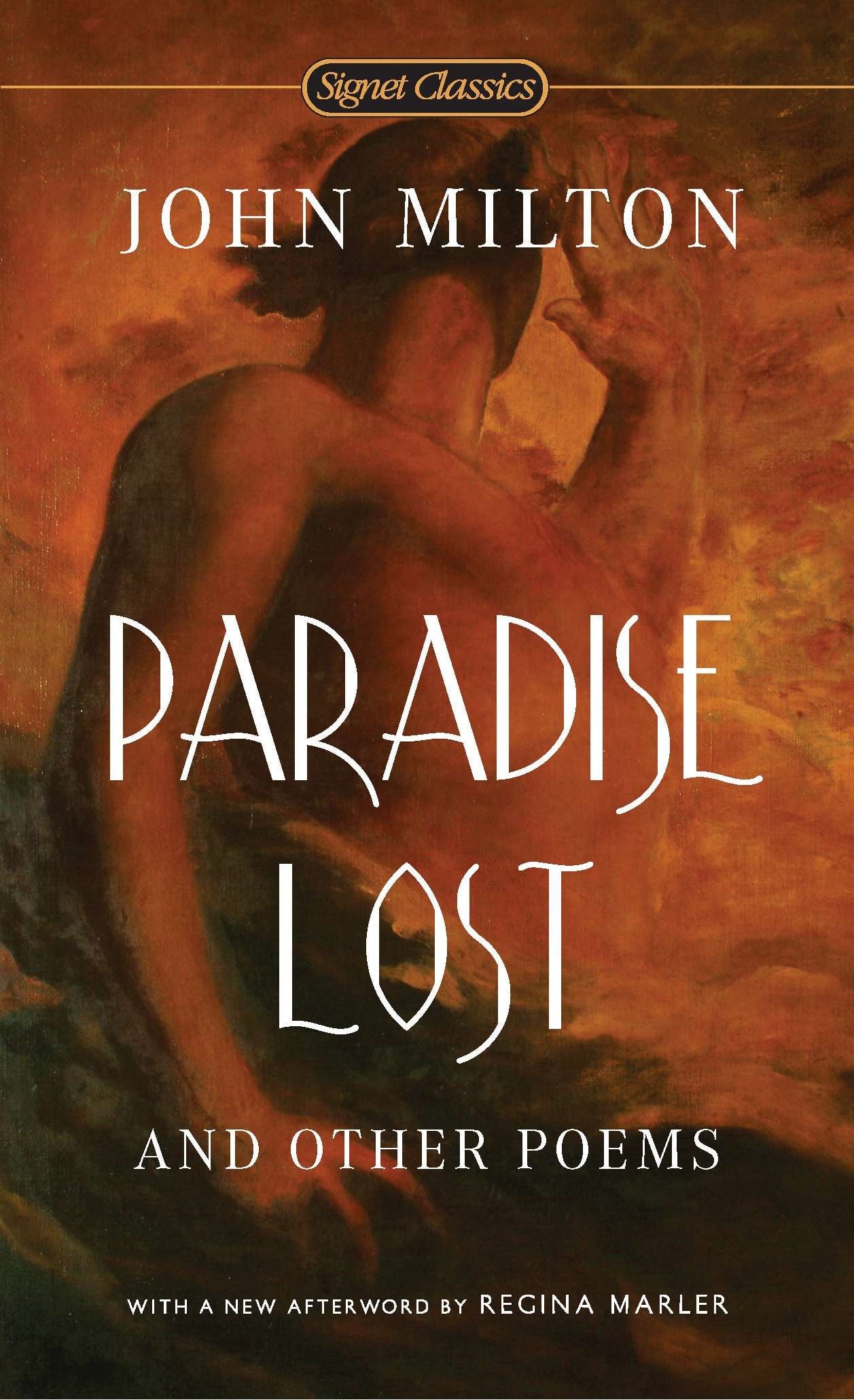
Read nowNo. 22 on this list. Paradise Lost · John Milton · 1667
Taught in schools: AQA GCSE and A-level English Literature (UK), WJEC/Eduqas GCSE and A-level English Literature (UK)
Included in: Great Books of the Western World
Milton retold the fall of man in blank verse of such muscular grandeur that Satan became the most charismatic figure in English poetry — not because Milton failed, but because he understood that rebellion requires eloquence. The poem reshaped the English language's sense of what a long sentence could do.
Challenging8.4 hours
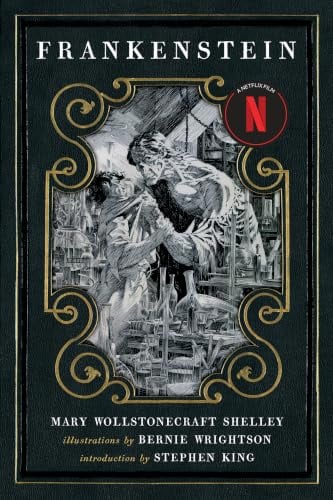
Read nowNo. 23 on this list. Frankenstein · Mary Shelley · 1818
Taught in schools: AQA GCSE and A-level English Literature (UK), CSEC English B – Caribbean Examinations Council, Pearson Edexcel GCSE and A-level English Literature (UK)
Included in: Bibliothèque de la Pléiade
Frankenstein appears on 6,955 university syllabi according to the Open Syllabus Project, placing it in the 96th percentile of all tracked works. Wikipedia articles exist in 74 languages, with a 79,000-character article carrying dedicated Reception and Adaptations sections. It is taught not only in literature courses but in philosophy, bioethics, and technology studies worldwide.
Challenging8.8 hours
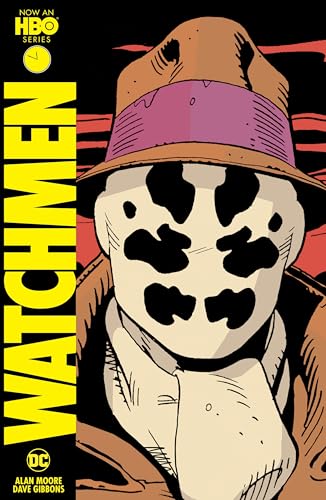
Read nowNo. 24 on this list. Watchmen · Alan Moore · 1986
TIME magazine named Watchmen one of the 100 greatest English-language novels published since 1923, the only graphic novel on the list. It appears in university literature courses worldwide and is credited with establishing the graphic novel as a legitimate literary form. The work defines the mature possibilities of comics storytelling.
Challenging12 hours
Start this bookNo. 25 on this list. Treacle Walker · Alan Garner · 2022
Published in 2021, Treacle Walker is too recent for canonical judgment, but Garner's lifelong integration of British folklore into literary fiction gives it strong claims. As his late-career distillation of myth, archaeology, and language, it consolidates his reputation as a major British fantasist.
Challenging1.5 hours
Start this bookNo. 26 on this list. Utopia · Thomas More · 1516
Utopia is a fixture in political philosophy, early modern history, and English literature curricula globally. The word 'utopia' entered every major European language, a feat achieved by fewer than a dozen literary works. It appears on thousands of university syllabi across disciplines — philosophy, political science, history, English, Renaissance studies — and is universally recognized as foundational reading.
Challenging4.3 hours
Start this bookNo. 27 on this list. Sir Gawain and the Green Knight · The Pearl Poet · 1375
Required reading in virtually every medieval and Middle English literature course at anglophone universities. The poem appears on thousands of syllabi and features in Great Books curricula worldwide. Tolkien and E.V. Gordon's 1925 scholarly edition set the standard text; Simon Armitage's 2007 translation reached mainstream audiences. The poem occupies the same canonical tier as Chaucer's Canterbury Tales for the period it represents.
Challenging2.1 hours
Start this bookNo. 28 on this list. Bleak House · Charles Dickens · 1853
Central Victorian novel in English literature curricula; essential Dickens alongside Great Expectations; studied as peak of his social criticism and narrative ambition.
Challenging34 hours
Read nowNo. 29 on this list. The Moonstone · Wilkie Collins · 1868
Taught in schools: AQA GCSE and A-level English Literature (UK), Pearson Edexcel GCSE and A-level English Literature (UK)
T.S. Eliot called it 'the first, the longest, and the best of modern English detective novels,' and it has anchored Victorian literature courses at universities worldwide for over a century. The Moonstone appears routinely on syllabi covering sensation fiction, the origins of detective fiction, and 19th-century narrative experiment. Its Wikipedia article spans more than 50 language editions, reflecting its standing as a genuine cornerstone of English literary history.
Challenging18 hours
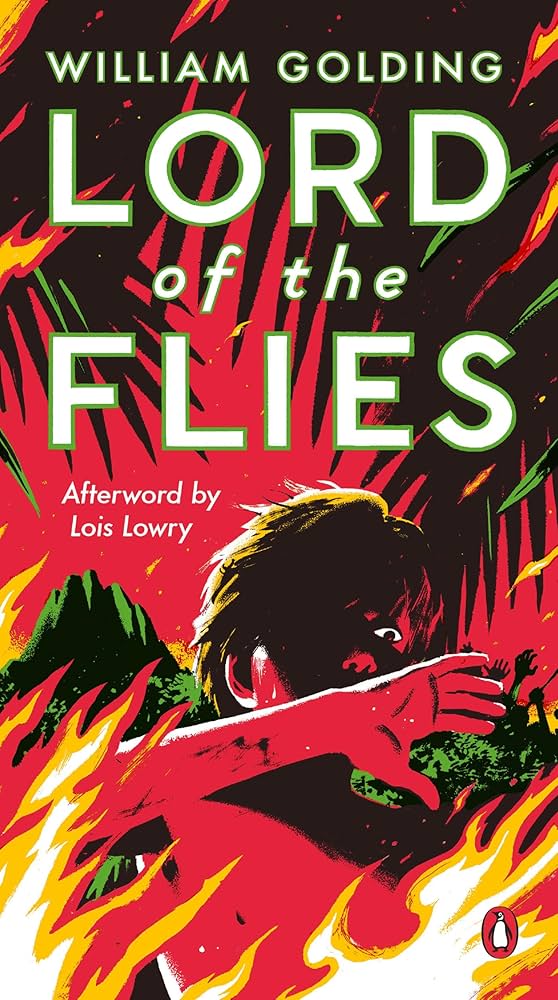
Read nowNo. 30 on this list. Lord of the Flies · William Golding · 1954
Taught in schools: AQA GCSE and A-level English Literature (UK), Pacific Senior Secondary Certificate – English, Pearson Edexcel GCSE and A-level English Literature (UK)
Lord of the Flies appears on 546 university syllabi according to Open Syllabus (68th percentile), placing it among the most-taught novels in anglophone higher education. It ranks on the Modern Library 100 Best Novels (#41), TIME All-TIME 100 Novels, and BBC Big Read Top 100, and its Wikipedia article exists in 53 languages. Standard secondary-school reading in the UK, it has maintained curriculum presence for over six decades.
Challenging5.8 hours
Start this book

About this list
These 31 books are the hardest-scoring eligible books from Britain currently in the catalogue. Hardest first, the list opens with The Life and Opinions of Tristram Shandy, Gentleman, The Unconsoled and Troilus and Criseyde. About 418 hours of reading in all. Difficulty runs from 68 to 75 out of 100 for the middle half of the list; the summit is The Life and Opinions of Tristram Shandy, Gentleman at 82.
This list is ranked by difficulty score, hardest first, with a consistent order for equal scores. Membership follows authors and co-authors, not translators or editors. Catalogue coverage and the historical canon both limit what this list can represent.
When we matched the Canons dataset to our catalogue in October 2026, our canonical-status scores rose with the number of school curricula, publisher series and lists in it that cite a work: the median score was 72 for books one such source cites, 84 at two, 88 at three, 92 at four and 93 at five or more. Prizes are left out of that count. Outside the state curricula, the dataset’s sources choose mostly from what has been translated into English or French, so it is a weaker check on other literatures. Source: Canons (Andrew Piper), CC BY 4.0
Questions people actually ask
- What are the hardest books from Britain to read?
- Ranked hardest first by difficulty score, The Life and Opinions of Tristram Shandy, Gentleman, The Unconsoled, Troilus and Criseyde, Rosencrantz and Guildenstern Are Dead and The Bloody Chamber lead. ReadingRate ranks 31 such books, each with a difficulty score and a reading-time estimate.
- How hard are books from Britain to read?
- Most of this list sits between 68 and 75 on ReadingRate's 100-point difficulty scale, where 40 to 55 is moderate. The summit is The Life and Opinions of Tristram Shandy, Gentleman at 82. Every entry carries its own score, so a reader can pick a great book at a difficulty they will finish.
- How is this list ranked?
- Nine dimensions, from vocabulary and sentence structure to symbolic density and how much an ending withholds, each scored out of 100 and combined. It measures the text, not the reader, and it leans on meaning: The New York Trilogy scores 87 for how much it withholds, though its sentences are plainer than anything else in the top twenty. Each book's page shows which kind of hard it is.