Hours at an average pace
Showing 32 books
About 70 hours for 31 of 32 books with measured lengths. Estimates use 250 words a minute, adjusted for each book's difficulty. At 2 hours a day, about 36 days for those books.
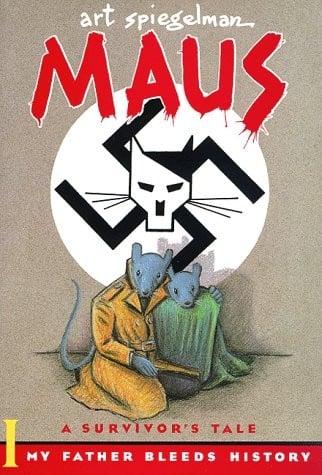
No. 1 on this list. Maus I: A Survivor's Tale: My Father Bleeds History
Art Spiegelman · 1991
Easy2.2 hours
Maus is widely taught in schools and universities as a central Holocaust text and as the key work of the graphic novel, and it won a Pulitzer Prize special award in 1992 for the combined work. It is now standard in comics studies and memory studies.
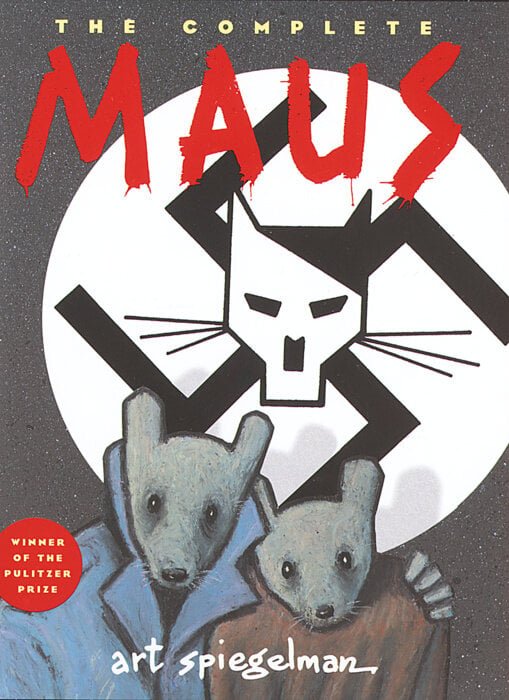
Widely taught in universities and high schools as the defining Holocaust graphic memoir, Maus appears on hundreds of literature and history syllabi worldwide. It is listed on virtually every major 'essential reading' and 'greatest books' compilation that includes graphic literature, from the Modern Library to Time's All-TIME 100 Novels. While not on syllabi at the scale of Fitzgerald or Austen, it holds unique canonical status as the book that forced academia to take comics seriously.
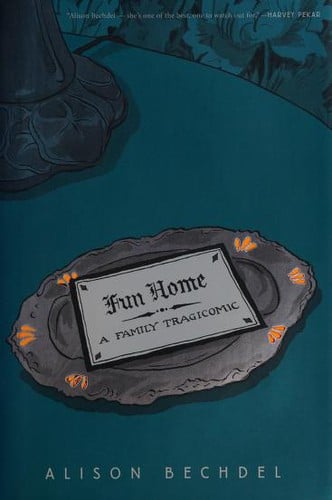
Fun Home is foundational in graphic novel studies, queer memoir, and contemporary comics curricula at the university level. It appears on syllabi in English, gender studies, and art courses across North America, though it does not yet occupy the traditional Western canon. Its inclusion in Time's All-TIME 100 Graphic Novels list marks it as essential reading within its form.
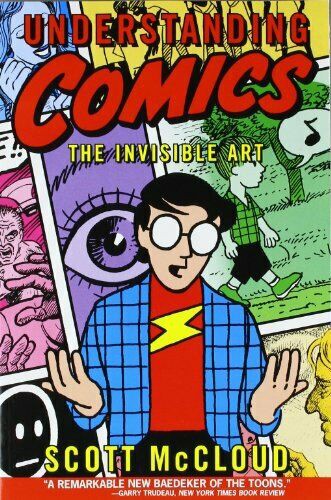
Scott McCloud's Understanding Comics: The Invisible Art (1993), a book-length essay drawn as a comic, is the standard introduction to comics theory. It is assigned in nearly every comics studies course and widely in design and media programs.
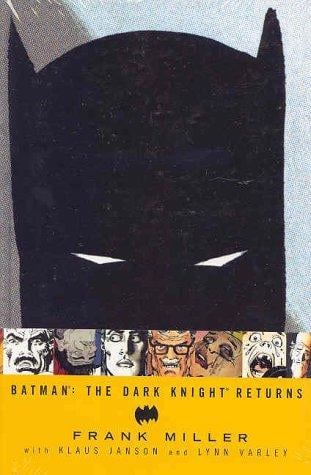
Widely regarded as one of the works that redefined the superhero genre and established the graphic novel as a serious literary form. Not present in traditional literary syllabi, but canonical within comics studies and popular culture courses, appearing on virtually every 'essential graphic novels' list. Alongside Watchmen, it is considered a foundational text that changed what comics could be.
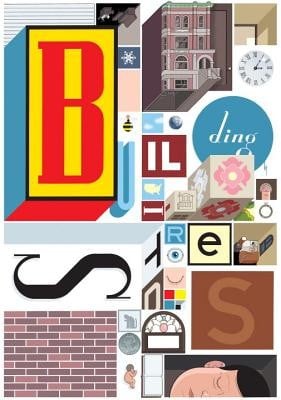
Recognized as one of the most important graphic novels of the twenty-first century. A landmark of formal innovation in any medium.
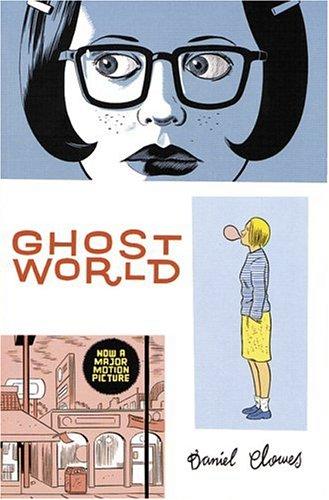
Ghost World, serialised in Clowes's comic Eightball before its 1997 collection, is a staple of university courses on graphic novels and appears on most lists of essential comics. Its standing outside comics studies is narrower than that of Maus or Persepolis.
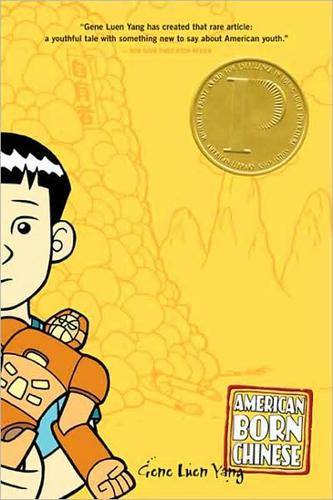
Printz Award winner, first graphic novel nominated for a National Book Award. A foundational text in Asian American graphic literature.
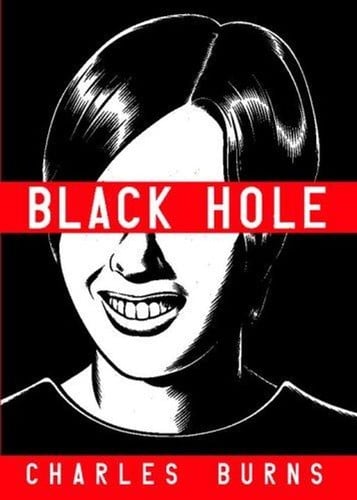
Black Hole is canonical within comics studies and alternative/literary comics curricula, appearing regularly on university graphic novel syllabi and on major critical lists including TIME and Entertainment Weekly's best graphic novels. Outside comics-specific contexts it is less commonly taught, placing it below literary fiction fixtures but well above genre commercial work.
First comic to win a major UK literary prize. Museum exhibitions worldwide.
No. 11 on this list. New Kid · Jerry Craft · 2019
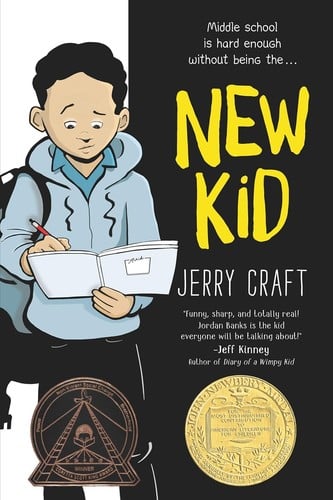
New Kid is widely taught in American middle schools and is a fixture of school and library reading lists. Its place in children's literature is secure, though the book is still recent.
Very Easy40 min
Start this bookNo. 12 on this list. Bone · Jeff Smith · 2004
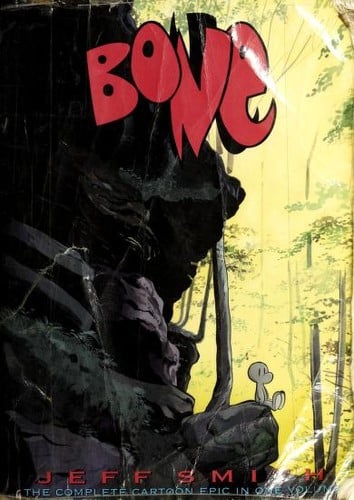
Bone appears regularly in middle school graphic novel curricula and is listed on virtually every 'essential graphic novels' canon list. TIME magazine named it one of the 10 greatest graphic novels. No Open Syllabus data was found, but its presence in school libraries and recommended reading lists is substantial.
Easy9 hours
Start this bookNo. 13 on this list. Batman: Year One · Frank Miller · 2007
It is a defining modern superhero text and a staple of comics curricula and shop recommendations, but it is not a staple of general literature syllabi.
Easy2 hours
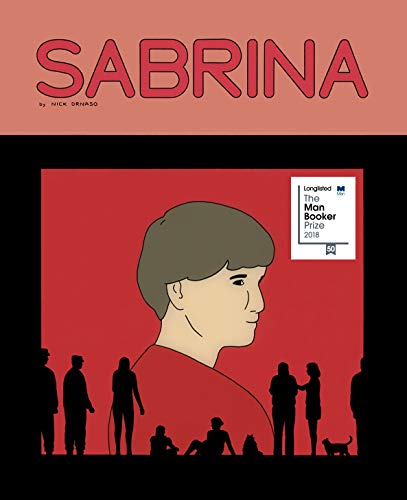
Start this bookNo. 14 on this list. Sabrina · Nick Drnaso · 2018
Sabrina disappears, and a video of her murder goes viral. Her boyfriend's sister sends him to stay with a friend, an Air Force drone operator in Colorado Springs. Drnaso's graphic novel follows the aftermath: the grief, the conspiracy theories, the harassment from people convinced the murder is a hoax. The art is flat and affectless, the horror contained in ordinary images. The novel was longlisted for the Booker Prize, the first graphic novel so honored, for its portrait of American paranoia.
Moderate3.7 hours
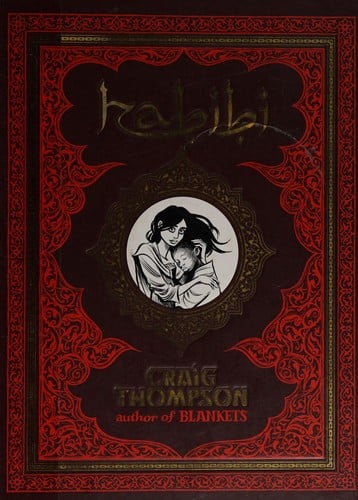
Start this bookNo. 15 on this list. Habibi · Craig Thompson · 2011
Habibi appears in graphic novel curricula and is taught in some visual narrative, Middle Eastern studies, and comparative religion courses. It has not achieved mainstream literary-canon status but is consistently listed among the significant graphic novels of the 21st century. No major syllabus data is available in the database.
Challenging7.5 hours
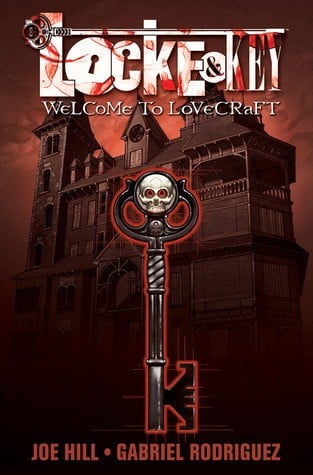
Start this bookNo. 16 on this list. Locke & Key · Joe Hill · 2008
Eisner Award winner. Widely regarded as one of the best horror comics of the 21st century. Netflix adaptation brought broader recognition.
Easy3.4 hours
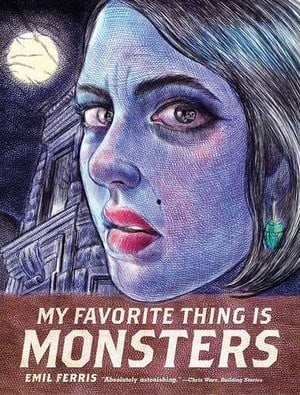
Start this bookNo. 17 on this list. My Favorite Thing Is Monsters · Emil Ferris · 2017
Three Eisner Awards. Fauve d'Or at Angouleme. Instant classic.
Easy54 min
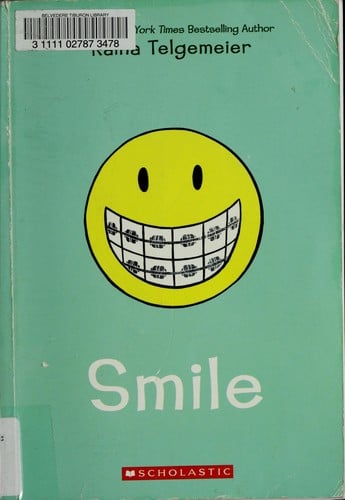
Start this bookNo. 18 on this list. Smile · Raina Telgemeier · 2010
Smile (2010) is a fixture of school libraries and middle-grade classrooms and one of the most widely read graphic memoirs for children in the United States. It is a children's-literature standard rather than part of the adult literary canon.
Very Easy25 min
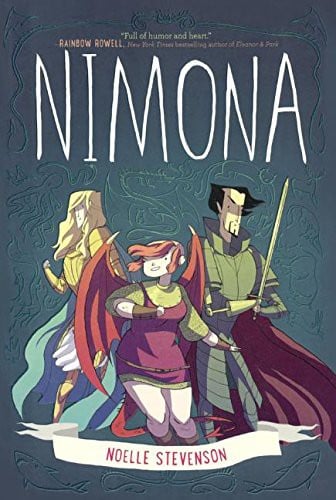
Start this bookNo. 19 on this list. Nimona · Noelle Stevenson · 2015
National Book Award finalist, Eisner Award winner, adapted into an Oscar-nominated animated film. A major work in YA graphic fiction.
Very Easy42 min
Start this bookNo. 20 on this list. Kingdom Come · Mark Waid · 1997
It is a landmark of 1990s superhero comics and appears often on best-graphic-novel lists. It is not a staple of university syllabi, which limits its canonical reach.
Moderate3.9 hours
Start this book


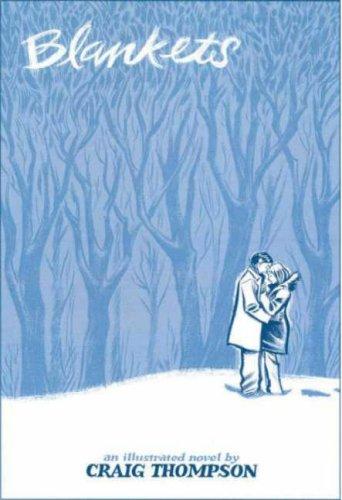
No. 21 on this list. Blankets · Craig Thompson · 2003
One of the most acclaimed graphic novels. Multiple Eisner and Harvey Awards.
Very Easy41 min
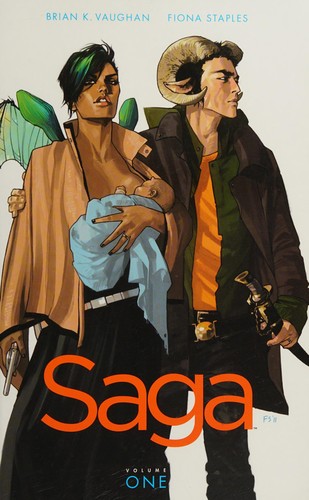
Start this bookNo. 22 on this list. Saga, Volume 1 · Brian K. Vaughan · 2012
One of the defining comics of the 2010s. Multiple Eisner and Hugo awards.
Very Easy28 min
Start this bookNo. 23 on this list. Wake: The Hidden History of Women-Led Slave Revolts · Rebecca Hall · 2021
Zinn Education Project lists the book as a teaching resource, which shows classroom use. As a 2021 release it has no long syllabus record yet, and it sits in the emerging, niche band.
Easy2.9 hours
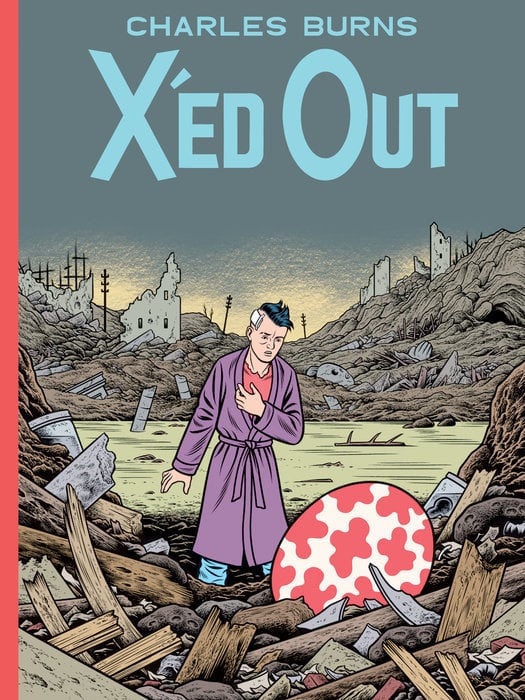
Start this bookNo. 24 on this list. X'ed Out (Pantheon Graphic Library) · Charles Burns · 2010
X'ed Out is the first volume of Charles Burns's trilogy, continued in The Hive (2012) and Sugar Skull (2014) and later collected as Last Look. It is read mainly by comics enthusiasts and students of Burns, and is taught far less than his earlier Black Hole.
Challenging17 min
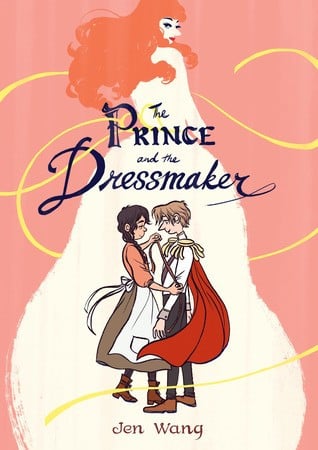
Start this bookNo. 25 on this list. The Prince and the Dressmaker · Jen Wang · 2018
A recent graphic novel that is popular with teen readers and libraries, with some classroom use for LGBTQ+ youth literature but not a standard syllabus text.
Very Easy3.4 hours
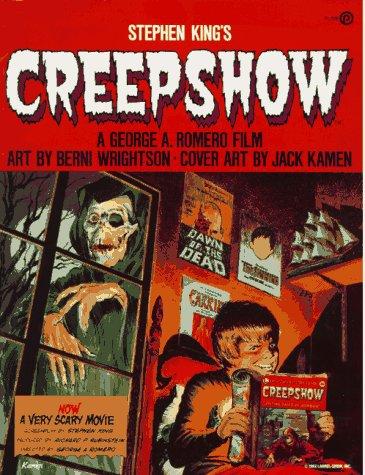
Start this bookNo. 26 on this list. Creepshow · Stephen King · 1982
It belongs to horror and comics fandom, with no syllabus footprint recorded. It sits with popular genre works rather than literary curricula, like The Da Vinci Code.
Very Easy50 min
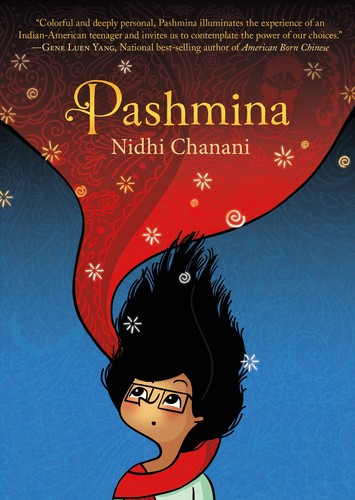
Start this bookNo. 27 on this list. Pashmina · Nidhi Chanani · 2017
A well-received debut graphic novel that contributed to the growing representation of South Asian American stories in YA.
Very Easy26 min
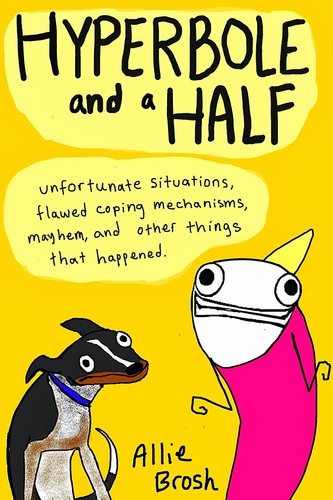
Start this bookNo. 28 on this list. Hyperbole and a Half · Allie Brosh · 2013
Brosh adapted her enormously popular blog into a book that combines crudely drawn illustrations—stick figures with enormous eyes rendered in Microsoft Paint—with essays of startling emotional precision. The two chapters on depression became the most widely shared descriptions of the condition on the internet, not because they offered hope or advice but because they captured the experience with ruthless accuracy: the slide from sadness into numbness, the absurdity of well-meaning people telling you to appreciate sunsets, the moment she found a kernel of corn under the refrigerator and laughed for the first time in months and knew, arbitrarily, that she was coming back. Other essays are purely comic: her childhood attempt to eat an entire cake before her parents noticed, her dog's magnificent stupidity, the shame spiral of returning overdue library books. Brosh's drawings, which look like a child made them, carry enormous emotional weight precisely because of their crudeness—the simplified faces express states of feeling that photorealistic art would blunt. The book is funny, devastating, and unlike anything else in contemporary humor writing.
Very Easy1.7 hours
Start this bookNo. 29 on this list. Rodrick Rules · Jeff Kinney · 2007
As part of a bestselling children's series it is widely read in schools and libraries but is not studied as literature. It sits near the commercial end, around Beach Read.
Very Easy53 min
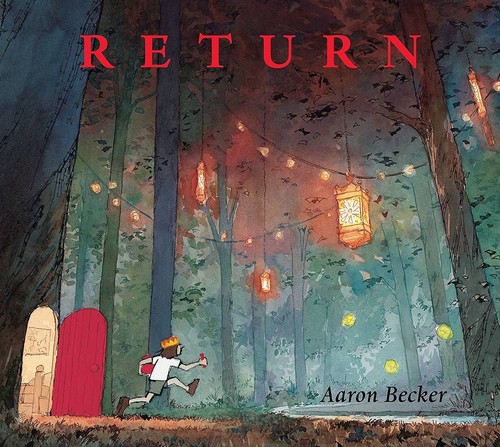
Start this bookNo. 30 on this list. Return · Aaron Becker · 2016
Return is the final volume of Aaron Becker's wordless picture-book trilogy and is used in primary classrooms for visual storytelling. It has no presence on literary reading lists.
Very Easy30 min
Start this book

About this list
These 32 books are the highest-scoring eligible graphic novels from the United States currently in the catalogue. About 70 hours of reading in all, for the 31 with measured lengths. Difficulty runs from 20 to 44 out of 100 for the middle half of the list; the summit is Fun Home at 68.
This list is ranked by literary regard, with a consistent order for equal scores. Membership follows authors and co-authors, not translators or editors. Catalogue coverage and the historical canon both limit what this list can represent, and genre labels are the catalogue’s own, gathered into broader kinds.
When we matched the Canons dataset to our catalogue in October 2026, our canonical-status scores rose with the number of school curricula, publisher series and lists in it that cite a work: the median score was 72 for books one such source cites, 84 at two, 88 at three, 92 at four and 93 at five or more. Prizes are left out of that count. Outside the state curricula, the dataset’s sources choose mostly from what has been translated into English or French, so it is a weaker check on other literatures. Source: Canons (Andrew Piper), CC BY 4.0
Questions people actually ask
- What are the best graphic novels from the United States?
- By literary regard, which weighs canonical status, critical standing and influence: Maus I: A Survivor's Tale: My Father Bleeds History by Art Spiegelman, The Complete Maus by Art Spiegelman, Fun Home by Alison Bechdel, Understanding Comics by Scott McCloud and Batman: The Dark Knight Returns by Frank Miller. ReadingRate ranks 32 such books, each with a difficulty score and a reading-time estimate.
- Which graphic novels from the United States should I read first?
- Start from difficulty, not from rank. The most approachable books on this list that still carry top literary regard are Maus I: A Survivor's Tale: My Father Bleeds History by Art Spiegelman (about 2.2 hours), Understanding Comics by Scott McCloud and Building Stories by Chris Ware.
- What are the shortest of the best graphic novels from the United States?
- Among the top 25, the shortest are Batman: The Dark Knight Returns by Frank Miller (about 3 min), X'ed Out (Pantheon Graphic Library) by Charles Burns (about 17 min) and Ghost World by Daniel Clowes (about 25 min), at an average pace of 250 words a minute adjusted for each book's difficulty.
- Which of the best graphic novels from the United States are the established classics?
- By canonical status, how firmly a book sits in curricula, anthologies and the canon: Maus I: A Survivor's Tale: My Father Bleeds History by Art Spiegelman, The Complete Maus by Art Spiegelman, Understanding Comics by Scott McCloud, Fun Home by Alison Bechdel and Batman: The Dark Knight Returns by Frank Miller.
- How long would it take to read the top ten?
- About 22 hours, at an average pace of 250 words a minute adjusted for each book's difficulty: 11 days at two hours a day. Set your own pace on the page and the list's reading times change to it.
- How hard are graphic novels from the United States to read?
- Most of this list sits between 20 and 44 on ReadingRate's 100-point difficulty scale, where 40 to 55 is moderate. The summit is Fun Home at 68. Every entry carries its own score, so a reader can pick a great book at a difficulty they will finish.
- How is this list ranked?
- On literary-regard data: how canonically established a work is, its critical standing, and its influence on later writing. It is not a readers’ poll, which is why recent bestsellers rarely appear. Membership follows authors and co-authors, not translators or editors. Lists by country, author, period, theme or difficulty keep to literature (fiction, poetry, drama and philosophy), their novels, poems and plays first and their philosophy after them; a list of a kind of book, such as memoir or criticism, keeps every book of that kind. Every list holds at most three works by one author.