Hours at an average pace
Showing 100 books
About 753 hours for 99 of 100 books with measured lengths. Estimates use 250 words a minute, adjusted for each book's difficulty. At 2 hours a day, about 377 days for those books.
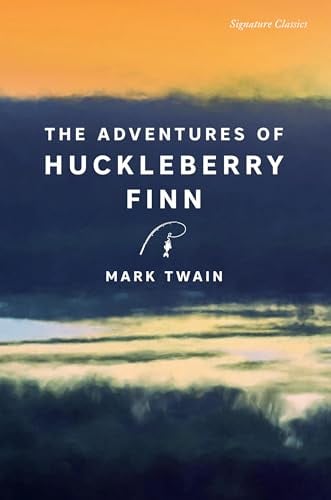
No. 1 on this list. Adventures of Huckleberry Finn
Mark Twain · 1884
Moderate7.5 hours
Taught in schools: Pearson Edexcel GCSE and A-level English Literature (UK)
Included in: Bokklubben World Library, Great Books of the Western World
Adventures of Huckleberry Finn is taught in virtually every American high school and university American literature course, and is among the most debated and analyzed works in the American canon. Its Wikipedia article spans 62 languages with a dedicated reception section, reflecting global critical discourse sustained for over 140 years. Ernest Hemingway's declaration that all modern American literature comes from this one book cemented its place as the foundational American novel.
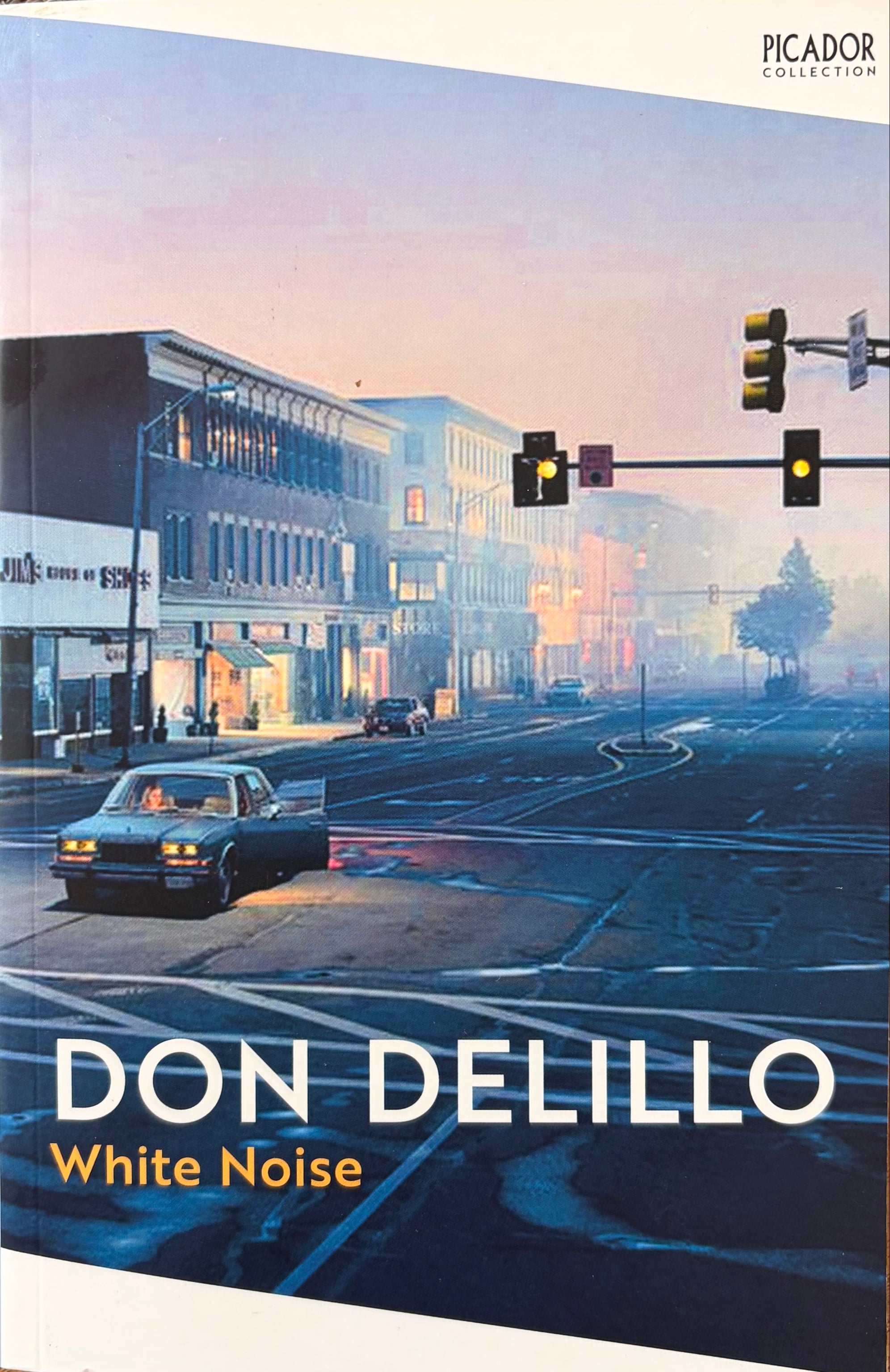
The definitive novel of American postmodern anxiety. The Airborne Toxic Event, the supermarket as cathedral, the fear of death—DeLillo captured how Americans live among systems they cannot understand.
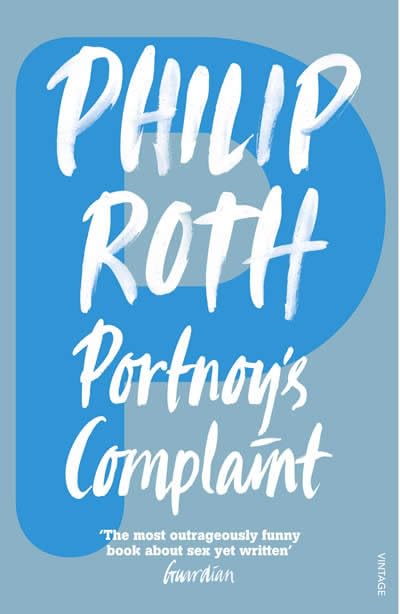
The novel that made sexual confession comic art. Alexander Portnoy's monologue to his psychiatrist scandalized and delighted 1969 America. Core text in American literature and Jewish-American fiction.
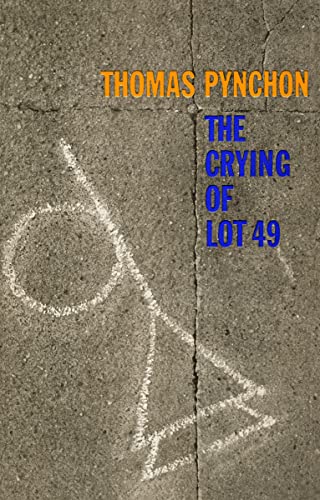
Oedipa Maas learns she has been named executor of Pierce Inverarity's estate, a California real estate mogul and former lover whose tangled holdings require investigation. Traveling to the fictional San Narciso with co-executor Metzger, a lawyer, she begins noticing a mysterious symbol—a muted post horn—appearing in unexpected places. Her research into a Jacobean revenge play performed locally reveals references to Tristero, an underground postal system that may have operated in opposition to official mail services for centuries. As Oedipa pursues leads through bizarre informants—Mike Fallopian explaining the Peter Pinguid Society, John Nefastis demonstrating his entropy-reversing machine, professor Emory Bortz debating theatrical textual variants—she cannot determine whether she has discovered a genuine conspiracy or descended into paranoia. Her husband Mucho suffers breakdowns at his disk jockey job while Metzger abandons both the investigation and their affair. Characters appear with improbable names and suspect motives, stamps contain hidden messages, and evidence proliferates without resolving into coherent truth. The novel concludes with Oedipa attending an auction where a mysterious bidder may reveal the conspiracy's reality, but the narrative ends the moment before revelation, suspending her permanently between competing interpretations of American communication, meaning, and madness.
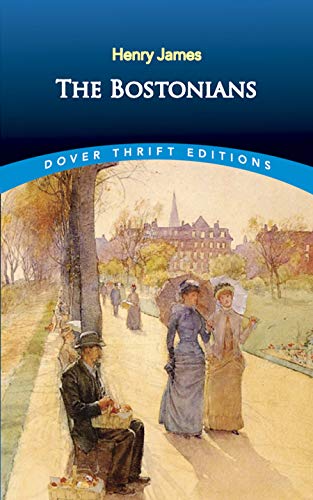
No syllabus or Wikipedia data was returned by automated signals, but 'The Bostonians' appears in virtually every American literature survey course at the university level and is consistently included on canonical lists of 19th-century American fiction. It is studied widely in courses on gender, American realism, and late Victorian culture, placing it solidly in the upper tier of taught texts — below James's most famous works like 'The Portrait of a Lady' but well above minor or specialist titles.
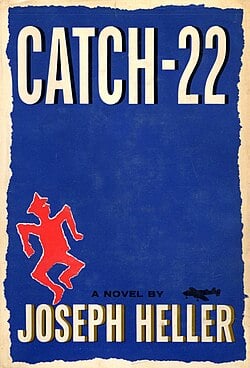
Yossarian wants to be grounded from combat missions, but anyone who asks to be grounded is sane enough to fly—that's the catch. Heller's circular logic gave the English language a new word and gave war fiction its most sustained assault on bureaucratic absurdity since Jaroslav Hašek's Good Soldier Švejk.
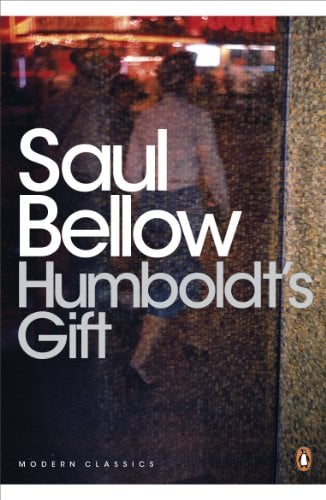
Humboldt's Gift won the Pulitzer Prize (1976) and is regularly taught in American literature courses as a major postwar novel. It appears in academic surveys of contemporary fiction and in Bellow's canonical position is secured, though perhaps less universally assigned than The Great Gatsby or Beloved. Strong presence in 20th-century literature curricula.
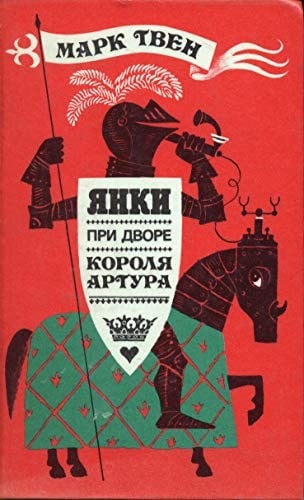
It is a standard in American literature courses and part of Twain's core canon with Huckleberry Finn. It is taught less often than Gatsby but widely, as a founding time-travel satire.
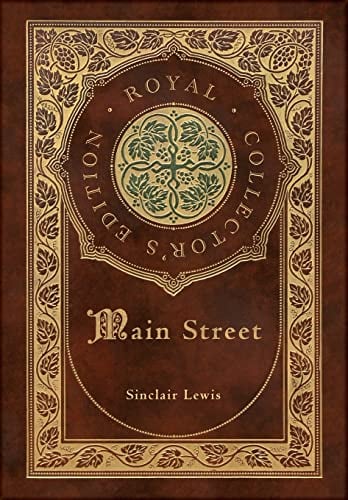
The novel that made Sinclair Lewis famous. Carol Kennicott's disillusionment with Gopher Prairie, Minnesota became the definitive portrait of small-town American provincialism. Core text in American literature courses.
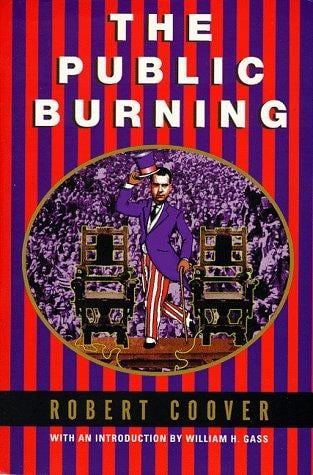
The Public Burning is Robert Coover's most ambitious and controversial novel — refused by seventeen publishers before Viking accepted it, then immediately pulled from paperback after a Nixon lawsuit threat. It appears in every major survey of American postmodern fiction (Hassan, Waugh, McHale), is taught widely in graduate seminars on metafiction, and is cited alongside Gravity's Rainbow and Giles Goat-Boy as the defining novels of the postmodern satirical-historical mode. Its canonical status exceeds its readership by a large margin.
No. 11 on this list. Cat’s Cradle · Kurt Vonnegut · 1963
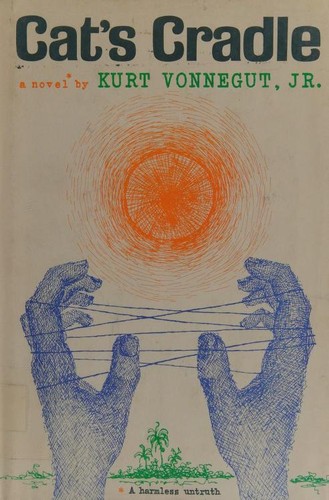
A staple of American college and high school courses and Vonnegut's best-known novel alongside Slaughterhouse-Five. Its place in satire and Cold War literature courses is secure, though below Gatsby or 1984.
Moderate3.4 hours
Start this bookNo. 12 on this list. Cat's Cradle · Kurt Vonnegut · 1963
John/Jonah sets out to write a book about what important Americans did on the day Hiroshima burned. What he finds instead is Felix Hoenikker—father of the atom bomb, absent parent, and tinkerer who, on the day he died, had been playing in his kitchen with a substance called ice-nine: a form of water that freezes at room temperature and turns anything it touches to solid crystal. His three stunted children—Angela the clarinet player, Newt the midget painter, Frank the model-railroad obsessive—each pocketed a chip of it when they divided up the old man's estate. The story follows Jonah to the Republic of San Lorenzo, a sun-hammered Caribbean island so poor that its total national income divided equally among the population once came to seven dollars per person. There, he encounters Bokononism—an outlawed religion whose founder cheerfully admits that every word of it is lies, and whose adherents press the soles of their feet together to commune. Vonnegut writes in chapters so short they read like punchlines, building a comic architecture around one unsparing question: what is humanity, exactly, once you've removed the consolations? The answer arrives in the last pages, in an image both hilarious and desolate.
Challenging4 hours
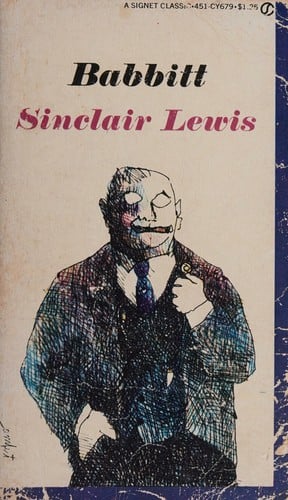
Start this bookNo. 13 on this list. Babbitt · Sinclair Lewis · 1922
A standard text in courses on 1920s American fiction and satire, published by the Library of America with Main Street. It is usually taught in American literature surveys, and its title became a common noun for the complacent businessman.
Moderate8 hours
Read nowNo. 14 on this list. Erasure · Percival Everett · 2001
Increasingly recognized as a major American novel, especially after the film adaptation American Fiction and Everett's Pulitzer Prize win for James.
Difficult12 hours
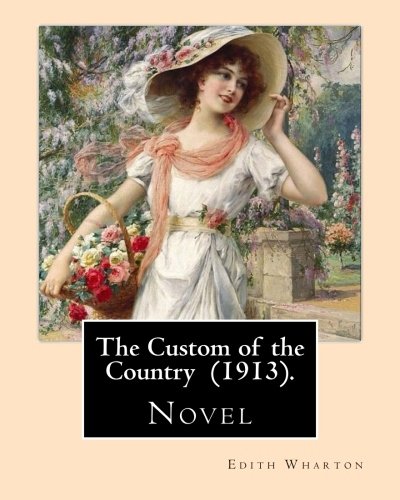
Start this bookNo. 15 on this list. The Custom of the Country · Edith Wharton · 1913
The Custom of the Country appears regularly on university syllabi in American literature, women studies, and social realism courses — though less ubiquitously than The Age of Innocence or The House of Mirth. It features in most critical surveys of the American novel and is routinely included in Wharton retrospectives. Its representation in secondary literature and university curricula places it in the upper tier of canonical American fiction without achieving the course-fixture status of her most-taught work.
Moderate9.8 hours
Start this bookNo. 16 on this list. The Blithedale Romance · Nathaniel Hawthorne · 1852
The Blithedale Romance appears regularly in American literature syllabi as a key Hawthorne text alongside The Scarlet Letter and The House of the Seven Gables, and as a foundational text for the study of antebellum reform movements and utopian communities. It is less frequently assigned than The Scarlet Letter but appears in canonical anthologies and graduate programs in nineteenth-century American literature. Its canonical standing is solid if not dominant — comparable to, though below, Moby-Dick (88).
Challenging6.9 hours
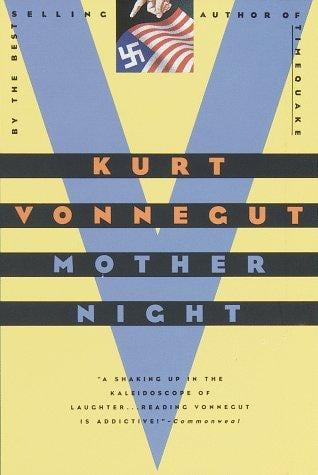
Start this bookNo. 17 on this list. Mother Night · Kurt Vonnegut · 1961
Howard W. Campbell, Jr. is writing his confession from an Israeli prison cell, awaiting trial as a Nazi war criminal. He was also, he claims, an American spy — passing coded information through the emphases and pauses of his radio broadcasts. The Government of the United States neither confirms nor denies this. His only proof is an unbroken neck. Campbell spent the war performing anti-Semitism for Goebbels while embedding signals for the Allies; he spent fifteen postwar years in a Greenwich Village attic, drinking toasts to his dead wife and carving a chess set. Vonnegut gives him one moral at the front of the book and means it: we are what we pretend to be, so we must be careful about what we pretend to be. The novel surrounds Campbell with a gallery of grotesques — an aging SS man who joined the Hungarian SS as a Jew, the Black Fuehrer of Harlem, a Russian master spy who turns out to be a genuine painter and a genuine friend — each demonstrating the same principle from a different angle. The prose is Vonnegut at his most controlled: short sentences, black comedy, no comfort. The question the novel asks — whether a man who served evil for good reasons is innocent — gets no answer. Campbell supplies one anyway, by deciding to hang himself. It is the most honest thing he does.
Challenging4.1 hours
Start this bookNo. 18 on this list. Life on the Mississippi · Mark Twain · 1883
Life on the Mississippi is taught in American literature courses and holds a secure place in the American literary canon, though it is secondary to Twain's fiction in classroom prominence. It appears regularly on syllabi for American Studies, 19th-century literature, and nonfiction courses. It is widely recognized as a primary document of pre-industrial American river culture.
Challenging12 hours
Read nowNo. 19 on this list. Elmer Gantry · Sinclair Lewis · 1927
One of Sinclair Lewis's major satires of the 1920s, alongside Main Street and Babbitt. It appears on only 5 university syllabi in Open Syllabus data, but its title character's name became a byword for the hypocritical preacher.
Easy9.3 hours
Read nowNo. 20 on this list. Against the Day · Thomas Pynchon · 2006
A late major work by a central postmodern author, taught in contemporary American fiction courses, though it carries less syllabus weight than Gravity's Rainbow or The Crying of Lot 49.
Difficult68 hours
Start this book
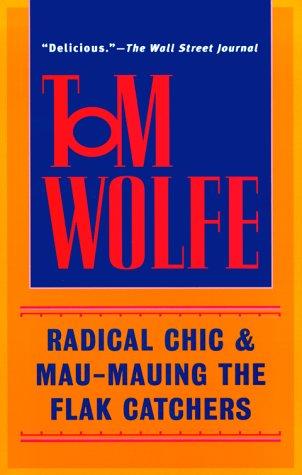
No. 21 on this list. Radical Chic & Mau-Mauing the Flak Catchers · Tom Wolfe · 1970
No syllabus or Wikipedia data was found in the database, but the book's cultural footprint exceeds what raw data captures. Wolfe's coinage of 'radical chic' became a permanent fixture of political vocabulary, and the book is regularly taught in journalism schools and American Studies courses, though it is not a fixture of mainstream literary curricula the way canonical novels are.
Moderate2.7 hours
Start this bookNo. 22 on this list. Miss Lonelyhearts · Nathanael West · 1933
Miss Lonelyhearts appears regularly on university American literature syllabi and is included on multiple greatest American novels lists, including Modern Library's Top 100. It is widely taught in undergraduate fiction and modernism courses alongside West's The Day of the Locust. The novel's slim page count makes it a staple of semester reading lists, though it lacks the overwhelming syllabus dominance of Fitzgerald or Hemingway contemporaries.
Challenging2.2 hours
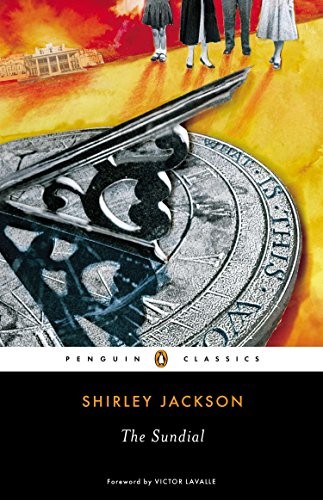
Start this bookNo. 23 on this list. The Sundial · Shirley Jackson · 1958
The Sundial is among Jackson's least-known novels — overshadowed by The Haunting of Hill House (1959) and We Have Always Lived in the Castle (1962), which have achieved genuine canonical status. It appears in Jackson retrospectives and feminist gothic syllabi but is not widely assigned independently. The recent Jackson revival, spurred by new editions and biographical attention, has increased its academic visibility, though it remains a cult text rather than a fixture of core curricula.
Difficult9.4 hours
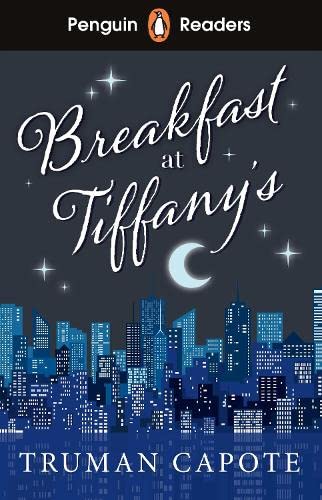
Start this bookNo. 24 on this list. Breakfast at Tiffany's · Truman Capote · 1958
Widely taught in American literature courses and regularly included in 'great American novels' surveys, though not as ubiquitous as Gatsby or Mockingbird. The 1961 Audrey Hepburn film extended its cultural reach enormously. It appears on Modern Library and numerous 'essential reading' lists, and Holly Golightly is one of American fiction's most recognized characters.
Challenging1.9 hours
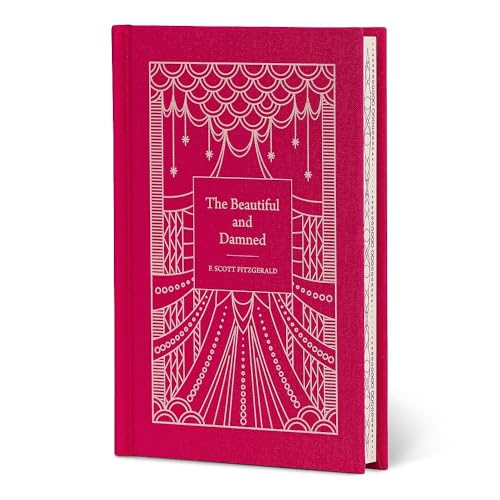
Start this bookNo. 25 on this list. The Beautiful and Damned · F. Scott Fitzgerald · 1922
The Beautiful and Damned appears on American literature syllabi and in Fitzgerald-specific courses, but it occupies a secondary tier behind The Great Gatsby, which commands near-universal teaching. No verified syllabus data is available for this title, but the novel's standing reflects its status as an important but non-essential Fitzgerald text in academic curricula—studied by specialists, sampled by generalists.
Challenging12 hours
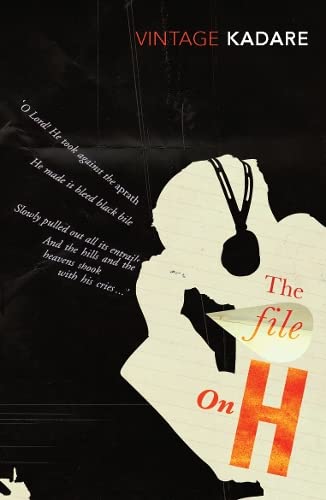
Read nowNo. 26 on this list. The File on H. · Ismail Kadare · 1981
A well-regarded Kadare novel, appreciated for its humor and intellectual concerns, though less frequently cited than Broken April or The Palace of Dreams.
Easy3.3 hours
Start this bookNo. 27 on this list. Snow White · Donald Barthelme · 1967
Snow White appears regularly on university syllabi in American postmodern fiction and 20th-century American literature courses, typically alongside Pynchon, Barth, and Coover. It has been included in major postmodern fiction anthologies and appears in most academic treatments of American postmodernism as a landmark text. Its canonical status is solid within literary-academic circles but does not approach the mass curriculum presence of The Great Gatsby or To Kill a Mockingbird.
Difficult3.9 hours
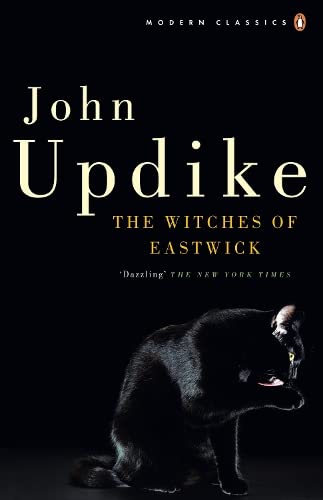
Start this bookNo. 28 on this list. The Witches of Eastwick · John Updike · 1984
The Witches of Eastwick is taught in American fiction and feminist literary theory courses but does not appear on core syllabi with the frequency of Updike's Rabbit, Run. It features on several 'best American novels of the 20th century' lists and has maintained continuous reader attention partly through the 1987 film adaptation. Not a curriculum fixture, but solidly established in the Updike canon.
Challenging9 hours
Start this bookNo. 29 on this list. Pastoralia · George Saunders · 2000
Pastoralia is widely taught in contemporary American fiction courses and frequently anthologized in short story collections, though it has not achieved the curriculum ubiquity of Saunders's later work. It appears in many graduate-level creative writing syllabi as a model of satirical voice. Its canonical standing is strong within contemporary short fiction circles but limited compared to novels with decades-long institutional presence.
Difficult5.8 hours
Start this bookNo. 30 on this list. The Confidence-Man · Herman Melville · 1857
Increasingly recognized as a major American novel and Melville's most formally radical work, though still underread.
Challenging7.1 hours
Read now
No. 31 on this list. More Die of Heartbreak
Saul Bellow · 1987
No. 32 on this list. A Heartbreaking Work of Staggering Genius
Dave Eggers · 2000
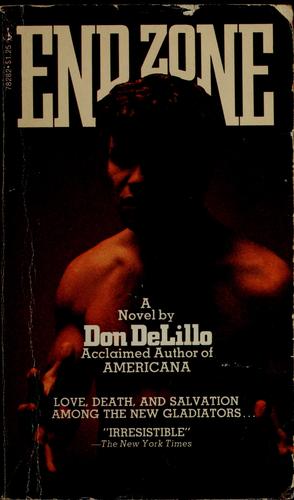
No. 33 on this list. End Zone
Don DeLillo · 1972
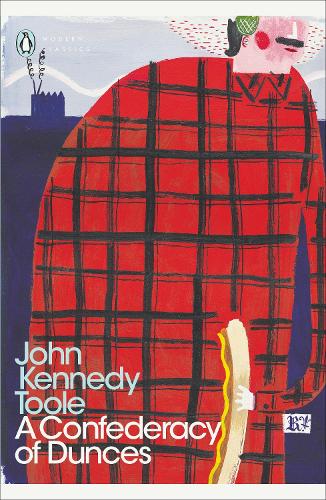
No. 34 on this list. A Confederacy of Dunces
John Kennedy Toole · 1981
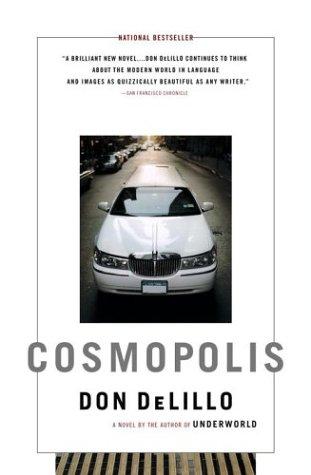
No. 35 on this list. Cosmopolis
Don DeLillo · 2003
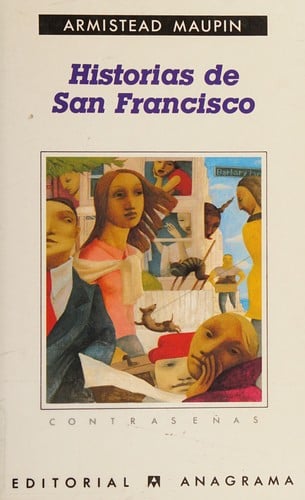
No. 36 on this list. Tales of the City
Armistead Maupin · 1978
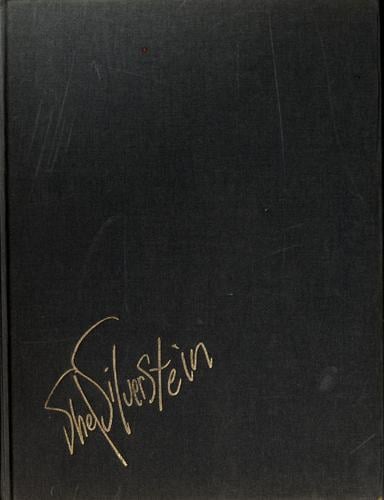
No. 37 on this list. A Light in the Attic
Shel Silverstein · 2002
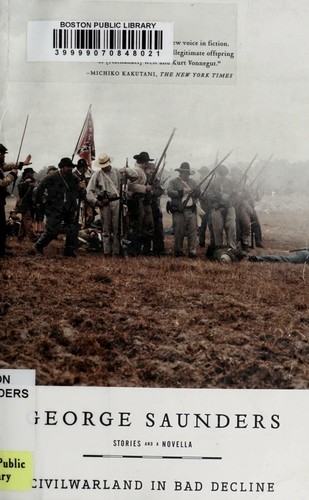
No. 38 on this list. CivilWarLand in Bad Decline
George Saunders · 1996
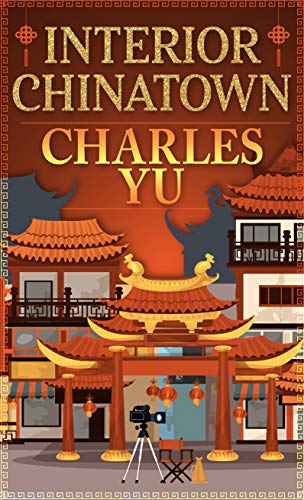
No. 39 on this list. Interior Chinatown
Charles Yu · 2020
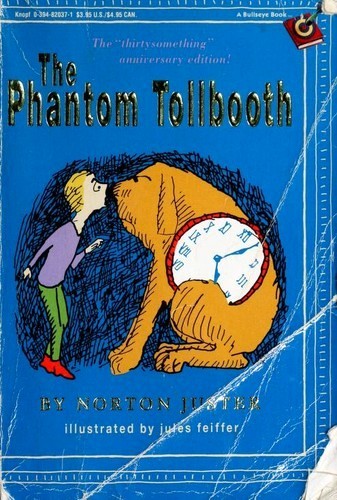
No. 40 on this list. The Phantom Tollbooth
Norton Juster · 1961
No. 41 on this list. The Late George Apley
John P. Marquand · 1938
No. 42 on this list. A Frolic of His Own
William Gaddis · 1994
No. 43 on this list. Such a Fun Age
Kiley Reid · 2020
No. 44 on this list. Blue Angel
Francine Prose · 2000
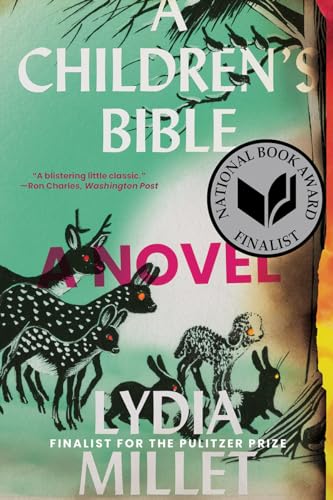
No. 45 on this list. A Children's Bible
Lydia Millet · 2020
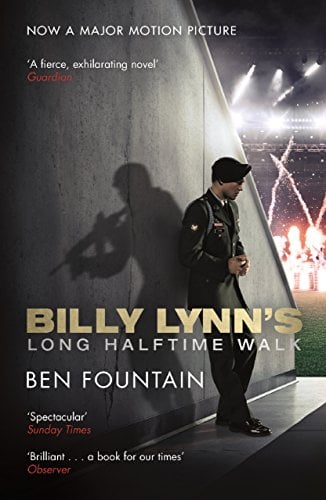
No. 46 on this list. Billy Lynn's Long Halftime Walk
Ben Fountain · 2012
No. 47 on this list. Baby Doll [Carroll Baker Movie Tie-In]
Tennessee Williams · 1956
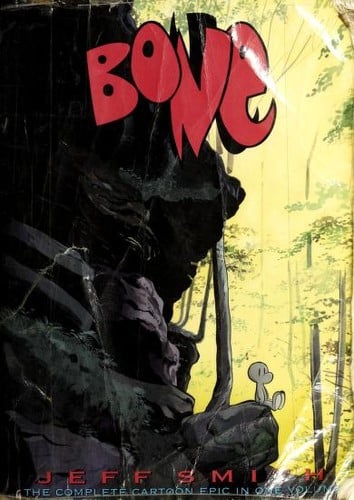
No. 48 on this list. Bone
Jeff Smith · 2004
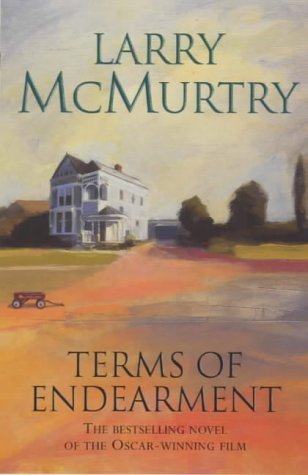
No. 49 on this list. Terms of Endearment
Larry McMurtry · 1975
No. 50 on this list. Pulp Fiction: A Quentin Tarantino Screenplay
Quentin Tarantino · 1994
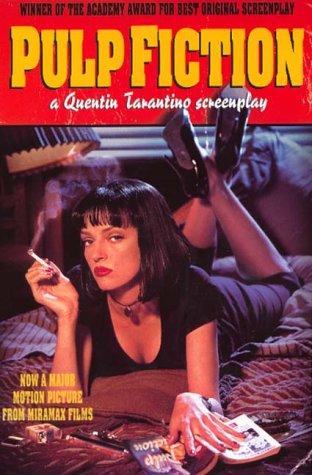
No. 51 on this list. The Stepford Wives
Ira Levin · 2002
No. 52 on this list. Then We Came to the End
Joshua Ferris · 2007
No. 53 on this list. Geek Love
Katherine Dunn · 1989
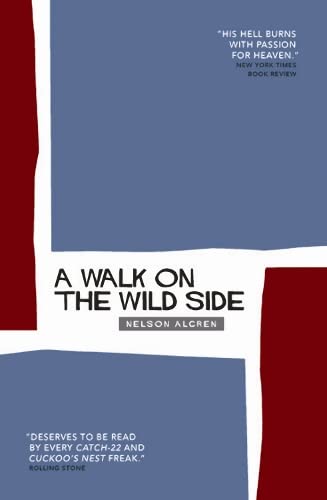
No. 54 on this list. A Walk on the Wild Side
Nelson Algren · 1956
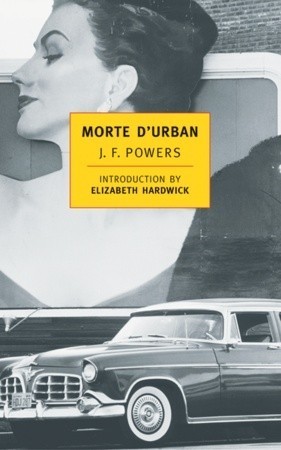
No. 55 on this list. Morte d'Urban
J.F. Powers · 1963
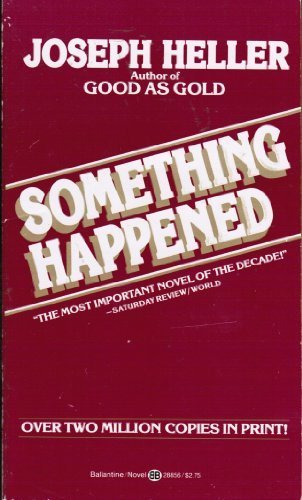
No. 56 on this list. Something Happened
Joseph Heller · 1974
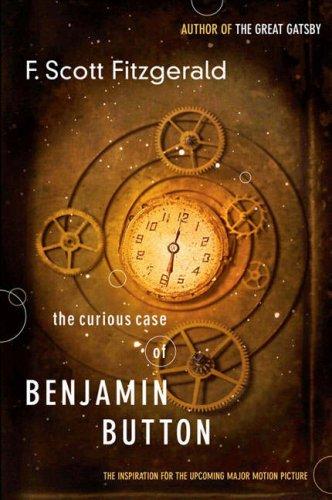
No. 57 on this list. The Curious Case of Benjamin Button
F. Scott Fitzgerald · 1922
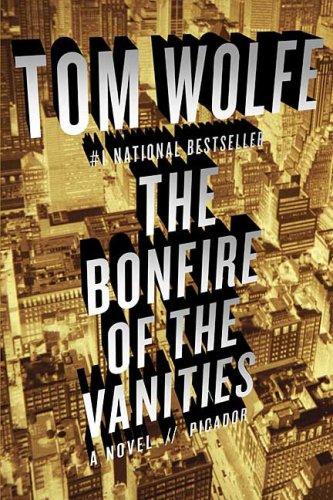
No. 58 on this list. The Bonfire of the Vanities
Tom Wolfe · 1987
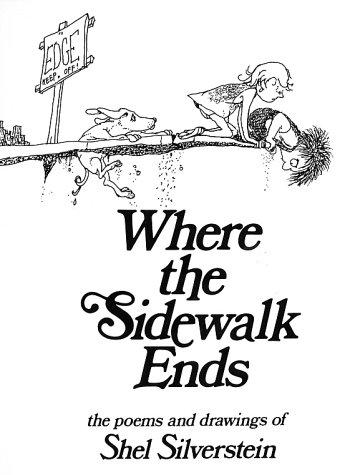
No. 59 on this list. Where the Sidewalk Ends
Shel Silverstein · 2002
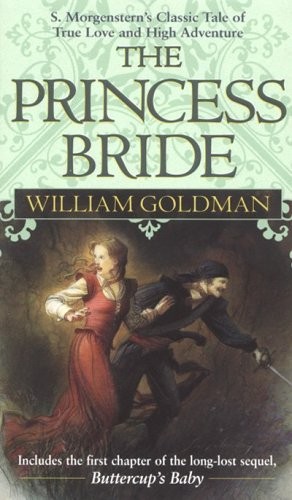
No. 60 on this list. The Princess Bride
William Goldman · 1973
No. 61 on this list. The White Boy Shuffle
Paul Beatty · 1996
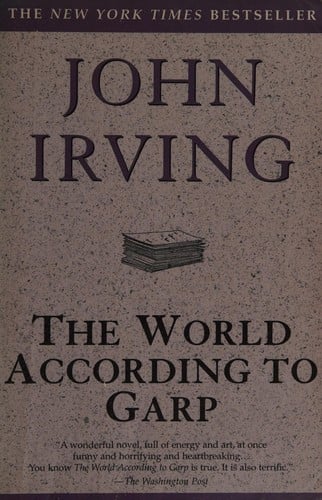
No. 62 on this list. The World According to Garp
John Irving · 1978
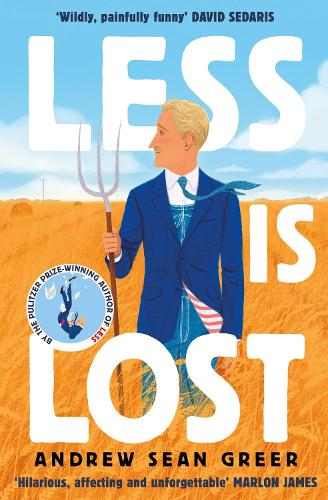
No. 63 on this list. Less Is Lost
Andrew Sean Greer · 2022
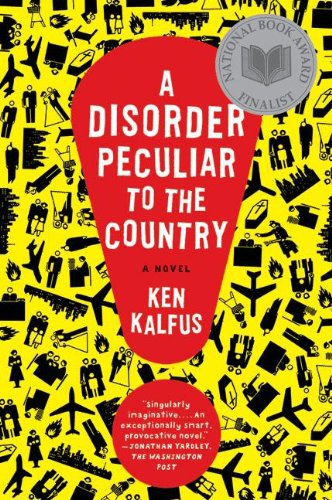
No. 64 on this list. A Disorder Peculiar to the Country
Ken Kalfus · 2006
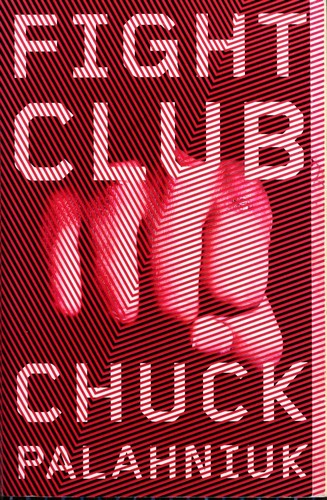
No. 65 on this list. Fight Club
Chuck Palahniuk · 1996
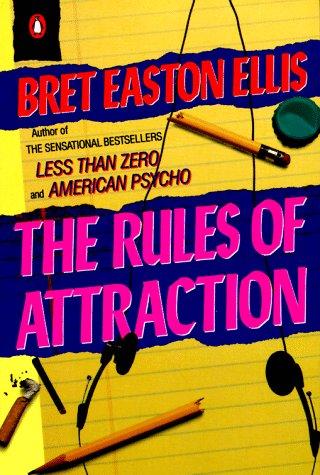
No. 66 on this list. The Rules of Attraction
Bret Easton Ellis · 1987
No. 67 on this list. JR
William Gaddis · 1976
No. 68 on this list. Welcome to Braggsville
T. Geronimo Johnson · 2015
No. 69 on this list. Chronic City
Jonathan Lethem · 2009
No. 70 on this list. Wonder Boys
Michael Chabon · 1995
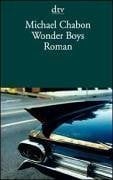
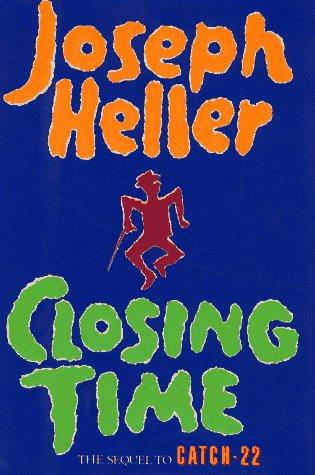
No. 71 on this list. Closing Time
Joseph Heller · 1995
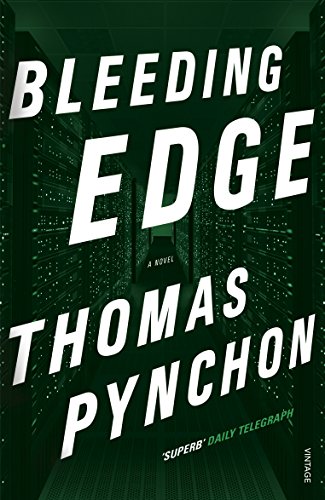
No. 72 on this list. Bleeding Edge
Thomas Pynchon · 2013
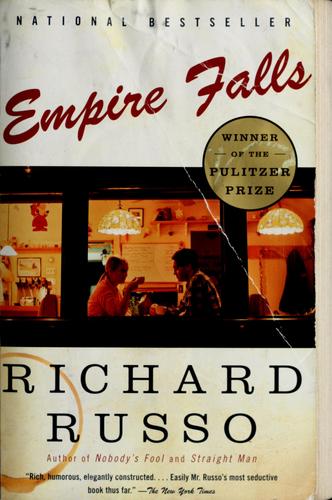
No. 73 on this list. Straight Man
Richard Russo · 1997
No. 74 on this list. The Complete Murderbot Diaries
Martha Wells · 2020
No. 75 on this list. I Am Not Sidney Poitier
Percival Everett · 2009
No. 76 on this list. The Wayward Bus
John Steinbeck · 1947
No. 77 on this list. Me Talk Pretty One Day
David Sedaris · 2000
No. 78 on this list. Sweet Thursday
John Steinbeck · 1954
No. 79 on this list. Less
Andrew Sean Greer · 2018
No. 80 on this list. Mosquitoes
William Faulkner · 1927
No. 81 on this list. The Dog of the South
Charles Portis · 1979
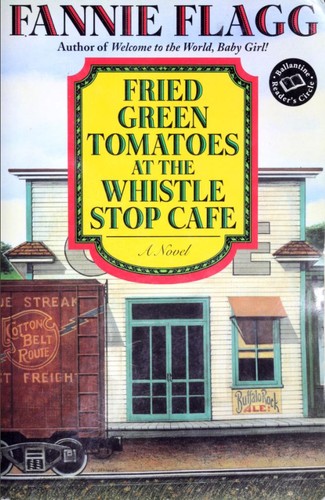
No. 82 on this list. Fried Green Tomatoes at the Whistle Stop Cafe
Fannie Flagg · 1987
No. 83 on this list. The First Bad Man
Miranda July · 2015
No. 84 on this list. Story of My Life
Jay McInerney · 1976
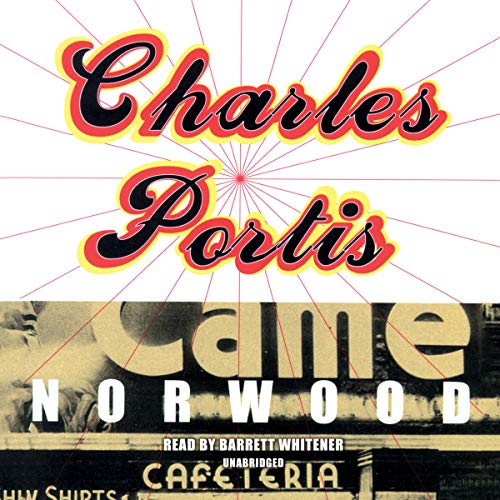
No. 85 on this list. Norwood
Charles Portis · 1966
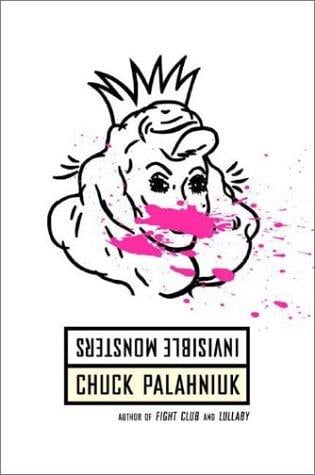
No. 86 on this list. Invisible Monsters
Chuck Palahniuk · 1999
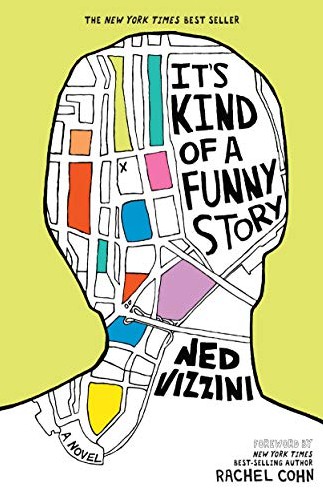
No. 87 on this list. It's Kind of a Funny Story
Ned Vizzini · 2006
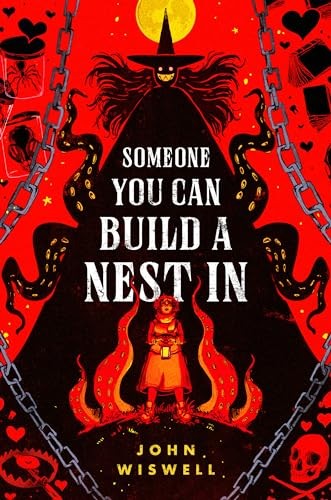
No. 88 on this list. Someone You Can Build a Nest In
John Wiswell · 2024
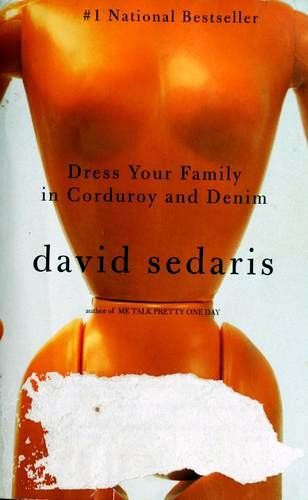
No. 89 on this list. Dress Your Family in Corduroy and Denim
David Sedaris · 2004
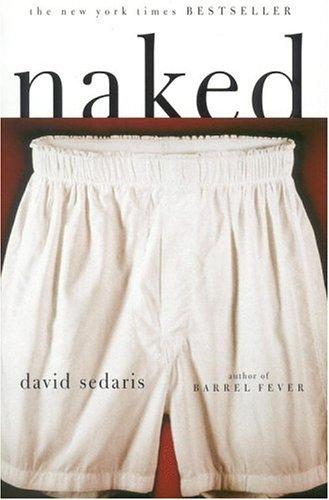
No. 90 on this list. Naked
David Sedaris · 1997
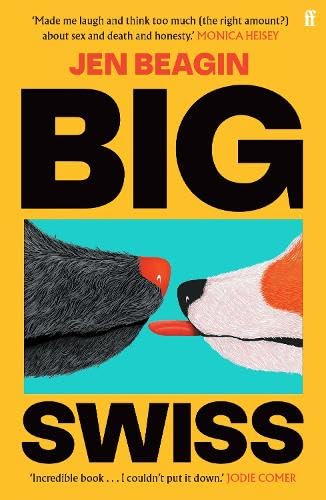
No. 91 on this list. Big Swiss
Jen Beagin · 2023
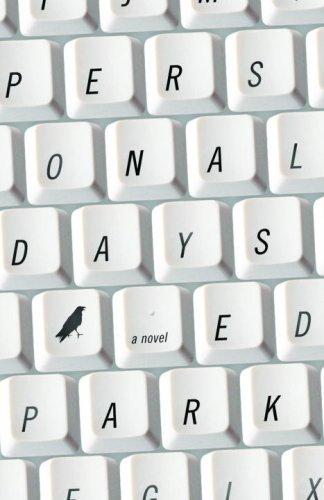
No. 92 on this list. Personal days
Ed Park · 1998
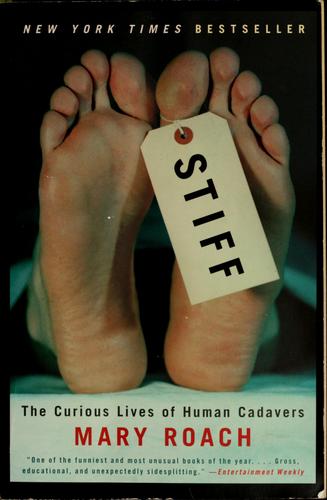
No. 93 on this list. Stiff
Mary Roach · 2003
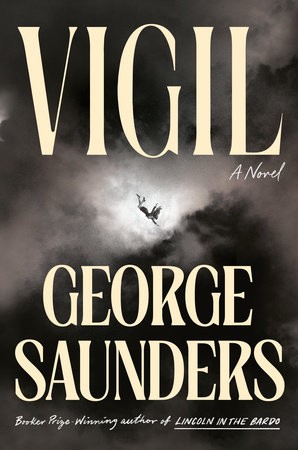
No. 94 on this list. Vigil
George Saunders · 2026
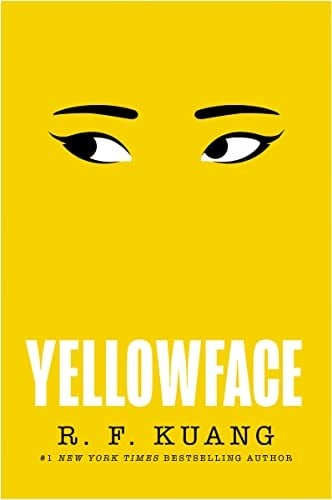
No. 95 on this list. Yellowface
R.F. Kuang · 2023
No. 96 on this list. I Feel Bad About My Neck
Nora Ephron · 2006
No. 97 on this list. Bird by Bird
Anne Lamott · 1994
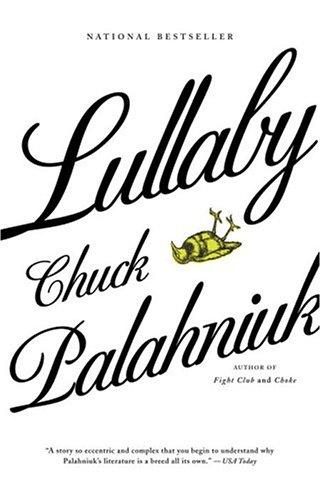
No. 98 on this list. Lullaby
Chuck Palahniuk · 2002
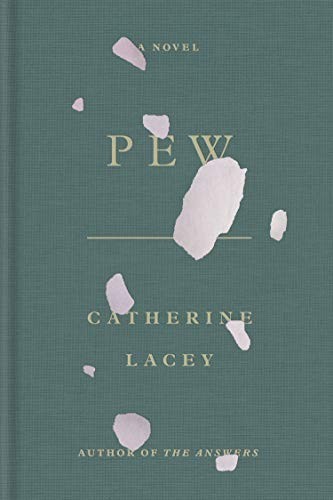
No. 99 on this list. Pew
Catherine Lacey · 2020
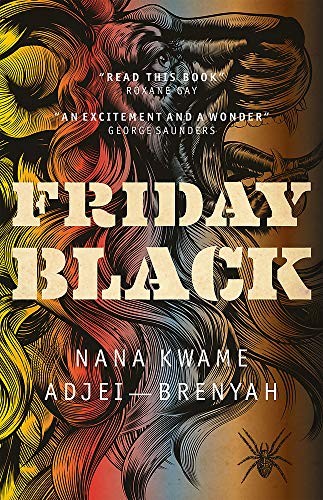
No. 100 on this list. Friday Black
Nana Kwame Adjei-Brenyah · 2018
About this list
These 100 books are the highest-scoring eligible satires and comic novels from the United States currently in the catalogue. By literary regard, it opens with Adventures of Huckleberry Finn, White Noise and Portnoy's Complaint. About 753 hours of reading in all, for the 99 with measured lengths. Difficulty runs from 39 to 61 out of 100 for the middle half of the list; the summit is The Public Burning at 86.
This list is ranked by literary regard, with a consistent order for equal scores. Membership follows authors and co-authors, not translators or editors. Catalogue coverage and the historical canon both limit what this list can represent, and genre labels are the catalogue’s own, gathered into broader kinds.
When we matched the Canons dataset to our catalogue in October 2026, our canonical-status scores rose with the number of school curricula, publisher series and lists in it that cite a work: the median score was 72 for books one such source cites, 84 at two, 88 at three, 92 at four and 93 at five or more. Prizes are left out of that count. Outside the state curricula, the dataset’s sources choose mostly from what has been translated into English or French, so it is a weaker check on other literatures. Source: Canons (Andrew Piper), CC BY 4.0
Questions people actually ask
- What are the best satires and comic novels from the United States?
- By literary regard, which weighs canonical status, critical standing and influence, Adventures of Huckleberry Finn, White Noise, Portnoy's Complaint, The Crying of Lot 49 and The Bostonians lead. ReadingRate ranks 100 such books, each with a difficulty score and a reading-time estimate.
- Where should I start with satires and comic novels from the United States?
- Start from difficulty, not from rank. The most approachable books on this list that still carry top literary regard are A Connecticut Yankee in King Arthur's Court by Mark Twain (about 6.6 hours), Adventures of Huckleberry Finn by Mark Twain and Main Street by Sinclair Lewis.
- How hard are satires and comic novels from the United States to read?
- Most of this list sits between 39 and 61 on ReadingRate's 100-point difficulty scale, where 40 to 55 is moderate. The summit is The Public Burning at 86. Every entry carries its own score, so a reader can pick a great book at a difficulty they will finish.
- How is this list ranked?
- On literary-regard data: how canonically established a work is, its critical standing, and its influence on later writing. It is not a readers’ poll, which is why recent bestsellers rarely appear. Membership follows authors and co-authors, not translators or editors. A list that is not a genre list keeps to literature (fiction, poetry, drama and philosophy), with philosophy taking no more than one slot in five while there is literature left to rank; every list holds at most three works by one author.