Hours at an average pace
Showing 64 books
About 393 hours for 64 of 64 books with measured lengths. Estimates use 250 words a minute, adjusted for each book's difficulty. At 2 hours a day, about 197 days for those books.
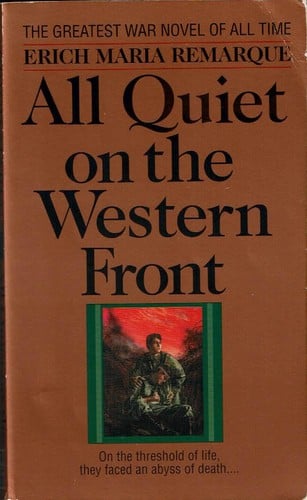
No. 1 on this list. All Quiet on the Western Front
Erich Maria Remarque · 1987
Easy4.3 hours
Taught in schools: AQA GCSE and A-level English Literature (UK)
One of the essential WWI novels, taught in literature and history courses worldwide.
Taught widely in American literature courses as the founding frontier romance, though its racial attitudes complicate its classroom status. It stands slightly below the staples such as Gatsby.
The undisputed masterpiece of twentieth-century Catalan literature. Widely translated and recognized as one of the great European novels of the postwar period.
One of the most widely read texts in human history, taught in military academies (West Point, Sandhurst), MBA programs, political science courses, and East Asian studies worldwide. Wikipedia articles exist in over 100 languages. Its maxims have entered common parlance across cultures, and it appears on virtually every 'great books' or 'essential nonfiction' list.
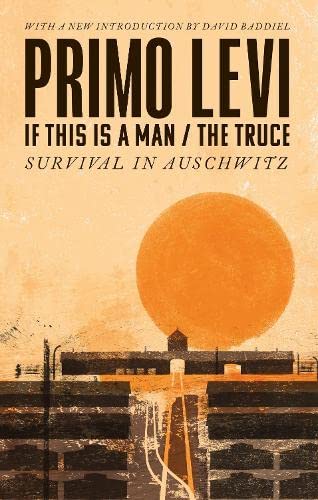
"The Truce" is taught widely in Holocaust literature, Italian literature, and 20th-century European history courses at universities across Europe and North America. It is less universally assigned than "If This Is a Man" but is firmly in the canon of serious literary and testimonial writing. No syllabus data was returned by the database, but Levi's standing in academic curricula is well established independently.
A Portuguese military doctor sits in a Lisbon bar late at night, talking at a woman who says nothing. For the next two hundred pages he doesn't stop. What pours out is the twenty-seven months he spent as an army psychiatrist in Angola during Portugal's colonial war — the bodies, the malaria, the boredom, the complicity — braided with memories of a Lisbon childhood lived in the shadow of Salazar's dictatorship and the bourgeois Catholic family that produced him. The zoo near his parents' apartment returns again and again: the animals behind wire, the very upright black roller-skating instructor tracing his slow ellipses, the solitude of the giraffe. The zoo is not a metaphor he explains. It is simply there, and the reader assembles what it means. Antunes writes in a single sustained torrent — no chapters, no scene breaks, no mercy. The syntax piles subordinate clause on subordinate clause until a sentence has carried you from a specific smell in Angolan scrub to a childhood memory of an aunt's apartment to a direct address back to the silent woman and her motionless hands. The narrator presents himself as tender, self-aware, a victim. The text contradicts him at every turn. He watched things happen that he did not stop. Originally published in 1979 as Os Cus de Judas — a title the English publisher softened — this is the novel that announced Antunes as the defining voice of post-colonial Portuguese literature. It reads like Faulkner set in the ruins of empire, with the guilt turned inward until it can't be contained.
No. 7 on this list. The Complete Personal Memoirs of Ulysses S Grant
Ulysses S. Grant · 2017
Easy4.5 hours
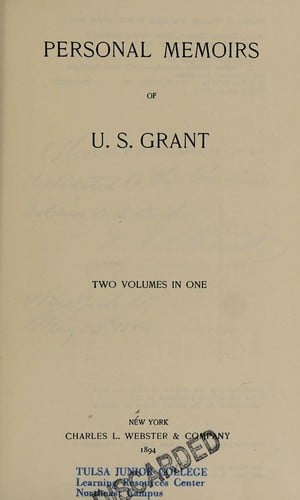
Widely taught in American history and military courses and long counted among the great American autobiographies. It is less a fixture of literature surveys than Gatsby but firmly established.
Major work of Lebanese and Arab women's literature. Widely taught.
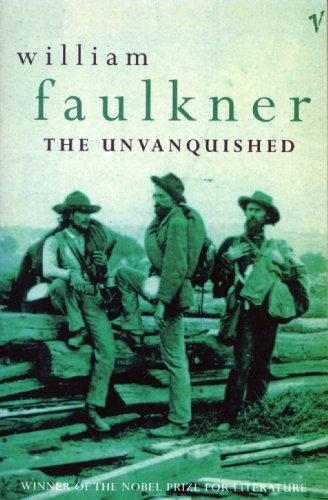
The Unvanquished is a recognized part of Faulkner's Yoknapatawpha cycle, taught in American literature courses as an accessible entry point into Faulkner's work and as a study of Civil War-era Southern society. It is less canonically prominent than The Sound and the Fury, As I Lay Dying, or Absalom, Absalom!, and the database shows 0 Open Syllabus appearances, suggesting its current academic footprint is modest. Still, as a work by a Nobel Prize winner with an enduring place in the Faulkner corpus, it sits comfortably in the 60–70 range.
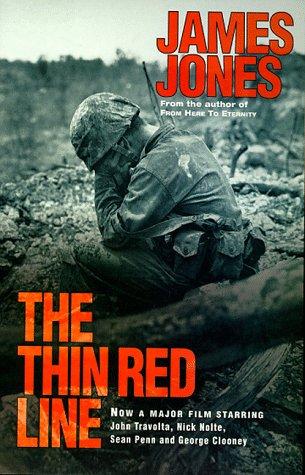
It is a major American World War II novel by the author of From Here to Eternity, widely read and taught in war literature, with a 1998 reissue carrying a foreword by Francine Prose. It is less central than the great canon works.
No. 11 on this list. Dispatches · Michael Herr · 1977
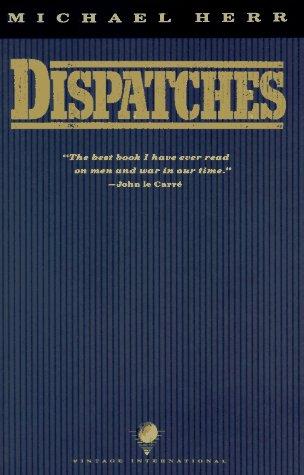
Herr's account of his time as a war correspondent in Vietnam is not conventional journalism—it is the Vietnam War filtered through a consciousness saturated with rock and roll, drugs, terror, and the surreal absurdity of a conflict that made no sense to the men fighting it. The prose is hallucinatory, fragmented, and electrifying: Herr writes about combat with the intensity of someone who has been permanently altered by what he witnessed, and his sentences capture the way trauma scrambles chronology, blurs the line between memory and hallucination, and makes ordinary language inadequate. He spent time with Marines at Khe Sanh during the siege, flew on helicopters into hot landing zones, and lived among soldiers who were nineteen years old and already ancient with experience. The book refuses the conventions of war reporting—there are no maps, no strategic analyses, no interviews with generals. Instead, Herr gives the reader the war as the grunts experienced it: chaotic, terrifying, darkly funny, and impossible to make sense of. The influence has been enormous: Herr co-wrote the screenplay for Full Metal Jacket, and his prose style shaped virtually every subsequent representation of Vietnam. Dispatches is not a book about the Vietnam War so much as a book that is the Vietnam War, rendered in language.
Easy3.5 hours
Start this bookNo. 12 on this list. Angel Down · Daniel Kraus · 2025
No syllabus or Wikipedia-language data is available for this title, and as a 2026 Pulitzer winner it is too recent to have entered curricula. A Pulitzer win typically starts building canonical momentum quickly, but that status is provisional until the book accumulates the syllabus and reference-work presence that mark settled canon status.
Moderate5.7 hours
Start this bookNo. 13 on this list. Closely Watched Trains · Bohumil Hrabal · 1965
Closely Watched Trains is taught in Central European literature and WWII literature courses, but it is not a fixture of broad anglophone university curricula. The 1966 film adaptation — which won the Academy Award for Best Foreign Language Film — brought the novella considerable international recognition, and the film's Wikipedia article exists in 41 languages. Within Czech literary studies, the work is considered essential; its reach into global syllabi remains modest.
Easy1.6 hours
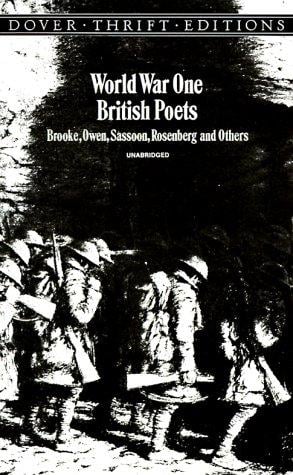
Start this bookNo. 14 on this list. World War One British Poets: Brooke, Owen, Sassoon, Rosenberg and Others · Candace Ward · 1997
The poets included, especially Owen, Sassoon, Brooke and Rosenberg, are staples of British school and university teaching on the First World War. This inexpensive Dover Thrift paperback is a classroom-friendly edition rather than a canonical text itself. Individual poems such as "In Flanders Fields" are widely taught.
Moderate1.2 hours
Start this bookNo. 15 on this list. The Raid · Leo Tolstoy · 1853
Tolstoy's name carries weight, but this early story is read mainly by those studying his development. It sits well below Anna Karenina in teaching presence.
Easy43 min
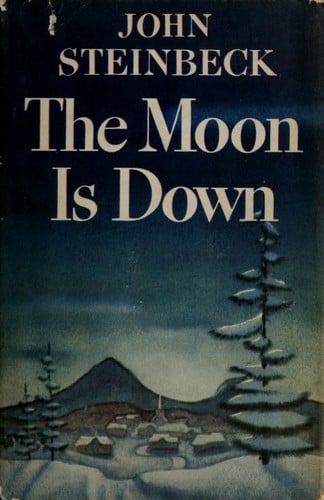
Start this bookNo. 16 on this list. The Moon Is Down · John Steinbeck
It is taught in schools as a WWII-era resistance novella, but it sits well below Steinbeck's major works such as The Grapes of Wrath in curricula.
Easy2.1 hours
Start this bookNo. 17 on this list. The Blood of Others · Simone de Beauvoir · 1945
An important existentialist novel of the occupation period, though less widely read than Beauvoir's other works or comparable novels by Camus and Sartre.
Easy5.4 hours
Start this bookNo. 18 on this list. Legends of the Fall · Jim Harrison · 1980
Widely read and filmed in 1994, it is a staple of American Western and contemporary fiction, but it is rarely a core syllabus text.
Easy4.5 hours
Start this bookNo. 19 on this list. Musashi · Eiji Yoshikawa · 1995
It is a landmark of Japanese popular historical fiction and is widely read, with Wikipedia estimating enormous sales for the work. Syllabus presence is limited compared with literary classics, so it stands between Gone Girl and The Road.
Easy15 hours
Start this bookNo. 20 on this list. A Bell for Adano · John Hersey · 1945
A Bell for Adano appears on 136 university syllabi according to the Open Syllabus Project, placing it at the 53rd percentile — moderately taught but far from a curriculum fixture. It was a bestseller and cultural event in the 1940s, adapted into a Broadway play and a 1945 film, but its classroom presence has declined substantially since mid-century. It appears primarily in American literature and WWII history courses rather than as a general canon text.
Easy4.5 hours
Start this book
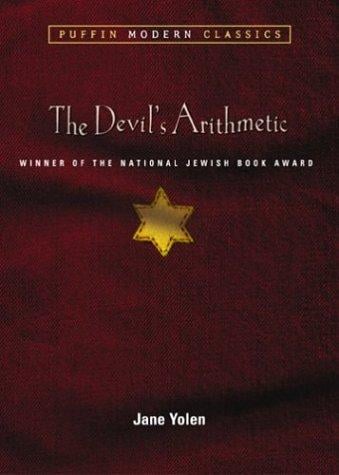
No. 21 on this list. The Devil's Arithmetic · Jane Yolen · 2004
The novel is a staple of middle-school Holocaust units and is widely assigned in American classrooms, yet it is not a university-level canonical text. It is a fixture of young-adult reading lists and sometimes appears on challenged-book lists.
Easy2.4 hours
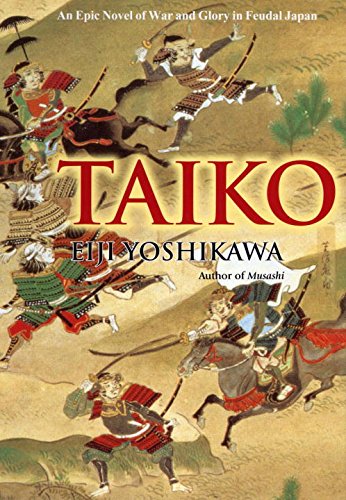
Start this bookNo. 22 on this list. Taiko · Eiji Yoshikawa · 2001
Taiko is a widely read historical novel in Japan and the English-language world, but it is not a fixture of literature curricula.
Easy14 hours
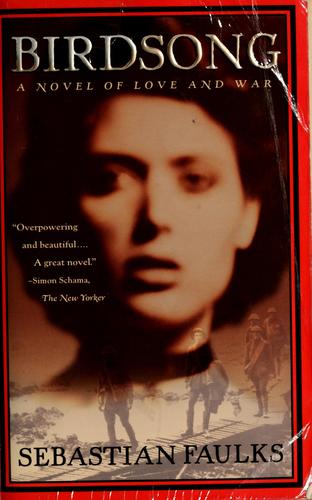
Start this bookNo. 23 on this list. Birdsong · Sebastian Faulks · 1997
Taught in schools: AQA GCSE and A-level English Literature (UK)
Birdsong is widely read and often set in British schools as a First World War novel. It lacks the deep syllabus presence of canonical modern classics like The Remains of the Day.
Easy7.6 hours
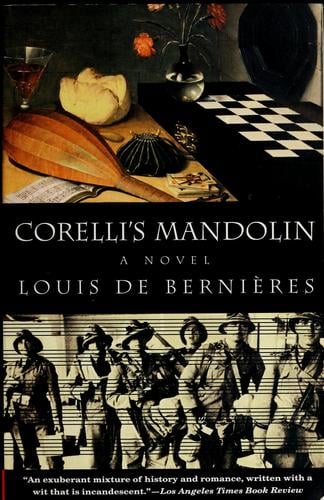
Start this bookNo. 24 on this list. Captain Corelli's Mandolin · Louis de Bernières · 1998
A widely read modern bestseller taught in some contemporary and school courses, but not a standard syllabus text. It sits above Gone Girl in standing.
Moderate7.4 hours
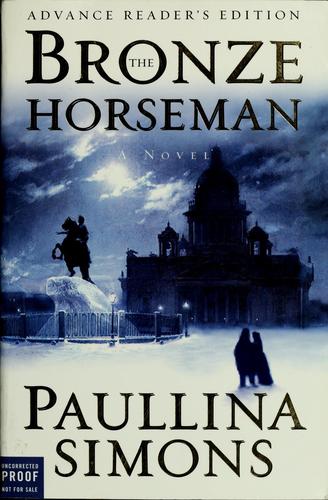
Start this bookNo. 25 on this list. The Bronze Horseman · Paullina Simons · 2001
Cult favorite in historical romance. Beloved for its epic scope and emotional intensity.
Easy9.8 hours
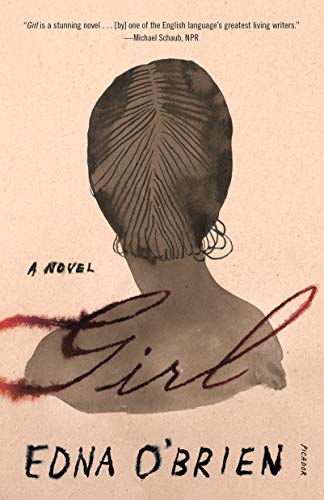
Start this bookNo. 26 on this list. Girl · Edna O'Brien · 2019
No syllabus data or Wikipedia presence found in the database. Published in 2019, the book is too recent to have accumulated significant curriculum placement. O'Brien is well-regarded in Irish and world literature courses, but this specific title has not achieved the institutional footprint of her earlier work like The Country Girls or August is a Wicked Month.
Moderate3.1 hours
Start this bookNo. 27 on this list. These Days · Lucy Caldwell · 2025
Published in 2025, the novel is too recent for syllabi presence. It has the Walter Scott Prize and strong press behind it, which place it above commercial fiction but short of the established canon.
Easy4.7 hours
Start this bookNo. 28 on this list. To Hell and Back · Audie Murphy · 2002
The Holt Paperbacks reissue and multiple editions, including a 1989 Bantam paperback, a 1997 hardcover and a 2005 audiobook, show lasting availability as a classic war memoir. It is not a staple of literature syllabi, so it sits in the niche-to-established range.
Very Easy3.4 hours
Start this bookNo. 29 on this list. The Surrendered · Chang-rae Lee · 2010
Three lives converge on a Korean War orphanage in 1950: June Han, a Korean girl who survived the refugee march south and lost her entire family; Hector Brennan, a young American GI assigned to the orphanage who carries the guilt of an atrocity he committed during the fighting; and Sylvie Tanner, the wife of the orphanage's director, a former antiques dealer who survived World War II in Manchuria and is now dying of a morphine addiction and an undiagnosed cancer. Lee follows all three across decades -- June to 1986 New York, where she runs an antiques shop and drinks herself toward death; Hector to the same city, where he has spent thirty years trying not to feel anything; and Sylvie backward to her wartime experiences in Manchuria, where her survival cost someone else their life. The novel's structure braids past and present, Korea and America, and Lee writes violence with unflinching specificity: the refugee march, the battlefield, the Manchurian winter. The prose is dense, controlled, and unsentimental, and Lee's central argument -- that war does not end when the shooting stops but lives on in the bodies and psyches of survivors -- is made through the accumulated weight of three damaged lives. The novel was a finalist for the Pulitzer Prize and confirmed Lee as one of the most ambitious Korean-American novelists of his generation.
Easy7.8 hours
Start this bookNo. 30 on this list. Milkweed · Jerry Spinelli · 2003
Spinelli's book is a staple of middle-school Holocaust-literature units, but it is not a fixture of university syllabi. It stands well above commercial romance and well below the school canon of Gatsby.
Easy2.9 hours
Start this book

No. 31 on this list. A Thousand Splendid Suns
Khaled Hosseini · 2007
Taught in schools: Pearson Edexcel GCSE and A-level English Literature (UK)
No. 32 on this list. Rebel Raider: The Life of General John Hunt Morgan
James A. Ramage · 1995
No. 33 on this list. The Nightingale
Kristin Hannah · 2015
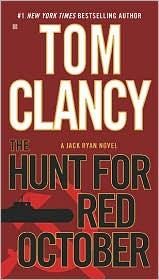
No. 34 on this list. The Hunt for Red October
Tom Clancy · 1984
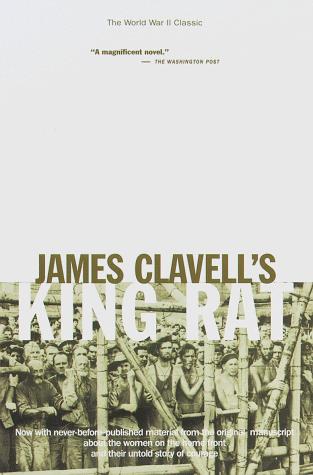
No. 35 on this list. King Rat
James Clavell · 1962
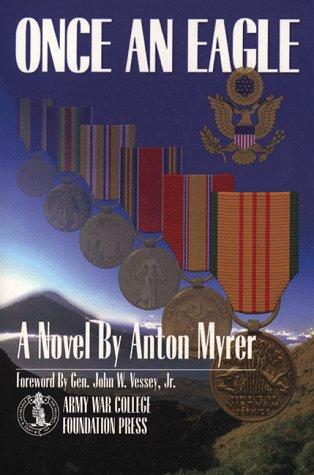
No. 36 on this list. Once An Eagle
Anton Myrer · 1968
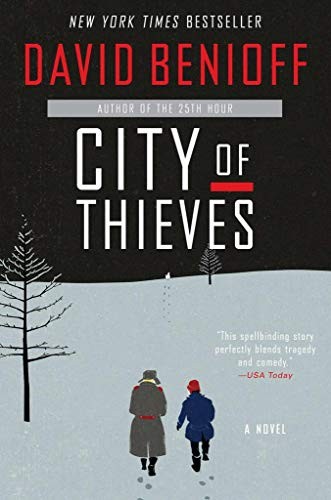
No. 37 on this list. City of Thieves
David Benioff · 2008
No. 38 on this list. Divine Rivals, Ruthless Vows
REBECCA ROSS · 2024
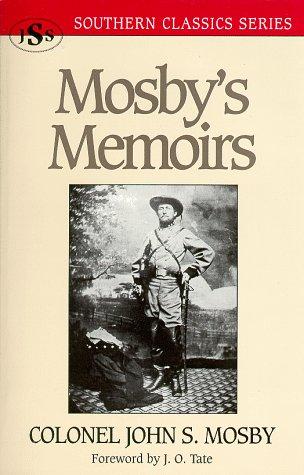
No. 39 on this list. The Memoirs of Colonel John S. Mosby
John Singleton Mosby · 2015
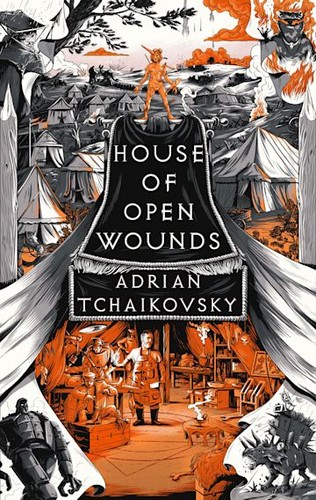
No. 40 on this list. House of Open Wounds
Adrian Tchaikovsky · 2023
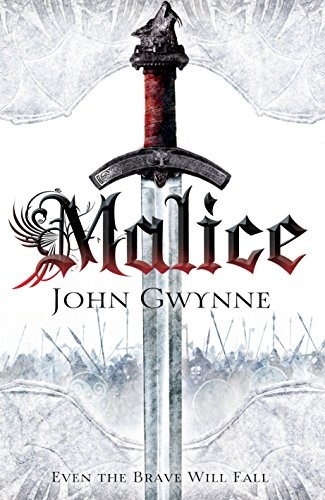
No. 41 on this list. Malice
John Gwynne · 2012
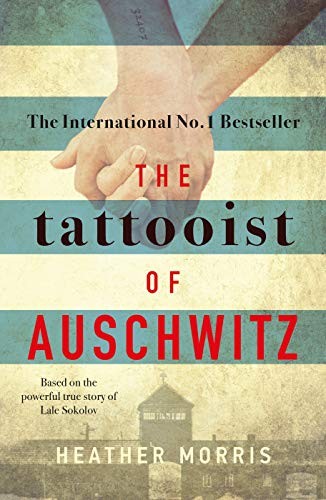
No. 42 on this list. The Tattooist of Auschwitz
Heather Morris · 2018
No. 43 on this list. Morning Star
Pierce Brown · 2016
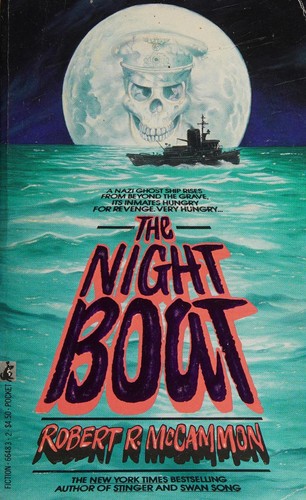
No. 44 on this list. The Night Boat
Robert McCammon · 1988
No. 45 on this list. Iron Gold
Pierce Brown · 2018
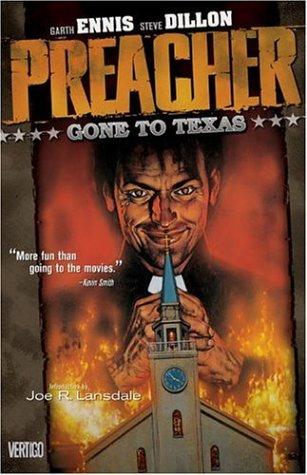
No. 46 on this list. Gone to Texas
Forrest Carter · 1976
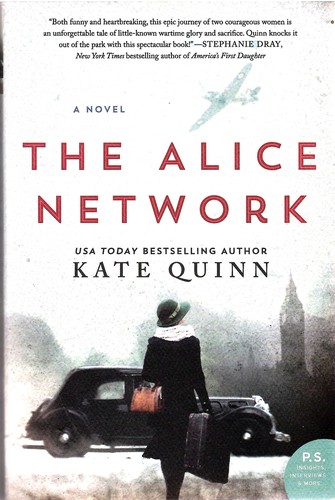
No. 47 on this list. The Alice Network
Kate Quinn · 2017
No. 48 on this list. The Warm Hands of Ghosts
Katherine Arden · 2024
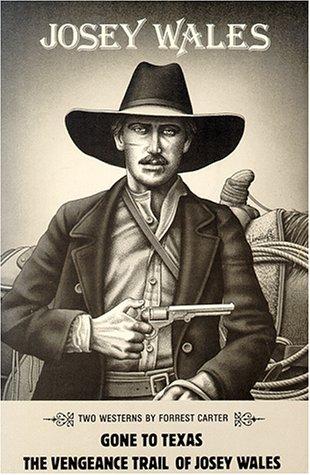
No. 49 on this list. Josey Wales: Two Westerns
Forrest Carter · 1989
No. 50 on this list. The Wolf's Hour
Robert McCammon · 1989

No. 51 on this list. The Huntress
Kate Quinn · 2019
No. 52 on this list. Clear and Present Danger (Jack Ryan, #5; Jack Ryan Universe, #6)
Tom Clancy · 1994
No. 53 on this list. The Rose of Sebastopol
Katharine McMahon · 2007
No. 54 on this list. God of Vengeance
Giles Kristian · 2014
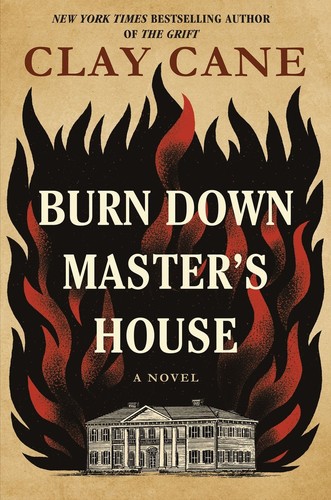
No. 55 on this list. Burn Down Master's House
Clay Cane · 2026
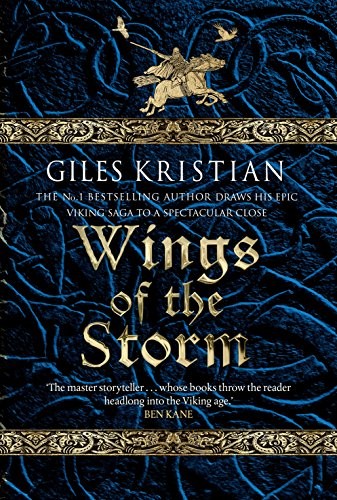
No. 56 on this list. Wings of the Storm
Giles Kristian · 2017
No. 57 on this list. The Sword of Kaigen
M.L. Wang · 2019
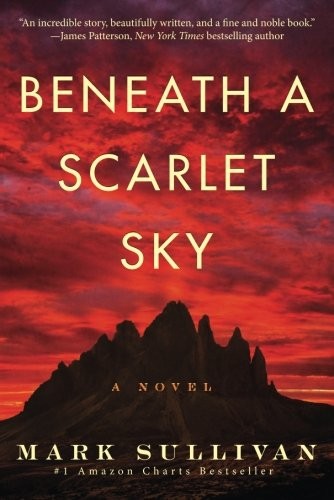
No. 58 on this list. Beneath a Scarlet Sky
Mark Sullivan · 2017
No. 59 on this list. Camelot
Giles Kristian · 2020
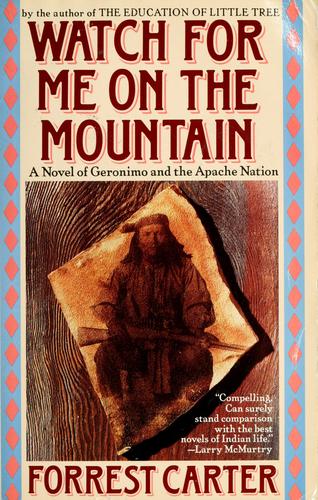
No. 60 on this list. Watch for Me on the Mountain
Forrest Carter · 1990


About this list
These 64 books are the highest-scoring eligible easy war novels currently in the catalogue. By literary regard, it opens with All Quiet on the Western Front, The Last of the Mohicans and The Time of the Doves. About 393 hours of reading in all. Difficulty runs from 28 to 37 out of 100 for the middle half of the list; the summit is The Land at the End of the World at 43.
This list is ranked by literary regard, with a consistent order for equal scores. Membership follows authors and co-authors, not translators or editors. Catalogue coverage and the historical canon both limit what this list can represent, and genre labels are the catalogue’s own, gathered into broader kinds.
When we matched the Canons dataset to our catalogue in October 2026, our canonical-status scores rose with the number of school curricula, publisher series and lists in it that cite a work: the median score was 72 for books one such source cites, 84 at two, 88 at three, 92 at four and 93 at five or more. Prizes are left out of that count. Outside the state curricula, the dataset’s sources choose mostly from what has been translated into English or French, so it is a weaker check on other literatures. Source: Canons (Andrew Piper), CC BY 4.0
Questions people actually ask
- What are the best easy war novels?
- By literary regard, which weighs canonical status, critical standing and influence, All Quiet on the Western Front, The Last of the Mohicans, The Time of the Doves, The Art of War and The Truce lead. ReadingRate ranks 64 such books, each with a difficulty score and a reading-time estimate.
- Where should I start with easy war novels?
- Start from difficulty, not from rank. The most approachable books on this list that still carry top literary regard are All Quiet on the Western Front by Erich Maria Remarque (about 4.3 hours), The Time of the Doves by Mercè Rodoreda and The Last of the Mohicans by James Fenimore Cooper.
- How hard are easy war novels to read?
- Most of this list sits between 28 and 37 on ReadingRate's 100-point difficulty scale, where 40 to 55 is moderate. The summit is The Land at the End of the World at 43. Every entry carries its own score, so a reader can pick a great book at a difficulty they will finish.
- How is this list ranked?
- On literary-regard data: how canonically established a work is, its critical standing, and its influence on later writing. It is not a readers’ poll, which is why recent bestsellers rarely appear. Membership follows authors and co-authors, not translators or editors. A list that is not a genre list keeps to literature (fiction, poetry, drama and philosophy), with philosophy taking no more than one slot in five while there is literature left to rank; every list holds at most three works by one author.