Hours at an average pace
Showing 43 books
About 304 hours for 43 of 43 books with measured lengths. Estimates use 250 words a minute, adjusted for each book's difficulty. At 2 hours a day, about 153 days for those books.
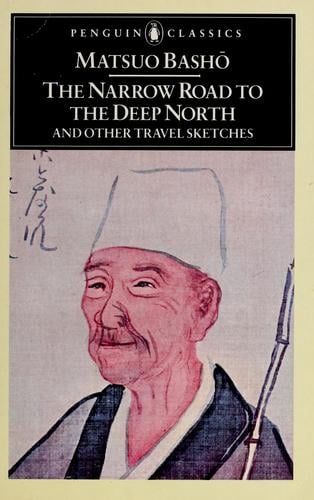
No. 1 on this list. The Narrow Road to the Deep North and Other Travel Sketches
Matsuo Bashō · 1702
Challenging2.2 hours
The central text of classical Japanese travel writing, compulsory in Japanese education and standard in world-literature and poetry courses everywhere, in print in Penguin Classics and multiple competing translations.
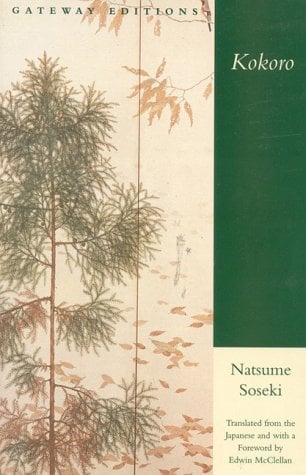
No. 2 on this list. Kokoro
Natsume Sōseki · 1914
Moderate4.5 hours
Included in: UNESCO Collection of Representative Works
Kokoro is universally regarded as the supreme masterpiece of modern Japanese literature and one of the most important novels of the twentieth century in any language. It is the single most commonly assigned novel in Japanese high schools and universities, and appears on literature syllabi worldwide. It has been continuously in print since 1914 and has been translated into dozens of languages. It is a permanent fixture of every serious list of world literature, from the Penguin Classics and Oxford World Classics catalogs to Harold Bloom's discussions of global literary achievement.
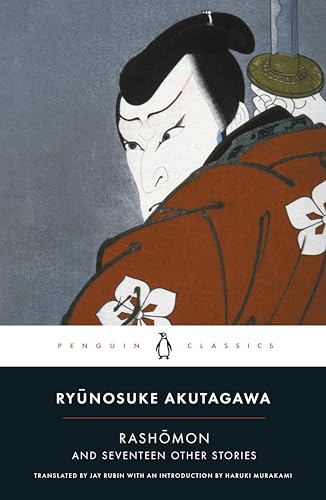
Akutagawa is central to the Japanese literary canon and his stories are among the most widely read works of Japanese literature internationally, amplified by Kurosawa's adaptations.
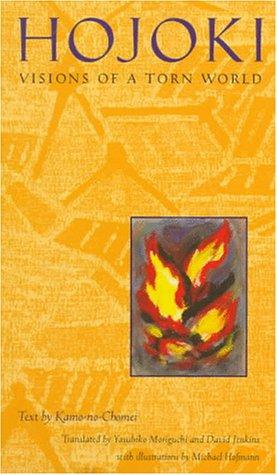
One of the three canonical works of classical Japanese prose alongside The Pillow Book and Essays in Idleness, memorised in Japanese schools and standard in world-literature and Buddhist-studies courses.
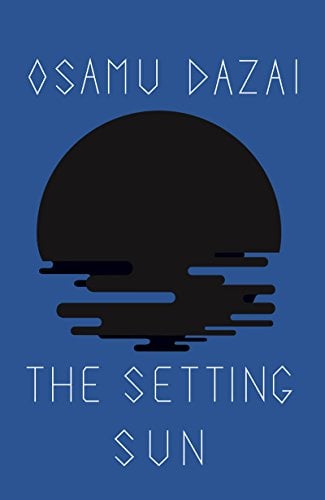
A cornerstone of postwar Japanese literature, widely taught in Japanese and world literature courses internationally. The word 'shayozoku' ('people of the setting sun') entered the Japanese language from this novel's publication in 1947, marking its immediate cultural impact. Donald Keene's 1956 English translation established it as essential reading in Western Japanese literature curricula.
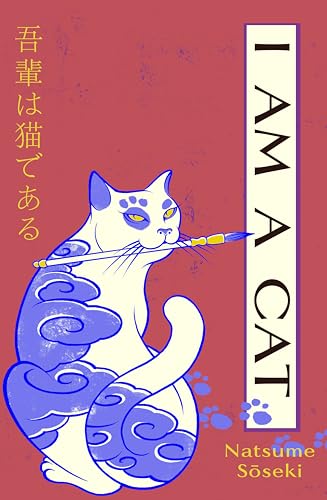
No. 6 on this list. I Am a Cat
Natsume Sōseki · 1905
Difficult25 hours
Included in: UNESCO Collection of Representative Works
A cornerstone of modern Japanese literature, 'I Am a Cat' is taught across Japanese universities and regularly appears in world literature curricula internationally. Soseki's debut launched one of the most celebrated literary careers in Japanese history, and the novel remains required reading in discussions of Meiji-era fiction and the development of the modern Japanese novel form.
The standard modern Japanese novel on courses in religion and literature, world literature and postcolonial Christianity, in print in Picador Classics and Taplinger editions in more than twenty languages.
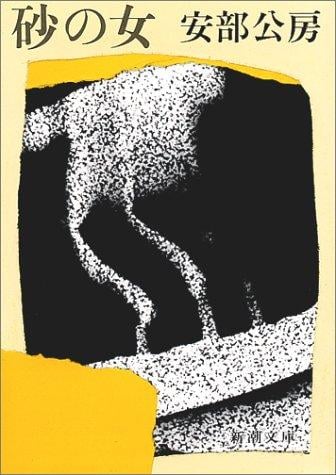
No. 8 on this list. The Woman in the Dunes
Kobo Abe · 1962
Challenging5.1 hours
Included in: UNESCO Collection of Representative Works
Regularly taught in world literature, Japanese literature, and existentialist fiction courses at the university level. Appears on major 'greatest novels' lists including Time's All-TIME 100 and Modern Library recommendations. Considered the defining work of postwar Japanese existentialist fiction and one of the premier Japanese novels of the twentieth century. Its canonical status outside Japan is particularly strong given the acclaimed 1964 Teshigahara film adaptation.
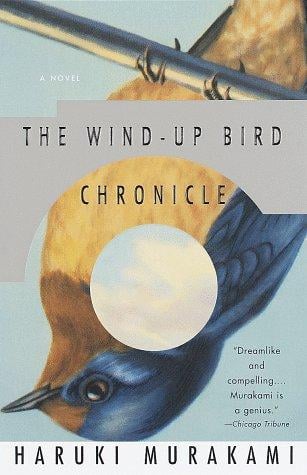
Toru Okada is making spaghetti when an anonymous woman calls to say they need ten minutes to understand each other. Then his cat vanishes. Then his wife Kumiko disappears entirely, leaving only a letter about her brother and a request not to look for her. This is how The Wind-Up Bird Chronicle begins: with domestic life dissolving from the inside, one ordinary item at a time. Murakami keeps Toru's voice flat and patient throughout — he irons shirts when upset, counts stages, watches his garden — while everything around him tilts into the surreal. He descends into a dry well in a neighbor's yard and emerges changed, a blue-black mark spreading across his cheek. He encounters Malta and Creta Kano, psychic sisters whose names are Mediterranean islands. He sits across a table from a television personality who may be the novel's primary evil. Threaded through the present is Lt. Mamiya's account of the Mongolian desert in 1939 — atrocity reported in the same matter-of-fact voice Toru uses to describe boiling water. The novel operates on the logic of a dream that refuses to dissolve on waking: causality suspended, meaning promised and withheld simultaneously. Murakami never explains his machinery. By the end, what remains is a portrait of a man in a long wait — for his wife, for answers, for the world to wind itself back up.
No. 10 on this list. Spring Snow
Yukio Mishima · 1969
Difficult14 hours
Included in: UNESCO Collection of Representative Works
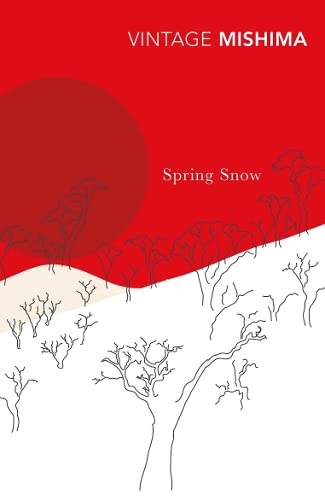
Spring Snow is the first volume of Mishima's Sea of Fertility tetralogy and is regularly taught in world literature and Japanese literature courses at universities globally. While no database syllabus data was retrieved, the novel is widely regarded as one of the essential works of 20th-century Japanese literature and appears frequently on recommended reading lists for modern world fiction.
No. 11 on this list. The Temple of the Golden Pavilion · Yukio Mishima · 1956
Included in: UNESCO Collection of Representative Works
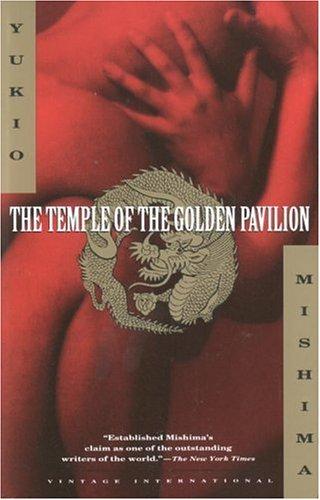
The Temple of the Golden Pavilion is the most widely taught of Mishima's novels internationally, assigned regularly in university world literature, Japanese literature, and comparative literature courses across North America, Europe, and Japan. It is the standard entry point for Mishima in academic syllabi and appears on major 'essential world fiction' lists.
Challenging9.6 hours
Start this bookNo. 12 on this list. A Dark Night's Passing · Naoya Shiga · 1937
Included in: UNESCO Collection of Representative Works
The central text of the Japanese I-novel and a fixture of modern Japanese literature syllabi, though its length and slowness keep it less read abroad than Sōseki or Kawabata.
Challenging14 hours
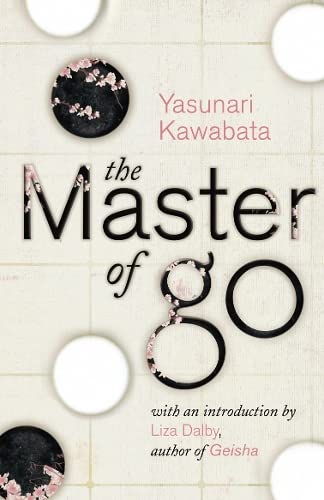
Start this bookNo. 13 on this list. The Master of Go · Yasunari Kawabata · 1954
Regularly taught in Japanese literature and world literature courses at university level, though less ubiquitous than Kawabata's Snow Country. Recognized as one of the key texts for understanding 20th-century Japanese prose and the aesthetic of mono no aware. Its inclusion in Nobel Prize retrospectives solidified its place in the world literature canon.
Challenging3.7 hours
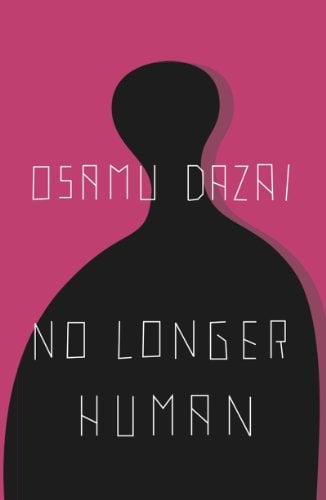
Start this bookNo. 14 on this list. No Longer Human · Osamu Dazai · 1948
Yozo Oba has spent his entire life performing. Around adults as a child, around classmates as a student, around women as a man — he clowns, flatters, and accommodates, concealing behind a cheerful mask what he calls his bottomless terror of human beings. No Longer Human is his confession, written across three notebooks and framed by a stranger who finds them after Yozo has disappeared into an asylum. Dazai published this in 1948, three weeks before drowning himself in the Tamagawa Canal. The autobiography is partial and disputed — the framing narrator calls Yozo 'an angel,' while Yozo calls himself disqualified from the human race — and the gap between those two verdicts is where the novel lives. What looks like self-destruction is also, Dazai suggests, a form of radical honesty: Yozo sees human social life as collective performance and refuses to pretend he doesn't. The reading experience is suffocating in the best sense. Yozo's voice is precise, intelligent, and relentlessly turned inward, excavating each small humiliation and moral failure with a clarity that implicates the reader. This is not a novel of plot — it is a novel of consciousness, and Dazai gives that consciousness nowhere comfortable to rest. Japan's second-best-selling novel of all time.
Difficult4.7 hours
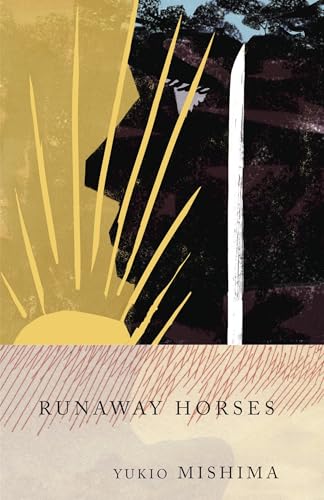
Start this bookNo. 15 on this list. Runaway Horses · Yukio Mishima · 1969
Kiyoaki Matsugae died in 1914 with a dying prophecy — 'I will see you again. I know it. Beneath the falls.' Eighteen years later, Honda Shigekuni, now a judge, watches a young kendo prodigy named Isao perform at a tournament and recognizes three moles on the young man's ribs in exactly the configuration Kiyoaki bore. Honda becomes convinced that his dead friend has been reborn. Isao is nothing like the dreamy, tragic Kiyoaki. He is fierce, ascetic, burning with devotion to the Emperor and contempt for the financiers he believes have corrupted Japan's soul. He and a small band of young men have drawn up a list of names — industrialists who must die — and a plan for purification through violence, modeled on the samurai of the Shinpuren Rebellion of 1876, who charged rifles with swords and lost everything. Runaway Horses is the second volume of Mishima's four-part tetralogy The Sea of Fertility, completed the morning he died. The novel runs two tracks simultaneously: Honda's philosophically unsettling quest to confirm transmigration of souls, and Isao's intensifying martyrdom complex, told through Mishima's dense, formal prose and an embedded historical chronicle of the Shinpuren Rebellion that reads like sacred text. What accumulates is a portrait of the Japanese 1930s as a moment of fatal intoxication — young men drunk on purity, on sacrifice, on the beauty of a clean death.
Difficult20 hours
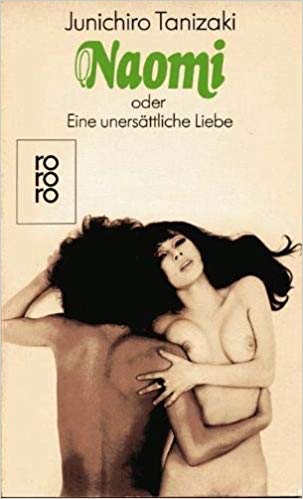
Start this bookNo. 16 on this list. Naomi · Jun'ichirō Tanizaki · 1924
Naomi is a staple of Japanese literature and world literature courses at universities across the United States, Europe, and Japan — Tanizaki's most accessible novel and the one most commonly assigned to introduce his work. While not as universally required as Kafka or Fitzgerald, it appears consistently in syllabi on Japanese modernism and postcolonial readings of cultural identity. The 'Naomi-ism' phenomenon it catalyzed became shorthand in Japanese cultural criticism for the era's anxious Westernization.
Challenging6.5 hours
Start this bookNo. 17 on this list. Night on the Galactic Railroad · Kenji Miyazawa · 1934
One of the most beloved and widely adapted works in Japanese literature. Cultural landmark.
Moderate1.9 hours
Start this bookNo. 18 on this list. The Wild Geese · Mori Ōgai · 1913
A standard text in modern Japanese literature courses and one of the two or three Ōgai works reliably in English translation, from Tuttle and Michigan.
Challenging4.7 hours
Start this bookNo. 19 on this list. Botchan · Natsume Sōseki · 1906
Included in: UNESCO Collection of Representative Works
The most widely read novel in Japanese literature. A national cultural touchstone for over a century.
Easy2.1 hours
Read nowNo. 20 on this list. Black Rain · Masuji Ibuse · 1966
The standard literary text on Hiroshima in Japanese and world-literature courses, in print in Kodansha International and Bantam editions and translated into more than fifteen languages.
Challenging8.3 hours
Start this book
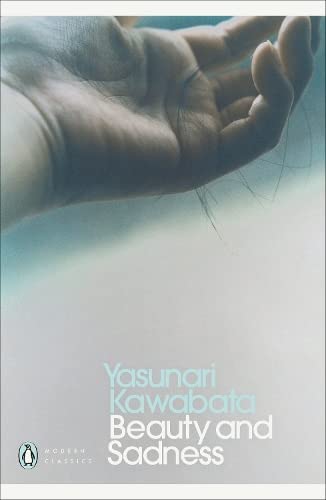
No. 21 on this list. Beauty and Sadness · Yasunari Kawabata · 1965
Kawabata is Japan's first Nobel laureate in literature (1968) and Beauty and Sadness is regularly taught in Japanese literature and world literature courses. Wikipedia covers the novel in multiple languages, and it appears in major publisher catalogs (Vintage, Penguin, Knopf). Its canonical status is firm among Kawabata's output but secondary to Snow Country and The Sound of Waves in Western syllabi — placing it above 2666 (65) but below Beloved (85).
Challenging3.7 hours
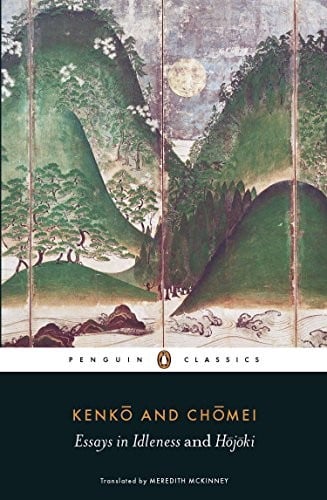
Start this bookNo. 22 on this list. Essays in Idleness · Yoshida Kenko · 1332
One of the three pillars of the zuihitsu tradition and a foundational text of Japanese aesthetics. Required reading in Japanese education.
Easy2.6 hours
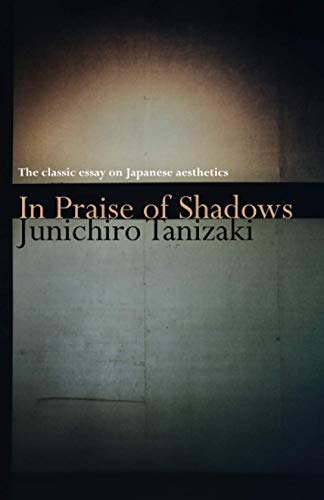
Start this bookNo. 23 on this list. In Praise of Shadows · Jun'ichirō Tanizaki · 1933
Widely taught in university courses on Japanese literature, architecture, design, and aesthetics across the world. No direct syllabus data was retrieved, but the essay has been a fixture of Japanese studies and cross-cultural aesthetics curricula for decades. It appears on most reading lists concerning Japanese cultural identity and modernism.
Moderate1.1 hours
Start this bookNo. 24 on this list. The Broken Commandment · Shimazaki Tōson · 1906
Included in: UNESCO Collection of Representative Works
A standard text of the Meiji canon, compulsory in Japanese literary education and central to courses on Japanese naturalism and on burakumin history.
Challenging6.3 hours
Start this bookNo. 25 on this list. Fires on the Plain · Shōhei Ōoka · 1951
The standard Japanese novel of the Pacific War in world-literature and war-writing courses, in print in Tuttle and Penguin Modern Classics editions.
Difficult6.4 hours
Start this bookNo. 26 on this list. The Makioka Sisters · Jun'ichirō Tanizaki · 1948
Included in: UNESCO Collection of Representative Works
The Makioka Sisters appears regularly on university world literature and Japanese literature syllabi, and is included in most critical surveys of the 20th-century novel. No syllabus count data is available, but the novel's inclusion in the Modern Library and its reputation as essential reading in Japanese fiction courses place it firmly in the upper tier of world literature canon. It is less universally taught than Western fixtures but central to any serious study of modern Japanese prose.
Moderate14 hours
Start this bookNo. 27 on this list. Hard-Boiled Wonderland and the End of the World · Haruki Murakami · 1985
Widely assigned in contemporary world-literature and science-fiction courses and regarded by critics as the most structurally accomplished of Murakami's novels, in print in Vintage International worldwide.
Challenging15 hours
Start this bookNo. 28 on this list. A Wild Sheep Chase · Haruki Murakami · 1982
A standard entry text for Murakami in contemporary world-literature courses, permanently in print in Vintage International and translated into more than forty languages.
Challenging8.8 hours
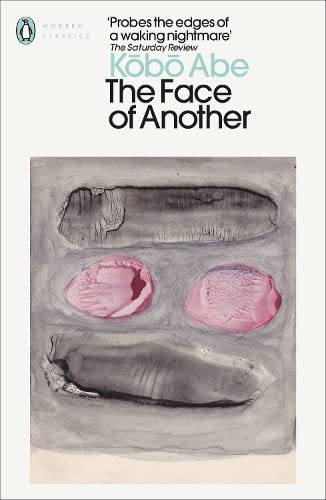
Start this bookNo. 29 on this list. The Face of Another · Kobo Abe · 1964
The Face of Another appears regularly on university syllabi in Japanese literature, comparative literature, and world literature courses, though it is overshadowed in Western curricula by Woman in the Dunes. It is considered essential reading within the Abe canon and appears on most scholarly lists of major postwar Japanese fiction. Less widely taught than works by Mishima or Kawabata in non-specialist contexts.
Difficult8.3 hours
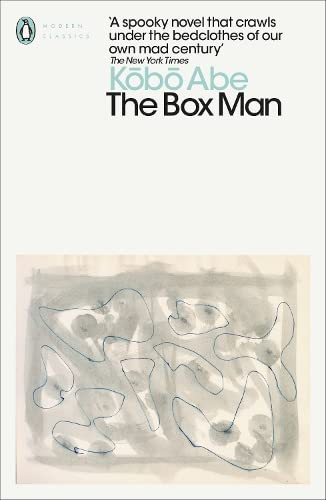
Start this bookNo. 30 on this list. The Box Man · Kobo Abe · 1973
The Box Man appears on comparative literature and Japanese literature syllabi globally, though less frequently than Abe's The Woman in the Dunes, which carries broader undergraduate curriculum presence. The database shows zero syllabus appearances, reflecting a data gap rather than actual absence — Abe is taught consistently in postwar fiction and world literature courses at the graduate level. Not a high school fixture but a recognized graduate-seminar text.
Difficult7.7 hours
Start this book
No. 31 on this list. Inspector Imanishi Investigates
Seichō Matsumoto · 1961
No. 32 on this list. The Hunting Gun
Yasushi Inoue · 1949
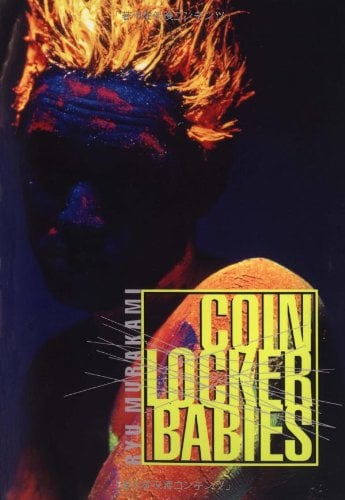
No. 33 on this list. Coin Locker Babies
Ryū Murakami · 1980
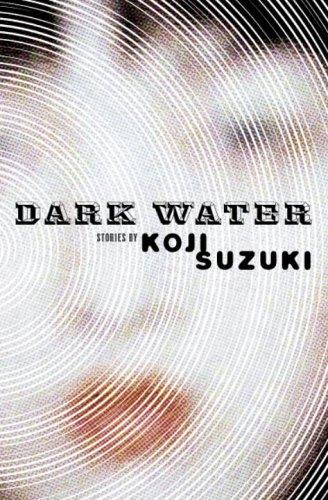
No. 34 on this list. Dark Water
Koji Suzuki · 1996
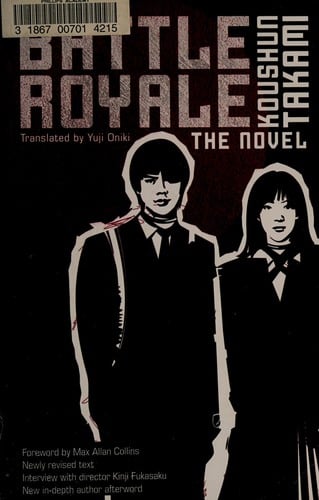
No. 35 on this list. Battle Royale
Koushun Takami · 1999
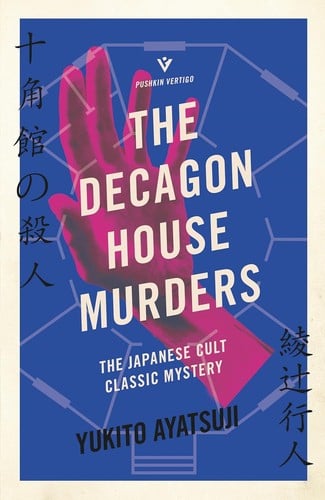
No. 36 on this list. The Decagon House Murders
Yukito Ayatsuji · 1987
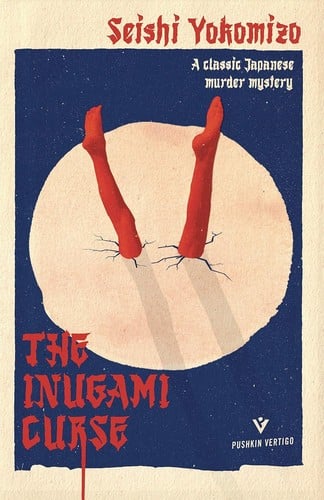
No. 37 on this list. The Inugami Curse
Seishi Yokomizo · 1951
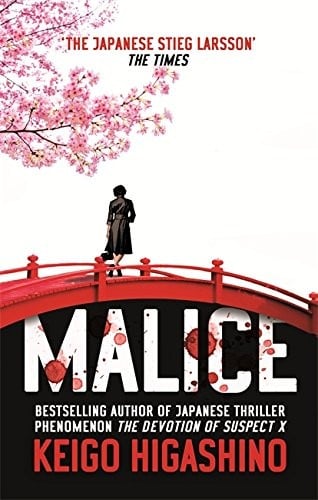
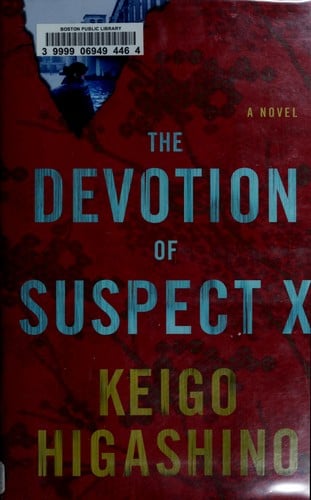
No. 38 on this list. Malice
Keigo Higashino · 1996
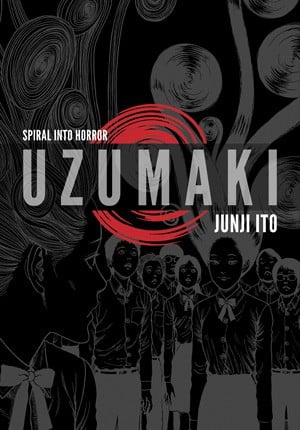
No. 39 on this list. Uzumaki
Junji Ito · 1998
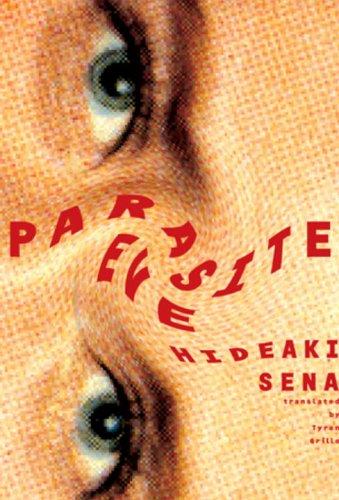
No. 40 on this list. Parasite Eve
Hideaki Sena · 1995
About this list
These 43 books are the highest-scoring eligible books by men in Japanese currently in the catalogue. By literary regard, it opens with The Narrow Road to the Deep North and Other Travel Sketches, Kokoro and Rashomon and Seventeen Other Stories. About 304 hours of reading in all. Difficulty runs from 42 to 67 out of 100 for the middle half of the list; the summit is The Box Man at 82.
This list is ranked by literary regard, with a consistent order for equal scores. Membership follows authors and co-authors, not translators or editors. Catalogue coverage and the historical canon both limit what this list can represent.
When we matched the Canons dataset to our catalogue in October 2026, our canonical-status scores rose with the number of school curricula, publisher series and lists in it that cite a work: the median score was 72 for books one such source cites, 84 at two, 88 at three, 92 at four and 93 at five or more. Prizes are left out of that count. Outside the state curricula, the dataset’s sources choose mostly from what has been translated into English or French, so it is a weaker check on other literatures. Source: Canons (Andrew Piper), CC BY 4.0
Questions people actually ask
- What are the best books by men in Japanese?
- By literary regard, which weighs canonical status, critical standing and influence, The Narrow Road to the Deep North and Other Travel Sketches, Kokoro, Rashomon and Seventeen Other Stories, Hōjōki: An Account of My Hut and The Setting Sun lead. ReadingRate ranks 43 such books, each with a difficulty score and a reading-time estimate.
- Where should I start with books by men in Japanese?
- Start from difficulty, not from rank. The most approachable books on this list that still carry top literary regard are The Wind-Up Bird Chronicle by Haruki Murakami (about 14 hours), Kokoro by Natsume Sōseki and Rashomon and Seventeen Other Stories by Ryūnosuke Akutagawa.
- How hard are books by men in Japanese to read?
- Most of this list sits between 42 and 67 on ReadingRate's 100-point difficulty scale, where 40 to 55 is moderate. The summit is The Box Man at 82. Every entry carries its own score, so a reader can pick a great book at a difficulty they will finish.
- How is this list ranked?
- On literary-regard data: how canonically established a work is, its critical standing, and its influence on later writing. It is not a readers’ poll, which is why recent bestsellers rarely appear. Membership follows authors and co-authors, not translators or editors. A list that is not a genre list keeps to literature (fiction, poetry, drama and philosophy), with philosophy taking no more than one slot in five while there is literature left to rank; every list holds at most three works by one author.