Hours at an average pace
Showing 41 books
About 84 hours for 40 of 41 books with measured lengths. Estimates use 250 words a minute, adjusted for each book's difficulty. At 2 hours a day, about 42 days for those books.
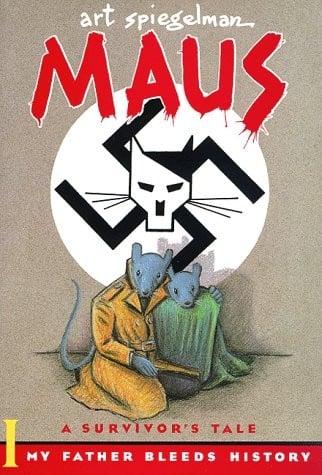
No. 1 on this list. Maus I: A Survivor's Tale: My Father Bleeds History
Art Spiegelman · 1991
Easy2.2 hours
Maus is widely taught in schools and universities as a central Holocaust text and as the key work of the graphic novel, and it won a Pulitzer Prize special award in 1992 for the combined work. It is now standard in comics studies and memory studies.
One of the foundational texts of the graphic novel form. Widely taught, frequently cited in discussions of political fiction and dystopian literature.
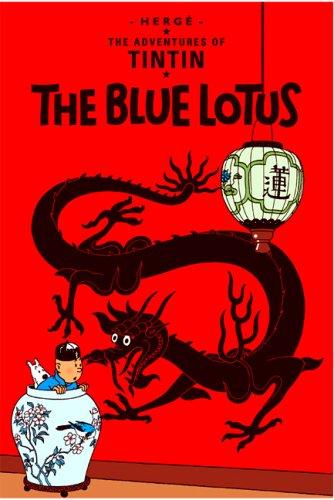
Ranked 18th in Le Monde's 100 Books of the Century, above many canonical novels, and has Wikipedia articles in 40 languages. It is the Tintin album most discussed in comics studies and is widely read across Europe.
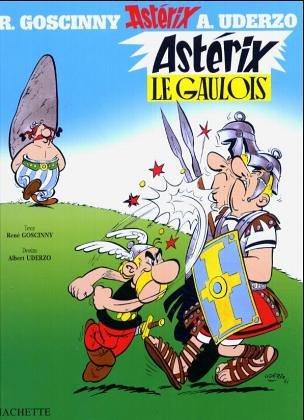
On Le Monde's 100 Books of the Century, an unusual place for a comic album, with a Wikipedia article in 33 languages. It is a fixture of French cultural literacy and studied in courses on bande dessinée, though rarely in literature syllabi.
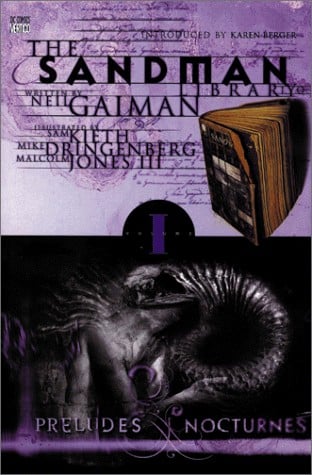
Sandman is widely taught in graphic novel and popular fiction courses, and this first volume is the standard entry point, though not yet a fixture of mainstream literary syllabi.
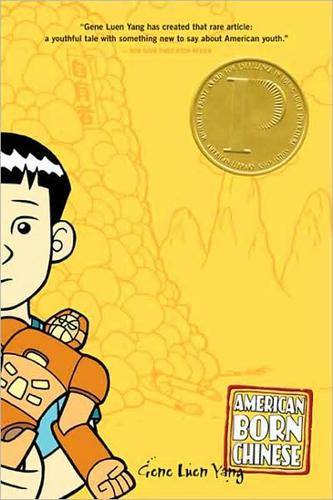
Printz Award winner, first graphic novel nominated for a National Book Award. A foundational text in Asian American graphic literature.
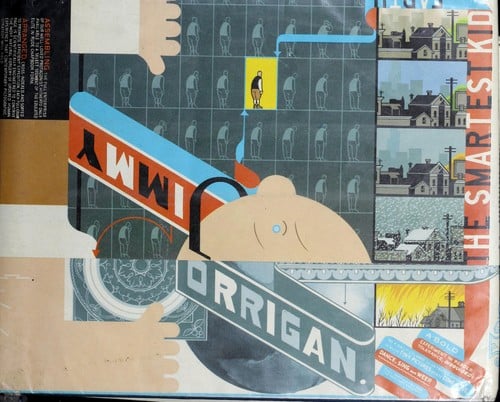
First comic to win a major UK literary prize. Museum exhibitions worldwide.
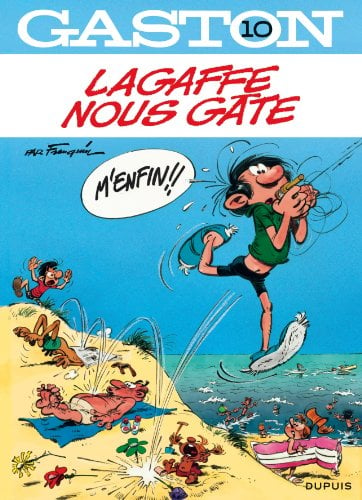
Gaston is on Le Monde's 100 Books of the Century, one of a handful of comics chosen, and has been a fixture of French-speaking popular culture since its 1957 debut in Spirou magazine. Academic attention is concentrated in comics studies.
Berserk is a landmark dark fantasy manga widely discussed in comics studies, but it is rarely on traditional literature syllabi.
First graphic novel to win the Newbery Medal. A landmark in children's graphic literature and in the representation of Black middle-school experience.
No. 11 on this list. Persepolis · Marjane Satrapi · 2000
One of the most important graphic novels ever published. Widely taught in universities.
Easy2.2 hours
Start this bookNo. 12 on this list. Blake and Mortimer · Edgar P. Jacobs · 1946
Edgar P. Jacobs's series, represented by The Yellow 'M', is on Le Monde's 100 Books of the Century and is a classic of Belgian comics, with Wikipedia articles in 19 languages. It is studied mainly in comics studies.
Easy33 min
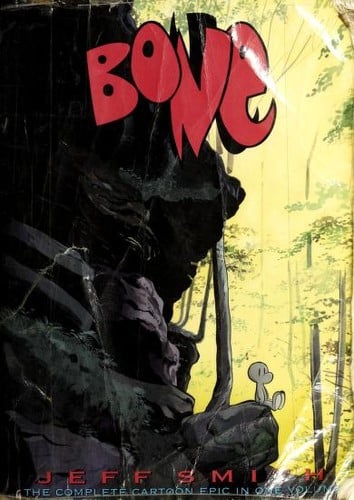
Start this bookNo. 13 on this list. Bone · Jeff Smith · 2004
Bone appears regularly in middle school graphic novel curricula and is listed on virtually every 'essential graphic novels' canon list. TIME magazine named it one of the 10 greatest graphic novels. No Open Syllabus data was found, but its presence in school libraries and recommended reading lists is substantial.
Easy9 hours
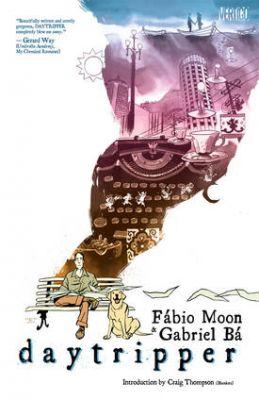
Start this bookNo. 14 on this list. Daytripper · Fábio Moon · 2011
Highly regarded in the graphic novel world and increasingly taught in university courses. Not yet as widely known as older canonical graphic novels.
Easy2.4 hours
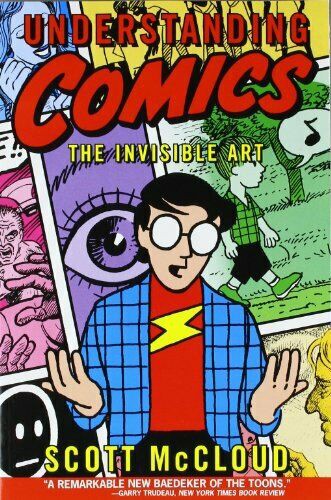
Start this bookNo. 15 on this list. Understanding Comics · Scott McCloud · 1993
McCloud's brilliant, self-reflexive work of comics criticism is itself a comic—a 215-page graphic essay in which a cartoon version of McCloud guides the reader through the theory, history, and vocabulary of sequential art. He defines comics as 'juxtaposed pictorial and other images in deliberate sequence,' traces the form back to Egyptian tomb paintings and the Bayeux Tapestry, and develops a taxonomy of visual styles (from photorealistic to abstract) and panel transitions (moment-to-moment, action-to-action, subject-to-subject, scene-to-scene, aspect-to-aspect, non-sequitur). His concept of 'closure'—the mental process by which readers fill in the gaps between panels—is the book's most influential idea, showing that comics depend on a reader's active participation in ways that film and prose do not. The book demonstrates its own arguments through its form: McCloud uses the comic medium to explain the comic medium, making the invisible art visible.
Easy1.2 hours
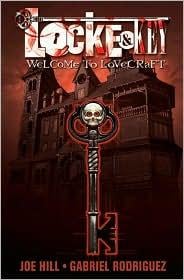
Start this bookNo. 16 on this list. Locke & Key · Joe Hill · 2008
Eisner Award winner. Widely regarded as one of the best horror comics of the 21st century. Netflix adaptation brought broader recognition.
Easy3.4 hours
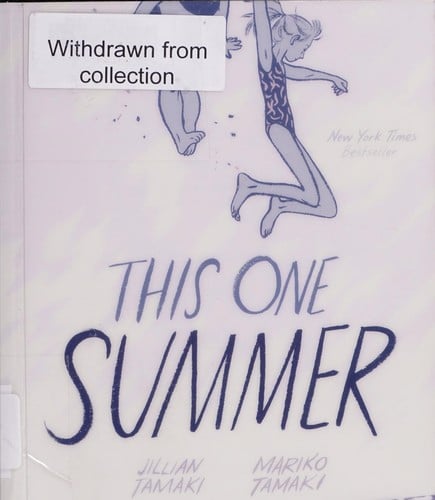
Start this bookNo. 17 on this list. This One Summer · Mariko Tamaki · 2014
Caldecott Honor, Printz Honor, and a widely discussed YA graphic novel. Part of the growing canon of literary graphic fiction for young adults.
Very Easy29 min
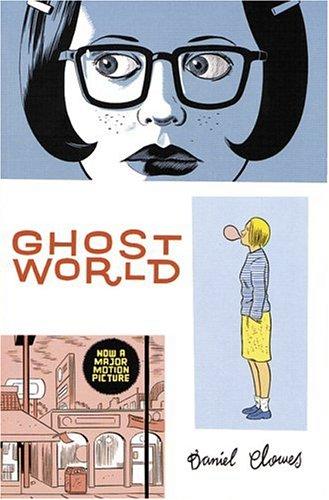
Start this bookNo. 18 on this list. Ghost World · Daniel Clowes · 1997
Foundational alternative comic. Adapted into an acclaimed film.
Easy25 min
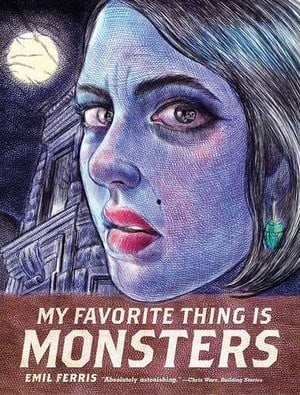
Start this bookNo. 19 on this list. My Favorite Thing Is Monsters · Emil Ferris · 2017
Three Eisner Awards. Fauve d'Or at Angouleme. Instant classic.
Easy54 min
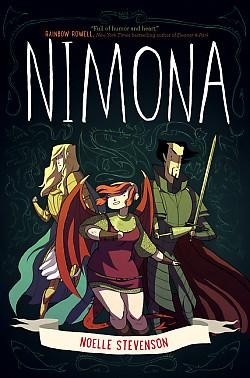
Start this bookNo. 20 on this list. Nimona · Noelle Stevenson · 2015
National Book Award finalist, Eisner Award winner, adapted into an Oscar-nominated animated film. A major work in YA graphic fiction.
Very Easy42 min
Start this book
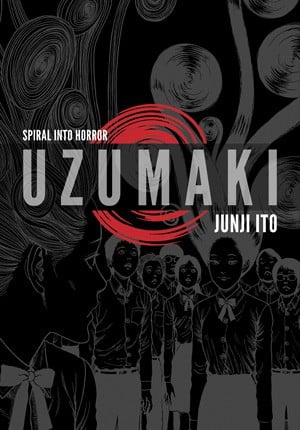
No. 21 on this list. Uzumaki · Junji Ito · 1998
Uzumaki appears on no traditional literary syllabi and has no significant academic curriculum presence. Within manga, horror comics, and graphic novel education it is near-universally cited as the essential Junji Ito work and a defining horror manga of the modern era.
Easy2.7 hours
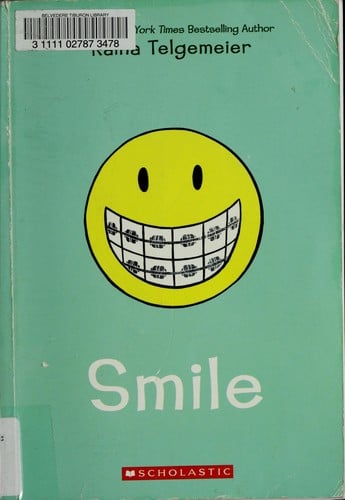
Start this bookNo. 22 on this list. Smile · Raina Telgemeier · 2010
One of the bestselling graphic novels of all time, credited with bringing millions of young readers to comics. A cultural phenomenon.
Very Easy25 min
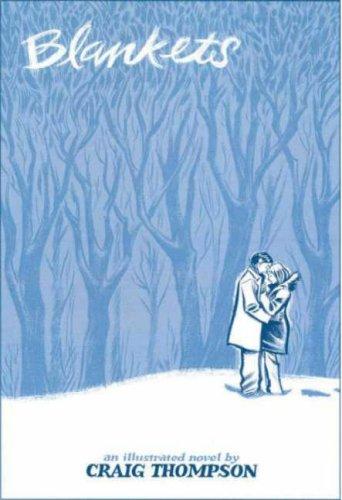
Start this bookNo. 23 on this list. Blankets · Craig Thompson · 2003
One of the most acclaimed graphic novels. Multiple Eisner and Harvey Awards.
Very Easy41 min
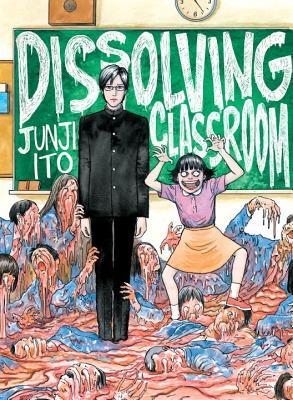
Start this bookNo. 24 on this list. Dissolving Classroom · Junji Ito · 2017
Dissolving Classroom holds solid standing within horror manga and Junji Ito's bibliography but is not among his most-taught or most-referenced works. Uzumaki and Tomie dominate academic and critical discussion of his catalog. No syllabus data or Wikipedia language data captured in database signals.
Moderate37 min
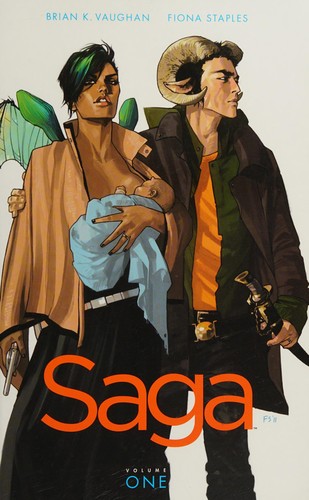
Start this bookNo. 25 on this list. Saga, Volume 1 · Brian K. Vaughan · 2012
One of the defining comics of the 2010s. Multiple Eisner and Hugo awards.
Very Easy28 min
Start this bookNo. 26 on this list. Wake: The Hidden History of Women-Led Slave Revolts · Rebecca Hall · 2021
Zinn Education Project lists the book as a teaching resource, which shows classroom use. As a 2021 release it has no long syllabus record yet, and it sits in the emerging, niche band.
Easy2.9 hours
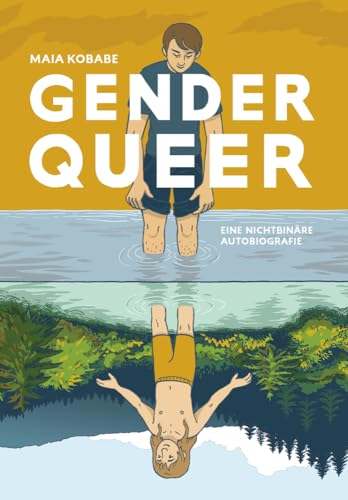
Start this bookNo. 27 on this list. Gender Queer: A Memoir · Maia Kobabe
Gender Queer has not entered traditional academic curricula in significant numbers, partly due to ongoing censorship campaigns that have made institutional adoption contested. The American Library Association named it the most challenged book in the US in both 2021 and 2022, which reflects cultural salience rather than canonical status. It is widely held in public library collections and LGBTQ+ resource lists.
Easy54 min
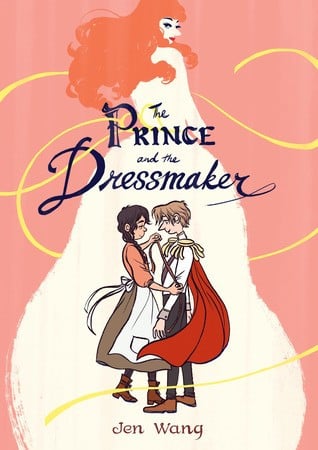
Start this bookNo. 28 on this list. The Prince and the Dressmaker · Jen Wang · 2018
A recent graphic novel that is popular with teen readers and libraries, with some classroom use for LGBTQ+ youth literature but not a standard syllabus text.
Very Easy3.4 hours
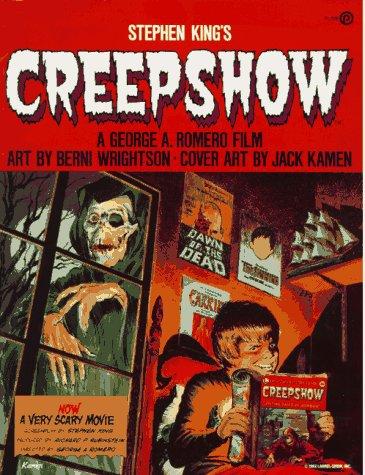
Start this bookNo. 29 on this list. Creepshow · Stephen King · 1982
It belongs to horror and comics fandom, with no syllabus footprint recorded. It sits with popular genre works rather than literary curricula, like The Da Vinci Code.
Very Easy50 min
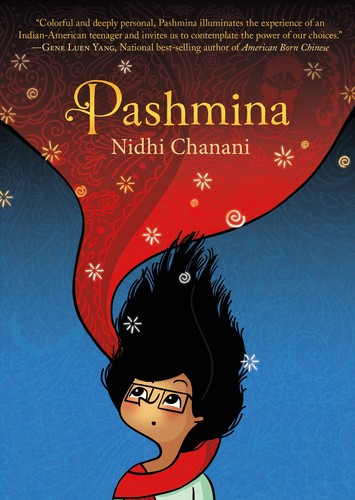
Start this bookNo. 30 on this list. Pashmina · Nidhi Chanani · 2017
A well-received debut graphic novel that contributed to the growing representation of South Asian American stories in YA.
Very Easy26 min
Start this book

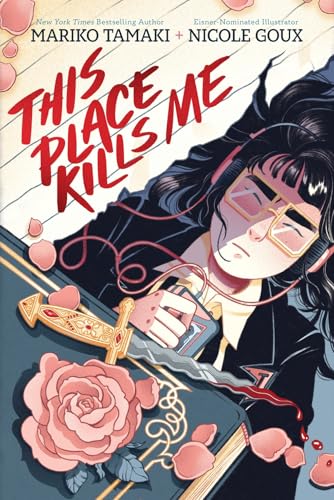
No. 31 on this list. This Place Kills Me
Mariko Tamaki · 2025
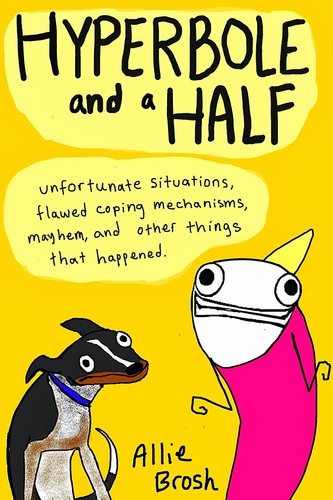
No. 32 on this list. Hyperbole and a Half
Allie Brosh · 2013
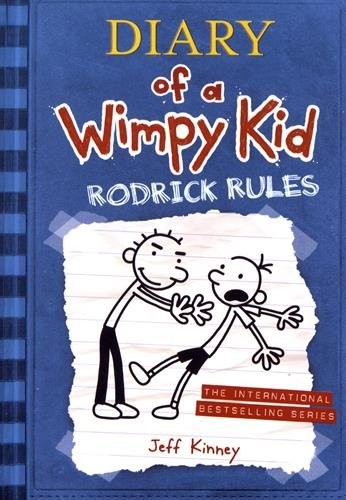
No. 33 on this list. Rodrick Rules
Jeff Kinney · 2007
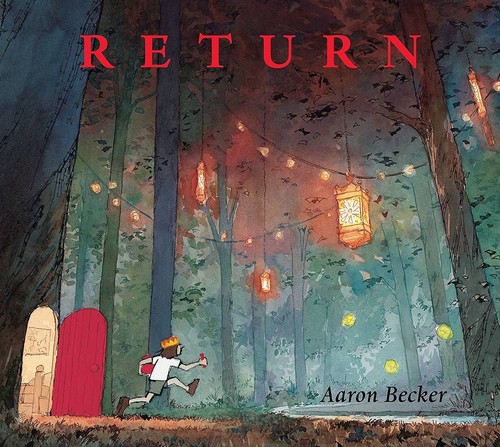
No. 34 on this list. Return
Aaron Becker · 2016
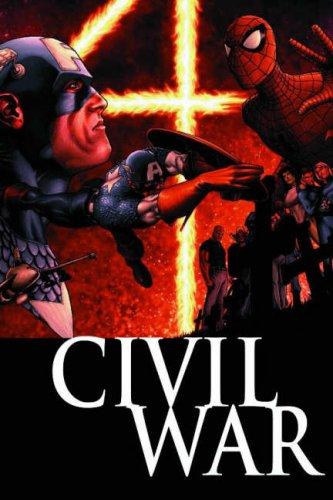
No. 35 on this list. Civil War
Mark Millar · 2006
No. 36 on this list. Two Tribes
Fearne Hill · 2023
No. 37 on this list. New Manhwa of the world: Solo Leveling volume 2
Dubu · 2021
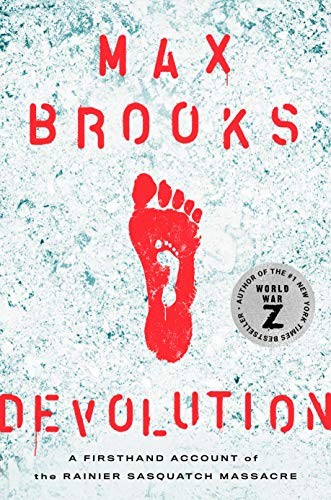
No. 38 on this list. Devolution
Rick Remender · 2020
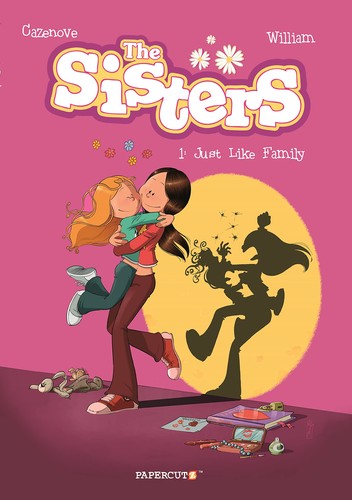
No. 39 on this list. The sisters
Cazenove · 2016
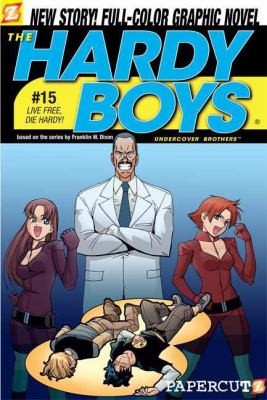
No. 40 on this list. Live Free, Die Hardy!
Scott Lobdell · 2008

About this list
These 41 books are the highest-scoring eligible easy graphic novels currently in the catalogue. By literary regard, it opens with Maus I: A Survivor's Tale: My Father Bleeds History, V for Vendetta and The Blue Lotus. About 84 hours of reading in all, for the 40 with measured lengths. Difficulty runs from 20 to 35 out of 100 for the middle half of the list; the summit is Jimmy Corrigan, the Smartest Kid on Earth at 42.
This list is ranked by literary regard, with a consistent order for equal scores. Membership follows authors and co-authors, not translators or editors. Catalogue coverage and the historical canon both limit what this list can represent, and genre labels are the catalogue’s own, gathered into broader kinds.
When we matched the Canons dataset to our catalogue in October 2026, our canonical-status scores rose with the number of school curricula, publisher series and lists in it that cite a work: the median score was 72 for books one such source cites, 84 at two, 88 at three, 92 at four and 93 at five or more. Prizes are left out of that count. Outside the state curricula, the dataset’s sources choose mostly from what has been translated into English or French, so it is a weaker check on other literatures. Source: Canons (Andrew Piper), CC BY 4.0
Questions people actually ask
- What are the best easy graphic novels?
- By literary regard, which weighs canonical status, critical standing and influence, Maus I: A Survivor's Tale: My Father Bleeds History, V for Vendetta, The Blue Lotus, Asterix the Gaul and The Sandman, Vol. 1: Preludes & Nocturnes lead. ReadingRate ranks 41 such books, each with a difficulty score and a reading-time estimate.
- Where should I start with easy graphic novels?
- Start from difficulty, not from rank. The most approachable books on this list that still carry top literary regard are Asterix the Gaul by René Goscinny (about 22 min), Maus I: A Survivor's Tale: My Father Bleeds History by Art Spiegelman and The Blue Lotus by Hergé.
- How hard are easy graphic novels to read?
- Most of this list sits between 20 and 35 on ReadingRate's 100-point difficulty scale, where 40 to 55 is moderate. The summit is Jimmy Corrigan, the Smartest Kid on Earth at 42. Every entry carries its own score, so a reader can pick a great book at a difficulty they will finish.
- How is this list ranked?
- On literary-regard data: how canonically established a work is, its critical standing, and its influence on later writing. It is not a readers’ poll, which is why recent bestsellers rarely appear. Membership follows authors and co-authors, not translators or editors. A list that is not a genre list keeps to literature (fiction, poetry, drama and philosophy), with philosophy taking no more than one slot in five while there is literature left to rank; every list holds at most three works by one author.