Hours at an average pace
Showing 52 books
About 654 hours for 52 of 52 books with measured lengths. Estimates use 250 words a minute, adjusted for each book's difficulty. At 2 hours a day, about 328 days for those books.
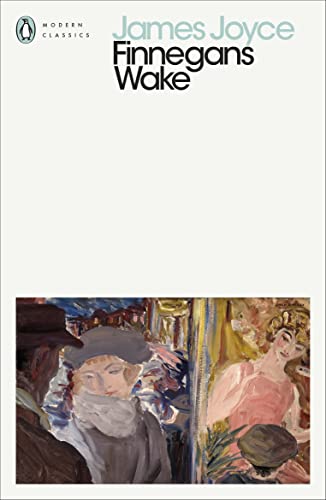
Finnegans Wake appears on 108 university syllabi (Open Syllabus, 50th percentile) and holds a Wikipedia article in 39 languages. It is listed on the Modern Library 100 Best Novels and published by NYRB Classics. Syllabus presence is lower than Ulysses because the book is taught almost exclusively in graduate Joyce seminars and advanced modernism courses — its difficulty makes undergraduate adoption rare.
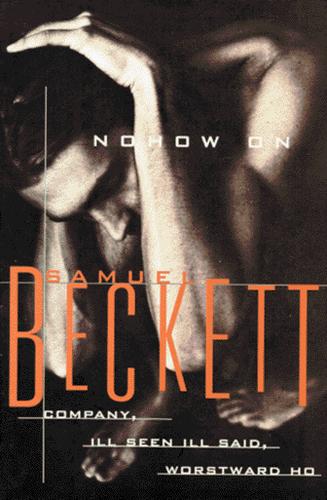
An old woman lives alone in a stone cabin at the edge of a formless landscape. She watches Venus rise and the moon whiten the stones. She makes her slow way to a tomb bearing flowers. Twelve figures linger always in the distance — still, or receding — and she never sees one come toward her. A narrating eye watches her, reports what it sees, then immediately doubts its own report. 'Ill seen' is both title and method: Beckett spent his late career stripping the novel to whatever cannot be further removed, and Ill Seen Ill Said is among the most extreme results. There is no plot and almost no character in the usual sense — only perception failing to fix its object, language circling what it cannot say. The woman seems to be dying, or has always been dying, or is a figment the narrator cannot quite relinquish. A buttonhook trembles on its nail throughout; the stones encroach on the pastures year by year; and at the last a voice says: 'Know happiness.' At eighty-odd pages this is Beckett at his most concentrated — difficult, beautiful, and utterly unlike anything else.
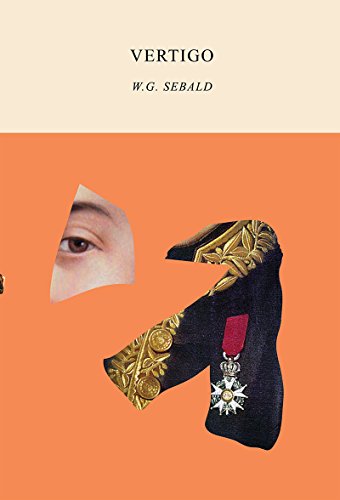
A narrator wanders through northern Italy in the late 1980s, haunted by a sense that the same catastrophe keeps arriving in different costume. He sits in a Verona archive reading newspapers from 1913—the year before everything collapsed—and finds himself unable to leave. In the second section, a figure called Dr K. travels from Vienna to Venice to Riva, conducting a doomed romance with a girl from Genoa and hearing, at a sanatorium dinner table, a general's theory that battles are decided by specific gravity, not willpower. These two time periods—the narrator's present and Franz Kafka's 1913—are laid over each other until they become one.\n\nSebald writes long, unhurried paragraphs that gather subordinate clauses the way rivers gather tributaries: you are always moving forward but the channel keeps widening. Photographs appear without captions. Characters arrive and dissolve. The dead hunter Gracchus, lost between worlds because a helmsman was distracted, recurs as the book's organizing myth—a figure for anyone unable to depart this life entirely.\n\nVertigo is Sebald's first book, the one in which his method first becomes fully itself: a narrator walking through landscapes saturated with historical catastrophe, finding that the past is not behind us but slightly displaced sideways, still happening, still unresolved. The final image is Samuel Pepys's fire seen from a dream of mountain passes—the city burning, pigeons dead on the pavement, the question 'Is this the end of time?' floating unanswered.
A firm fixture in the OuLiPo canon and in broader European literary canons. Regularly taught in comparative literature, Holocaust literature, and postmodern fiction courses internationally. Less widely read than some contemporaries but deeply influential among serious readers and writers.
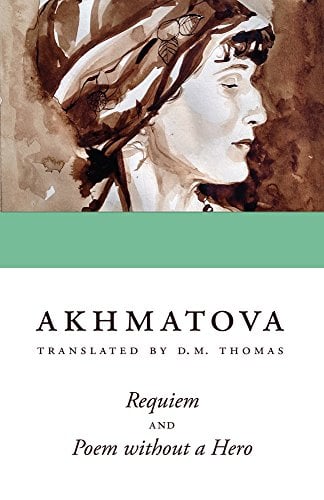
Requiem and Poem Without a Hero are canonical texts of 20th-century Russian literature and essential documents of Stalinist-era witness poetry — required reading in Russian literature courses worldwide. No database records appear for this English translation's syllabus presence, but the works are universally taught in courses on Soviet literature, women's writing, and poetry of witness. The Wikipedia absence in this database likely reflects a data gap rather than actual obscurity: Akhmatova's works are foundational to Russian studies curricula.
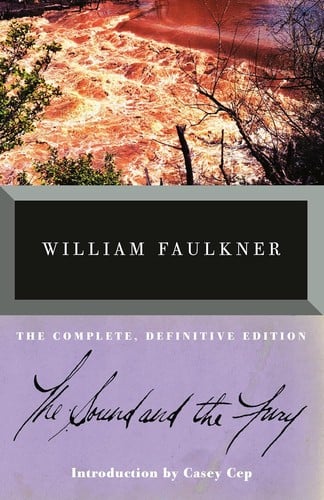
No. 6 on this list. The Sound and the Fury
William Faulkner · 1929
Difficult15 hours
Taught in schools: Turkish edebiyat curriculum (Turkey)
Included in: Bokklubben World Library
Listed on Modern Library 100 Best Novels, TIME All-TIME 100 Novels, Le Monde's 100 Books of the Century, and Open Syllabus Top 500 Literature. Wikipedia article exists in 35 languages with dedicated Reception and Adaptations sections and 57,976 characters of editorial content. A fixture of American literature courses and universally regarded as one of the defining works of American modernism — canonical weight comparable to or exceeding The Great Gatsby.
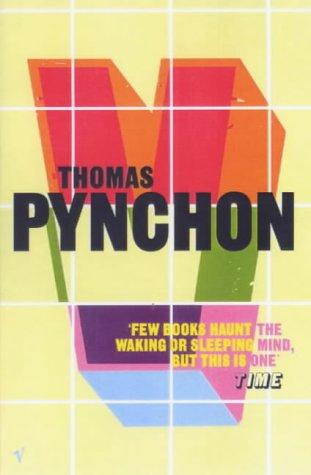
V. appears on hundreds of university syllabi in American literature, postmodernism, and world fiction courses, and is consistently ranked among the essential American novels of the twentieth century by critics and scholars. It appears on the Modern Library 100 Best Novels list and Time magazine's All-TIME 100 Novels. Less universally assigned than Pynchon's Gravity's Rainbow in terms of academic prestige, but the more frequently taught first novel in postmodern American fiction sequences.
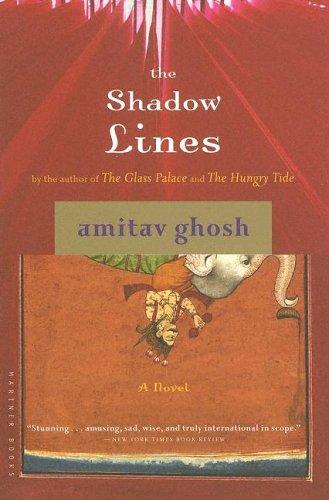
The Shadow Lines won the Sahitya Akademi Award and is standard on postcolonial fiction syllabuses globally. It is consistently ranked among the defining novels of South Asian Anglophone literature alongside Midnight's Children. Its treatment of Partition and communal violence has made it a touchstone for academic and general literary discourse about South Asia.
Paterson is anthologized in every major American poetry collection (Norton, Heath, Library of America) and taught in American modernism, long poem, and 20th-century poetry courses at virtually every research university. It is one of the defining long poems of the American century, alongside The Waste Land, The Cantos, and Four Quartets. While less widely taught than Shakespeare or Fitzgerald, it occupies a canonical position in American literary studies comparable to Beloved (85).
No. 10 on this list. Absalom, Absalom!
William Faulkner · 1936
Difficult18 hours
Included in: Bokklubben World Library
Faulkner retold the story of the South's racial catastrophe through sentences that coil and branch like kudzu, with four narrators across a century reconstructing a plantation patriarch's crime and its consequences. The novel is the most structurally ambitious work in American fiction — a detective story about history itself, in which the clues are voices and the evidence is contradictory.
No. 11 on this list. Age of Iron · J.M. Coetzee · 1990
Age of Iron occupies a secure place in the Coetzee canon alongside Disgrace and Waiting for the Barbarians, and is regularly included in postcolonial and South African literature curricula worldwide. Its apartheid-era historical weight gives it documentary as well as aesthetic canonical status.
Difficult7.5 hours
Start this bookNo. 12 on this list. The Plague of Doves · Louise Erdrich · 2008
Pulitzer Prize finalist (2009) and the first entry in a trilogy whose second volume, The Round House, won the National Book Award. Taught in university courses on contemporary American and Native American literature, with an established academic presence in postcolonial and ethnic studies. Widely regarded as one of Erdrich's most formally accomplished novels.
Difficult14 hours
Start this bookNo. 13 on this list. The Emigrants · W.G. Sebald · 1992
The Emigrants is widely taught in contemporary world literature, post-WWII German literature, and Holocaust literature courses, though it lacks the mass-curriculum presence of more canonical texts. It appears regularly on 'best novels of the 20th century' lists — including The Guardian's 100 Best Novels in English — and is considered essential reading in serious literary circles. Its canonical status is high within literary academia but limited compared to texts like Beloved or One Hundred Years of Solitude.
Difficult7.6 hours
Start this bookNo. 14 on this list. The Setting Sun · Osamu Dazai · 1947
A cornerstone of postwar Japanese literature, widely taught in Japanese and world literature courses internationally. The word 'shayozoku' ('people of the setting sun') entered the Japanese language from this novel's publication in 1947, marking its immediate cultural impact. Donald Keene's 1956 English translation established it as essential reading in Western Japanese literature curricula.
Difficult4.7 hours
Start this bookNo. 15 on this list. The Waves · Virginia Woolf · 1931
Recognized as Woolf's most ambitious experiment. Central to modernist studies.
Difficult9.5 hours
Start this bookNo. 16 on this list. Four Quartets · T. S. Eliot · 1943
Eliot fused the rhythms of Anglican liturgy, the imagery of the English countryside, and the philosophy of time into four linked meditations on what it means to arrive where you started and know the place for the first time. The poems represent the summit of his craft — the point where his erudition finally dissolved entirely into music.
Difficult51 min
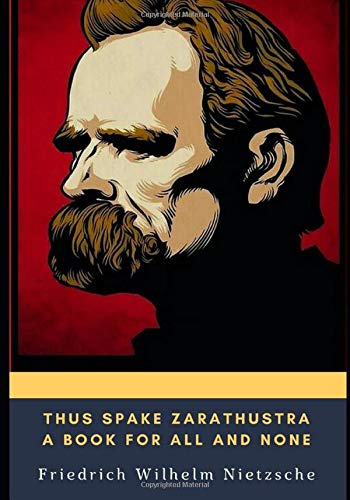
Start this bookNo. 17 on this list. Thus Spake Zarathustra A book for all and none · Friedrich Nietzsche
A standard text in philosophy and German-literature courses, and one of the most widely read works of modern philosophy worldwide. Often the entry point to Nietzsche. It ranks with Notes from Underground in curricula, though less often assigned in full than Crime and Punishment.
Difficult13 hours
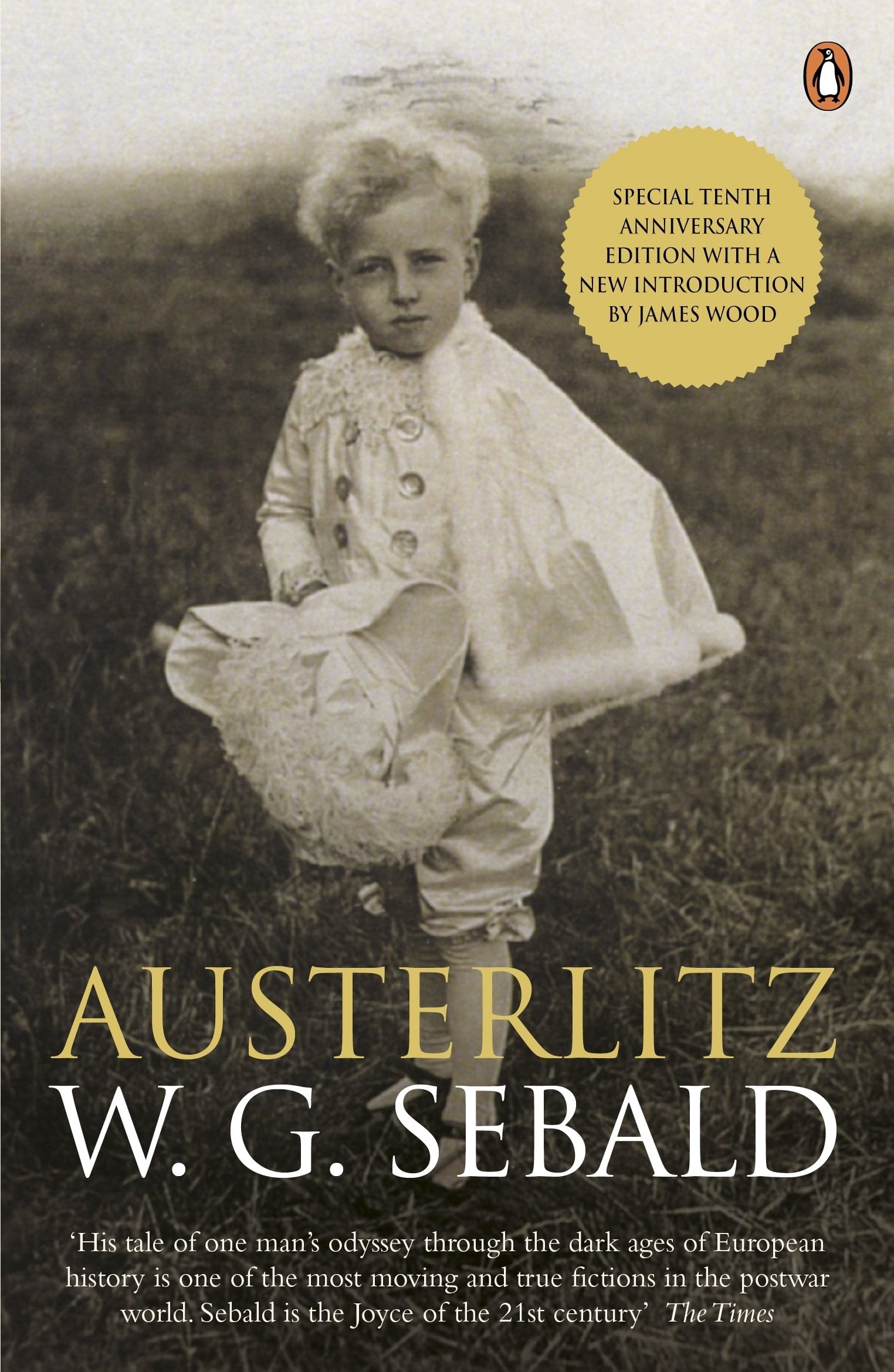
Start this bookNo. 18 on this list. Austerlitz · W.G. Sebald · 2001
Austerlitz appears on 197 university syllabi at the 57th percentile, placing it solidly in the serious literary canon—standard in contemporary European fiction and Holocaust literature courses at major universities. Wikipedia covers the book in 23 languages, indicating meaningful global critical reach. It is routinely assigned alongside Primo Levi, Paul Celan, and Imre Kertész in courses on memory and atrocity literature.
Difficult9.5 hours
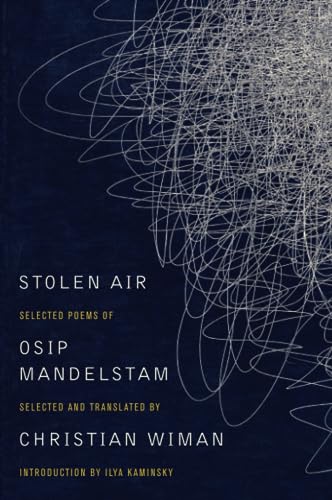
Start this bookNo. 19 on this list. Selected Poems of Osip Mandelstam · Osip Mandelstam
Mandelstam's poetry is taught in world literature and comparative modernism courses globally, and he appears in virtually every anthology of 20th-century poetry. This specific 2022 bilingual edition by Ian Probstein (Academic Studies Press) is a scholarly translation with narrower syllabus presence than the poet's overall reputation warrants. The work as an anthology of Mandelstam's selected poems sits at the center of the Russian modernist canon.
Difficult5.6 hours
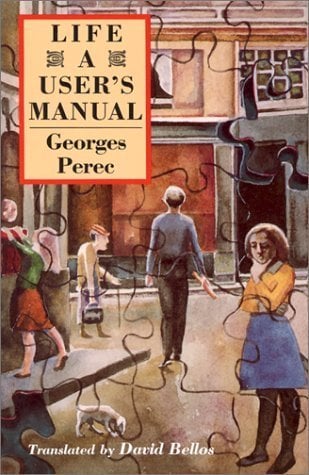
Start this bookNo. 20 on this list. Life A User's Manual · Georges Perec · 1978
Listed on Le Monde's 100 Books of the Century and the Open Syllabus Top 500 for Literature. Wikipedia articles exist in 18 languages. The novel is a fixture in courses on experimental fiction, Oulipo, and twentieth-century French literature, though it remains less widely taught than mainstream canonical works in anglophone curricula.
Difficult21 hours
Start this book
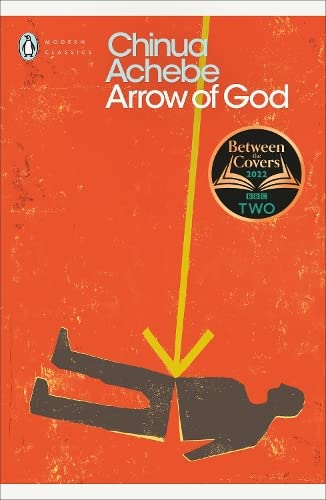
No. 21 on this list. Arrow of God · Chinua Achebe · 1964
Taught in schools: CSEC English B – Caribbean Examinations Council
Included in: Heinemann African Writers Series
Arrow of God appears regularly on postcolonial literature, African studies, and world literature syllabi at universities across Europe, North America, and Africa. It is less universally assigned than Things Fall Apart but holds a firm place in courses devoted to African fiction and the novel of colonial encounter. No database records were retrieved, but its continued presence in academic reading lists reflects a strong if not dominant canonical position.
Difficult10 hours
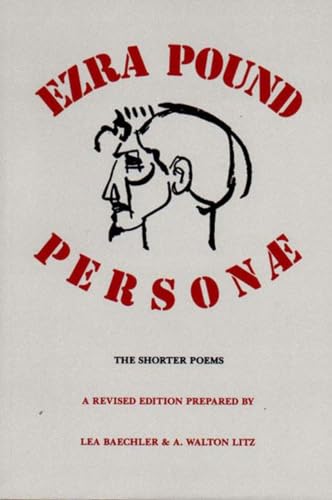
Start this bookNo. 22 on this list. Personae · Ezra Pound · 1926
Personae is a standard text in modernist poetry curricula worldwide and appears in virtually every major anthology of 20th-century poetry. Though no database syllabus data was returned, Pound's first collection is foundational to understanding Imagism and the troubadour influence on Anglo-American modernism. It is overshadowed in syllabi by the later Cantos and by Eliot, but remains required reading in modernist poetry courses.
Difficult1.1 hours
Start this bookNo. 23 on this list. Angels in America: Perestroika · Tony Kushner · 1992
Angels in America is taught in American theater, drama, and queer studies programs at universities across the country and is consistently listed among the essential works of 20th-century American literature. Both parts of the play appear regularly on syllabi in literature, political science, and history courses. Its status as a defining document of the AIDS crisis and Reagan-era America makes it required context for anyone studying the period.
Difficult6.8 hours
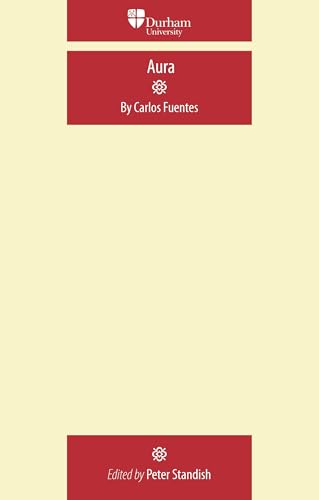
Start this bookNo. 24 on this list. Aura · Carlos Fuentes · 1962
Aura is assigned in Latin American literature courses across universities globally and anthologized alongside Pedro Paramo and One Hundred Years of Solitude as a defining text of the Latin American Boom. Its brevity makes it a frequent entry point for students encountering Fuentes or magical realism. It does not appear on as many syllabi as García Márquez's major novels but is among the most-taught works in comparative world literature curricula.
Difficult1.4 hours
Start this bookNo. 25 on this list. Água Viva · Clarice Lispector · 1973
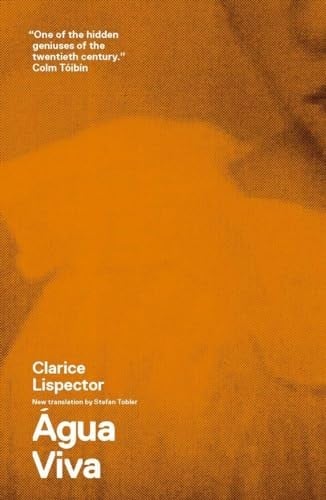
The unnamed narrator of Água Viva is a painter who has turned to words — not to tell a story but to capture the precise texture of the present moment before it slips away. She writes to an unnamed 'you': about caves lined with bats, about a rose that lasted a week because it felt admired, about wild horses in mountain meadows, about the body as a typewriter that demands and demands. There are no chapters, no plot, no characters other than this voice and its recipient. What accumulates instead is a philosophy of the instant: Lispector's attempt to seize the 'is' of things, the 'it' that exists just below language, just beyond thought. The sentences move from fragments to long meditative surges, from declarations of joy to confessions of terror to sudden hallelujahs. Reading it feels less like following a narrative and more like listening to someone think out loud with total commitment and no safety net. It is one of the strangest books in the Brazilian canon — neither novel nor essay nor prose poem but all three at once, vibrating at the frequency of consciousness itself.
Difficult3.2 hours
Start this bookNo. 26 on this list. Friend of My Youth · Alice Munro · 1990
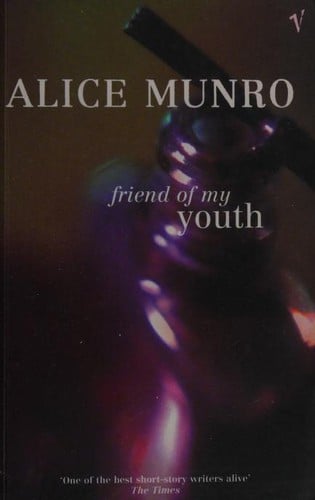
A cornerstone of contemporary short fiction syllabi in anglophone universities, studied alongside Chekhov and Carver as a model of the compressed, psychologically dense story. Munro's Ontario settings have become as literary-geographically legible as Faulkner's Yoknapatawpha.
Difficult11 hours
Start this bookNo. 27 on this list. In Search of Lost Time · Marcel Proust · 1913
Included in: Bokklubben World Library, Great Books of the Western World
In Search of Lost Time appears on 223 university syllabi and registers at the 58.7th percentile in the Open Syllabus Project — a significant presence for a seven-volume novel typically taught in translation and only in specialized courses. It appears on virtually every 'greatest novels' list (Modern Library, Le Monde, Time), and is treated as the central work of French modernism in comparative literature programs worldwide.
Difficult25 hours
Read nowNo. 28 on this list. Arcadia · Tom Stoppard · 1993
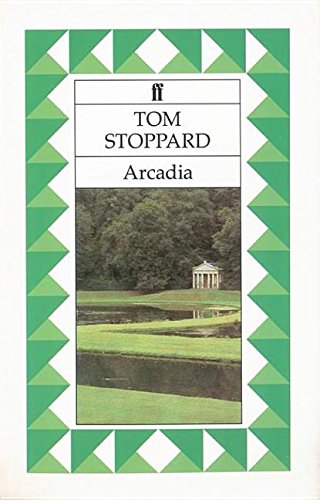
Arcadia is widely regarded as one of the finest English-language plays of the twentieth century and appears on drama syllabi at most anglophone universities. The play lacks the database signals (no syllabus count, no Wikipedia data retrieved), but from general knowledge it is a fixture of British drama courses and has been continuously staged in London and New York since its 1993 premiere. It ranks below Hamlet or Waiting for Godot in canonical weight but above most contemporary drama.
Difficult5.7 hours
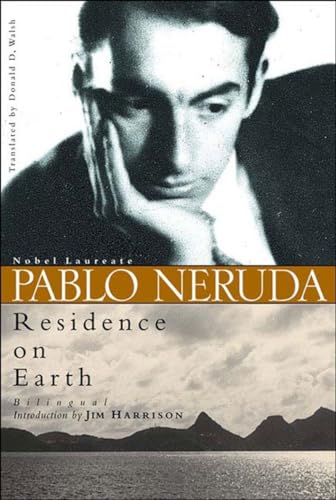
Start this bookNo. 29 on this list. Residence on Earth · Pablo Neruda · 1933
Pablo Neruda wrote the poems of 'Residence on Earth' during his years as a Chilean consul in Burma, Ceylon, and Java — postings that left him profoundly isolated, surrounded by unfamiliar languages and dissolving heat. What came out was a poetry of radical disorientation: rain that rots wood, flesh that smells of brine, clocks that leak time like a wound. The opening poem, 'Galope Muerto,' begins mid-sensation: 'Like ashes, like oceans populating themselves, in the submerged slowness, in the shapeless.' There is no speaker announced, no situation established. The collection works entirely through image — blood, sea, bone, stone — stacked without logical mortar until the pressure of accumulated sensation becomes its own argument. 'Walking Around' describes a man so disgusted by modern life he wants to throw everything away, the umbrellas and the accountants and the stockings. 'Ode with a Lament' addresses an unnamed woman through images of shipwrecks and salt. The later sections shift toward political fury — odes to Madrid under bombardment, to Stalingrad, to Spain's dead — but even the political poems work through elemental image rather than rhetoric. This is poetry that does not explain itself. Readers who need a narrative thread or an argument will find none. Those willing to receive sensation as meaning will encounter one of the most physically intense bodies of verse written in the 20th century.
Difficult7 hours
Start this bookNo. 30 on this list. The Winding Stair · William Butler Yeats · 1933
Published in 1933, this collection represents Yeats at the height of his late powers, confronting old age, political disillusionment, and metaphysical yearning through symbols drawn from his occult system A Vision. The tower at Thoor Ballylee becomes a central image: in 'Blood and the Moon' it rises as both Anglo-Irish monument and emblem of consciousness ascending through gyres of history. 'A Dialogue of Self and Soul' stages an internal debate between transcendent renunciation and acceptance of embodied life, concluding with a forceful affirmation of existence that forgives even suffering. The paired Byzantium poems ('Sailing to Byzantium' appears in the earlier Tower volume, but 'Byzantium' here extends the meditation) envision sacred art as escape from biological decay into eternal form. 'Coole Park and Ballylee, 1931' elegizes Lady Gregory's estate and the cultural moment it represented, now dissolving in Ireland's post-revolutionary violence. 'Vacillation' sustains eight sections of philosophical oscillation between worldly and spiritual commitments without final resolution. Throughout, Yeats employs demanding stanzaic forms—ottava rima, terza rima—whose formal strictness contains explosive metaphysical content, creating poetry that is simultaneously architectural and visionary.
Difficult53 min
Start this book
No. 31 on this list. Unfortunately, It Was Paradise
Mahmoud Darwish · 2003
No. 32 on this list. To the Lighthouse
Virginia Woolf · 1927
Included in: Bokklubben World Library, Great Books of the Western World
No. 33 on this list. Joseph and His Brothers
Thomas Mann · 1943
No. 34 on this list. Peer Gynt
Henrik Ibsen · 1867
No. 35 on this list. Voss
Patrick White · 1957
No. 36 on this list. Treacle Walker
Alan Garner · 2022
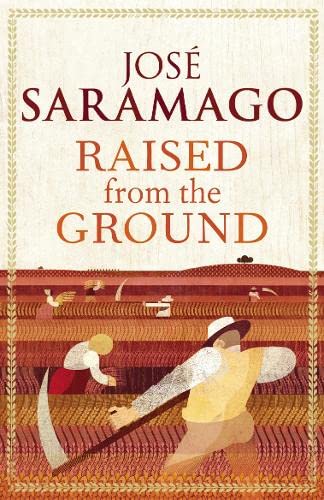
No. 37 on this list. Raised from the Ground
José Saramago · 1980
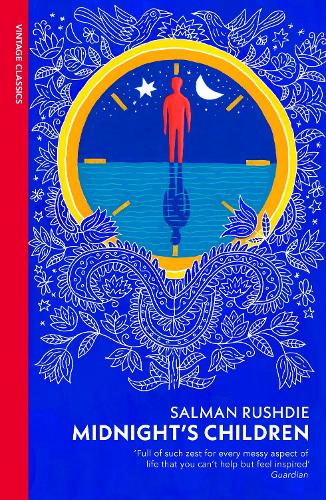
No. 38 on this list. Midnight's Children
Salman Rushdie · 1981
Included in: Bokklubben World Library
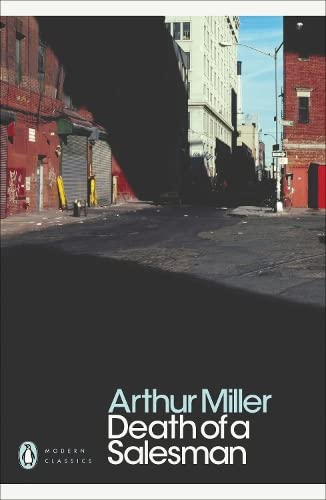
No. 39 on this list. Death of a Salesman
Arthur Miller · 1949
Taught in schools: AQA GCSE and A-level English Literature (UK), Common Core text exemplars (Appendix B) (US), CSEC English B – Caribbean Examinations Council
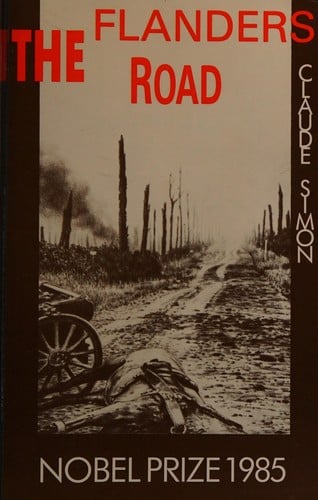
No. 40 on this list. The Flanders Road
Claude Simon · 1960
No. 41 on this list. Malone Dies
Samuel Beckett · 1951
Included in: Bokklubben World Library
No. 42 on this list. Happening
Annie Ernaux · 2000
No. 43 on this list. Writing and Difference
Jacques Derrida · 1967
No. 44 on this list. The Order of Things: An Archaeology of the Human Sciences
Michel Foucault · 1966
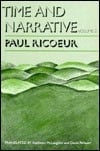
No. 45 on this list. Time and Narrative
Paul Ricoeur · 1984
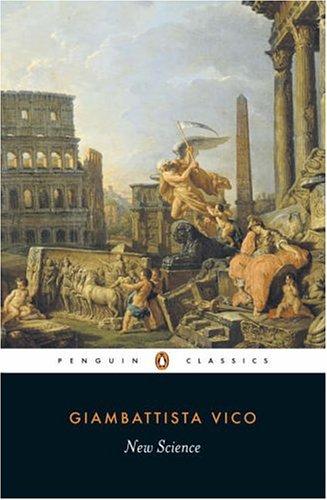
No. 46 on this list. New Science
Giambattista Vico · 1725
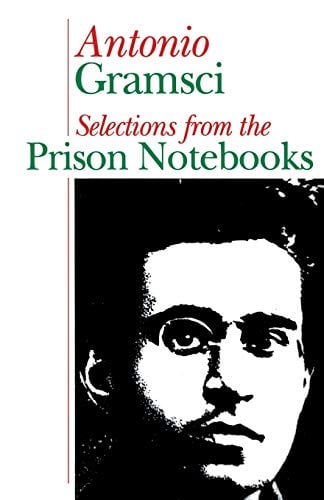
No. 47 on this list. Selections from the Prison Notebooks
Antonio Gramsci · 1948
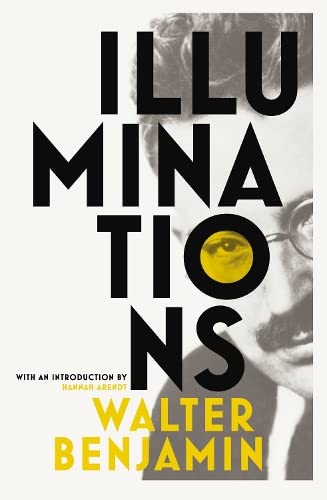
No. 48 on this list. Illuminations
Walter Benjamin · 1955
No. 49 on this list. Madness and Civilization: A History of Insanity in the Age of Reason
Michel Foucault · 1961
No. 50 on this list. Discipline and Punish
Michel Foucault · 1975
About this list
These 52 books are the hardest-scoring eligible books about memory and time currently in the catalogue. About 654 hours of reading in all. Difficulty runs from 70 to 78 out of 100 for the middle half of the list; the summit is Finnegans Wake at 94.
This list is ranked by difficulty score, hardest first, with a consistent order for equal scores. Membership follows authors and co-authors, not translators or editors. A book is here when ReadingRate files it under Memory & Time as one of its primary reading domains, at a confidence of 0.8 or more. Catalogue coverage and the historical canon both limit what this list can represent.
When we matched the Canons dataset to our catalogue in October 2026, our canonical-status scores rose with the number of school curricula, publisher series and lists in it that cite a work: the median score was 72 for books one such source cites, 84 at two, 88 at three, 92 at four and 93 at five or more. Prizes are left out of that count. Outside the state curricula, the dataset’s sources choose mostly from what has been translated into English or French, so it is a weaker check on other literatures. Source: Canons (Andrew Piper), CC BY 4.0
Questions people actually ask
- What are the hardest books about memory and time to read?
- Ranked hardest first by difficulty score: Finnegans Wake by James Joyce, Ill Seen Ill Said by Samuel Beckett, Vertigo by W.G. Sebald, W, or the Memory of Childhood by Georges Perec and Poem Without a Hero by Anna Akhmatova. ReadingRate ranks 52 such books, each with a difficulty score and a reading-time estimate.
- Can I read any of these books about memory and time for free?
- 2 of the 52 open in ReadingRate's reader with a free account, from public-domain editions: In Search of Lost Time and To the Lighthouse.
- How long would it take to read the top ten?
- About 148 hours, at an average pace of 250 words a minute adjusted for each book's difficulty: 74 days at two hours a day. Set your own pace on the page and the list's reading times change to it.
- How hard are the hardest books about memory and time?
- Most of this list sits between 70 and 78 on ReadingRate's 100-point difficulty scale, where 40 to 55 is moderate. The summit is Finnegans Wake at 94. Every entry carries its own score, so a reader can pick a great book at a difficulty they will finish.
- How is this list ranked?
- Nine dimensions, from vocabulary and sentence structure to symbolic density and how much an ending withholds, each scored out of 100 and combined. It measures the text, not the reader, and it leans on meaning: The New York Trilogy scores 87 for how much it withholds, though its sentences are plainer than anything else in the top twenty. Each book's page shows which kind of hard it is. A book is here when ReadingRate files it under Memory & Time as one of its primary reading domains, at a confidence of 0.8 or more.