Hours at an average pace
Showing 36 books
About 520 hours for 36 of 36 books with measured lengths. Estimates use 250 words a minute, adjusted for each book's difficulty. At 2 hours a day, about 261 days for those books.
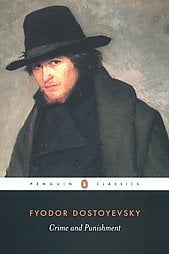
No. 1 on this list. Crime and Punishment
Fyodor Dostoevsky · 1866
Difficult24 hours
Taught in schools: Common Core text exemplars (Appendix B) (US), Lektury obowiązkowe – Polish national reading list (Poland), Lithuanian literature curriculum (lietuvių kalba ir literatūra)
Included in: Bokklubben World Library
Crime and Punishment is required reading in virtually every world literature curriculum and Russian literature course. It appears on 711 university syllabi (Open Syllabus) and is available in 82 Wikipedia languages, placing it among the most globally recognized novels ever written. It consistently appears on canonical 'greatest novels' lists, including TIME's All-TIME 100 Novels.
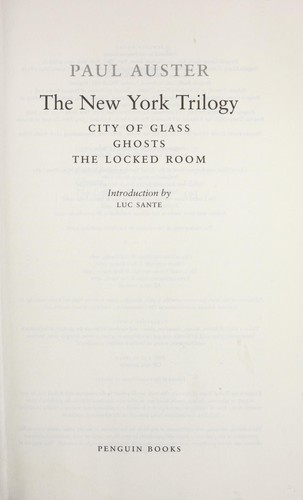
The New York Trilogy stands as the defining work of American postmodern noir and one of the most influential experimental novels of the 1980s. It appears consistently on syllabi for postmodern fiction, metafiction, and American literature courses, and is cited as a foundational text in discussions of the detective genre's literary transformation. Published in the US by Penguin Books (1987 combined edition), it has remained continuously in print for four decades. It appears on numerous "greatest novels" lists and is central to critical discourse on identity, authorship, and the limitations of language in contemporary fiction.
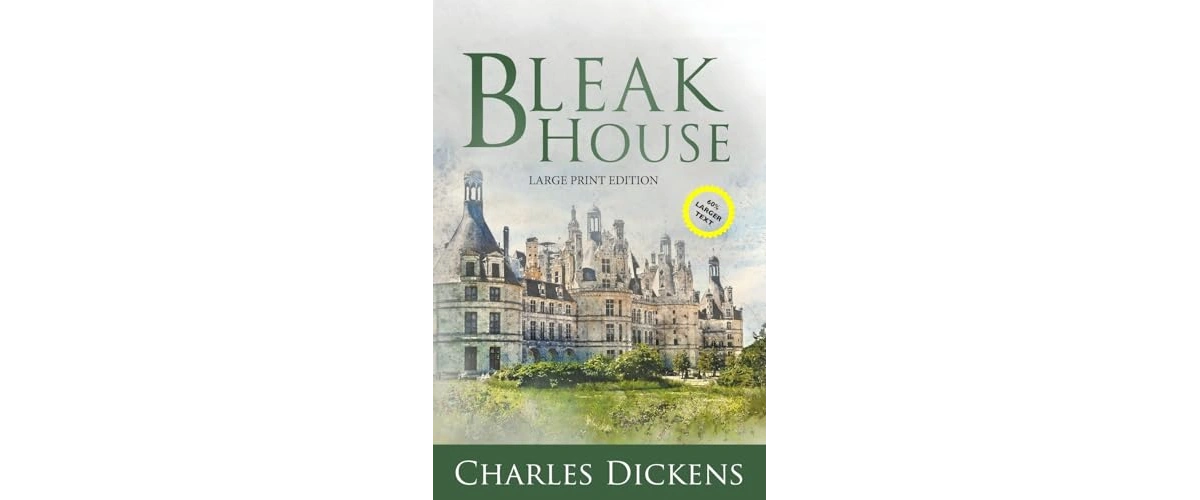
Central Victorian novel in English literature curricula; essential Dickens alongside Great Expectations; studied as peak of his social criticism and narrative ambition.
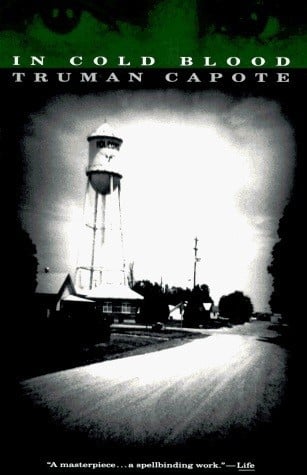
Required reading in virtually every American journalism school and most creative nonfiction courses. Appears on Modern Library and Time's All-Time 100 Novels lists. The book that established 'literary journalism' and 'the nonfiction novel' as serious forms. No significant discussion of 20th-century American nonfiction omits it.
Oedipa Maas learns she has been named executor of Pierce Inverarity's estate, a California real estate mogul and former lover whose tangled holdings require investigation. Traveling to the fictional San Narciso with co-executor Metzger, a lawyer, she begins noticing a mysterious symbol—a muted post horn—appearing in unexpected places. Her research into a Jacobean revenge play performed locally reveals references to Tristero, an underground postal system that may have operated in opposition to official mail services for centuries. As Oedipa pursues leads through bizarre informants—Mike Fallopian explaining the Peter Pinguid Society, John Nefastis demonstrating his entropy-reversing machine, professor Emory Bortz debating theatrical textual variants—she cannot determine whether she has discovered a genuine conspiracy or descended into paranoia. Her husband Mucho suffers breakdowns at his disk jockey job while Metzger abandons both the investigation and their affair. Characters appear with improbable names and suspect motives, stamps contain hidden messages, and evidence proliferates without resolving into coherent truth. The novel concludes with Oedipa attending an auction where a mysterious bidder may reveal the conspiracy's reality, but the narrative ends the moment before revelation, suspending her permanently between competing interpretations of American communication, meaning, and madness.
A canonical experimental novel and the centrepiece of OuLiPo's legacy in world literature. Widely anthologised in discussions of formal constraint in writing. Perec's reputation — anchored also by Life A User's Manual — ensures its place in any serious survey of twentieth-century European fiction.
No. 7 on this list. The Moonstone
Wilkie Collins · 1868
Challenging18 hours
Taught in schools: AQA GCSE and A-level English Literature (UK), Pearson Edexcel GCSE and A-level English Literature (UK)
T.S. Eliot called it 'the first, the longest, and the best of modern English detective novels,' and it has anchored Victorian literature courses at universities worldwide for over a century. The Moonstone appears routinely on syllabi covering sensation fiction, the origins of detective fiction, and 19th-century narrative experiment. Its Wikipedia article spans more than 50 language editions, reflecting its standing as a genuine cornerstone of English literary history.
Part of Roth's 'American Trilogy' — widely referenced in American fiction surveys and on reading lists for postwar American literature. Wikipedia article available in 9 languages with a dedicated reception section and adaptations section (2003 film with Anthony Hopkins and Nicole Kidman). The Open Syllabus data records no standalone syllabus appearances, suggesting it is typically taught as part of the trilogy rather than alone.
Winner of the Women's Prize for Fiction (2021), with a Wikipedia presence in 39 languages — strong recognition for a novel published in 2020. Clarke's second novel after the celebrated Jonathan Strange & Mr Norrell, it arrived with significant literary anticipation and met it. Not yet in syllabi, which reflects recency rather than lack of merit.
The novel holds a secure place in the European modernist canon—Calvino's introduction compares it to Ulysses, Remembrance of Things Past, and The Man without Qualities as one of four key twentieth-century novels in their respective national literatures. It is widely taught in Italian literature courses and appears on syllabi focused on postwar European fiction. Outside Italy, its canonical status is significant but not universal, as the difficulty of translating Gadda's dialect layers limits its classroom penetration in Anglophone universities.
No. 11 on this list. Rebecca · Daphne du Maurier · 1938
Taught in schools: AQA GCSE and A-level English Literature (UK)
Appears on 337 university syllabi (63rd percentile in Open Syllabus) and on the BBC Big Read Top 100 and 1001 Books You Must Read Before You Die. It is a standard text in courses on the gothic and on women's writing, and has been in print continuously since 1938.
Challenging15 hours
Start this bookNo. 12 on this list. The Truth about the Savolta Case · Eduardo Mendoza · 1975
Standard in Spanish university curricula as the novel that marks the transition from Francoist to democratic Spanish fiction.
Difficult13 hours
Start this bookNo. 13 on this list. The Secret History · Donna Tartt · 1992
The Secret History is widely assigned in university courses on contemporary American fiction, creative writing, and the campus novel. While it has not reached the universal curriculum status of mid-century classics, its presence in syllabi across English-speaking universities is substantial. Wikipedia covers the novel in 20+ languages, reflecting broad international readership.
Challenging21 hours
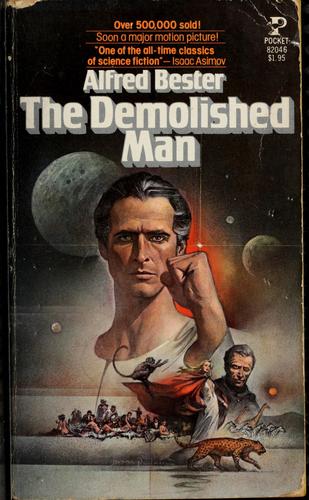
Start this bookNo. 14 on this list. The Demolished Man · Alfred Bester · 1953
The Demolished Man holds a secure place in the SF canon as the winner of the inaugural Hugo Award for Best Novel (1953), the genre's highest honor. It appears in major SF reference works and retrospectives but sits outside the broader literary canon taught in university English departments. No Open Syllabus appearances were found, reflecting its genre-specific rather than cross-disciplinary canonical standing.
Difficult6.9 hours
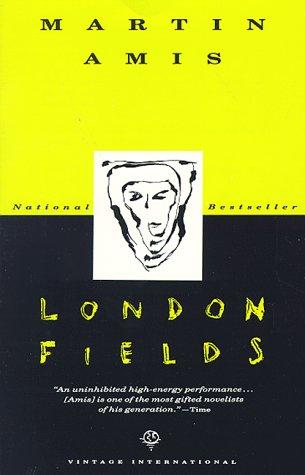
Start this bookNo. 15 on this list. London Fields · Martin Amis · 1989
Keith Talent is the worst man in London, and he knows it, and he is fine with it. A darts-obsessed petty criminal from a West London estate, Keith lives entirely within the tabloid vocabulary the age has given him: women, motor cars, the beautiful game. Nicola Six is the most seductive woman in London, and she knows she is going to be murdered. She has known it for years. Her project, as the millennium closes in and the world holds its nuclear breath, is to find her killer and arrange events accordingly. Into this trap walks Samson Young, an American writer in London on a dying man's borrowed flat, who begins to transcribe what he believes is a true story unfolding around him -- and who cannot resist shaping it. Martin Amis gives us three characters spiraling toward a crime that all of them, in different ways, are committing. The novel operates as both ruthless satire of Thatcherite England -- the dart flights, the booze, the lads, the tabloid ontology -- and as a cold meditation on desire, death, and the stories men tell about women. The prose is consistently brilliant and consistently uncomfortable, like watching a magician perform a trick you suspect is actually being done to you.
Difficult20 hours
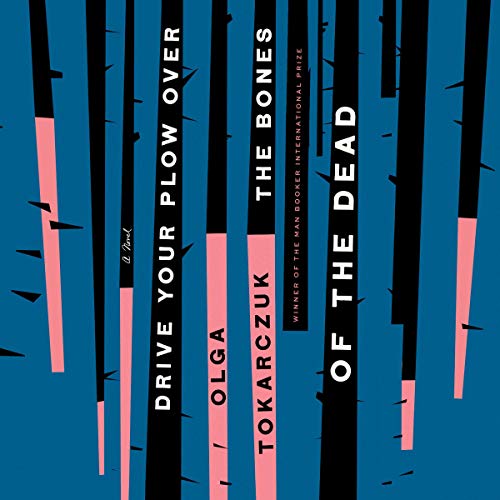
Start this bookNo. 16 on this list. Drive Your Plow Over the Bones of the Dead · Olga Tokarczuk · 2019
Appears on 90 university syllabi according to Open Syllabus data (48.8th percentile), with a Wikipedia article in 11 languages. The novel has found a foothold in world literature and feminist ecology courses but has not yet achieved the widespread canonical status of older Nobel Prize winners. Its recognition is growing rapidly following Tokarczuk's 2018 Nobel.
Challenging7.3 hours
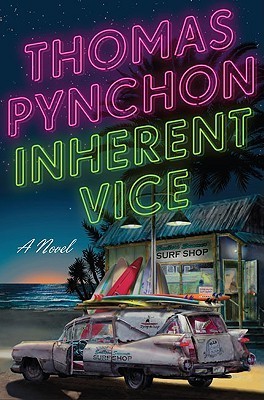
Start this bookNo. 17 on this list. Inherent Vice · Thomas Pynchon · 2009
Inherent Vice is published and recognized as a major Pynchon novel — his most accessible — and was adapted into a Paul Thomas Anderson film in 2014, generating considerable cultural presence. However, it lacks the canonical weight of Gravity's Rainbow or The Crying of Lot 49. It is taught occasionally at the university level as an entry point to Pynchon but does not appear on core syllabi. Wikipedia editions across many languages reflect broad recognition without deep canonization.
Difficult14 hours
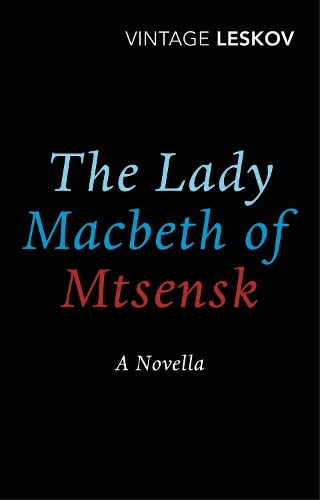
Start this bookNo. 18 on this list. Lady Macbeth of Mtsensk · Nikolai Leskov · 1865
Taught in schools: Russian FGOS literature standard
"Lady Macbeth of Mtsensk" is taught regularly in Russian and Slavic literature courses at universities worldwide and appears on most curated lists of essential Russian fiction. No syllabus data was found in the database, but the work's prominence in Slavic studies is well established. The Shostakovich opera adaptation has kept the novella in continuous cultural circulation since its 1934 premiere.
Challenging16 hours
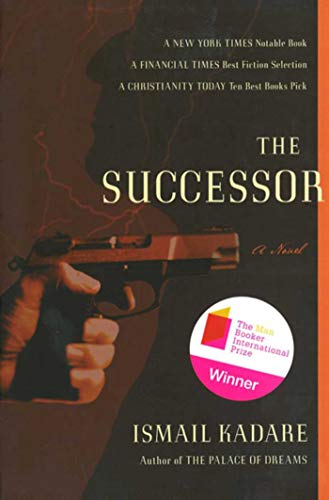
Start this bookNo. 19 on this list. The Successor · Ismail Kadare · 2003
Kadare is the pre-eminent Albanian writer and The Successor appears on world literature and comparative literature syllabi, though Albanian literature remains a niche in anglophone curricula. The novel is published by Canongate in the UK and Arcade in the US and available in over 40 language translations but does not feature heavily on large-volume English-language syllabi datasets. Its canonical status sits between 2666 (65) and Gone Girl (45) — a recognized work of international literary fiction without mass-curriculum penetration.
Difficult4.9 hours
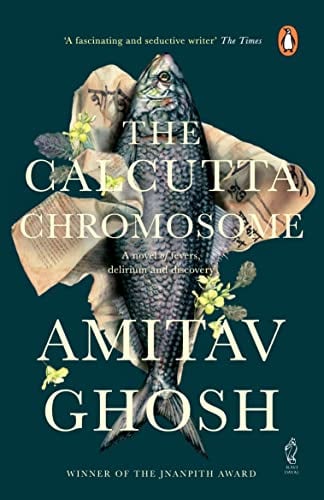
Start this bookNo. 20 on this list. The Calcutta Chromosome · Amitav Ghosh · 1995
A set text in postcolonial science-studies and speculative-fiction syllabi, cited constantly in scholarship on colonial science.
Difficult9 hours
Start this book
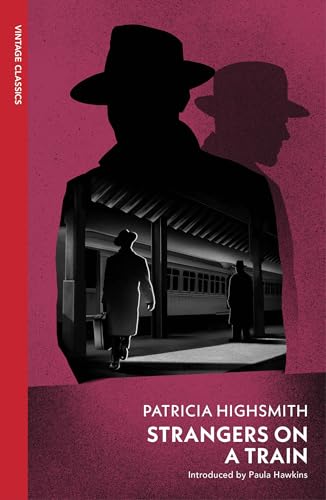
No. 21 on this list. Strangers on a Train · Patricia Highsmith · 1950
No Open Syllabus or Wikipedia data is available in the database, but Highsmith's debut novel is recognized as a foundational text of American psychological crime fiction. It appears occasionally in university courses on crime writing and 20th-century American literature, though it lacks the broad curricular presence of canonical literary novels. Its Hitchcock adaptation (1951) has kept it in cultural circulation for over seven decades.
Challenging8.7 hours
Start this bookNo. 22 on this list. A Manuscript of Ashes · Antonio Muñoz Molina · 1986
Taught in contemporary Spanish literature courses as the founding novel of Mágina and a key text of the historical-memory novel.
Difficult12 hours
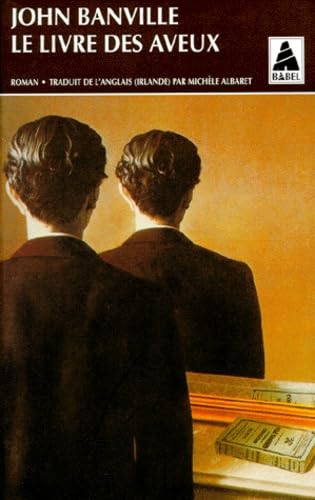
Start this bookNo. 23 on this list. The Book of Evidence · John Banville · 1989
Appears on 44 university syllabi (41st percentile in Open Syllabus), taught primarily in Irish literature and postmodern fiction courses. Wikipedia coverage exists in only 2 languages, and the novel lacks the broad curricular footprint of Banville's more widely assigned contemporaries.
Difficult8.2 hours
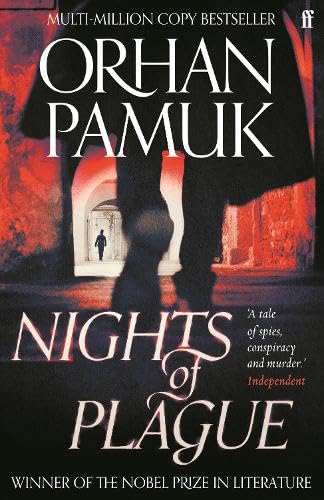
Start this bookNo. 24 on this list. Nights of Plague · Orhan Pamuk · 2021
No syllabus or Wikipedia data was returned for this specific novel, and as a 2021 publication it has not yet entered academic curricula widely. However, Pamuk's broader body of work is regularly taught in world literature and postcolonial studies courses, and 'Nights of Plague' appears on best-of-year lists from major literary outlets. Its canonical standing is still forming.
Difficult30 hours
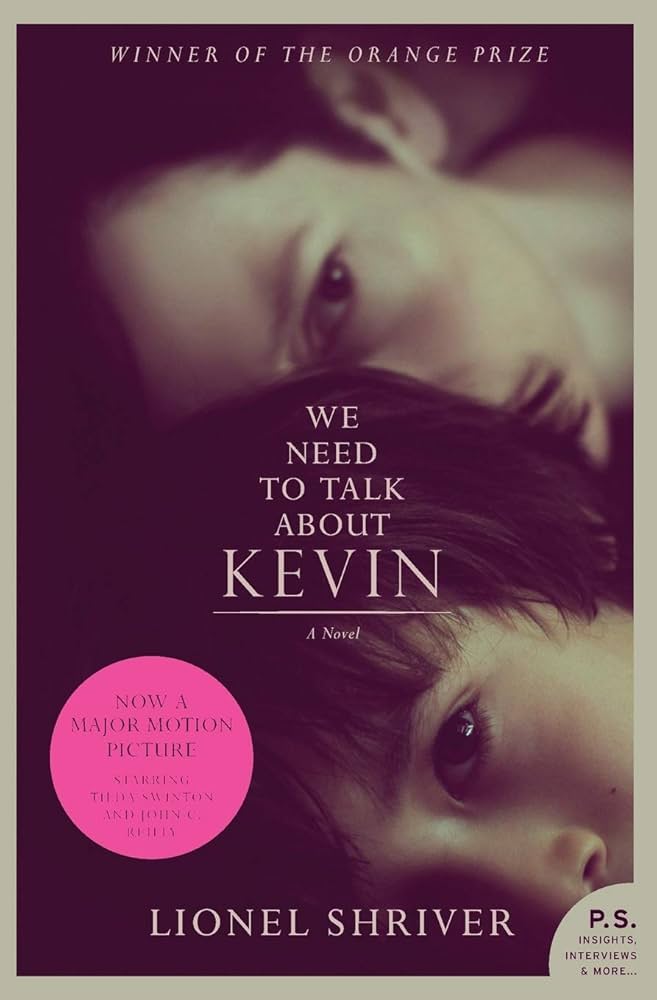
Start this bookNo. 25 on this list. We Need to Talk About Kevin · Lionel Shriver · 2005
Appears on 65 university syllabi (45th percentile per Open Syllabus), putting it in the range of contemporary literary fiction taught in modern lit and women's studies courses rather than the broader canon. Wikipedia coverage in 12 languages suggests a solid international profile without reaching the global reach of truly canonical works. A serious literary novel but not yet a fixture of required reading lists.
Difficult19 hours
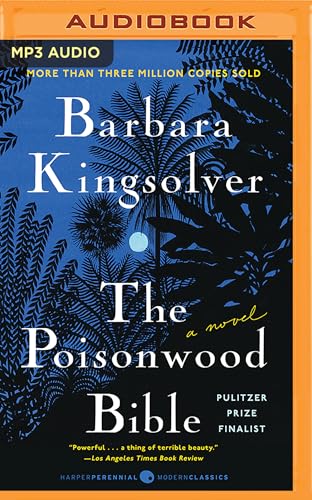
Start this bookNo. 26 on this list. The Poisonwood Bible · Barbara Kingsolver · 1999
Appears on 365 university syllabi (64th percentile in the Open Syllabus Project), placing it in regular rotation for postcolonial literature and American fiction courses. Its Wikipedia article covers 3 languages and includes dedicated reception and adaptations sections, indicating sustained cultural presence. Well-taught but not in the tier of perennial curriculum fixtures like Beloved or Their Eyes Were Watching God.
Challenging17 hours
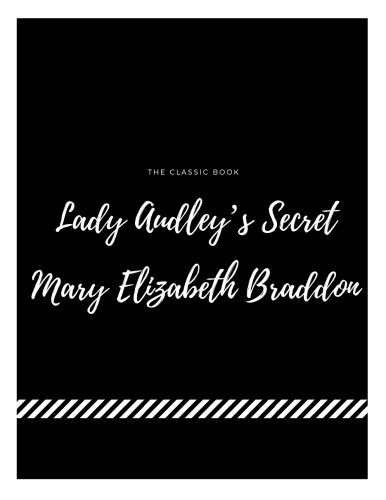
Start this bookNo. 27 on this list. Lady Audley's Secret · Mary Elizabeth Braddon · 1862
Taught in schools: Pearson Edexcel GCSE and A-level English Literature (UK)
Lady Audley's Secret is regularly taught in Victorian literature courses and sensation fiction studies, appearing on a moderate number of university syllabi focused on 19th-century fiction and women's writing. It has a Wikipedia article in over 20 languages, indicating solid global recognition, though it sits outside the core canonical texts of the Victorian era.
Challenging15 hours
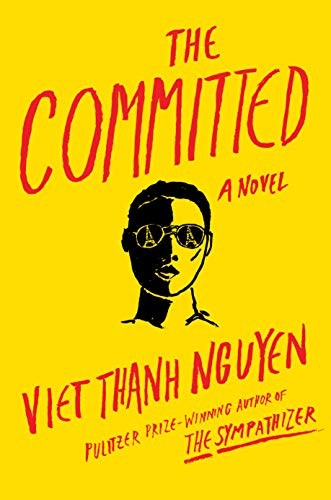
Start this bookNo. 28 on this list. The Committed · Viet Thanh Nguyen · 2021
The Committed (2021) is the sequel to The Sympathizer, a Pulitzer Prize–winning novel, but the sequel itself has not yet accumulated significant canonical presence. No syllabus data is available in the database, and its Wikipedia presence is limited compared to the first book. It is recent enough that its canonical trajectory remains unset; it is read in courses on postcolonial and Vietnamese-American literature but has not achieved required-reading status.
Challenging12 hours
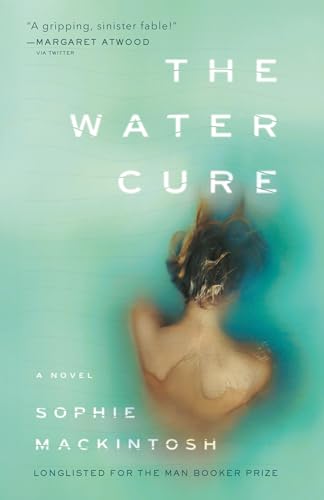
Start this bookNo. 29 on this list. The Water Cure · Sophie Mackintosh · 2018
Three sisters live on an isolated shore with their parents, protected from the toxic world outside by rituals and therapies their father has designed. When the father disappears and strange men arrive, the sisters must decide what is real and what they have been trained to believe. Mackintosh's debut is a feminist fable, its prose dreamlike and menacing, the cult's logic both absurd and familiar. The novel asks what we inherit from our parents, how much of our fear is protection and how much is control.
Challenging7.1 hours
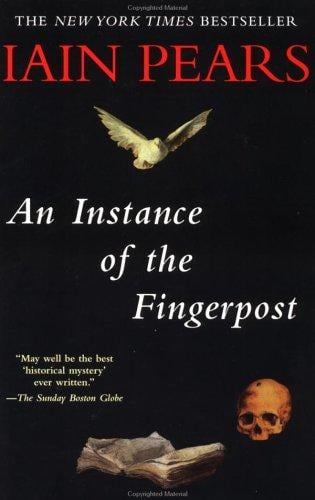
Start this bookNo. 30 on this list. An Instance of the Fingerpost · Iain Pears · 1997
A significant work of literary historical fiction, frequently taught in courses on narrative theory and historiography.
Challenging23 hours
Start this book
No. 31 on this list. Already Dead
Denis Johnson · 1997
No. 32 on this list. Feet of Clay
Terry Pratchett · 1996
No. 33 on this list. Parasol Against the Axe
Helen Oyeyemi · 2024
No. 34 on this list. The Likeness
Tana French · 2008
No. 35 on this list. Yellow Dog
Martin Amis · 2003
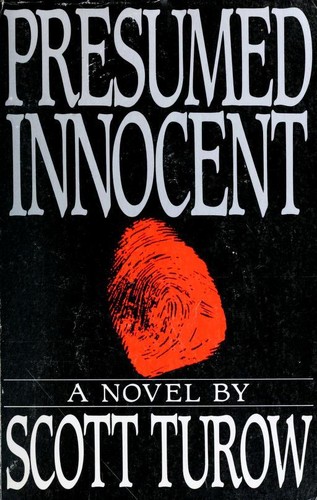
No. 36 on this list. Presumed Innocent
Scott Turow · 1987

About this list
These 36 books are the highest-scoring eligible challenging mystery and crime novels currently in the catalogue. By literary regard, it opens with Crime and Punishment, The New York Trilogy and Bleak House. About 520 hours of reading in all. Difficulty runs from 66 to 73 out of 100 for the middle half of the list; the summit is The New York Trilogy at 87.
This list is ranked by literary regard, with a consistent order for equal scores. Membership follows authors and co-authors, not translators or editors. Catalogue coverage and the historical canon both limit what this list can represent, and genre labels are the catalogue’s own, gathered into broader kinds.
When we matched the Canons dataset to our catalogue in October 2026, our canonical-status scores rose with the number of school curricula, publisher series and lists in it that cite a work: the median score was 72 for books one such source cites, 84 at two, 88 at three, 92 at four and 93 at five or more. Prizes are left out of that count. Outside the state curricula, the dataset’s sources choose mostly from what has been translated into English or French, so it is a weaker check on other literatures. Source: Canons (Andrew Piper), CC BY 4.0
Questions people actually ask
- What are the best challenging mystery and crime novels?
- By literary regard, which weighs canonical status, critical standing and influence, Crime and Punishment, The New York Trilogy, Bleak House, In Cold Blood and The Crying of Lot 49 lead. ReadingRate ranks 36 such books, each with a difficulty score and a reading-time estimate.
- Where should I start with challenging mystery and crime novels?
- Start from difficulty, not from rank. The most approachable books on this list that still carry top literary regard are The Moonstone by Wilkie Collins (about 18 hours), Drive Your Plow Over the Bones of the Dead by Olga Tokarczuk and Rebecca by Daphne du Maurier.
- How hard are challenging mystery and crime novels to read?
- Most of this list sits between 66 and 73 on ReadingRate's 100-point difficulty scale, where 40 to 55 is moderate. The summit is The New York Trilogy at 87. Every entry carries its own score, so a reader can pick a great book at a difficulty they will finish.
- How is this list ranked?
- On literary-regard data: how canonically established a work is, its critical standing, and its influence on later writing. It is not a readers’ poll, which is why recent bestsellers rarely appear. Membership follows authors and co-authors, not translators or editors. A list that is not a genre list keeps to literature (fiction, poetry, drama and philosophy), with philosophy taking no more than one slot in five while there is literature left to rank; every list holds at most three works by one author.